












Home Blog Page 73

THE BEST JAMAICA FESTIVAL SONGS EVER, By Decade

0
BEST JAMAICA FESTIVAL SONGS

For decades, the Jamaica Festival Song Competition has provided a soundtrack to Jamaican history, culture and national pride. Since launching in 1966 as part of the Independence Day celebrations, tops artists, songwriters and producers have strutted their stuff to win the valued prize of best patriotic song, producing legends like the Maytals and Eric Donaldson. And the 2020s era of the competition began with a bang, with Buju Banton celebrating his triumphant return to music with his winning song, “I am a Jamaica.” With this in mind, as Jamaicans around the world get ready to celebrate this year’s Independence festivities on August 6, we take a moment to look back at the best Jamaican Festival songs of all time, by decade.

The 1960s
“Bam Bam” by The Maytals (1966)

Perhaps no one defined the Jamaica Festival Song Competition in the 1960s more than the legendary Toots and The Maytals. As the first-ever winners of the competition when it was launched in 1966, they set the standard sky high with their iconic song “Bam Bam.” The song offers a clear narrative inspiring Jamaicans to stand for what is right and true. The song has also been sampled by several notable musicians throughout the years, from  Sister Nancy’s iconic dancehall remix to Lizzo’s sample of the song in her hit, “Truth Hurts.”

“Sweet and Dandy” by The Maytals (1969)

Yes, they are so nice, we had to name them twice. Frederick ‘Toots’ Hibbert and his Maytals remain one of the best-known ska and rocksteady Jamaican musical groups, and “Sweet and Dandy” has to be one of the songs that endeared the band to the people of Jamaica and music lovers around the world. The song remains unique among the Jamaica festival song competition. Instead of patriotic platitudes, the band captured the same inspiring spirit by weaving a funny and move the story of a wedding, and a community rallying behind the couple (and maybe eating too much cake).

The 1970s
“Boom Shaka Laka” by Hopeton Lewis (1970)

The 1970s saw the Jamaica Festival Song Competition really get into the swing, expertly launched by this iconic tune from rocksteady and reggae star Hopeton Lewis. The tune swept the Jamaica Festival Song Competition of 1970 with a celebratory and cheerful tone. “Boom Shaka Laka” urges Jamaicans to unite and be thankful for the blessings in their lives and nation.

“Cherry Oh Baby” by Eric Donaldson (1971)

Eric Donaldson remains the undisputed king of the Jamaica Festival Song competition. He still holds the record for the most wins, with six titles in 1971, 1977, 1978, 1984, 1993, 1995, and 1997. For his first win in 1971, he certainly blasted out the gate with this legendary love song that still resonates. The track remains the most coveted festival song ever, with over 30 samples by various artists from all over the world, including The Rolling Stones and UB40. Donaldson himself later released an updated version of the song.

“Land of My Birth” by Eric Donaldson (1978)

Cherry Oh Baby” may be the favorite Eric Donaldson song for artists around the world to cover. But there’s one other song that lives large in Jamaicans’ hearts and minds. Written by legendary songwriter Winston Wallace, the tune is a moving, upbeat declaration of love for one’s country set to an irresistible beat. Its message certainly endures throughout the years. “Land of My Birth” was voted as the best Jamaica Festival Song ever in a 2013 poll by the Jamaican Observer.

”Born Jamaican“ by The Astronauts (1979)

The 1970s was debatably the best decade for Jamaican festival music, defined by the then-emerging sounds of reggae, which would sweep the globe. And the Astronauts finished off the decade right with nationalistic melody, “Born Jamaican” in 1979. A difficult and traumatic year for the island during a tense political climate, this upbeat tune provided a breath of fresh air. The Astronauts (Donald Wright and Zac Henry) also went on to win the contest three more times.

The 1980s
“Nuh Wey Nuh Betta Dan Yard” by Tinga Stewart (1981)

Sometimes you just need a joyful song for the whole family to jam to. And in 1981, dancehall reggae legend Tinga Stewart delivered with his winning song “No Weh Nuh Betta Dan Yard,” written by Sangie Davis and produced by the one and only Rita Marley. Stewart was also voted the Most Popular Artist in Jamaica that same year.

“Jamaica I’ll Never Leave You” by Ras Karbi (1983)

There is a layer of sadness in many of the winning Jamaica Festival Songs of the 1980s. These festival songs were often defined by the anxiety of people wanting to leave the island due to economic worries. In response, artists composed tracks swearing fidelity to Jamaica. In this vein, “Jamaica I’ll Never Leave You” remains the most poetic expression of this sentiment. The well-traveled and celebrated Jamaican musician and composer Ras Karbi puts national loyalty on the lips of every Jamaican with this hopeful tune.

The 1990
“Born Inna JA” by Cheryl Clarke (1999)

Over the decades, the Jamaica Festival Song Competition has labored under a major gender bias, with the lion’s share of winners going to male performers. But some standout singers manage to break this persistent glass ceiling, like Cheryl “Chetenge” Clarke with her winning song, “Born Inna JA.”  She became the second of only three female artists that have won the Jamaica Festival Song Competition after Heather Grant first won the prize with “Mek We Put Things Right” (1992). Cheerful and positive, the song still doesn’t shy away from arguing how all Jamaicans at home and abroad can support the nation’s future.

The 2000s
“Poverty” by Khalil N Pure (2005)

Even the best Jamaica Festival songs almost exclusively stick to the positive side, promoting the beauty of the island and its people. But this also means many of these songs avoid open critique, failing to tap into music as a powerful force for social change. One major departure from this trend is Khalil N Pure’s “Poverty,” a timely and catchy tune that speaks out on some of the pressing concerns in the Jamaican community. In the middle of another economically challenging decade, the musical group was not shy to attack the pertinent issue of poverty, which the song personifies.

The 2010s
“Real Born Jamaican” by Abbygaye Dallas (2012)

The 2010s proved a challenging decade for the Jamaica Festival Song Competition. Some say the dark ages. The contest was canceled twice, in 2013 and 2017. And many music critics argued the quality of competition songs were falling. Artists in turn criticized the lack of support in developing the artists emerging from the competition. In these dark times, Abbygaye Dallas’s uplifting song “Real Born Jamaican” became a shining beacon. She became only the third female winner of the contest in 2012. The winning song was co-written and produced by Leebert Morrison.

2020
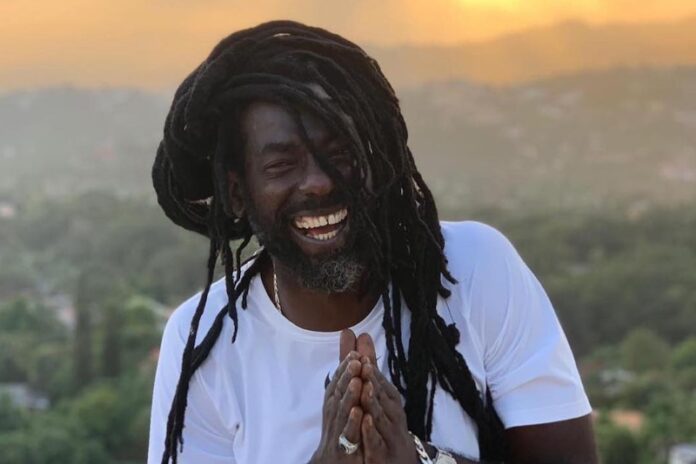
“I Am A Jamaican” by Buju Banton (2020)

Following Buju Banton’s triumphant return to Jamaica last year after being incarcerated in the U.S. for the past decade, he took the prize this year with his patriotic tune, “I Am A Jamaican.” The Grammy award-winning artist, who is considered to be one Jamaican music’s greats, also released an album this year titled “Upside Down 2020,” announcing his reappearance on the scene of reggae dancehall with a refreshing vibe. His presence certainly elevated the competition’s standard, joined by fellow greats like Toots & The Maytals and Freddie McGregor. But the competition also produced a host of new, exciting voices — a hopeful herald for the decade to come.
Do you agree with our picks of the best Jamaica Festival songs? Let us know your favorites in the comments.

Island Origins Live – Building an Iconic Caribbean Brand

0

Douglas Orane helmed the GraceKennedy Group of companies from the 90s to 2011, bringing the enterprise to international prominence. Through his vision, Grace Foods, GK Financial Group and their related brands have imprints in over 90 countries throughout the world. On this episode of Island Origins Live Mr Orane speaks with publisher Calibe Thompson about business, entrepreneurship and building an iconic Caribbean brand.

Get Douglas Orane’s book, The Business of Nation Building, at — https://ianrandlepublishers.com/product/the-business-of-nation-building/

Buju Banton Triumphs in the Jamaica Festival Song Competition

1
Buju Banton Jamaica Festival Song Competition

Jamaican music icon Buju Banton has emerged the winner of this year’s Jamaica Festival Song Competition, among ten finalists. His entry “I am Jamaican” gave the Grammy award-winning artist the grand prize of $3 million.

“The true winner tonight is the Sunbeam Boys’ Home,” Banton said after he received the symbolic check. The singer has pledged to donate his winning to this charity. The win comes recently after the release of the artist’s most recent album, “Upside Down 2020.”

“Jamaica Dance” by Papa Michigan came in second place, and Sakina Deer, one of only two female finalists, got the third prize with “We are Jamaica.”

Out of 250 entrants, Banton was a favorite on social media. Freddie McGregor and Nazzleman also gained a following on social media, although neither made it to the top three.

This year, the decision came by public vote, and the contest was staged virtually due to the ongoing pandemic. The Jamaican Minister of Entertainment and Culture, Olivia ‘Babsy’ Grange, expressed her satisfaction at the improved interest, keenness, and sense of pride displayed by Jamaicans as regards the JCDC Festival Song Competition for 2020.

The success has provided us with the perfect springboard to soar to even greater heights,” she said.

At the start of the year, Grange announced that the event was to be enhanced and repackaged to restore its former reputation. The annual Jamaican Festival Song Competition commenced in 1966, to grant Jamaicans a patriotic vibe during their Independence celebrations.

Apart from promoting Jamaican music, the winning Jamaican Festival Song Competition of each year serves as a call to action and an anthem of pride for every Jamaican adult and child, home and away.

Some of the notable past winners of the celebrated prize include Roy Rayon, Tools and the Maytals, Eric Donaldson, Nazzleman, Tinga Stewart, and Hopeton Lewis.

Y.A. Novelist Elizabeth Acevedo Celebrates Caribbean-American Teens

0
novelist Elizabeth Acevedo

Whether set in space, other magical worlds, or just down the street, the books we read as young adults can become valuable explorations and expressions of our identity. But what happened when you don’t see your cultural heritage in the fiction you read? Luckily, Caribbean-American teens have more options than ever, with books exploring their unique experiences. And perhaps no author expresses this more potently than Dominican-American poet and young adult fiction writer Elizebeth Acevedo. Known for her intimate portrayals of Caribbean-American teens, the New York Times bestselling author is also a National Book Award winner and Carnegie Medal recipient. In addition to her own work, she’s also a passionate advocate for diversity among contemporary YA fiction. We spoke more with the author about the inspiration behind her work, and why today’s young adult fiction feels more necessary than ever.

You were an acclaimed poet before becoming a young adult fiction writer. What first attracted you to writing young adult fiction?

I’ve always loved young adult literature. I became inspired to write it when I was a Teach for American fellow, teaching 8th grade English from 2010 to 2012. The majority of the students were on free or reduced lunch, and the majority were also immigrants. It was an 80 percent Latinx population, but we had students from all over the world who had come here in many different ways. I just felt like books were a way to bring my classroom together, but also a way for them to see that they were allowed to be their bravest selves.

Yet my students weren’t interested in books. Most of my students were on a sixth-grade reading level, even though it was an eighth-grade class. And I think some of that had to do with feeling like books weren’t for them. So I thought maybe the answer isn’t necessarily with the students. Instead, how do we get books that reflect the experiences they’re living through? Young adult fiction can tackle the hard subjects of adolescence, what’s happening in the world, and how they react to it.

What books inspired you as a kid? Were there any Caribbean authors?

Yes! I was a big fan of Julia Alvarez. I still am a big fan of Julia Alvarez. And I love Jamaica Kincaid. She was also a poet and a novelist and was able to navigate a lot of different worlds. I grew up reading a lot of Puerto Rican writers like Piri Thomas. That was the closest I could get to my Dominican experience that was being published at the time. These were writers who grappled with Afro-descendants within the Spanish speaking Caribbean, which we don’t often find.

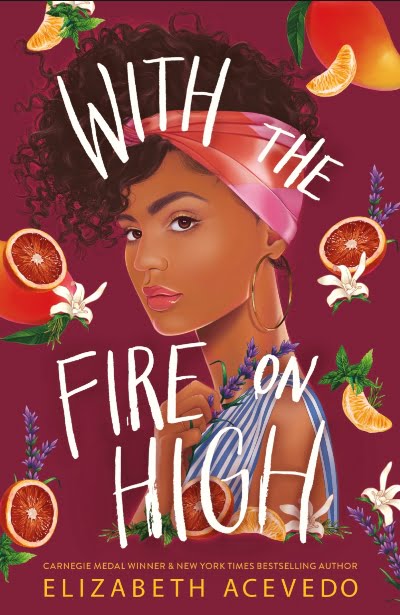
Your book “With the Fire on High” also takes a deep dive into Caribbean food with protagonist Amani, a half Puerto Rican teenage aspiring chef. What inspired you to write a food-centric YA novel?

I was watching Chopped on the Food Network, and it was one of the teen competitions. I thought you know what would be dope? A teen from the hood, who was of a background we don’t usually see on these shows. And then this character just started talking in my ear. She had a lot to say and she had a specific way of saying it.

In my work I’m always asking myself, who are the heroes we don’t see, but that we know? Who are the people I grew up with that don’t end up in stories? Like the tailor from down the block who would take everyone’s bell-bottom jeans and make them skinny jeans for $5. Or the abuelitas from the church who in many ways were the first ones to judge, but in other ways were the first ones to like hug you when you were crying. These are the people who I don’t see in books.

For Amani, I thought about teen mothers. When I was a teen, I think the statistic was one in two young women of Latin descent would be pregnant by the time they were 19. I always heard that statistic thrown at me growing up. But I also just knew a lot of teen mothers, and it felt like once that happened to them, they were written out of the narrative. You were no longer allowed to be the main character. You were no longer allowed to be a hero. And I wanted to just challenge that. What if that girl we so often write off has the sweetest story? She has a dream and all of these things that she has to face. Can’t that be magical? Can she still be a type of superhero?

novelist Elizabeth Acevedo

What research did you do for the culinary aspects of the book?

There was a lot of very technical research. I visited a high school culinary arts program in Philadelphia. I sat and watched what the class felt like, and what the students were cooking. But on the other hand, I was really thinking about Amani’s cultural background, and how so much of her impetus to cook comes from her trying to tell stories through food.

So I explored foods from her Puerto Rican background. My mother lived in Puerto Rico when she first came to the U.S., so I grew up eating both Dominican and Puerto Rican food. The tembleque recipe that starts the novel was something she made a lot. But I was also thinking about the ways that she would take her cultural food heritages and try to make something new, that has her own imprint on it.

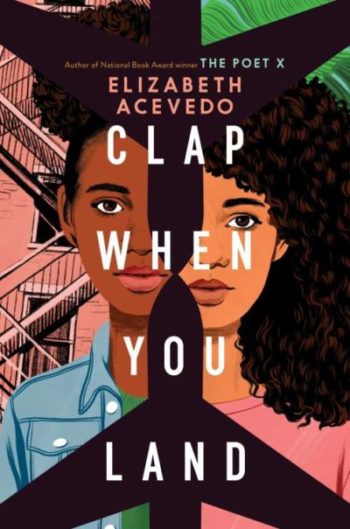
Tell us about your newest book “Clap When You Land.”

It’s about two sisters, one in the Dominican Republic and one in New York City who don’t know about each other until their father dies in a plane crash, and one of them inherits money. And through that inheritance, they learn that he had multiple families. That he lived two very different realities depending on where he was. But also that each one of them has a sister. It’s about how they deal with that, and what that means to them is drastically different because of where they are. The book touches on a couple of different things. I also wanted to write about the subject matters we normally don’t touch, like suicide rates, which are incredibly high in the Dominican Republic. Sex tourism there is also incredibly high. I thought about what it means to look outside of the perception of what people have of the DR.

Novelist Elizabeth Acevedo

And as an author, is it really important to not coddle your readers with more adult topics like this?

I think so. I think there’s a way to offer hope without necessarily shielding or coddling.

Do you recommend any other books for Caribbean-American teens to check out?

I think we’re seeing a really exciting entry of Caribbean writers into mainstream fiction, getting widespread appeal. I love Daniel José Older‘s work. He has the Shadowshaper series, which is about a young adult Afro Puerto Rican magic wielder in Brooklyn. I love Ibi Zoboi‘s work. She is of Haitian descent, and her characters are often Haitian or Haitian Dominican. She’s not just exploring immigrant experiences in the U.S., but also first and second-generation experiences in really interesting ways. And “Yaqui Delgado Wants to Kick Your Ass” by Meg Medina is still one of my favorite contemporary books. Those three to me really stand out.

More Caribbean Fiction:

caribbean book caribbean children books children books yo entertain

caribbean authors

Haitian Entrepreneur Kevin Celisca Is Changing Education Post COVID-19

0
Haitian Entrepreneur Kevin Celisca
Founder of Integrate Tech, Kevin Celisca.

As the COVID-19 pandemic continues to ravage the United States, the education system has been thrown into a logistical crisis. Navigating social distancing advisories, schools, teachers and parents have had to get creative in continuing education at home. Experts forecast the situation will persist well into the fall, making productive digital educational platforms more essential than ever. Changing how we educate online has been the driving force for Kevin Celisca, the Haitian-American co-founder behind education tech platform Integrate Tech. Officially launching their products this month, the company helps schools “consolidates management tools for k-12 schools, combining the most needed components into one easy-to-use platform,” explains Celisca.

In the wake of COVID-19, their mission to provide affordable and streamlined online education systems has only sharpened. “We want to empower the youth through the help of technology,” says the young entrepreneur, who worked as an accountant for the prestigious firm, Ernst & Young, before striking out on his own. “Seeing how you can positively affect society with your work is something that brings me incredible joy.” We spoke more with Celisca about education’s changing landscape and technology’s role in it, and what it’s like to launch your own tech venture as a POC founder.

What makes Integrate Tech unique on the market?

What makes Integrate unique in the market is our ability to run all of your school activities seamlessly online. Teachers can run video conferences, create homework assignments, and keep students engaged like never before. Admins have the ability to see how students are doing in real-time with easy to use data dashboards so they can make informed decisions on the student progress, all while working from home.

How has the educational technology landscape changed post-COVID-19?

The educational landscape has changed rapidly. Schools that were once resistant to using technology are now scrambling for tech solutions to allow for remote schooling. Schools are now purchasing more Chromebooks, and are looking for sophisticated software solutions to ease the learning process for both teachers and students. For Integrate, this unfortunate situation has provided us with an opportunity to support schools all over the world to continue to run efficiently during this crisis.

Why is developing more educational tech tools so important for the future?

It’s not that we need more educational tools (because there are thousands out there). We need better and more consolidated educational solutions. Education is infamous for being bureaucratic and slow-moving, which leads to a lack of innovation. We need a system that attempts to consolidate and innovate while helping admins, teachers, and students become the best versions of themselves through the help of data and cutting edge A.I.

What was your greatest challenge in developing the business?

The greatest challenge of developing my business was getting the right software engineers to create the software. Without the right tech team, your idea will never come into fruition. There are various tech practices one must do before actually creating their software solution, including making wireframes, prototypes, getting feedback on the prototype, designing the requirements for the tech, understanding the limitations of the tech, and finally creating the software.

Proudest moment so far?

The proudest moment thus far in my career was having the ability to raise over $300K. This was a monumental feat because most founders of colour in this technology space are lucky to even raise $100K. I am fully aware of my blessings.

Do you have any interesting updates or upcoming projects in the works?

Yes, we are in the process of collaborating with schools to run their summer classes on our platform. We are transforming the way teachers engage remotely with students. We are really looking forward to that!

What advice would you give others interested in starting their own tech venture?

I would say do your research. Creating a tech company is emotionally draining, though, and will be one of the hardest things you ever did in your life. The first step is to pick an industry you want to solve a problem in. Know what kind of market you would want to dedicate your life to. Validate that there is an actual problem by surveying at least 100 of your intended customers.

Next, it’s time to find a co-founder, someone with complementary skills that don’t overlap too much. Create a pitch deck. This will be the roadmap of your business, and will constantly need to be updated. Build a founding team. This is easier said than done, and the hardest part will be finding a good Chief Technology Officer (CTO). Build wireframes to create a feedback loop from your customers. Create the solution only when you know people want to pay for it. Lastly, talk with Investors. It’s never too early for this as their feedback will quickly help you realize your weaknesses and allow you the opportunity to grow.

Meet the Caribbean Women Entrepreneurs Behind Bazodee Sauces

0
Caribbean women entrepreneurs Bazodee
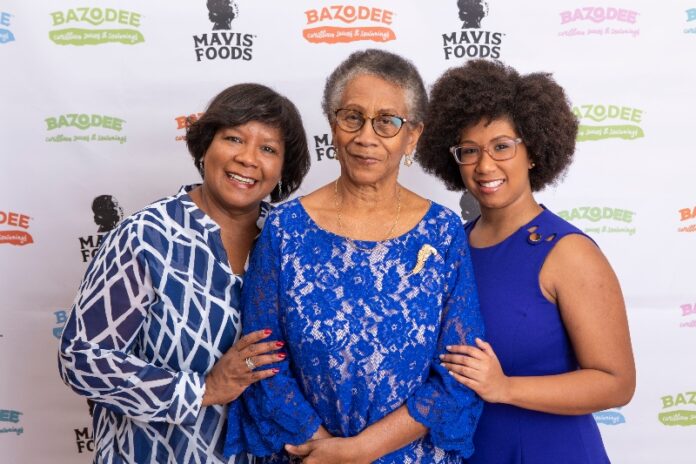
Bazodee founder Debra Sandler (L) with daughter Kiah (R) and Aunty Mavis.

These Caribbean women entrepreneurs have found a recipe for success with their brand Bazodee, a line of flavorful sauces inspired by their Trinidadian and Venezuelan roots. Now the brand is expanding the family with a new sauce combo “Tasty Tamarind” and “Real Trini Curry,” applicable to an endless array of island dishes.

The company is the brainchild of Debra Sandler, a former executive of PepsiCo. Johnson & Johnson. She joined her daughter Kiah Sandler and traditional cuisine genius Auntie Mavis in 2018 to create the brand’s original flavours, Soca Sauce, Hot Soca Sauce, and Marvelous Marinade. All feature traditional Caribbean ingredients like tamarind, papaya, and the unique Trinidadian Scorpion Pepper for their hot sauce. All the brand’s sauces are all-natural, vegetarian, preservative-free, and gluten-free.

Caribbean Women Entrepreneurs
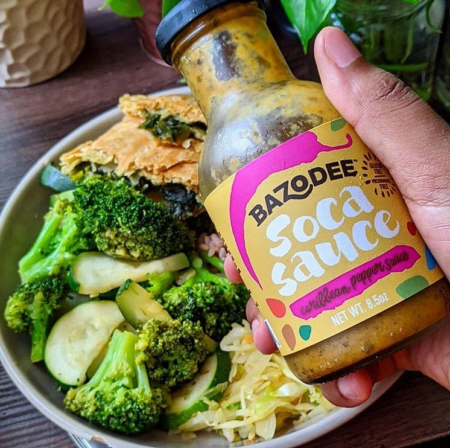
Bazodee’s signature Soca Sauce

Bazodee hopes to distribute the generations of knowledge and traditions in the kitchen from one family to the next through their unique products and their family history.

For many immigrant families, food is the bonding element that retains our roots and our culture while we forge new lives in countries far away,” shares Sandler about the inspiration behind launching Bazodee. Speaking about the amazing culinary skills of the women in her family, “this company was formed to honour them and more importantly to bring the delicious, accessible foods that they have created for us and to share them with the world.”

Caribbean Women Entrepreneurs
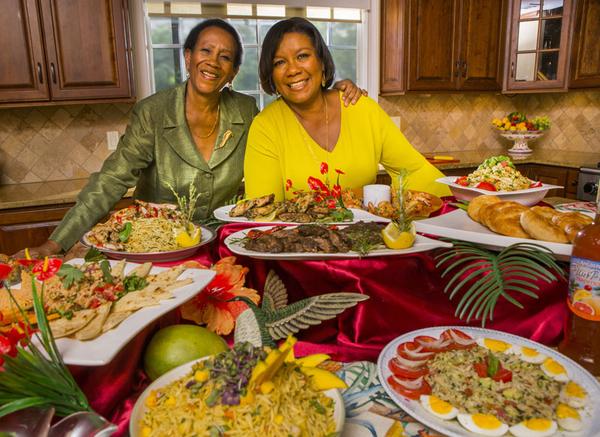
Bazodee Founder Debra Sandler with Aunt Mavis

Debra Sandler has worked hard for 35 years in the food industry and also leads Bazodee’s philanthropic arm, which gives back to communities in their home state of New Jersey. Bazodee has partnered with News 12 New Jersey and Cornerstone Family Programs in making sure the youth of America can share a passion for cultures while enjoying delicious foods. Bazodee currently has five unique flavours of sauces and seasonings of East Indian spices, including one marinade.

‘Island Origins’ Wins Sixth Florida Magazine Association Award in 2020

0
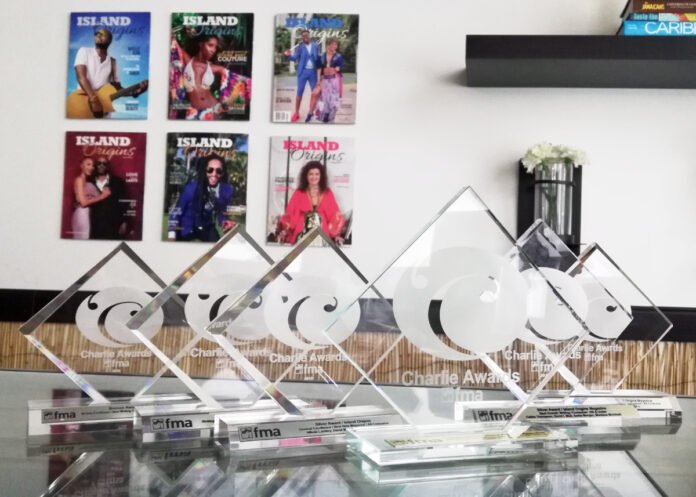
Island Origins 2020 Charlie Awards

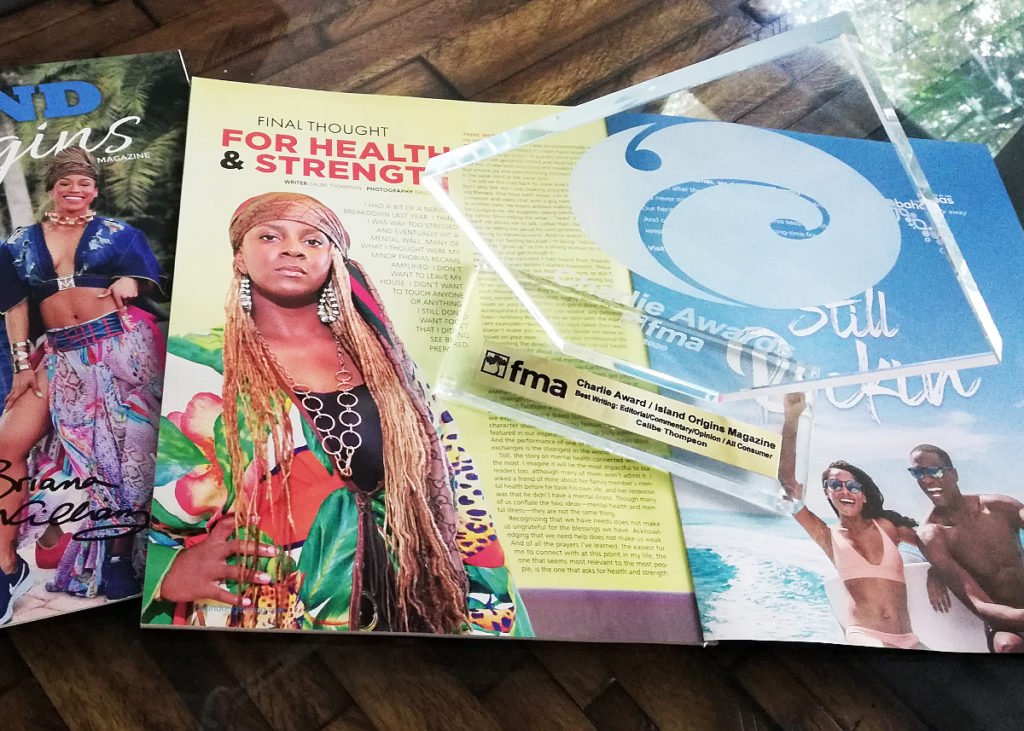
The Caribbean Lifestyle Quarterly Won a Charlie (Gold) for Best Writing for an Editorial overall, and Silver for Best Overall Writing in a Consumer Magazine 20k and Under 

FORT LAUDERDALE, FL (July 24, 2020) – Caribbean-American lifestyle quarterly Island Origins Magazine can now boast six lifetime wins, after snagging two new Florida Magazine Association awards this July. The wins mark the publication’s first gold placement, and fourth silver trophy emblazoned with the Charlie Awards insignia. The honours are revered because they recognize the best among all participating magazines in the state of Florida.

Going for Gold

Sixth Florida Magazine Association Award

For Health and Strength,” a revealing opinion piece on the importance of care for our own mental health won Island Origins its first Charlie (gold) award. The article by publisher Calibe Thompson placed first among all state submissions. The personal insight earned the judges’ comment, “Brava for opening the curtain to her own struggles and tying them seamlessly to the magazine’s content and cover story.

The magazine won its fourth silver award for Best Overall: Writing in the category of consumer magazines printing 20,000 units and under. This award is a testament to the work of the entire editorial team. 

About the Awards

Known as the Charlies, the annual awards are the Florida magazine industry’s top prize and were presented virtually on Friday, July 24, 2020. Honorees are chosen by a group of leading writers, editors, designers, and educators outside of the state.

Launched in June 2017, Island Origins Magazine is a Caribbean American lifestyle print publication primarily distributed in South Florida. ​It is produced quarterly by Island Syndicate​and appeals to a diverse, sophisticated mainstream audience​. Learn more at www.islandoriginsmag.com

About Island Syndicate

Island Syndicate is a creative agency that produces exceptional content and unforgettable experiences. The team offers publishing, photography, graphic design, videography, event production, and other branding and marketing services, to discerning clients. Its proprietary flagship offerings include Caribbean American lifestyle magazine “Island Origins”, nationally syndicated culinary and travel series “Taste the Islands”, an annual culinary event “The Taste the Islands Experience”.

Miami Carnival 2020 Goes Virtual In Wake of COVID-19

0
Miami Carnival Vir
Photo: Ian Ramdial @mymatv

The street routes of Miami Carnival 2020 revellers may go quiet this October, but that doesn’t mean the party has stopped. In the wake of the COVID-19 outbreak in South Florida, the Miami Carnival 2020 will go virtual for the first time in 35 years from October 8 to 11.

Miami Carnival 2020 Goes Virtual

Hosted at MiamiCarnival.org, the new Miami Carnival virtual experience will offer free access to all the signature events. The online event will feature star DJs, performances by the 2019 Junior Calypso winner, and 2019 Jr. Steelpan winner. Viewers will still get to enjoy the pageantry of the costumes and experience the sweet and melodious sounds of the steel pan. Additional announcements about the online event will be made in the coming weeks.

Like others, we have been challenged to pivot and reimagine how we can continue to create space for our annual cultural celebration of Miami Carnival,” says Carnival committee chair Joan Justin about the decision. “While we will miss hosting attendees into the South Florida area, we are excited to share Miami Carnival with a global audience this year. We know that we will persevere through this time and continue to support our community to recover from the global crisis with which our world is faced.”

“While the energy of the Miami Carnival 2020 is the in-person connection and feeling the vibration of the beat, the safety of the attendees and all involved are the first priority during this pandemic,” said Connie Kinnard, Vice President of Multicultural Tourism & Development with the Greater Miami Convention & Visitors Bureau. “Things are evolving, but with the recent worldwide spike of COVID-19, a virtual festival this year is another very effective way to showcase nationally the Miami and Caribbean culture to community and potential visitors. The GMCVB has a long-standing partnership with the Miami Carnival, and we look forward to participating virtually this year and in-person in 2021.”

Singer and Foodie Nadine Sutherland’s Secret to The Best Curry Goat

0
Foodie Nadine Sutherland
Jamaican singer and foodie Carlene Davis

Music and food are two of the Caribbean’s most sought-after exports. And perhaps no other regions loves both so much in equal measure. With this in mind, we tapped some of the Caribbean’s most beloved music stars to talk about the foods that excite their palates. Jamaican singer and unapologetic foodie Nadine Sutherland has been winning the hearts of music fans since she launched to fame in 1979 when she won a popular talent contest in Jamaica at 11. Since then, she has enjoyed a prolific career, with Billboard hits like “Action” and “Anything for You.” She is big into Jamaican cuisine, whether traditional or vegan.

Currently Craving: I love curry goat cooked on a wood fire. Watching goat being cooked in an oil pan over a wood fire is also one of my earliest, most vivid memories of Jamaican country life.

Favorite Caribbean Dish To Cook At Home: I love cooking rice and peas. I don’t think I was taught directly. I just watched my mother and other elders cook it over the years. I picked up the basics from them, and then over time, I added my own touch. Now I’ll teach anyone who wants to learn. My rice and peas are a family favorite whenever we gather, especially at Christmas.

Go-to Caribbean Spot: My favorite go-to place for Caribbean vegan food in Kingston is the Cheffing Don. For meals that include meat, I go to Sonia’s Homestyle Cooking, Triple T’z, or Jojo’s Jerk Pit. One of my essential stops, when I’m on tour in South Florida, is the Treelion Vegetarian Restaurant in Miami. The food is plant-based, organic, and very delicious.

Your Caribbean Essentials: I usually stock up on natural seasonings, seasonal fruits, and vegetables.

One Dish Every Visitor Should Try: They should try our Jamaican curry goat with rice and peas and fried plantain. It’s simply delicious when cooked properly. If you get goat meat that is soft and succulent and cooked with the right curry, you’ll experience gastronomical heaven.

How These Caribbean Agribusinesses Are Changing The Game

0

Take a trip to any local supermarket and you’re likely to encounter a little piece of the Caribbean. The grocery aisle is filled with products from the islands’ fertile soil. A new generation of Caribbean agribusinesses is seeking to transform the historically turbulent relationship between the Caribbean’s lands and its people, adopting ethical fair trade and eco-friendly practices. Meet the businesses that are modernizing heritage crops in a way that honors the past and and preserves the land for future generations.

Agapey Chocolate Factory, Barbados

Caribbean Agribusinesses

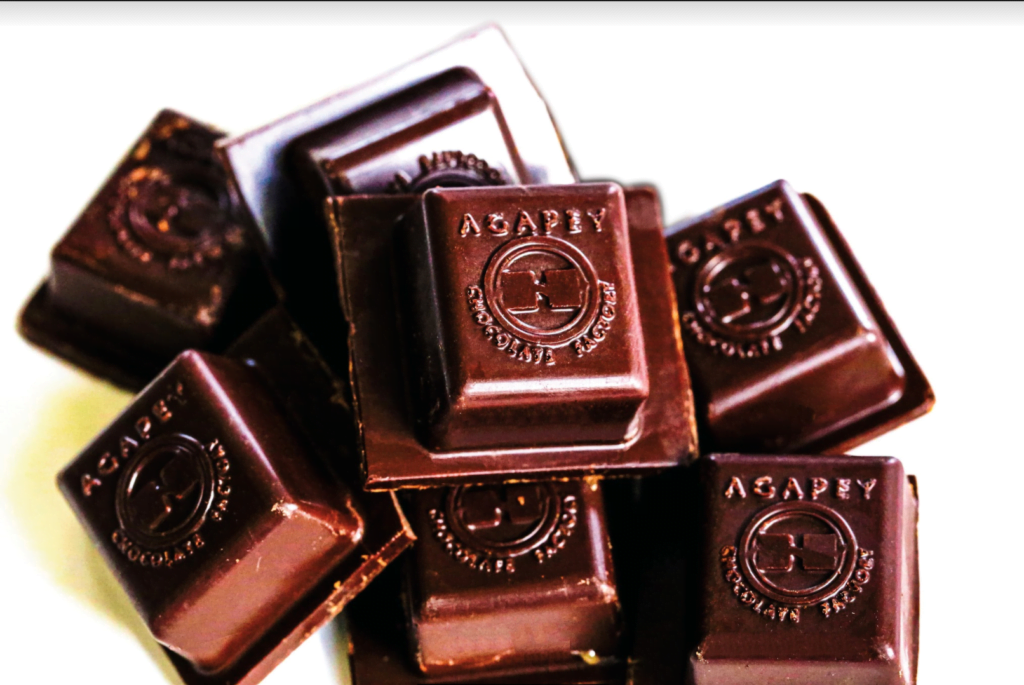
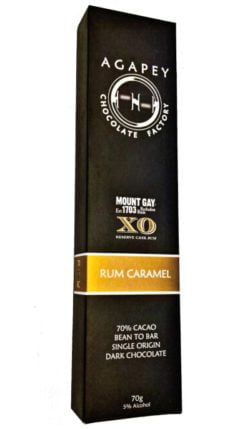
Despite the region’s rich history of cocoa cultivation, the typical chocolate bar in the Caribbean is most likely imported. Bringing homegrown chocolate back to the Caribbean is Caribbean Agribusinessesthe dream behind Agapey Chocolate Factory—the brainchild of husband-and-wife founders Derrick Hastick and Jidan Kong. Based in Bridgetown, Barbados, the chocolatiers aim “to develop a strong international presence in the premium artisan market,” says Hastick.

Using regionally grown criollo, nacional and trinitario varieties, “we source directly from cocoa associations where the government ensures fair trade for their farmers,” explains Kong. They combine these beans with locally grown Barbadian Plantation Reserve gold cane sugar. The company also collaborated with local Mount Gay Rum for their popular rum-infused line. “Our ingredients are wholesome and pure. No chemicals, not even soy lecithin,” notes Kong. “Being in the hub of the Caribbean, we are able to source some of the best cocoa beans in the world.”

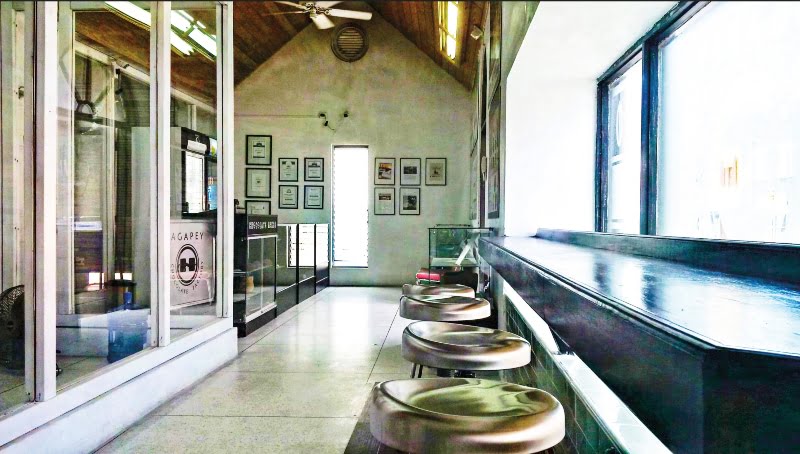
Even their manufacturing process honors the ingredients, using traditional machines to preserve more authentic flavor. “We also offer limited interactive educational tours with lots of tastings at a low cost for all to enjoy” says Kong.

Caribbean Agribusinesses
Tours are offered for chocolate lovers at the Agapey Chocolate Factory.

The brand mainly distributes in Barbados, but also sells online through premium third-party vendors for the U.S. market. In addition, they are focused on expanding their product lines, including goodies like their new dairy-free ice cream. “We’ll be pushing hard to find other international customers,” says Hastick.

Spirit of the Dominican Republic: Ron Barceló

Caribbean Agribusinesses
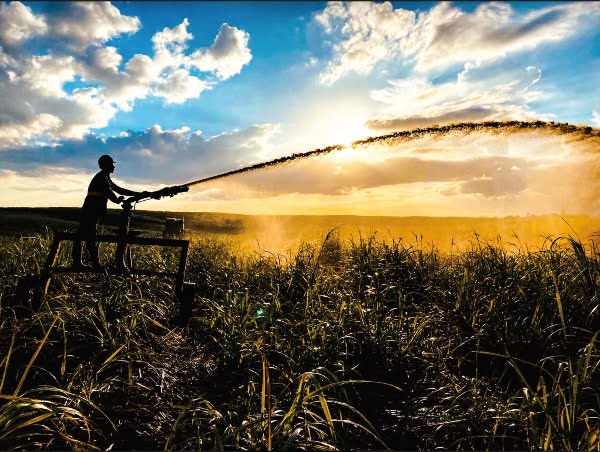
Worker spreading vinasse (an organic byproduct) as a non-toxic fertilizer.

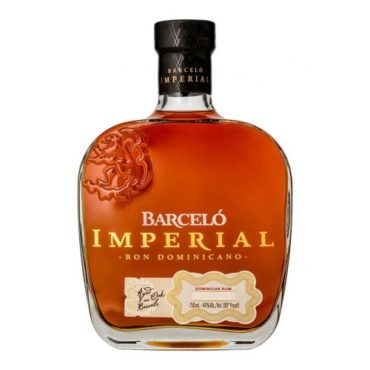
Rum stands above all as the Caribbean’s libation of choice, but producing the spirit comes at a major environmental cost. Now, prestige brand Ron Barceló from the Dominican Republic is leading the industry’s environmental evolution. It’s the first rum producer in the world to achieve 100 percent carbon neutral status, certified by SGS, a global inspection company tracking greenhouse gas emissions. As the second largest exporter of dark rum in the world, “we wanted to show it’s possible to do fine rum while caring about our environment in the more than 80 markets [where] we’re present,” says brand ambassador Otto Flores.

Caribbean AgribusinessesThe key to their success lies in “managing greenhouse gas emissions from the production process,” explains Flores. “Distillation is the main contributor to a rum’s carbon footprint, accounting for more than a third of its emissions, largely because in addition to the energy required to power the process, distillation also creates a lot of waste in many forms.”

The company approaches this challenge by recycling waste, treating and reusing water, employing residue cane pulp as fuel, and applying vinasse (an organic byproduct) as fertilizer. They also sell the carbon dioxide emitted in their fermentation process, to soda companies. To offset unavoidable carbon dioxide emissions, the company also acquired emission reduction certificates to financially support green projects like reforestation.

A Wake Up Call: Caribbrew, Haiti

Caribbean Agribusinesses
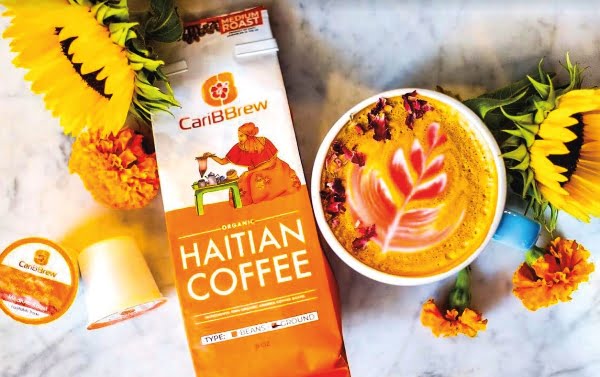
Fellowship and commerce run deep at Caribbrew, the organic Haitian coffee brand founded by Beverly Malbranche. She started the company as a way to connect to her Haitian culture when she moved to the U.S. Since then it has evolved into a unique business committed to empowering communities. “I wanted to find a product that consumers want and could help my home country,” says Malbranche about the company based in Newark, New Jersey.

Caribbean Agribusinesses
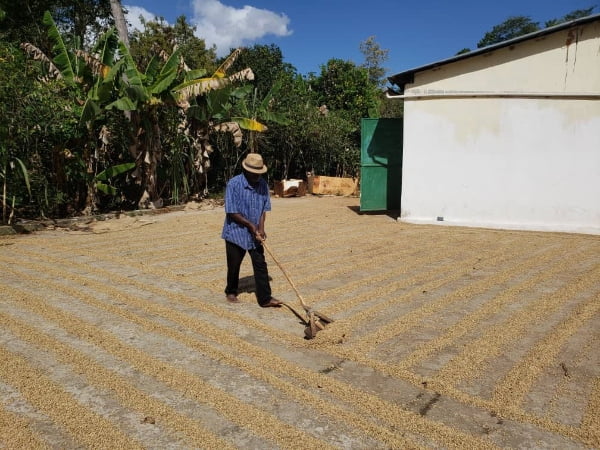
Coffee farmer Thiotte Haiti.

The brand works closely with a cooperative of family-owned farms in Thiotte, Haiti—a small commune known for their agricultural bounty. There, “the high mountains provide good space for Arabica coffee beans,” notes Malbranche. In addition to securing fair trade rates for these farmers, the company also provides technical assistance and a revolving no-interest loan fund to boost and streamline their production for the future. “Increasing efficiency is key to make Haitian coffee a competitor on a global scale,” she explains.

Caribbrew has also made it a priority to engage the next generation, employing younger members of the community to manage packaging and shipment. “We’re very proud of the young folks we work with, as even when Haiti was locked down for three months due to daily protests, they found a way to get the product to us.” says Malbranche. “They are the people we need to move the country forward.”

Latest