The Ultimate Pod and Tailgate Style Experience Brings In-Person Concerts Back to Miami
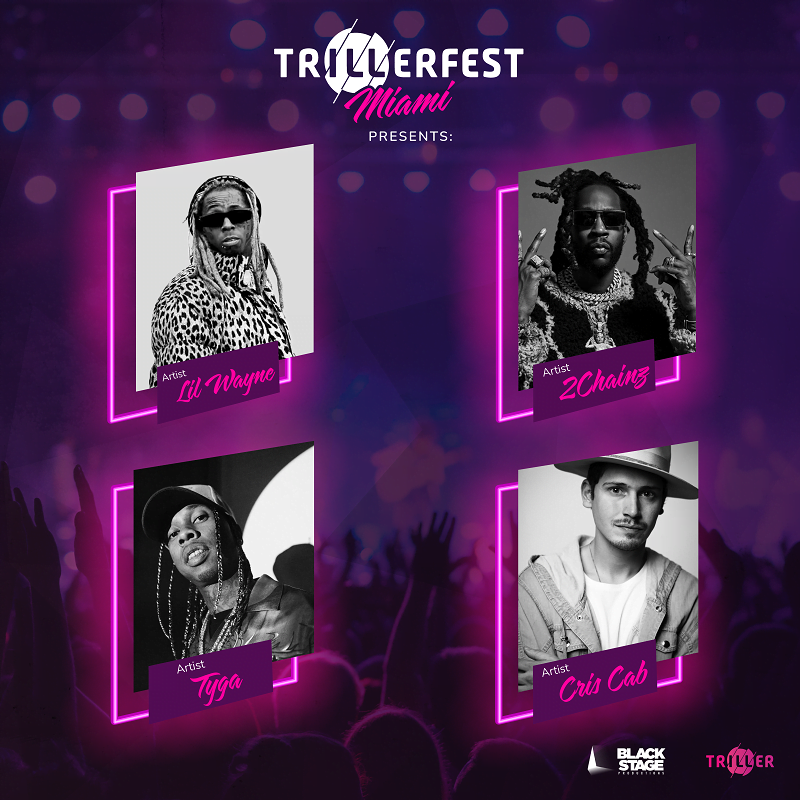
Trillerfest Miami 2021
Triller, the globally AI-powered music video platform in partnership with Black Stage Productions, is bringing its first-ever live version of Trillerfest to Miami Marine Stadium this May 1st and May 2nd. The two-day music festival is guaranteed to rock your soul with your favorite Hip Hop hits and Latin music. If 2020 has proven anything, it’s that people really love music; Trillerfest Miami is giving people the opportunity to enjoy live, in-person concerts once again while promoting social distancing.
Headlining the first night is five-time Grammy-winning hip-hop star Lil Wayne who will perform a one-hour set packed with some of his greatest hits. Grammy-winning 2 Chainz will also perform an hour-long set, while Tyga and Cris Cab will share their music with fans in 45-minute performances. Headlining on the second night is Cris Cab followed by Grammy-winning Gente de Zona y sus amigos.
On May 1st the seating will be formatted in three different tiers, 1, 2 & 3, pod-style. Guests will purchase individual tickets depending on the tier they would like to choose, each pod-style tier has different prices and fits up to six people. All pod tiers are first come, first serve; there will also be a limited quantity of rentable chairs available, first-come, first-serve. Each guest pod provides room for up to six guests and will be spaced apart from other pods, allowing the venue to maintain the recommended distance between groups. Guests will drive into the Marine Stadium grounds, park, walk to their designated pod and enjoy an amazing show while ensuring that social distancing protocols are followed.
On May 2nd the event will be a drive-in format. Concert-goers can expect a unique tailgate experience with back-to-back live performances from the comfort of their car and a private space situated next to their vehicle, 15×15 (including car), up to six guests are allowed per vehicle. The drive-in format will be set to fit approximately 1000 cars to safely watch the festival in person.
“We look forward to bringing the Miami community an incredible live concert experience, which we know music fans have been desperately missing over the past year,” said Bobby Sarnevesht, Chairman of Triller.
Trillerfest Miami’s ultimate goal is to deliver a unique, safe, and viable alternative to the “normal” concert-going experience, pod, and drive-in tailgate format! On both days, attendees can bring their food, drinks, and portable chairs to set up in their designated area where they will have a view of the live performance on stage and the large side screens.
Food & beverages will be available for purchase via local food trucks, so fans can get a flare for the local Miami cuisine. For those looking for more than just GA tickets, Trillerfest will also offer VIP packages and preferred packages for the public. VIP tickets will be closer to the stage with prime viewing, bottle service, private bathrooms, VIP bar, exclusive Triller merch, highboys with up to five stools, and expedited VIP service.
“It’s exciting to revive the entertainment and music industry; after a hard year is what people need,” said Steve Suarez, CEO of Black Stage Productions
Stay Tuned with 99 Jamz during Trick and Trina’s Morning Show to win tickets! One lucky winner will win a grand prize with an exclusive front row spot to enjoy the innovative pod-style covid-friendly music festival, Sponsored by Black Stage Productions, Triller & Miami’s #1 for Hip Hop and R&B…99 JAMZ!
The event staff will ensure concert attendees are socially distanced and are able to enjoy the amazing world-class lineup safely. Guests must carry their masks with them to use when needed. No weapons will be permitted at the event. Miami Marine Stadium gates will open both days at 5:00 p.m. and the star-studded performances will begin at 7:00 p.m. To buy your tickets and for all other information, please visit www.Trillerfest.com.
With any place that you live, there are going to be pros and cons. It’s ok to let the thought of an island breeze, a beach backdrop, and tropical living entice you. Be sure that before you choose the destination you’re relocating to, you understand everything that comes with such an endeavor. There are a few things to consider before moving to a tropical island that will allow you to evaluate a variety of locations as well as gather realistic expectations before acting.
Anonymity
Islands are small, and you’re undoubtedly going to get to know everyone over time. The days of flying under the radar when you’re running errands or popping into the market may be over. Prepare yourself to see the same people often and know plenty of details about them. There is no anonymity on an island, so there may be very few secrets kept. If you’re an especially private person, this is something to consider.
Island Time
If you’re coming from a bustling city or just a more structured area, you’re going to need to adjust to island time. In the tropics, things move slower. Shops may open at a completely different time than they list. Punctuality isn’t high on the priority lists of those on the island. It may be frustrating at first to establish plans, but hopefully, once you’re used to it, you can use it to your advantage. We all need to slow down a bit to enjoy the finer things, right?
Humid Weather
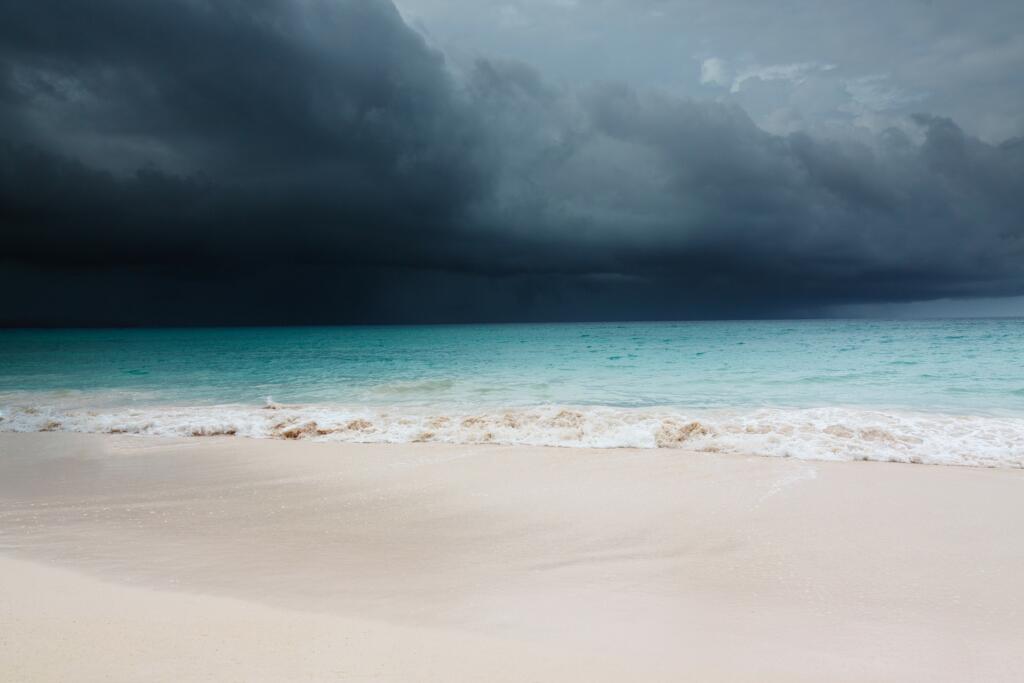
On vacation, we seek the hot and humid weather. A common mistake made when buying a home in Barbados, the Dominican Republic, Panama, or another tropical place is not considering the weather. Not only may there be more rain than you expected, but you’ll want to understand tropical storm potential.
Be sure that before you move, you’ll be able to handle the changes that come with new weather. For example, a consistently humid climate may change your hair or lead to some unwanted guests in your home. Both crawling critters and mold growth are ever-present on an island—it may be difficult to evade the sprouting of mushrooms and mold. However, if you can make peace with new wildlife and uninvited fungi, you’ll be fine.
There are things to consider before moving to a tropical island. In addition to the things mentioned, be sure to stock up on supplies that are hard to come by. Almost everything is imported, and their arrival schedules can be unpredictable. Be sure that you are hoarding things appropriately without going overboard.
When it comes to attempting to find a doctor, dentist, or cab driver that is dependable, take recommendations whenever you can get them. Lastly, save the items you want to ship home that will cost too much or are sensitive until your friends and family visit. They won’t need much to travel to you, so pack them up when they go! Having a more realistic view of what island living will mean for you will help you transition without a bunch of unexpected hurdles and questions.
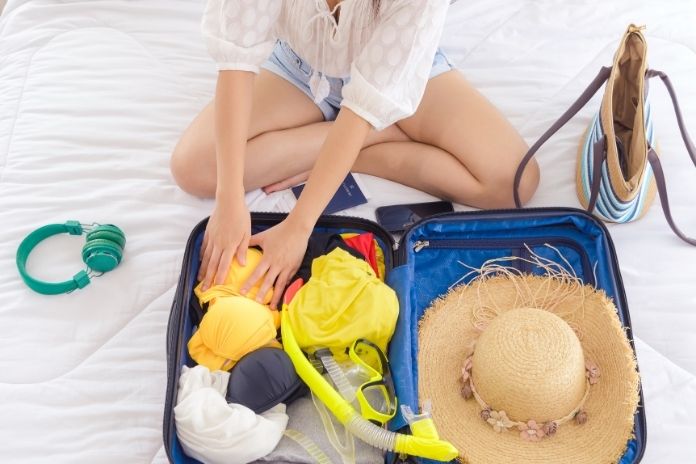
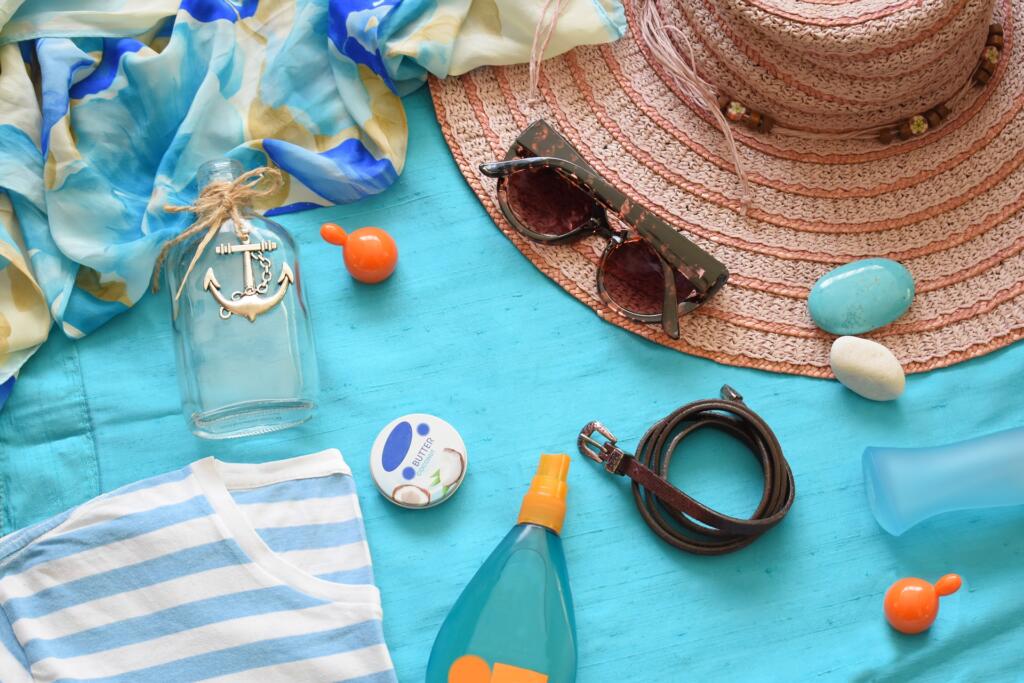
When traveling to a tropical island, you must account for many different factors. Even if your home is in a state that sees tropical weather, traveling is a whole different experience. Between the strength of the sun and the limited aids at your disposal while away from home, you must plan ahead. Here are a few must-pack items for your next island getaway.
Multiple Swimsuits
With increased humidity, your garments will take far longer to dry. You may hang up your suit thinking it’ll be dry in a couple of hours, yet it’s still wet the next day. Pack multiple suits to remain comfortable during your vacay. You also may want some fuller coverage swimsuits for physical activities.
Sunglasses
Regardless of if your eyes are extremely sensitive or not, you’ll want to pack sunglasses. Eye protection is a must, and the reflection of sunlight on the sand and ocean water can be blinding. Polarized sunglasses can help cut the glare that comes with reflecting water. Forgetting these can make island life difficult until you acquire another pair.
Sunscreen
You should apply sunscreen every two hours. However, if you’re getting wet or sweating a lot, consider reapplying it sooner. Many people incorrectly believe that they won’t get a tan if they’re wearing sunscreen. You still will, but the product is the first defense against the harmfulness of the sun’s rays on your skin. In short, wear your sunscreen. Your skin will thank you later.
Hat
There are many benefits of a bucket hat, sunhat, or even a baseball cap. Gauge the amount of coverage you desire, and pick the hat that provides what you need. A hat gives added protection for your face and neck. The skin is very sensitive on these areas, and there’s nothing worse than a bright red, peeling nose.
Masks
In the U.S., masks are a must in many areas. Be sure that, for wherever you’re traveling, you’re prepared similarly. Bring masks for travel and for maintaining safety in close quarters. Additionally, make sure you bring breathable face masks, especially on the more adventurous days of your trip.
Coverings
Between cover ups and UV rash protection wear, be sure that you cover your skin. Constant sunlight will not only give you a sunburn, but you can also get sun poisoning or become extremely fatigued. No one wants that on their vacation, so set limits for yourself in direct sunlight and utilize your coverups to not only act as quick clothing but also as a defense against those rays.
There are many must-pack items for your next island getaway. Consider bringing bug spray as well since you may be unfamiliar with the insects you will encounter. Additionally, you may find water shoes to be a great aid when participating in physical activities or venturing out into a rocky part of the ocean. Protecting your body from the sun and possible abrasions will allow you to better enjoy your trip!
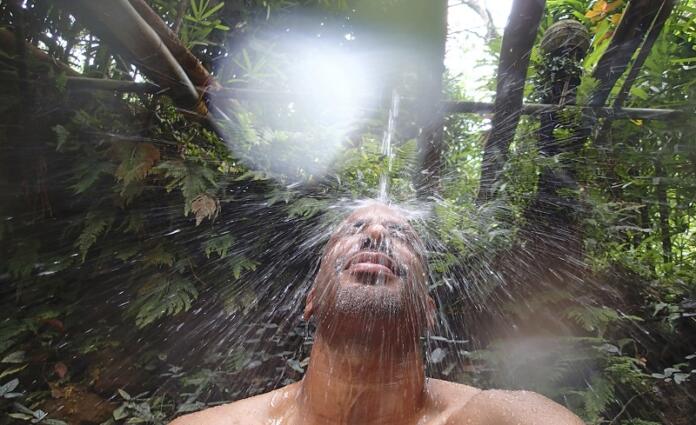
Steve In the Tub at Ti Kwen Glocho. Courtesy UncommonCaribbean.com
For the most soothing spa escapes on earth, the Caribbean offers rejuvenating choices from penthouse to treehouse, and hot springs, too.
Throughout the islands, otherworldly natural wonders are tapped for restorative treatments that satisfy souls like nowhere else can. In keeping with the rich cultural milieu in the region, island spa retreat experiences encompass everything from the very latest in cutting-edge health and wellness to traditional West Indian practices employed to pamper minds and souls throughout the islands for generations.
Indeed, there exists an ultimate spa adventure for every type of traveler in the Caribbean. Which one is right for you? Here’s a small sampling of a few favorites.
Grenada
Sulphur springs deep in the wilds of Grenada. Courtesy Discover Grenada.
All-natural is best when it comes to a truly restorative island spa retreat. And few places do it better than Grenada.
The Spice Island is volcanic in origin, a distinction easily noted and enjoyed by way of its sublime sulfur springs. Long-renowned for their healing powers, the mineral-rich, heated waters in these thermal pools relieve all manner of skin irritations and infections.
If you’ve got dry scalp or you’ve got a rash that nothing seems to cure, no problem. Get yourself to one of Grenada’s rejuvenating sulfur springs. River Sallee Boiling Springs in St. Patrick and Clabony Hot Springs in Grenville are great options. Take a dip and feel your ailments wash away.
Saint Lucia
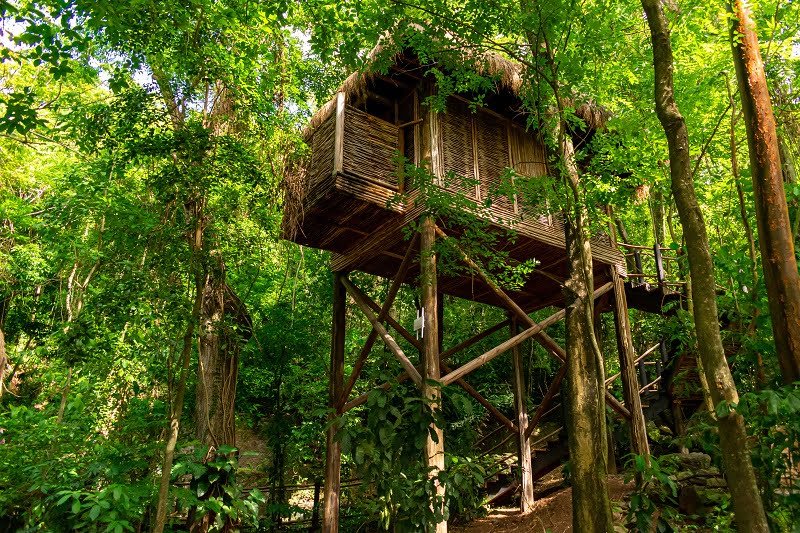
Treehouse Spa treatment room at the Rainforest Spa at Sugar Beach, Saint Lucia. Courtesy Steve Bennett (UncommonCaribbean.com)
Take your spa adventures to new heights while ensuring that your treatments stay rooted in authentic West Indian traditions. Check out the Rainforest Spa at Sugar Beach, Saint Lucia.
Set amid an enchanting natural wonderland of lush greenery, fragrant flowers and towering trees, this exotic spa paradise embodies centuries-old Kalinago traditions. This is most dramatically evident in the facility’s Treehouse Spa Treatment Rooms. These unique structures enable you to restore balance to your mind and body while literally balancing well above ground among the trees.
Endemic Amerindian traditions at the Rainforest Spa also extend to their spa products and the techniques employed in pampering guests here. Creams and oils are derived from local fruits and herbs and used in accordance with tradition. Coconut to exfoliate. Bananas to smooth away wrinkles. Cocoa butter and aloe to heal and hydrate.
Everything at the Rainforest Spa is all-natural, good for you, and beautifully espouses the holistic healing power and rich cultural heritage of Saint Lucia. In this way, the benefits to your soul here are shared with Saint Lucia herself.
Jamaica
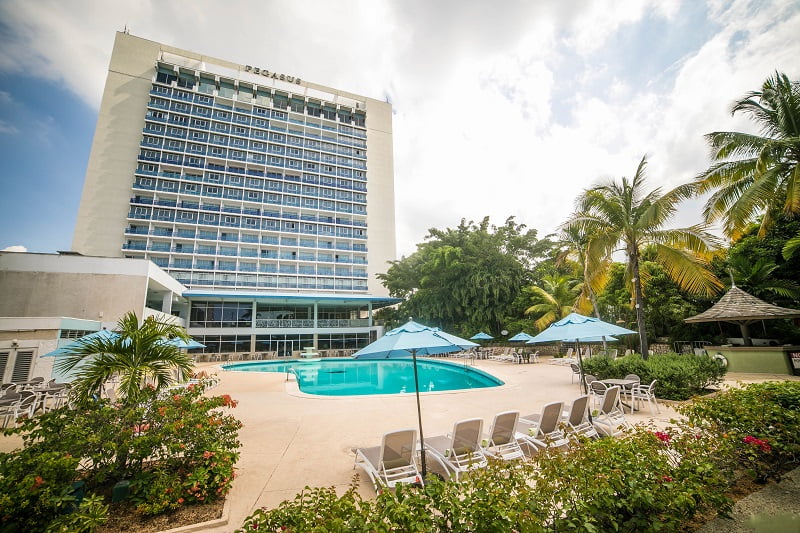
The Jamaica Pegasus Hotel. Courtesy The Jamaica Pegasus / Courtleigh Hospitality Group.
When your desired wellness experience must take into consideration an expected new bundle of joy, the White Orchid Salon & Spa in Kingston should top your list.
Set within the venerable Jamaica Pegasus Hotel, the top choice of celebrities, heads of state and royalty when visiting Jamaica’s capital, the White Orchid is a leading provider of prenatal massage.
However, the list of White Orchid specialty massage services doesn’t stop there. The facility has built a strong reputation for its sports massage therapies over the years, and in 2019 it became the first spa in Kingston to offer massage options benefiting cancer patients.
The comprehensive menu of unisex salon and spa services at White Orchid also includes facials, manicures, pedicures, hair styling, makeup, eyelash and weave extensions, waxing, body scrubs, exfoliation, detox and more — all in the heart of New Kingston.
Dominica
Soak in water from the healing mineral springs at Ti Kwen Glocho in the mountains of Dominica. Courtesy Steve Bennett (UncommonCaribbean.com)
Back at the opposite end of the urban-rural spectrum, in the wilds of Dominica, the restorative waters of Ti Kwen Glocho offer an uncommon hot springs island spa retreat experience.
Translated from Creole, Ti Kwen Glocho means “little corner of hot water.” The place itself, though, is actually much more than that.
A great little rum shop offers all manner of colorfully named bush rums like “All Purpose” and “Man Better Man,” both of which unsubtly claim to provide a bit of a bedroom boost.
Two large pools offer ample spots to dip into the healing waters. For a more personal experience, Ti Kwen Glocho also offers a collection of old bathtubs for solo soaking in water channeled through bamboo pipes. No two tubs are exactly alike in temperature, which makes for a good bit of fun hopping from one to the next à la Goldilocks, in search of the one that’s just right for you.
All around you at Ti Kwen Glocho is raw, unfiltered nature making for a surreal bathing experience.
Turks and Caicos
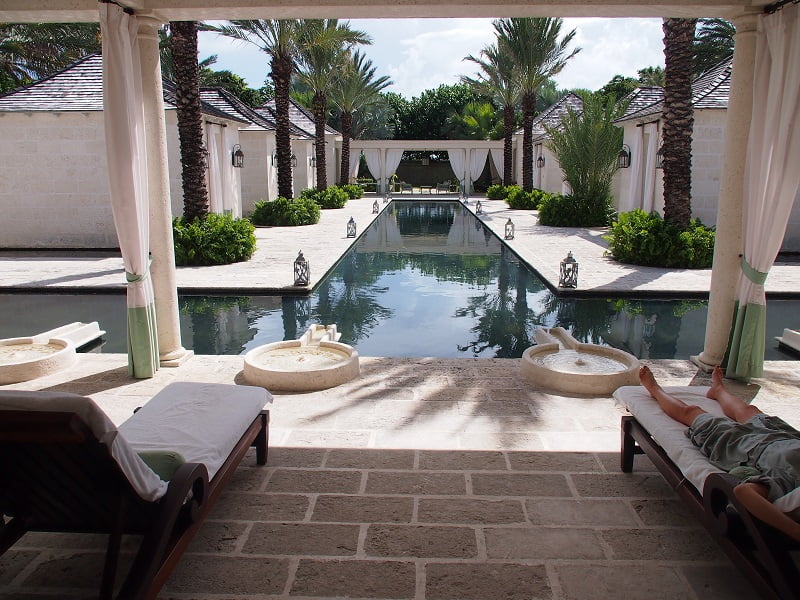
The natural beauty of the islands is a feature of your luxury treatment at The Spa at The Palms in Turks and Caicos. Courtesy Steve Bennett (UncommonCaribbean.com)
Luxury spas in the Caribbean don’t come much better than The Spa at The Palms in Providenciales, Turks and Caicos. It’s not just the fantastic quality of the massage that makes this place so special. Nor is it the luxurious surroundings and attentive service, both hallmarks of this hallowed hideaway.
Indeed, the best thing about The Spa at The Palms is what’s not there – what you see and experience at most every other high-end spa in the Caribbean. This facility does away with excessive indoor space that is overly air-conditioned.
The natural beauty of the Caribbean itself – complete with swaying palms, fragrant flowers, blue skies and darting birds darting – is always the star attraction. Separating visitors from these natural treasures, even to optimize pampering, seems to defeat the purpose of the spa experience, diminishing the uniquely soothing power of Caribbean environs.
The Spa at The Palms artfully mixes indoor, air-conditioned spaces with bright, comfy and inviting outdoor areas, keeping you squarely in a tropical frame of mind. You hear birds singing and the wind whispering through the trees. You taste the salt air blowing in off Grace Bay, just a few seconds walk away. All of this beautifully affirms The Spa at The Palms’ most special sense of place. You’re sure to love it here and wish to experience it over and over again.
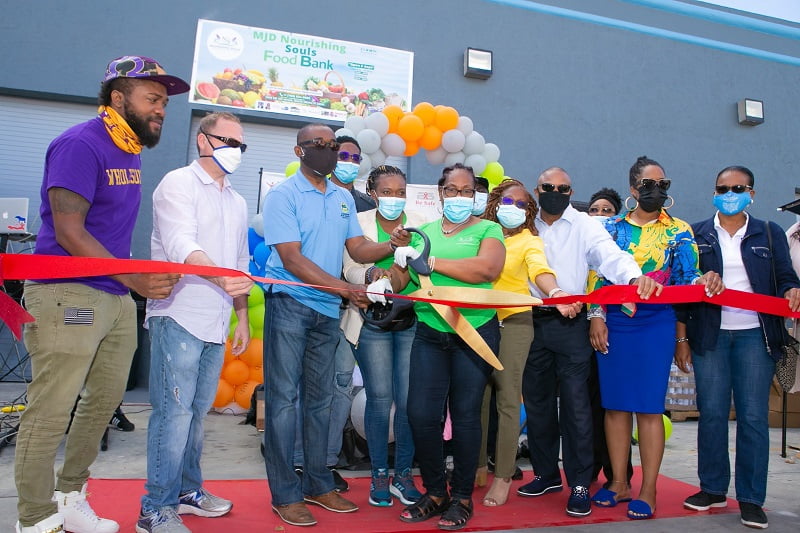
When she first launched a food bank for MJD Wellness and Community, Emmanuella Fleurimont recalls taking rations from her family’s own fridge to give to others in need.
“When someone calls you and says, ‘I don’t have anything, how am I going to eat?’” she said. “The only thing that comes into your mind is, ‘I’m gonna go get it.’”
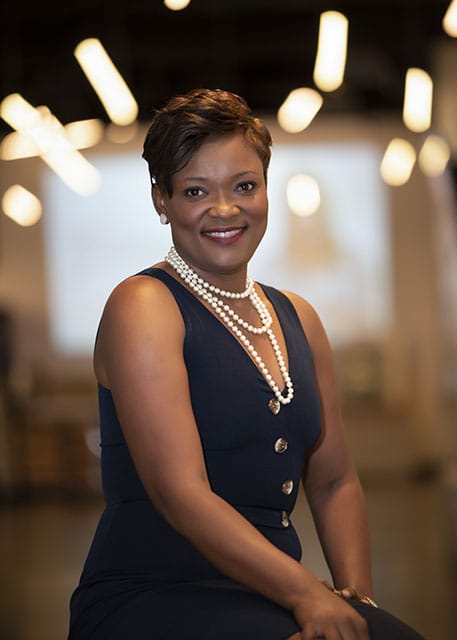
Emmanuella Fleurimont
About MJD Wellness and Community Center
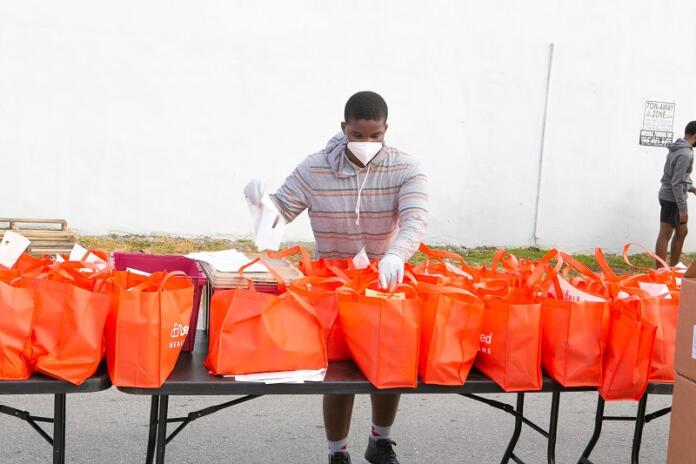
MJD Wellness and Community Center, founded by Fleurimont, is a non-profit organization on a mission to provide care, medication and food to the underserved population in their North Miami community. The wellness and community center comprises a food bank and a clinic for healthcare screenings. Their offerings include a nutrition program, mental health services, medication management and HIV testing. To stock up, they stage monthly food drives, and most of the services they provide are low-cost or free.
Fleurimont, born and raised in Haiti and the Dominican Republic, has always been invested in the betterment of others, so a career in wellness and community service made sense.Even as a teen, she was involved in youth-oriented community work.
Image courtesy of Emmanuella Fleurimont
Response to Community Need
After medical school in the islands, she moved to the United States in 2010 to continue studies in psychology. A juice bar was her extracurricular side hustle, but it offered the opportunity to make friends and hone her skills as a wellness advisor. With the support of former North Miami Councilman (and current mayor) Philippe Bien-Aime, she created a health fair that had an overwhelming response: more than 800 people showed up to the event. Realizing so many were in need, Fleurimont founded MJD Wellness and Community Center, and she has stuck to her vision with singular focus.
“I can only see where I’m going, because that’s my mission,” she said.
For more information or to find events visit mjdwellness.org. | Instagram @mjdwellness
While COVID-19 might be putting a halt to get-togethers, you can still enjoy all the eats and treats that would normally be on the table with these delicious recipes for springtime on the islands.
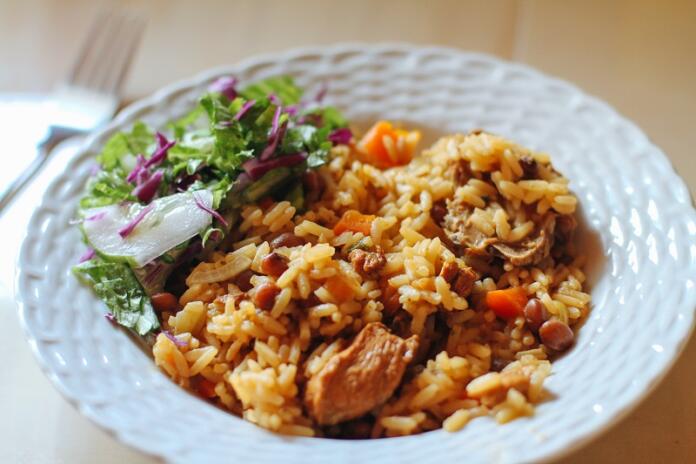
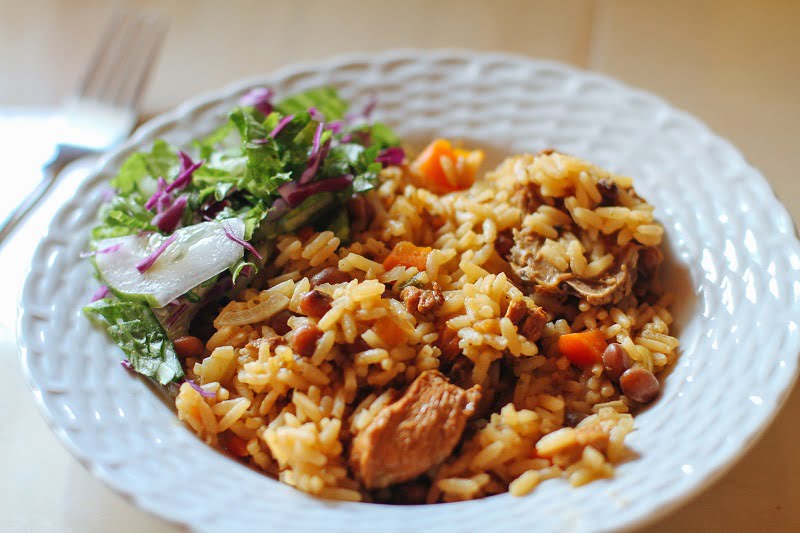
Trinidadian Chicken Pelau
There is no dish more iconic for the island of Trinidad than chicken pelau. Typically made for large family gatherings, this delicious one-pot meal is the perfect combination of savory Caribbean flavors.
In a large bowl combine chicken, 1 sprig of thyme, Worcestershire sauce, soy sauce, garlic, salt and black pepper, then marinate for 1-2 hours or overnight.
Add oil to a large, deep pot and place over medium heat.
Once the oil is hot, add the sugar and let it caramelize to a dark brown for about two minutes in an even layer.
Add the marinated chicken thighs to the pot and stir gently to coat with the sugar. Allow to cook for 8-10 minutes.
Add the rice and stir thoroughly to coat with flavor.
Stir in the onions, sweet peppers, pigeon peas, green onion and remaining sprigs of thyme, and stir for five minutes
Add the coconut milk and chicken stock and season with additional salt and pepper to taste. Add the whole Scotch bonnet pepper, cover the pot and bring to a boil for 10 minutes.
Reduce the heat to low and simmer for about 25 minutes, or until all the liquid has been absorbed.
Enjoy!
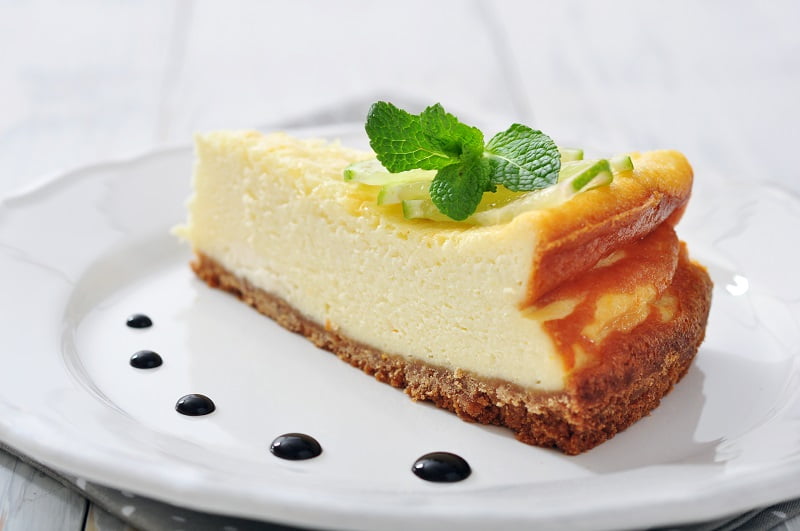
Puerto Rican Coquito Cheesecake
This cheesecake recipe is the most delicious way to incorporate Caribbean holiday ingredients into a creamy dessert that is perfect for any time of year.
What you’ll need
For the crust:
2 cups graham crackers, crushed
2 tablespoons granulated sugar
½ teaspoon cinnamon
1 stick of butter, melted
For the filling:
4 (8 ounce) packages of cream cheese, room temperature
1 cup granulated sugar
½ teaspoon nutmeg
1 teaspoon cinnamon
1 teaspoon vanilla extract
Pinch of salt
4 large eggs
½ cup cornstarch
1 cup coquito
Method
Preheat the oven to 350°F.
To prepare the crust, mix all of the ingredients together in a large bowl. The mixture should stay together when squeezed.
Compress the mixture into the 9 inch pan, pressing all the way up on the sides to create a crust.
Bake for 10 minutes and set aside to cool.
To prepare the cheesecake, add the cream cheese, sugar, cinnamon, nutmeg and pinch of salt to a bowl and blend at a moderate speed with a hand or stand mixer until combined and smooth.
Add the eggs one at a time
Slowly add the coquito and the cornstarch to the batter and mix until combined. Do not over mix.
Pour the batter onto the cooled crust and bake the cheesecake for about 80 minutes, or until firm.
Remove from the oven and allow to cool at room temperature for 2 hours.
Cover the cheesecake with plastic wrap or a cake cover and refrigerate overnight.
Last year, restaurateur Donovan Smith was at the gates to the Miami-Dade County Youth Fair Grounds just as he is every October.
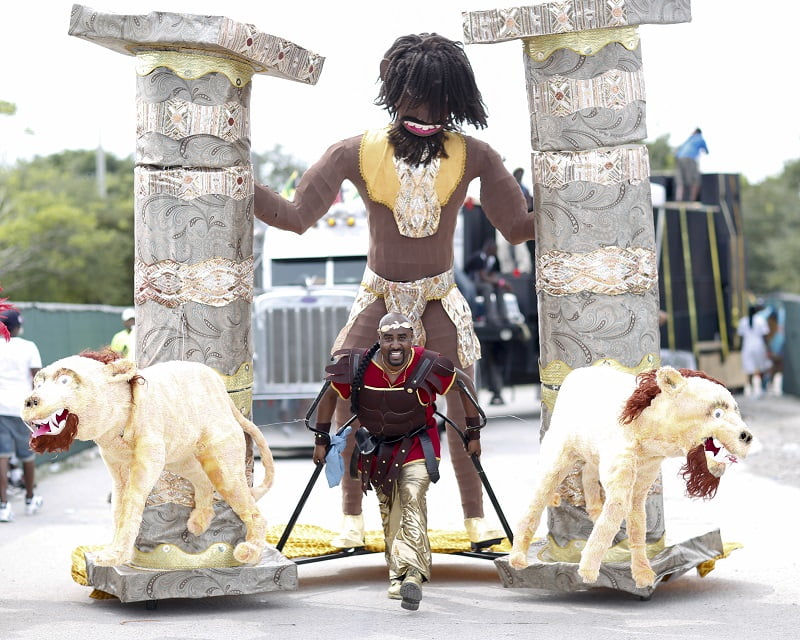
Miami Carnival had gone virtual for the first time in response to the pandemic, but Smith, who owns Kingston Delight, still showed up and made prank calls to Carnival leaders. In a normal year, they would have come down to the gates to escort him in so that he could set up his food booths, but in a year without carnival, instead there was radio silence.
“It’s 6 o’clock in the morning and there is no one here,’” Smith remembered telling CEO Mario Zamora and others over the phone, pretending like he did not know the festival had been canceled.
The joke became popular chatter in the chat rooms and social media of the carnival circuit, said Miami Carnival Spokesperson Yvette Harris. Though everyone had a good laugh, Smith’s calls underscored what was missing from the virtual carnival produced last year: the soul of the event, including the hassles.
“Last year, going virtual was nothing compared to the real thing,” said Smith, who has been involved with Carnival in South Florida for 16 of its 37 years.
Photography Courtesy of Miami Carnival
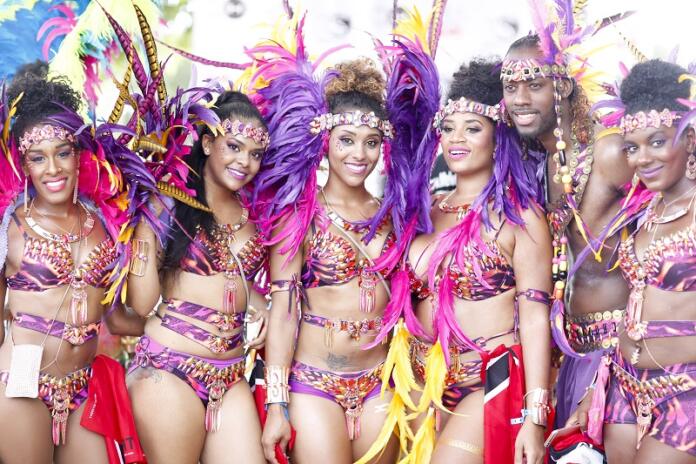
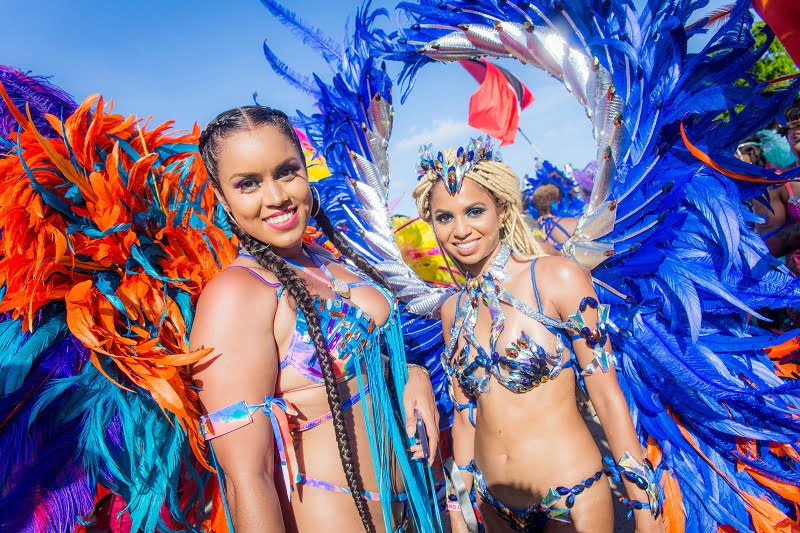
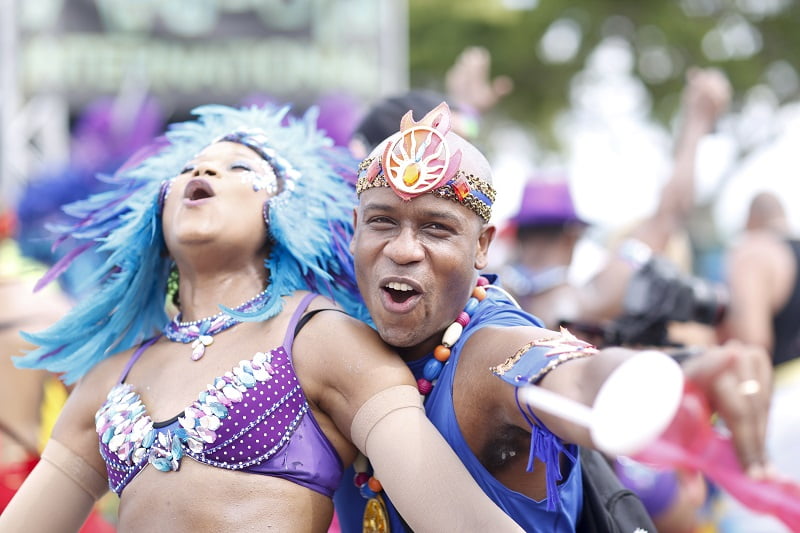
“At carnival, you feel the adrenaline, the hype, the dancing, the costumes,” Smith shared, getting excited over the phone. “Carnival is Carnival, the excitement, the atmosphere, the sunshine, the big trucks. Carnival represents the world. To see the vendors, to see all the food from the different islands; it’s a feeling – the feeling, the rush that gives you the excitement.”
Hard to encapsulate all that through a live stream. Still, vendors such as Smith, longtime revelers, and sponsors thought the virtual carnival projected Caribbean culture and Miami’s flavor. The safety of the patrons and participants was paramount. No one downplayed that even as they longed for a more traditional celebration.
Virtual Carnival
Turned The Whole World Upside Down
The cancelations piled up as COVID-19 continued its grip on the globe. Widely seen as the best and biggest in the Caribbean, Trinidad and Tobago Carnival held in late February or early March just before Ash Wednesday usually brings more than 30,000 visitors to the island to fete and let loose. But on Sept. 28, 2020 the government of Trinidad and Tobago pulled the plug and informed its community that they would be suffering through a year without carnival as well.
“Of course, it was a gut-punch reaction for me as any true carnival reveler would be disappointed in this news,” said Vanessa James, who lives in South Florida, was born in Trinidad, and has researched and written about Carnival in addition to attending as an avid fan.
“There’s nothing quite like a Trini carnival,” she said. “But safety comes first and I appreciate the Trinidadian government taking this pandemic seriously and protecting their citizens. We have to always remember that, for the people of Trinidad and Tobago, the carnival tradition is more than an annual celebration but a way of life.”
Once again, the pressure is on for Miami Carnival, which typically closes out the international carnival season with festivities every October. Planners acknowledge Carnival Miami 2021 could be virtual again, although details depend on the success of COVID-19 vaccination efforts this spring and summer.
This time, committee members have some experience taking a street festival into a virtual space. Asa Sealy was proud of last year’s program for showcasing the culture of Carnival as well as the destination of Miami.
“I tried my best last year. I proposed a different way to promote carnival and the amazing city that hosts it,” said Sealy. “I put to bed that Miami carnival is not trying to be New York, and this is not Trinidad; there is no other city in the world like this. Miami has the perfect recipe for this cultural celebration: the weather, the diversity, and the ability to touch all the different islands in one place.”
Photography Courtesy of David I. Muir
The details of this year’s bacchanal are still being worked out. For now, the host committee hopes to have a mix of virtual and in-person festivities for Miami Carnival, Oct. 8-10, 2021, either way 2021 will not be a year without carnival.
Whether they be allowed to use the same venue is still a toss-up. As of March, the fairgrounds and a desired alternate location, the Broward County Stadium, have been commandeered as COVID-19 testing sites. Yet, that challenge also offers a ray of hope: By early March, government officials had reported that 57% of Florida’s seniors had been vaccinated with hopes to open doses up to other Floridians soon.
Organizers still don’t have answers to some key questions. Who will be able to travel and choose to attend? Will top artists and costume designers, who mostly come from Trinidad, be allowed to cross the border? Or, given the opportunity, will revelers feel safe enough to don a costume and go on “de road?”
Border closures and state COVID-19 rules could affect attendance dramatically, particularly given that many Miami revelers are visitors. In 2019, 11% were international travelers and 37% had arrived from outside Florida, with the biggest contingents coming from New York, Maryland and Georgia, according to a survey by the Greater Miami Convention and Visitors Bureau. Although some stayed with family, a whopping 65% of those surveyed stayed in Miami’s hotels or motels.
Ready For Di Road
Sealy said everyone is ready to deliver the best possible carnival in 2021, whatever form it ultimately takes. The visitors bureau has said it will continue its support even if the hybrid event does have to go fully virtual. By May, the host committee hopes to know what Carnival Miami will look like and where it will be held.
Meanwhile, carnival vendors are finding ways to cope as one year without carnival looks like it might stretch into two.
“We have to keep the culture going, so whatever it takes,” said Kathy Ann Paul, owner of Sweet Hand Kathy Restaurant and Bakery who is hoping the previous year without carnival does not impact the community’s cultural pride.
James, who is ready to hit a Caribbean carnival in 2022, thinks the biggest lesson for so many, coming out of this pandemic, is understanding what carnival means to the people of the Caribbean and the diaspora as a whole.
“More than an annual tradition, it’s a way of life, culture and people that are deeply rooted in tradition, resistance and freedom,” she said. “Ever since I could remember, my family would gather for carnival celebrations to watch calypso and soca artists perform over a freshly cut coconut water with a side of Scotch. I have endless memories of gatherings listening to panorama or finely tuning costumes before carnival Monday and Tuesday.
Photography of Courtesy of Mark James
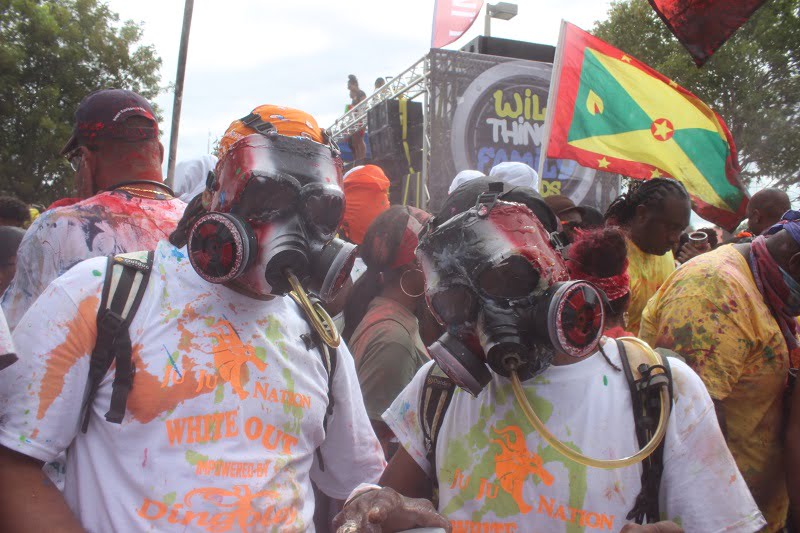
“My favorite carnival celebration has always been J’ouvert Morning,” James said, reminiscing. “Where we gather before the crack of dawn to cover our bodies in paint, mud, cocoa or powder, much like our ancestors, (before) chipping down the road to drums and soca.”
Paul agreed there’s nothing quite like the traditional event even though she thought the virtual Miami Carnival was “fantastic.” She can’t wait to create special foods like pigeon peas cook-up with chicken. “From the beginning” of South Florida’s carnivals, Paul’s booths have sold doubles, bake and shark, corn soup, and crab and dumplings.
Most of her business before COVID-19 was catering for carnival-related masquerade bands. Now, there are no bands.
“When there is no carnival, there is nothing,” Paul said, commenting on the effects of a year without carnival.
Smith’s business, too, had to undergo change for a year without carnival. His last large catering event was for Super Bowl 2020 in Miami, just before pandemic lockdowns started in the United States. While he waits for the carnival business to rebound from COVID-19, Smith has found an unexpected line of business for his venue in North Miami Beach – catering requests for repasts and funerals.
“It was a surprise,” Smith said. “But they started coming for that.… People are dying.”
His employees often ask him about the fate of carnival and other Caribbean festivals such as Best of the Best and Jamaican Jerk Festival. Everyone is excited for a possible hybrid carnival this year, with some in-person components.
“I am ready,” Smith said. “My trucks are ready; my workers are ready.”
Photography Courtesy of David I. Muir
Paul, too, is preparing for a partial return of festivities — and not just as a vendor. She formed a 15-player steel-pan band called United Steel Orchestra, which practices at her restaurant near Miami Gardens on Tuesday, Wednesday and Friday nights. The players, cooks and bakers are antsy at the starting line, waiting for someone to say, “Go,” she said.
Yolanda Henry, who organizes the Miss Miami Broward Carnival Pageant just before carnival each year, wonders how revelers will create their costumes this year. Most of the notions, fabrics and materials to make them are usually shipped from China to New York. With the lockdowns, she worries there may be challenges finding adequate supplies, as there were last year without carnival.
“West Indians are very creative,” Henry said optimistically. “And the U.S. has local seamstresses and some good swimsuit designers. They will come up with something.”
If Miami Carnival allows people to gather this fall, Henry believes people will be there. And if attendees have to wear masks, she has no doubt they will be beautifully made.
“They will come in masks covered in feathers and stones,” she said. “I can see it already.”
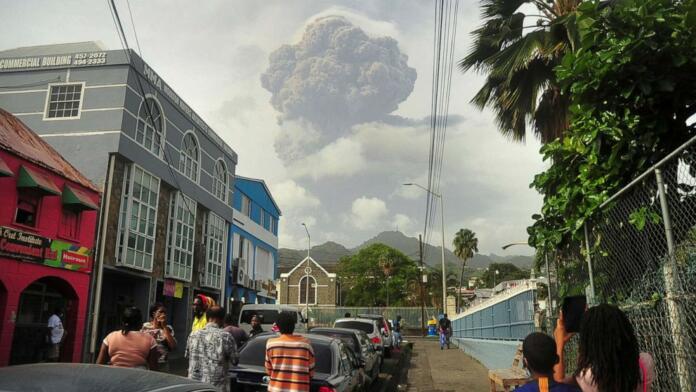
Since the initial eruption of the St Vincent Volcano, La Soufrière, and the Grenadines on Friday, April 9, a number of Caribbean diaspora organizations, businesses, and individuals have mobilized to build a network of support to provide relief to victims on the island. The continuous eruptions have blanketed large portions of the island, as well as neighboring island Barbados, with heavy ash and threats of pyroclastic flows (fast-moving current of hot gas and volcanic matter) to surrounding communities. As a result of the volcanic activity, thousands of residents have been evacuated to local shelters or neighboring islands and are likely to be displaced long term.
As previously done in support of the recovery from Hurricane Maria, the US Caribbean Strong network has been activated to support a multitude of relief efforts across the diaspora in securing priority relief supplies, mobilizing volunteers for transporting and packaging supplies, collaborating with local private sector and governmental partners, and fundraising to underwrite efforts to aid those impacted by the St Vincent Volcano.
“We must mobilize in a coordinated and efficient manner to effectively expedite the priority supplies to the most needy and vulnerable on the island. Each person and organization can contribute in their own way with money, volunteer time, supplies from home or shopping, and personal relationships with the capacity to help. Our family and friends in St Vincent need us urgently,” Marlon Hill, US Caribbean Strong organizer.
To date, the following relief supplies are the highest priority: bottled water, N95 masks, goggles, toiletries/sanitary/dignity kits, first aid kits, medicine – aspirin, pepto bismol, nebulizer/asthma pumps/etc., sleeping bags, blankets pillows, mats, towels, baby wipes/foods/diapers, batteries/flashlights/solar lanterns, sleeping bags, blankets pillows, and mats. Clothing and basic food items are not the highest priority at this time. Several relief events are being organized and hosted throughout South Florida to collect supplies. Volunteers are needed to assist with sorting, packing, pickup and delivery, and more. Anyone interested in volunteering can sign up to do so online.
“Our message to every Vincy, you are not alone, we the Caribbean are with you now and always, near and far away. You are in our prayers and please know that every Caribbean person in the Caribbean and around the world has come together like never before to assist all who have been affected by the volcano one way or the other. It is a proud moment for the Caribbean diaspora, working together, helping one another and most importantly speaking with one voice! Together, we are Caribbean Strong!” exclaimed Consul General Gilbert Boustany, Antigua & Barbuda, in Miami.
U.S. Caribbean Strong has partnered with the Miami Foundation to create a relief fund for those impacted by the St Vincent volcano, financial contributions can be made securely at http://give.miamifoundation.org/volcanorelief.
“Natural disasters are extremely disheartening, however as part of living in the tropics it is an inevitability – not if, but when. The purpose of Caribbean Strong is to aggregate and streamline geographically dispersed disaster relief efforts to get help faster and easier to those who need it most. Right now that’s all hands on deck for St. Vincent and the Grenadines; help is on the way!” – Devin St. Hilaire, US Caribbean Strong organizer.
U.S. Caribbean Strong partners and collaborators include, but are not limited to the Caribbean Consular Corps of Miami, Miami Broward Carnival, South Florida Carnival Bandleaders Association, Caribbean Bar Association, Florida Caribbean Students Association, South Florida Caribbean Promoters, South Florida Caribbean business owners, Food for the Poor, Janice Lyttle Foundation, Global Empowerment mission, Red Cross of South Florida, among others.
US Caribbean Strong is a global network of Caribbean diaspora community organizations, businesses and individuals committed to the coordination of an efficient response to disaster events in the Caribbean region and within global Caribbean diaspora communities.
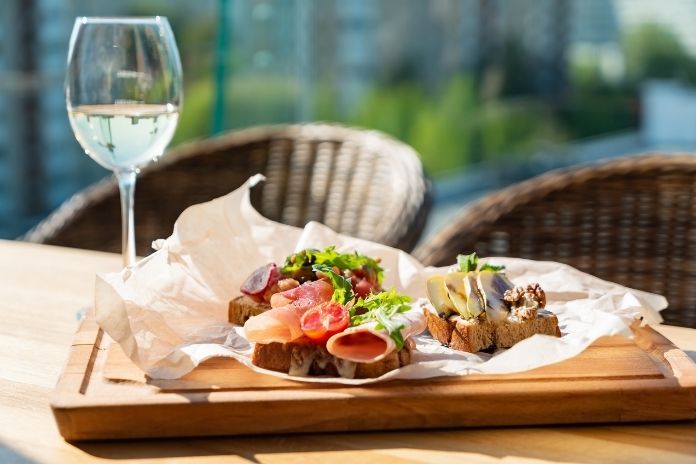
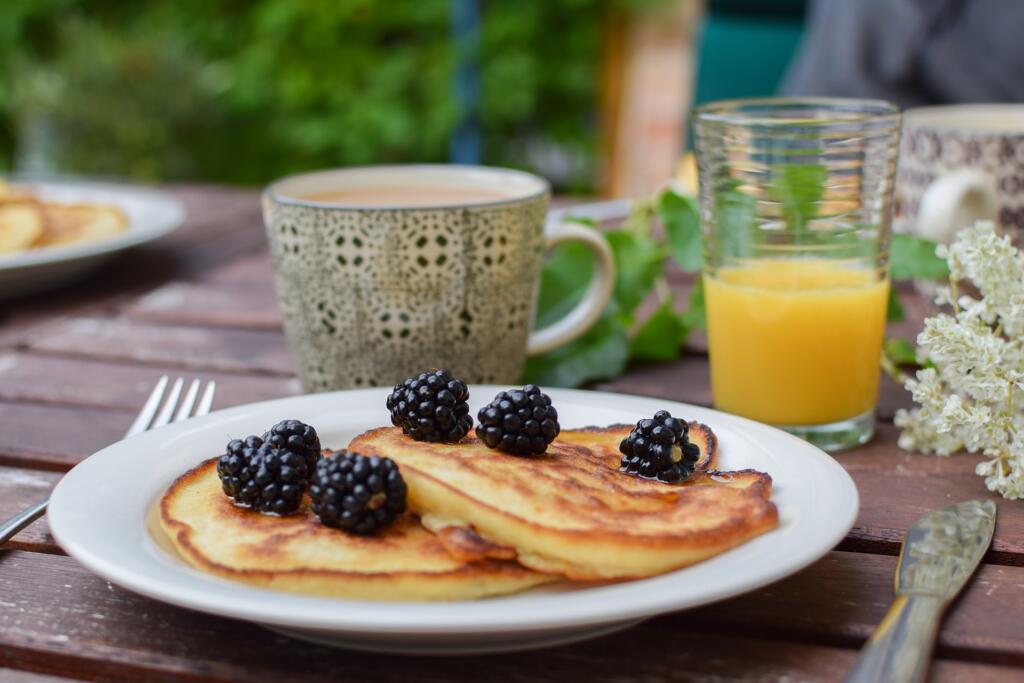
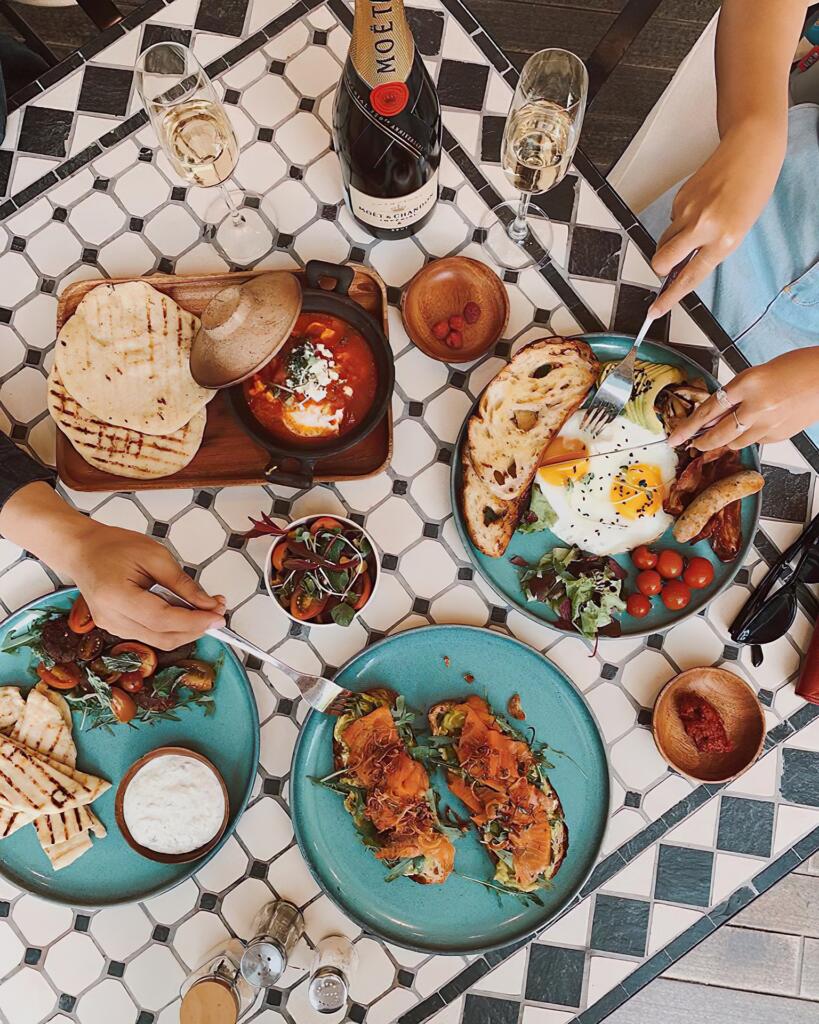
There’s truly nothing better than starting your day with a lavish breakfast spread. Add a few friends and complement the meal with some tasty mimosas, and you’ve got the recipe for a perfect morning.
With a bit of preparation and a few carefully crafted dishes, you can open a classy and comfortable brunch bistro right in your own home. These tips for planning the perfect brunch will show you that staying in for breakfast can be just as luxurious as dining out.
Plan Your Menu in Advance
One of the biggest selling points of dining out for brunch is that everyone in your party is able to order something that caters to their specific cravings. However, unless you want to spend the entire morning standing over a hot oven, you probably won’t want to offer a made-to-order menu at your in-home brunch café. Instead, take some time to create a set menu that you know everyone will love.
Make sure to include several classic spring brunch dishes, such as ackee and saltfish with callaloo and fried dumplings for your West Indian friends, and bacon and pancakes for international eaters. Consider adding one or two specialty items as well. Eggs benedict and pineapple stuffed french toast are sure to delight your guests! Be sure to take your guests’ diets and preferences into account when planning your menu as well to ensure everyone will have something delicious to nosh on.
Offer a Few Drink Options
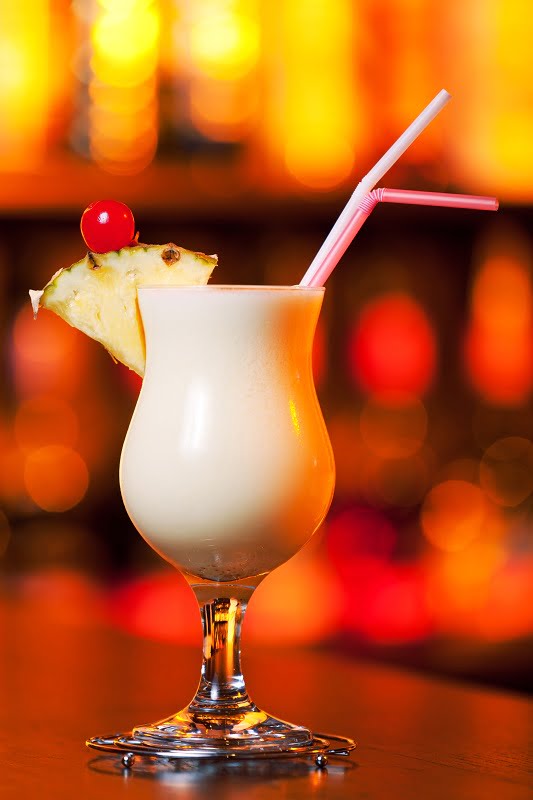
No brunch would be complete without a few fruity and flavorful cocktails. But not everyone craves a mimosa first thing in the morning. Some people might prefer to ease into their day with a simple glass of orange juice, while others might be ready to dive straight into a glass of their favorite wine. Therefore, it’s a good idea to offer a variety of different drink options to make sure everyone can quench their thirst at your spring brunch party.
Bear in mind that some wines pair better with brunch dishes than others. With the right drink in hand, the flavors in your homemade brunch dishes will soar, and the conversation between guests will flourish.
Keep It Cute and Cozy
While the food is front and center at any brunch café, there’s something to be said about the aesthetic of dining out for breakfast. Many restaurants that specialize in breakfast and brunch make a point to decorate their space in cute, comfortable, and cozy décor.
Try to emulate that same aesthetic in your own brunch café, even if it’s taking place in your kitchen. Spread out a tablecloth, set out place cards for your guests, and arrange a bouquet of fresh, tropical flowers to serve as a centerpiece. The more time and effort you put in to making the space look comfortable, the more you and your guests will forget that brunch is taking place in your home instead of your favorite local bistro.
You can still enjoy the aesthetic of dining out with these tips for planning the perfect brunch. You may even learn that you like eating at home more than you ever enjoyed dining out!
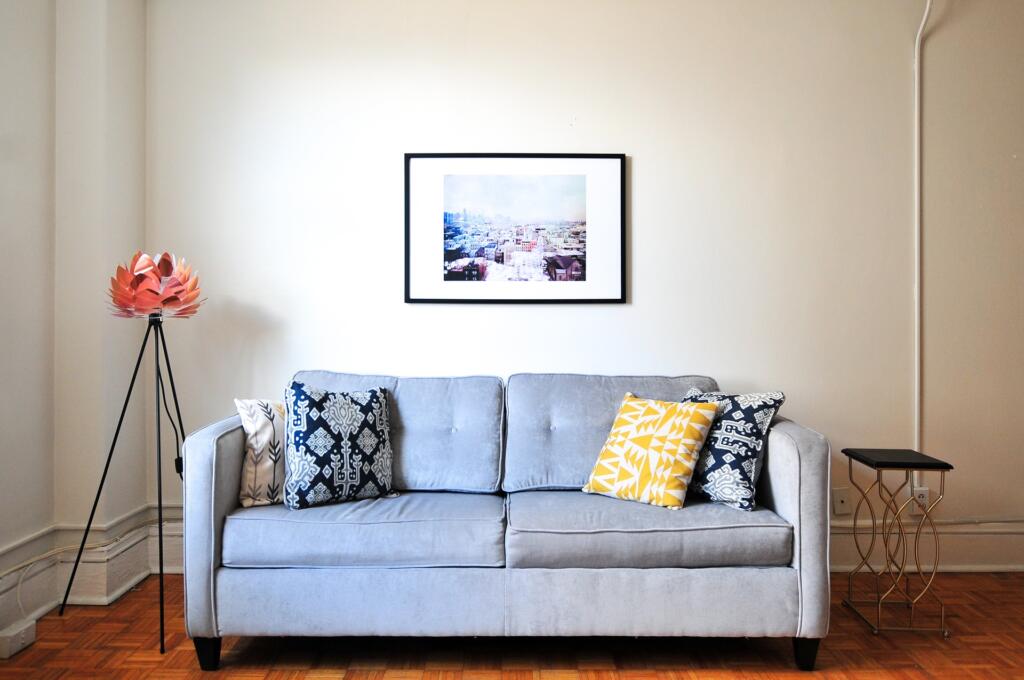
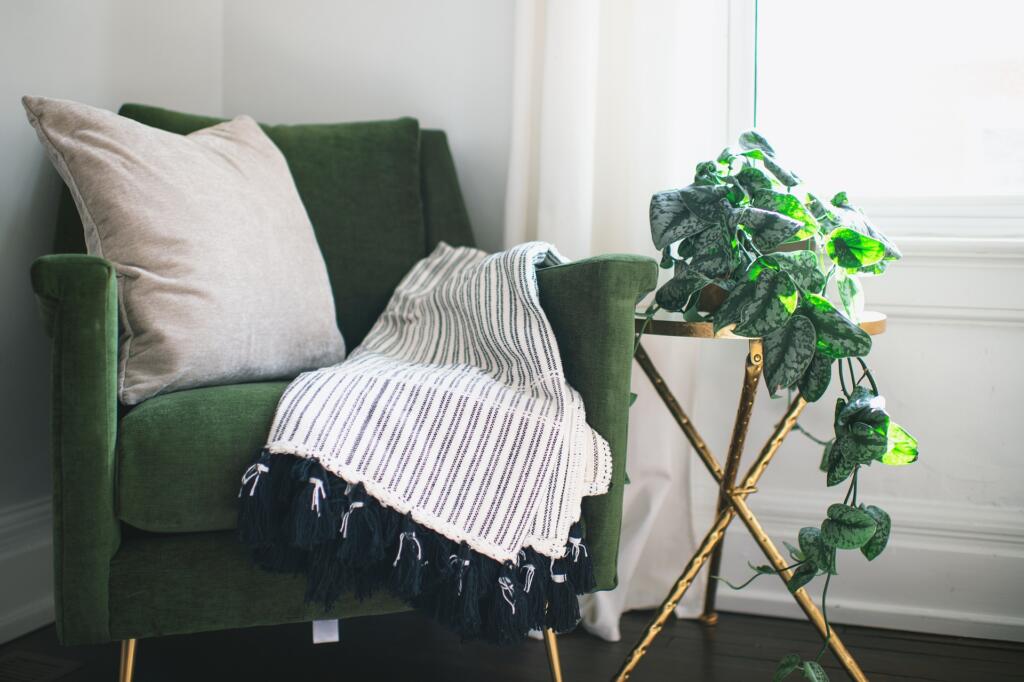
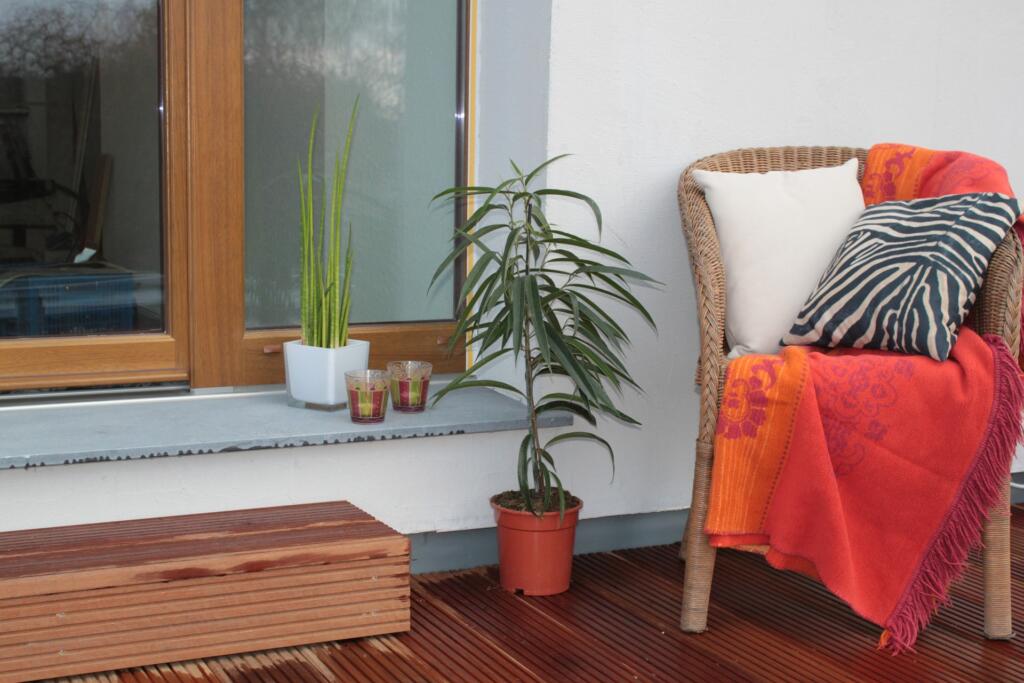
Home improvement is typically synonymous with laborious tasks—replacing roofs, repainting walls, building a patio, and so forth. However, even updating your decor can improve your home in significant ways. If you’re unfamiliar with this popular form of decor, read the list below to learn the top reasons to use throw pillows at home, whether they’re in the living room or bedroom.
Echoing Colors
Homeowners choose color schemes for precise reasons, as colors can significantly impact our emotions and the overall atmosphere of a living space. Particularly for those of us from the warmer climes of the West Indies, vibrant color is a part of our culture that we often express in the paints and fabric textures within our homes.
For example, homeowners can utilize a variety of welcoming colors, each of which can make a living space feel presentable and comfortable. This is where throw pillows come in. Thanks to the bevy of sellers online and in-stores, throws come in many different colors and patterns. Welcoming colors should have a comfortable, cozy texture to match. By matching the right throw fabrics with the right color, you’ll have the perfect way to make any living space feel warm and welcoming.
Boosting Comfort
Not only do throws look nice, but they also feel nice—they are pillows, after all. Sitting for an extended period of time without the proper back support can lead to uncomfortable results when you finally stand up. While relaxing on the couch, neglecting back support is something many people do, but the solution can be as easy as having a throw pillow nearby. If you want to sit on the couch and watch some TV, as many of us like to do from time to time, grab a throw pillow for ample back support. In doing so, you’ll literally be putting less stress on your back.
Embracing Culture
One of the top reasons to use throw pillows at home is even more personal than how beautiful or comfortable they are. Embracing one’s culture is always important but finding the best ways to put that culture on display at home can be tough. Thankfully, throw pillows come in a wide range of appearances—many of which can reflect specific cultures. For instance, some throw pillow designs evoke the imagery of tropical landscapes. On the other hand, if you want a creative way to put the Trinidadian flag on display at home, it’s not hard to find throw pillows with that flag proudly pictured on them.