










Home Blog Page 95

Exploring The Magical World of Jamaican Afrofuturism

0
Afrofuturism
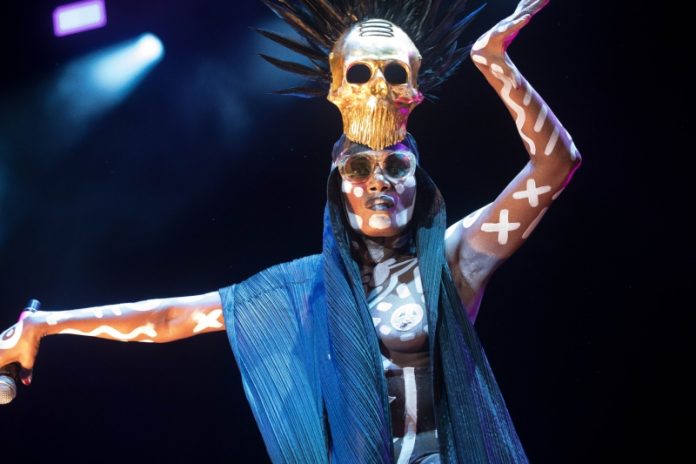
Grace Jones. Photo by Bruce Baker

When Marvel’s Black Panther hit the big screen last February, Caribbean folk beamed with pride to see ourselves represented in Wakanda, with actors like Guyanese-born Letitia Wright (Shuri), Winston Duke (M’Baku) from Tobago, and Nabiyah Be (Nightshade) the Brazilian-born daughter of Jamaica’s Jimmy Cliff. Even more significant, this epic film took Afrofuturism from underground and made it a global phenomenon.

Afrofuturism is a movement that combines sci-fi, fantasy, folklore, ancestral wisdom, technology, and envisions futures from the perspective of the African Diaspora. Jamaica is fertile ground, humming life into all of these components.

Afrofuturism is in the legacy of Maroons who organized rebellions to liberate enslaved Africans. They utilized the ancient technologies of drums and abeng horns to transmit long-distance messages, long before the advent of WhatsApp. It’s Marcus Garvey’s Black Star Liner, harnessing the galactic image of a starcruiser amongst “black stars” to galvanize black people across the world. It invited them to come aboard and be transported to the motherland—and a future with the humanity, self-knowledge, pride, cooperative economic sufficiency, and freedom we deserve. It’s Rex Nettleford and Louise Bennett-Coverley, who used their bodies as receptacles to store and transmit our folklore and heritage through dance and oral history.

And there are many more visionaries, legends, and afrofuturist avatars in Jamaica. Grace Jones and Lee “Scratch” Perry represent our brightest, shining Sirius twin-stars in the constellation of contemporary Jamaican Afrofuturism.

Grace Jones
Afrofuturism
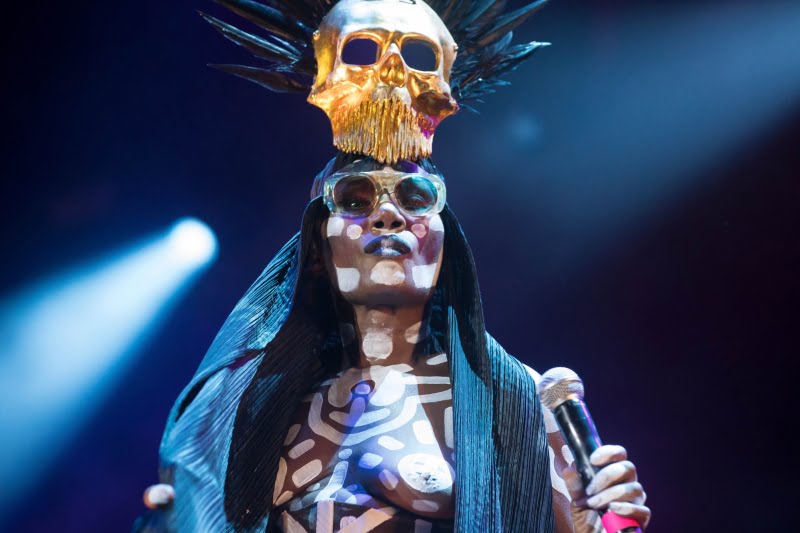
Grace Jones. Photo by Bruce Baker

“There was also a robotic quality to my performance, a mix of the human, the android, and the humanoid… I am not decoration; I am pure signal. I transmit.” – excerpt from “I Will Never Write My Memoirs,” by Grace Jones, Simon & Schuster.

Androgynous cultural icon, fashionista, musician, and movie star Grace Jones is known for music hits like “My Jamaican Guy,” and “Slave To The Rhythm,” as well as her dramatic roles like the outrageous and untameable “Stranje” in Boomerang (1992); the formidable warrior “Zula” in Conan The Destroyer (1984); and superhuman assassin “May Day” in the 1985 James Bond film, A View To A Kill. Her presence feels post-human. One could say that she has decolonized herself of the rigid gender boundaries historically imposed on black Jamaican women.

In I Will Never Write My Memoirs, Jones writes about growing up in a very abusive fundamentalist Christian environment in Spanish Town, Jamaica. She went from literally being afraid of having her own thoughts, to become perhaps the most liberated woman on the planet, and perhaps the most potent archetype of The Minister’s Daughter. Her music blended soul, reggae, and art rock in ways that had not been done before, and she continues to push creative and social boundaries, as chronicled in her newest documentary, “Grace Jones: Bloodlight And Bami.

Lee “Scratch” Perry

Afrofuturism
Lee Scratch Perry. Photo by pitpony.photography

“I see the studio must be like a living thing, a life itself… I put my mind into the machine and the machine perform reality. Invisible thought waves—you put them into the machine by sending them through the controls and the knobs or you jack it into the jack panel. The jack panel is the brain itself, so you got to patch up the brain and make the brain a living man.” — Lee “Scratch” Perry

Dub pioneer Lee “Scratch” Perry embodies the “Mad Scientist” archetype, engaging his mixing board like a living cyborg control panel for a sonic spaceship. He inspired other dub pioneers to follow suit in persona, giving rise to his peers, Scientist, and Mad Professor. Scratch’s esoteric techniques and signature sound became sought after by the likes of Bob Marley and The Wailers, Junior Murvin, The Heptones, and more.

Some of Scratch’s most loved work came from his infamous laboratory of ritual and music, the Black Ark Studio. The Black Ark also evoked the afrofuturist Garveyite imagery of a vehicle destined to other liberating realms. At the helm of the Black Ark, delays and reverb effects would transmit echoes from the past into the present like the voices of ancestral griots. The listener becomes transported into vast and buoyant alternate realities, left to float like pungent ganja smoke in zero gravity orbits. The Jamaican E.T. is still touring today, catch him if you can!

And there are many others reppin’ Jamaican Afrofuturism. Limber up your Google finger, and strap in for the express shuttle through some more of the astro-yardie galaxy.

Visual Artists
Afrofuturism
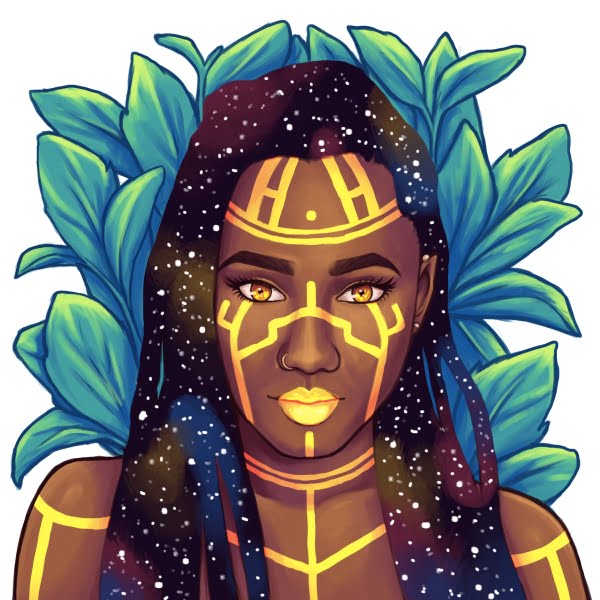
Portrait by artist Kokab Zohoori-Dossa

First stop, Kokab Zohoori-Dossa. In the truest sense, she makes fantastic portraits. She will even do commissioned portraits, transforming folks into creatures of myth and alternate dimensions. She says, “My influences come from the people—black people… if my art could be a portal to anywhere, I would say I would want it to be a portal to a place where everyone can be who they are, full of magic, innovation, and respect.”

Oakland’s Paul Lewin and Jamaica’s Taj Francis are two other visual artists whose otherworldly visions are worth checking out.

Moving Visions

afrofuturism
Caribbean-American filmmaker Sharon Lewis on set of afro-futuristic film, “Brown Girl Begins.”

Brown Girl Begins by Caribbean-Canadian filmmaker Sharon Lewis is the 2018 film version of Jamaican-Canadian Sci-fi author Nalo Hopkinson’s first novel, Brown Girl In The Ring. Both pieces are full of intrigue, Afro-Caribbean folklore, and magical realism. Check both out!

Madge Sinclair (April 28, 1940 – December 20, 1995). Long before Wakanda, there was Zamunda! A loved staple in ‘80s Black Cinema, “Coming To America” portrays the journey of Prince Akeem (Eddie Murphy) from the fictional African country Zamunda. Madge Sinclair played his Queen Mother. Sinclair also played Captain Silva La Forge in Star Trek: The Next Generation.

Yardie Algo-Riddims

afrofuturism
Jamaican singer KAT C.H.R.

KAT C.H.R. (@kat_c.h.r) embodies so much that is Jamaican Afrofuturism. The tattooed singer gives a very punk presence while playing guitar. And their music runs the gamut from rock to soul, to reggae, and more. Kat continues to transcend gender, unapologetically going by the pronouns “they” and “them” while living in Jamaica (Respect!!). They go on to say: “If my art were to take me anywhere, I would want it to be to a dimension where all people are free to be who they are. Transport me to a world where the sound of everyone marching to the beat of their own drum drowns out all fears.”

Transdub Massiv, whose 2005 debut album Negril To Kingston City, became a timeless future dub cult classic. The album features Meshell Ndegeocello on bass, Sizzla, Ce’cile, Tami Chynn, Jovi Rockwell, Rootz Underground, and more. Farenheit sings on “Moonrise Dub,” as someone sending a love message while orbiting the earth from space. I mean, it doesn’t get more afrofuturistic than that!

Enjoy the new sights, sounds, and visions! May they inspire liberating and creative futures for you too.
Taste The Islands Star Recipe of the Week: Chef Irie

0
chef irie

In the world of Caribbean cuisine, consider Jamaican chef and TV host Chef Irie your master of ceremonies. The Jamaican native (a.k.a. Hugh A. Sinclair) has spend a career spreading the good gospel of island flavor. A staple on the food festival circuit, he is also the host of “Taste The Islands,” the first ever nationally-syndicated Caribbean cooking show in America.

Wherever demonstrating recipes or swapping tales with legendary singers and sports stars, Chef Irie charms the screen. But the Johnson & Wales University grad also brings serious culinary chops too, cutting his teeth at popular South Florida establishments like Turnberry Isle Resort, Cascades and Bimini Boatyard.

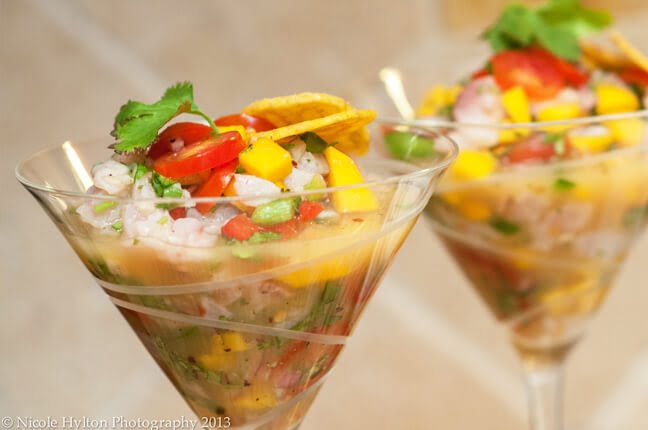
In the kitchen, the accomplished chef loves to remix classic Caribbean ingredients in unexpected way, like this refreshing (and addictive) recipe for snapper ceviche, served with plantain chips.

PRO-TIP: Feel free to swap out ingredients for your favorite flavors. Instead of snapper, try shrimp, mahi, tuna or any other firm white fish. You can also use lemon, lime, orange or grapefruit juice.

Chef Irie’s Snapper Ceviche

Ingredients

1 lb fresh snapper (no skin or bones)
3/4 cup lime juice
1 cup orange juice
1/2 tsp red pepper flakes
4 – 5 cherry tomatoes (sliced)
1/4 cup medium diced mangoes (ripe but firm)
1/4 cup diced red and green peppers
1/4 tsp chopped ginger
1/4 tsp diced jalapenos
1/4 cup red onions julienned
1 tsp thyme leaves
1 tsp black pepper
1 tsp salt
1/4 cup chopped cilantro
Cilantro sprigs and plantain chips for garnish

Instructions

Dice snapper fillets into 1/2″ cubes, place in a bowl and add a quarter of the lemon and orange juice. Place that bowl into another with ice for 10 minutes
Drain snapper and place in a medium clean bowl
Add chopped vegetables and fruits
Add fresh lemon and orange juice, salt and pepper to taste, and rough chopped cilantro
Mix together all ingredients and spoon into martini glasses
Place in fridge until ready to serve. Garnish with cilantro sprigs and plantain chips

For step-by-step instructions, check out this clip from Taste the Islands:


Supercharge Your Day with This Beet Ginger Superfood Smoothie

0

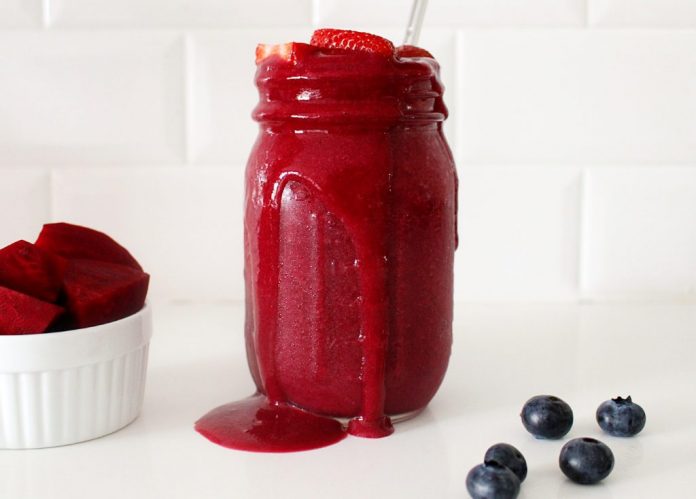
The color alone makes me want to dive into this smoothie…literally and figuratively. I had a smoothie from a smoothie bar that had beets and ginger and I knew that I could make it better. That combination of beets and fruit was something I have never had before. So I created my Berry Beet Ginger Superfood Smoothie (can you say that five times) recipe to share with you!

berry beet ginger superfood smoothieTo be completely honest, I was not…we will say…confident using beets as a regular go-to vegetable. I mean look at them! Do you eat the stem? Do you peel it? Will it stain my counters? During my first few tries at the smoothie, I was so intimidated that I used canned beets (drained and well rinsed) instead of fresh. And I still loved it. But I knew I had to figure out fresh beets if I wanted to make this smoothie the right way at home.

berry beet ginger superfood smoothieI eventually I got over my irrational intimidation of beets and created a fresh, tasty, and healthy smoothie recipe. The smoothie is silky smooth, creamy, vibrant, berry goodness with a hint of spice from the ginger. I always try to incorporate some form of vegetable into my fruit smoothies, which is usually a handful of fresh spinach. What I love about this smoothie is that I get a helping of veggies in a different way. It makes it so much easier to get your veggies in when you can add it to a smoothie and not taste it ? have it work well together with your fruits.

berry beet ginger superfood smoothieberry beet ginger superfood smoothie

Looking for other healthy veggie options to go with your smoothie? You can also check out my Southwest Salad with Baked Seasoned Potatoes ?

Made this recipe? Let me know in the comments or #babemadeblog and @babemadeblog on Instagram!

Berry Beet Ginger Superfood Smoothie

This Berry Beet Ginger Superfood Smoothie is silky smooth, creamy & vibrant with a hint of spice from the ginger. The perfect blend of fruits and veggies!

Read the full recipe here…

Food blogger Christina Collie loves food, traveling, and spending time with her new wife. She adopted a vegan lifestyle in 2015 and created her blog, BabeMadeBlog.com to share her vegan recipes, travel, and love for life. Check out more vegan recipes at her website, and read our sit-down with the vegan blogger here.

How This Jamaican Artist Is Challenging The Status Quo of Miami Art

0
Elijah Mzilikaze
"Ancestral" by Elijah Mzilikaze

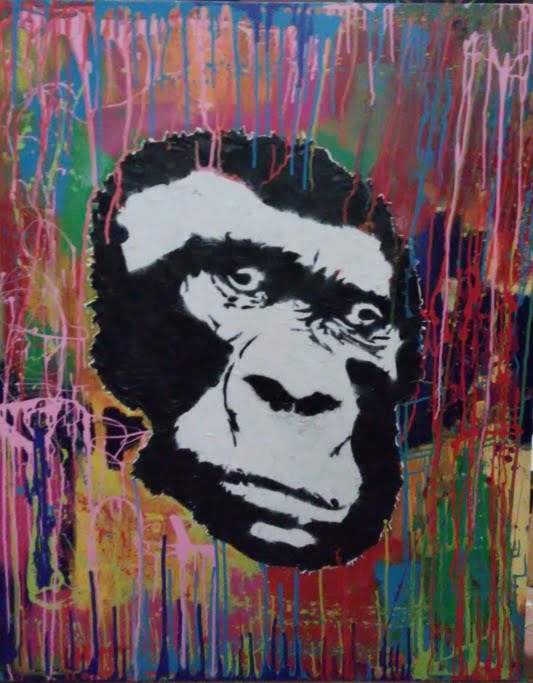
Stroll the streets of South Florida cities these days, and you’ll likely come upon odd-looking stickers affixed to utility poles, bus benches, and trees. The stickers bear the face of a gorilla, which is accompanied by the letters MOAL. But if you think the stickers were put up to announce, say, an upcoming circus, or the remake of a King Kong movie, you’d be mistaken.

So what’s up with the ubiquitous stickers?

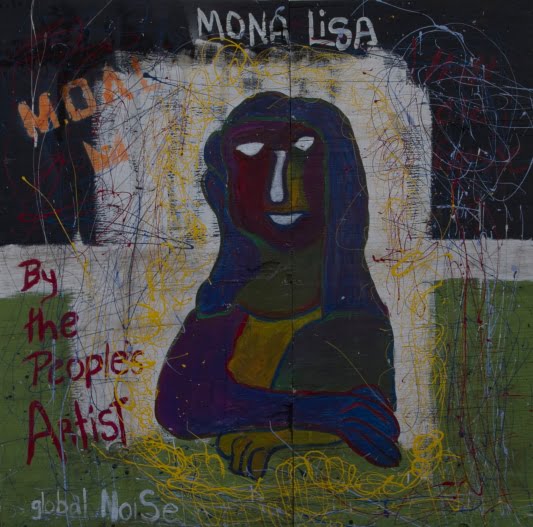
They’re actually the calling cards of Jamaican-born, self-described “raw artist” Elijah Mzilikaze. The gorilla face, coupled with MOAL (his nom de guerre, or alias, whose letters stand for “Mind of a Lunatic”) on the stickers, symbolize the transformation the artist underwent as a 19-year-old U.S. Army combat engineer participating in Operation Desert Storm (August 1990 – February 1991), the U.S.-led incursion into Iraq. “I experienced such savagery on the battlefield that it damaged my soul and my spirit.”

Elijah Mzilikaze
“Drip” by Elijah Mzilikaze

Because of his wartime experiences – which included the handling of mutilated bodies – Mzilikaze had difficulty readjusting to civilian life upon being discharged from the Army. He  recalls: “My life took many turns – from good to bad, from strange to mystic. I had become half-man, half-ape.”

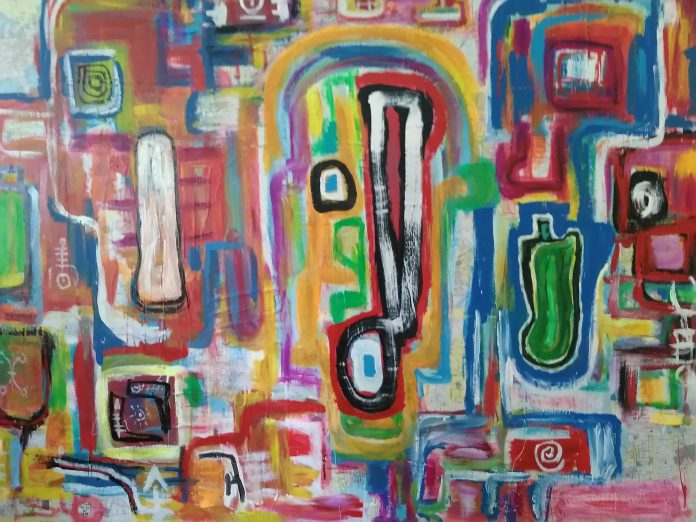
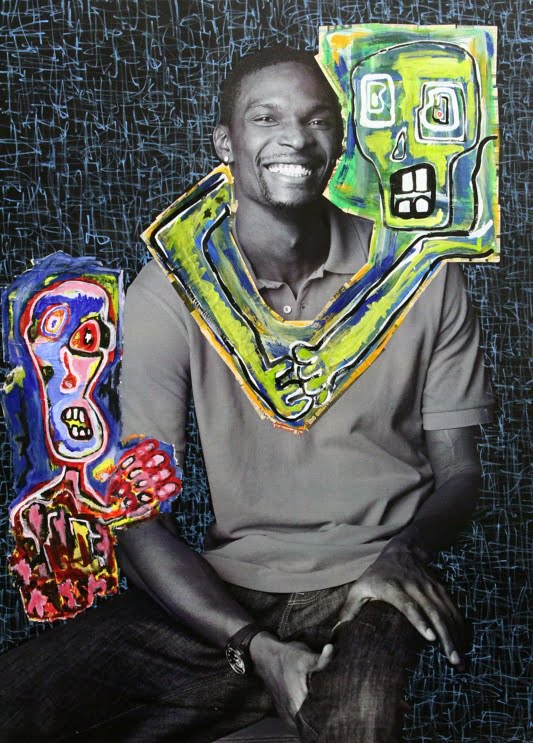
He soon turned to art as a way of dealing with the emotional turmoil. And although some of his pieces depict the horrors of warfare, others deal with less troubling subjects, often incorporating symbols from various continental and diasporic African cultures. A multi-media artist, Mzilikaze (pronounced zee-lee-KAH-zee) occasionally paints on canvas, but most often he paints on materials such as recycled wood, glass and plastic containers, household utensils, and items of furniture. On certain items he’ll sometimes attach miscellaneous objects to create assemblages.

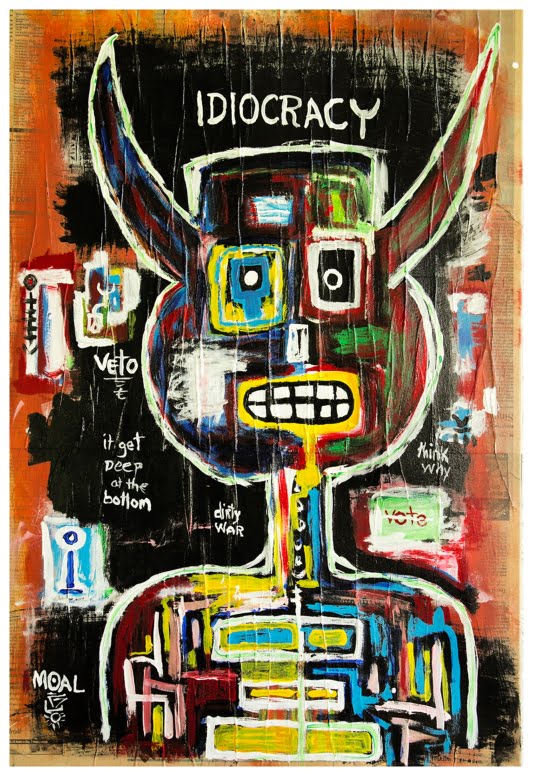
At first glance, Mzilikaze’s art might invite comparison to that of other outsider artists, such as the late Purvis Young or Jean-Michel Basquiat. “I get it all the time,” he says. “Sometimes the comparison is to Purvis Young, but most of the time it’s to Basquiat. Basquiat was the first to appear on the outsider art scene, so now everyone, when they see a style that is kind of similar, they relate it to his style. But my approach to art is quite different.”

The seeds of Mzilikaze’s art career were sown during his childhood in Portland, Jamaica. “We didn’t have a lot of money, so most of our toys we had to make from scratch,” he recalls. “But when I got older, and started to explore the world, I stopped creating. Subconsciously, though, I was absorbing a lot of knowledge, so when it became time for me to get back into creating, it was easy to do. All I had to do was to draw on what I was doing as a child.”

How This Jamaican Artist Is Challenging The Status Quo of Miami Art
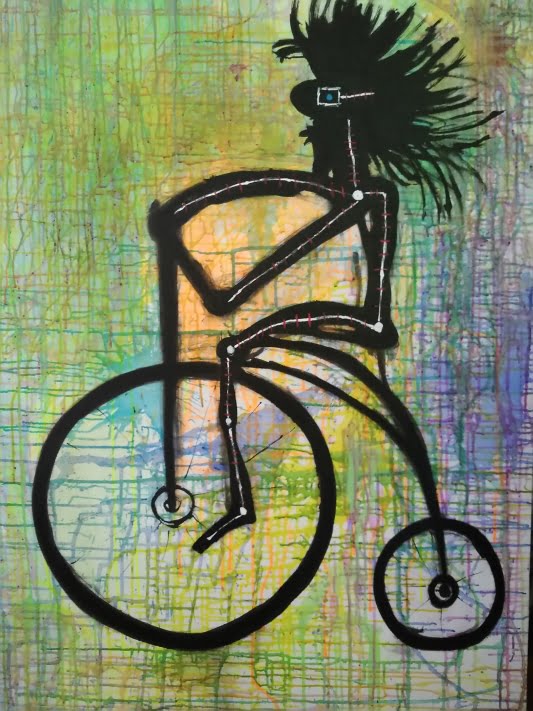
“Riding Free” by Elijah Mzilikaze

Indeed, those creative seeds sown so long ago have borne fruit. Mzilikaze has lived in Miami since 1982. Over the years he has exhibited in a number of solo and group shows in the United States (New York, California, and elsewhere), Indonesia, South Korea, Japan, China, and France. He also has done considerable commissioned work locally, for clients ranging from the Museum of Contemporary Art in North Miami to the “Jazz Before Midnight” program on radio station WDNA (88.9 FM).

Striving for Higher Heights

The emergence of Miami and environs as an art mecca was aided in large part by Art Basel, which relocated from Basel, Switzerland, to Miami Beach in 2002. The event’s main activities take place in the Miami Beach Convention Center, but it offers opportunities for galleries in Miami’s Wynwood district and elsewhere in Miami-Dade County to showcase their collections.

Elijah Mzilikaze
“Mona Lisa” by Elijah Mzilikaze

So has Mzilikaze derived any benefit from the area’s newfound popularity as a destination for artists and art lovers?

“Very little,” he asserts. “Artists and collectors travel here from all over the world during the week of Art Basel. I’m right here, but I’m the invisible man. They see my work all year on Instagram – that’s where they contact you from – but when Art Basel comes to town it’s difficult to be part of things.”

He continues: “They go, ‘Oh, we love your work; it’s wonderful. Would you like to show at our establishment? We’ll send you an application.’ The thing, though, is that the application fee is $100 or $150. So you submit the application fee and photos of your work, and they approve it. Then they say, ‘Okay, you’re approved to show at our gallery. Here’s a five-by-five foot wall: $1,500.’ The kicker is that they’re charging people to come into their establishments to see their collections; so, even though you get to keep the proceeds from sales (if any), you’re actually paying the gallery owners to be part of their exhibitions.”

As Mzilikaze sees it, the deck is stacked against most local artists, and especially minority artists. “The biggest challenge for minority artists in South Florida is having places to show their work, and to have people who understand the work that they’re showing. Or, if they don’t understand, to at least try to educate the public about the work.


MOAL
“Bash and Kids” by Elijah Mzilikaze

“Now there are platforms that call for artists, but there always seem to be hidden agendas,” Mzilikaze says. “Decision makers might not like you as a person; they might not like your work; and your work might not be the kind of work that they’re looking for. So you’re back to square one. You need people who understand you, and who live in your community, and who can identify with you. If someone can’t identify with you, then they’re not likely to care about showing your work.’

He offers as an example works that address societal problems: “Let’s say that I have a painting about police brutality toward black people. Most establishments are Caucasian-owned, so they’ll have no interest in showing your work. That’s the reality. But an artist lives in, and is part of, a community; his or her role, then, is to point out what’s affecting the community, to acknowledge what’s going on in the community.”

And how does Mzilikaze spend his time when not making art?

“Typically, I’m making art 24 hours a day,” he says. “Even if I’m not physically creating something, I’m reading, or I’m researching how to make something. I’m constantly educating myself.”

Another of his activities is gardening, and he spends considerable time tending to the assorted vegetables and tropical trees (soursop, sweetsop, ackee, etc.) growing in the front and back yards of his northwest Miami-Dade County home. “Gardening, like art, is therapeutic,” he says. “I use them to help me cope with the demons which are constantly at war in my head – demons caused by what I call the alphabetical disorders I have: PTSD [Post Traumatic Stress Disorder] and ADD [Attention Deficit Disorder].”

MOAL
“IDiocracy” by Elijah Mzilikaze

Not surprisingly, coming as he does from a rural area of Jamaica, Mzilikaze is adept at coaxing the earth to offer up her bounty. In fact, if he weren’t making art, he very well could find success as a farmer – something he has considered pursuing on land he owns in Portland. But does that mean he’d give up his art for a farming career?

“No way!” he insists. “These are the two loves of my life, and I love them equally, so I’d just have to figure out a way to devote equal time to both.”

Learn more about the artist at his Instagram @MOALart and Facebook

More On Caribbean Artists:

How This Jamaican Artist Is Challenging The Status Quo of Miami ArtHow This Jamaican Artist Is Challenging The Status Quo of Miami Art

Our Favorite Snapshots from Carnival 2019 Around The World

0
Carnival 2019
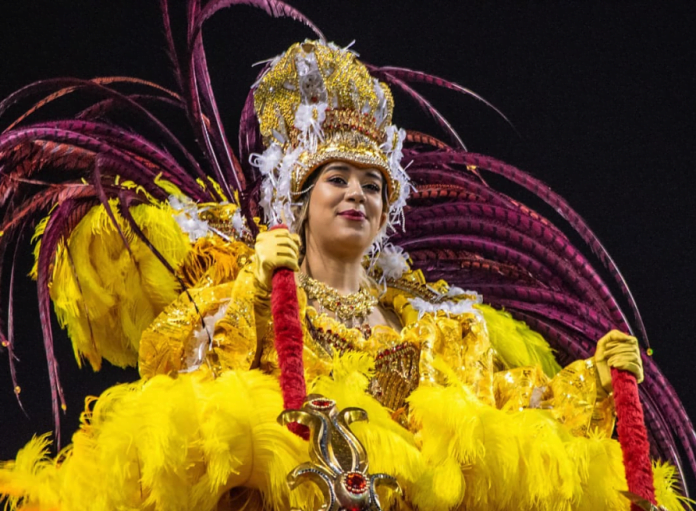
Reigning Parade Queen looks over the crowd from the Águia de Ouro Samba School float.

Right now revelers around the world gather to celebrate the high point of Caribbean Carnival 2019, with music, parades and photos galore. But this year’s festivities has already been one for the books, filled with time-honored traditions and fresh creativity. So we’ve rounded up out favorite photos of the season so far, from stunning costumes to legendary musical moments.

Trinidad & Tobago

Young Love

Music fans went wild when Trinidadian music legend Calypso Rose joins the stage with Machel Montana to perform their hit collaboration, “Young Boy” at Machel Monday last week.

Diva Moment

Decked to the nines, the Queen of Bacchanal herself Destra Garcia united forces with Dancehall powerhouse Spice for a killer performance at Machel Monday concert last week.

Island Gyal

American R&B princess Ashanti looked right at home in this Caribbean carnival 2019 photo, performing with Machel Montano at his popular Monday concert last week.

Lord of Ice

Facing stiff competition, master masquerader Joseph Lewis capture the coveted King of Carnival crown with his spine-tingling portrayal of Ghelgath: The Demon Lord of Ice.

Pan Champs

In an intense competition, BP Renegades finally came out on top, wining the large steelband finals at the Panorama 2019 champions. Ace pan arranger Duvone Stewart led the dream team to victory.

Flower Power

The future of Trinidad carnival feels safe in the hands of these beautiful masqueraders performing at the 2019 Junior Carnival. The performers are wearing the Wild Orchids design, a section from the band “Postcards from Brazil.”

Center Stage

Traditional carnival proved alive and well at this year’s traditional costume showcase, display the classic characters of carnival. Here Peter Chin Foon brings life to his character Shu Sha Wanka.

Dominican Republic

Face To Face

Local photographer @jorgefe_dc2 captured stunning details of a devil reveler at the Carnaval de la Vega parades last week, celebrating Dominican independence.

Under The Sea

Set in the wetlands of the Grí Grí Lagoon, the Marine Carnival of Rio San Juan “Carnamar” takes inspirations from marine species. And this masquerader celebrates the theme beautifully with a glittering makeup and a crown of sea-sells and coral.

Devil May Care

The Carnaval de Santiago is known for their iconic “Los Lechones” or piglet devil characters, which traditionally open up the festivities. This performer shows off a beautiful example of the Los Pepines version of the character, with his classic sisal rope used to make loud bangs on the ground to terrify the crowd.

Martinique

Heads Up

This year’s Parade du Dimanche Gras in Fort-de-France came alive thanks stunning head-dresses and makeup, portraying both traditional characters and pop icons.

Earthly Ties

These iconic performers show off the carnival’s signature traditional combination of rich clay mud and creole dress at the Parade du Dimanche Gras the past Sunday.

Oiled Up

Covered in coal tar and sugarcane syrup, traditional nègres-gros-sirop revelers show off for the cameras at the Parade du Dimanche Gras the past Sunday.

Big Brass

Traditional trumpeters fill the streets of Fort-de-France will rich sound at the Parade du Dimanche Gras the past Sunday.

Brazil

Home to Roost

The infamous Galo da Madrugada carnaval parade wouldn’t be complete without their epic rooster centerpiece leading the procession. And this year’s centerpiece rooster seems more grand than ever, featuring stunning geometric detail.

Take Off

A glorious sequined phoenix rises from the ashes in the centerpiece parade float created by the famed Unidos do Viradouro samba school.

All a Whirl

Dressed as fantastical oceanic creatures, masqueraders from the Unidos do Viradouro samba school thrill the crowd.

Party Time

Performers from the Império Serrano samba school put their best foot forward in a series of stunning costumes at this year’s parade, from bikini-sequin numbers to candy-inspired designs.

Close Up

Brazilian photographer Filipe de Silva capture the stunning detail of this reveler performing for the Mocidade Alegre Samba School. The look is worn by artistic director Mauricio Pina.

New Orleans:

Dragon Dance

A colorful dragon leads the way for the mystic Krewe of Nyx parade this past week during the Mardi Gras parades.

Greasing The Poles

The Mardi Gras celebrations can’t begins without the traditional “greasing of the poles.” The tradition started 50 years ago to prevent revelers from climbing up the the hotel balconies for a better view of the parade.

Full Steam

Mardi Gras wouldn’t be complete without some stellar music. And the Southern University ‘Human Jukebox’ Marching Band certainly delivered, performing before the start of the Super Krewe of Bacchus parade Sunday.

Super Fan

The Ne wOrleans Saints may have just missed out on the Super Bowl this year, but don’t tell this eager reveler decked out in all Saints gear during the Krewe of NOMTOC parade.

Reggae Stars Share Favorite Tunes And Food On Yellow Cab Karaoke

0
Yellow Cab Karaoke
L-R: Singer Wayne Wonder, Chef Irie (Taste the Islands host), Calibe Thompson (Taste the Islands producer and TTIX Yellow Cab Karaoke host)

Ever wonder what it’s like to take a cab ride along with reggae stars like Spragga Benz and Mr. Vegas? Now music fans can indulge in a joyride with their favorite performers in a new web series, TTIX Yellow Cab Karaoke.

The Taste the Islands Experience (TTIX2019) has teamed up with their event partner Yellow Cab of Broward, one of South Florida’s leading transportation services, for the 8-part web series. The series features appearances by Caribbean musical royalty including Julian Marley, Wayne Wonder, Spragga Benz, Mr. Vegas, Everton Blender, Nyanda of Brick & Lace, Anthony B, and jazz singer Lavie.

The celebrity guests are surprised to be driven by their friend and Taste the Islands producer – turned taxi driver – Calibe. She takes each artist around Broward County with co-host Chef Irie or Chef Thia. Each 12-to-16-minute episode features the trio singing along to the artist’s biggest hits and discussing their favorite records.

In true Calibe fashion, she still squeezes in some time to find out what’s been going on recently in the celebs’ lives. “These are actually people I came up around in the music industry. I’m having a blast with my old music life and my current TV production life intersecting on this project,” said Calibe.

The series will premiere on Monday, March 4th exclusively via all Loop News platforms. In addition, other websites will premiere weekly episodes on Tuesdays. Check out a sneak preview below.


For more on TTIX Yellow Cab Karaoke, visit www.ttiexperience.com or follow them on Instagram @TTIXEvents.

Explore The Rich Caribbean Food History at This Landmark Exhibit

0
caribbean food
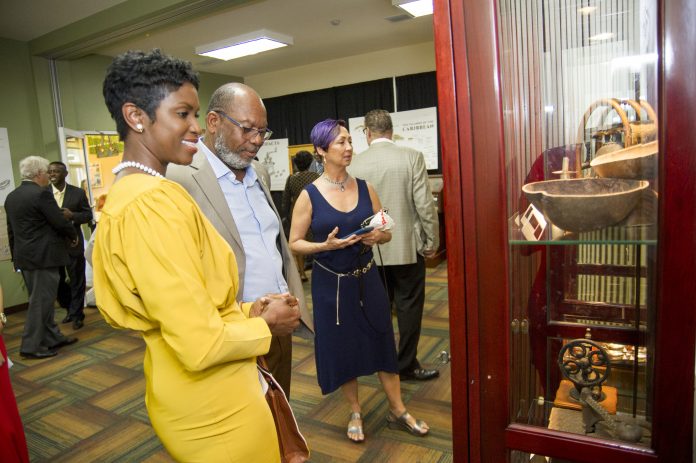
Lauderhill Commissioners Howard Berger and Richard Campbell (far left); Constituent Service Representative, City of North Miami Nadia Assad (center left); Lauderhill Mayor Ken Thurston (center right); and Retired Lauderhill police officer Debbie Banner. | Photo: RJ Deed

From your grandma’s dutch pot to the classic mortar and pestle used to grind spices, Caribbean food has evolved thanks to these iconic tools of yore. Now foodie fans can explore this overlooked culinary history at the Caribbean Culinary Museum and Theater Exhibition. This show runs until Saturday, March 16th at the Lauderhill Historical Museum.

The exhibition surveys a broad collection of artifacts and memorabilia from Jamaica, Trinidad, Haiti, Barbados and the Latin Caribbean islands. At the “Culinary Theater,” guests can also watch actors on-screen demonstrate on-screen techniques and discuss shared culinary cultures. The show also includes traditional spices and produce from the region.

The show seeks to become “a great teaching tool to let all of the history come to life,” noted Scarlette Clarke from Yellow Cab of Broward. “This effort of love for our community transcends culture and people. It brings a level of understanding that demands kindness and compassion.”

“So nice to see all of these artifacts, and to see the similarities between different cultures. We are a united fold in so many ways,” shares visitor Jacqueline Lorber of the South Florida Symphony.

City commissioner Howard Berger and the City of Lauderhill co-present this landmark exhibit. The project was conceptualized by Calibe Thompson, David Muir, and Marsha McDonald. Respectively, they are the producers of “Taste the Islands” culinary and travel TV series, “The Taste the Islands Experience” food and drink festival, the “Reggae Reel” and “Pieces of Jamaica” photo exhibitions, and the “Diversity in Design, Art and Architecture” artist talk series.

Guests can enjoy this family-friendly installation free to the public. The show opens on  Tuesdays and Thursdays from 2 to 8:00 p.m., and Saturdays from 10 a.m. to 6:00 p.m.

How Caribbean Rum Is Making Major Money Moves Worldwide

0

A key ingredient in umbrella cocktails casually sipped at hotel pool sides, a staple at street-side bar gatherings and impromptu liming sessions, and an essential spirit at wakes, festivals, and just about every celebration, rum is undeniably a core component of Caribbean culture. Now, with the identity of rum itself developing from a lesser-known spirit into a globally appreciated and more widely produced liqueur—from Asia to Europe—what remains noticeable is how its Caribbean identity and distillation techniques continue to be central components in this expanding universe.

A spectrum of legacy and still-emerging brands bearing a Caribbean identity presented their current collection of rums—dark, light, and aged—to the equally broad range of consumer and business audiences at the 2018 Miami Rum Renaissance Festival.

The Legendary Labels: Leveraging Tradition And Innovation

A tradition built on centuries of well-maintained distilling processes remains at the heart of the region’s legacy labels. Still, the marketplace of the 21st century also requires a different level of innovation and outreach. Today’s marketing strategies are diligent in including presence and interaction at both regional and international events.

The two longtime and distinct rum production legacies within the wider context of Caribbean rum are of course classic (British and Spanish) molasses-derived rums, and the agricultural (rhum agricole) rums of the French Caribbean. Both have continued to expand their appeal in the wider world of rum appreciation. And while it may be the former that have had a start in past decades thanks to the vast presence of names like Bacardi or Appleton—more recently, rhum agricole labels with distilleries around the French West Indies have seen huge headway into North American awareness.

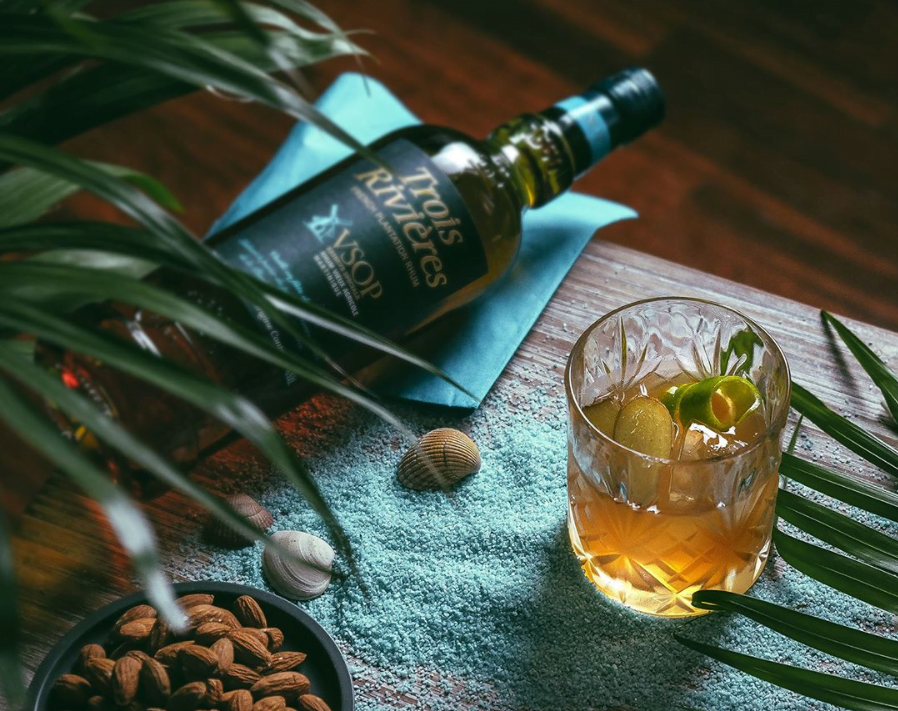
Trois Rivières is noteworthy for its legacy on Martinique as a rhum producer dating back some 350 years. As part of the brand’s promotional strategy, brand builder and importer for this Martinique label, Jean-François Bonneté, explores its name and history in a master class seminar.

How Caribbean Rum Is Making Major Money Moves Worldwide
Rhum Trois Rivières preserves age-old techniques with their VSOP rhum, aged five years in oak casks. Photo: IG @rhumtroisrivieres

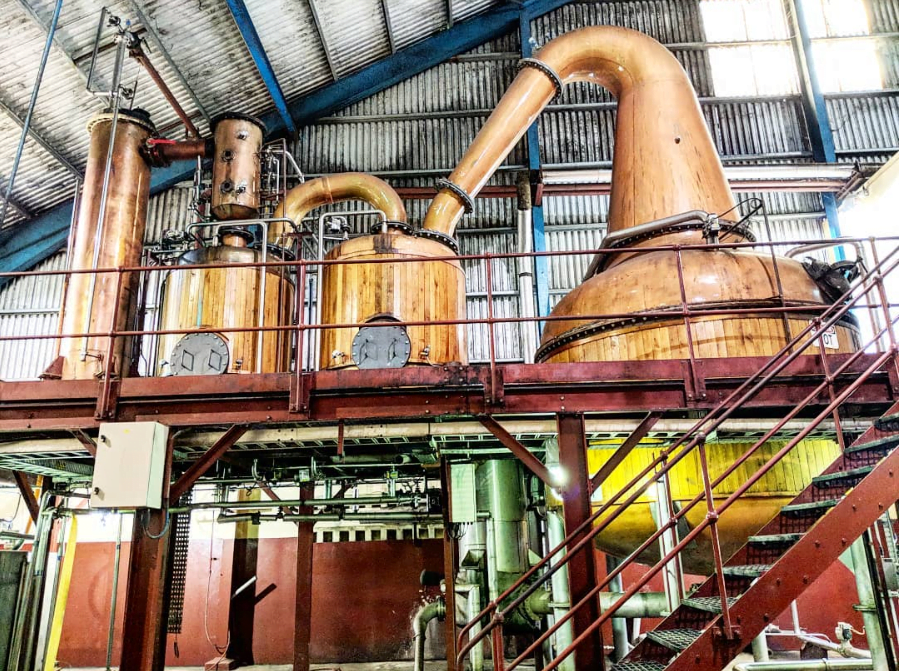
With a birthplace and identity dating back to the 18th century, Jamaica’s Worthy Park Estate today draws on that deep legacy to present its line of Rum-Bar Gold, Silver, and White Overproof rums to the contemporary world. Connoisseurs and new fans alike find authenticity in Worthy Park Estate’s origins and present-day operation. It remains a single estate rum encompassing all the key features—cane fields, sugar factory, and distillery—all at the same centuries-old location. Only now has it also taken the significant step of reaching to wider audiences with distribution into North American markets.

How Caribbean Rum Is Making Major Money Moves Worldwide
Known for their single-estate rum, Worthy Park Estate in Jamaica still develops their brews in a traditional pot still custom-built by Forsyths in Scotland, based on a design dating back to 1801. Photo: IG @worthyparkestat

Worthy Park’s export sales manager Alexander Kong explains, “Our focus for the short-to-midterm is on working with our state[side] distributors on introducing the brands “officially” into the market, with a big part of our launch being educating both the on and off trade markets on what makes Jamaican rum unique, and Worthy Park’s place in the Jamaican rum market.”

About the perceptual change of rum itself, Kong observes, “From our perspective, it is not necessarily the revolution in how we are making rum, but a revolution in how rum is being received on the global stage. As a category, many rum producers have been trying hard to move past the “pirate” and “cheap umbrella drinks” category to being recognized for the beautiful and diverse spirit that it is.”

The marketers of Mount Gay, Barbados’ pre-eminent legacy brand, are also highly conscious of the need for a multi-faceted approach in engaging the evolving rum landscape.

When asked about its current promotional and distributional models, Mount Gay’s brand director Dorothee Heriard Dubreuil points to how “Mount Gay Rum has been working to raise brand awareness among a targeted consumer group through the new campaign, ‘Time Well Spent.’ This campaign promotes bonding with friends over Mount Gay Rum cocktails after a shared passion, such as sailing or skiing. To reach these consumers, Mount Gay Rum has been investing more into earned and paid media along with consumer experiential activations such as ski resort and sailing regatta pop-ups.”

How Caribbean Rum Is Making Major Money Moves Worldwide
The popular Mount Gay Rum brand from Barbados seeks to broaden its marketing horizons with a campaign placing rum in new places, from ski slopes to sailing regattas. Photo: IG @mountgayrum

Emerging Names: Traditional Distilling Methods, New Production Models

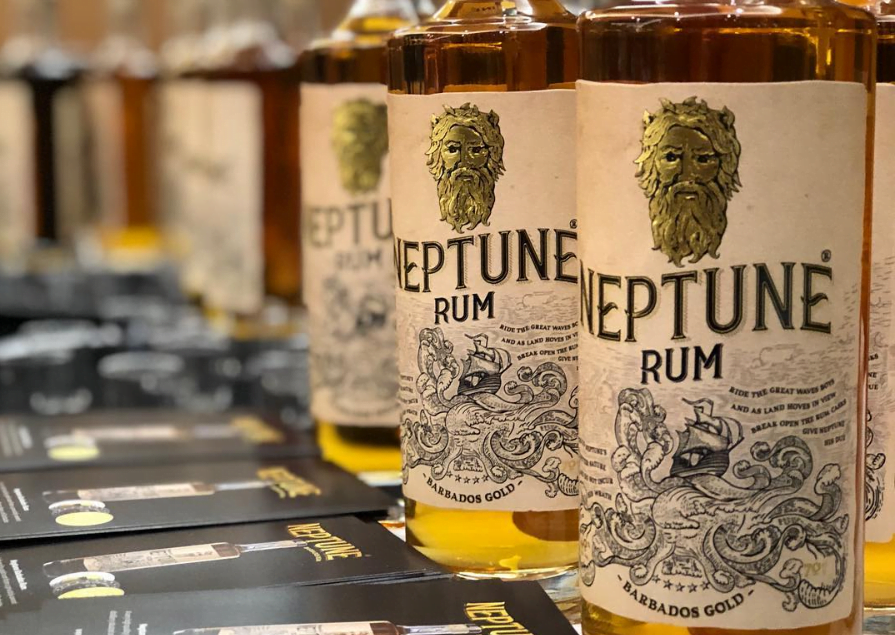
Neptune Rum, an emerging Barbadian label, is making its mark competitively at rum events while also seeking its footing well beyond Barbados. It is distilled and aged at the family-owned Foursquare Rum Distillery, set within a former 17th-century sugarcane plantation.

Richard Davies, Neptune’s enthusiastic founder and proprietor, is a former London restaurateur and bartender who fell in love with Barbados’ rum legacy. “Neptune Rum is distilled and aged in Barbados, and the most important thing about that actually is being aged in Barbados… in that humidity, that turbocharges the aging process,” Davies emphasizes.

And Neptune is truly making its mark, earning the coveted spot as the most awarded rum of 2018, with 27 international titles. They’ve also been voted “Barbados Rum of the Year” twice.

How Caribbean Rum Is Making Major Money Moves Worldwide
New rum brand Neptune Rum earns its spots in a competitive market by competing at world showcases like the UK Rum Fest. Photo: IG @neptune_rum

That willingness to retain a fundamental tie with Caribbean authenticity, while carving their own paths toward broad distribution, seems to be the underlying approach of emerging names from the region. As Rum Renaissance founder Rob Burr observes, having welcomed old and new Caribbean exhibitors for over a decade: “Rare bottlings, vintage expressions, and small batch specialty products from producers like Plantation, Mezan, or Companie des Indies are examples of the growing trend of boutique products aimed at collectors and connoisseurs of fine aged rum. It’s just not possible to classify the rum category as ordinary or unremarkable anymore.”

Indeed, earliest Caribbean rum roots were largely confined to communal rum bars on the one hand, or at the other extreme, served to elite guests at George Washington’s wedding reception. As rum’s future unfolds, its proprietors and innovators will continue to build on that widening connection to an appreciative audience of connoisseurs of all levels of the world of liqueurs. And while the legacy may well resonate differently with rum’s many new and different friends beyond the Caribbean itself, the taste and the story it tells will always speak authentically of its island origins.

Go Beyond The Beach With These Iconic Caribbean Destinations

0
Caribbean Destinations
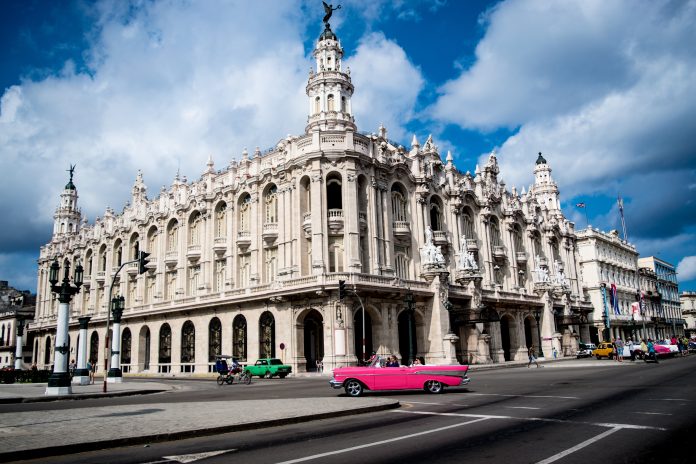
The Gran Teatro de La Habana, home of the National Ballet. Photo by Gerardo Sanchez on Unsplash

Bestowed with sugar-sand beaches and crystal clear waters, it’s easy to understand why Caribbean coastal attractions claim the spotlight. But the region also enjoys a robust cultural legacy, offering fascinating activities that often fall under the radar for visitors and locals alike. These vital attractions carry the Caribbean’s cultural heart and maintain immense significance, even as harsh storms sometimes batter its natural beauty. Here, we’ve rounded up the region’s cultural treasures that beg further exploration, from temples to sanctuaries of art.

Trinidad & Tobago

Away from the chaos of the Twin Republic’s carnival parades lie surprising moments of transcendence.

Sri Dattatreya Yoga Centre

Go Beyond The Beach With These Iconic Caribbean Destinations
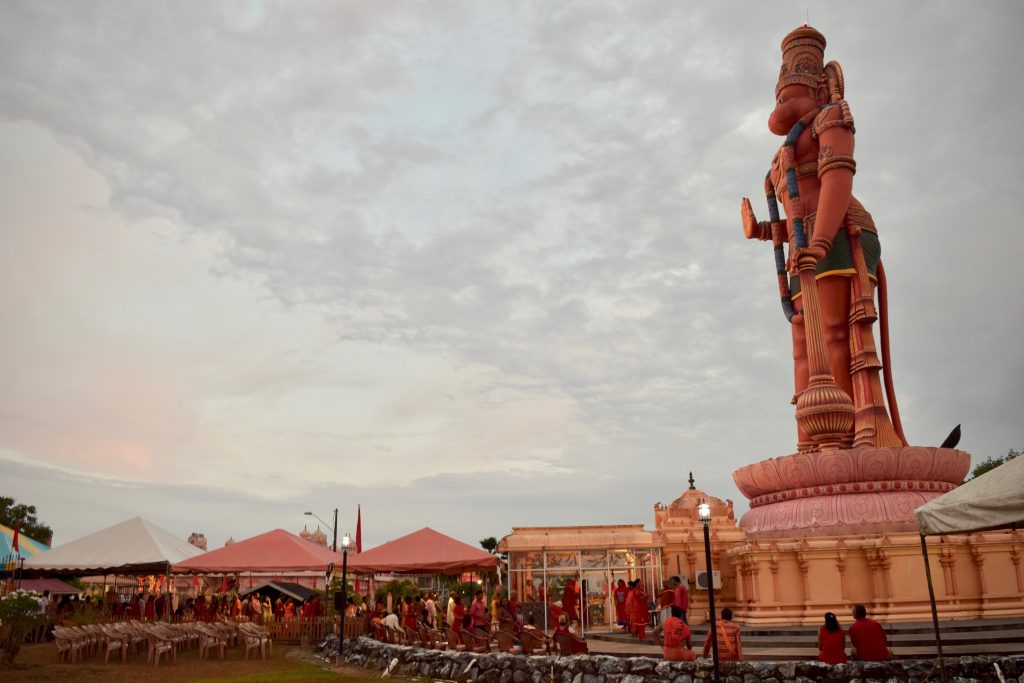
The 85-foot statue of Hanuman looms large over the horizon at the Sri Dattatreya Yoga Temple. Photo: Courtesy Sri Dattatreya Yoga Centre TT

Revered as a place of worship for Trinidad’s Hindu community, the Sri Dattatreya Yoga Centre in Carapichaima is an architectural wonder. In 2003, specially-commissioned craftsmen completed the structure, inspired by the Dravidian style of sacred sites in South India. The result: a frost pink temple with dramatic domes against the skyline. Two auspicious elephant statues and a relief of sculpted dancers greet you at the entrance. Inside, the ceiling is a kaleidoscope of lotus flowers. But before entering, you cannot miss the vivid 85-feet Hanuman statue, whose first block was laid to the chanting of sacred mantras. The temple welcomes guests to participate in the daily worship and all celebrations for major Hindu festivals.sridattatreyayogacentrett.com

Tobago Heritage Festival

Go Beyond The Beach With These Iconic Caribbean Destinations
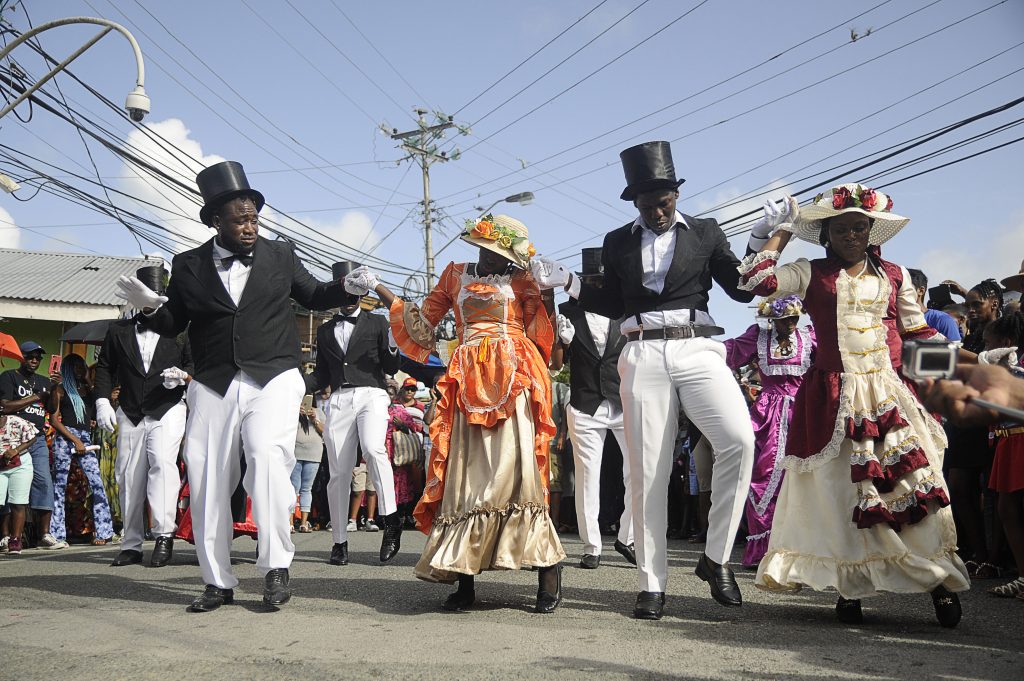
Traditional dances and folk songs are on display every year throughout Tobago at the Tobago Heritage Festival. Photo: Caswell Gordon

From mid-July to August, Tobago’s rich cultural traditions come alive with celebrations across the island. Founded in 1987 by renowned anthropologist Dr. J.D. Elder, Tobago Heritage Festival honors Afro-Caribbean folk arts and ensures their preservation through generations. Traverse from village to village at events like the Plymouth Ole Time Carnival, where visitors can watch traditional stick-fighting and a parade of folktale characters like the Ju Ju warriors. Or you could explore the traditional African dances of the Pembroke Salaka Feast, a sacred thanksgiving event paying homage to the ancestors. The celebrations end on August 1 for the Emancipation Day Gala at Pigeon Point Heritage Park, filled with colorful processions and folk music.
tobagoheritagefestival.com

Havana, Cuba

From national stalwarts to breakthrough experiments, Havana’s artistic light burns bright.

Ballet Nacional de Cuba

Go Beyond The Beach With These Iconic Caribbean Destinations
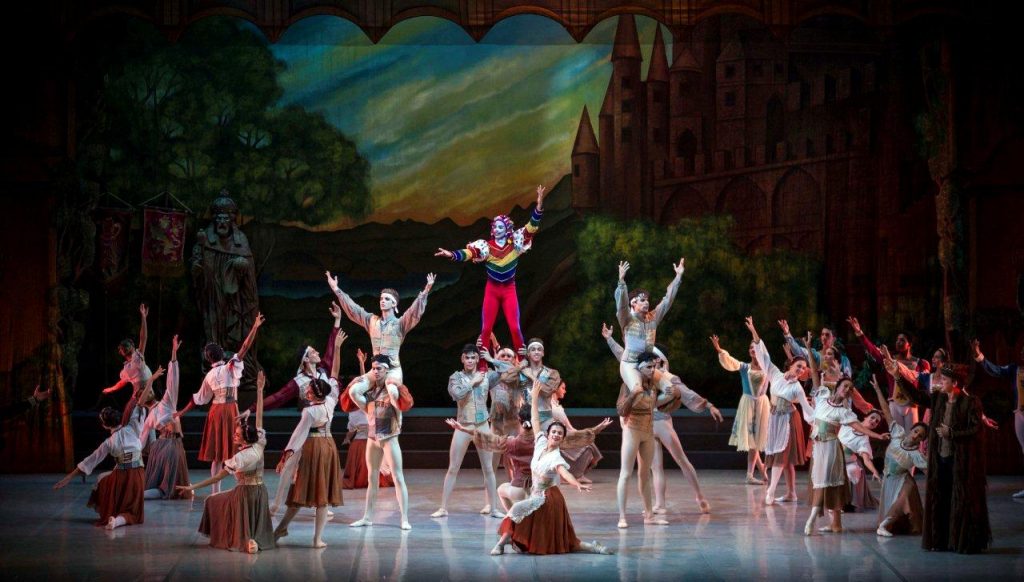
Act II of Swan Lake by the Ballet Nacional de Cuba. Photo: Carlos Quezada

As one of the most prestigious dance companies in the world, Ballet Nacional de Cuba stands today as Havana’s cultural beacon. Founded in 1948 by prima ballerina and choreographer, Alicia Alonso, the company transformed into a national institution following the 1959 revolution. It is celebrated for its distinctive performance style, balancing technical rigor with poetic expressiveness. When in town, be sure to catch performances from their classical repertoire, which includes Don Quixote, Carmen, The Nutcracker, and the classic Swan Lake. A popular attraction among locals, ticket lines are long, but it’s worth it to see dancers like Sadaise Arencibia and Dani Hernández. The company’s hub at the Gran Teatro de La Habana is itself a stunning sight.
balletcuba.cult.cu

Fábrica de Arte Cubano

Go Beyond The Beach With These Iconic Caribbean Destinations
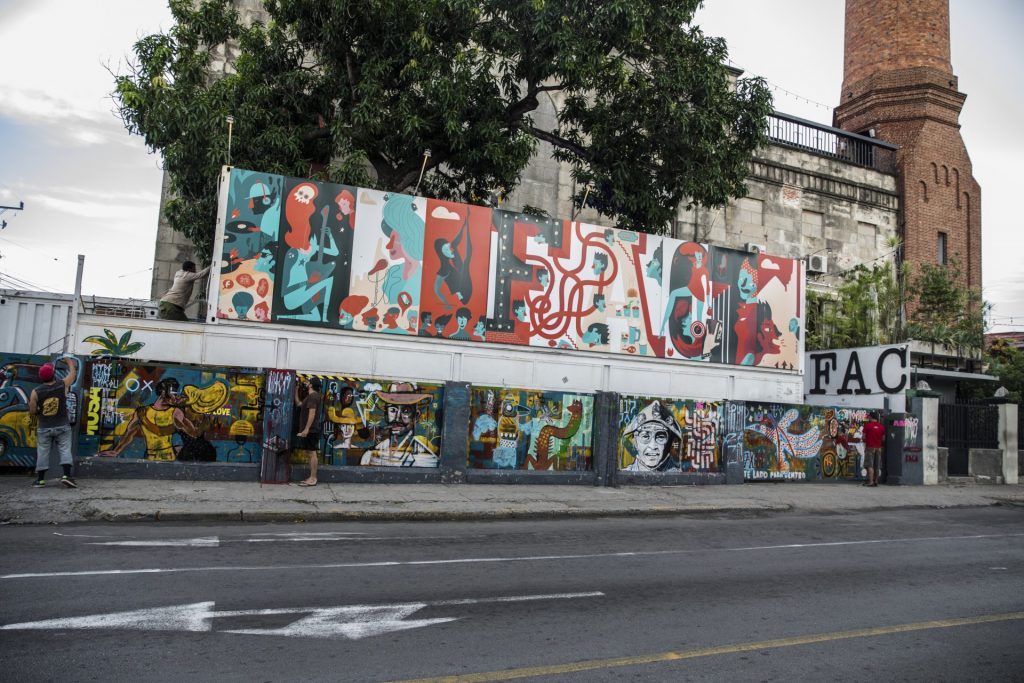
The exterior of Fábrica de Arte Cubano is covered in work by local artists, showing their dedication to celebrating Cuba’s exciting next generation of talent. Photo: Courtesy of Fábrica de Arte Cubano

Celebrating Havana’s contemporary creatives across disciplines, Fábrica de Arte Cubano is part performance space, part nightclub, and part cultural salon, where art lovers effortlessly mix and mingle with artists. Housed in a converted cooking oil factory in the Vedado district, the art center is the brainchild of Afro-Cuban fusion musician X-Alfonso. Visitors may party at concerts, take dance classes, and tour the constant rotation of exhibits. Such cutting-edge creators include Latin jazz bassist Gastón Joya, experimental theater group Teatro Espontáneo and avant-garde fashion designer Celia Ledón.
fac.cu

Puerto Rico

Despite Hurricane Maria’s devastation of Puerto Rico in 2017, the island’s cultural institutions still stand strong as lasting monuments to its art and history.

Museo de las Américas

Go Beyond The Beach With These Iconic Caribbean Destinations
The permanent collection of Museo de Las Américas showcases a bevy of indigenous artifacts and crafts. Photo: courtesy of Museo de Las Américas

This museum offers an ethnographic tour through the Americas, exploring the region’s cultural production and historical impact. Housed in the picturesque Ballajá Barracks in San Juan, the permanent collection includes indigenous and African artifacts and crafts, as well as a historical guide through conquest and colonization. While dedicated to preservation, the museum also captures the living cultural experiences of the region. Its popular Family Sunday programming offers traditional performances and art workshops. And perhaps most profoundly, the museum also helped communities process Hurricane Maria’s aftermath in its recent landmark exhibit, Catarsis: Re / Construyendo, featuring works by artists and the wider public. It was founded in 1992 by renowned scholar Dr. Ricardo E. Alegría.
museolasamericas.org

Museo de Arte de Puerto Rico

Go Beyond The Beach With These Iconic Caribbean Destinations
Shot from the opening night of the International Contemporary Exhibition at the Museo de Arte de Puerto Rico. Photo by Ingrid Torres.

Mostly spared from last year’s hurricanes, this San Juan-based museum physically and spiritually became a refuge from the storm. It sheltered precious pieces from hurricane-damaged museums across the island. And when it reopened, the Museum’s survey of Puerto Rican art became a much-welcomed haven. Founded in 1998 and housed in the converted San Juan Municipal Hospital, the museum seeks to preserve the island’s artistic heritage. From 17th century masterworks to more contemporary pieces, the permanent collection includes works by icons like Francisco Oller and Rafael Tufiño.
mapr.org

U.S. Virgin Islands

Among stunning vistas lie treasures that honor the islands’ long history and cultural depth.

Cruzan Rum Distillery

Go Beyond The Beach With These Iconic Caribbean Destinations
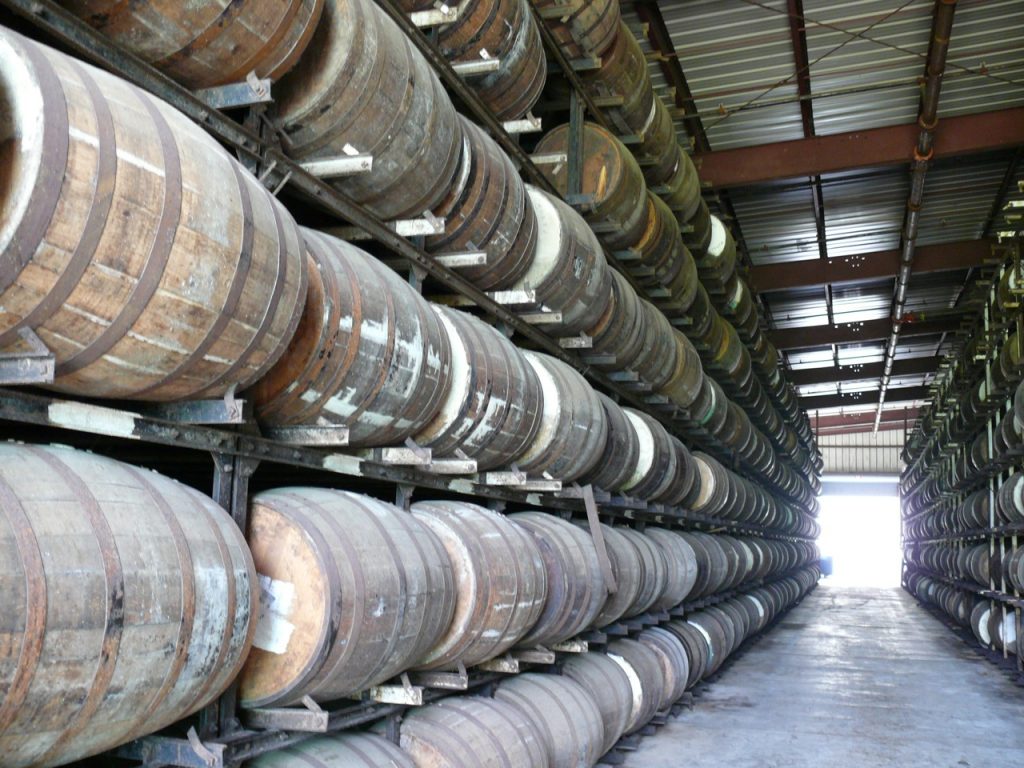
Guests can tour the Cruzan Rum Distillery, where rum is aged the traditional way in charcoaled barrels. Photo: Cruzan® Rum

Visitors enjoying cocktails in St. Croix will likely imbibe the island’s beloved brew, Cruzan Rum. The Nelthropp Family created its signature concoction in the 1800s, developing their unique distillation process over centuries. Rum acolytes can witness the process firsthand through their tours, from the fermentation vats to the vast warehouse filled with rum aging in charcoaled barrels. Weekday tours also include special taste-testings of their diverse rums. Their aging rums survived the ravages of Hurricane Maria and Irma last year, and they were able to repair and reopen their facilities three weeks after the storm—a testament to a hallowed establishment that will weather many more.
cruzanrum.com

Caribbean Museum Center for the Arts

Go Beyond The Beach With These Iconic Caribbean Destinations
In addition to exhibits, the Caribbean Museum Center for the Arts actively engage the community with regular art talks and events. Photo: Courtesy of the Caribbean Museum Center for the Arts

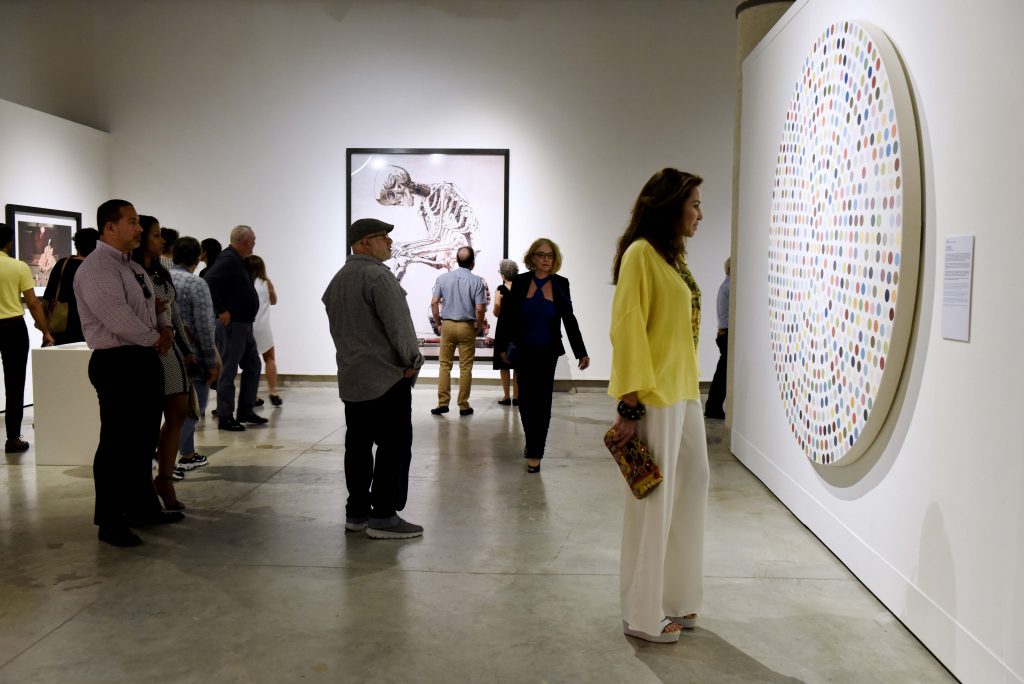
Forget sterile, stark white galleries. This center for the arts is equal parts exhibition space and community hub in St. Croix. First created in 1994 by Candia Atwater as a youth arts initiative, the center soon established a program to celebrate local and regional artists. Housed in a historic colonial home in Frederiksted, the venue now hosts three art residencies and stunning exhibits featuring works by artists like local painter Mark Milligan and famed Puerto Rican printmaker José Meléndez Contreras. The communal spirit also lives on through the center’s art workshops, academic lectures, and popular concert series, which are open to the public and focused on enriching the connection between artist and audience. Cmcarts.org

How Jazz In The Gardens Celebrates Local Cuisine

0
Jazz in the Gardens
Fans are gearing up for Miami Gardens’ biggest night in music, Jazz in the Gardens, set for Saturday, March 9th to Sunday, March 10th at the Hard Rock Stadium. Attendees may eagerly await performances from headliners such as Lionel Richie, Teddy Riley, En Vogue and Brandy. But insiders know the festival’s culinary delights also prove stage-worthy.
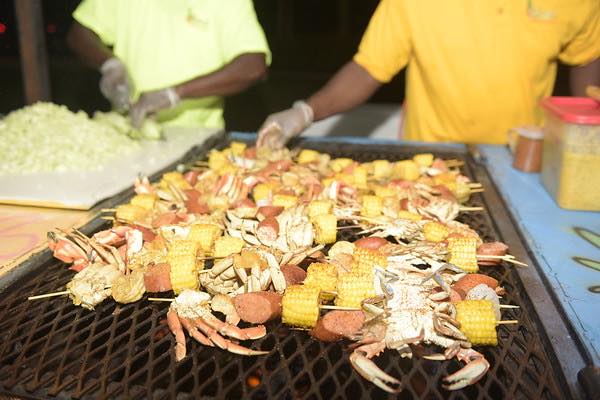
Locals got a preview of what’s on the menu last Thursday at Miami Gardens City Hall. Here festival vendors shared quick bites of their most popular dishes. Highlights include local craft whiskey brewers Duke & Dame, who shared their signature salted caramel whisky in a delicious cocktail. Island fare also featured prominently on the menu, from Jamaican-style stewed chicken from Kingston Delight to cracked conch and crab from Reed’s Seafood.
Sassy Desserts by Carolyn provided the ultimate comfort food to satisfy your sweet tooth, particularly their signature bread pudding and rum sauce. Bone-Na-Fide Catering brought their refined take on classic Carolina-style barbecue. Meanwhile, catering company Elegant Eatz created delectable vegetarian fare.
The lead-up to Jazz in the Gardens concert will also offer more cultural events. This includes the FMAC: Film, Music, Art & Culture workshop on March 8th. The special event provides professional development and network opportunities for local creatives. In addition, they will also host spoken word competition “Speak Your Art” on March 7th, highlighting local poetry talent.
For more culinary sneak peeks, check out the full round-up of vendors below.
How Jazz In The Gardens Celebrates Local Cuisine
Miami Garden's Finest
Duke and Dame
Sassy Desserts
Sassy Desserts
Kingston Delight
Reed's Seafood Delights
previous arrow
next arrow


Latest