










Home Blog Page 57

12 Questions With Isa M. Núñez of Jackson Health System

0
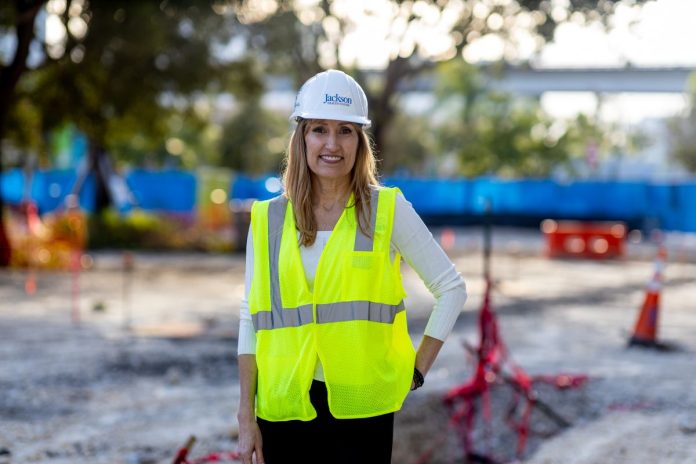
Photo: Jeremie McLeod

Puerto Rico and Cuba | Vice President of Construction and Design at Jackson Health System

There is an inherent satisfaction that comes from doing work that makes a difference and improves peoples’ lives.Isa M. Núñez

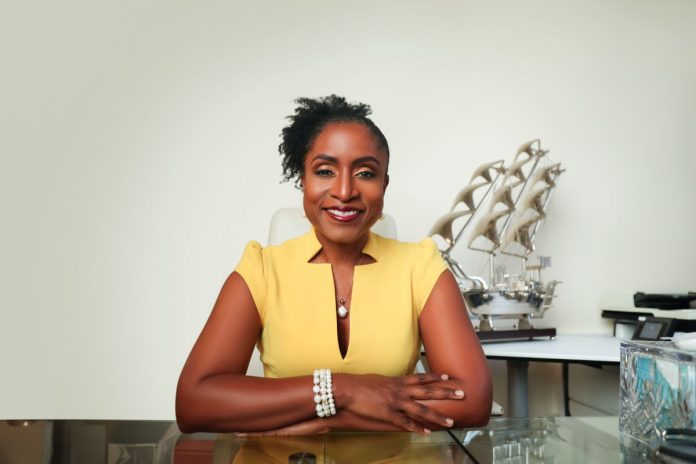
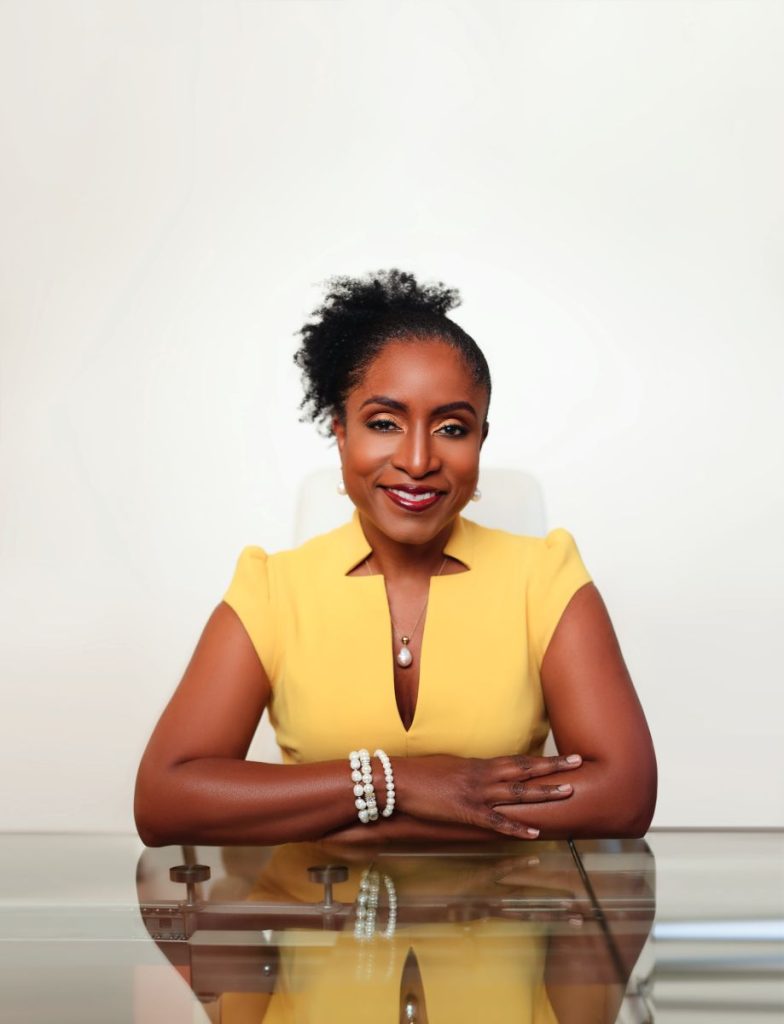
Isa M. Núñez has more than 29 years of experience in the construction industry and currently manages a $1.5 billion capital program in her role as vice president of construction and design at Jackson Health Systems. Isa M. Núñez has led the delivery of six signature projects for Jackson, including major facilities renovations and two new full-service specialty hospital builds. Earlier in her career, at the Florida Department of Transportation, she ascended to the role of construction program manager for the Miami Intermodal Center and, later, for the $1 billion 2014 PortMiami Tunnel project. 

What inspired your interest to get involved with engineering?  

My love for math is what drove me to engineering. My curiosity in architecture when I was young and my interest in construction as I got older led me to selecting civil engineering as my major.  

What do you consider your greatest accomplishments or contributions in engineering? What have been some of your favorite projects?

All my roles have been on the owner side for public entities – Florida Department of Transportation (FDOT), Port of Miami, and Jackson Health System. These roles have allowed me to work on several high-profile projects, but more importantly, they have allowed me to work on projects that provide a tangible public benefit and impact lives.  There is an inherent satisfaction that comes from doing work that makes a difference and improves peoples’ lives –  whether it is the roads, bridges, or tunnels they drive on or the hospital facility where they receive medical care.  

Working for public agencies, whose ultimate mission is to help and benefit our community, has been incredibly rewarding – the beauty of it, as many things in life, is that I did not realize this as I started my career but rather I have come to this realization as I reflect back on my career.   

My favorite projects include the MacArthur Causeway bridge, the PortMiami Tunnel, reactivating the railroad at PortMiami and the Christine E. Lynn Rehabilitation Center for The Miami Project to Cure Paralysis at UHealth/Jackson Memorial.  However, I think the most impactful work in my career so far is being part of the transformational work we have done at Jackson over the past seven years, including the roll out of the Miracle Building Bond Program, which has allowed us to expand our services throughout the county and upgrade all of our facilities. 

What was your first job and how did you rise in the ranks?

My first job was at a retail store while I was in college, and then I worked at the computer lab at my university while I went to school.  Once I graduated, my first career job was at FDOT, where I spent 24 years growing from an entry-level professional engineer training program to various roles with increased responsibility within the construction department.  
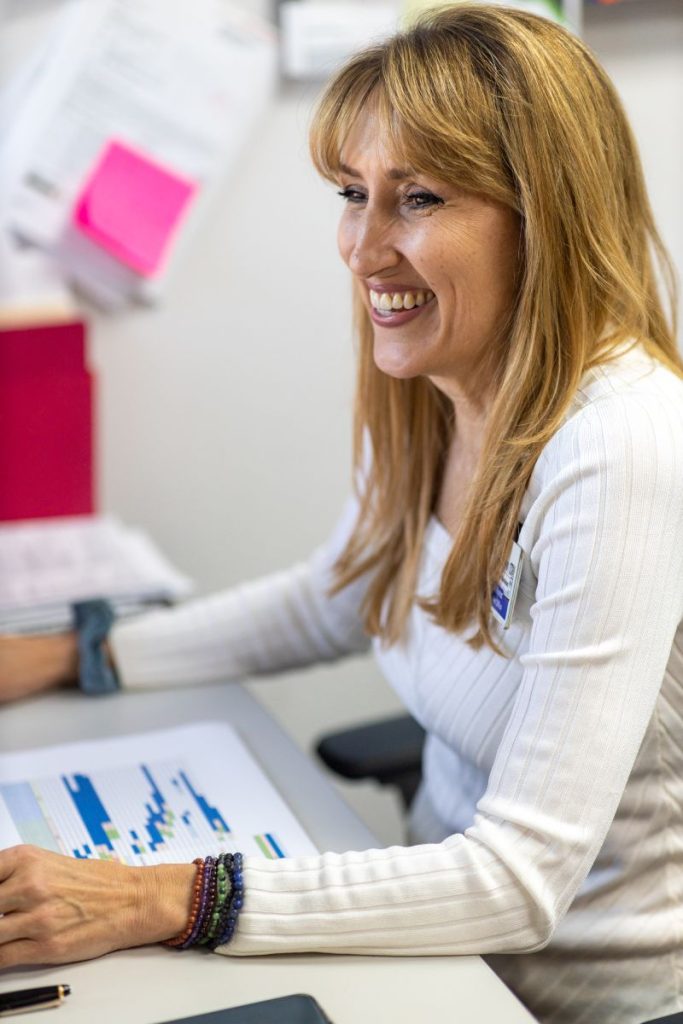
Isa M. Núñez of Jackson Health System
Photo: Jeremie McLeod

My last project at FDOT was a once in a lifetime experience. I was the FDOT lead on the public private partnership that built the PortMiami tunnel.  I then transitioned to the role of chief of engineering services at PortMiami.  One year after that role, I was offered the amazing opportunity to transition into health care with Jackson Health System to manage the Miracle Building Bond Program.  

What two or three books would you recommend?  

I recommend any of Brene Brown’s books – she also has great TedTalks.  Also “Untamed” by Glennon Doyle.  It is an amazing read and very representative of the times.

What is one piece of advice you would pass on to the next generation?  

I have three kids, from teenage to adults, and I always tell them to think globally. Don’t limit yourself to your immediate surroundings and the town or even the country you grew up in – it’s a large and exciting world.  Go out and explore, do not be afraid to change gears and try different things.  

What does the word “family” mean to you?  

Family is the people who share your life – they celebrate and enjoy the highs and support you through the lows and you do the same for them.  It is not limited to just your relatives, it also includes what I call “framily”  – those close friends that stick with you and become family whether they are childhood friends, college friends or work colleagues that you share meaningful life experiences with and connect with.

What are you most grateful for in your life?  

My three amazing kids who allow me to see and experience the world through their eyes and who I constantly learn from – they make my life fun and challenging and they keep me on my toes!

What would you like to see change within the Caribbean or Caribbean diaspora?  

I would like to see the end of communism in Cuba, it has carried on for too long.  It’s so sad that tourists who don’t know the history of the Castro regime go to the hotels and resorts to have a great time on this beautiful island, but most don’t realize that none of that is accessible to the Cuban people. Growing up in Miami surrounded by Cubans, including my parents, aunts and uncles, who left everything behind and started from scratch to seek freedom and a better life in the United States – I can only imagine how difficult that was.  It would be amazing for them to see a free Cuba in their lifetime.  
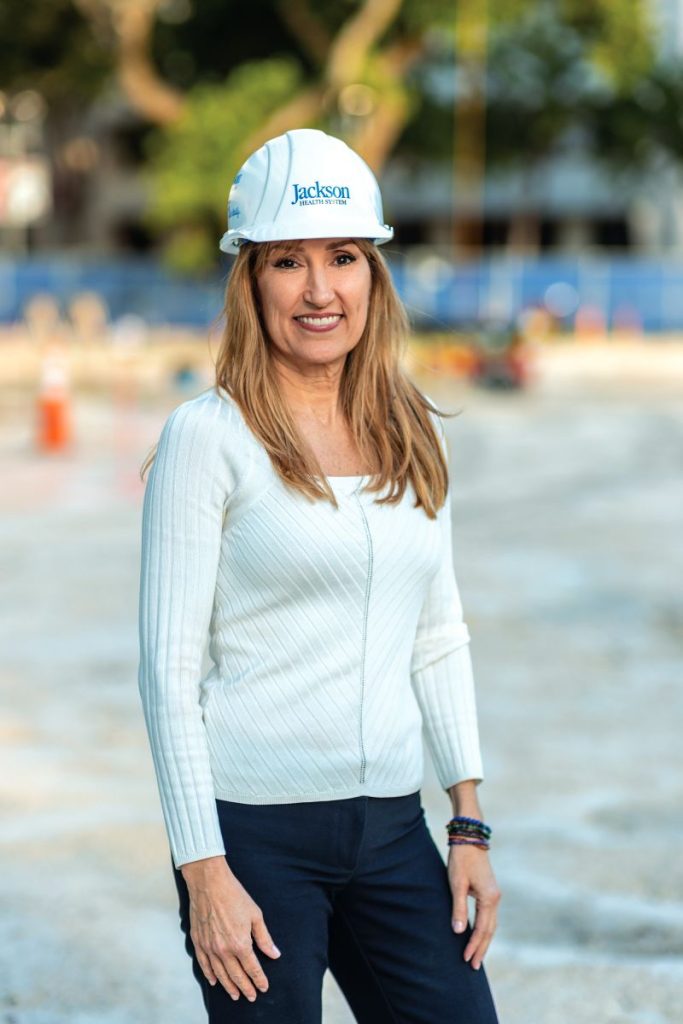
Isa M. Núñez of Jackson Health System
Photo: Jeremie McLeod

What is your favorite traditional childhood meal from your home country?  

Garbanzos are my favorite, but I also love all types of beans and legumes, such as black beans, lentils, and chicharos, which are known as split peas in English.

What are your favorite extracurricular activities? 

I love doing yoga and circuit training classes at Orange Theory. I also enjoy eating out with friends, reading, traveling, spending time outdoors and trying and exploring new things with my kids.

What is your favorite Caribbean tradition? 

I love the traditional Noche Buena, which is celebrated on Christmas Eve.  I love gathering with my kids and the whole extended family of aunts, uncles and cousins – for my family, it is the one time of the year that we all come together and celebrate.  But I enjoy the best of both worlds as I also celebrate Christmas Day American style

What was your upbringing like and how has that influenced who you are today? 

My parents’ hard work and sacrifices have made a lasting impact in my life.  They did not have careers or any advanced education when they fled Cuba and migrated to Puerto Rico, and eventually settled in Miami.  As immigrants, they struggled but worked very hard to make sure we had the essentials.  My dad worked at a furniture store, and my mom worked at a sewing factory for many years, which did not provide for luxuries such as going on vacation or even eating out at restaurants.

They always encouraged me and my older siblings to go to university, get a degree, and be professionals so that we could have a better life. My father passed away unexpectedly when I was 14 years old, which was very impactful to all of us – all of a sudden we had no head of household.  My mom did not drive or speak English and my older siblings were in college.  I never doubted that I would also attend university to get a good education and find a career that would give me a financially stable and comfortable life.    
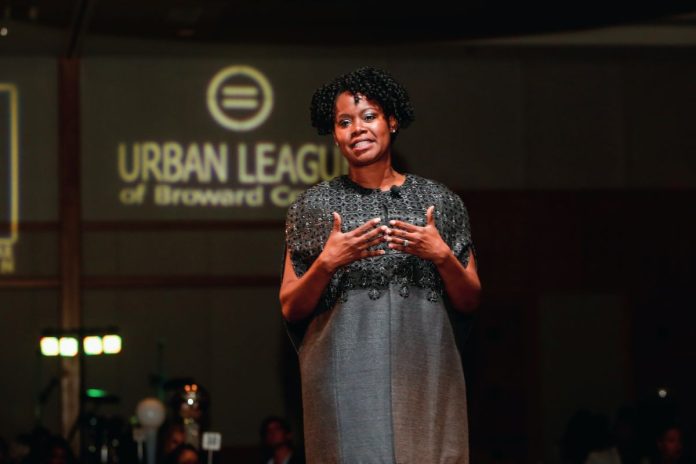
Dr. Germaine Smith-Baugh Empowering Communities as Urban League (Broward) CEO

0
Photo: David I. Muir

U.S. Virgin Islands | President and CEO of the Urban League of Broward County

“If you don’t quit, you win.” Heidi Baker

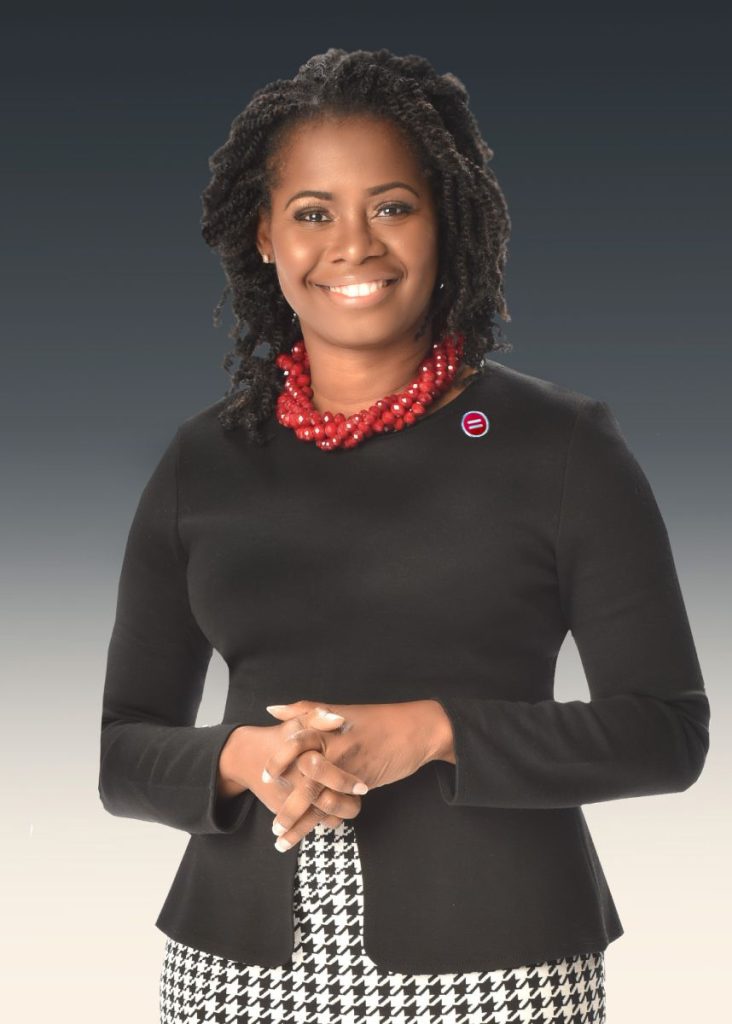
Dr. Germaine Smith-Baugh leads the Urban League of Broward County, the local chapter of a historic civil rights organization dedicated to economic empowerment in underserved urban communities. The U.S. Virgin Islands native currently oversees the $21 million in ULBC assets she has built with her team since assuming leadership in 2006, and governs state-appropriated funds for seven other National Urban League affiliates. 

As a champion for equity and inclusion, her impressive resume includes opening the $9 million Community Empowerment Center in Historic Sistrunk and earning U.S. Treasury Department recognition for a ULBC subsidiary that supports the efforts of their Entrepreneurship Center and Small Loan Fund. Dr. Smith-Baugh, or Dr. G, as she’s fondly known, was a Jim Moran Institute for Global Entrepreneurship Fellow and inductee in the Broward County Women’s Hall of Fame.

What inspired your interest to get involved with the Urban League?

I have always been inspired by service. From a little girl, I was the one who would help my mother, who served as a Sunday School teacher, prepare her lessons. You may recall when you would put carbon paper between sheets to create copies – I would do that for worksheets for the class. Therefore for me, the idea of working in the community and advancing change in the lives of families and community just felt very natural. Today, I am inspired by the tenacity and resilience of the families, adults and children that I see every day that simply won’t quit. I remind them of a tiny secret of the universe: if you don’t quit, you win.

What was your first job and how did you rise to President and CEO?

My first paid gig was washing the floor mats of my father’s car. My father, in addition to his construction day job in the Public Works Department in the U.S.V.I, did gypsy taxiing. Many folks in the Caribbean are familiar with the term – “the unofficial taxi”.

I was paid weekly to wash the car floor mats and keep that aspect of the car clean. I have not thought about that in a long time, but as I look back on my career, to date, it is the willingness not to take anything for granted and not to despise the days of ‘small’ things have helped me to enjoy and rise to the positions that I have had thus far in my career. Lastly, I would say that more than anything I am a learner and I enjoy discovery. I will spend time researching, reading, and sharing knowledge. 

What would you like to see change in the current political/social atmosphere?

The current political and social atmosphere is volatile at best and I say that with the recognition that maybe it has always been, but more people are paying attention and weighing in on matters that mean something to them. I think that’s what I would like to see more pronounced. I would like to see and hear more voices on the margins.

I believe that we need to be on those margins asking the people for whom we believe that we are creating better outcomes, how they see and want their world to be. We have a tendency to build up these power structures devoid of the people who truly will be most impacted. If we do a better job of putting the people in the middle, the outcomes we seek would far outlast any power structure, political and/or social. 

What is your greatest career strength?

I believe my greatest career strength is my ability to connect dots relatively quickly to advance the agenda of the Urban League and other mission-oriented, whether they are for profit or non-profit entities. I have the opportunity to engage with a lot of people from different backgrounds, knowledge and skills and I see it as an honor to bring ideas together for higher purposes.

What two or three books would you recommend that people who admire you should read?

I am reading the book, “The Warmth of Other Suns” by Isabel Wilkerson, and I am finding it to be a riveting mix of American Black History and storytelling. I am a big leadership book junkie so one book that helped me when I was flailing was “The One Thing” by Keller and Papasan. And the last book, and yes you can read it as a book, is the Bible – it demonstrates to me there is nothing new under the sun, and here is your guidebook if you are willing to meditate on it.  

Chatting with Caribbean Trailblazer Dr. Germaine Smith-Baugh

What is one piece of advice you would pass on to the next generation?

I have the opportunity to work directly with teens at my local church. I was telling them the saying I shared above. There is so much in this world that tells you to give up and that all of this is for naught. I remind them that “all things work together,” so don’t quit and you will win. 

What does the word “family” mean to you?

It is the beginning and the end. Nothing else, other than my relationship with God, will matter in the end. And I pray that I show up and set an example for them now in a way that they won’t leave me abandoned in a nursing home…smile. 

What are you most grateful for in your life?

I am most grateful for peace of mind, which I think we take for granted in our world. Therefore every day, I pray to be granted peace of mind. I need to be reassured that despite the peaks and valleys that I won’t lose my peace. 

What is your favorite Caribbean tradition?

My favorite Caribbean tradition is the gathering of family and friends around the holidays, whether it is Christmas, Carnival, Easter and the list goes on….just the energy that we as Caribbean people put into celebrating is electric and awe inspiring to me. 

What was your upbringing like and how has that influenced who you are today?

Like most Caribbean and Black people of my generation, our beginnings and upbringing were humble. I would not change a bit of it because it has influenced me to be grateful, to know myself and to respect the process of growth. My parents are hardworking and they transferred that to each of their children. Therefore, I am really turned off by lazy people. And lazy for me is not a condition that is just manifested in physical action – a person can be a lazy thinker. I believe we have so much to offer this world and our time is limited – let’s be fully used up before our time runs out on this earth. 

What would people you know find surprising about you?

I think people would find it surprising that I don’t mind being the quiet one in most situations. I have evolved as a leader and a person to be more outspoken and engaging, but I prefer more intimate one-on-one relationships. My role at the Urban League requires me to be somewhat of an extrovert, but truth be told I would be the person at the conference that would retreat to my hotel room instead of at the bar yacking it up with others. I find my superpower in my silence and the ability to connect with individuals. It just happens to all work out in the end game. 

Sheila Cherfilus-McCormick: An Unstoppable Candidate for Congress

0

Haiti & the Dominican Republic | Attorney, CEO of Trinity Health Care Services, Inc. and Candidate for Congress in the U.S. House of Representatives 

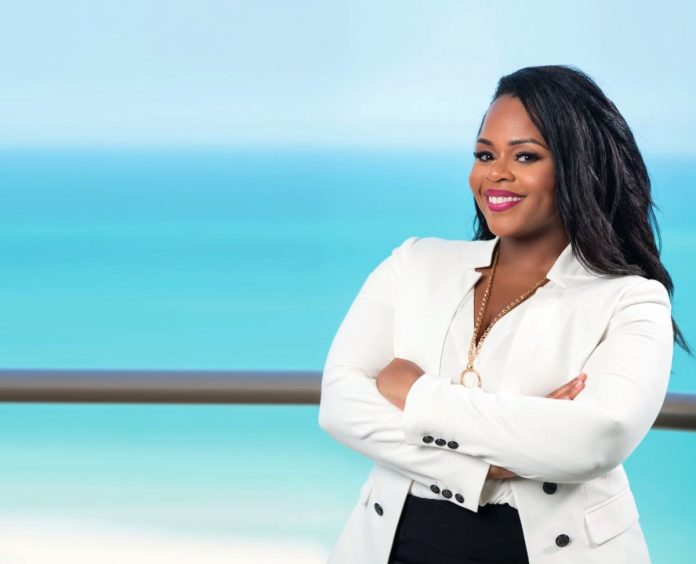
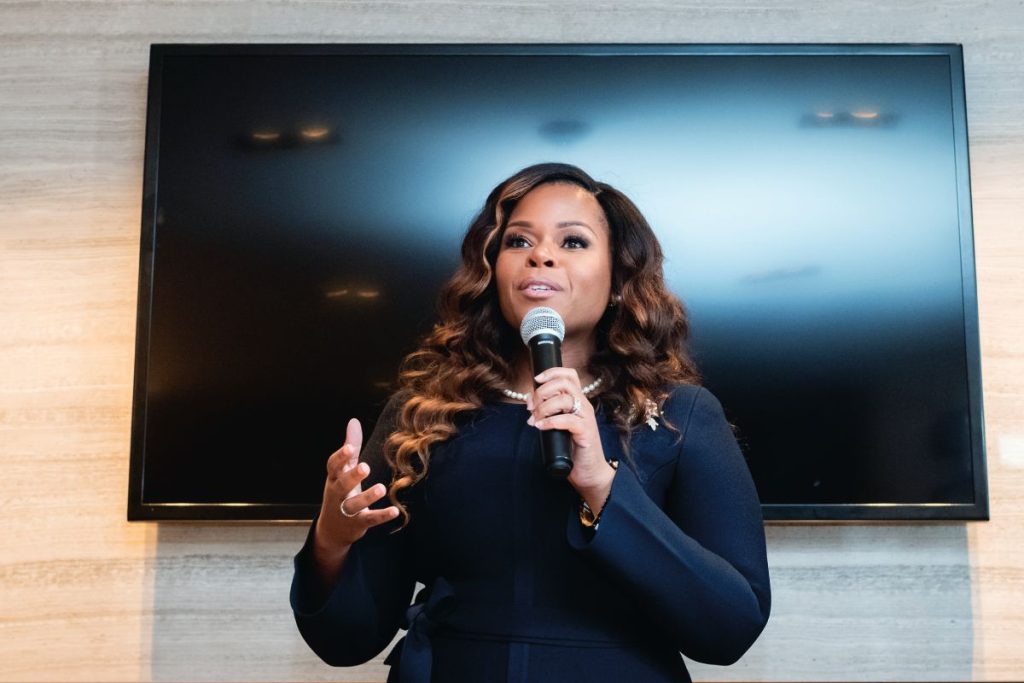
Sheila Cherfilus-McCormick is an attorney, CEO of Trinity Health Care Services, Inc. and the Democratic nominee in the 2022 Florida 20th congressional district special election. If elected to replace the late Alcee Hastings, she’ll be the first Haitian American Democrat in Congress. Although she’s never held elected office, she has spent more than a decade lobbying on Capitol Hill for healthcare reform. She’s running to ensure fair opportunities for federal contracts, increased employment and access to healthcare for her constituents.

What inspired you to get involved in politics? 

My daughter has a learning disability and I was trying to get resources for her. I saw how a lot of other kids were increasingly being diagnosed with learning issues and we just didn’t have access to the same healthcare and behavioral therapies that wealthier people had. I felt like that wasn’t fair. We should all have access to address our needs and I felt like the policies that were being crafted really weren’t concerning our everyday lives. The people need to be prioritized. 

What are some challenges you’ve faced so far? 

Being an outsider, a lot of people really underestimated how we could pull together a diverse team and movie allies. 

What would you like to see change in the current social or political atmosphere? How do you plan to be a part of that change? 

There’s been a lot of emphasis on economic recovery, but I don’t feel like the people are really being prioritized the way they need to be. Cities and municipalities are being forced to adopt different programs to meet immediate needs such as housing, income and jobs and the rising costs of inflation and gas. So I’m running in, and God willing winning, the January election. I want to make sure that our district actually has fair opportunities to federal contracts, increasing employment and access to healthcare. 

What do you think is your greatest career strength? 

The most success I’ve had has been in stimulating the economy and creating jobs and also my understanding of healthcare and how to make it more accessible. The district needs someone who can go to Congress who’s actually done things like build generational wealth, who actually advocated on the Hill for healthcare measures that are inclusive and for access, especially when it comes to mental health. Those are the successes I’ve had in the past that have positioned me for this moment. 

What was your upbringing like and how has that influenced who you are today?

When I was growing up, my mother’s siblings were all coming from Haiti. We all lived in a two-story house. Most of my friends were my cousins, because it could have been 20 of us out there together. They told us, “you can only choose to be a doctor or a lawyer, but you have to succeed.” So even now we function as a team when it comes to pursuing a dream. I always remember the importance of supporting each other. 

What is one piece of advice you would pass on to the next generation? 

Pursue your purpose unapologetically. Pursue it and anything you dream of because there is destiny hidden behind it. Despite what everybody says, “You don’t have training” “You’re not the right fit,” the fact that it continues to keep you up at night is evidence that you’re called and it might be time for change. That’s exactly what got me here. 

What does the word family mean to you? 

It’s your support team who and the team that believes in you, fights with you, wins with you. And it’s not just blood relatives. I’ve always worked with my family and extended family, but you have co-workers who become family members and friends. You know how Caribbean people are, everyone’s your family, everyone’s your cousin and we feel that connection. Especially when we campaigned, the victory that we had in the primary wasn’t just my victory, it was for our family and communities together. 

Congresswoman Sheila Cherfilus-McCormick
Photo: Choice Photography

What are you most grateful for in your life? 

I would say my family and the community. When we were a skeleton crew knocking on doors, it was my family and my extended family who were always there with me and believed in me. We just have such diverse backgrounds that when it came to having someone who’s handling finances, we had an accountant. When it comes to someone who handles medical needs, we have a nurse. So, having a family that uses their talents to uplift everyone, that is a beautiful thing to have. 

Who was the most influential or inspiring person in your life and why?

I think the most inspiring person in my life was my mother, and it’s because she’s a tough lady, she never takes no for an answer and she fights through everything. Anybody who knows her can never forget her.

What is your favorite traditional childhood meal from your home country? 

It’s lambi ak nwa, which is  — conch and cashews all cooked together. 

What are your favorite extracurricular activities? 

I love karaoke and I love spinning. But I swear I can sing and I can’t.

Are there any books you would recommend to people who are inspired by you?

My favorite books are “Purpose Driven Life” by Rick Warren, “The Alchemist” by Paulo Coelho and “The War of Art: Break Through the Blocks and Win Your Inner Creative Battles” by Steven Pressfield.

What is your favorite Caribbean tradition? 

I love Carnival. I gravitate towards it because Carnival is always a time where you can celebrate your Caribbean heritage. I was born in Brooklyn, NY and I remember going to Eastern Parkway and celebrating. Then as I got older, I looked forward to Carnival all over — South Florida, Trinidad and even in Canada. I think it gives an opportunity to celebrate our roots and our heritage, and in the most authentic manner. 

What would people you know find surprising about you? 

I can cook, I can really really cook. 

Get to Known Chef Creole, Hometown Hero and Caribbean Trailblazer

0
Photo: David I. Muir

Haiti | Founder at Chef Creole Seasoned Kitchen

“It’s our responsibility as businessmen that, as much was given, we also give back to the community.” Wilkinson “Ken” Sejour

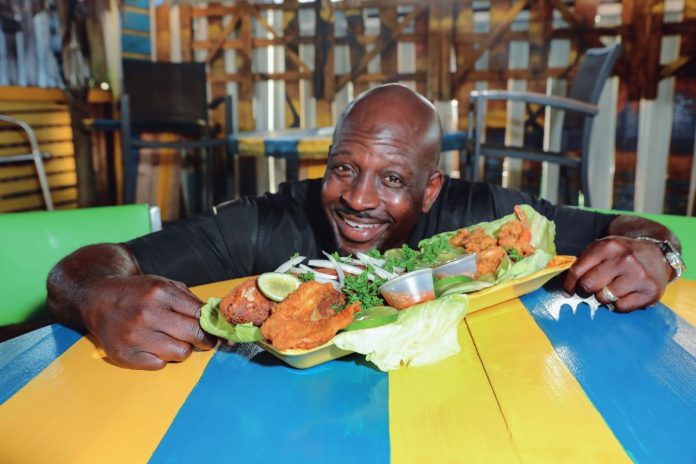
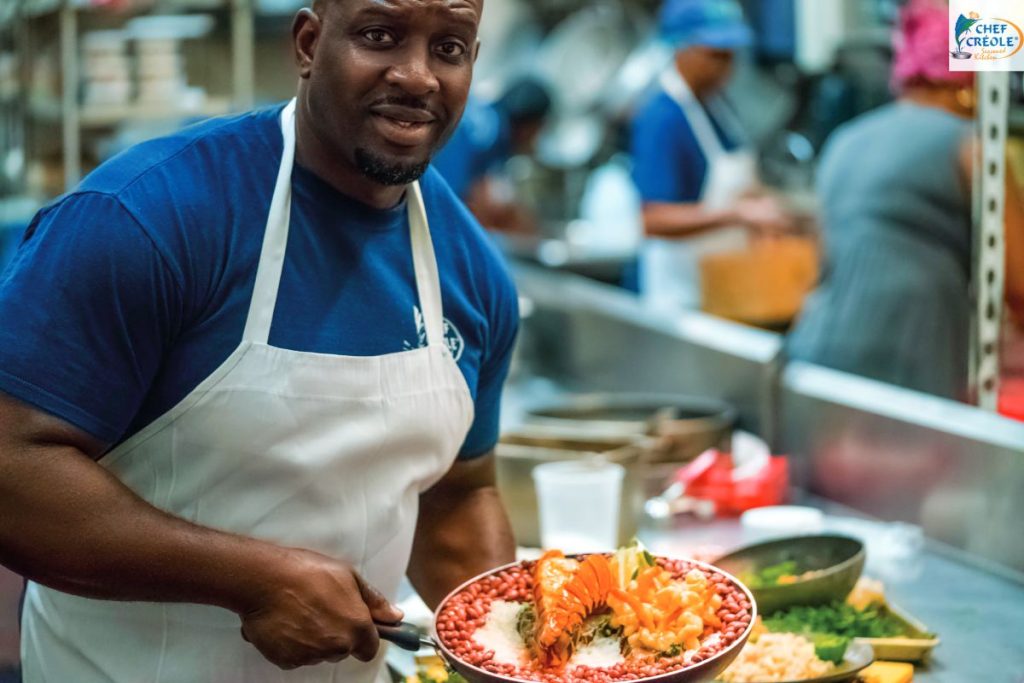
Chef Wilkinson “Ken” Sejour is the founder of the popular Haitian-fusion restaurant chain Chef Creole Seasoned Kitchen, which boasts six South Florida locations. With Haitian and Bahamian roots, the businessman, philanthropist and advocate is beloved for his dedication to uplifting his community. He is the co-founder of the Little Haiti Optimist Club and actively raises awareness for Caribbean inclusion in the food industry. For his community service, including sponsoring sports teams, providing school supplies, and offering mentorship and motivational talks to young people, he was given the keys to Little Haiti.

From His Perspective

At the start of professional life:

Many factors contributed to propelling Chef Creole. Haitian tradition doesn’t allow the option of failure. It’s culture-driven. The fact that we didn’t have a Creole food franchise in our food industry was very troubling to me. The backbone of our Creole heritage is cooking and creating exquisite flavor. I believe that Chef Creole is among the many that will bring the Creole tradition to the world. 

A greater purpose:

My faith has always challenged me to be a big brother and an even bigger figure in order to help those who are less fortunate. I presume one way to help people exercise their freedom in this nation is by providing them with an opportunity to be employed and become an asset to their families as well as their communities.

Positive social change:

Essentially, I want our leaders to understand that politicians are simply people and they should be held to the same standards to which we are all accountable. Many times, we’re deceived by political figures operating on “maybe,” rather than “yes” and “no.”  Once the yes-and-no individuals are recognized, true leadership will advance within our community. Socially, I would like the communities to come together and hold our educational system responsible for facilitating schooling for trade professions, including electrical, home economics, workshop and mechanics as electives.

#1 Local South Florida Chef, Chef Creole
Photo: Courtesy of Chef Creole

Hope for the Caribbean community:

Education! The fact that we have been taught to stray away from our true heritage and history disenfranchises our lives. The proper education will allow individuals to truly understand our background, naturally surfacing our potential to become greater assets not just to ourselves but to our legacy.

Greatest influencers:

My mom and dad. At times, I’m questioned about my “rags to riches” story, and quickly after, I have to correct people. There were no rags, only riches, even if viewed differently by others. Coming to a foreign country, my mom and dad made our family look rich all the time, even in a time of struggle. We were raised to be proud and confident in any and every situation.

For me, family means:

Legacy. It is a village of support. What is the true definition of success? The profession that God, our creator, planned for us to achieve and the family that will establish our history.

Favorite extracurricular activities:

I enjoy playing music and going out in the sea.

Get to Know Miami-Dade Chamber of Commerce President and CEO, Eric Knowles

0
Photo: Chelsey Reynolds

The Bahamas | President & CEO at Miami-Dade Chamber of Commerce

“But for the Grace of God, there go I.”

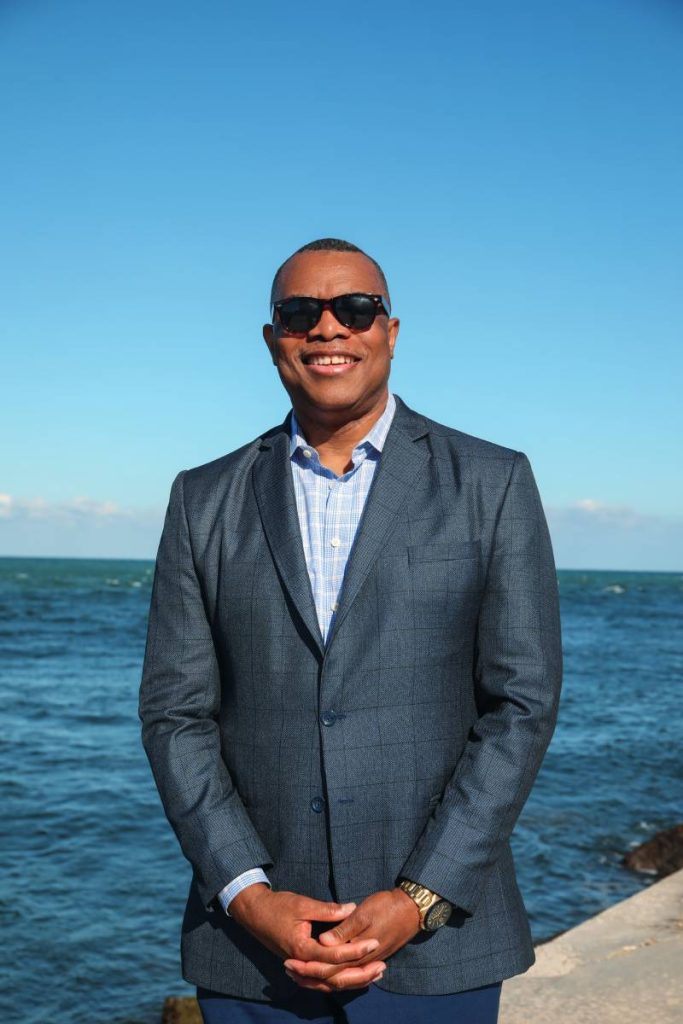
Gordon Eric Knowles has been the President and CEO at the Miami-Dade Chamber of Commerce since 2014. The chamber is responsible for advocating for the interests of Black- and minority-owned businesses in the Miami-Dade area, guiding its members to capital, opportunities and other resources. Knowles was also senior director of government affairs for the Miami Dolphins from 2006 to 2012 and Sun Life Stadium from 2009 to 2012.

He ascribes his proactive life approach to the influences of his mother and grandmother, who taught him independence, a sense of being and self-reliance. He effects change by being engaged at the policy and procedural level, most gratified when members of his chamber win, grow and work with one another.

What inspired your interest to get involved with the Chamber of Commerce? 

I have had the pleasure of being engaged with several Chambers of Commerce throughout my career representing organizations like the Miami Dolphins and Hard Rock Stadium. I have had the pleasure of being a Board member and the Chairman of the Board with several Chambers.

Miami-Dade Chamber of Commerce President and CEO, Eric Knowles
Photo: Marlene Quaroni

What are some of the simplest challenges you still face?

Providing the resources to help our small business community grow, access to capital and access to opportunities.

What was your first job and how did you rise to the position of President and CEO? 

My first job was as a soldier at the tender age of 17. I joined the military as an airborne paratrooper and I spent three years in the Army. This was the catalyst that built my understanding of who and what I can be. My Senior Drill Sergeant wrote of me that I had a “Can do Attitude,” one that I have carried throughout my career. I rose to where I am today through understanding it all begins with understanding the importance of knowing how to mop the floor. Understanding if you take care of the simple things – mopping the floor, making your bed, shining your shoes – these are the things that build your base for success.

What is your greatest career strength? 

My greatest career strength is that I am a people person. I am not a micromanager. You hire people to do a job, let them do it.

What is one piece of advice you would pass on to the next generation? 

Save your money, invest…and floss.

What does the word “family” mean to you? 

Everything. My elders who paved the way, and my children, Erica and Catherine, who I have instilled in them independence and an understanding to whom much is given much is required. Friends who have become family, those who are there in the thick of the fight.

What are you most grateful for in your life? 

I am most grateful for having a mother and grandmother who loved me unconditionally. Who instilled in me to not wait for anyone to do a job you can do yourself.

Miami-Dade Chamber of Commerce President and CEO, Eric Knowles
Photo: Marlene Quaroni

What would you like to see change within the Caribbean or Caribbean diaspora? 

That we work together more, that we don’t stay within our silos and not wait for Carnival to come together.

What is your favorite traditional childhood meal from your home country? 

Peas and rice…not rice and peas (lol) Grouper, conch salad, stewed conch, stewed fish.

What are your favorite extracurricular activities? 

I teach yoga, I’m an avid golfer, actor, model, voice over actor, road biker and I enjoy writing poetry.

What is your favorite Caribbean tradition? 

Carnival and Christmas.

What was your upbringing like? 

I say that I grew up building snowmen and sand castles. Growing up in Nassau, Bahamas and outside of Buffalo, NY in Lockport. As an infant, my grandmother took me to the Bahamas when I was eight months old and I lived there until I was five years old, when my father was discharged from the US Army. I moved back and forth between Miami and Lockport pretty much all my life.

What would people you know find surprising about you?

Not much as I am an open book. I’m engaged on social media, so my life pretty much is before the world. I did teach Sunday School at one point in my life.

9 Questions with John Yearwood, Global Editor of POLITICO

0
Photo: Courtesy of John Yearwood

Trinidad | Global Editor at POLITICO

“Tales of the hunt will forever glorify the hunter until the lions tell their story.” African Proverb

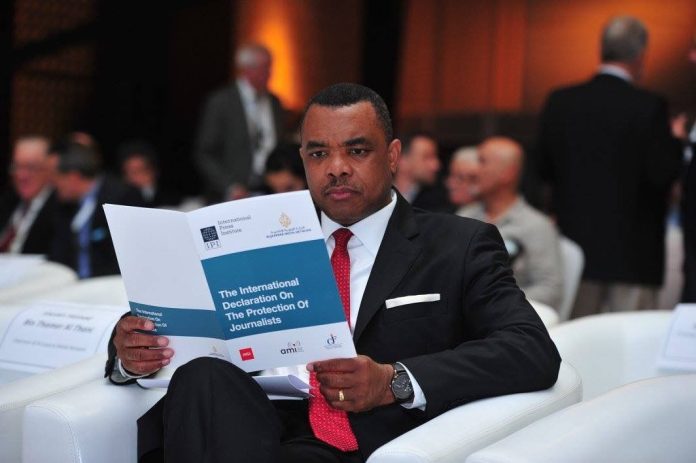
John Yearwood is a multiple-award-winning, internationally respected figure in the world of media and journalism. Currently the global editor at POLITICO, he is the former world editor for the Miami Herald, an authority on global affairs referenced by platforms such as NPR, BBC and Al Jazeera, and executive board chairman of the International Press Institute. The Trinidadian-American has engaged with such indelible figures as Nelson Mandela and Barack Obama, and he brought the Miami Herald to the precipice of winning a Pulitzer Prize when he spearheaded coverage of the 2010 Haiti earthquake.

From His Perspective

First job

General assignments (GA) reporter with the Dallas Morning News. As a GA reporter, I recognized that the immigrant population was increasing at a steady clip in Dallas. I proposed a beat to focus on the new immigrant community, which led to more and more stories about international affairs. Ultimately, I became an editor at another Texas newspaper and continued exploring international coverage. That led directly to my current position. 

Global Editor of Politico, John Yearwood
Photo: George Horton

Greatest professional accomplishment

I led a team of reporters and editors at the Miami Herald to explore issues of racial identity in Latin America. It was called A Rising Voice: Afro-Latin Americans. Even though it has been many years since the series was published, I still get calls from organizations and institutions wanting to know more about the series or asking me to speak at conferences about it. 

Greatest career strengths

Curiosity and knowledge of international issues and connections with people around the world who are actively involved in setting international policy. 

Recommended reading list

“Things Fall Apart” by Nigerian author Chinua Achebe, “Four Hundred Souls: A Community History of African America, 1619-2019” by Ibram X. Kendi, “Long Walk to Freedom” by Nelson Mandela and “The Downing Street Years” by Margaret Thatcher  

Advice for the next generation

A great deal of your success in life will be based on luck. You’ll discover in time that the harder you work, the luckier you’ll become. 

4 Interesting Facts About John Yearwood

  1. Most grateful for: Family and good friends
  2. Favorite traditional Trinidadian meal: Pelau (a one-pot chicken, rice and bean dish)
  3. Favorite extracurricular activities: Running on the beach and going to the movies
  4. One surprising fact: I’m actually an introvert

Get to Know Marie McKenzie of Carnival Corporation in 17 Questions

0
Photo: David I. Muir

Jamaica | Vice President, Global Ports and Caribbean Government Relations for Carnival Cruise Lines

“We delight in the beauty of the butterfly but rarely admit the changes it has gone through to achieve that beauty.” Maya Angelou

Marie McKenzie has risen through the ranks at Carnival Corporation, the largest travel and leisure company in the world, since she started at the company in 1996. Today, the Jamaican native is vice president of global ports and Caribbean government relations, leading a family of eight cruise brands in engaging Caribbean governments and local and regional organizations. She also guides strategic infrastructure and operational developments in the region she once called home. Her former titles at Carnival have included V.P. of global financial planning and analysis and V.P. of fleet accounting.

What inspired your interest to get involved in tourism?

My background is accounting and finance and I feel like it created a solid foundation for me, career-wise. I really have a passion for engaging people and the idea that I could work in an industry that I love, which is travel, where we provide great vacation experiences to our guests and do that while focusing on the Caribbean is, for me, the perfect marriage. I am a true island girl at heart and going into this area of the business was a no-brainer. So what inspired me to be here is just purely a love for travel and, more importantly, the Caribbean region. 

What would you consider to be some challenges you’ve faced in the industry? 

I think to really grow in life you face your challenges head-on and over time it just becomes more suited to where you’re meant to be. I can’t think of any one big challenge that I’ve had, I think every day presents some form of a challenge and I just take it head on and grow from it. Yes, some are bigger than others, but face challenges head-on with the idea that you’re going to get through it and grow from it. 

What would you consider your greatest career strength to be? 

There’s so many ways that you can sit back and think about what you think is your strongest, but I’ll go with the feedback that I’ve received. One is interpersonal skills and the ability to work across various cultural organizations. In the role that I’m in today, I sit in a position where I have to listen to our internal stakeholders, but equally important, I have to understand the needs and the interests of the Caribbean stakeholders as well. Somehow I have to bring both together so that there’s clear communication.

Ultimately, I tell everyone that I feel I’m uniquely positioned to close gaps, in terms of communication or understanding each other, and just making sure that we end up in a win-win situation. It requires a skill to really understand, listen and bring people together to one common place or one common ground.

Marie McKenzie of Carnival Corporation
Photo: David I. Muir

What would you like to see change in the current political or social atmosphere? How do you plan to be a part of that change? 

Not necessarily political, but it’s really just about people understanding each other. And I think over time we have gotten to a place where, after almost two years of not really being able to interact in person but really trying to understand each other through this pandemic, I feel that we learned more about each other and we got closer because we realized we’re really one world with common interests and just trying to do the best for our communities, families, companies, employees, etc.

And if we’re really focused on the fact that we truly have one common goal, I do believe that over time the world will get there. I believe this pandemic revealed the importance of coming together, more than anything else. So, how am I a part of that change in terms of listening and working together? It’s really making sure that I somehow bridge the gaps between where I serve today in my company and the fact that I’m focused on serving in the Caribbean. 

What do you consider your greatest accomplishment or contribution to Carnival?

I think it’s yet to be. I hope to leave a legacy where in this role I have truly made a difference not just in the company, but in the Caribbean region and the idea that I would speak to having accomplished that implies there’s isn’t anything else to be done. So I don’t want to stay “this is my greatest accomplishment” when I feel like I still have more work to do. 

What two or three books would you recommend that people who admire you should read?

If you asked me what my favorite book is, it would be “Who Moved My Cheese?” because it talks about the value of change. People are sometimes afraid of change, but “Who Moved My Cheese?” talks about finding the opportunity in change. And that’s what we’re going through today with this pandemic, we have to ask, “where is my opportunity in this change?” And so I love that book, I love it because it’s simple, it’s short and it’s a very, very solid message that people can really live by. 

What is one piece of advice you would pass on to the next generation? 

A couple of things that probably sound so cliché, but I think looking at where I am in life today, I wish I could listen to it myself. I think it’s a Sandra Bullock quote or commencement speech that said “don’t worry about anything.” A lot of times what you’re worrying about today, actually doesn’t end up happening the way you were worrying about it anyway, and then what really happens you didn’t expect and you still have to deal with it. So, worry about nothing. 

And then one thing that is really important to me is following what you’re really passionate about. So, for me, this doesn’t feel like a job because I love what I do. So yes, there are days I work really hard and get frustrated, etc. but fundamentally I love what I do and I just think it’s so important that people really go back to that place and really find what they love and pursue it hard. Don’t chase money. Chase opportunity and the money will come. 

What does the word family mean to you? 

Ultimately I would say family is loyalty and trust and that’s not necessarily defined by those that are your blood. I have friends that are there for me through thick or thin that I trust completely with my life. 

What would you like to see change within the Caribbean or the diaspora? 

A stronger connection between the diaspora and their home countries beyond remittances. Meaning giving back more and investing more time. Today a lot of the islands depend heavily on the money that people send back home to their families, and I’m not discounting the value of that, but maybe there could be a real turn in the future of many of these destinations where, in some cases their diaspora is greater than their your population within the country.

If the diaspora was galvanized in a manner to understand how they can invest in their own country, again, not just in time but infrastructure, I think there is so much value to these destinations and that’s one of the reasons I love what I do. Because I do believe I have an opportunity to impact the region in that way.  

What are you most grateful for in your life? 

My mom was the first that came to my mind. She made a lot of sacrifices for me to be where I am today. And the second thing would be good health. I think people underestimate the value of having great health. 

Marie McKenzie of Carnival Corporation
Photo: David I. Muir

What is your favorite traditional childhood meal from your home country?

Ackee and saltfish. I can have this for breakfast, lunch or dinner. It’s my happy place. 

What is your favorite Caribbean tradition? 

We don’t do this often enough, but I think about Sundays traditionally in Jamaica as a time of worship and faith. Where your family comes together for Sunday dinner, worship and family time. 

What was your upbringing like and how has that influenced who you are today? 

I’m told today by many that I’m relentless and I think that has a lot to do with how I was raised. My mother raised me to believe that I could do anything I wanted to do and that I belong anywhere I wanted to be. I believe that in fact has influenced my career.

When I enter the boardroom, while I am a proud black woman from the Caribbean, I don’t enter the room thinking of all of the defined minority groups that I fall into – black, female, of Caribbean descent, etc. I enter that room just believing that I belong. I’m qualified and I do the best job that I can. 

What is your favorite extracurricular activity or activities? 

I have a personal passion for fashion. I actually did a short stint in fashion design school and as a child I had a sketch pad where I designed a lot of my clothing. Today I love to just put an entire outfit together or shop for my friends and dress them. That’s kind of my fun space, my inner artistic spirit. 

What would people you know find surprising about you?

Because I’m so career-driven, I travel a lot and I’m just really busy with life and the corporate world, some people are surprised that I actually love to cook and bake. I am also terrified of flying. I love to travel, but I hate the process of getting there.

Get to Know CEO Derrick Reckord of Grace Foods, A True Caribbean Trailblazer

0
Photo: Courtesy of GraceKennedy Foods USA

Jamaica | President and CEO of GraceKennedy Foods (USA) LLC

“It always seems impossible until it is done.” Nelson Mandela

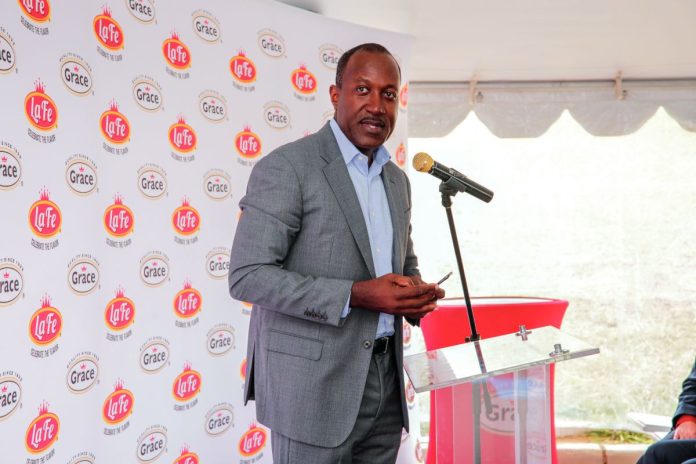
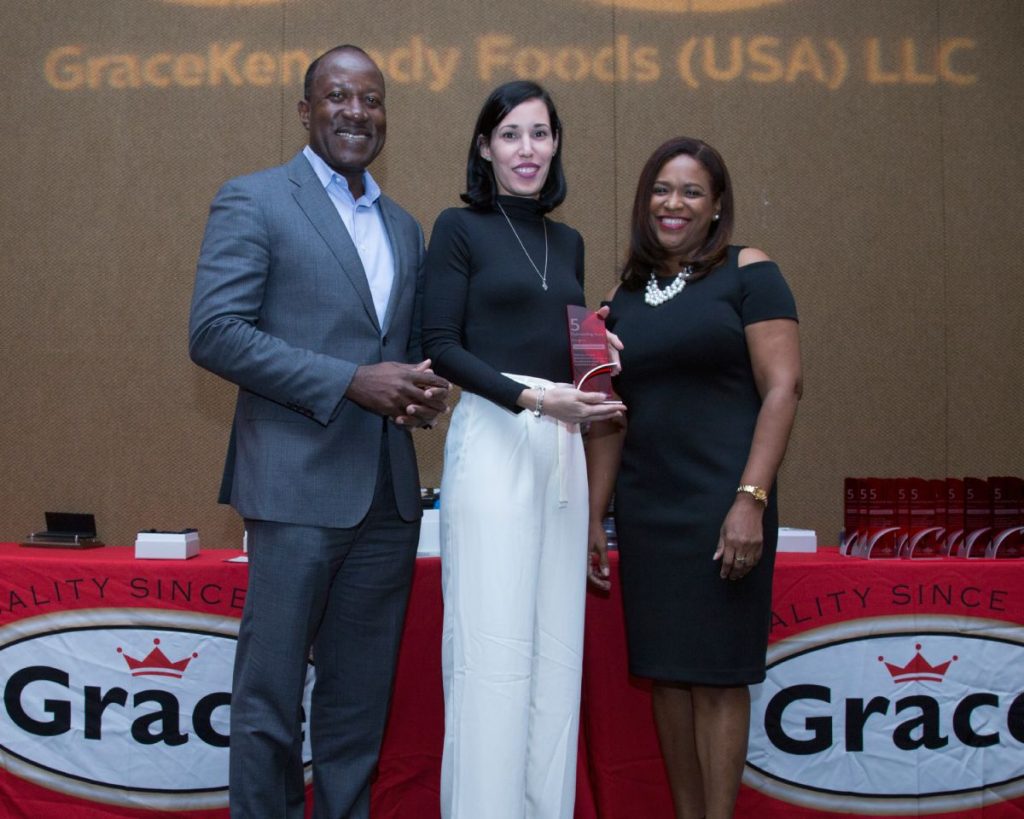
Derrick Reckord has been at the helm of GraceKennedy Foods’ (Grace Foods) U.S. business since January 2018. For the Jamaican company that will celebrate 100 years in 2022 and is now an international powerhouse serving more than 40 countries, Reckord oversaw the transition to profitability and growth of La Fe Foods previously acquired in 2014 and also successfully navigated the pandemic years. Under his leadership, the Grace Brand has experienced exceptional growth in the US as it “brings the taste of the Caribbean to the world.” Grace Foods continue to support the Anglo-Caribbean and  Hispanic communities and has helped neighbors like Haiti and The Bahamas after major tragedies.

Reckord, raised in rural Jamaica with a mandate for success bestowed by his entire community, recalls his father’s “confidence in what [his children] could all accomplish if we are committed.” He describes himself as more curious about what can be achieved in our life’s journey than ambitious, enjoys golf, reading and movies, and is most grateful for his family and good health. Derrick was educated at Rutgers University in New Jersey, where he gained a Bachelor of Arts (High Honors) Degree in Economics and Columbia University in New York, where he obtained his Masters in Business Administration.

Here’s a little from Caribbean trailblazer, Derrick Reckord about his humble island origins, induction into the business world, his current work with Grace Foods and more.

What inspired your interest to get involved in business?

I was inspired to pursue a career in business from an early exposure in high school that had me working for an entrepreneur courageous in creating opportunities that I found very stimulating and rewarding.

What do you consider your greatest accomplishments or contributions to GraceKennedy Foods?

I have spent most of my career building out an international business for a Jamaican entity. I believe my greatest contribution is helping to shape the vision and confidence that, as an organization and people, we can accomplish a lot beyond our geographic borders, and in the process create opportunities and great rewards.

Caribbean Trailblazer and Grace Foods CEO Derrick Reckord

What are some challenges you have faced in your position as President and CEO?

The greatest challenge is always to take people from all different cultures and backgrounds along the journey with us. Beyond the vision, strategy and hard work, we need lots of helping hands at all levels to execute well.

What was your first job and how did you rise in the ranks?

My first job was a management trainee or cadet. I took every assignment given very seriously and found that as I delivered on the commitments, more was entrusted to me. I was very fortunate to be surrounded by some exceptional people who taught, supported, challenged and inspired me.

What would you like to see change in the current political/social atmosphere? How do you plan to be a part of that change?

I have lived through one of the most divisive periods in Jamaica’s political history and I have seen a significant change for the better and a challenge to the democracy theory in America. I look forward to a future where common values and aspirations will unite us. I expect to be part of the change by rewarding the type of leadership I would like to see with my vote and support.

What two or three books would you recommend that people who admire you should read?

The Bible, “The Goal: A Process of Ongoing Achievement” by Eliyahu Goldratt and “Long Walk to Freedom” by Nelson Mandela.

What is one piece of advice you would pass on to the next generation?

Own and take responsibility for your own story both good and bad.

What is your favorite traditional childhood meal from your home country?

Curry Goat.

What is your favorite Caribbean tradition?

Christmas with family and friends.

Common Signs Your Sewer Line Needs Repair

0
Common Signs Your Sewer Line Needs Repair

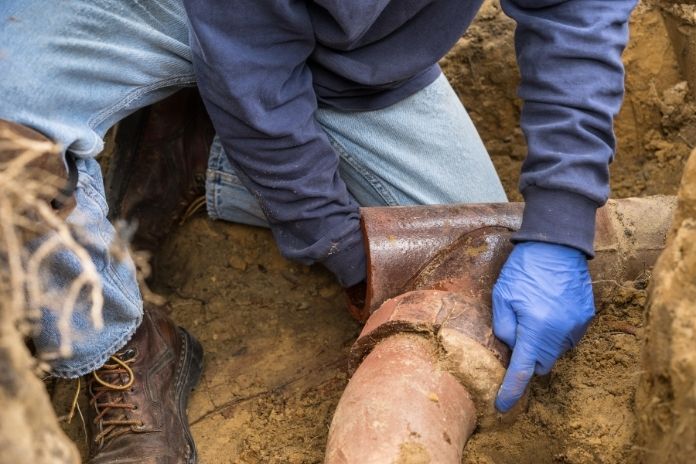
Caribbean homes are extravagant. No one wants their oceanfront property to have issues, but occasionally, troubles arise. One of which is a broken sewer line, which has many issues you must watch out for. Here are some common signs your sewer line needs repair that you’ll want to know to protect your house and yard.

Sewage Backups

Sewage backup applies to consistent plumbing issues where sewage backs up every time you flush. While backups or blockages happen, consistent blockages are a strong indicator of issues with your sewer line. Check throughout your entire home’s drainage system to see if more than one drain clogs. If so, there’s a sewer line that needs repair.

Slow Drains

Similarly, slow drains are not inherently a cause for alarm. Usually, a plunger or spider tool can unclog the problematic drain. However, if unclogging techniques fail, you may need to call a professional sewer line service to remedy the situation. That’s because clogged large drains require repair on the direct line rather than through individual drains. Professional sewer maintenance crews will inspect the adjacent sewer line and conduct the appropriate excavation technique to remedy the situation.

Odorous Water

If your water smells odorous, that’s a clear sign something is wrong with your water main. Intact sewer lines are airtight, meaning no odor escapes. Sulfuric smells, like rotten eggs, indicate a breakage in that line. If you smell sulfur or other toxic fumes, call a plumber right away. Also, avoid drinking or bathing in the water until a plumber resolves the issue. You don’t want to get sick from drinking contaminated water, as sewage water contains harmful bacteria.

Septic Waste

With that, septic waste is a common sign your sewer line needs repair; in fact, it’s the most obvious sign of a broken sewer line or water main. Damaged outdoor sewer lines may cause pools of septic waste throughout your yard. This causes unpleasant smells and sights and damages your landscape. Again, as with any of these issues, call a professional to fix the situation. They have the tools to repair your sewer line and save your yard.

How To Make Your Marina Environmentally Friendly

0
How To Make Your Marina Environmentally Friendly

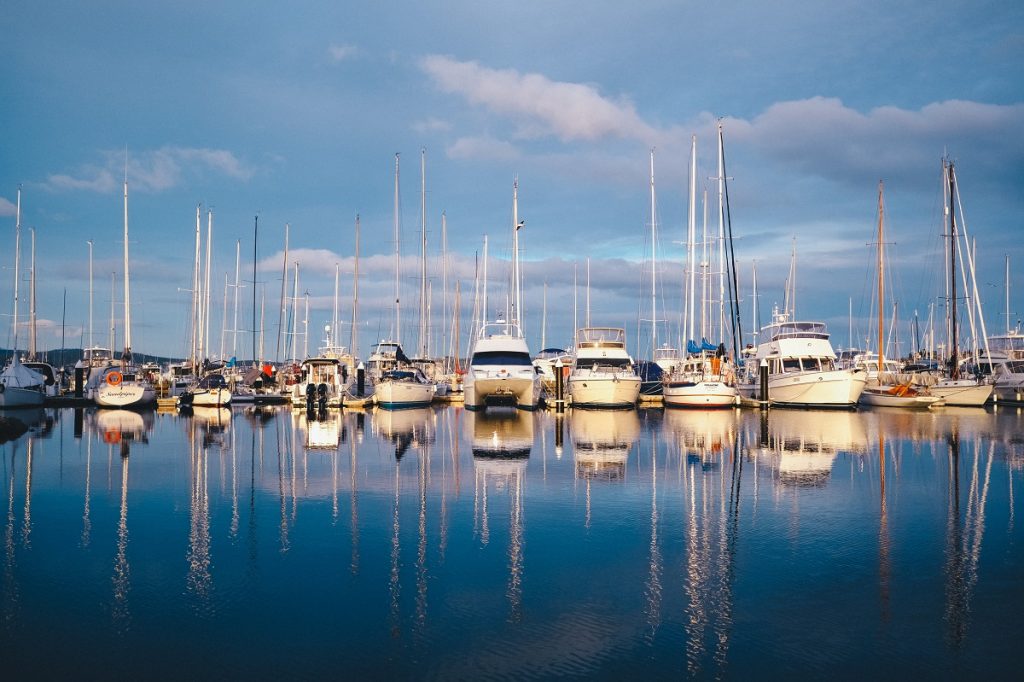
Coastal living comes with many advantages: beautiful ocean views, white sandy beaches, island cuisine, and a rich history and culture not found anywhere else. Still, with climate change increasing the risk and severity of natural disasters as well as damaging marine life across the globe, it’s important for anyone living on the coast to do their part in protecting the natural environment. Here are some ways on how to make your marina environmentally friendly that you’ll want to consider.

Install Trash and Recycling Receptacles

Firstly, never leave trash around your marina. You never want plastics or other discarded items to end up in the ocean. There are already detrimental issues with rising plastic content in oceans across the globe, so don’t contribute to it. Therefore, install the proper trash and recycling receptacles around your marina. That way, visitors can toss away their discarded trash or recycling into the appropriate containers. Remember to empty the receptacles so that they don’t overflow.

How To Make Your Marina Environmentally Friendly

Use Recycled Building Materials

Another tip on how to make your marina environmentally friendly is to use recycled building materials. One way to do so is with recycled HDPE plastic lumber. There are many reasons why the polymers in HDPE wood are superior for marine applications. It’s resistant to stains and odors; resistant to warpage, swelling, and splintering; it doesn’t bend or break as easily as traditional lumber. The polymers in HDPE plastic withstand saltwater, UV rays, chemicals, and corrosion which guarantee at least a 50-year lifespan for your marina. It’s also notably cost-effective. Given the low maintenance required, you save more money on long-term expenses than with other traditional construction materials.

Clean With Eco-Friendly Products

Don’t forget to clean your marina with eco-friendly products. Conventional cleaning products contain harmful chemicals and microplastics that damage sea life. Today, these chemicals destroy many coral reefs and natural marine ecosystems. Do your part and refrain from using these harmful chemicals. Choose safer solutions through sustainable cleaning supplies specific for boat and marina cleaning. The Environmental Protection Agency categorizes cleaning solutions as environmentally safe products via the “Safer Choice” label.

Latest