














Home Blog Page 59

Trinidad’s Diwali: The Elaborate “Festival of Lights”

0
Divali in Trinidad - Colorful lit diyas
Photo: peddhapati, CC BY 2.0

Flickering candles and lights everywhere are a spectacular sight during the season of Diwali in Trinidad. The name Diwali, made popular in certain Caribbean circles by the dancehall riddim featuring Sean Paul’s “Get Busy” rather than exposure to traditions in this sacred annual festival of Lights, in fact has deep South-Asian roots. Hinduism is the third most practiced religion in Trinidad and Tobago with around 40% of the population being Indo-Trinidadian, resulting in a number of celebrated holidays, including Diwali, coming from Hindu traditions.

Most Hindu holidays typically follow the 12-month Hindu lunar calendar in order to preserve the original cultural traditions. Many of these lunar months overlap the January-December model, thus the five-day Diwali celebration typically takes place in late October and November. The celebration starts on the 13th day of the lunar month of Ashwin — the month which begins on the first full moon after the autumn equinox — and ends during the early half, or “light half,” of the lunar month Kartika. 
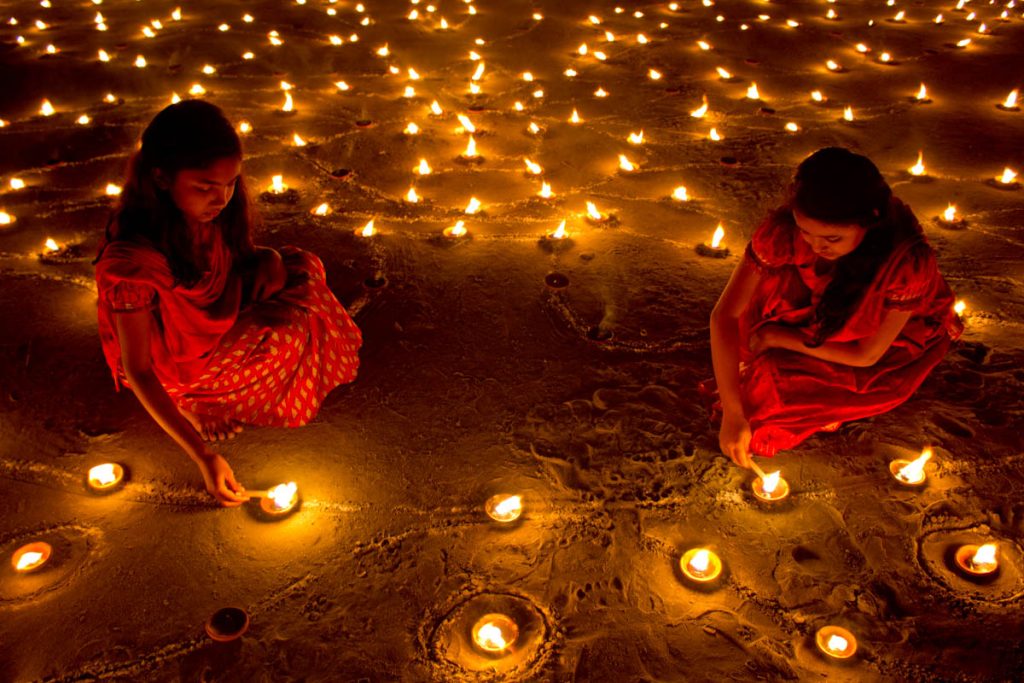
Divali in Trinidad - Lighting candles in the sand for the Festival of Light
Photo: Khokarahman, CC BY-SA 4.

The Mythology Surrounding Diwali

Candlelight celebrations, fireworks and sparklers, and paper lanterns floating above the dark night sky — this is Diwali, a festival of light celebrating the triumph of light over darkness.

According to mythology, Diwali, sometimes spelled Divali, is a celebration of Lord Rama’s victory over Ravana, a demon king, after a 14 year exile. Lord Rama is a reincarnated form of the Hindu god Vishnu, known as “The Protector of Good.” Other traditions celebrate the time when Durga, or Mother Goddess, saved the gods from a half demon half buffalo creature named Mahishasur. 
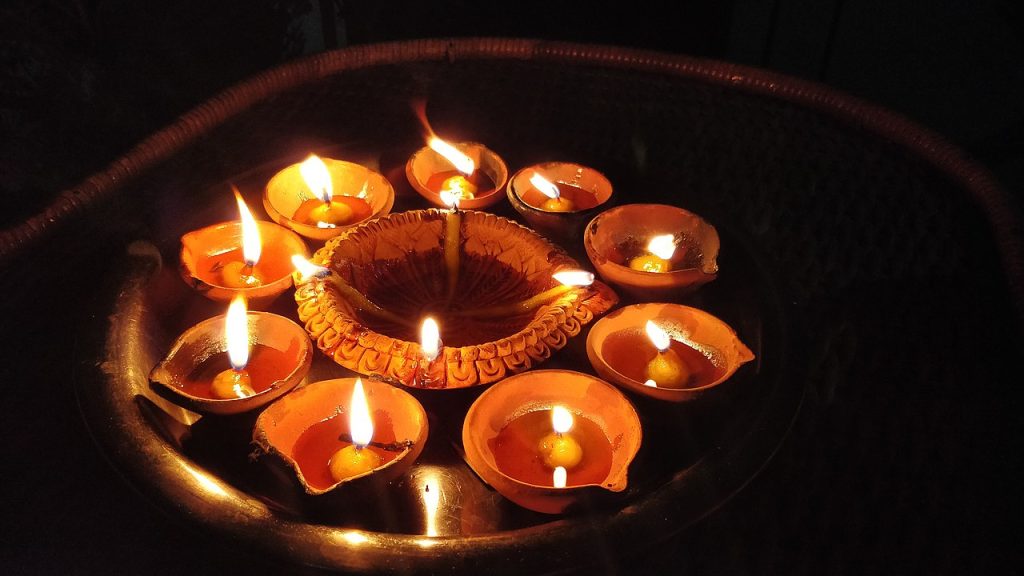
Divali in Trinidad - Candle-lit diyas
Photo: Anushka, CC BY-SA 4.0

Both of these battles show that goodness and light prevail over evil and darkness and out of these lessons, light has become the cornerstone of all Diwali celebrations. Diyas, or clay lamps, known to be a symbol of good luck, can be seen in many homes and these and other forms of light are traditionally used to rid homes and their inhabitants of any metaphorical darkness, instead welcoming wisdom and good fortune. Lights are also used to pay respect to Rama’s long trip back home and the diyas are a guide to aid in lighting the path for his return. 

Divali in Trinidad - Lighting sparklers and fireworks
Photo: Mokshada Sethi, CC BY-SA 4.0

Diwali in Trinidad

In Trinidad, Diwali is a time for families to come together, catch up and celebrate. Introduced to Trinidad and Tobago by East Indian indentured servants and laborers in the mid 1800s, Diwali is now a national holiday with celebrations held all over the island. Traditionally, Hindus across Trinidad and Tobago will visit the National Council of Indian Culture (Divali Nagar Site) in Endeavour in the days leading up to Diwali to pray and worship the deities.

Divali in Trinidad - A lit diya in front of a diety statue
Photo: Prakhar Chaudhary, CC BY-SA 4.0

In the days or weeks leading up to the festival of lights, Hindus typically participate in fasts, abstaining from meat, and offer prayers to Lakshmi, daughter of the Mother Goddess Durga, known to bring material and spiritual wealth. Hindus in Trinidad also take the time to do a deep cleaning of their homes, clothes and any spaces that need some upkeep. Prayers and reflection are constant throughout the week-long celebration and on the observed day of Diwali families and friends all participate in the ritual of lighting diyas at dusk. 

Afterwards, there is a feast of authentic food, drink and dessert. Some signature Diwali dishes in Trinidad consist of roti, curried mango, curried Channa and Aloo (chickpeas with potatoes), sweet rice, sweet cake and barfi. 

Divali in Trinidad- Dancing the Ramleela
Photo: Jitze Couperus, CC BY 2.0

Another tradition for Diwali in Trinidad is the Ramleela, a ten day reenactment play of the ancient epic of Ramayana which chronicles Rama’s life, exile and return. The play is just another way to respect and remember the power of goodness over evil. 

To learn even more about Indo-Caribbean culture, check out this great article that dives into heritage, land and identity and a changing landscape.
These are the Most Haunted Destinations in the Caribbean

0
haunted destinations in the Caribbean
Photo @spookeats

The Caribbean may be all about sunshine and good vibes, but when the sun goes down and the moon come out, so do lots of ghosts and ghouls. Every island has its spooky side. Here are some of the haunted destinations in the Caribbean you might (or might not) want to see.

Rose Hall — Montego Bay, Jamaica

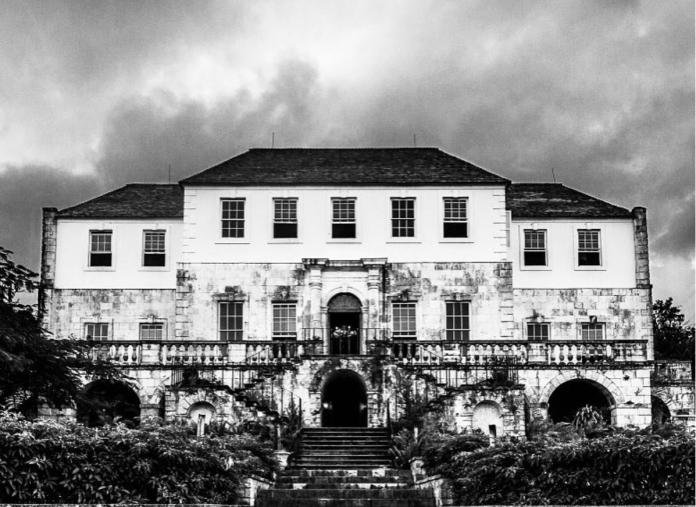
Now a popular venue for romantic weddings, Rose Hall Great house has a dark history that belies its elegant architecture and expansive gardens. The infamously cruel plantation owner Annie Palmer (dubbed the white witch of Rose Hall) called this place home. Legend has it that guests can see her reflections in the antique mirrors around the mansion, as she guards her property from the afterlife. You can enjoy the spooky atmosphere during Rose Hall’s legendary night tours, or (for those faint of heart) explore the historic property by daylight.

El Convento — San Juan, Puerto Rico

A historic hotel in San Juan, El Covento offers more than your regular room amenities. A former Carmelite convent dating back to the 1600s, the building now houses one the the city’s chicest boutique hotels. But it’s not clear whether the previous residents have actually checked out. Guests report sounds of the covent’s nuns swishing through the haunted hallways. A few even claim the convent’s founder, Dona Ana de Lansos y Menendez de Valdez, woke them up (gently, of course) when they overslept. Now that’s a wake-up call!

Fort Catherine, Bermuda

Originally built in 1614 by the British, St. Catherine Fort on St. George’s island has seen many a naval showdown. So it’s natural the historic site has collected some spirits along the way. One persistent ghost named George became such a nuisance around the lower chambers that some locals got fed up and held an exorcism in the 1970s to set him free. The ceremony however didn’t seem to work and Bermudans have since learned to embrace their friendly ghost. Now the fort (featuring George and his spooky antics) has become a popular destination for local haunted history tours.

Guajataca Tunnel — Isabela, Puerto Rico

El Tunel de Guajataca, or the Guajataca Tunnel in Isabela, Puerto Rico, is a man-made tunnel constructed in the early 1900s. The tunnel was used as a sugar cane route, transporting the sugar from farm to city. However in the early 20th Century, tragedy struck when a freak train accident killed dozens of passengers. The tunnel is now allegedly haunted by the victims and visitors to the site have reported hearing the echo of voices as they passed through. Though the beachside site is now popular for photographers as one of the fascinating haunted destinations in the Caribbean, be prepared to get goosebumps walking through the tunnel. 

Eden Brown Estate, Whitehall, Saint Kitts, Nevis

Nevis, the small Leeward island, is one of the spookiest places in the Caribbean. While the remote island is home to many creepy spots, the Eden Brown Estate is one of the more infamous. In 1822, Miss Julia Huggins lived on the island and was engaged to be married, moving into the estate after the wedding. However on her wedding day, her fiance accused his best man of trying to have an affair with his bride-to-be. They ended up dueling and tragically killed each other, leaving Huggins heartbroken and alone. It is believed that she still roams the estate to this day, with visitors reporting sounds of weeping, especially at night. Bring a friend if you want to check it out — this estate might be too scary to brave alone. 

Chase Vault — Oistins, Barbados

Built in 1724, this halfway underground crypt in Barbados was bought by a wealthy family for the burial of relatives. The Chase family buried three family members together in this spooky tomb — but they didn’t stay buried.

After reports that something weird was happening at the vault, the burial team arrived back at the site. They removed the heavy marble that covered the entrance and were shocked to find the three coffins tossed around and now standing against the walls. They moved them back to their original place but years later, when opened again, the coffins were displaced in this same way. The team found no visible evidence of weather or human manipulation, so they moved the coffins back and added sand to see footprint tracking. Months later, the coffins were once again violently strewn against the walls and there were no prints in the sand. After all of this commotion, the coffins were moved to another location, but the crypt remains open to the public. Enter at your own risk.

Grand Cimetière De Port-au-Prince, Haiti

As one of the most infamous locations for Vodou practice in Haiti, the Grand Cimetière De Port-au-Prince might be one of the most haunted destinations in the Caribbean, for both the living and the departed. In 2010, a magnitude 7.0 earthquake struck Haiti, leaving hundreds of families in need of a burial site for their lost loved ones. Unfortunately, many were not able to afford the fees and families began to leave them in makeshift graves along the sidewalk outside of the cemetery gates. The cemetery itself suffered major damage from the tragic 2010 earthquake, leaving collapsed tombs, exposed coffins and scattered bones along the walkways. The ongoing, mysterious practice of Vodou within the cemetery is a startling sight for visitors, with locals bringing offerings to scatter throughout the rubble and graves.This array around the cemetery definitely adds to the spooky vibe as visitors to the site still report sounds of spirits and ghost sightings. 

Ruins of Lazaretto de Isla de Cabras — Toa Jaja, Puerto Rico

In the 19th Century, Isla de Cabras, a small island off Toa Jaja, Puerto Rico, was used as a quarantine station for European ships passing through. During the time, Yellow Fever and Cholera were running rampant, so anyone that was infected would stay on the island to avoid contaminating people on the mainland. Many sick travelers were exposed to inhumane treatment and most died from either the poor conditions or their diseases. Their spirits are said to still haunt the coast.

How To Incorporate Your Pool Into Your Parties

0
How To Incorporate Your Pool Into Your Parties

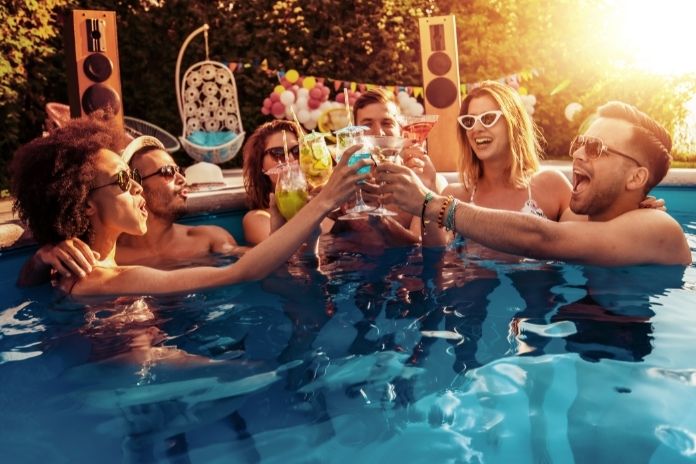
You usually see an in-ground pool shine the most when it’s warm. As the star of many outdoor gatherings and pool parties, your swimming pool can witness glory in warmer temperatures with the sole purpose of cooling people down. However, you can still incorporate your pool into your parties without getting your feet wet by using these tips that utilize it in unique ways and dress it up for all occasions.

Set Your Pool as the Focal Point of Your Event

Arranging tables, chairs, and food stations around your pool maximizes space usage and brings attention towards the pool rather than away from it. This technique can aid in transforming the pool area into an eye-catching backdrop for stellar snapshots.

Light the Way

When it comes to those celebrations that run well into the night, lighting a path to ensure the safety of guests is essential, and what better way to do that than with string lights? Not only do these small but delicate lights illuminate your festivities, but they are a fun way to dress up your pool area.

Add Floating Décor To Coincide With the Theme

Incorporate Your Pool Into Your Parties

Pool noodles aren’t the only floating devices here! You can add beautiful accents such as decorative balloons and flowers to your pool to spice up its appearance to fit any event. You can also add floating pool signages as an innovative wedding monogram or thoughtful sentiment.

Dress Up Your Pool’s Edges

You don’t have to fill your pool with décor to have it look its best. If floating décor isn’t the best fit for you, consider dressing up your pool’s edges by creating a decorative border to highlight your event’s main feature.

Incorporate Your Pool Into Your Parties

Make Your Pool an Aisle or Dance Floor

As a feature no one can forget, you can’t go wrong with adding an aisle in the middle of your pool in preparation for a wedding or equipping it with a dance floor cover for extra flair! One look at your new dance floor and guests will never want to leave!

Incorporating your pool into parties adds a fun twist to future celebrations without having to cut back on the size of the event and guest seating. And the best part? No need to worry about after-care of pool noodles.

A Look Back at the Glitz, Glam, Paint and Mud of Miami Carnival 2021

0
Miami Carnival 2021 Party

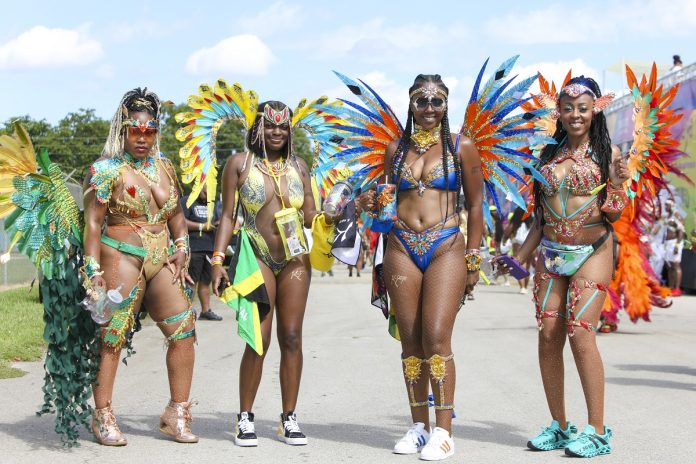
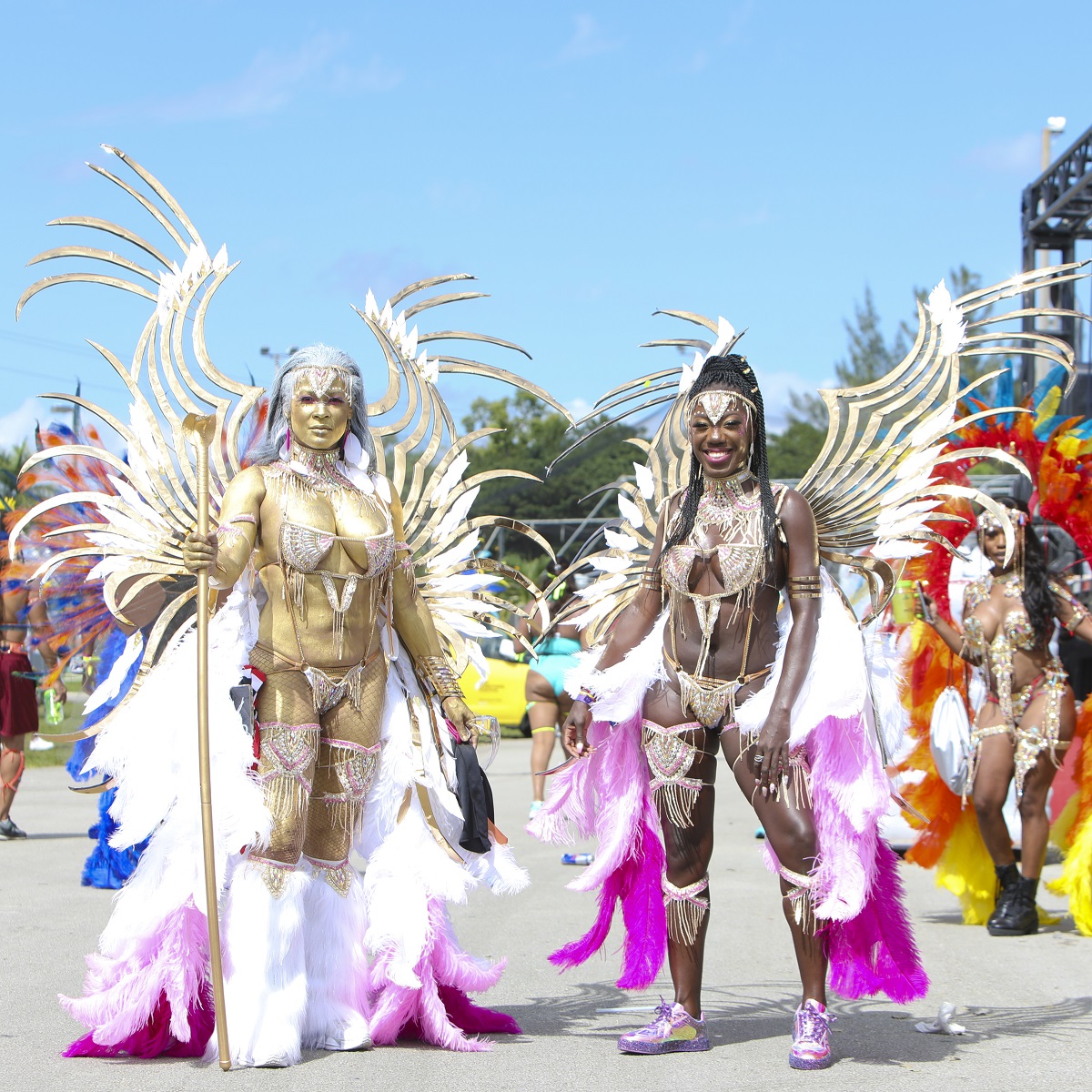
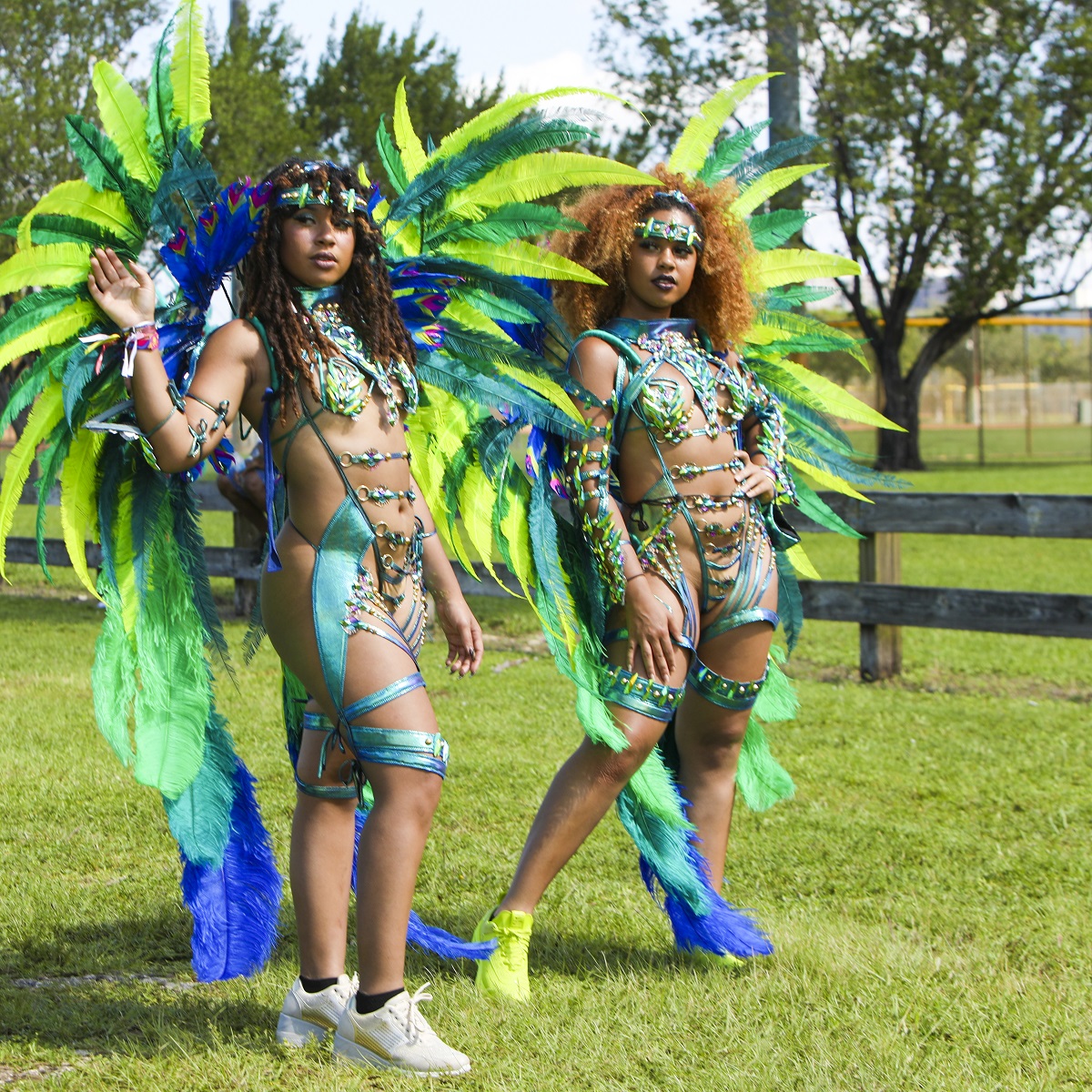
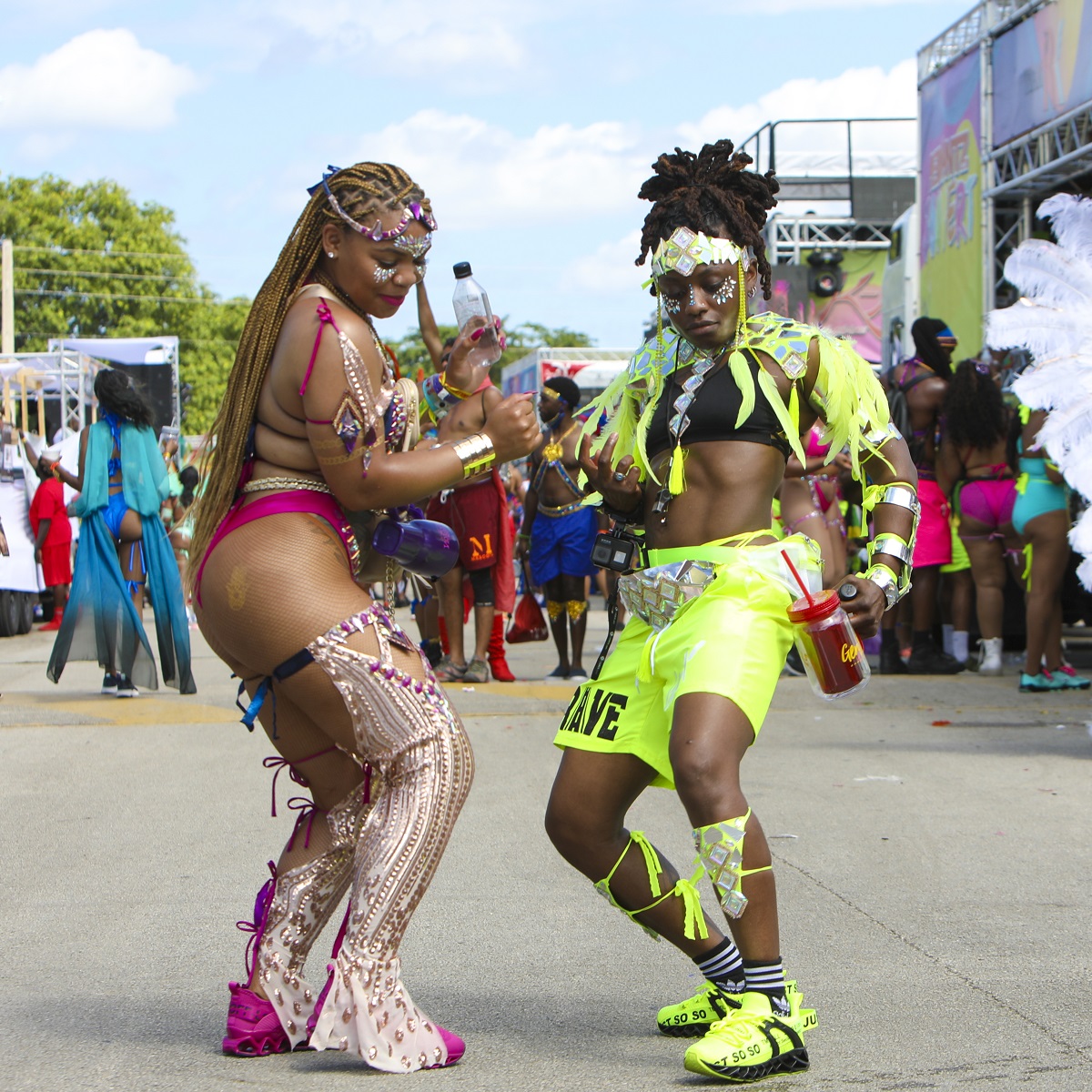
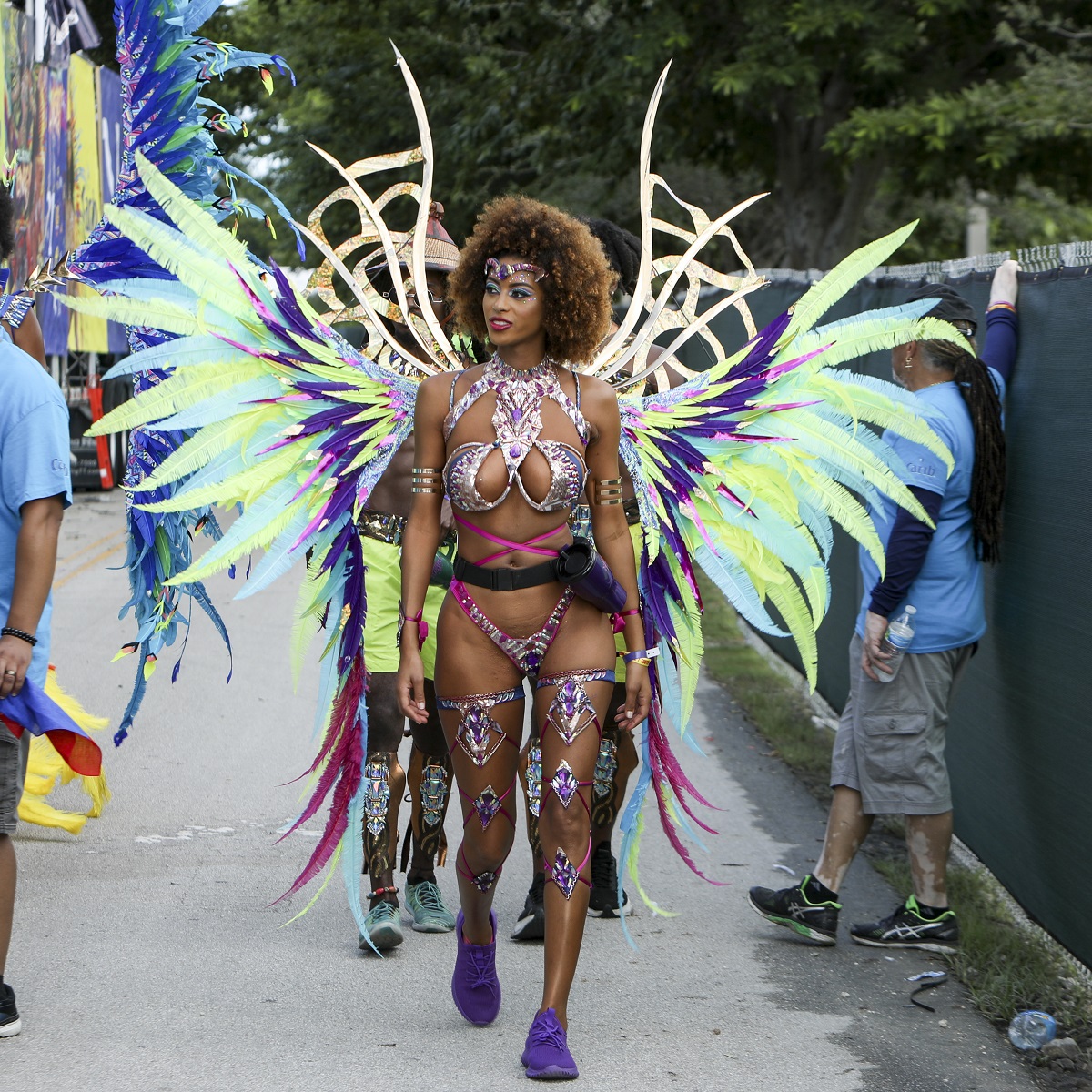
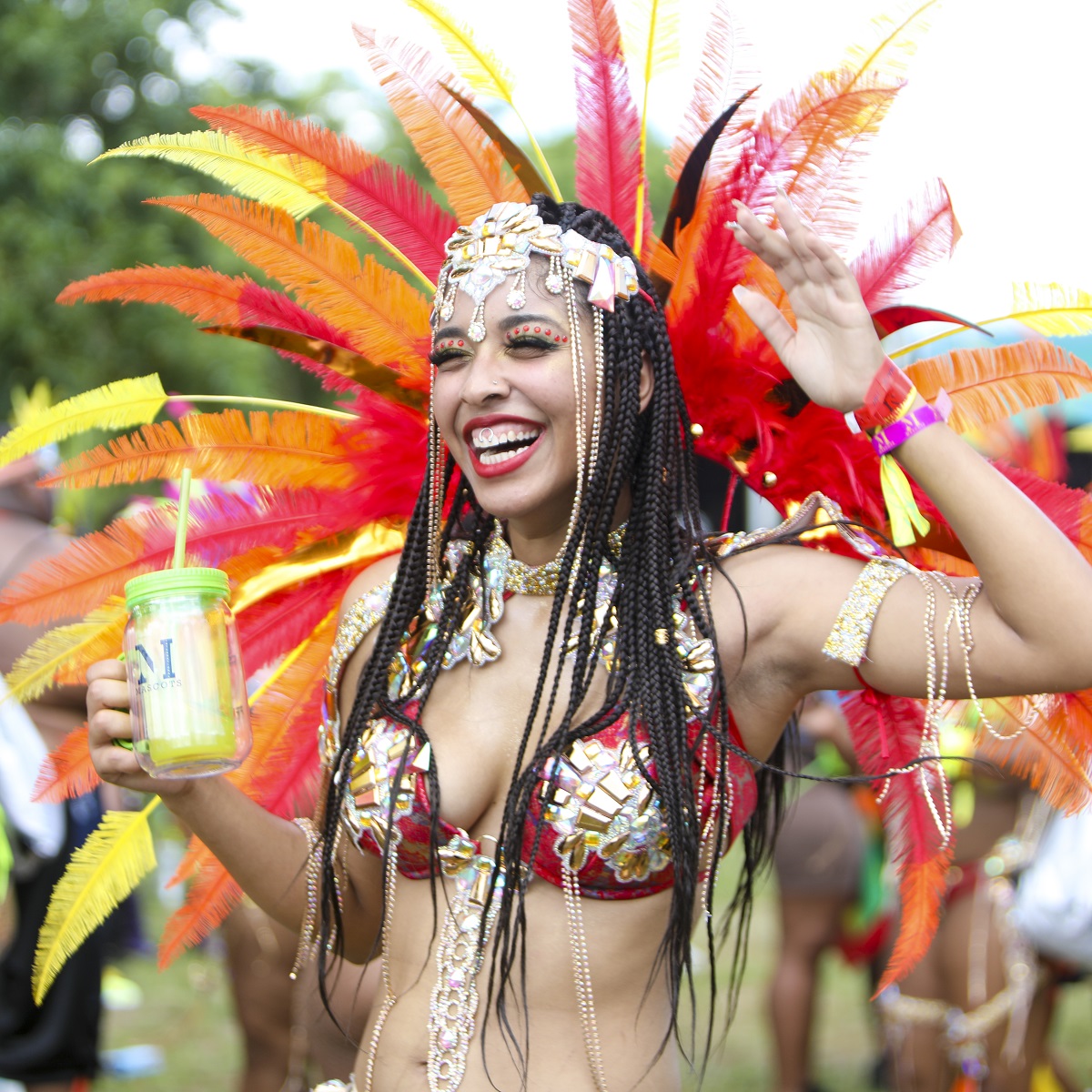
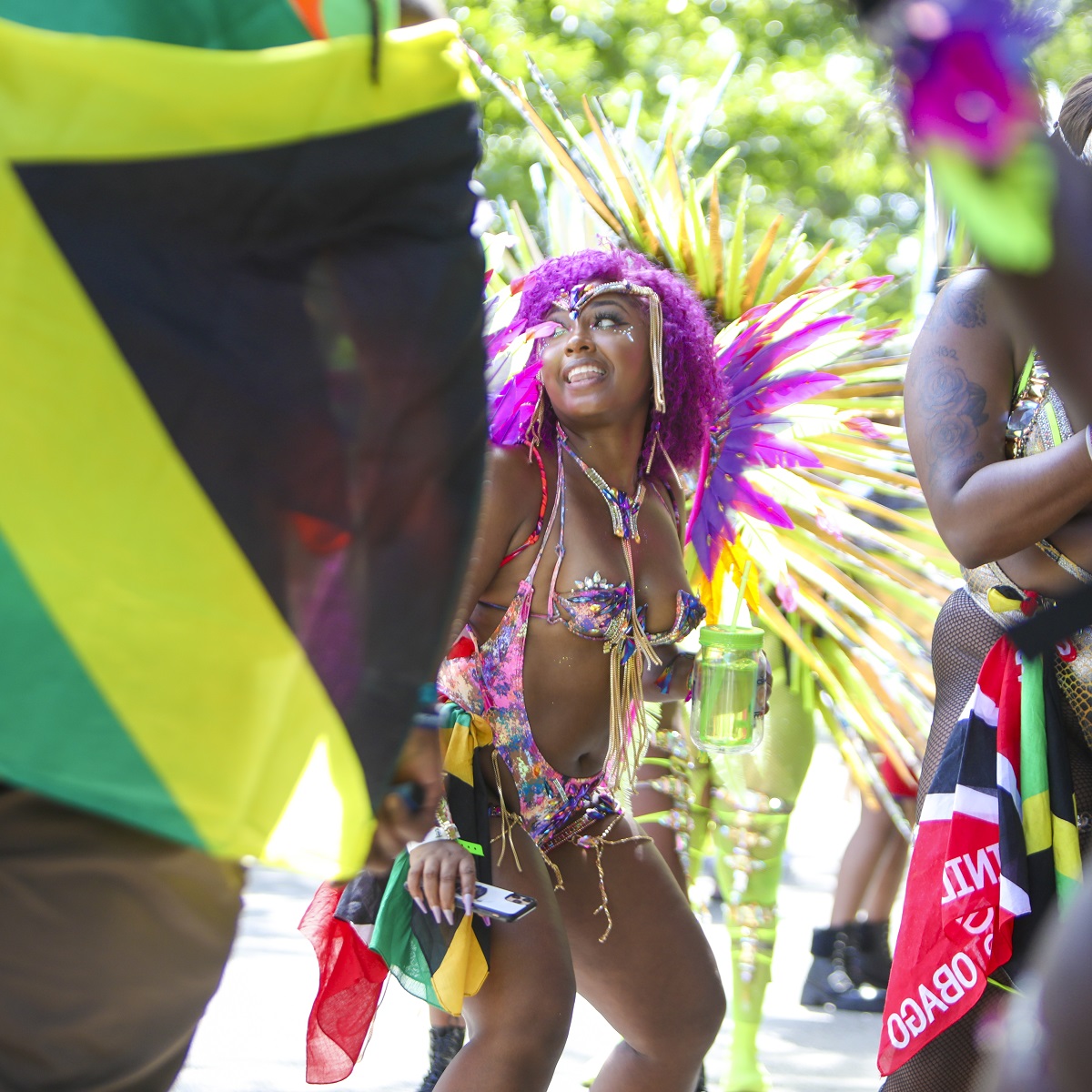
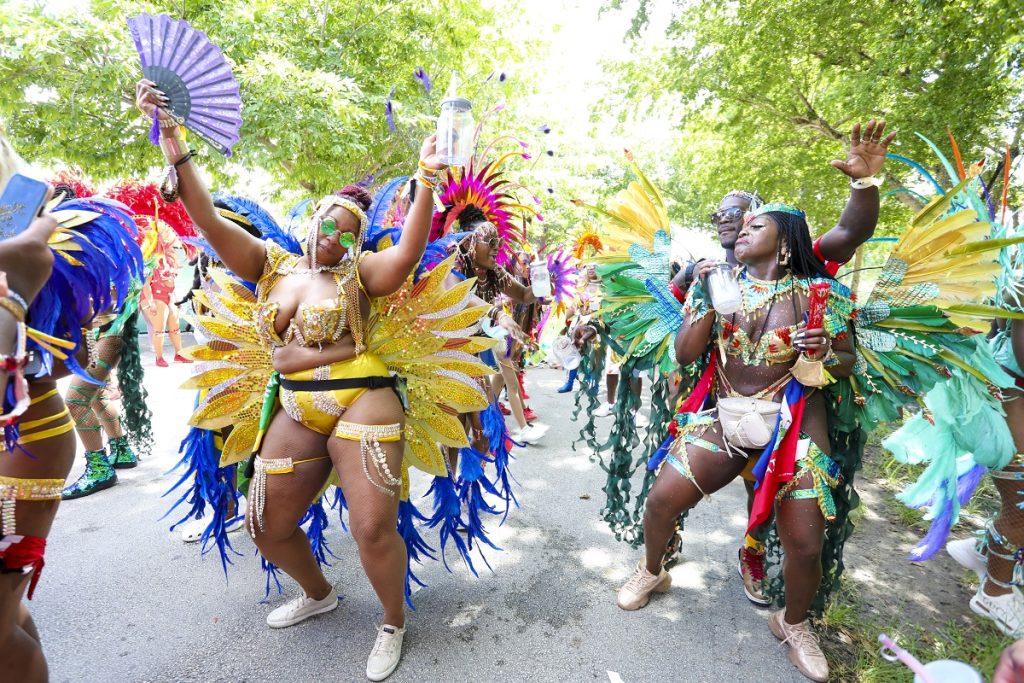
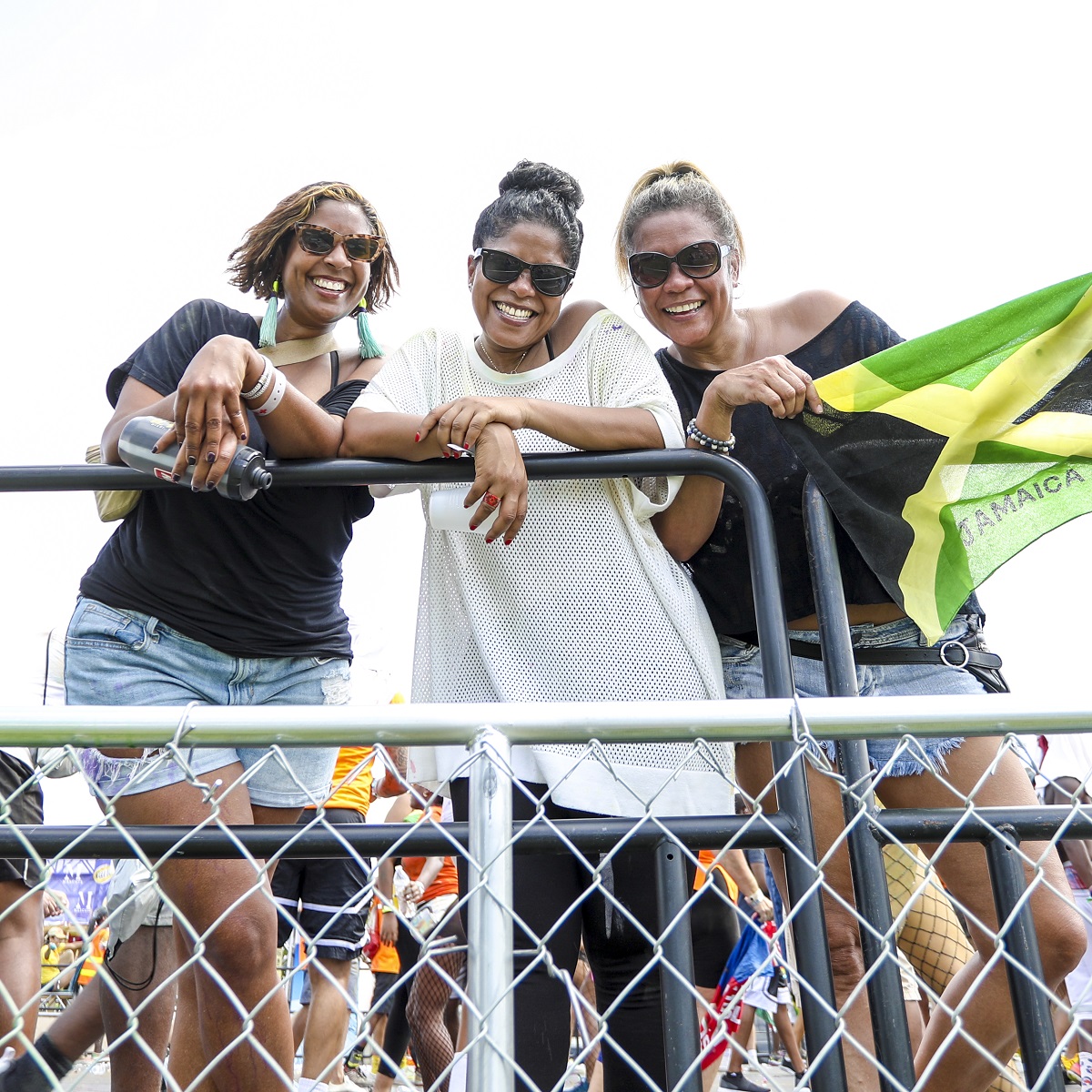
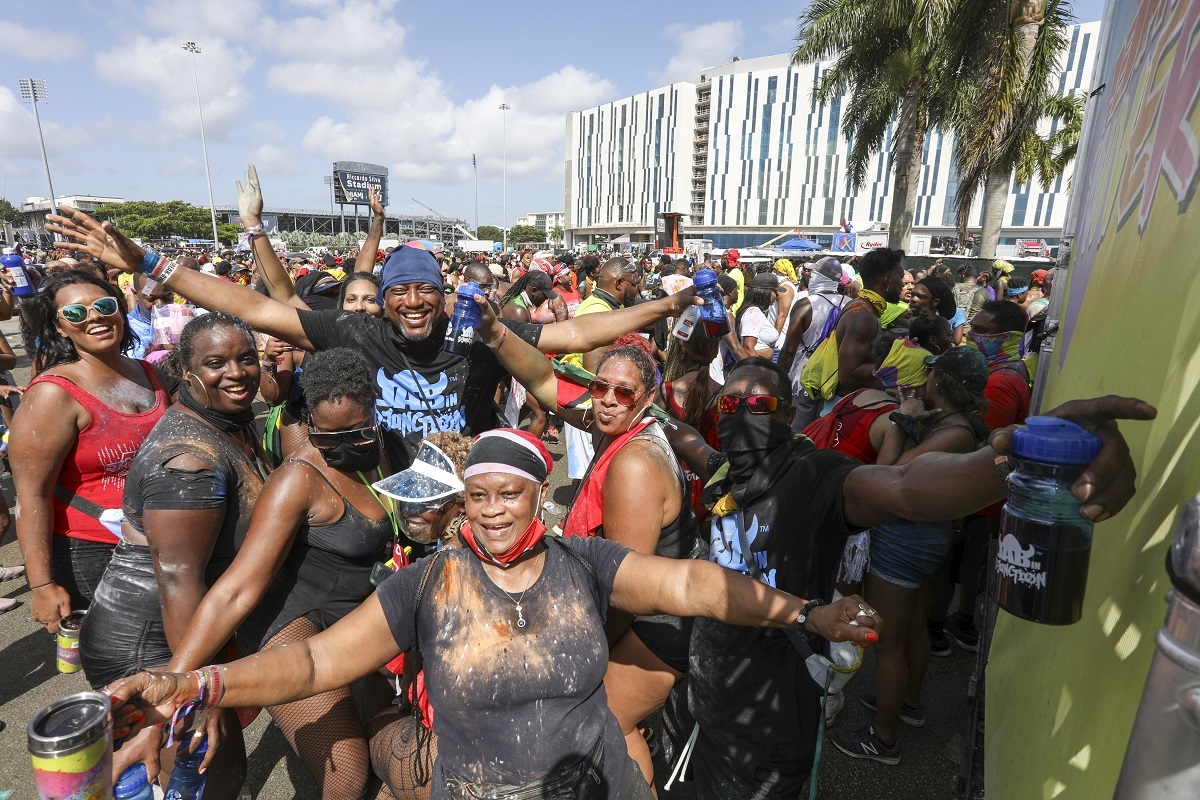
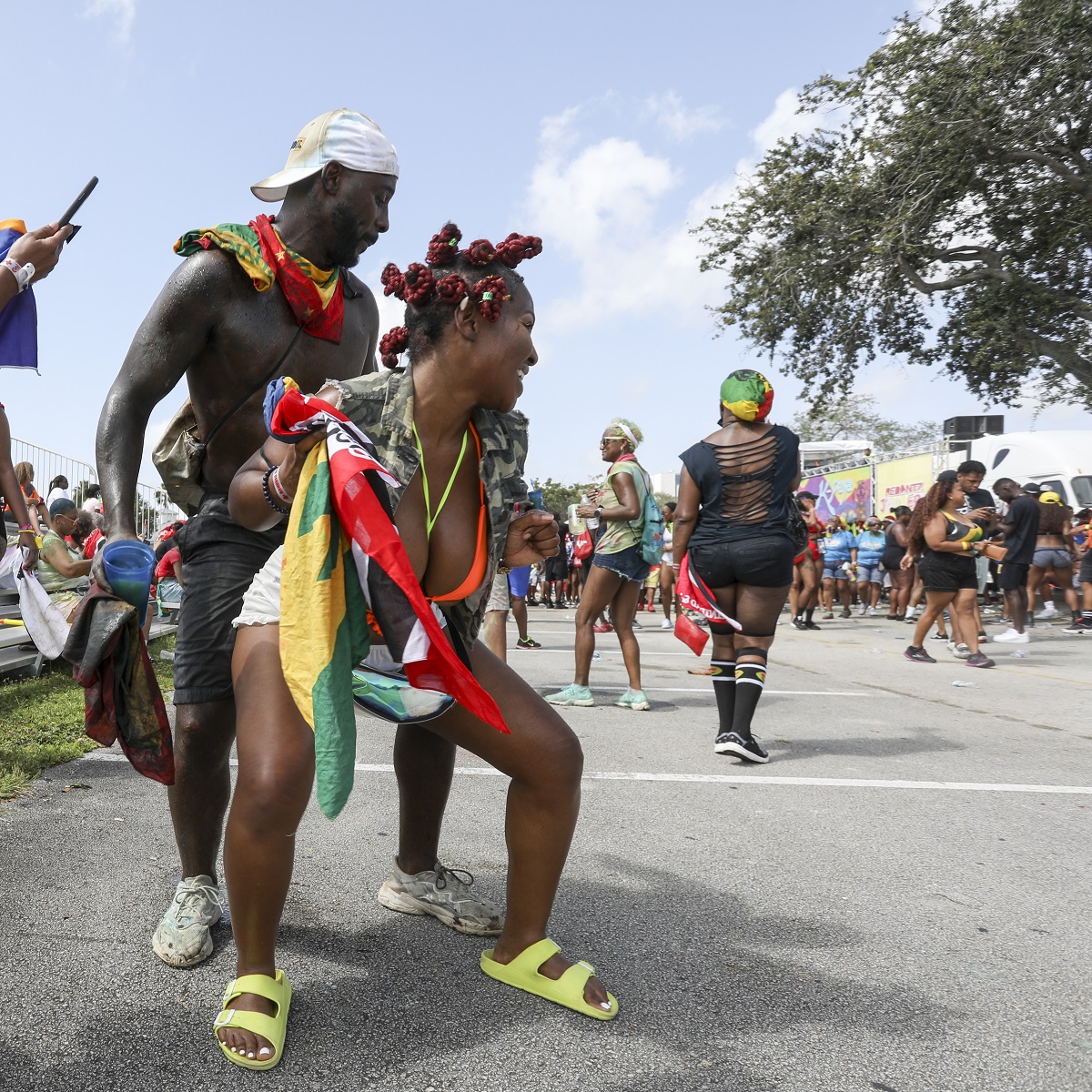
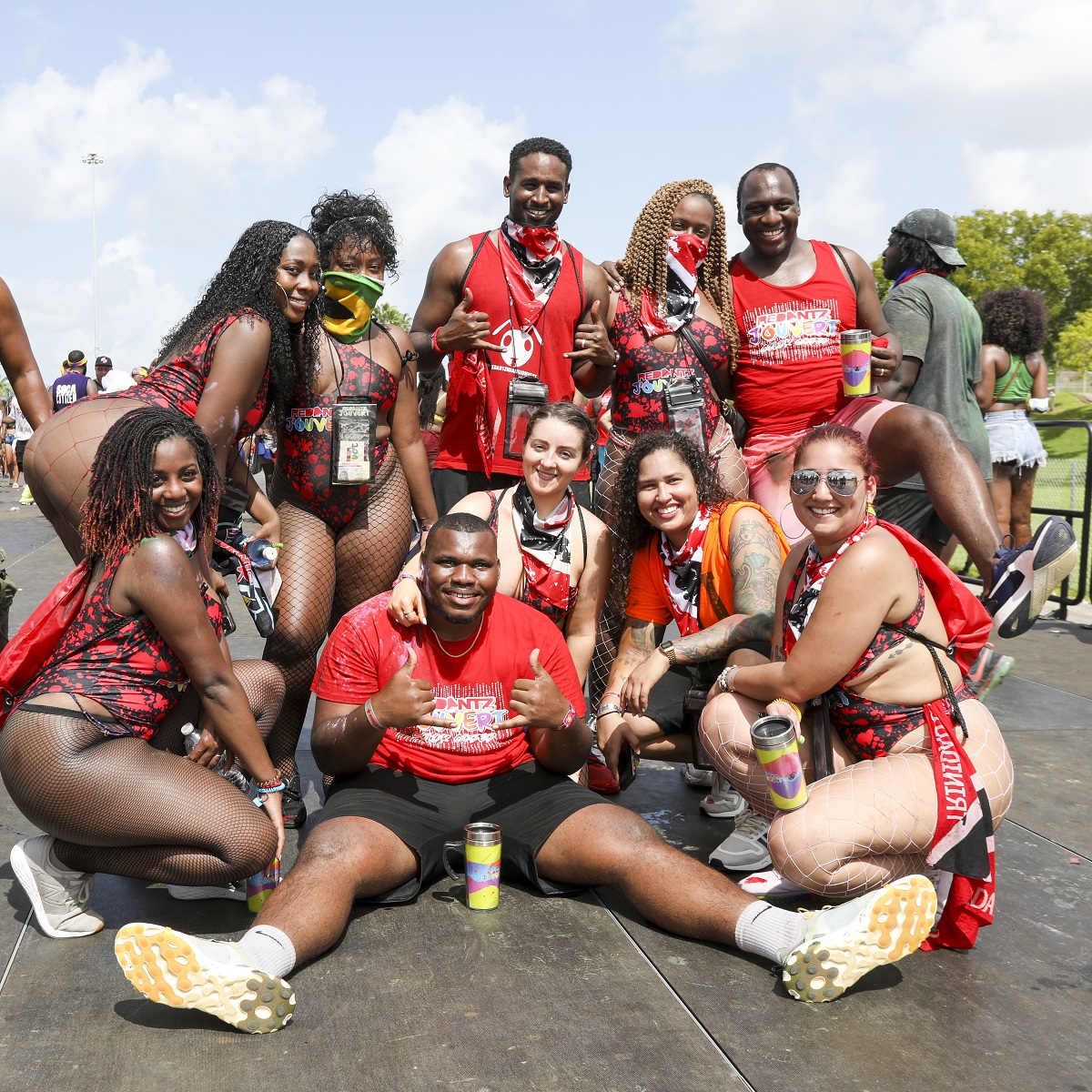
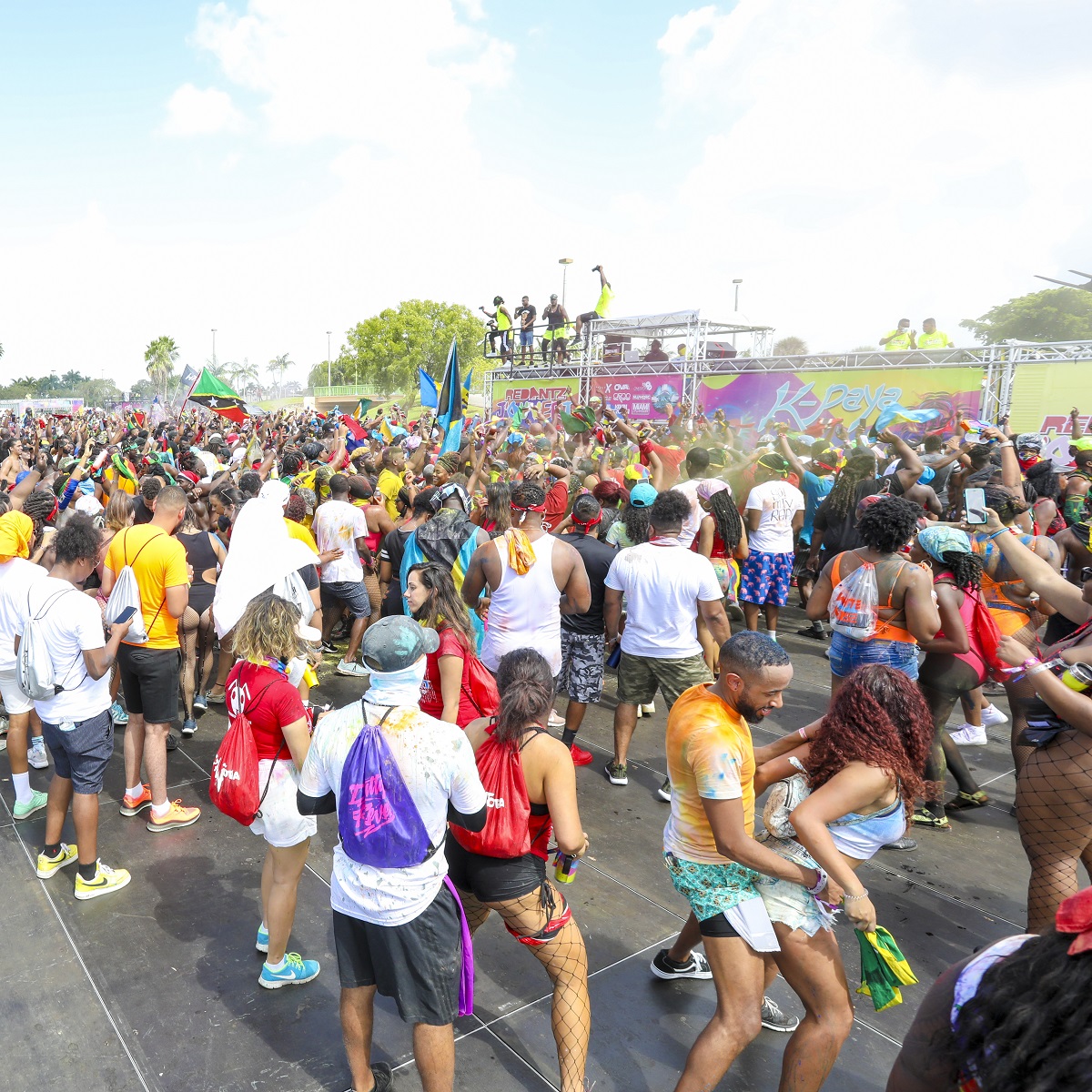
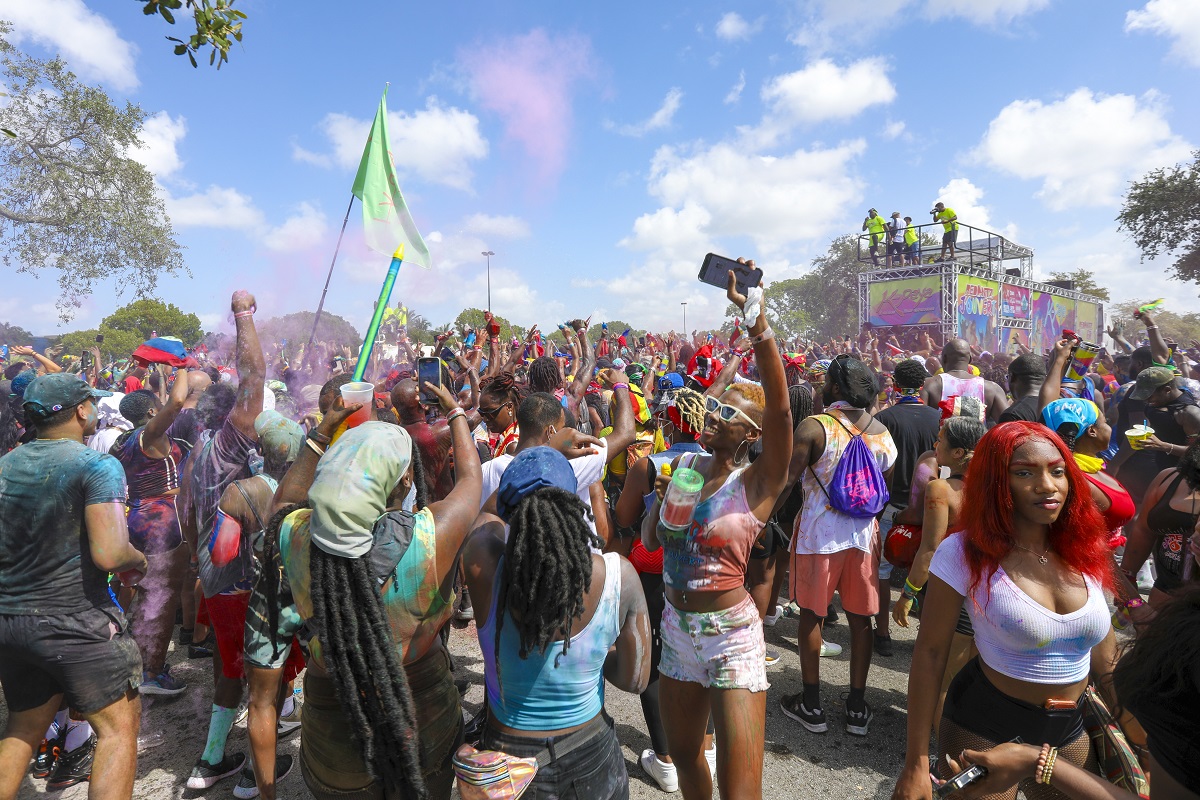
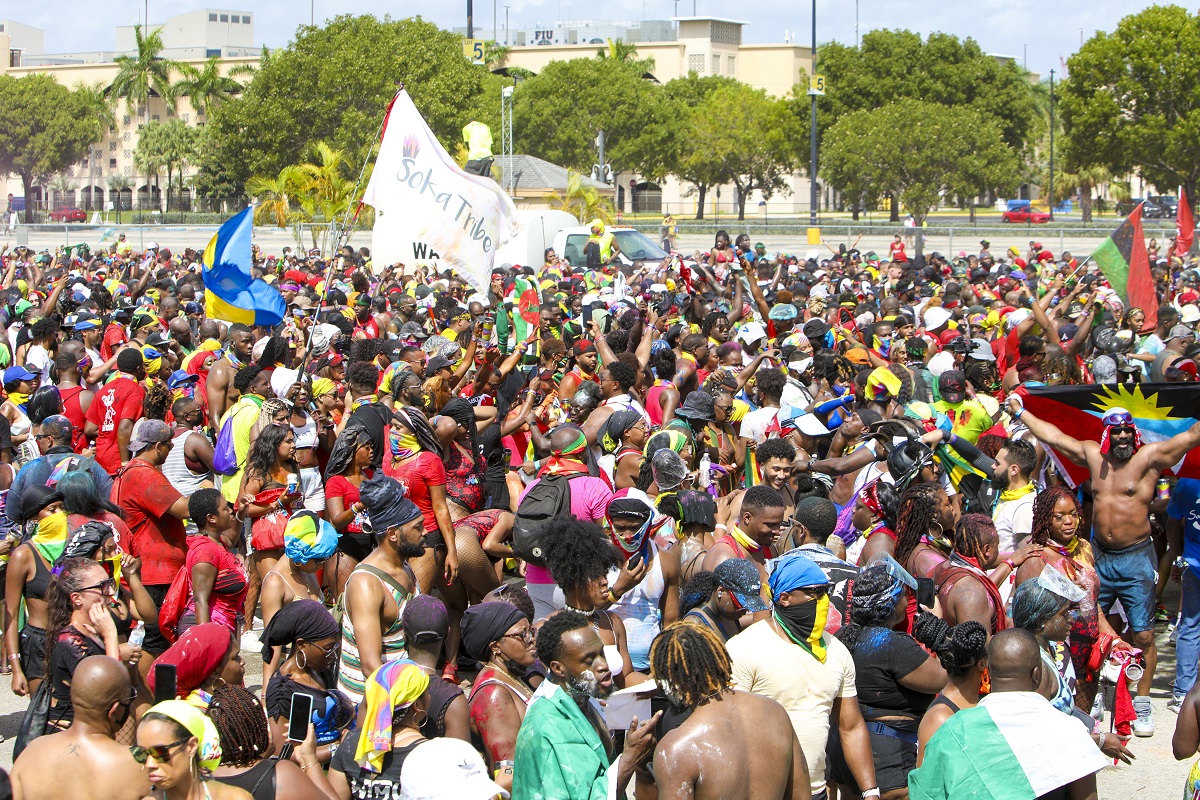
Last weekend’s event was definitely one for the record books, and we have the Miami Carnival 2021 photos to prove it. Back in person after going virtual in 2020, the paint and mud were flying, the elaborate feathered costumes were out in full force and attendees were celebrating until the wee morning hours.

The weekend-long fete was packed full of people celebrating the most looked forward to Caribbean event of the year and we were lucky enough to get a backstage pass. If you weren’t able to attend this year, or if you are already missing the energy Carnival emanates, take a look through these Miami Carnival 2021photos with images from the road march, J’ouvert and Panorama.

Can’t wait for even more Carnival extravaganzas? Check out some other east coast Carnivals here.

All Photos by David I Muir

Miami Carnival 2021

Miami Carnival 2021 photos

Miami Carnival J’ouvert 2021

Miami Carnival Panorama 2021

Exercise Can Help Relieve the Mental Fatigue of COVID

0
Exercise to Relieve COVID Fatigue

In a year like no other, 2020 and its lingering aftereffects forced us to reconsider every aspect of our lives. Yet there was one part of my life I never anticipated changing so much due to help relieve COVID fatigue ― my entire relationship with exercise. 

Over the years, I’ve worked out, often motivated by goals of losing weight and building a fitter body. But when the pandemic hit, I realized that exercise was more than the pursuit of a physical ideal. Working out became fundamental to my psychological well-being. I began a ritual of walking in the mornings and soon added online yoga on Sunday mornings. By the summer, I was swimming regularly again. These moments offered space for meditation, helping to calm me and clear my head. Even when I increased the pace and signed up with a personal trainer this year, the mental rejuvenation I found from these exercise sessions was emotionally powerful.

Scientific Approach

Seeing exercise as integral to mental health is part of a current scientific and cultural rebranding of how we value working out. For so long, mainstream messaging married exercise to weight loss and appearance, but it did not focus enough on the potent psychological benefits. 

“Exercise has great benefits for our mental and emotional health, reducing pain and discomfort and increasing feelings of pleasure and a sense of general well-being,” explains Dr. Joan Muir (no relation), a Jamaica-born psychologist now based in South Florida. Recent research also suggests that physical activity can even help ease more severe mood disorders like depression and anxiety. This link to improving chronic mental conditions isn’t as clear, but “exercise [does] release endorphins, which are a group of hormones that reduce stress and elevate mood,” adds Dr. Muir.

Working out for body and mind - exercise can help relieve COVID fatigue

Recent medical findings have debunked many of the myths we’ve learned about weight loss. According to Dr. Muir, the physiological benefits are well-documented, as exercise “helps our bodies function better, improving our movement, posture, sleep and digestion.” Exercise alone, however, actually has a limited impact on helping us drop unwanted pounds. One 2013 research survey by Dr. Klaas R. Westerterp showed that the average person burns only a fraction ― 10% to 30% ― of the energy we gain from food. The lion’s share is consumed by basic bodily functions. In actuality, we have limited control over speeding up our own resting metabolism rate, guiding how much fuel we burn.  

A New Relationship

Understanding this can diminish the shame many experience while working out since exercise for the sole purpose of improving our looks can be harmful. I’m sure many entering a gym are familiar with that feeling of toiling toward what feels like an unreachable perfect body while being surrounded by others who seem to have achieved it effortlessly. Instead, having a more holistic view of exercise could encourage more people to get active and have better relationships with their bodies overall. We need to begin working out for body and mind.

Faced with a common crisis this past year, it seems many began building new relationships with working out. The widespread weight gain nicknamed “the COVID 15” pushed many people to address their fitness. But while they sought exercise to combat the weight gain, they discovered its mental health benefits as well. Suriname native Roxanne started exercising more after gaining weight “from too much snacking and sitting around while working from home.” She quickly found emotional value in routines like yoga. “It suits my spirit, the calming energy and solitude. It’s a time to quiet the mind.”

An Essential Element

Working Out for Body and Mind - exercise can help relieve COVID fatigue
Ann-Marie training G. Wright Muir (the author)

As a competitive bodybuilder, my personal trainer Ann-Marie is the classic picture of sculpted physical fitness. But for her, exercise has never been just for appearance’s sake. “Like everyone, I get stressed with just everyday life, being pulled left, right and center,” says Ann-Marie. “Exercise has always been my outlet.” So when her trainer announced that he had to close the gym because of COVID-19 restrictions, she was devastated. “Not exercising was not an option for me, because staying at home 24/7, working from home with zero exercise would’ve definitely hurt me mentally and physically.” 

To compensate, Ann-Marie created her own rigorous at-home routine. Amid the uncertainty, exercise became an emotional anchor. “Even though we went through such a dark and gloomy time, my happy place was [found in] running around my neighborhood.”

Working Out for Body and Mind - exercise can help relieve COVID fatigue - Oliver Mair
Kathy with Jamaican Consul General Oliver Mair after finishing a 5k

“People think it’s about how you look, [but] it’s also about how you feel,” shares my friend Kathy about her relationship to exercise. She has always been active, but after surviving COVID-19, jogging became her way to reconnect with her body and overcome the traumatic experience. “That has motivated me to do more,” she said. “I wake up every single morning so grateful to have survived something that so many people did not.” 

Though we still have much to learn about the complex connection between body and mind, as Kathy and so many others have learned, few things feel as life-affirming as committing to move the bodies we have been given.

This Caribbean Queer Activist Gives Voice to an Underrepresented Community

0
Courtesy of The People Speak

If you’ve read Staceyann Chin’s 2009 coming-of-age memoir, “The Other Side of Paradise,” you know that even as a little girl in rural Jamaica, she was outspoken. As her older brother described her in the book, she was always the child who wanted to talk “‘bout things what nobody else want talk ‘bout.”

Some things never change. In her years as a critically-acclaimed poet, playwright, performer and activist, Chin has been an unyielding advocate for the marginalized while challenging the powers that be. No status quo is safe. She moved from dismantling social hypocrisies with her thunderous performances on the iconic HBO TV show “Def Poetry Jam” to capturing her convention-breaking journey to motherhood in her 2015 one-woman play “MotherStruck!”

For me, perhaps her greatest impact lies in her work giving unprecedented LGBTQ+ visibility to the Caribbean diaspora. She was the first Caribbean queer activist and public figure I knew that so openly spoke to our experiences. For more than 10 years, I quietly came out to close friends and family, then finally came out publicly in 2013. I decided then to write a memoir sharing my own story.

Discovering Chin’s book empowered me to begin. Her frankness connects with me profoundly as a Jamaican who grew up in a culture that has shunned queer Caribbeans. There was and often continues to be blatant hostility spewing from speakers at Saturday night dances, and fire and brimstone at Sunday morning church service.

Room to Speak

For Chin, speaking out has never been a question of bravery, but one of sheer survival ― a way of reclaiming herself in the aftermath of an earth-shattering moment in her life. While she was a student at the University of the West Indies, Mona, she was sexually assaulted by a group of men who attacked her for daring to confidently and openly exist as the gay woman she is. Simply living on the island was a risk. In the relative safety of New York — a strange city in a strange country — performing her unedited, unfiltered poetry and sharing her truth on stage felt freeing. 

It was so important to me to have room to speak, to feel as if my story could be told and heard.

“It was so important to me to have room to speak, to feel as if my story could be told and heard,” she shares with me in an interview, recalling her development as an artist in those early days. “I started to tell the story to whoever would listen, the small cafes in Brooklyn and confessional groups with other Black lesbians.”

These first forays soon led her to bigger national stages — from the “Def Poetry Jam” TV and Broadway shows to her landmark interview on “The Oprah Winfrey Show” in 2007. “I was at the right place at the right time, with the right identity marker,” says the author. “I was interesting and new enough for the powers that be to take notice of me.”

The American Dream-come-true narrative could have easily overshadowed the subtle complexities of her story. But while the Big Apple provided her refuge in one way, she quickly realized that New York was no paradise. In the city, “it was good to be a gay woman, but I found that it was increasingly difficult to be Black,” she explains.

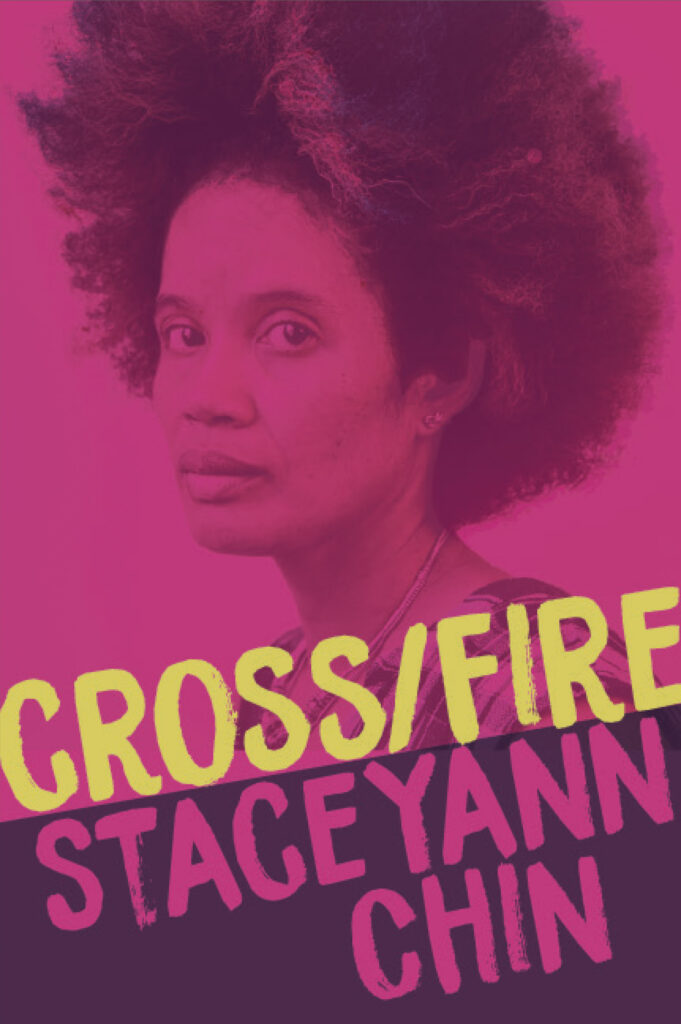
In response to the reality of living in America, her work has confronted racism, economic inequity and other injustices holistically. The result is always raw and vulnerable. In her book of poetry “Crossfire: A Litany for Survival,” published in 2019, we experience the depth and breadth of her passions, exploring love, sexuality, politics, feminism, family, domestic violence, international human rights and other topics at the intersection of her experience as a lesbian, immigrant, single mother and Black woman.

From One Generation to the Next

Caribbean Queer Activist - Staceyann Chin Crossfire book
Courtesy of Haymarket Books

Her advocacy and art have only intensified since becoming a mother. Her 9-year-old daughter, Zuri, is already enthusiastically engaged in her mother’s activism. You can watch her blossoming as a thoughtful speaker on Chin’s inspiring YouTube series “Living Room Protest.” Alongside banter about street safety and back-to-school worries, mother and daughter have created their own safe corner of the web to passionately discuss social issues, including body positivity, gun control and rights for migrant families. 

Though becoming a mother has only made the urgency of her causes more acute, Chin knows real change is a long game. “It might be slower than we would like,” she says, “but those of us who do the work know that the work is for your life and for your children’s lives, and for your children’s children’s lives.” 

For her next book project, she’s interested in exploring her relationship with her mother, who was estranged during her childhood ― a journey captured in a documentary in development called “Away With Words,” to be directed by Jamaican-Canadian filmmaker Laurie Townshend.

For now, her journey has taken her back to Jamaica. In the heart of the pandemic, Chin left New York with Zuri to visit the island for just a few weeks. Months later, she’s still there and has no idea when she’s leaving. 

Connections at the Heart

The Jamaica she left all those years ago has changed in many ways, thanks to the hard work of local activists and organizations like the Jamaica Forum for Lesbians, All-Sexuals and Gays (J-FLAG). On the world stage, Jamaican contemporary literature is also prominently represented by other LGBTQ+ authors like Nicole Dennis-Benn, Marlon James and Kei Miller.

Caribbean Queer Activist - Staceyann Chin
Courtesy of The People Speak

As far as overall attitudes, “they have definitely shifted in the middle class,” says Chin. “But we have to recognize that such privilege begets safety.” As a child of humble beginnings, she says, “I’m very aware that poor people are unsafe.” So she focuses her advocacy far beyond LGBTQ+ issues. She fights for all who need the fight. “So it’s not just poor, gay people [who] are unsafe. Poor, straight people are unsafe. Poor girls are unsafe. Poor, Black men too are unsafe from the police here.” 

The unsafe are the people who drive the creativity at the core of her art. One of her greatest badges of honor, she says, “is that my books are the most stolen in Barnes and Nobles in New York City.” She supposes the people who steal them are very much like the young woman she was when she first came to America — struggling to get by, trying to find a safe place in a system “that doesn’t speak for them or take them into consideration.”

She hopes that she has provided a safe harbor in her book and that those who need to see their experiences reflected back in the stories they read, wherever they are, will always find a home among her words.

Cuba’s Oldest Brewery Finds a New Home in Wynwood

0
Cuban Beer - Cerveceria la Tropical

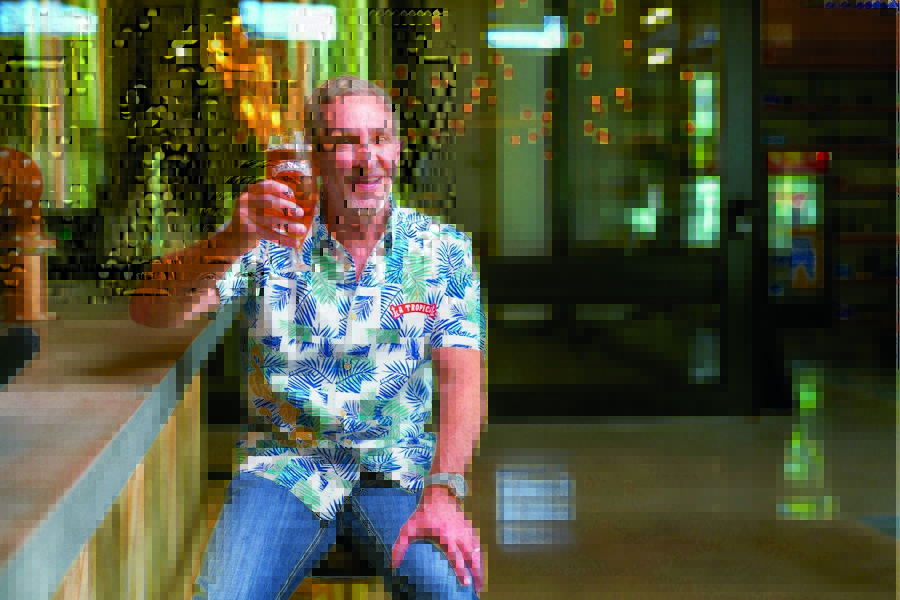
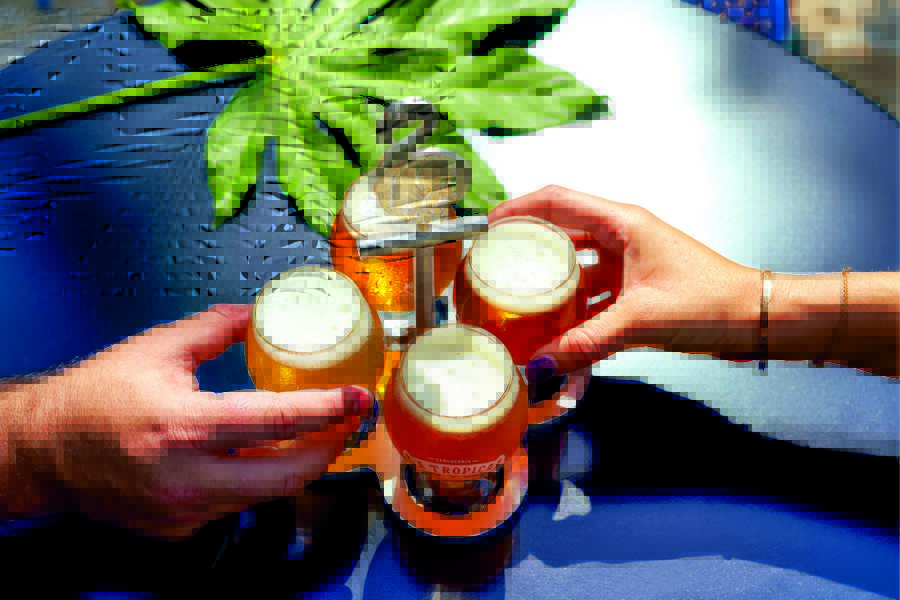
Tucked away among the bustling bars and art galleries of Wynwood lies a piece of pre-revolutionary Cuba rescued from history. Welcome to Cervecería La Tropical ― home of the original Cuban beer and a revival of Cuba’s oldest brewery, now reborn in Miami. 

Under a lush canopy of palm trees, guests now taste the beer that birthed the whole industry on the island. The Blanco-Herrera family opened the first Cervecería La Tropical brewery in 1888 on the banks of the Almendares River in Havana. By 1904, the property grew into a true destination. There was live music and dancing amid romantic tropical gardens and baseball games in a stadium where the infield dirt was made of crushed beer bottles. Crowned as one of the prides of Cuba, the brewery, at its height, was reportedly responsible for over 60% of all beer production in the country. 

Cuban beer - Cerveceria la Tropical
Photo: Cervecería La Tropical

This changed following the Cuban Revolution when the brewery was seized and nationalized by the Cuban government. Eventually, the original brewery fell into a state of disrepair and was closed. And unlike other Cuban brands like Bacardi, the beer was not available outside the island.

It was decades later, in 1998, that Manny Portuondo, a fifth-generation member of the Kohly family who sold the land to the Blanco-Herreras for the original Cervecería La Tropical, embarked on the journey to restore this Cuban treasure in his hometown of Miami. With his partner Ramon Blanco-Herrera, a fourth generation grandchild of La Tropical’s founder, he fought to restore both their families’ legacies. Portuondo even mortgaged his house to pay for La Tropical’s label trademarks. 

Cuban beer - Cerveceria la Tropical - Manny Portuondo
Photo: Cervecería La Tropical

In all, restoring the brand became a two-decades-long process with extensive research into the brewery’s history. “I would spend months going through catalogs, books and magazines, looking for any book, article and piece ever written about La Tropical,” Portuondo recalls. “I became an expert in the Cuban beer industry, in La Tropical history, and the contribution that La Tropical gave to Cuban society.” 

The final piece came when he found the last head brewer at La Tropical, Julio Fernandez-Selles, who coincidentally lived only 10 blocks from Portuondo’s home. Selles has since passed away, but he was key in recovering the formula. “Not only did he validate the framework of the recipe that I had, but he showed me how to brew it,” says Portuondo. “The method of brewing is different, but the base of the original formula is basically the same.”

Working with their brewmaster Matt Weintraub, this formula became the brand’s La Original Ámbar Lager ― a refreshing, clean brew with notes of honey. They also developed a new pale ale called Nativo Key Suave IPA, charged with hints of mango, passion fruit, pineapple, lemon and lime. Now, both beers have a glamorous home in the newly opened Cervecería La Tropical compound, a joint venture with Heineken N.V. 

Many Cuban-American families are leveraging Cervecería La Tropical as a community space to tell the stories of the old country, and what it meant to them, and imparting that heritage to the generations that come after them.

In many ways, the new brewery’s design pays homage to its historical predecessor in Cuba. Walking onto the grounds feels a little like stepping back in time. Standing at the entrance are two vast white pillars with flamingos and the words “Jardines La Tropical” embossed in gold, the design, inspired by Cuba’s Oldest Brewery, is ornate grand gate.

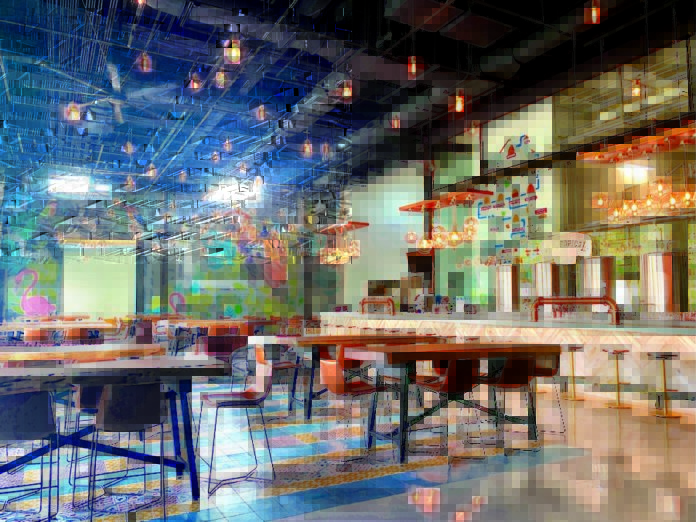
Beyond these pillars lies a 10,000-square-foot courtyard with a performance stage and a botanical garden with foliage, including rare orchids, curated by Fairchild Tropical Botanic Garden. The brewery’s interior also impresses. Visible to guests, the shining steel stills are equally beautiful and powerful, with an annual brewing capacity of 32,000 hectoliters per year. Covered in colorful decorative tiles and murals by artist Ernesto Maranje, the restaurant has ample seating options and the taproom offers 6 craft beers with plans to increase to 20.

Cuban beer - Cerveceria la Tropical
Photo: Cervecería La Tropical

The stunning design makes the property feel right at home in trendy Wynwood. But Portuondo hopes the space also reflects Cuba’s Oldest Brewery and the soul of the brand. It wouldn’t be surprising on any given Sunday to find three generations of a Cuban family at La Tropical. As Portuondo explains, many Cuban-American families “are leveraging Cervecería La Tropical as a community space to tell the stories of the old country, and what it meant to them, and imparting that heritage to the generations that come after them.” 

I’ve seen people come in here and have tears in their eyes because it’s bringing them back to their youth in Cuba.

For executive chef Cindy Hutson of famed Caribbean-inspired restaurant Ortanique on the Mile, it was Portuondo’s vision and passion that persuaded her to join the team. “I kind of go on gut feeling for projects that I do,” she says. “I have to share the passion with whoever is creating the project. And I felt it immediately with Manny.”

She has channeled his passion for the brand’s cultural heritage through the menu with the flavors of guava, mango, and other tropical ingredients sourced from the neighboring garden grounds. Signature dishes offer contemporary takes on Cuban classics, like customer-favorite Cuban-style empanadas. She has even taken inspiration from the brewery’s beers, serving up mussels with beer-braised Spanish chorizo and bacalao fritters beer-battered in La Original. 

Cuban beer - Cerveceria la Tropical
Photo: Cervecería La Tropical

The beer and the food are only small, albeit delicious, parts of a much larger story. “I’ve seen people come in here and have tears in their eyes because it’s bringing them back to their youth in Cuba,” shares Hutson. For Portuondo, there’s no greater legacy. “At the end of the day for me, my partner’s family, and other Cubans, the revival of Cervecería La Tropical is not just about the beer. The beer and La Tropical [are] just a means to extend our heritage into the next generation.”

4 Top Spots for Caribbean Diving Vacations

0
Photo courtesy of Steve Bennett (Uncommon Caribbean)

The Caribbean region is a collection of more than 7,000 islands, each with its own separate and delicate ecosystem. Separating these islands is more than one million square miles of open seas, perfect for one of your next Caribbean diving vacations.

For centuries, this mass expanse of water has been counted upon by the people of the region to provide everything from food and nourishment to transportation and commerce. Annually, millions of visitors from all over the world are lured to our shores, in large part, to marvel at and frolic in our seas. In the Caribbean, clean and healthy seas are truly everything. Unfortunately, few bodies of water are under more environmental stress.

Climate change, invasive species, litter and pollution all pose an increasing threat to the overall health of Caribbean marine ecosystems. Thankfully, a growing number of scientists, artists and local volunteers across the West Indies are finding innovative new ways to fight back and safeguard our seas.

Visitors to the region can help too. Here are a few opportunities to consider for your next Caribbean escape.
Replant Coral Reefs in Grenada

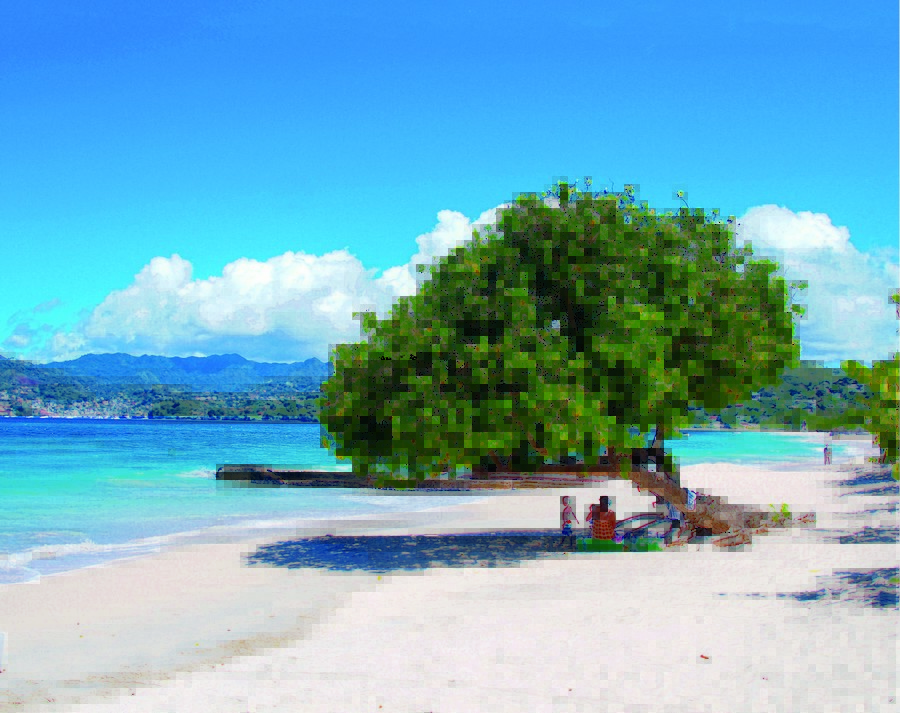
Caribbean diving vacations - Coral Reefs in Grenada
Photo courtesy of Steve Bennett (Uncommon Caribbean)

The Caribbean and coral reefs go hand-in-hand. However, if we don’t take action quickly, one of those hands will be waving bye-bye to the other.

It is estimated that more than 50% of the Caribbean’s coral reefs have died since 1970. While this statistic by itself is hard to believe, the future forecast is even bleaker. As seas grow warmer due to climate change and more plastics and other forms of litter invade our oceans, the world’s coral reefs disappear more rapidly. Some studies even suggest that all coral reefs may be nearly extinct within 20 years.

Today, several different organizations are actively attacking this issue across the Caribbean. One of them, Caribbean Reef Buddy in Grenada, invites volunteers to join in the fight.

Caribbean Reef Buddy offers several volunteer programs all based upon marine environment sustainability. The organization offers shark monitoring, lionfish containment, dive training and coral restoration at their innovative undersea coral nursery.

Curacao Lionfish Safari

Caribbean diving vacations - Lionfish safari in Curacao
Photo courtesy of Steve Bennett (Uncommon Caribbean)

The King Kong of invasive marine species in the Caribbean, the lionfish has been devastating marine ecosystems throughout the West Indies in recent years.

How bad is this venomous, invasive beauty? According to Molly Buckley, owner of SCUBA Dive Shop in St. Croix, lionfish “can decimate a Caribbean reef in just weeks. They eat non-stop and can lay up to 30,000 eggs. They are a huge threat to the Caribbean.”

In an effort to fight them, many dive shops across the Caribbean offer Lionfish Safari experiences where divers are invited to spear the troublesome species. LionfishCuracao not only offers packages instructing divers in the best hunting techniques, but they also sell jewelry made from your lionfish catch!

Coastal Conservation in Aruba

Caribbean diving vacations - Coastal conservation in Aruba
Photo courtesy of Steve Bennett (Uncommon Caribbean)

It’s staggering to even consider but according to Ocean Conservancy, eight million metric tons of plastics end up in our oceans every year. To make matters worse, that immense figure is added to the already overwhelming 150 million metric tons of plastics already in our waterways.

The easiest thing we can all do to fight this, of course, is to clean up after ourselves and ensure that our waste is disposed of properly. In the Caribbean, the Aruba Reef Care Project helps to promote both good habits while also keeping Aruba and its surrounding waters litter-free.
The Happy Island’s largest volunteer initiative, Aruba Reef Care brings together more than 800 participants from overseas and across the island to clean up the island’s most popular beaches and dive sites. The annual event, which celebrates its 27th year in 2021, also helps raise awareness of the growing problem of plastics and other forms of litter in our seas.
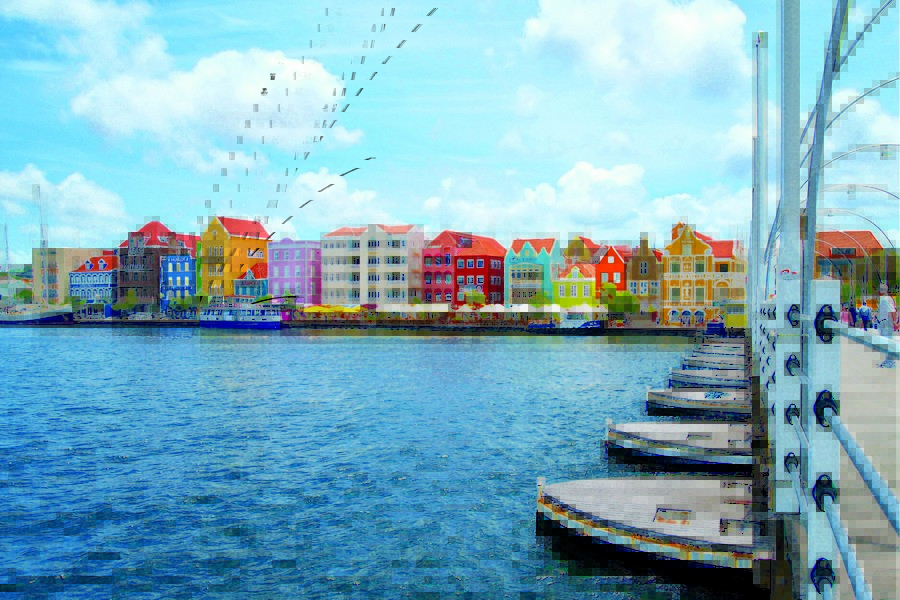
Marvel at Underwater Art in Martinique

The fight to safeguard our seas calls to action those who truly care about the Caribbean. However, the work doesn’t always have to be strenuous. Sometimes, as in the case of the Caribbean’s undersea sculpture gardens, the simple act of admiring art can have a positive impact on the environment.

Art pieces anchored to the seafloor, like those found at the Molinere Underwater Sculpture Park in Grenada and Amphitrite in Grand Cayman, have created an uncommon new style of undersea attraction for scuba divers and snorkelers to enjoy. Attractions like these give natural reefs and Mother Nature a break from heavy human traffic, allowing some added time and space to rejuvenate. 

Caribbean diving vacations - Underwater art in Martinique
Photo courtesy of Steve Bennett (Uncommon Caribbean)

Among the more culturally moving and significant of these Caribbean undersea museums is the Martinique New Underwater Sculpture Park. Nestled beneath the waves off Saint-Pierre, the Martinique New Underwater Sculpture Park is the brainchild of Laurent Valere. One of the Caribbean’s most celebrated contemporary artists, Valere is also the master talent behind the Anse Cafard Slave Memorial — a powerful and poignant remembrance of the slave era. 

Pivoting away from the past, Valere’s undersea installations speak more to the future and encourage respect for and preservation of our oceans.

The installation is composed of two huge figures. Each represents a legendary character pulled from old Martinican myths. The first, Manman Dlo, is a mermaid who sailors have always been cautioned to avoid as she likes to overturn ships, thereby drowning all the passengers aboard. The second, Yemaya, is a sultry siren meant to symbolize the “Woman of the Sea.”

Together, the message the pair conveys is simple: respect the sea and appreciate her beauty lest we all perish. It is a lesson well-learned and enjoyed with a side of Creole culture.

3 Tips for Creating the Perfect Home Bar

0
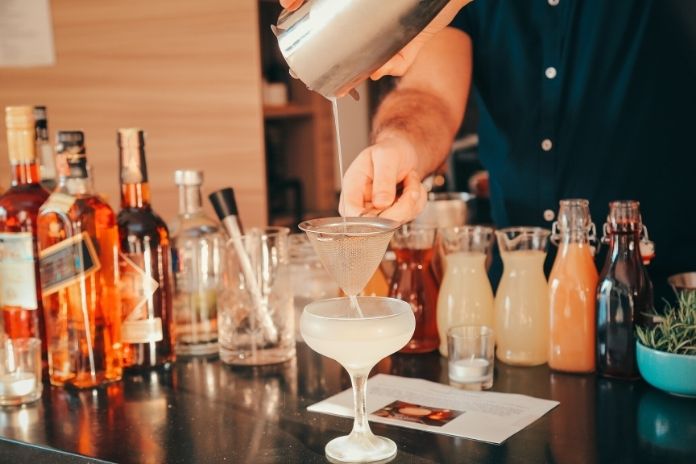
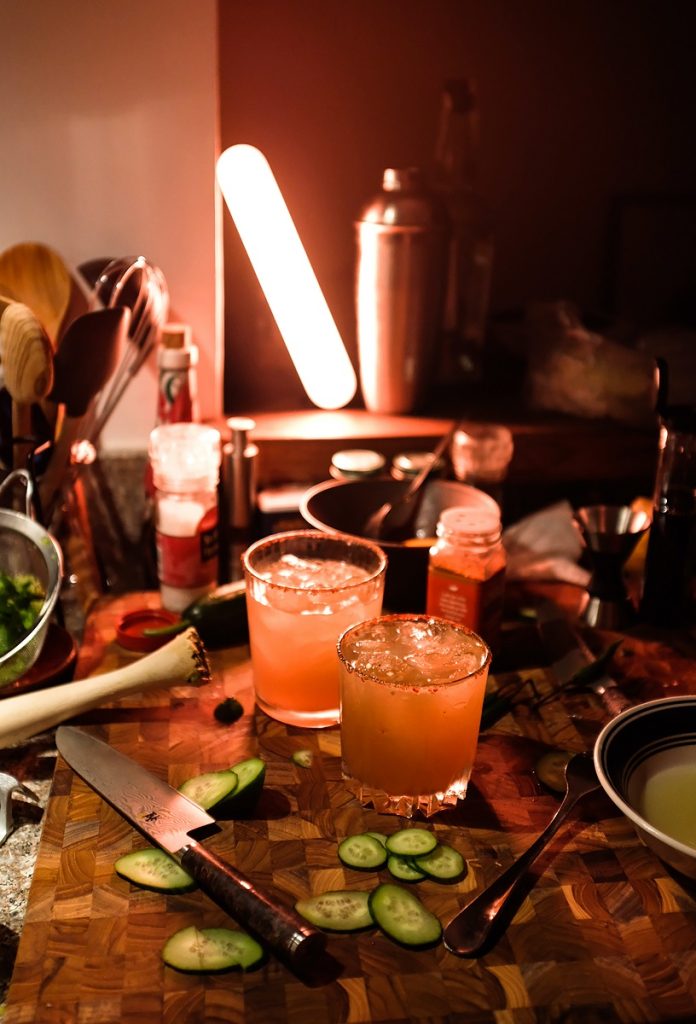
3 Tips for Creating the Perfect Home Bar

A home bar is a must-have for some, especially if you love hosting loved ones or want a space to relax. You can have all the fun of a bar in the comfort of your home and decorate it as you please for the perfect ambiance. Check out these tips for creating the perfect home bar for inspiration!

Think of a Theme

Creating the Perfect Home Bar

Just like any other room in your home, you’ll need a décor theme. Some like an intimate feel with dim lighting and leather seating, but that isn’t for everyone. As you start planning, take time to consider the following:

  • Backsplash: Pick out a specific pattern to add subtle pops of color.
  • Countertops: Decide whether you want granite, quartz, or another material.
  • Decorations: Plan how you’ll accent the space; some use reclaimed wood.

The drink holders you use could also improve your home bar’s ambience. Try having a variety of glasses according to what types of drinks you like to drink. Nothing beats drinking a Moscow mule out of an authentic copper mug. And one great benefit to copper drinkware is that it will keep each beverage icy cold!

Get Creative

You may feel unsure of what would look best, so start simple and outline what you like most. If you prefer minimalist fashion, keep the design sleek and clean. But if you want something that showcases your eco-friendly side, then upcycle old materials. You could transform old wine bottles into a chandelier or spray paint them to create a corner accent.

Creating the Perfect Home Bar

Have a Great Layout

You may have limited room for an at-home bar, but that shouldn’t stop you from being strategic with the space you choose! Pick an open space, so it’s easy to socialize and entertain anytime you have guests.

Another tip for creating the perfect home bar is to move it outside. An outdoor bar is perfect for individuals living in scenic areas, such as in the mountains or by the beach. When you live by the ocean, you can use the view as the ultimate decoration for your bar!

Creating the Perfect Home Bar

Decide on Storage

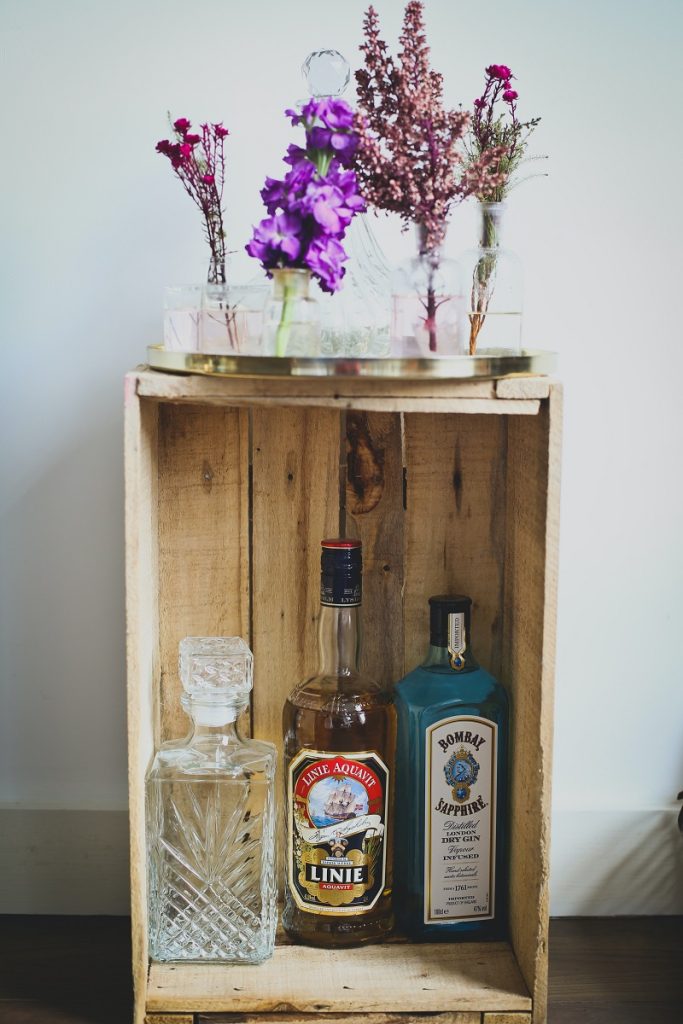
The storage system you use may depend on how you decorate your bar. For example, you may want to use glass or reflective shelving in a contemporary bar, but that won’t work for a patio bar. Likewise, you may want to incorporate a few alcohol bottles or drink holders to accent the space, but you can’t leave everything out.

Some people even DIY their own storage systems to showcase the theme, but you could just as easily use a liquor cabinet. Everyone has a different decorating style, and what’s most important is that you love spending time in your bar.

Queen of Soca Alison Hinds Says It’s Time For Women’s Empowerment

0

With Miami Carnival coming up, I had the chance to sit down with Alison Hinds, the Queen of Soca herself. We chatted about her career, women’s empowerment and tips for a fun carnival experience.

When I first sit down to pitch this piece, I have the above words already written out. I thought it could be a fun, quick piece about how to have fun at Miami Carnival 2021, with tips from the Queen of Soca herself. Then, the morning of our interview, I meet Hinds over Zoom, and something is obviously upsetting her. She soon shares with me that she has been grieving the death of 19-year-old Miya Marcano, daughter of Marlon Marcano, better known as DJ Eternal Vibes, and Giselle Suling Marcano, a radio presenter and ambassador for Caribbean culture.

Marcano’s life was taken by Armando Manuel Caballero after she repeatedly turned down his romantic advances. Caballero then took his own life in the subsequent days. Unfortunately, this tragic incident reminds me that sometimes we have to continuously engage in discussions about women’s empowerment, sexual violence and systemic inequity in order to make any change, regardless of whether or not it is carnival season. 

Queen of Soca Alison Hinds Decrees: Time For Women’s Empowerment
Photography: Devere Debonair, Instagram: @devere.debonair

I ask Hinds about how she navigates an industry largely dictated by the male gaze. “I embrace my sexuality, and my curves and how I look, and we, as women should be proud to be able to embrace those things about ourselves.” Hinds relates that one of the issues is that women are “continually seen as, for lack of a better word, sex dolls. A doll has no feelings, or emotions, or anything like that. But we’re not dolls, we are human beings.” Hinds goes on to lament, “some men just feel like they’re entitled, they’re entitled to be able to abuse women, and to mistreat them, then throw them away. But we’re not disposable.”

In our conversation, Hinds talks about her desires for women artists coming up in the music business. “I will do everything that I can to help them…to boost their confidence to be who they’re going to be without apology. I think sometimes some women still feel like they need to ask permission to be who they are. And it’s like, no, you don’t need to ask anybody’s permission. Be who you are, be strong, be confident, be in charge.” Hinds cites her love for other established up-and-coming artists in Caribbean music, namedropping artists like Faith Callender and Nikita, both singers out of Barbados, as well as Trinidadian Nessa Preppy, and Jamaican Nailah.

Queen of Soca Alison Hinds Decrees: Time For Women’s Empowerment
Photography: Devere Debonair, Instagram: @devere.debonair

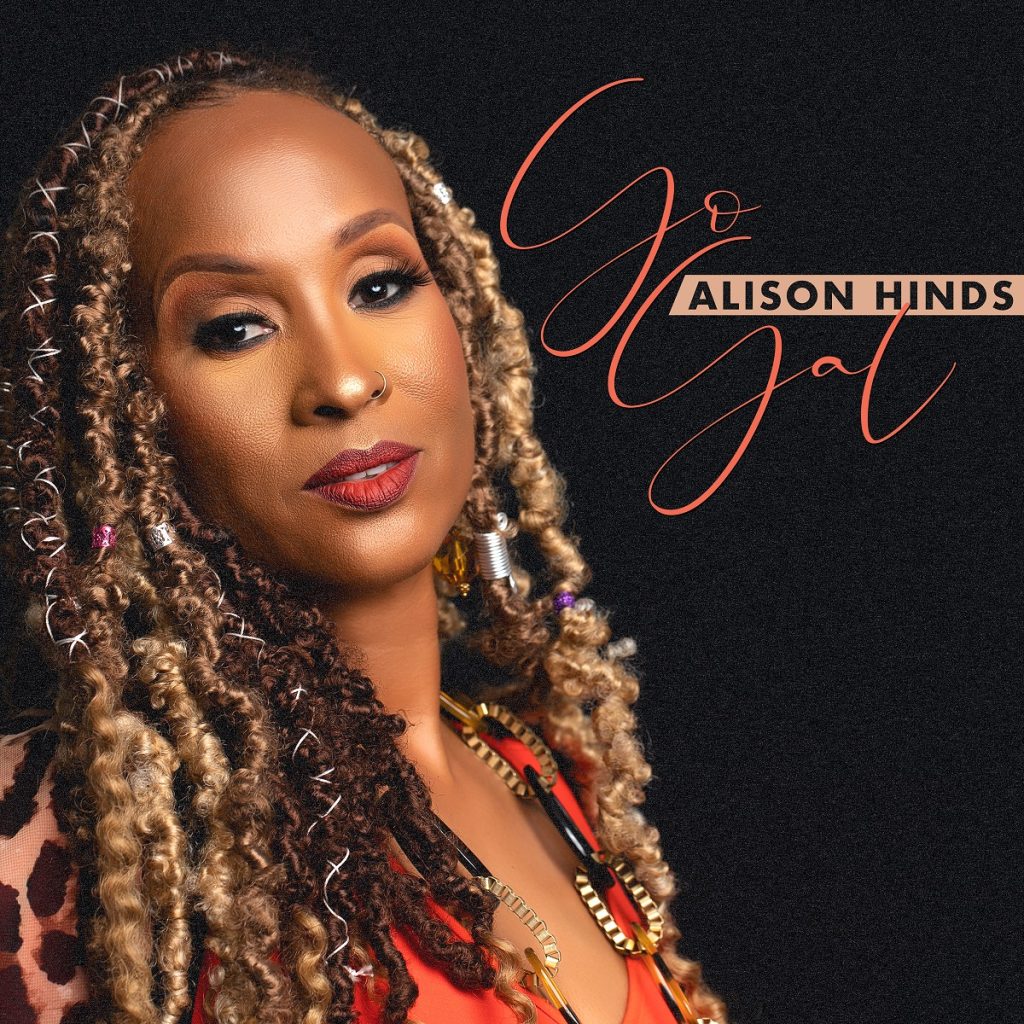
She is excited to have released a new single “Go Gal” and to be featured on the recently released Queendom Riddim, which features other artists like Patrice Roberts, Leonce, Nadia Batson, Jadel, and Adana Roberts. On other female artists, she aspires for solidarity over competition: “Let’s look at lifting each other up. Let’s look at being there for each other. As sisters.” She thinks this is especially true for women of color.

“For our black and brown girls, we need to put it out there that they are beautiful, strong and accepted as they are.”

With all of that being said, no amount of tips can ever truly prepare someone for the carnival experience, both its lighter and darker sides. Think of Hinds’ Carnival tips not as solutions to the issues that women and femmes face, but as small tools in the fight to protect all people from the harm of toxic masculinity. Hinds advises “as far as women have come, we still have more work to do. We still have more fight in us.” Make sure to follow Alison Hinds on Instagram, Twitter and check out her single “Go Gal” available now.

Queen of Soca Alison Hinds Decrees: Time For Women’s Empowerment
Photography: Devere Debonair, Instagram: @devere.debonair

5 Tips for a Successful Miami Carnival From the Queen of Soca Alison Hinds 

  1. Have a Plan: Before you go out, make sure that you and everyone in your group are on the same page. Try and have at least one person who is responsible for staying relatively sober and in contact with the rest of the group. When operating in large groups, it is likely that you may not all be together the whole time.The buddy system works really well. Make sure that all your girls are taken care of, make sure everyone knows where everyone else is, have that group chat up and active.”
  1. Dress For You: Counter to what many might say, how a person dresses is not an indication of consent. “Dress how you want. Be comfortable.” Regardless of whether you’re wearing an elaborate costume, or short-shorts and a tank top, Hinds urges “that doesn’t give anybody the right to say anything to you or to do anything to you that you do not want.“
  1. Trust Your Gut: Go ahead, dance with that cute person consensually. That doesn’t mean you can’t change your mind or slow things down. “If things start to feel weird, don’t ignore your gut. If your gut is telling you something isn’t quite right, figure out how to extricate yourself from the situation.” Part of consent is being able to communicate and change your mind with impunity. It is about your comfort and safety first and foremost.
  1. Play Responsibly: Hinds encourages carnival-goers to have fun, but don’t forget to be responsible. Enjoying your time with a drink is not illegal for those 21+, but remember that even for those that can legally consume, alcohol is still a drug. “If you realize that one of your friends has gone too far, make sure that you look after them. Make sure that they’re taken care of. If there’s no designated driver, make sure that when you call an Uber, or Lyft, or a taxi, that you make sure that everybody gets back to wherever they are staying safely.” When it comes to health and safety during the pandemic, Hinds urges taking all precautions to keep yourself and others safe. “The protocols are very, very simple. Wear a mask, sanitize and social distance.”
  1. Enjoy Yourself: For many, this carnival season is a chance to destress, relax and have fun in a time when doing so has been especially difficult. “Especially our young women coming down for Carnival, they want to come, enjoy themselves, be with the girlfriends and just hang out.” Hinds wants you to remember, “Soca is amazing, amazing music! It represents all of us, every island in the Caribbean. Please do come, enjoy yourself, have fun, but be safe and look out for each other.”

Latest