













Home Blog Page 108

The Man Behind the Brand

0
Christopher Dupuy Lakay Food 1

Writer Calibe Thompson | Photography David I. Muir

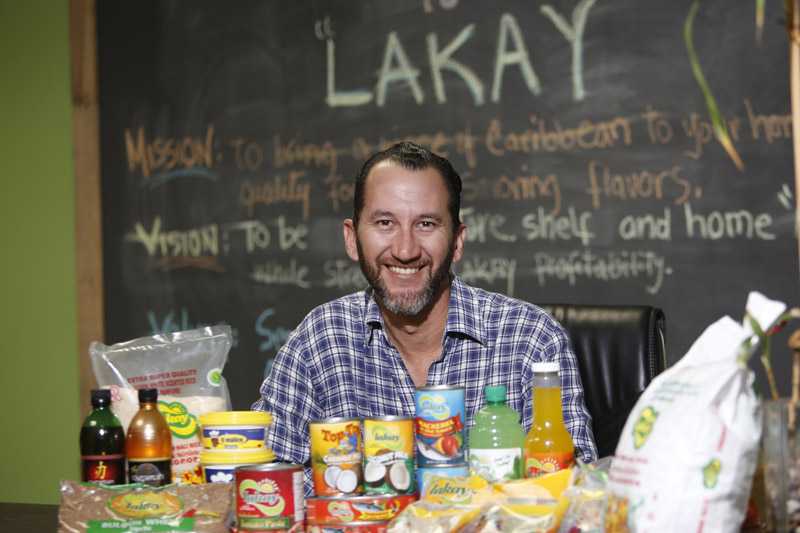
With a more than 62 percent minority population, South Florida is home to a significant number of ethnic groups. They are simultaneously united and divided into sub-communities by three dominant languages – English, Spanish, and French-Creaole. Christopher Dupuy, owner and operator of Pals Group and the Lakay Food brand, can navigate them all.

Dupuy’s Haitian Father and Salvadorian mother met in Cambridge, England, so he first learned the common tongue – English. Then, living in Haiti, he became fluent in French, Creole, and Spanish because of the family connections. Being quadrilingual is a pretty great asset when you run a business in South Florida. It opens you up to easy commerce with virtually everyone.

He started the packaged-food distribution company Pals Group Inc with friends, shortly after he moved from Haiti to Miami around 2006. Exporting to Haiti was a popular business at the time, and the group started that endeavor with cooking oil. However, Dupuy soon realized that there were no Haitian-owned companies providing food products for the Haitian community in South Florida, and right away, decided to capitalize on the opportunity. He would become THE Haitian supplier. “All the other companies are owned by Latinos, and so the focus started changing,” he shared.

Dupuy’s small team started sales in the local market with only one product: 25-pound bags of rice, a Haitian staple. He speaks with pride about how the company got off the ground. “From there, knocking on doors, I was a sales person, I was a truck driver. We had a very small warehouse. That’s how Lakay came to be.”

A few Presidente and Bravo stores were early supporters, and little by little over the first year, they built up to more stores, more sales people, and more drivers. They diversified the rice products first, offering different sizes, then about a year later, they moved into beans, sardines, and mackerel.

A Strategic Approach

Dupuy thinks strategically. For example the government’s WIC program, a supplemental nutrition plan for women and children, allows for the purchase of 16-ounce packages of beans, so he made sure to have that specific size available, giving him access to the widest possible market.

The needs of the community inform his product offerings. In the beginning, his distribution strategy was local, and was laid out by trial and error. Today, Lakay Food products are available throughout the state of Florida, with additional distribution in Georgia, New Jersey, and New York. His footprint has grown significantly because he’s taken the time to get to know his customers, both the shoppers and the stores they buy from.

Some of the other secrets to his success are:

  • Developing relationships with store managers and listening when they tell you what works for their customers. Recognizing how busy they are, and doing what you can to help them help you.
  • Creating a game plan before you even set foot into a store. Seeing what they’ve bought before and pitching a few new products each time.
  • Taking pride in your shelf space. Clean it, they notice.
  • Picking up the flyer when you walk in, and seeing what your competitors are doing.
  • Making sure to share your current promotions with the store manager.
  • Walking the stores to see where there are gaps that you can fill. When your competitors are missing, there’s an opportunity for you to add more products and capture more shelf space.
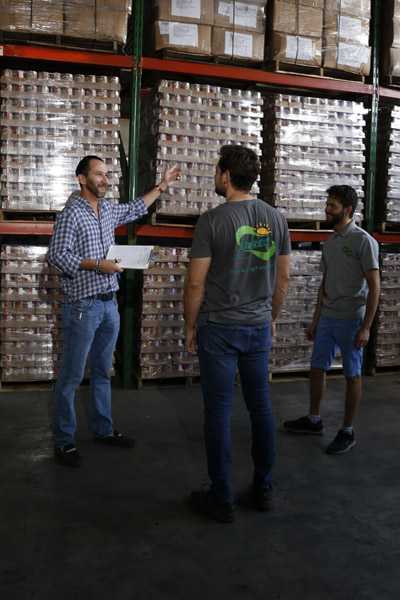
Lakay Food's Christopher Dupuy and Staff | Photo by David I. Muir
Lakay Food’s Christopher Dupuy and Staff | Photo by David I. Muir

A Grassroots Plan for Long Term Domination

His long-term goal is to reach beyond the Haitian community, but that’s his home, his grassroots, so that’s where he always starts. “I’m truly fascinated with our culture, I love our food. And who better to serve the Haitian community, or the Caribbean community, than another Haitian. I speak the language, understand the mentality, so that, in some way, has given us a big edge over competitors that have been around for many years before us. Being able to communicate with [our Haitian customers], find out exactly what their needs are. So this is still one of our focuses when we’re looking into entering new markets. I always try to look for the Haitian community, where they primarily shop, and from there I’ll start branching out. I’m trying to also diversify our products not solely for islanders or Haitians.”

As the company grows, it’s expanding to represent other Haitian brands as well. He hopes to do much more of that going forward. “I would love Lakay to eventually be the main distributor for any product coming from Haiti.”

Twelve years after he began driving his truck and knocking on doors, with only 25-pound bags of rice, Dupuy now leads a team of five sales reps, offering 60 Lakay branded products, as well as products from the other brands they represent. He maintains a group chat with his salespeople, offering daily motivations and reminders to stay sharp, but he appreciates how much they’ve taught him, too. “I have to give a lot of credit to the salespeople that we’ve had over the years. I have taken a lot of tips from all of them, all the good, so over the years it’s given a lot of polish to our strategy.”

Within the next 10 years Dupuy plans to grow into nationwide distribution, starting where the Haitian population resides, and expanding. And he’ll get there “little by little,” he says. “ Baby steps.”
Famous Foodies

0
Pit Bull
Pit Bull

Writer Shelly Ann Parkinson | Photography Supplied

Behind the crystal-beaded veil of the celebrity lifestyle, there are regular people—albeit with thousands more social media followers than we have—whose real lives we, the adoring, clamor to see.  They grant us access through their art, fashion lines, autobiographies, and through their culinary endeavors. As they look to connect on a deeper level with their fans, pursue alternative passions, and generate additional streams of income, we’re seeing an uptick in the celebrity restaurant and cookbook trend. Naturally, our Caribbean stars are also turning their fervor for food into palatable pleasures for adoring fans and general epicures alike.

Pitbull's Restaurant
Pitbull’s Restaurant

Viva La Cocina Cubana

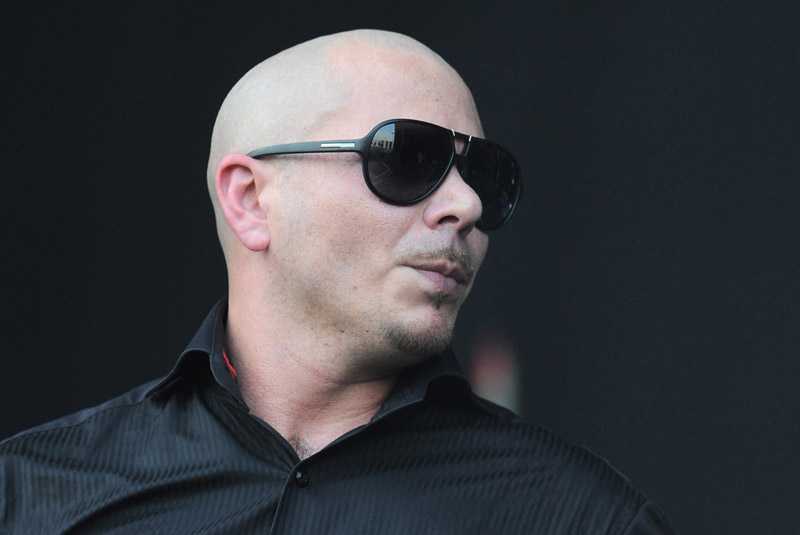
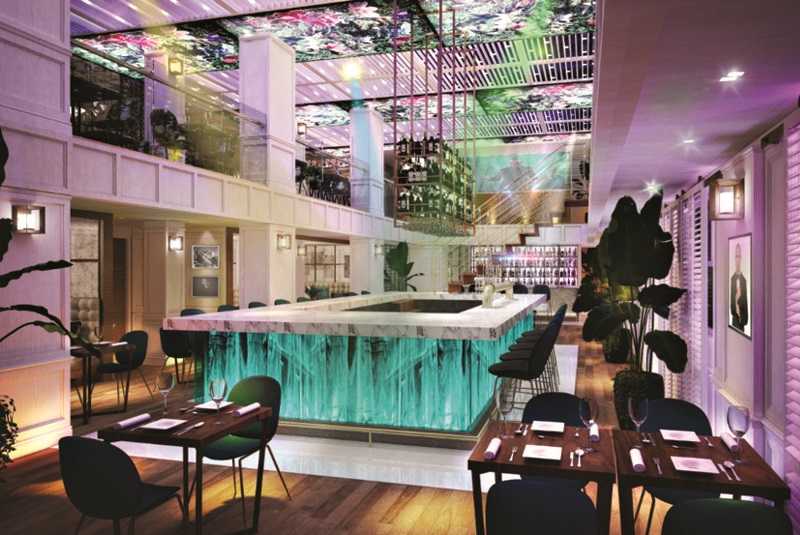
One of the newest celebs to join the restaurateur’s club is none other than Mr. 305—Pitbull, who is set to open his restaurant, iLov305, inside the Bel-Air Hotel on Ocean Drive, Miami Beach, this summer. Though he was born in Miami, Pitbull is known for paying heavy homage to his Cuban roots. His party anthems infused with hip-hop, pop, Miami bass, reggaetón, and crunk, have always been distinctly Latin, and he never lets you forget that Cuba runs through his veins.

iLov305 will serve line-caught yellowfin tuna, pork belly sliders, Cuban sandwiches and 305 burgers, all of which can be washed down with 50 kinds of mojitos. As Pitbull would say, dale!

In the ‘80s and ‘90s, before Pitbull was a household name, Cuban-born icons Gloria and Emilio Estefan, were exposing the world to a unique fusion of Latin rhythms, Miami bass, and American pop and soul. The couple took these distinct influences to the kitchen through their Miami and Orlando restaurants, Bongos Cuban Café, Larios on the Beach, and Estefan Kitchen. All their restaurants serve up hearty, traditional Cuban recipes, as well as more calorie-conscious choices. The Estefans also share their favorite recipes in their 2008 Estefan Kitchen Cookbook.

Cooking with Herb
Cooking with Herb

Ital and Herbal Marley Recipes

Ziggy and Cedella Marley, children of reggae legend Bob Marley, have become culinary ambassadors of Jamaican flavors, sharing their heavily Rastafarian-influenced, ‘ital’ (natural and salt free) diet through cookbooks and food products.

Cedella has presented 75 marijuana-infused recipes in her book Cooking With Herb, highlighting the benefits of using THC-infused canna-oil and cannabutter in traditional Jamaican recipes.

Grammy and Emmy winner, Ziggy Marley, has also written his own, Ziggy Marley and Family Cookbook, which focuses on recipes using whole, organic ingredients. In its pages, foodies can find healthy and delicious recipes such as vegetarian hash, fish soup and a decadent tofu in curry sauce.

Tia Mowry's Cookbook
Tia Mowry’s Cookbook

Bahamian Cooking Sensation

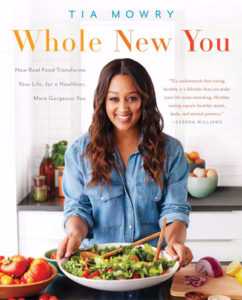
Identical twin actresses, Tia and Tamera Mowry, were born to a Bahamian mother, Darlene. Now decades away from their child-star days of ‘90s sitcom Sister, Sister, the twins have been carving out their own niches and are independently pursuing their passions. While Tamera plays co-host on The Real talk show, Tia has turned her attention to the kitchen, with her Cooking Channel reality show, Tia Mowry at Home. She has also penned a cookbook called Whole New You: How Real Food Transforms Your Life, For a Healthier, More Gorgeous You. In this book, although she doesn’t lean heavily on her Caribbean heritage, she does offer healthy, healing alternatives to family favorites. Her options, including spaghetti and turkey meatballs, lamb burgers, and zucchini fries, as well as delectable cocktails such as a chile-mango margarita, a pear-rosemary bellini, and a red wine sangria, reflect influences from around the world. Cheers!

Turn Me on to Something Delicious

If you’re ever in Kingstown, St. Vincent and the Grenadines, be sure to stop by Chill’n, Kevin Lyttle’s Caribbean eatery. Lyttle, whose 2004 Billboard chart-topping party anthem, “Turn Me On,” made him an international phenomenon, partnered with his wife Dr. Jacqueline James-Lyttle to create this restaurant, lounge, and sandwich shop.

According to Dr. James-Lyttle, Chill’n “serves as an escape from the madness of the city. That was the vision, and it feels amazing to see it realized.” She says, “Kevin and I remembered, and wanted to recreate and update a similar vibe that existed in that same spot when we were younger. [It was] the only place where you felt like you could afford its delicious menu, even on a teenager’s budget.”

Chill’n serves up freshly made patties, rotis, burgers, pizzas, wraps, and desserts, and features a salad station and signature cocktails like ‘Vincy Embassy’ and ‘Beautiful Disaster Cocktail.’

“Visitors don’t usually leave without trying our world-famous patties. Families share a large pizza with our signature sauce. In the evenings, the vibe is transformed, and cocktails such as ‘Passionate Chill’ are flowing, as professionals take a load off, just footsteps from their workplace,” adds Dr. James-Lyttle.

The Recipe for Success

0
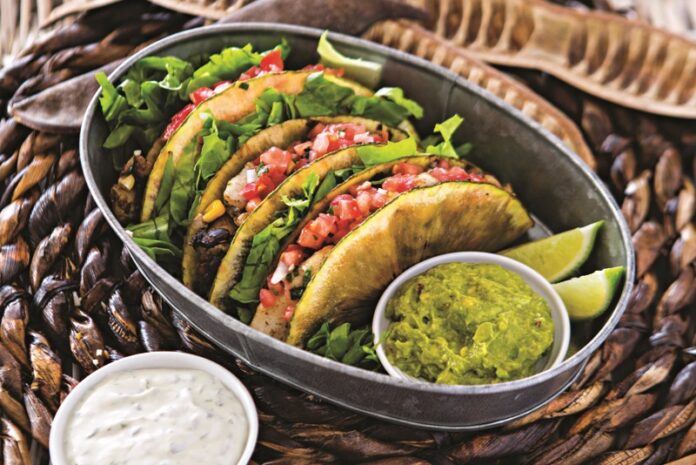
Breadfruit Tacos
Breadfruit Tacos

Writer Monique McIntosh | Photography Michael Pissari

The prospect of owning a restaurant has got to be daunting, but the excitement of it clearly outweighs the dread! That’s why every year, hopefuls enter the market armed with signature recipes and visions of palate pleasing plates and satisfied customers. But, despite the allure of the restaurant world, the reality of launching and running your own eatery is far from romantic.

For starters, about 26 percent of restaurants fail within their first year, according to research by Dr. HG Parsa, a professor at the Rosen College of Hospitality Management, University of Central Florida. Cumulatively, that number jumps to about 58 percent by year three. While a far cry from the pervasive myth that the vast majority fail within the first year, it still holds true that a restaurant business can be tough to launch, and even tougher to sustain. So, before embarking on your own edible venture, consider these tips from the teams behind some of your favorite Caribbean restaurants in South Florida.

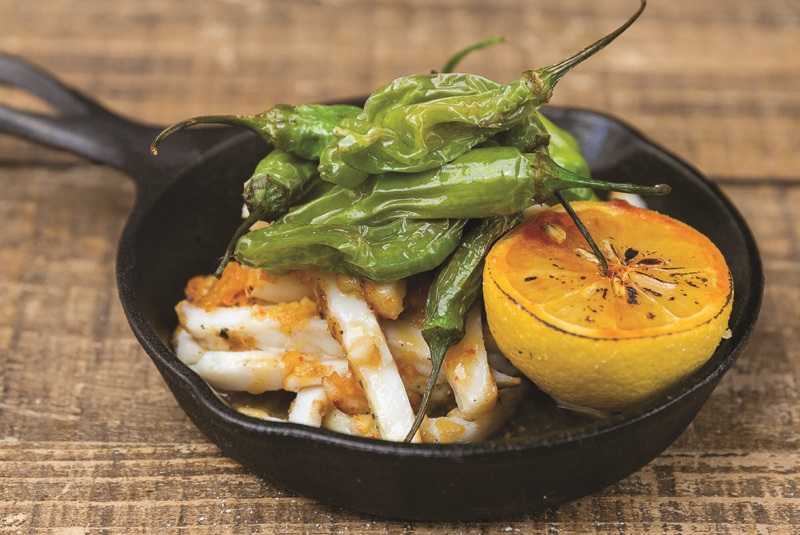
Cindy Hutson's Peppers
Cindy Hutson’s Peppers

Pay Your Dues

Having first-hand experience of a restaurant’s day-to-day toil is gold for any prospective owner. “If you want to get into the hospitality business, go work in a kitchen, and then decide if you want to get into this line of business,” advises Chef Wilkinson “Ken” Sejour, owner of the Chef Creole Seafood restaurants.

When he was launching his first location in Little Haiti in 2000, Sejour jumped into the kitchen after his cook didn’t show up one day. This was an unexpected adventure for the young entrepreneur, who initially launched the restaurant as an investment opportunity. “I never thought my role would involve understanding recipes,” recalls Sejour. The experience, however, spurred him to learn the science behind cooking, and to develop Chef Creole’s signature dishes, particularly their iconic, spicy ‘pikliz’ sauce, inspired by his Haitian and Bahamian roots.

Those early experiments allowed him “to create what I call my ‘bible’,” says Sejour—a standard operating procedure for the team “that was tailor-made for our business and brand.” He currently operates four restaurants, and is opening a fifth at Miami International Airport.

Show the Receipts

It helps to know your way around an Excel spreadsheet when you’re trying to attract investors. Focus on creating an attractive financial statement, outlining the estimated profit margins based on projected expenditures. Use industry average models to calculate, and adjust based on your restaurant’s scale (whether high-end or casual dining), your planned location, and potential patronage. And don’t be aggressive with your projections, says Delius Shirley, restaurant consultant and owner/partner of Ortanique restaurants in Miami and the Cayman Islands.

“Look into your first three to six months as a growing pattern, then aim to hopefully stabilize at a certain percentage, aiming for three to five percent growth per year.” And when you’re ready to pitch, don’t expect much support from banks. “Banks are not going to fund restaurants, period,” says Shirley, as restaurants are financially risky. Instead, “explore private investors, or go to companies that look for capital funding for you.”

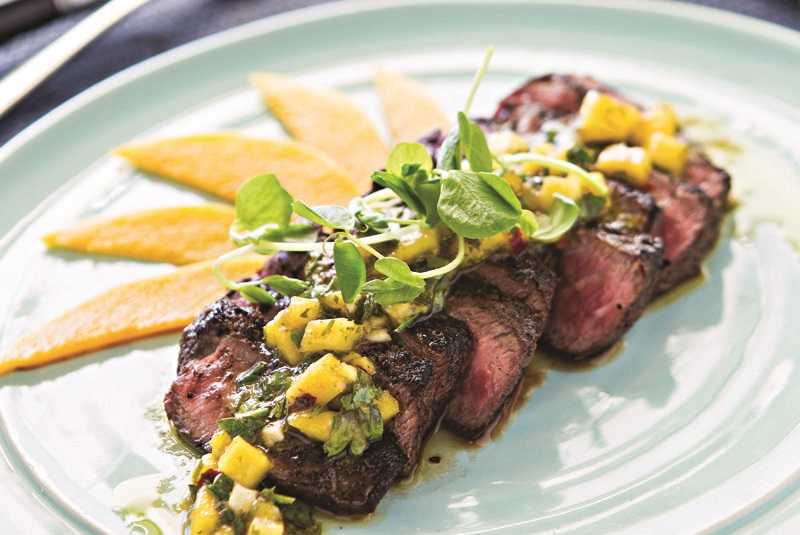
Cindy Hutson's Steak
Cindy Hutson’s Steak

Adapt to Survive

Just because you have a killer restaurant idea doesn’t mean it will succeed in your area. Instead, consider adjusting your restaurant’s format to target key markets. That’s what the popular Bahamian fast-food chain Bamboo Shack did when they opened their first stateside location in Miami Gardens in 2016.

Within a fast-food cluttered landscape, the chain opted for a fast-casual concept, integrating their signature efficiency, and offering made-to-order fried conch and cracked chicken, with a side of Kalik beer and blazing soca tunes. New dishes were also added, offering their menu staples in Chipotle-style rice bowls and wraps.

“The food is synonymous with Bahamian culture,” says VP of Marketing and Public Relations Gandhi Pinder. “But we are always searching for ways to diversify the menu and reach every palate.” It’s this flexibility that allowed the brand to expand, notes COO Gilchrist Pinder. “You have to keep up with the times. We continue to tweak our recipes to achieve a higher level of excellence.”

Invest in Talent

Diners often try to dine in when the chef is in house. However, the secret to a great restaurant is how well the kitchen and service staff operate without the chef’s supervision.

“Cultivating a team you can depend on is so important,” says Chef Cindy Hutson, fellow owner/partner of Ortanique Restaurants. “Since opening 19 years ago, we’ve kept a lot of the original staff.”

In addition to Ortanique, Hutson and Shirley also run their Zest restaurant brand, with locations in downtown Miami’s Southeast Financial Center and Negril, Jamaica. Growing both brands requires regular travel, and a reliable team to sustain their visions while they’re away. So finding the right team members proves crucial, notes Chef Hutson, who prefers quality over quantity. “Miami is so saturated with restaurants, so new hires know if they get written up, they can leave and get another job quickly. So we’re looking for the ones with real passion that can embrace our restaurant’s culture and heritage.”

Chef Ken also believes this is one of the most important ingredients for a successful restaurant. He says, “Talent is always going to be a big investment, and you should not spare cost. Get the top of the line in every department, from the general manager to the dishwasher. Therein lies your future and your profit.”

Cook, Pray, Dance

0

Writer Cynthia Verna | Photography Richard Lecoin

Cynthia “Chef Thia” Verna is a social media celebrity, award-winning chef, best-selling author, national television show host, and in her most powerful role, an advocate for survivors of sexual assault. Her rapist became the father of her beloved first child, but she’s found her way to personal redemption through spiritually, and food.

I was raped. I’m grateful to God that I don’t remember much of it, because I was drugged first. I was at my job as a cook in one of those fancy hotels in Haiti, and we were sitting by the counter. He gave me a glass of water and after that, I don’t know. I blacked out, and woke up the next day feeling weird, with blood in my underwear. I called my mom right away and told her I was pregnant.

I was about 19 at the time. They never educated us about sex in Haiti, and we didn’t talk about that with family members back then, so in my mind, it was automatic. If you have sex, you became pregnant. It turned out, I was right. I was the first one in my whole family to have a baby without being married.

It wasn’t an easy decision, whether to keep him or not. My faith in God was always strong. All my grandmother ever did was pray, so I thought, “if I have an abortion, it’s a sin.” But you have to face the family, and you have to face that people are looking at you like – she’s a slut. I was back and forth about the decision constantly. Then fear, guilt, and pain in my heart told me not to terminate the pregnancy. I guess you could say that my religion saved my son.

My mom didn’t judge me. She said whatever I was going to do was my choice. When I told my father I was pregnant, he asked if I knew who had done it to me. I told him what happened, and there was no response. I expected him to beat me or to get angry, like I was feeling. I wanted him to have a reaction, but he didn’t. I knew my father loved me, and I know Caribbean fathers don’t really express emotion. But the fact that he didn’t show any at all, it hurt me, so deeply. After my son was born, my dad wrote me a very long letter telling me how disappointed he was.

I blamed myself for the rape, for years. Many times since then, I’ve tried to take my life, but I was never able to go through with it.

Cooking, Dancing and Praying Helped Me Heal

With my son, Alexandre, just a baby, I went to work in a restaurant. I left him with a nanny while I worked, but came to believe that she was doing things to make him sick, so I left that restaurant and opened my own. I was 21 and Alexandre was about nine months old then. Opening my restaurant, Atelier Le Bamboos (Art Gallery in the Bamboo), allowed me to always have him with me and keep an eye on him.

Even before I met him, I felt like I had failed him. The bitterness didn’t start when I was raped, because I didn’t understand what had happened to me. But the older I got, the more I understood the tragedy and the magnitude of that incident, the more I would hate myself. I developed an almost crippling fear because of my own assault, and I became overprotective. I didn’t even trust Alexandre to be left alone with the man I married, the father of my first daughter, Thaïs. Lack of trust was a huge issue in our relationship, and was probably part of the reason we got divorced.

My first husband was about 17 years older than me. He became that father figure to me, and to my son. He’s the one that pushed me to go to cooking school. I had been cooking professionally since I was a child, but never went for formal schooling until he encouraged me to.

I later married a younger man and had a second, beautiful daughter, Enya. After my divorce from him, and more disappointment and heartache than anyone should have to live with, I felt that the world looked at me as a failure. I felt humiliated, again. People see me as this strong person. What many people don’t understand, is that I believe surviving the pain and struggle is what gave me the greatest strength.

It was cooking, dancing and praying that helped me heal. I would do those three things for hours at various points in my life, and would never get tired.

Cynthia "Chef Thia" Verna | Photo by Richard Lecoin
Cynthia “Chef Thia” Verna | Photo by Richard Lecoin

Cooking was like therapy for me. I would actually look at the meat and talk to myself, like I was recording myself teaching me how to cook. Cynthia was listening to Chef Thia. I separate the two in my mind. People would think I’m crazy… but I’m not crazy.

When I’m cooking, when I’m Chef Thia, I’m stronger. I feel like I’m in charge, more powerful, more confident. When I don’t have any food around me, I feel naked. That’s when Cynthia, who is really shy, comes out, and I start doubting myself. Sometimes when there are too many people around and I start getting self conscious, I offer to cook something so I can calm down.

Out of Darkness Came Light

My son is a blessing. Every time I look at him, I can see how strong I am. If I had listened to family, he wouldn’t be here. But I followed my heart. He’s 21 now, and every time I look at him I have this big joy, this big space lighting up my whole heart.

I’ve been very strict with all three of my kids. When my son was 18 and had just graduated, he asked, “Why is it that you are so hard on me?” I had told my son his father wasn’t his biological father when he was nine years old. But he never knew anything more than that.

So I told him about how he was conceived. He’s a calm kid, like an old soul, my son. His reaction was to feel pain on my behalf, you know? Like, “Wow! My mom had to go through that?” He hugged me, he cried. He told me it was okay, and that he was proud of me.

This kid is a gift from God. He’s the one who taught me to be calm, to have faith in myself, and not care what people say. He was right next to me when I called my older daughter to tell her about it too, and her reaction was, “I respect you, Mom, for being able to tell us that.”

I wouldn’t have written my autobiography, Ordeals, without Alexandre’s permission. He pushed me to do it. He’s the reason I started speaking out about rape. He said, “I think it’s a good idea for you to let mothers know that they don’t NEED to have an abortion because they were raped. It’s not that child’s fault.”

We can’t protect our kids 24/7, no matter how much we want to keep them from the bad things in this world. For my kids, all I can tell them is to be strong, to keep the faith that I planted in them, and go back to it when they need to, like I did.

It’s my wish for my children to find things that they are passionate about, and to never stop living.

Read Cynthia “Chef Thia” Verna’s entire story in her 2015 autobiography, ‘Ordeals’, available on Amazon.

A Final Thought Tropically Delish

0
Calibe
Calibe

Writer Calibe Thompson | Photography David I. Muir

I started life as a chubby kid, and I blame that on my addiction to food. It has an uncanny ability to be satisfying and crave-inducing at the same time. Where I come from, there is no quinoa or fennel or wheatgrass. Neither is there gumbo or collards or sweet potato pie. Just a freshly picked, thoroughly seasoned, tropical-themed selection of yummm.

Within the Caribbean region, with a population of less than 40 million, from island to island, different foods steal the show. Enjoy all things conch in The Bahamas, try turtle soup in the Cayman Islands, it’s pork in Cuba, and plantains in the Dominican Republic. I’d never seen a flying fish before I visited Barbados, but it’s popular enough there to be the national dish. We’ve made ackee part of our national dish in Jamaica, but they won’t even touch it in Trinidad. For them, it’s all about the curries and rotis. The list goes on.

The Caribbean is possibly the world’s truest melting pot, and the foods we all eat have the influence of our shared ancestry in every bite. Africa is in the ground provisions, fritters, and heavy puddings we enjoy. The influence held by France or Spain or Amsterdam over one region or another can be tasted in the crust of their version of meat pie (patties, empanadas, or paté), whether sauces are heavier on the tomato or citrus, or whether we’ve even heard of eggplant or parsley. The Asian countries brought us rice, breadfruit, exotic sweets like jackfruit and starfruit, and spices like turmeric.

It’s mind-boggling to me how macaroni and cheese can taste exactly the same in Chicago, Texas, and Colorado, but has distinct recipes and even different names in Jamaica, Haiti, and Barbados. If you go to Grenada, you must order rice and peas, but in The Bahamas, they only serve peas and rice. On my home island, it is made in one pot with coconut milk as a key ingredient, along with kidney beans or, if you feel like living it up a little, pigeon peas. Imagine my surprise at learning that in Haiti, it needs tomato paste and mixed seasonings to be acceptable, or realizing that in some of the Latin islands the rice and beans never actually touch each other until they’re plated. How naive and underexposed I felt!

I still refuse to cook if I don’t have to, and I’d never call myself a foodie, but creating the Taste the Islands television series has opened me up to so much I never knew about our food. Today, chefs are deconstructing traditional recipes in amazing ways. Just the other day, I tried Chef Irie’s ackee hummus and mango gazpacho. (He won’t share the recipes. You’ll have to hire him if you want to try them). At Solomon and Kuff in Harlem, they serve goat chops, and cocktails made with a base of goat fat. And there are multiple restaurant weeks and food festivals across the Caribbean region showcasing true culinary ingenuity.

If you’ve been stuck on the fennel and wheatgrass train, I suggest you take a detour. Start with Flatbush, Little Havana, or Stone Mountain, and work your way out from there. As Chef Thia would say, bon manje (eat well)!

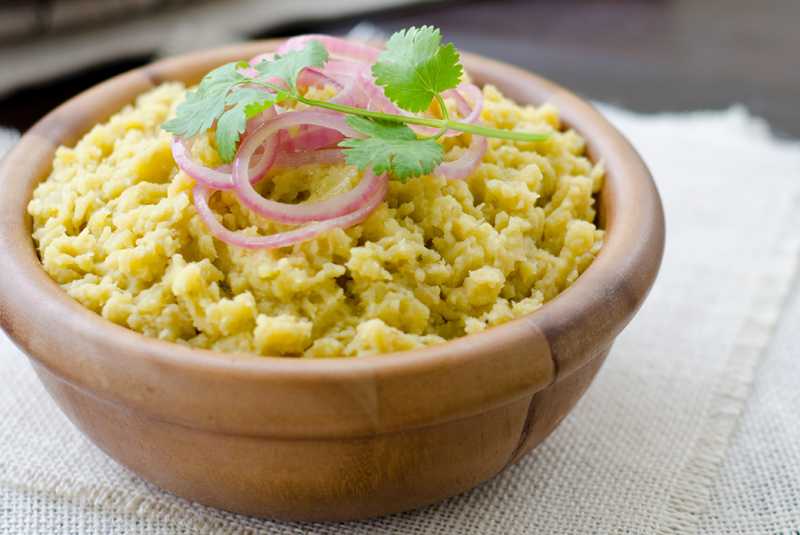
Dominican Mangu

0
Mangu
Mangu

Deliciously pureed plantain mixture topped with the onions.


INGREDIENTS

  • 3 green plantains
  • 1 qt water
  • 1/4 cup olive oil
  • 1 cup sliced, white onion
  • 1 1/2 tbsp salt
  • 1 cup sliced, anaheim peppers

INSTRUCTIONS

  1. Place the plantains and water in a saucepan. Bring to a boil, and cook 20 minutes, until plantains are tender but slightly firm. Drain, reserving 1 cup of the liquid. Cool plantains, and peel.
  2. Heat the olive oil in a skillet over medium heat, and saute the onion until tender.
  3. In a bowl, mash the plantains with the reserved liquid and salt. Transfer to a food processor, mix in the peppers, and puree. Serve the pureed plantain mixture topped with the onions.

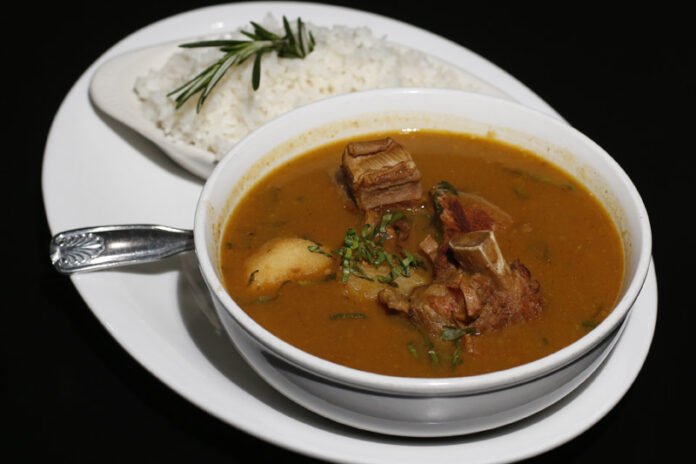
Dominican Sancocho de Siete Carnes (stew of seven meats)

0
Soncocho
Soncocho

Here is a delicious recipe for the Dominican Sancocho De Siete Carnes including beef, pork, chicken and goat meat.


INGREDIENTS

  • 1 lb stew beef (flank, chuck or round)
  • 1 lb goat meat
  • 1 lb pork sausage (longaniza)
  • 1 lb pork for stewing (belly or chump end)
  • 1 lb chicken
  • 1 lb pork ribs
  • 1 lb bones from a smoked ham
  • Juice of two limes
  • 1 tsp chopped cilantro or parsley
  • ½ tsp powdered oregano
  • 1 tbsp mashed garlic
  • 1½ tsp salt
  • 4 tbsp canola oil
  • 2.5 quarts water
  • ½ lb white yam cut into 1″ pieces
  • ½ lb calabaza squash cut into 1″ pieces
  • ½ lb malanga (coco) cut into 1″ pieces
  • 3 unripe plantains, 2 cut into 1″ pieces
  • ½ lb cassava cut into 1″ pieces
  • 2 corn cobs cut into ½” slices (optional)

INSTRUCTIONS

  1. Cut all the meat into bite-size pieces.
  2. Rinse all the meat, except for the pork sausage, with lime juice.
  3. Place all the meat, except for the pork sausage, into bowls, and season with coriander, oregano, garlic, and 1/2 teaspoon of salt, ensuring all pieces are coated with the spices.
  4. Cover and refrigerate for at least half an hour to marinate.
  5. Heat oil over medium heat in a large pot and add the beef, stirring until browned.
  6. Cover and let simmer for 10 minutes.
  7. Add a few tablespoons of water if it looks dry, to prevent burning.
  8. Add the pork and simmer for 15 minutes, adjusting water if necessary.
  9. Add the rest of the meat to the pot, except for the chicken, and simmer for 15 minutes. Keep adding water as needed.
  10. Add the chicken and simmer for 5 minutes.
  11. Add 2 quarts of water to the pot and bring to a boil.
  12. Add the yam, calabaza, malanga, and the two cut plantains.
  13. Simmer, covered, for 15 minutes.
  14. Grate the remaining plantain to make it into a pulp, and add to the pot.
  15. Add all remaining ingredients, except for the salt.
  16. Simmer until all ingredients are cooked through, adding water as it evaporates, and stirring frequently.
  17. Season with salt, to taste.
  18. Serve hot with white rice, slices of avocado, and finish with hot sauce.

NOTES

  • The meats cook for different lengths of time for maximum tenderness and flavor. Please pay attention to the order in which meat is added.

With This Ring

0
Caribbean Wedding Venues
Weddings at Jade Mountain in Saint Lucia Credit Credit Anse Chastanet and Jade Mountain

There are weddings, and then there are truly spectacular nuptials. Although getting married in the Caribbean is reliably awesome, creativity that goes beyond a sunset ceremony on the beach comes with pretty great odds that you’ll never forget your anniversary. We’ve selected some extraordinary Caribbean wedding venues for you to consider, when you’re ready to tie the knot.

Natural High in Jamaica

Head up, up, and away to Mystic Mountain where the high-octane ‘I Do at 700 Feet’ takes the cake as the most creative wedding in Ocho Rios. Catnip for adrenaline junkies, this sky high setting has couples soar through the treetops reciting their vows, as they take in the awesome vistas of the seaside rainforest. Packages include a champagne toast and island bites like jerk chicken and pumpkin pilaf. | rainforestadventure.com

At the Good Hope Estate, weddings are “irie, mon” on the lawn overlooking the Queen of Spain Valley and Cockpit Mountains. As a wedding gift for his bride Elizabeth, Colonel Thomas Williams built the elegant estate in 1755. For more traditional nuptials, Jewel Grande Montego Bay Resort and Spa is new on the northwest coast, and chockablock with wedding locales, from the Grand Ballroom to the outdoor lawns and intimate gazebos. Perks know no bounds with white linens, seaside dinners and late check-out available. For couples who like to eat local, ask the wedding planners for the Jamaican Matrimony Fruit Salad made with star apples, sweet milk, nutmeg, and almonds. | visitjamaica.com

Mystic Mountain Jamaica | Photo by Verdayne Wallace

Take the Plunge in Saint Lucia

Couples who are certified divers are making a splash at Jade Mountain, and its sister resort Anse Chastanet. The formal ceremony takes place at the water’s edge, and then to make it uber-cool, vows are repeated underwater using slates and sign language. For those who prefer to say their vows above sea level, the twin resorts offer packages that include a sunset cruise, spa treatments, and embroidered linens for the wedding night. For a more intimate ‘happy-ever-after,’ suites come with expansive views of the Piton peaks, infinity pools surrounded by flickering candles and Jacuzzis with mood lighting.  | ansechastanet.com | jademountain.com

Tie the Knot in Anguilla

For a small island, Anguilla packs a big punch with the romance crowd for Caribbean wedding venues. Island-chic Quintessence is a grand, tropical mansion, lavishly decorated with Haitian art and a life-sized chess board. All-suite with sweeping views, the property hosts majestic weddings in the yoga pavilion and fragrant gardens. | qhotelanguilla.com

A member of Small Luxury Hotels of the World, The Reef by CuisinArt is one-stop wedding shopping. It’s got honeymoon suites that guarantee sweet dreams, boho beachy ceremonies on Merrywing Bay, receptions at The Yacht Club, and poolside massages that warm up cold feet. “All the ‘bells and whistles’ newlyweds desire are right here at our five-star resort,” said Stephane Zaharia, general manager. | thereefbycuisinart.com

Lovely as party gifts, Anguilla’s Jammin’ is the catchy name for jams in a splash of flavors like Kool Kiwi and Passion Fruity.  Made in the islands first aquaponics garden, the jams are deliciously artsy with tags on the jars customized with the names of the bride and groom. | anguillasjammin.com

Nuptials in Nevis

Across the channel from St. Kitts, the green island is the go-to for Caribbean wedding venues on the beach, at elegant resorts, or at a rum shop on a country road. “Nevis is one of the most romantic places on the planet,” said Hon. Premier Mark Brantley. “Romance goes hand in glove with the slow-paced, easy living authenticity that is our hallmark, and we are delighted to welcome couples, whether to get married, renew their vows, enjoy their honeymoon, or simply fall in love all over again.”

Leading the pack of sunny swank, couples staying at the Four Seasons Resort, Nevis, tie the knot on Pinney’s Beach on the golf course, and at Cottle Church, the first church in the Caribbean where blacks and whites were allowed to worship together. | FourSeasons.com/Nevis

Marrying rustic with romance, Nisbet Plantation Beach Club’s history reads like a love story. It was the home of Fanny Nisbet who married British Navy Captain Horatio Nelson in 1787, after he visited the plantation.  Weddings are Instagram-worthy on the great lawn, and to celebrate the occasion, a coconut palm is planted in honor of the newlyweds. “Our staff is intrinsically hospitable, which means what better place to start the first chapter of married life than here, where we understand romance,” said Tim Thuell, general manager. Couples booking a seven-day stay receive a gratis wedding ceremony. | nisbetplantation.com

With just a passport or birth certificate needed to seal the deal, getting married is a breeze. “Nevis and romance are a perfect fit,” said Greg Phillip, CEO, Nevis Tourism Authority. “The combination of our natural beauty and warm energy makes it easy to see why our reputation as one of the most romantic islands is well-deserved.” | nevisisland.com

Amour in Antigua

With the hashtag #LoveAntiguaBarbuda, Antigua is on a romance roll. “We are the only country in the Caribbean with no residency requirements needed to get married,” said Colin James, CEO, Antigua and Barbuda Tourism Authority. “Our population is 90,000 people and we perform 1,200 weddings a year which is the highest per capita rate in the world, and something we’re quite proud of.” | visitantiguabarbuda.com

On the south coast, Curtain Bluff is not only the oldest of the Caribbean wedding venues on the island, it is also one of the most popular for weddings. “We host 12 weddings a month with the Bluff House, the most requested for a sunset ceremony,” wedding coordinator Wendy Eardley said with a smile. With an A-list guestbook that includes rock royalty like Sir Paul McCartney, Peter Gabriel and Eric Clapton, the all-inclusive boasts the ritziest spa on the island, (we recommend Champagne and Caviar facials for the bride and groom), and one of the largest wine cellars in the Caribbean. “I suggest Cupcake Chardonnay for the reception, and to toast the newlyweds, a sip of Louis Roederer Cristal is divine,” said George Williams, sommelier for more than three decades. A gratis June wedding is included when a junior suite is booked for seven nights. | curtainbluff.com

Global, Modern, Eclectic

0
Nicole White Home Design2

Interior Designer Nicole White Breaks Down Her Vibrant Style

Writer Monique McIntosh | Photography Jennifer Hillstead

South Florida homes couldn’t look more chic than they do in the hands of interior designer Nicole White. Infusing oodles of glamour, the Jamaican native combines sleek, contemporary lines with a fresh take on color, inspired by the Caribbean.

This self-taught designer and former journalist always nurtured a fascination for creating beautiful spaces. “I was that kid always moving around the family furniture every day,” recalls White. She  started out planning her enviable interiors as a side gig, growing her clientele base until her hobby could become something more serious.

Today, Nicole White Designs Interiors has attracted much acclaim, with features in Better Homes and Gardens, Ocean Drive, HuffPost and Apartment Therapy. She was also named one of the top 25 interior design firms by the South Florida Luxury Guide in 2016, and dubbed one of the 10 emerging designers to watch by the Black Interior Designers Network. Her popular blog, Live, Laugh, Decorate, also serves up plenty of Instagram-ready inspiration.

Interior Designer Nicole White

“You wouldn’t want to hire me to design an all-beige room,” jokes White, as she delves into her design perspective. “I can do it, but I love layering colors and textures within a contemporary aesthetic.” Though her approach embraces an international modernity, White says her tastes never wandered too far from her Caribbean origins. “I can’t hide color, because I grew up around color. The rich hues of the markets, the open ocean – they have always served as an inspiration.”

But it takes a lot more than deftly matching color swatches to create a successful, lasting design company, as White can attest. “I’ve learned to focus on the business of business, which can be so hard for creatives.” She explains that, “running your own firm is not as glamorous as what you see on HGTV. It takes a lot of hard work, good negotiation with vendors, and strong follow-through with clients, to develop meaningful relationships. And a lot of coffee too.”

The trick, White says, “is to never lose the passion for design, no matter how busy it gets, or how stressful it is. When it’s over, the results are all worth it.”


We Chatted More With the Designer About One of Her Favorite Home Projects, and the Secrets Behind Her Signature Style.

Describe this project’s style in three words.

Global, modern, eclectic.

Nicole White Home Design

What was the brief for designing this home?

We were given complete design freedom. This wasn’t an easy process, since our clients live overseas, but we paid close attention to the ideas they shared with us virtually.

Nicole White Home Design - Living Room
Nicole White Home Design – Living Room

The family’s Afghan rug in the living room is stunning! What’s the story behind it?

This rug sets the tone for this room. The owners literally went to a bazaar in Afghanistan hunting for rugs, sending us photos so we could make selections based on the dimensions we needed. We fell in love with this one and a few others, and they shipped them home for us to incorporate it in the home.

Nicole White Home Design - Bathroom
Nicole White Home Design – Bathroom

The monotone bathroom is a major departure in this colorful home. What inspired that choice?

We wanted to take their wish for a modern, global and luxurious home to the next level. The black and white, with touches of gold, definitely achieved that, and was a great way to balance the colorful choices we used elsewhere.

Nicole White Home Design - Home Office
Nicole White Home Design – Home Office

How did you reframe the old dining room as a home office?

We stumbled across the extra space under the stairway as we remodeled the downstairs guest bathroom. It felt like such a waste of room, so we decided to transform it to a home office and lounge, since there was another dining area by the kitchen. It’s definitely a custom feature that highlights the many ways you can find hidden square footage in your own home and make it as beautiful and functional as possible.

Nicole White Home Design - Bedroom
Nicole White Home Design – Bedroom

Bedrooms with dark walls are so in vogue now… but can be intimidating. How did you make this one so cozy?

We’re doing a lot of navy and black walls in design these days, but we always reached for layers of texture. This moody, faux leather wallpaper from Wall Republic was the way to do that here. We balanced it by only doing an accent wall, and cooling things down with light walls, a linen headboard, and neutral bedding.

Venture Catalyst – Pro Kitchen Hub

0
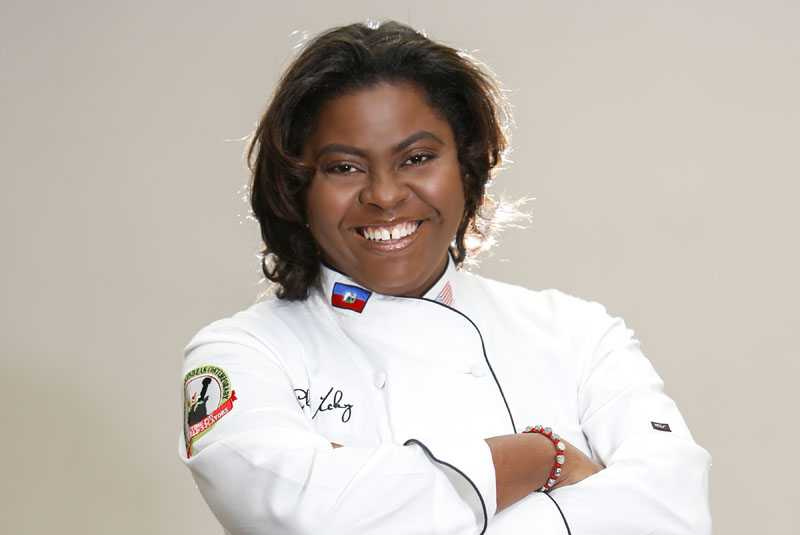
Chef Vicky
Chef Vicky

Writer Monique McIntosh | Photography David Muir

There’s often an enormous gap between a brilliant idea and a tangible enterprise. Bringing your vision for a culinary venture to reality usually means accessing investor capital, obtaining licenses and permits, renting a commercial kitchen, and marketing your product or service. Now, thanks to pro kitchen hub – a new membership rental program providing entrepreneurs access to commercial kitchen space in fort lauderdale – it’s become much easier to narrow the gap.

“We’ve created a network of culinary people,” says Haitian-born chef and Pro Kitchen Hub co-owner Vicky Colas. “We try to be a bridge for our clients, giving them access to opportunities that they couldn’t obtain on their own.”

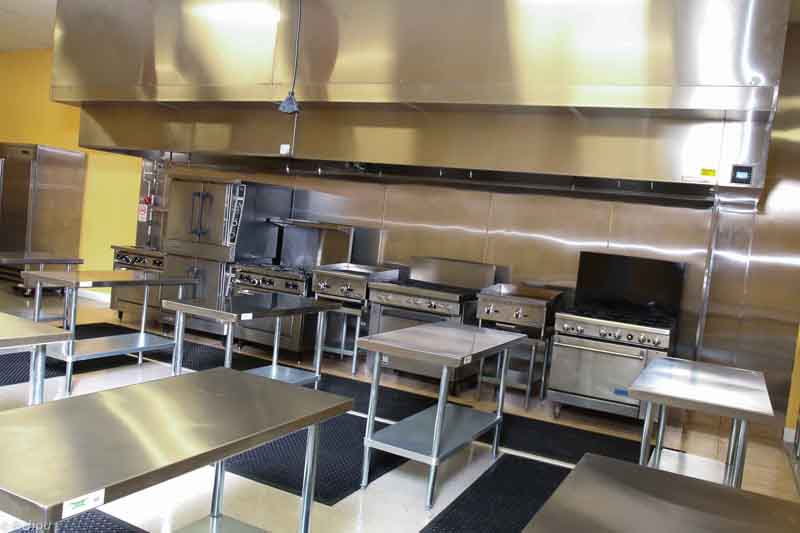
The 7400-square-foot facility is a veritable starter-kit for any gastronomic business, offering culinary and pastry kitchens, offices, cold and dry storage, and multipurpose rooms ideal for live demos and video shoots. Plus, everything is fully compliant with the required codes – an essential factor for companies applying for professional food-handling licenses and business insurance. Membership costs $24.95 an hour, for a minimum of 20 hours per month. The online portal also provides convenient scheduling for space, which is open 24/7.

Kitchen Area at Pro Kitchen Hub

But Pro Kitchen Hub is far more than just a kitchen for rent, says Colas, who launched the company with partner Tommy Gilbert. The facility provides processing support for professional licensing applications, and connects its members with other helpful companies and business programs, like the start-up program at Florida International University, with whom they partner. They also conduct workshops to guide members in strategies and best practices from brand development to food cost management.

A Le Cordon Bleu-trained chef and caterer with 15 years in the business, Colas learned first-hand how difficult it was to find rental space and professional support for new food ventures. “I created this kitchen because I needed it myself, and I knew I couldn’t be the only one,” says Colas. “This kitchen takes away a lot of the hassles most chefs go through just to open a facility. With us, all they need is a great idea and the willingness to work, to take off.”

The membership program currently has 60 companies. Many have already used Pro Kitchen Hub to launch their brands to new heights, like the popular TV personality Cynthia “Chef Thia” Verna and the “Happy Hour Chef,” A. Patrick Thezan. The Buttercreamery Sweets Boutique shot there for their television feature on Cooking Channel series, Cake Hunters. Meanwhile, Now Burger is using the facilities to gear up the supermarket launch of their vegan burgers.

Observing this progress among members is the most rewarding part of Pro Kitchen Hub, says Colas. “Seeing them grow just puts a smile on my face. It reminds us no matter what we go through to offer our services, it’s worth it. We feel blessed to be entrusted with that task.”

Latest