












Home Blog Page 112

My Life As A Gay Jamaican

1
Ghenete Wright Muir My Life as a Gay Jamaican

Writer: Ghenete Wright Muir | Photography: David I. Muir

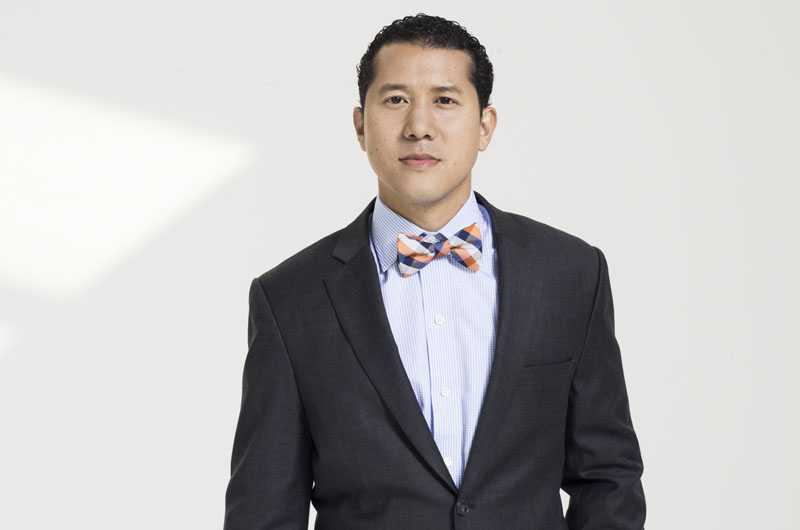
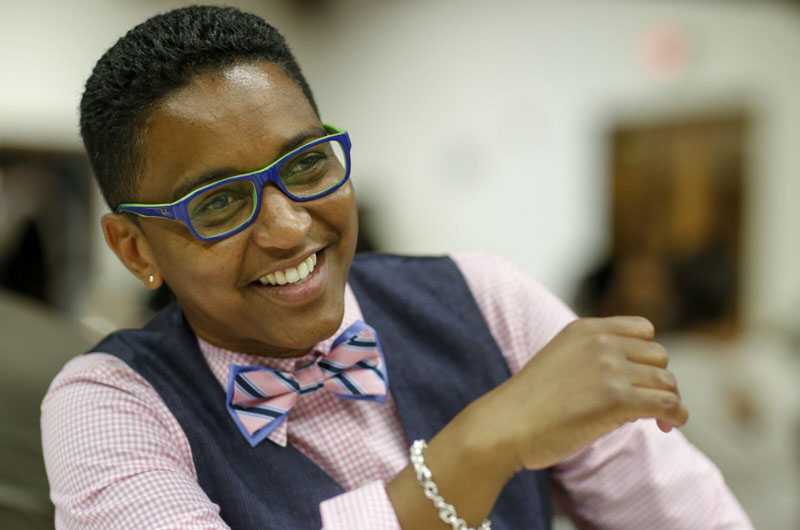
Ghenete Wright Muir is possibly South Florida’s most outspoken gay, Jamaican woman. As evidenced by her signature crew cut, button down, vest and tie, her gender identity leans masculine. In this piece she shares what it was like to transition from self loathing to self acceptance, and gain the support of her family and a growing community.

IT MAY BE hard to believe, but once upon a time I was extremely homophobic. I actually like to tease myself and say I went from a homophobe to a homosensation!

People who meet me now, often ask, “G, how could you not know? Hello! You’re so gay?” But hey, when you grow up in a culture where gay people are nearly invisible and ostracized, it’s hard to envision yourself as gay. It’s hard to be what you cannot see.

A Classic Tomboy

In terms of gender identity and expression, that was more clear to me. I was a classic tomboy, and I saw reflections of myself in my culture and the media. I apparently told my mom I didn’t want to wear dresses anymore. I was just 4 years old. She accommodated me when possible, but when we left New York City, where I was born, to live in Jamaica, I had to wear a dress to school every single day. And to top it off, I had to do ballet every single week! My mom requested that I be excused from ballet but the school refused. My boyish body begrudgingly did the plié, relevé… the whole nine, though I undoubtedly lacked the grace.

My neighborhood, however, was my saving grace. I reveled in the freedom of riding my bicycle with my dog, Hunter, galloping behind me, following my brother up the towering ackee tree, and playing football. I learned the game so well, my father advocated for me to play for my elementary school. ‘Girl a play football?’ They reluctantly allowed me to participate in practices, but I felt so unwelcome I fled the field.

Mom took me to get my first haircut at 10 years old… it was my first time presenting as a boy. I loved it! My long, thick plaits were chopped to a little afro, much to the horror of pretty much everyone I knew. Of course as a teen, I grew it back to look more feminine and attract boys, can you believe it? But seriously, I enjoyed dating boys and fell in love with my future husband David on our high school campus in Kingston.

I Joined The B****man Fi Dead Crowd

Around the same time I started to enjoy dancehall music… and much of it had strong homophobic messaging. Although my parents had taught me that there was nothing wrong with gay people, I joined the crowd and started to really feel the strong hate and homophobia. I would raise my hand with pride, gun finger in air, shouting, “Brap, brap…all ba**yman fi dead!”

I heard people using religious arguments for why it was wrong to be gay, and I adopted those arguments. Funny enough, there was little concern with any other types of “sins.” No one cared that people were committing adultery or fornicating, but everyone cared whether people were gay. With this religious condemnation and the fact that I did not see an example of a same-sex relationship during my early teenage years, It’s easy to see how I was so unaware of my sexuality.

I was elated, decades later, when Jamaican singer Diana King came out as a lesbian on Facebook. I messaged and thanked her for her courage. I was still married at the time, but was gearing up to kick down the closet door as well!

When I finally met Diana and had the opportunity to interview her, she said she did not imagine herself to be gay either. We just did not have any openly gay role models in Jamaica. So being a lesbian was beyond our imagination. We had similar experiences – a realization of being gay in adulthood followed by a journey of self-acceptance.

I began to embrace the LGBTQ community when my dear friends, twin brothers from Jamaica, came out. I had returned to live in the US as a teenager and remained homophobic even through college. But when I realized that my friends, who I loved dearly, were gay, it started to open my mind and change my heart. Then David was working in Manhattan and met many people who were gay. He would tell me how normal they were. The anger, hate and fear that consumed me, finally started to dissipate.

My Greatest Challenge Was Accepting Myself

My greatest challenge was to accept myself as a woman who loves women. I hated the thought of it. I started to have horrific panic attacks. I had to share my secret. I felt like it would, literally, kill me. I even contemplated suicide. The first time I said out loud that I was a lesbian was to David, my husband. He was stunned. I was sickened. We wept.

Let me tell you, I married the right Jamaican man. He spent the next 20 years supporting me as I grew to accept myself. In the meantime, we had a wonderful family with beautiful children, surrounded by close friends and family. I started coming out little by little to those closest to me. Mostly everyone was happy for me. My siblings were very supportive. My best friend knew, even before I did. My parents were surprised. Remember, I was still married to a man. My Mom struggled a bit with that, but eventually fully supported me.

I still struggled with living a double life. Eventually, it became too much, and I decided to come out publicly. I finally got what 4 year old me wanted — no more dresses! I started to date women openly. Freedom. And after 17 years of marriage David and I decided to go on separate paths.

It was so difficult to become openly gay in a country more accepting of the LBGTQ community, I know it’s even harder for gay people living in Jamaica. Even here in the US many Jamaicans are afraid to come out. It’s been a long, long journey for me to get to where I am today.  OMGeee! But hey, I have no regrets.

The truth is, once I recognized and accepted myself as a lesbian and later became openly gay, I evolved into an advocate for the LGBTQ community. I started “Thou Art Woman” an event celebrating LGBTQ women and allies, and I now volunteer with the Human Rights Campaign (HRC), the largest LGBT organization in the U.S. I started to blog and share my LGBT life very publicly as @verygtv on Facebook, IG, YouTube and my blogsite, www.verygtv.com, to bring more visibility to LBGT Jamaicans. And, I actually co-hosted at Montego Bay Pride this October.

I remember thinking that being gay was like a curse but it has been one of my greatest blessings. I’m part of a proud, resilient, beautiful global community – a family. I have a beautiful supportive girlfriend. My children are so well adjusted and happy for me. And I’m liberated from the judgment of society and able to live my life authentically.
A Sophisticated Trini Wine

0
Jeremy Matouk A Sophisticated Trini Wine

Writer: Jeremy Matouk | Photography: Kyle Walcott

In spite of ridiculously high duties on wine, more and more, Trinibagonians are discovering the wine experience. Compared to beer and rum, our traditional drinks of choice, decent wine is quite expensive. But we are, nonetheless, developing a fascination with variety and exploring finer options in the process.

For me, the fascination began 40 years ago while at university trying to impress my future bride, but really became a passion in my 30s and thereafter. Having tried hundreds of wines from different countries and regions I became more and more inquisitive. In 2004 I decided to take a second honeymoon and explore several of Italy’s regions—specifically Piedmont, Tuscany and Umbria. I needed to experience first-hand where the wines were from, and to learn more about the people that made them.

What I discovered was such a romantic and educational experience. I knew then I had to be part of the world of wine—either as a winery owner or wine merchant. To do either necessitated much more travel and exploration. Over the next few years I visited wine regions in Napa, Sonoma, Chile, Argentina, Spain and France, so different from the cane fields that yielded the spirits of my home. Travel and exploration have taught me that all great wine has locational identity. Wine writers call it ‘terroir’ but it is more than that. It is also about culture, cuisine and tradition.

Our multi-cultural heritage and cuisine here on the islands of Trinidad and Tobago, lend themselves very well to all sorts of wine experimentation. A personal favorite with local cuisine is White Hermitage (from the Northern Rhone Valley) with curry. It’s a culinary marriage made in heaven. All it takes is an adventurous spirit and an open mind.

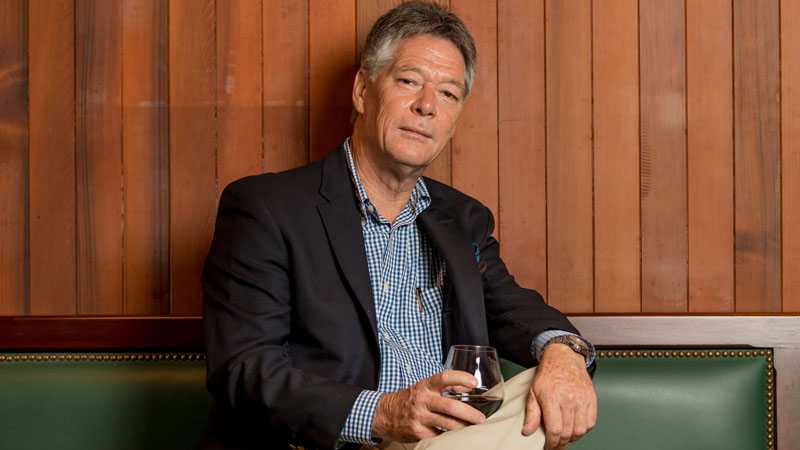
Jeremy Matouk is the managing director of National Canners Ltd (NCL), parent company of the internationally distributed Matouk’s, Mabel’s, MP and National food brands. His new company, Cru Fine Wine Merchants, is an e-commerce wine seller serving Trinidad & Tobago.

Financial Literacy in the Caribbean American Community

0
Earl Carr Financial Literacy in the Caribbean Community

Writer: Earl Carr | Photography: Jordan Hollender

One of my favorite stories is called “The Parable of the Talents.” The story describes a master who entrusts each of his three servants with a sum of money while he is away. Upon his return, the master evaluates how well each servant invested his money. If the servant showed a return on investment, that servant was rewarded with more wealth. However one of the servants made no investment, and as a result had his wealth stripped and given to the others. The message here is that it is critical to our quality of life that we reap a return on our investments of time, resources and money.

By and large, the Caribbean American community is regarded as entrepreneurial, diligent and hardworking, but are we financially literate? Unfortunately, the majority is not.

A Lack Of Financial Literacy

In 2016, according to the National Capability Study nearly two thirds of Americans were unable to calculate interest payments correctly. About a third said they wouldn’t even know where to begin. In the Caribbean community, factors like a lack of financial knowledge, bad credit, significant student loans, and excess credit use especially for “wants” and not “needs”, all undermine effective wealth building.

In order to address this issue we have to first recognize the problem. Like an alcoholic, you have to admit that you have a problem to know you must seek help.

Knowing What You Don’t Know

Becoming aware of the need for financial literacy is a great first step. Your next step could be deciding to work with a financial advisor and developing short, mid, and long term financial goals. Depending on your situation, recommendations from your advisor might include contributing to a retirement plan at work, saving to buy a house for the associated tax benefits, establishing an emergency fund, and buying insurance if starting a family.

Other steps toward better financial literacy could include reading articles and books on wealth management from wellknown authors like Dave Ramsey, who wrote the New York Times Bestseller “Financial Peace.” One of Ramsey’s suggestions is for parents to have children pay a percentage of their college tuition. This way, the college students take ownership and are more invested in the process. A popular TV show hosted by Suze Orman provides advice on how to take charge of your personal finances at all levels of your career.

Now more than ever the good news is that there is a plethora of resources to help people gain more basic knowledge on financial literacy. For example, two recently developed online games called Payback and Spent help individuals better track loan obligations.

Eyes On The Prize

Taking concrete steps to change how we think about wealth is important. But there are other critical steps and habits we need to inculcate as well. Ensuring that at an early age, children develop good habits like doing chores around the house in exchange for some type of monetary compensation, or obtaining a part time
job, helps them understand that there is no such thing as a free lunch.

I am blessed to have a wife (Johanna Pan-Carr) who consistently reinforces this with our kids.

I learned early on in life what it was like to live with limited financial resources. I was born in Panama. My father is Jamaican, my grandmother was a seamstress. I grew up in a single parent household in New York City – a one bedroom apartment in which me, my sister and mother, slept on one bed.

When I was twelve, I wanted a $320 GT Performer bicycle I had seen in a store. My mother told me that if I wanted it I needed to get a part time job. I started delivering Chinese food after school and earned a salary of $5 dollars a day plus tips. In three weeks, I had earned over $400.

I had the greatest satisfaction walking into the store with wads of one and five dollar bills, and walking out with that new GT Performer. The owner of the bike store only saw the crumpled notes in my hand, but what my mother taught me was that whether it was pouring rain or really cold outside, I had to put the work in towards fulfilling my dream!

In our community, children need to know where money comes from (work) and how they can get more of it (education). Children need to understand that money is not just for spending. It is also for saving, investing, donating etc.

Community Profiles

Let’s look at Caribbean and Chinese communities, both of which I am personally a part. A commonality is that both have had a long history of entrepreneurial creativity, especially with small businesses. In contrast, if you were to compare the economies in the Caribbean against those of China, Hong Kong and Taiwan, you would see that the Asian governments have implemented policies supporting increased investment in education, and promoting more inbound and outbound financial and industrial investment. Many countries in the Caribbean are only recently taking firm steps in that direction.

Though by and large, at a sub-cultural level in the US, Asian communities in particular tend to be more fiscally conservative, both communities place a high premium on education.

A fascinating statistic contrary to the popular belief that Asians are the highest academic achievers, is that Africans who migrate to the US have the highest educational levels out of any ethnic group in the country. According to census data, almost 40% of Nigerian Americans hold bachelor’s degrees, 17% hold master’s degrees, and 4% hold doctorates, more than any other US ethnic group. 25% of black South American immigrants are college degree holders, followed by those from the Caribbean at 20%.

Although black immigrants have similar levels of educational attainment as Americans overall, their median annual household income for in 2013 was $43,800. That’s roughly $8,000 less than the $52,000 median for American households in general, and $26,000 below that of Asian immigrants, whose median household income is $70,600.

Fundamentally changing the mindset of our community requires understanding that the best time to invest was 20 years ago. The second best time to build wealth is today. As with the “The Parable of the Talents” we all invest in something. How will you invest today?

Earl Carr is a Managing Director at Momentum Advisors, an international wealth management firm based in New York City. Momentum Advisors was featured on the front cover of Financial Planning Magazine for their October 2017 issue. Mr. Carr is also an Adjunct Professor at New York University. He can be reached at: [email protected]

South Florida’s Sticky Wicket

0
CPL Chris Gayle 0497

Writer: Carolyn Guniss | Photography: David I. Muir

South Florida-based real estate developer Krishna “Kris” Persaud dreamed that one day he would own a cricket team. In July 2017, his lifelong love of the sport along with the considerable resources he had acquired, led him to purchase Jamaica’s national team, the Tallawahs, through his company Worldwide Sports Management Group.

Ask Persaud about the game of cricket or the players, and his words quicken and excitement bubbles in his voice. An avid fan of this third most popular sport in the world since his childhood in Guyana, he believes his acquisition of the Jamaica Tallawahs is the all time largest cricket investment for an owner from the United States. Like any businessman, he wants to see a return on his investment.

A member of the fledgling Hero Caribbean Premier League, The Jamaica Tallawahs will continue to be based in Jamaica, but each season the team is scheduled to play a few games at Sabina Park on the island, and a few games at Central Broward Regional Stadium in the city of Lauderhill, Florida.

Persaud’s due diligence when making the team investment included striking a deal with Broward county, whose International Cricket Council-sanctioned stadium had rarely been used for the game. His plan for promotion would begin by building excitement and growing the cricket fan base in South Florida.

Going forward, he aims to attract an international cricket audience, a goal that requires the infrastructure to properly accommodate major television broadcasters at the facility. In his agreement with the county for long term use of the stadium, he has committed to modernizing it’s technology, and to marketing the games that will be played there to West Indian hotspots in New York, Toronto and London.

Kris Persaud and guests at the Lauderhill Sports Park
Persaud (left) and guests at the Broward Regional Stadium | Photo by David I Muir

In June, when the partnership with Worldwide Sports began, Broward Commissioner Dale Holness, one of the architects of the deal, observed, “Broward County has now stepped onto the international stage. Games will be televised back to the countries of the visiting teams, which will showcase Broward County for tourism and economic opportunities.”

Lauderhill didn’t end up with a cricket stadium that meets international regulation by chance. City mayor Richard Kaplan watched his first cricket match in 2002 at the Queen’s Park Oval in Trinidad and was instantly hooked. As the West Indies battled India, a discussion arose about Florida bidding for a Cricket World Cup. Lauderhill built the Central Broward Regional Stadium in hopes of hosting the 2007 games, but it didn’t happen and cricket never really took hold in the region – until now.

“We have a lot of work to do,” Persaud said. “My long-term goal is to build cricket in America.” Cheers to Mr Persaud for stepping up to the challenge.

Oui Shave

0
Oui Shave Article
Oui Shave Article

Writer: Ayana Critchlow | Photography: Supplied

It’s probably safe to say that shaving has never been the favorite part of any woman’s day. But just like a cute outfit can add a little joy to a grueling workout, there’s a product line working to make our morning ritual something we can all smile about.

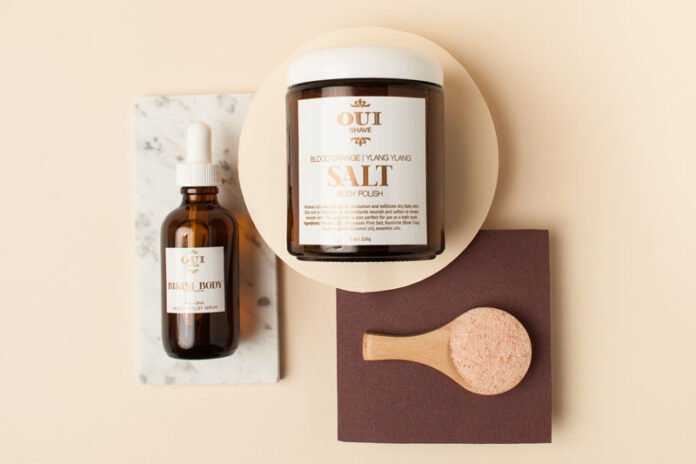
Oui Shave is a selection of timelessly styled razor housings, luxurious shaving creams and oils, and other skin maintenance products developed with the discerning woman in mind. Its founder is Karen Young, a passionate entrepreneur of Guyanese heritage, focused on women, and their hair removal and skin care needs.

Young, like many women, suffered with razor burns and ingrown hairs for much of her life. Her research proved that the packaged razors she had been using were irritating her skin, and the creams were filled with unhealthy chemicals. Coming from the beauty industry herself, she set about creating better, more natural alternatives.

She learned that a single razor skims the hair from the skin, while multiple blades lift and pull the hair resulting in ingrown follicles. She also learned that the right emollients would make the hair removal process much easier.

To satisfy our love of shiny things while putting her new knowledge to practice, Young developed lavishly designed single and double razor housings in 14 karat gold, her most popular offering of course, and in chrome. Her other products for use during and after shaving include natural oils, creams, toners and balms meant to address issues like dryness, irritation, inflammation, dulling, and the dreaded ingrown hairs (Bikini time!) The Oui Shave range is scented with essential oils like bergamot, lavender, neroli and jasmine so your skin will be soft and glowing, and you’ll smell delicious too.

Ladies, here’s to the promise of daily soft, smooth skin without waxing or harsh chemicals! Learn more at www.ouishave.com.

Black Bean Salsa

0
Chef Thias Lakay Foods Black Bean Salsa Small

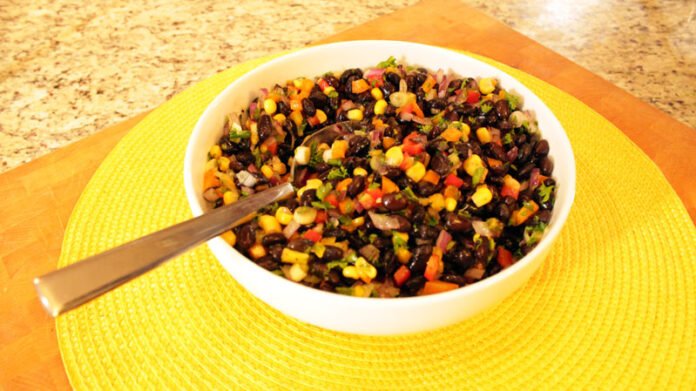
Try Chef Thia’s amazing Back Bean Salsa recipe with your favorite plantain or tortilla chips. It’s simple, refreshing, and even lasts a few days in the fridge. Lovely to enjoy chilled, you can actually enjoy this warm as well!


BLACK BEAN SALSA INGREDIENTS

  • 2 cups Lakay Black Beans, cooked
  • 1 cup Sweet Whole Kernel Corn
  • ¼ cup Red Onions
  • ¼ cup each Red, Orange and Yellow Bell Peppers
  • 2 tbsp Scallion
  • ¼ cup parsley
  • 3 tbsp Canola Oil
  • 4 capfuls Lakay Lemon Blend
  • ½ tsp Scotch Bonnet Pepper
  • ½ tsp Salt
  • ¼ tsp Black Pepper

INSTRUCTIONS

  1. Dice the bell peppers and red onions.
  2. Chop the parsley and scallions finely.
  3. Add Lakay Black Beans to a large bowl, along with remaining ingredients, including Lakay Lemon Blend.
  4. Stir to combine.
  5. Serve with tortilla or plantain chips

Try this Black Bean Salsa with Chef Thia’s Tasso de Dinde (Creole Turkey), any other protein, or as a light snack on its own.

Humble Beginnings – Dr Germaine Smith Baugh

0
Dr G 4266
Dr G 4266

Writer: Calibe Thompson | Photography: David I. Muir

Near the corner of Sistrunk Boulevard and 27th Avenue in Fort Lauderdale, Florida, sits the prominent red and white building that is home to the urban league of Broward County (ULBC). That’s where we met with president and CEO, Dr Germaine Smith Baugh. She is a community leader with confident ease.

21 YEARS AGO, bright eyed and ready to save the world, she began in direct service social work with the ULBC, coordinating a science and arts program with a group of 50 girls. In her eyes at the time, she was inspiring major change. Just over a year later, she was called into the office of the president and offered the job of VP, a position he thought was better suited for her obvious tenacity and leadership skills, and from which she, in fact, helped exponentially more people.

Since then she has led the charge in building and soliciting $9 million in financing for the construction of the ULBC’s state of the art headquarters. She has played a role in improving the lives of thousands of Broward residents, and currently controls a budget in excess of $12 million annually, used by the organization to help African-Americans gain economic self-reliance, parity, power and civil rights.

To the work she’s now involved with, young Germaine’s life was very different. As the fifth and final child of a construction worker father and a homemaker mother, her resources were limited. She recalls stories of her father working ‘off island’, away from Tortola in the Virgin Islands. He would send money to her mother, who would purchase a few concrete blocks at a time toward the construction of the family home which they built slowly, as the resources became available. From Tortola, to St Thomas in the US Virgin Islands where she was born, and then on to Florida where she has lived since she was a teenager, her family made the most of what little they had.

Though there were times so tight that her siblings and parents were split up, living with friends and family in multiple homes, she speaks with pride about never lacking in culture or education, and never going hungry. According to Dr G as she is fondly known, her parents’ determination that they could improve their family’s lives, even with their meager resources, convinced her that she, an island girl from a simple background, could some day affect lives in a positive, remarkable way.

Dr Germaine Smith Baugh - Urban League
Dr Germain Smith Baugh | Photo by David I Muir

She recalls when as newly appointed President and CEO, she sat with the board of directors, largely made up of titans of business and industry. It was early on in the Great Recession and she had a hard choice, to move forward with a plan to build a new home for the organization, or do the ‘safe’ thing and remain satisfied where they were. At a time when money was becoming more scarce and even the highly accomplished folks at the table balked at the idea of undertaking a multi-million dollar project for the non-profit, she remained determined.

“If we’re sitting around this table fearful about the economy, the people that the Urban League serves are already under the bridge,” she declared. Under her leadership, the ULBC would build a community empowerment center that would prepare their team and its clients for better times to come. The board chair offered anyone opposed to the idea an “out”. No one took it.

The 27,000 square foot building is now home to a staff of 71 that Dr G manages. Her office is filled with books on leadership advice, information which she proudly imparts on every agent who joins her team. The organization she leads helps hundreds of Broward county’s minority residents, each year, in the areas of education, jobs, health, housing and most recently, entrepreneurship. Dr Germaine Smith Baugh – wife, mother of two, daughter of the US Virgin Islands and of innovative and hardworking Caribbean parents, is a true example of where grit, smarts and a healthy dose of good old West Indian work ethic can take you in the USA.

Taste the Islands This Holiday Season

0
Aruba cashew cake for Christmas at Bucuti Tara Beach Resort Melanie Reffes

Writer: Melanie Reffes | Photography: Supplied

A multicultural melting pot and recipes treasured like family heirlooms, preparing, sharing and enjoying holiday fare in the Caribbean. Bring your appetite and dig into our delectable roundup of holiday dishes.

Aruba

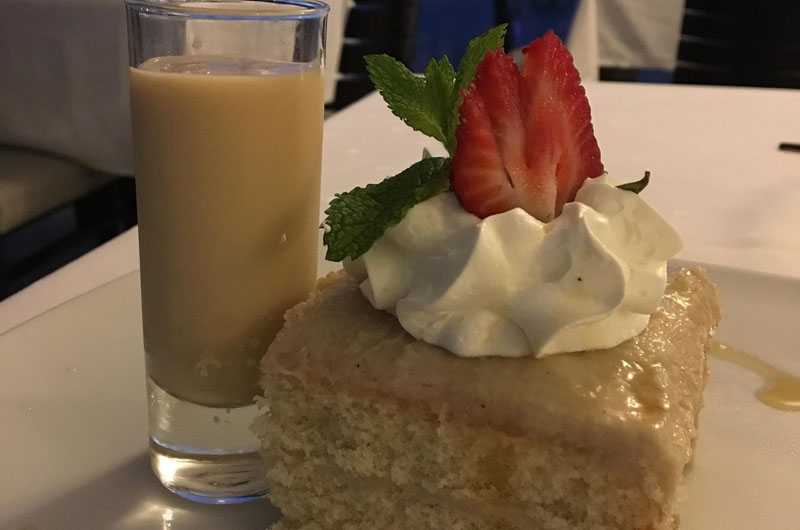
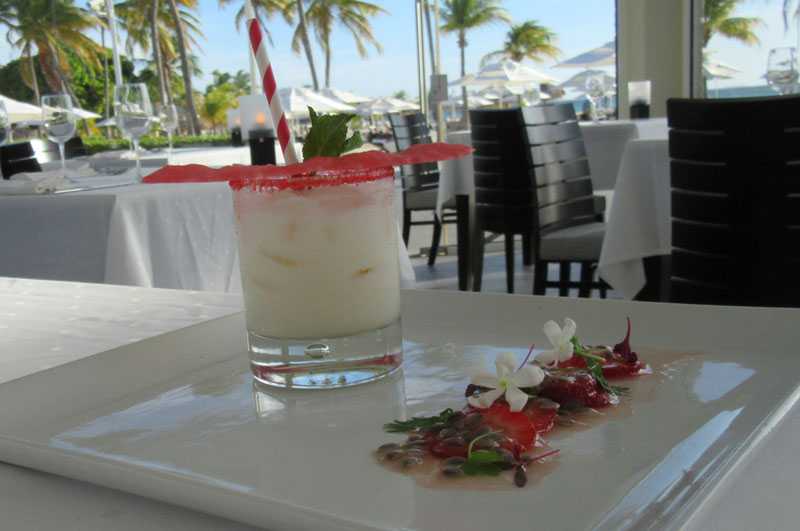
A speciality on the Dutch island, Keshi Yena is also the star attraction on Christmas menus. Baked in a Gouda cheese shell, the hearty casserole of chicken, onions, raisins and peppers is gussied up with sides of a cornmeal mash called funchi and a flat pancake called pan bati. “We serve this dish family-style because it’s perfectly share-able, “smiles Lino Van der Biezen, manager of Elements restaurant, Bucuti & Tara Beach Resort, “and for dessert, try our Christmas cashew cake with a shot of Ponche Crema, our version of eggnog.” Sweetening the pot, Bon Pasco, or Merry Christmas in the local Papiamento language, is a must-sip blend, with the island rum called Coicoei, Licor 43, vanilla ice cream and coconut cream.

www.bucuti.com

Aruba Bon Pasco Christmas cocktail at Bucuti & Tara Beach Resort Credit Melanie Reffes sm
Aruba Bon Pasco Christmas cocktail at Bucuti & Tara Beach Resort. Photo Credit: Melanie Reffes

Nevis

On the small isle across the channel from St. Kitts, holiday sips and snacks cover the bases from a traditional turkey to West Indian mainstays like the one-pot pelau made with rice, pigeon peas, chicken,
salted pig tail, pumpkin, coconut milk and herbs. Keeping the holiday theme, add a slice (or two) of the boozy rum-basted Black Cake, and a few forkfuls of, coconut rum bread pudding. At the Caribbean’s only
plantation inn on the beach, bartenders Dan Perkins and Kaddy Simmonds at the Nisbet Plantation Beach Club get creative, with their island-famous tropical tipples like the Christmas-colored ruby-red Nisbet Beach Martini, and the green melon Nevisian Sunset
splashed with vodka.

www.nisbetplantation.com

Jamaica

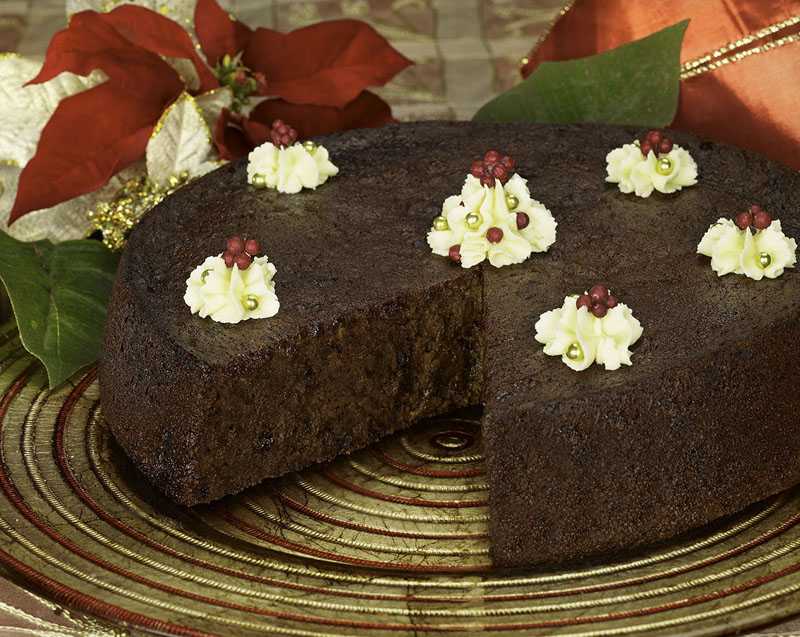
From the Grand Market on Christmas Eve to houses sparkling with ‘pepper lights’, the holidays are all about families, good cheer and downhome specialities. Kick start Christmas Day with ackee and saltfish, the Jamaican breakfast of champions made with sautéed codfish and boiled ackee that looks a lot like scrambled eggs. Move on up to Christmas dinner, often served in the late afternoon, where hefty platters of chicken, curried goat, stewed oxtail, rice and gungo peas (also called pigeon peas), plantains, dumplings and boiled green bananas do a dash of scotch bonnet pepper proud. A glass of sorrel drink made from the tart red flower that tastes a tad like a raspberry, rum-soaked fruitcake and a reggae soundtrack, morph every backyard into a holiday dance floor.

www.visitjamaica.com

Jamaica Christmas Cake - Photo Credit - Bill Moore Taste the Islands This Holiday Season
Jamaican Christmas Cake. Photo Credit: Bill Moore

Puerto Rico

Meat, eat and be merry with Spanish staples like pernil asado or roast pork shoulder with a spicy sweet drizzle, rice and pigeon peas called arroz con gandules, and for the fish lovers in the family, guisado are salt cod fritters that marry well with tostones or fried green plantains, topped with chicken or pork. Sharing the marquis, mofongo is a hefty mashed plantain mound stuffed with chicken, beef or seafood. Upping the festive ante, chefs add pork cracklings, bacon, garlic and a fruity salsa to cut the salty taste. Not for the faint-of-appetite, toast dinner with a decadently rich piña colada and a coquito made potent with white rum (we recommend Bacardi Superior), coconut cream, condensed milk and vanilla. For a sweet treat, tembleque is irresistible, made with coconut milk, sugar and cinnamon.

www.seepuertorico.com

Puerto Rican Tembleque Credit Beatriz Kury
Puerto Rican Tembleque. Photo Credit: Beatriz Kury

Trinidad & Tobago

Popular on Christmas morning, glazed ham and hops (like a hamburger bun) with a side of pepper relish called chow chow is a guaranteed crowd pleaser. Other fan favorites include tamale-like snacks called pastelles made with cornmeal that is stuffed with meat, olives and capers, and then steamed (or boiled) in banana leaves. A pretty side dish, Christmas rice flecked with raisins, peppers, ginger and thyme, is on the holiday A-list. Leading the dessert hit parade, black cake is deliciously browned with sugar and molasses, and studded with hooch-soaked raisins, prunes and currants. Keeping the spirit flowing, a peppery ginger beer with a pinch of cloves and a splash of lime fits the bill nicely.

www.visittobago.gov.tt

New Lifestyle Publication ‘Island Origins Magazine’ Connects to South Florida’s Savvy Caribbean Americans

0
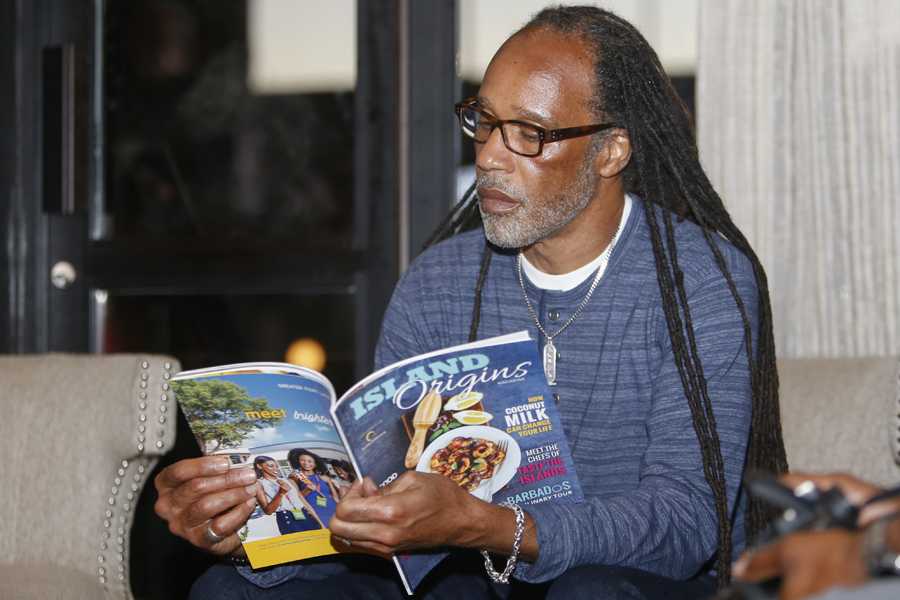
Island Origins Mag Reader Web Size

Fort Lauderdale, FL (September 15, 2017) – Island Syndicate, a South Florida media, arts and entertainment company, has officially begun production of a high-end lifestyle publication – Island Origins Magazine – designed to provide readers with the latest in things Caribbean-American, from celebrity and culture to dining and travel.​

The limited edition special summer issue featured culinary themes related to national partner program Taste the Islands. Wealth and business are the featured themes of the official premiere edition of Island Origins Magazine, scheduled for October 2017 distribution. The issue includes diverse content including inspirational business success stories, controversial hot button topics, a holiday gift guide, a listing of Caribbean cultural event happenings around the US, sports features, and artists to watch in the upcoming arts season. The magazine will reach select event venues and hotels, high end spas and salons, professional and municipal offices and other South Florida locations just before the holiday season.

“With one in four South Florida residents hailing from the islands and Caribbean popular culture becoming ever more mainstream, we believe the climate is ripe for this venture,” said Calibe Thompson, Creative Director for Island Syndicate, the magazine’s publisher.  “The new Island Origins Magazine is meant to elevate the profile of the Caribbean American community. It supports the brands that celebrate our culture by providing a thoughtful, fabulous journey through the best in our accomplishments, personalities, events, popular culture, cuisine and travel experiences.”

The Island Origins brand is already familiar to many because of the television series of the same name hosted and produced by Thompson, available on South Florida’s BECON TV, and throughout the Caribbean on the One Caribbean and CaribVision cable networks. Readers can stay connected online between quarterly publications via islandoriginsmag.com, and through the publication’s various social media platforms.

Featuring exceptional writing and universally appealing content, Island Origins Magazine is poised to become a leading resource in Caribbean American lifestyle media. Learn more at www.islandoriginsmag.com.

About Island Syndicate

Island Syndicate Inc is an arts, media and event company that produces unforgettable experiences and exceptional content inspired by the Caribbean.

Hurricane Preparedness Tips You Need to Know NOW

0
Tips for Hurricane Preparedness

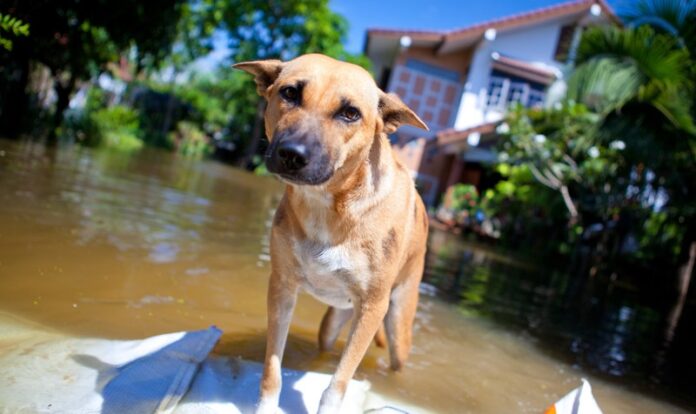
In the wake of Hurricane Harvey, and with Irma on the way, we’ve found a few hurricane preparedness tips for those in the path of the storm. (Thanks to WhatsApp for finally posting something useful!):

Hurricane Preparedness Tips

1. Start running your ice makers now and bagging the ice in freezer bags. Fill as much space in between your freezer items as you can.

2. Freeze regular tap water for pets, cleaning or drinking, in tupperware-type containers. REMEMBER to leave a small bit of space between the top of the water & the lids so the ice expands but doesn’t crack the container.

3. Start using up your perishables to make more room for ice in the freezer.

4. Fill up all vehicles & check tires & oil.

5. Get cash from the ATM, at least enough to get you through tolls and gas out of town. Call your bank if you plan on leaving the state so they don’t freeze your card for out-of-area “suspicious” transactions.

6. Screenshot all your important documents & send to your email or upload to Google Drive. Take originals in sealed bags or plastic bins.

7. Grab your pet & livestock food & supplies. Get vet records too, in case you need to shelter them at a storm-safe facility.

8. Once you’ve figured out your evacuation plans, share with family members so they know where you’re headed.

9. Consider putting heirlooms & photos in plastic bins in a high place, second floor, or safe room if you don’t plan on taking them with you.

10. SECURE ALL FIREARMS & AMMUNITION PROPERLY.

11. Tightly push old rags & beach towels into your windowsills. Even with the best windows & shutters, water seeping from the wind pressure happens. A few damp towels is better than soaked drywall or floors!

12. Shutter windows and doors and bring everything outside into your garage or house NOW. Do not wait until the day before. Better to get done early and be prepared for last minute fixed than wait until its too late. ESPECIALLY IF YOU ARE MANDATORY PERSONNEL (hospital employee or first responder).

13. If you don’t already have your hurricane supplies, get them now. Shelves are already empty in most places.

If someone you know needs a heads up, please hit share on this article!

Latest