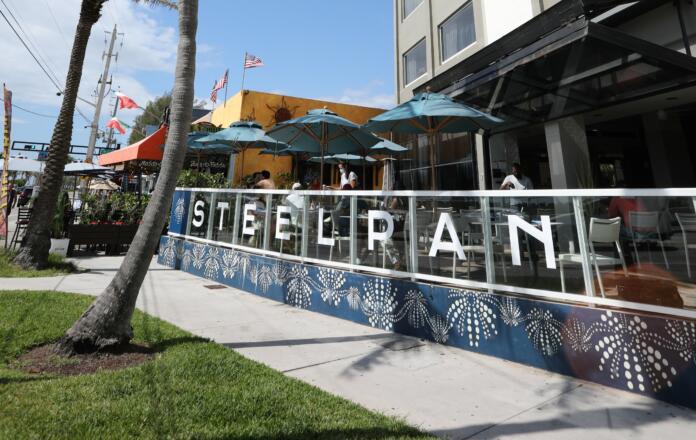
Steelpan Kitchen & Bar is a Caribbean fusion restaurant specializing in Caribbean-American fusion cuisine. Located inside the Sonesta Fort Lauderdale Beach Hotel, Steelpan is open all day for breakfast, lunch and dinner, with a menu that offers items influenced by the diverse Caribbean cultures represented in South Florida. Sitting across from the beach, listening to Caribbean music while enjoying cocktails and awaiting island-inspired cuisine is a fantastic way to start any day.
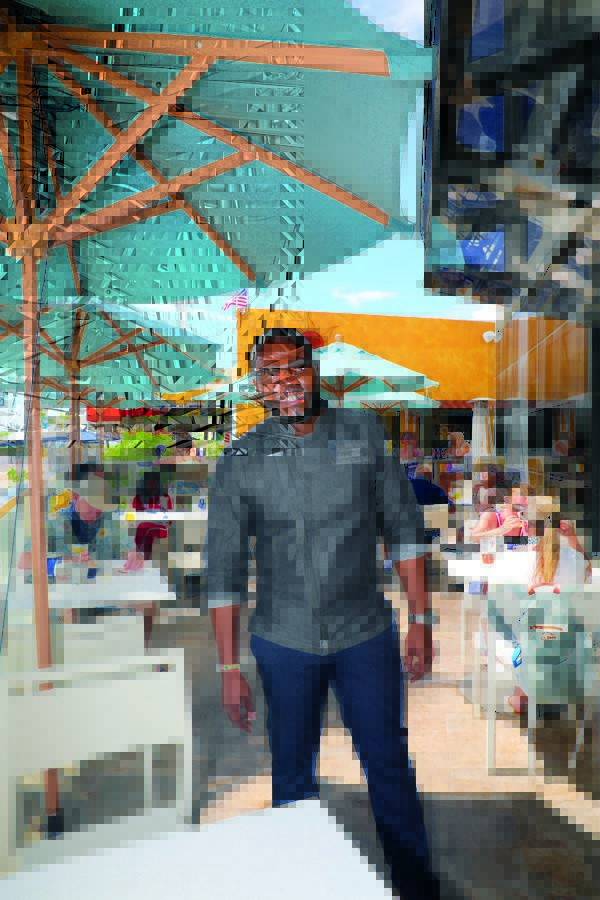
While the menu boasts items such as “Beach Bowls,” “Playful Plates,” “Seaside Delights” and “Surfside Favorites,” I tried Chef Kevin Baker’s breakfast recommendations of steak & eggs, tropical pancakes and island French toast.
Steak and Eggs
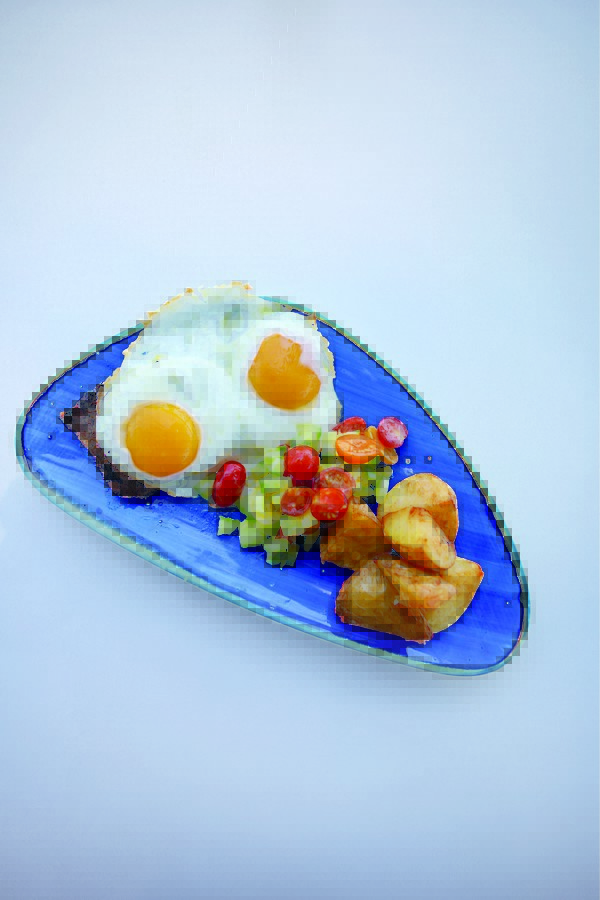
Steelpan’s steak & eggs dish features thinly cut skirt steak, two eggs sunny side up, poblano crema with tomato and cucumber salad, and “smashed potatoes,” which remain firm, kept in their skin and well-seasoned.
Photo: David I. Muir
Tropical Pancakes
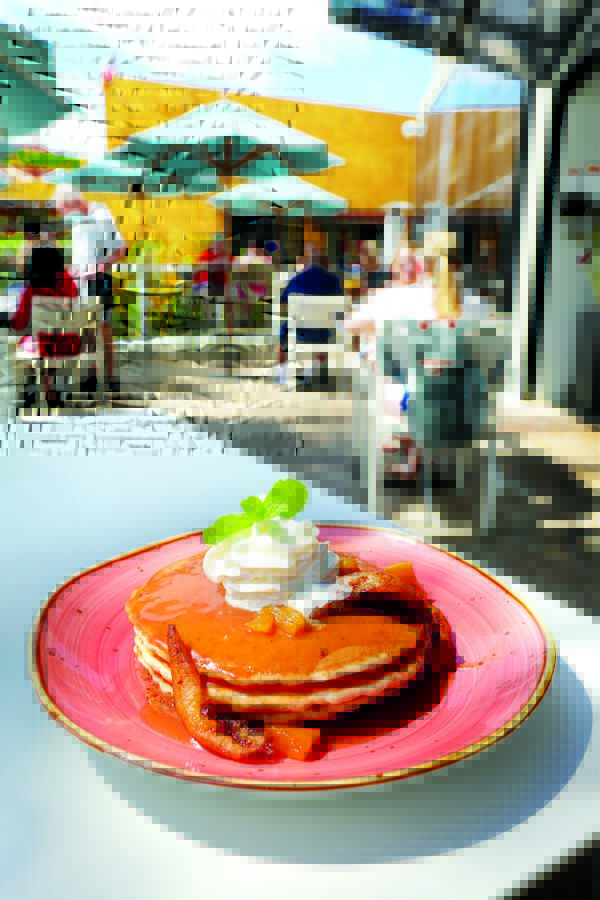
The “tropical pancakes are a triple-layered, fluffy, moist and decadent pancake stack covered with pineapple-banana brûlée and plantains. The stack is topped off with sweet and creamy Captain Morgan cinnamon glaze.
Photo: David I. Muir
Photo: David I. Muir
Island French Toast
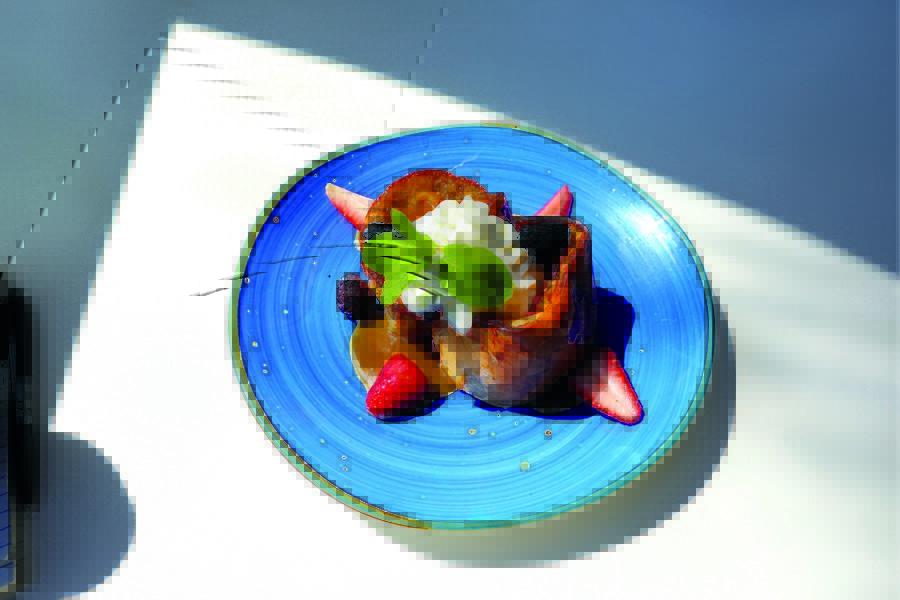
Steelpan’s island French toast isn’t ordinary in any way. Closer in size to a loaf than to a traditional piece of bread, each slice is stuffed with warm, sweet guava filling, cream cheese, plus cinnamon dust and tart, seasonal berries. Lastly, the dish is topped off with whipped cream and fresh mint. The breakfast items have all proven to be visually appealing and equally enjoyable.
Photo: David I. Muir
Baked Snapper
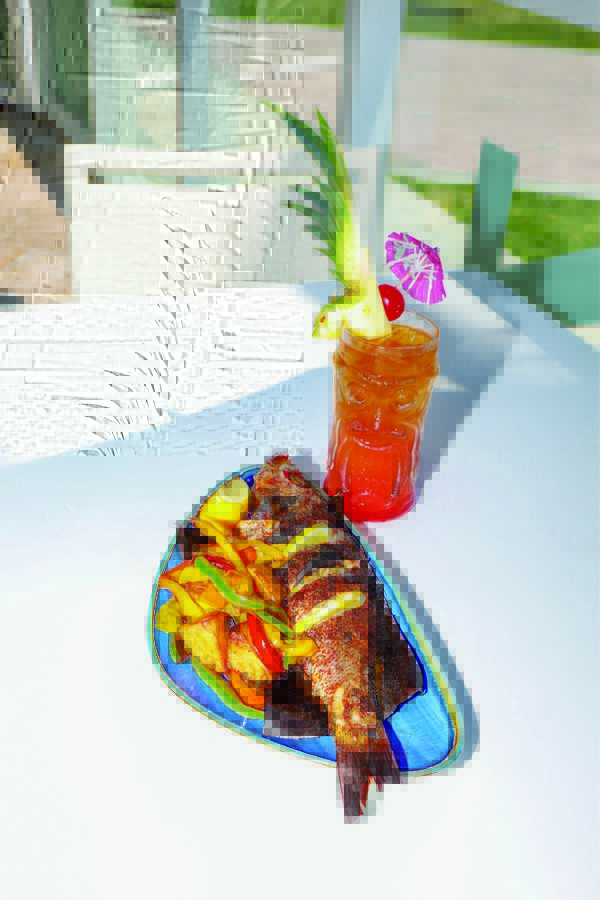
On their lunch menu is another of their signature dishes, the whole baked snapper, which consists of the entire fish deboned and placed atop a banana leaf wrap. The fish, delightfully infused with lemon, is fresh, buttery and flavorful. The plate is served with grilled slices of lemon and quick pickled vegetables, including a sautéed medley of green, yellow and red peppers and sliced carrots. It has a hint of heat from pepperoncini and the roasted potatoes with Caribbean seasoning.
Returning to Steelpan to go through their lunch and dinner menu options — which also include ceviche, chowder, jerk options, shrimp, dumplings and their desserts such as the Pineapple Upside Down Cake — is mandatory. The chef’s creations are truly outstanding.
Taking the baton, a new generation is building on the legacy of Black Caribbean activism in the United States.
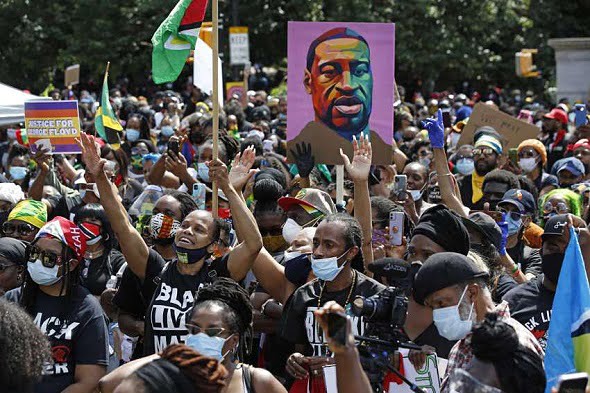
There are always certain galvanizing points in history ― cataclysmic moments that forever separate the time before from the time after. For many in 2020, the murder of George Floyd at the hands of police was one such pivotal moment in time. The event sparked an unprecedented social reckoning with racial inequity. And for many contemporary Caribbean-American activists, the moment also prompted them to examine their own role in the pursuit of justice for the Black community in America.
Black Caribbean leaders have long been an intrinsic part of the struggle for Black empowerment and liberation in this country. Figures like Trinidad-born Black Power leader Kwame Ture, Caribbean-American politician Shirley Chisholm, and Jamaican political activist Marcus Garvey were at the forefront of the fight for racial justice in this country.
Following their example, how is the next generation of Black Caribbean American activism responding to the same unresolved issues? And how are they carrying the emotional burden of this responsibility? Exploring the way forward, we spoke to Caribbean-American activists as they reflected on this moment, how they face challenges similar to those of their forebears and how they chose to respond to their legacy.
Rickford Burke
Photo courtesy of Caribbean Guyana Institute for Democracy
Rickford Burke is no stranger to protesting for a worthy cause. As a prominent community activist, law consultant and president of the Caribbean Guyana Institute For Democracy (CGID), the Guyanese native has long advocated for the improvement of key issues affecting the Caribbean-American community in New York, including gentrification and police brutality.
Yet, in the aftermath of George Floyd’s murder, Burke wondered whether he too should march in the streets for justice. “I knew that we had to do something, but I was a bit skeptical because it was in the middle of the pandemic,” he explained. Something clicked for him while watching footage of the protest in Minnesota. “I saw a Jamaican flag. I said ‘Wow, they have Caribbean Americans all the way out there on the front lines fighting for justice.’ New York City is the capital of the Caribbean immigrant population in the United States. We have to show up too.”
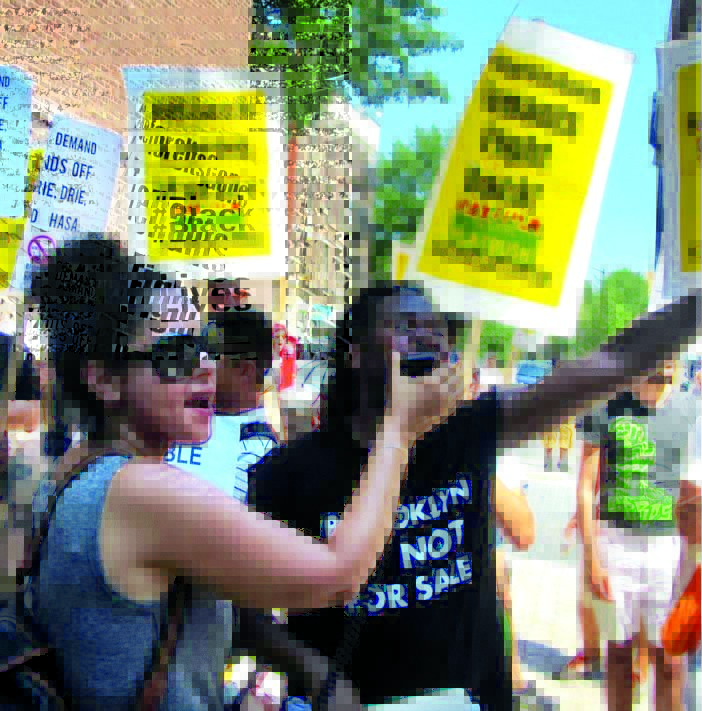
Thus was born the Caribbean Americans For Justice march, held last June in Brooklyn. Organized by CGID in collaboration with other local advocacy groups, the rally provided a way for the Caribbean-American community in New York to declare solidarity with racial justice protests held around the world.
Photos Courtesy of Caribbean Americans for Justice Rally
The event struck a chord, as Burke reported that staging had thousands in attendance and received nationwide coverage. But beyond the placards and newsreels, Burke knows the fight for lasting change happens away from the camera. The march sought to pressure local policymakers “to guarantee police accountability, justice for victims of police brutality and other abuses, as well as reverse inequities that plague African Americans and other minorities,” Burke explains.
Though the rally is gone, the CGID continues its efforts, hosting community seminars and other events meant to raise awareness about police violence and other related concerns. Through these events, they remain committed “to teaching young people the law, and how to react to police abuses,” said Burke.
François Alexandre
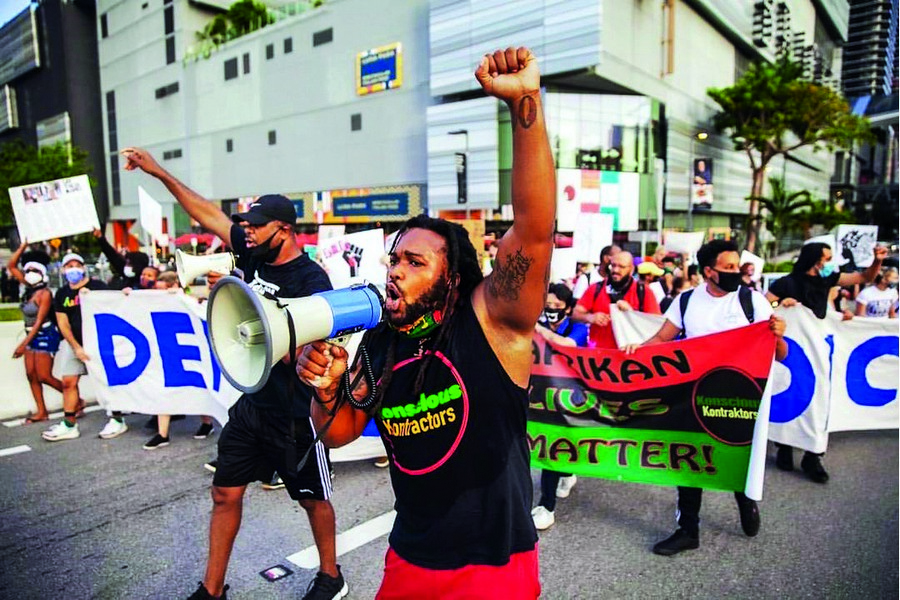
Ayisyen-American (Haitian-American) François Alexandre knows firsthand the brutality of police violence against the Black community following one horrific night in Miami. In 2013, he was heading home, celebrating along the way with the joyful crowd that gathered on the streets after the Miami Heat won the NBA championship. But chaos ensued when police started pushing people, slamming Alexandre to the ground. Five officers piled on top of him, beating him and breaking his eye socket.
Photo courtesy of Jamile Reid
The surveillance video of his assault, like so many other such encounters, has reemerged online following the murder of George Floyd. Seeing the renewed urgency his case and others have received feels both bittersweet and necessary for Alexandre. “George Floyd shouldn’t have had to die for us to make a change,” he said. “But he brought light to my story. He helped me heal.”
This experience has only strengthened his resolve in activism. For him, the heart of many of these issues, including police brutality, lies in Black communities not feeling secure in their own neighborhoods. These areas are often over-policed instead of receiving civic investment ― only getting attention when they are being gentrified by other wealthier groups.
This push for civic investment is the driving force behind his organization, Konscious Kontractors, which provides landscaping and renovation services for local Black communities. He first started the group in 2017 following Hurricane Irma, helping neighborhoods that weren’t receiving enough resources for post-storm recovery. But the group continued their work “out of a necessity to fight climate gentrification, to bring beautification, and bring consciousness to the community,” Alexandre explained. Through this work, he has also been involved in organizing street cleanings, food drives, the construction of community gardens, art initiatives and many other projects aimed at uplifting his community. He hopes to continue this work as a candidate for Commissioner District 5 with the City of Miami. It’s an area with a large Black Caribbean population, especially those from his native Ayiti.
Like his predecessors, Alexandre sees justice for the Black community as a legacy issue ― one that must be carried through generations. “The future belongs to the children, and the children will be solving a lot of the problems that we face now, problems that we’ve made for them.” But, Alexandre hopes, “if I lay the first brick, someone will lay the next one.”
Equality for Flatbush
Courtesy of Equality for Flatbush (E4F)
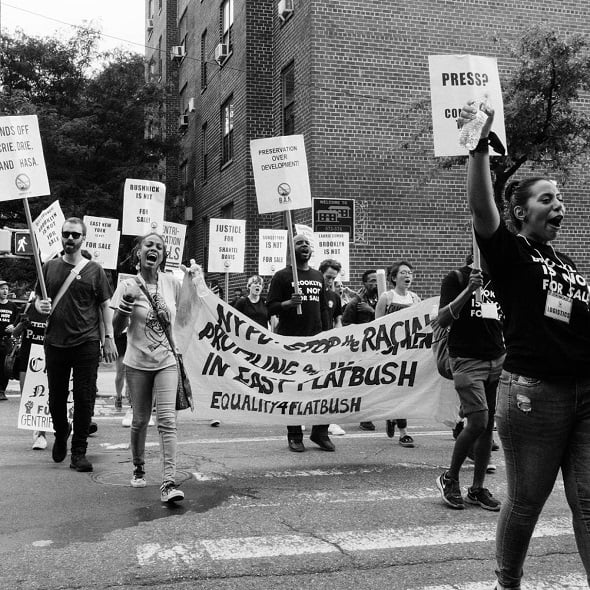
Long a Black Caribbean enclave, the Brooklyn neighborhood of Flatbush in New York has seen its share of police harassment. But for founder of Equality for Flatbush, Imani Henry, poor policing is just a symptom of a bigger problem. Beginning in 2013 as a Black Lives Matter group, the organization “focused on tenant harassment and police violence happening in the Flatbush community,” Henry explains. “[But] we really saw and put together the connection with gentrification, displacement, and police violence and how the police are used against our communities Brooklyn-wide.”
Since its inception, the organization has broadened its campaign, tackling police accountability, affordable housing and gentrification. Their work has grown to have an impact on the larger Brooklyn community, expanding outside of Flatbush. The group’s base is also majority Black Caribbean women migrants.
For Henry, a 30-year veteran in grassroots campaigning, Equality for Flatbush became a powerful way to channel his own frustrations about gentrification and displacement in Brooklyn. “As an activist, I can be angry, and hurt, and feel all kinds of ways about these places changing, or I can do something about it,” he said.
Courtesy of Equality for Flatbush (E4F)
In the aftermath of George Floyd’s death, the organization also provided a younger generation with meaningful ways to bring purpose to their heartbreak by engaging in community activism. This proved true for Equality for Flatbush’s director of administration, Kasslyn Pompey. Like many of her peers, she was jolted into action following the events of 2020. “We haven’t really progressed as we would have imagined,” says Pompey. “Although there are steps and strides, there is still so much to be done for us to come to a place of tranquility as Caribbean people and Black people.”
While Pompey speaks, Elgin Elias nods her head in agreement. As a homeowner leader at Equality for Flatbush and longtime resident of Bedford-Stuyvesant, she has seen firsthand the slow and limited progress. She herself experienced its effects when her building was damaged due to poor construction practices at a neighboring site during a gentrification project. Despite the difficulty, age and wisdom give her faith in continuing the struggle. “We [Caribbean Americans] have to be united,” she urges. “Until then, we will not make any strides. I long to see the day where we can see that.”
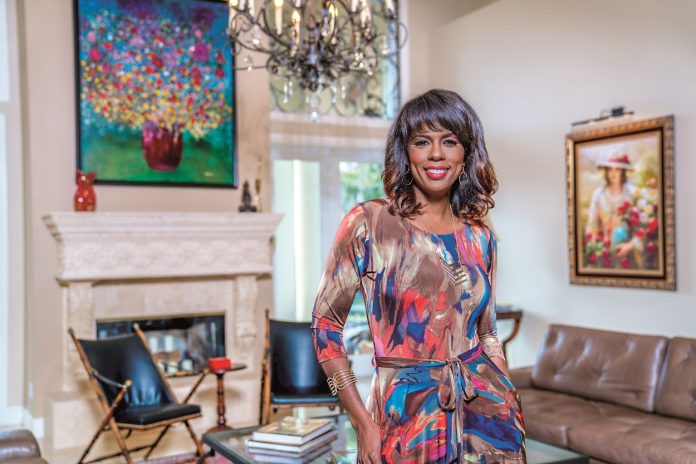
Interior decorator Bridget King has been honing her design skills for years, first as a hobby, helping her husband flip homes by styling the interiors for open houses. But when buyers started purchasing them fully furnished, the Jamaican-American knew she had something special. Her side hustle turned into a passion, and then into her own company, Captiva Design.
After 17 years in the industry, she’s mastered designs that reflect how people want to live in their homes. Even for properties that need to be staged to appeal to the broadest spectrum of clients, she’s unafraid to make bolder strokes that capture the imagination. “You’ll see a lot of white in my portfolio for staging, but then I always add a pop of color,” explains King. The South Florida resident pulls color cues from the vibrant coastal environment. “I love nature,” says the designer. “I love colors that are soothing like the ocean, so you’ll see a lot of blues, teals and calming colors in my work.”
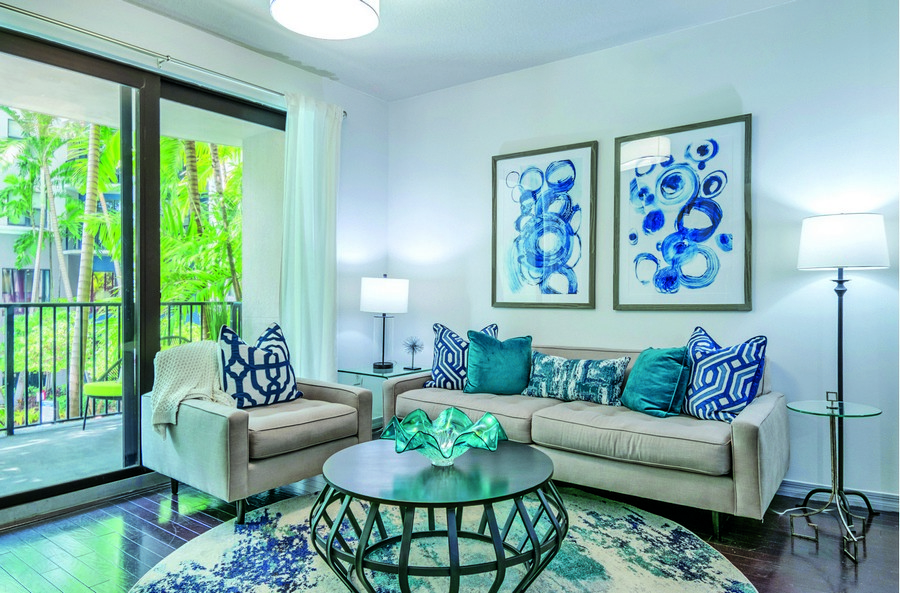
In this modern, white-box apartment, King was asked to stage a model unit representing the Aviah Flagler Village complex in Fort Lauderdale. The result is a luxurious space that combines clean, contemporary design with an eclectic coastal flair.
Living Room
Courtesy of Rosie Mendoza Photography
First step to make a rental feel like home? Start with the rooms you will likely spend the most time in. In the living room, King composed a sleeker interpretation of the coastal interior style, building on a neutral color palette. Breaking up the base of creamy whites, she pulled in shades of ocean blue as the secondary note with artful Captiva Island throw pillows, water-themed paintings and an abstract rug.
The designer notes that this fresh take is more reflective of the way people embrace resort-inspired living today. “This style has become more modern, as opposed to the more British Caribbean look,” she explains. “If you go to all the new hotels, the influence is very clean lines with pops of color.”
Dining Room
Courtesy of Rosie Mendoza Photography
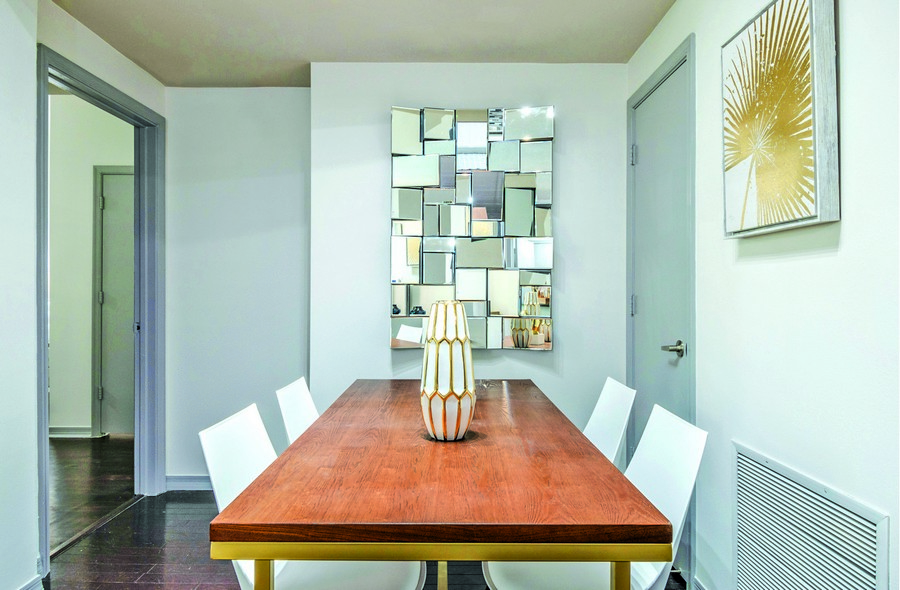
In the dining room, a Z Gallerie mirror mimicking shattered glass hangs on the back wall opposite the table. “I just wanted to make the space feel a little different,” King says. Not only does this funky piece help bring character and individuality to the room, but the mismatched glass also gives the illusion of a bigger space, an important selling point for apartments.
Kitchen
Courtesy of Rosie Mendoza Photography
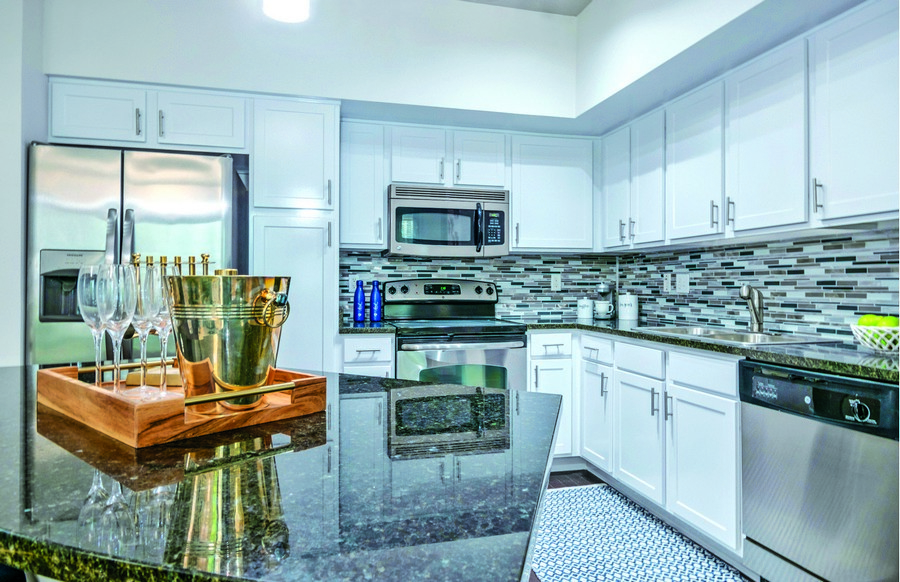
The kitchen design is essential to make a rental feel like home. In the fully outfitted kitchen, King had to preserve the original millwork and countertops. She executed a dramatic transformation with small changes, like installing a new tile backsplash and painting the existing cabinets white to help brighten the space. She also replaced the hardware on the cabinet doors. The results are proof positive that a major style shift is possible for those limited by time and budget. “You’d be surprised how just doing a few things can upgrade your kitchen,” says King.
Outdoor Patio
A beautiful outdoor patio connected to the main living space offers additional seating overlooking the complex’s pool. The coastal theme is represented through the use of blue and lime green throw pillows and airy plants, creating the look of a Caribbean oasis.
Bedroom
Courtesy of Rosie Mendoza Photography
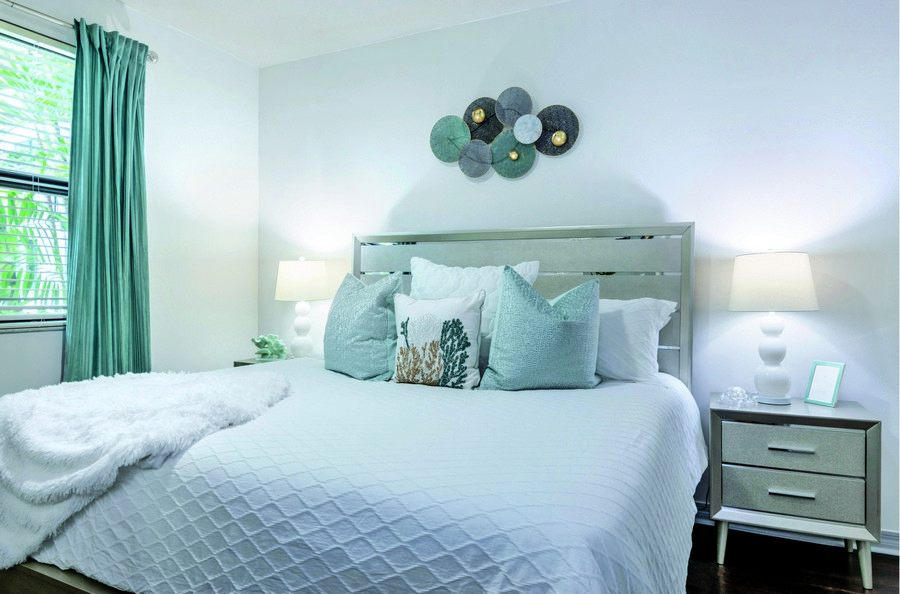
There is a serene atmosphere in the master bedroom. “I like light, calm and soothing bedrooms,” says King. To create this effect, the designer paired a light-colored set from Rana Furniture with playful pieces like an art deco-style chair in the corner. Other accessories like abstract water paintings, coral embroidered pillows and textured wall art offer a nod to the home’s coastal motif.
Each year, the Caribbean plays host to a seemingly endless array of dynamic celebrations highlighting the uniquely vibrant character of our islands. History, literature, storytelling, agriculture, filmmaking, rum, music, dance, sailing, cuisine and more are all part of the fun, ensuring that there’s Caribbean festivals to suit most every interest. Here are five prime examples of Caribbean art festivals that deserve their own recognition.
Emancipation Month in Martinique
Steve Bennett/UncommonCaribbean.com
Festivals and special events marking the freeing of enslaved Africans in the West Indies are undoubtedly among the most highly anticipated annual celebrations throughout our islands. All Caribbean countries set aside a specific day for emancipation festivities. In Martinique, though, that celebration lasts the entire month of May. Visitors arriving in Martinique can expect to find small-scale festivals, solemn commemorations and events being held in villages all throughout the Island of Flowers at any time of the month.
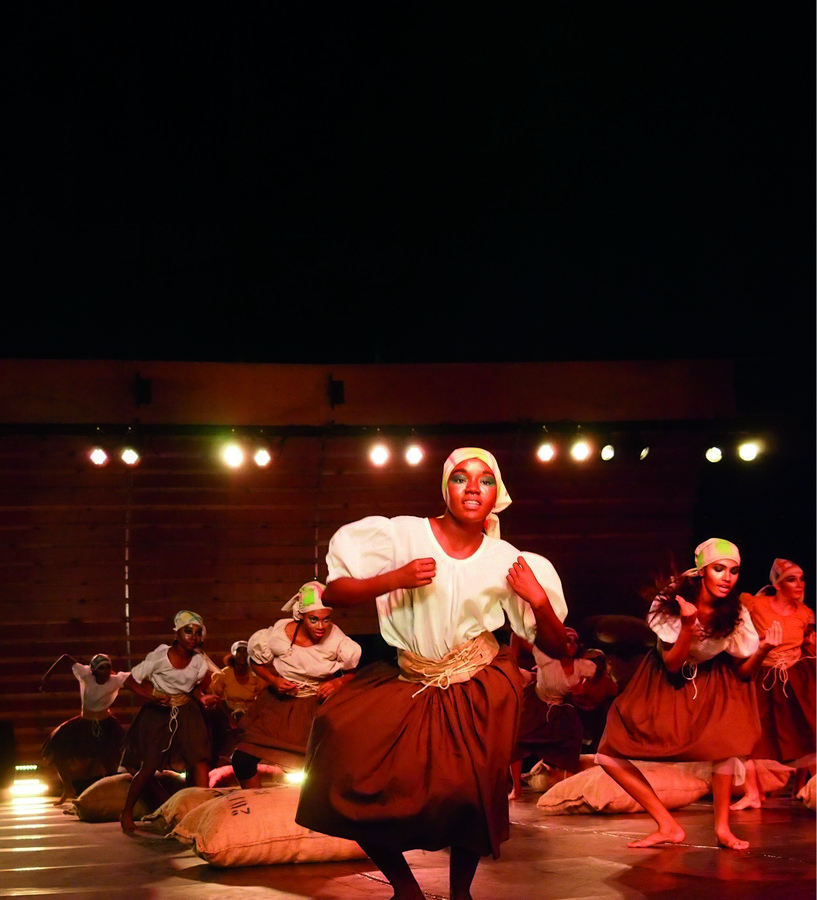
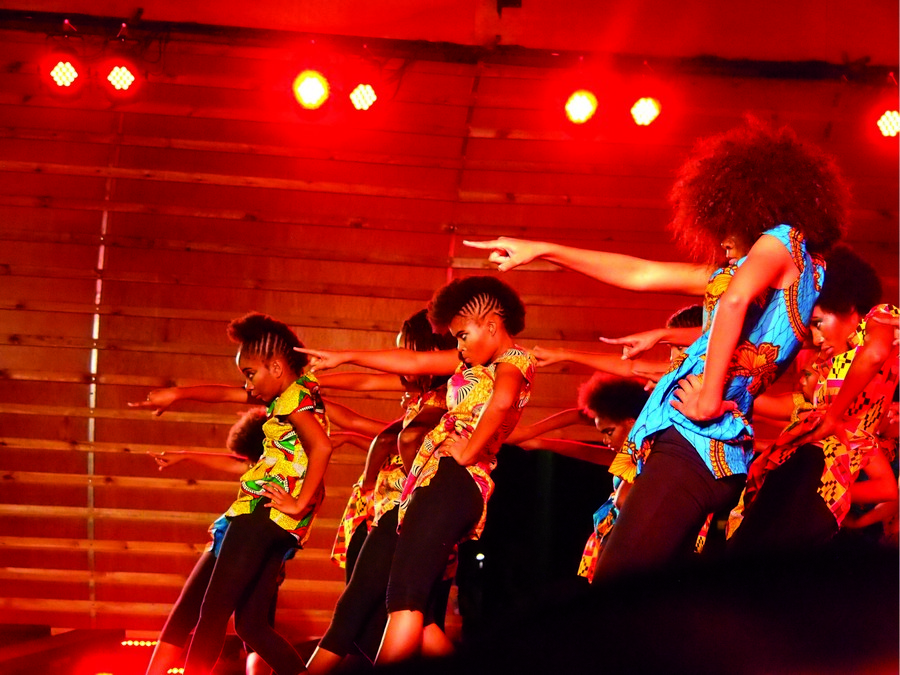
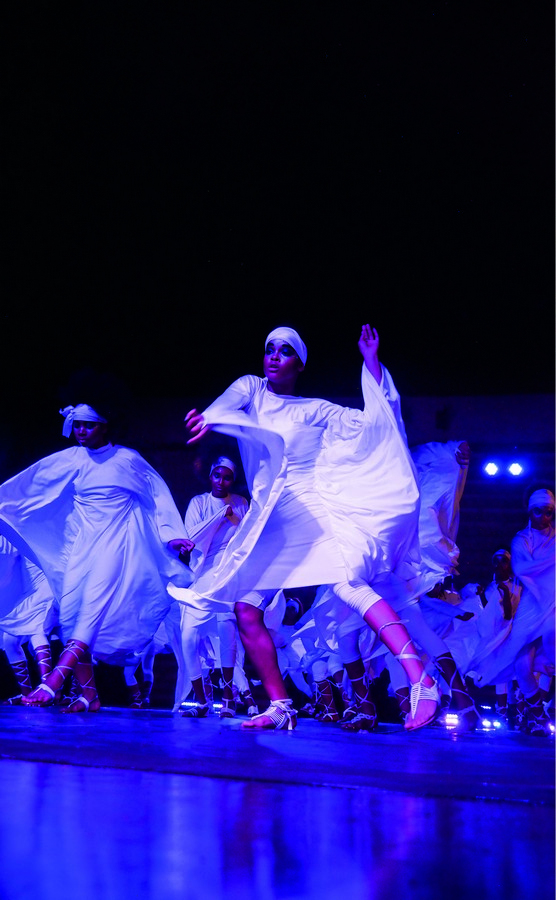
The biggest show, though, is reserved for May 22 — Emancipation Day. On this day, in La Savane (Martinique’s answer to Central Park) located in the heart of Fort-de-France, a moving, artistic stage show is held under the stars. Thousands crowd into the park for a series of interpretive dance performances tracing the arc of the island’s history.
The genocide of the indigenous Amerindian people at the hands of Europeans, the Triangle Trade and the forced movement of African people to the region, the abject horrors of slavery, the euphoria over emancipation, the extended horror of indentured servitude, and the challenges still facing Afro-Caribbean Martinicans today – all of it is artfully portrayed in a powerful display by local performers and volunteers intent on making sure that the past is never forgotten.
Belize International Film Festival
Courtesy of Javier Molina
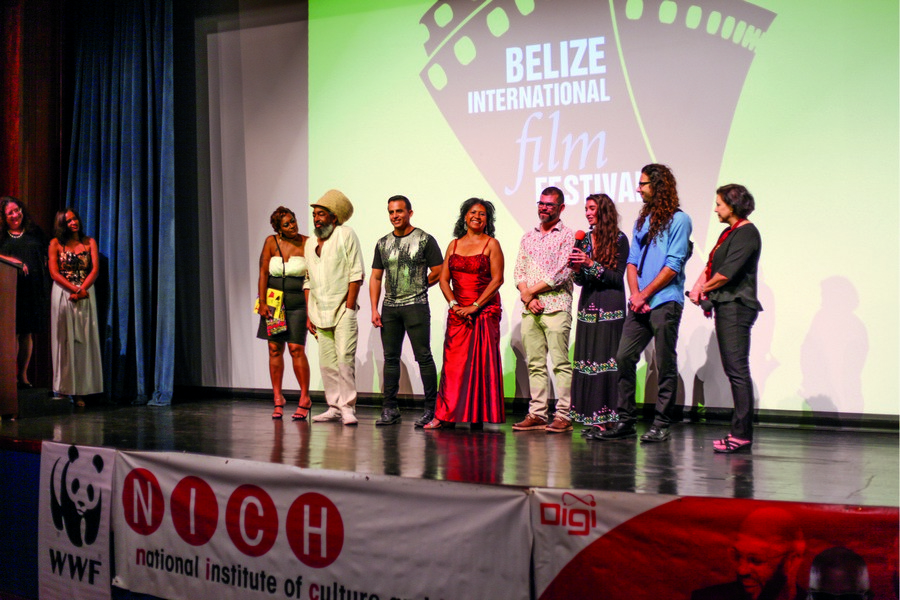
As parang and reggaeton seamlessly blend the influences of Latin- and Afro-Caribbean music, the Belize International Film Festival does much the same for the region’s contributions to the big screen. Held each November (usually in Belize City), the festival brings together top filmmakers, animators, documentarians, movie buffs and other cinema industry creatives as well as executives from the Caribbean, Latin America and elsewhere around the world.
Unlike most film festivals that are high on the glam, the Belize International Film Festival showcases films focused heavily on the contemporary social issues and challenges facing our region. To be sure, this is a film festival with soul.
Music festivals always make for a great time, and many of the region’s best-known events are marketed as “jazz fests” — the better (so organizers believe) to appeal to tourists.
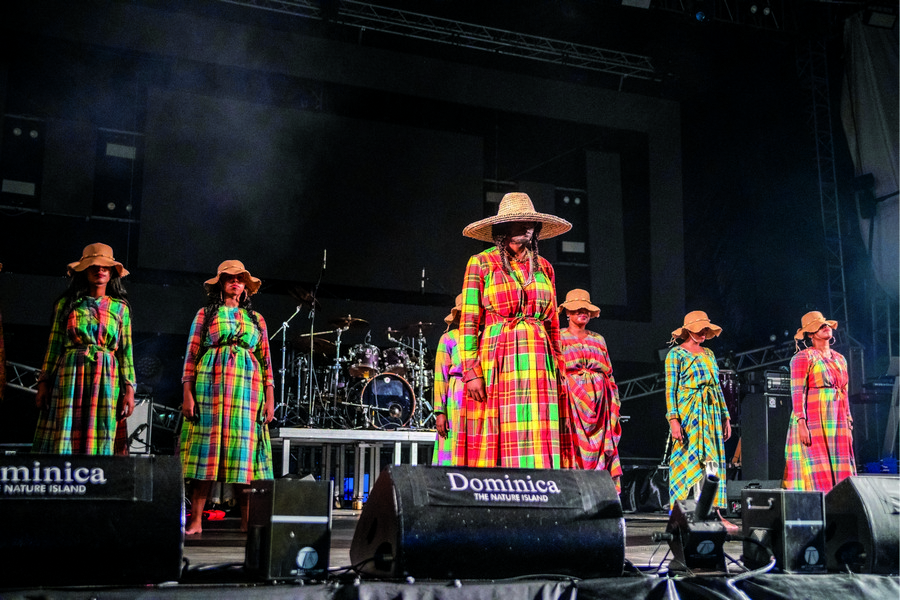
Dominica’s World Creole Music Festival, though, is different. It is unabashedly all about homegrown West Indian music.
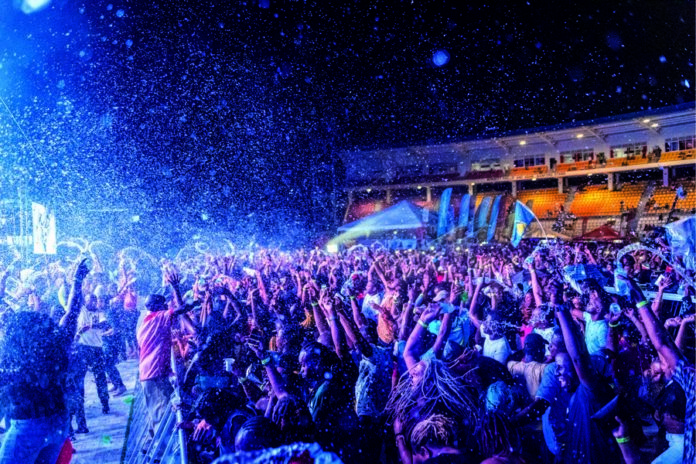
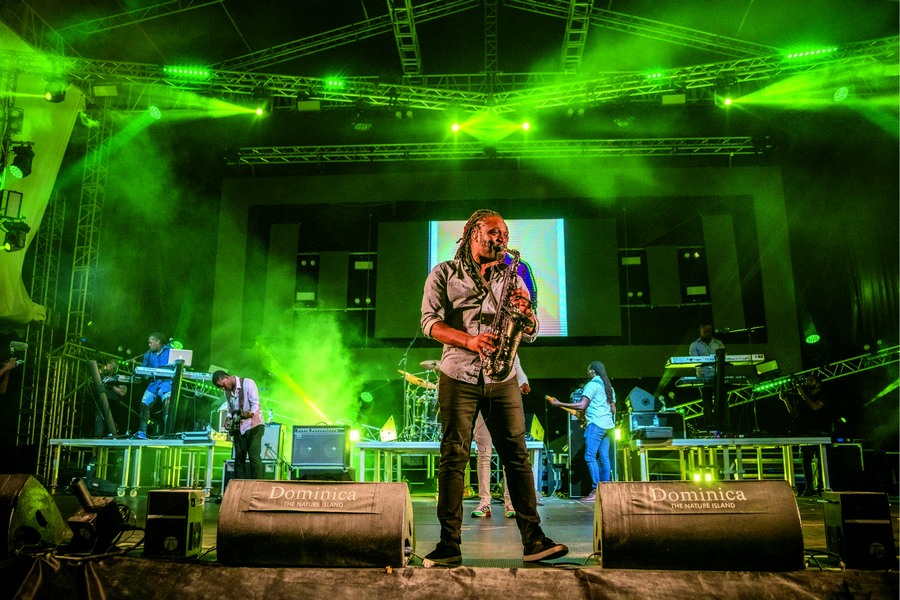
Held annually in late October, the World Creole Music Festival is the largest cultural celebration of the year in The Nature Island. The event attracts the biggest acts in just about every genre of Caribbean music, including soca, reggae, zouk, kompa, salsa and more.
The bigger deal for those keen on taking a deep dive into West Indian music, however, are the smaller acts specializing in traditional folk and newly emerging musical forms, like bouyon, for instance.
In Creole, the word “bouyon” refers to a gumbo soup — a spicy mixture, savory and satisfying. The musical style was developed in Dominica in the 1990s combining elements of zouk, soca and various other West Indian genres to create a wonderful new sound worthy of the name. A tasty musical treat best enjoyed at the World Creole Music Fest.
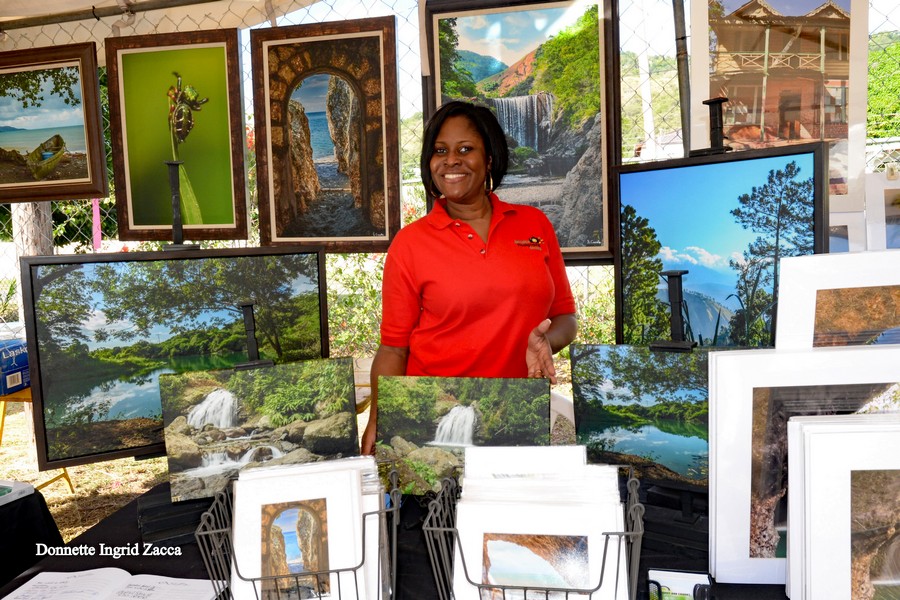
Woman from the Jamaica Photography Society selling prints
The annual Liguanea Art Festival is the largest fine arts exhibition in the region, drawing together more than 100 artists from across the Caribbean. Works on display and available for purchase run the gamut from fine art paintings, ceramics and sculptures to professional photography, jewelry and other handicrafts.
More than just a chance to admire and collect exquisite original works of West Indian art, the Liguanea Art Festival also affords aficionados the opportunity to mix and mingle with the artists themselves. Imagine interacting with a creator and learning the inspiration behind his or her work prior to purchasing it.
In addition to the fantastic exhibits, the event is also a showcase for Jamaican music and entertainment. Like all other aspects of the festival, the emphasis here is on authentic culture with music and dance representing a broad cross-section of Jamaican traditions.
Best of all, admission is free. Some hotels in Kingston, including The Courtleigh Hotel & Suites, offer discounts to festival-goers, leaving plenty of room in the budget to pick up all the art pieces they might desire.
Experience a hotbed of West Indian art at the annual Aruba Art Fair.
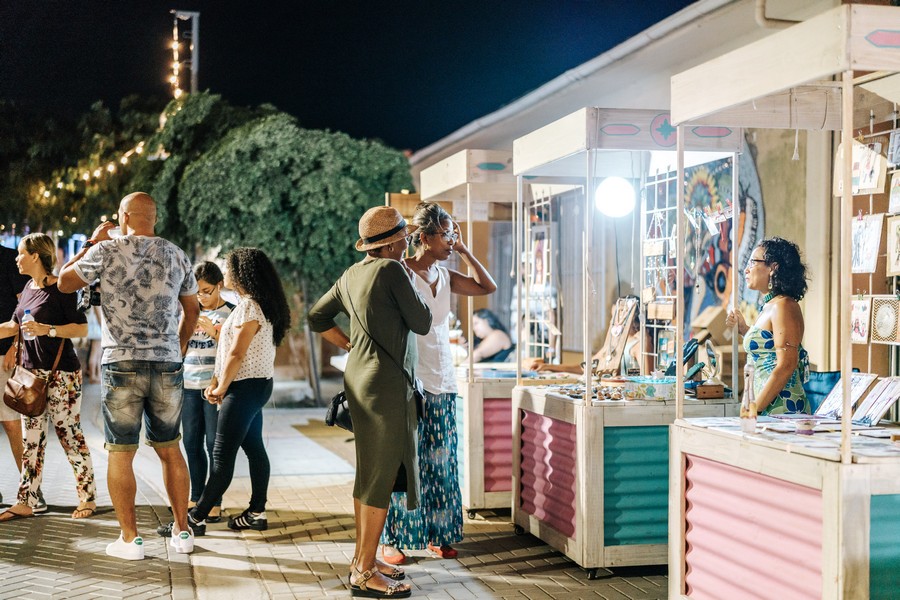
A three-day showcase of art in all its forms, the Aruba Art Fair is held in late September within the usually sleepy surroundings of San Nicholas, at the far southeastern tip of the island. The festival goes well beyond traditional sculptures and canvas paintings, attracting local and international artists to perform live art demonstrations and display their work.
The dynamic range of craft on display covers everything from the culinary arts, graffiti and street art, television programming, magazine art and more. There’s even a school art contest inviting budding young creatives to share the spotlight with established artists from around the world.
A variety of art expositions are held each day. Local Aruban food and drinks, music, dance, poetry and other forms of live entertainment are also part of the fun.
Best of all, the Aruba Art Fair beautifies the streets of San Nicholas with huge, vibrant murals and other forms of street art that live on long past the annual festival dates. Anyone visiting Aruba will have the chance to experience extraordinary elements of the fair no matter when they stop in.
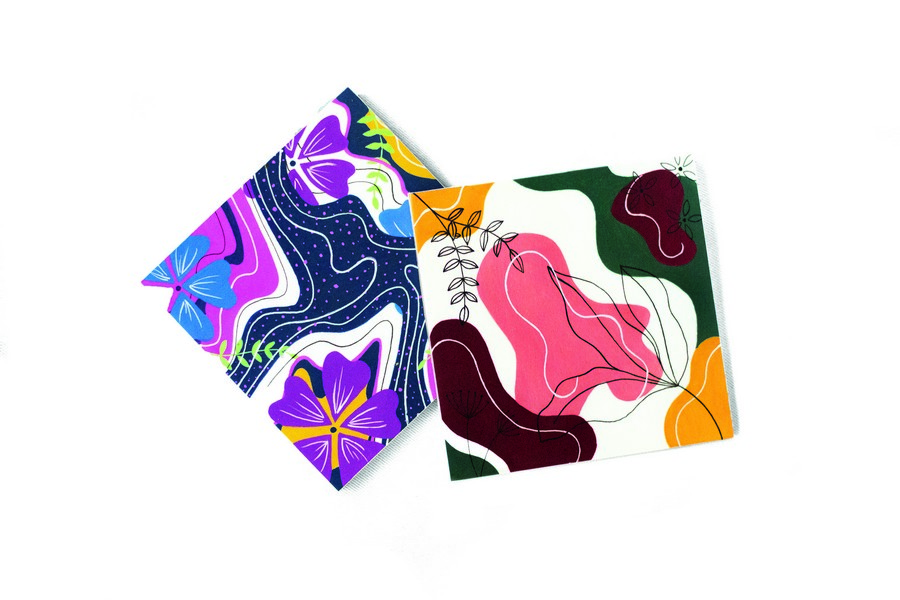
Made by self-taught artist, photographer and filmmaker Teneka Mohammed, these playful wood coasters reflect her artistic interpretation of Caribbean flora and fauna, using vibrant colors and leaf patterns to add a refreshing tropical vibe to any desk or coffee table. $22
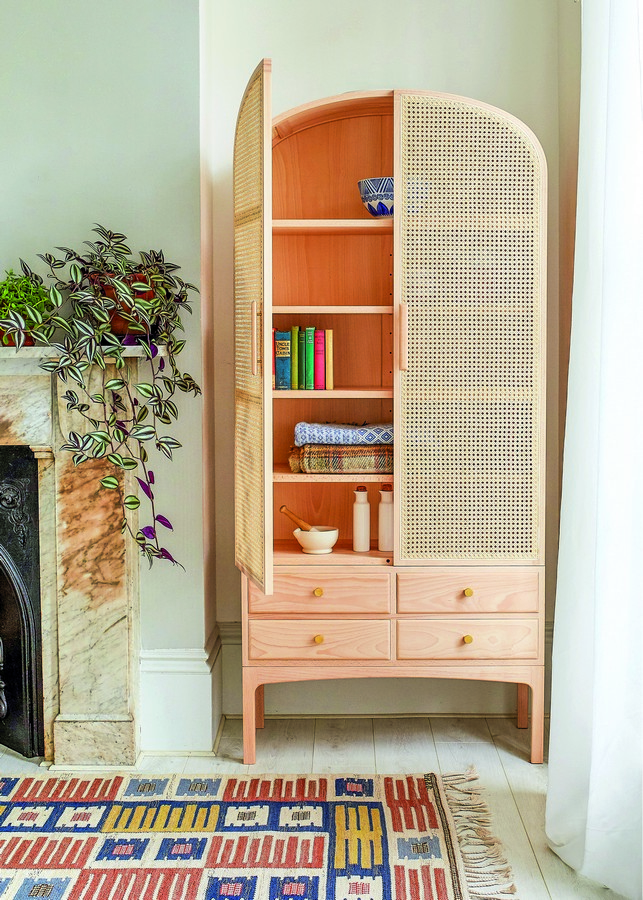
From Byron & Gómez’s Caribbean heritage collection, the Patria Cabinet is an ode to the region’s traditional materials and methods, but with a contemporary spin. The designers, Charles Byron and Puerto Rican native María Gómez, produced this piece using European beech, cane and brass. Price: available upon request
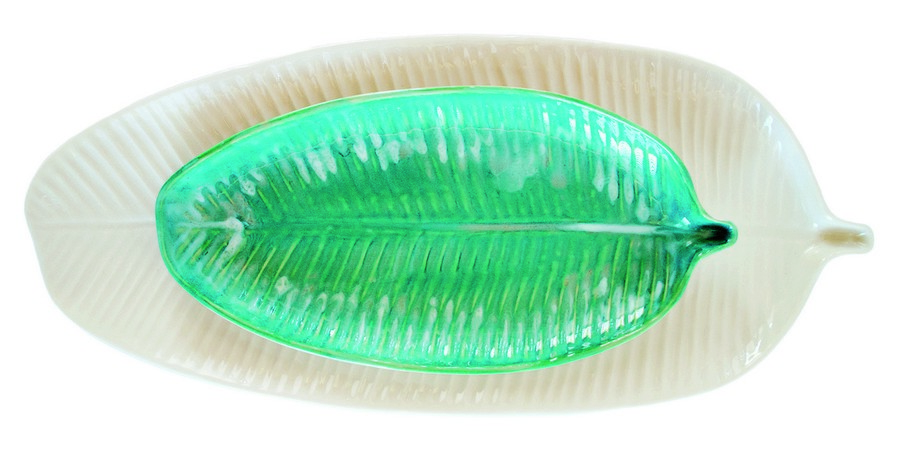
Ceramicist Dana Baugh creates lighting, furniture and serveware with a tropical, modern aesthetic. Handmade in Jamaica, her porcelain platter perfectly illustrates this style. Available in white, breadfruit green and yellow, this piece adds an artful spin to serving your favorite hors d’oeuvres. $100
Available in organic cotton or premium velvet, this pillow cover is fashioned with sharp, abstract lines influenced by designer Rochelle Porter’s Caribbean roots and a love of Scandinavian and West African aesthetics. $59
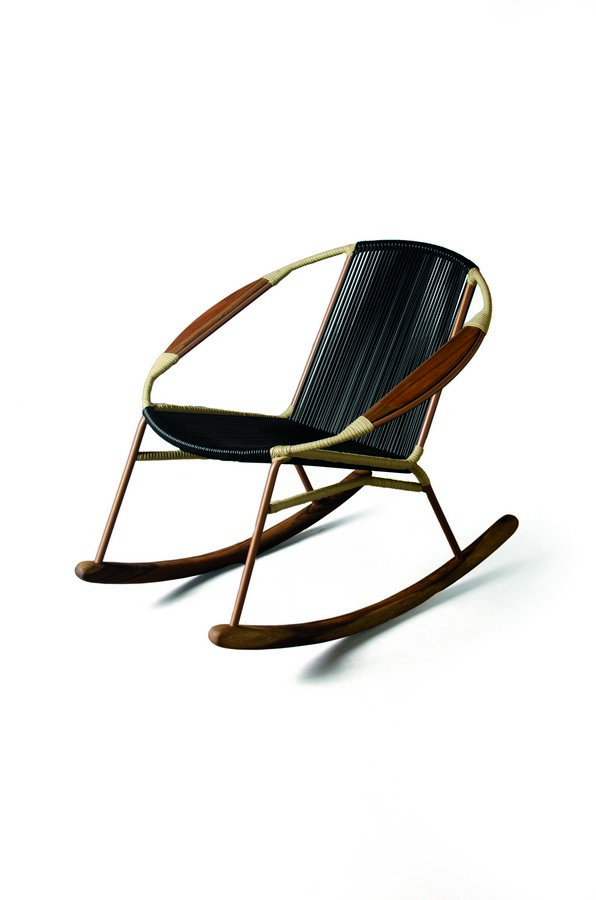
Influenced by classic Caribbean woven chair designs, this rocker offers a contemporary update using traditional weaving techniques with modern materials like steel and PVC rope. Suited for either indoor or outdoor use, this piece is available in different colors to suit any room’s palette. $540
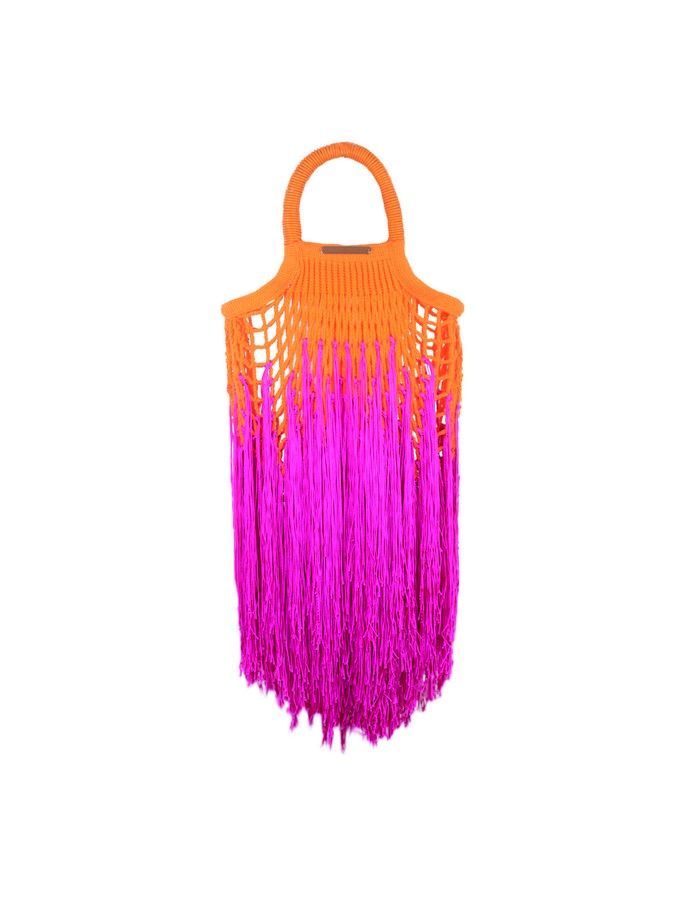
Handmade in Haiti, this playful purse is designed by stylist Nasrin Jean-Baptiste. Extra care is taken with the construction, as each strand of fringe is individually sewn into the organic cotton net, so it moves when you do. The accessory also features a satin interior pouch, ecru leather handles and an adjustable shoulder strap for versatility. $375
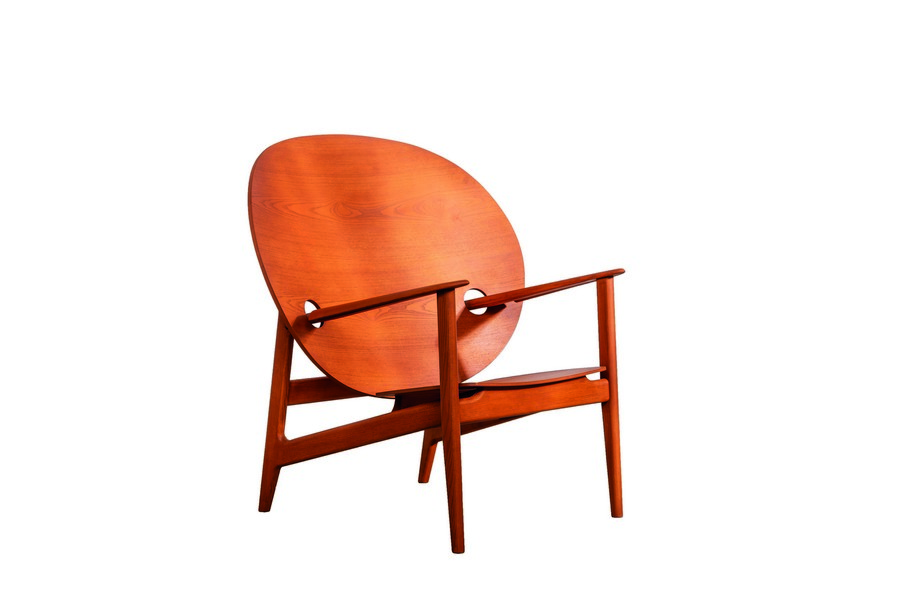
Inspired by his Afro-Caribbean roots, London-based designer Mac Collins created this piece with an Afrofuturist aesthetic. The chair is available in an earthy orange stain or classic whitened oil and is a symbolic representation of a throne designed to command any space it occupies. Price on enquiry
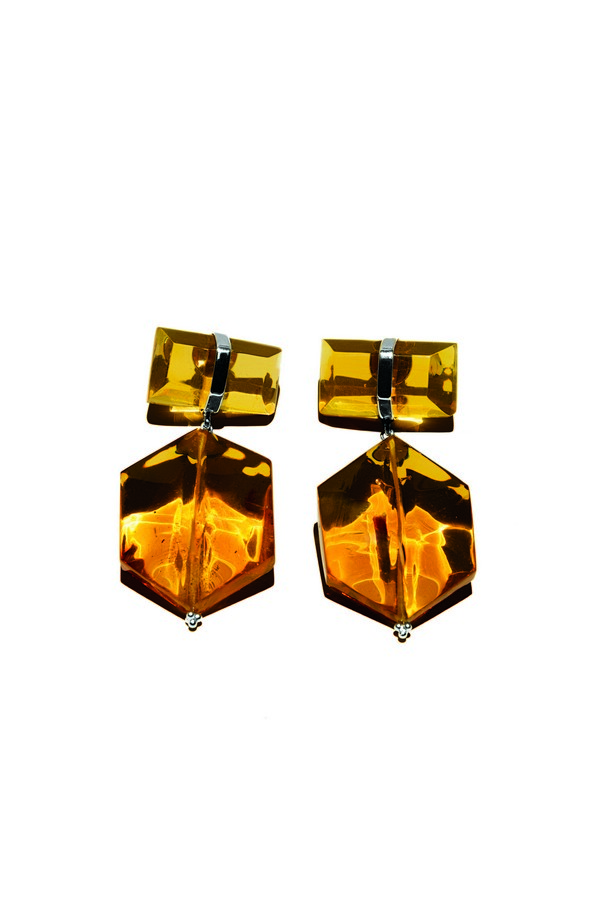
Designed by Jenny Polanco and hand-carved by talented local artisans in the Dominican Republic, these hexagon-shaped, amber earrings are a reflection of Polanco’s signature style, offering a timeless, worldly appeal. $395
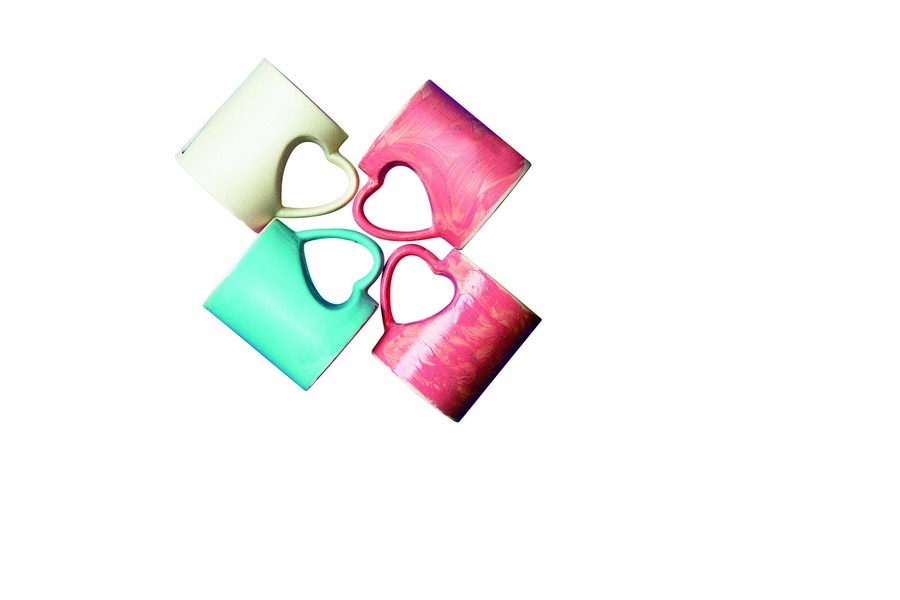
Haitian-American ceramic artist Morel Doucet is the creator of an artisanal line of serveware that includes these charming ceramic mugs. The youthful colors and the modern, graphic simplicity of the heart-shaped handle design offer a poignant ode to love. $35
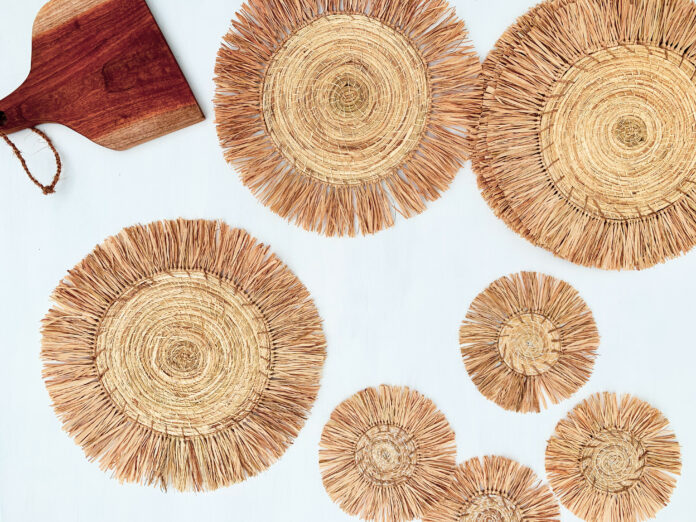
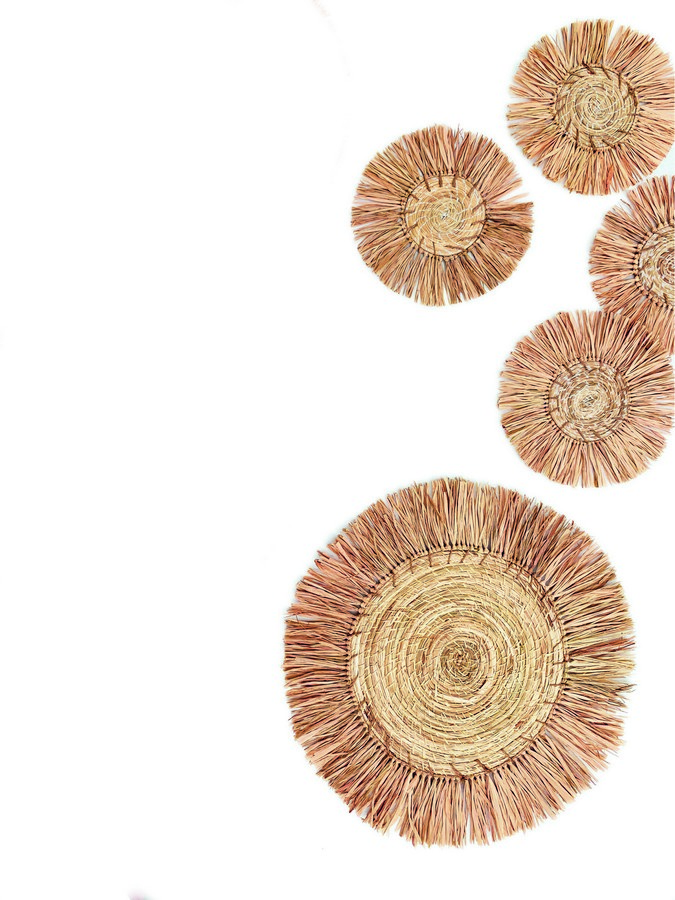
Made to order by local artisans in Jamaica, these hand-crafted coasters feature a raw raffia-fringed trim ― the perfect accessory for organic coastal décor. $58
In the Caribbean community, we face an uphill battle when trying to create lasting wealth and earning enough to give our children sound financial foundations for their futures. We are faced with obstacles like discrimination, smaller support systems and cultural hurdles like a belief that heaven does not favor the rich. Despite these challenges, you can still empower yourself by changing your relationship with money and building productive habits that support your goals. David Mullings speaks exclusively to Island Origins about how to build generational wealth. Learn how below:
Courtesy of Blue Mahoe Capital
The Right Mindset
It is easy to believe that you are too old, too young or too poor to begin building wealth. Get rid of that thinking today, and then get going, no matter how small you start. It is important to have the right mindset. If you believe that money is evil or that all debt is bad, then you might never create substantial wealth. Your beliefs about money must match your financial goals. Giving your children a better life, having a stress-free retirement and donating heartily to the causes most important to you all require money. So, you must invest over the long term to accumulate more of it.
Let’s debunk a prominent myth: hard work alone will NOT create wealth. Building for the future requires a level of comfort with financial risk, as you must make money work for you (rather than you working for money). Parking your money in a bank account is relatively safe, but it earns you very little. Investing in corporate shares through the stock market is more risky, but it can earn far more. And you should understand the difference between good and bad debt. Good debt, such as a mortgage on an investment property, can generate ongoing revenue and improve your returns. Bad debt increases your costs without acquiring you any income-producing assets.
5 Laws of Wealth Creation
Once you have the right mindset about money, you need a destination, a plan to get there, discipline and a coach. Like learning to play a sport or a musical instrument, it is always better to have a teacher as a guide to substantial wealth creation. However, you do not need to personally know the teacher. You can research the practices of your chosen role models, as many wealth creators have shared their approach. All you need to do is study it and apply it. One book that I will recommend is The Snowball: Warren Buffett and the Business of Life.
It’s also important to note that wealth creation requires a different investing approach than wealth preservation. Michael Lee-Chin distilled the lessons from Warren Buffett into what he called his Five Laws of Wealth Creation: Back in December 2020, he and I discussed the billion-dollar businesses he was affiliated with, and I remarked that proven repeatability in science makes something into a law. His framework for success is to:
Own a few businesses
Domiciled in strong long-term growth industries
Understand the businesses
Prudent management of other people’s money
Hold for the long-term
If you think about any billionaire on the Forbes List who has created wealth, including Michael Lee-Chin, these five laws will apply. For me, this is a clear sign that we should all be following this plan.
Find A Role Model
Once you have the right mindset, you need a financial goal, a plan to achieve it, discipline and a teacher. As a young soccer player in Jamaica, my coach taught me the importance of learning the game by studying the best athletes. Wealth creation is no different.
There are proven methods and it is always better to have a teacher, even if it’s not someone you personally know.
Early on, I made a list of five highly successful wealth creators and studied them. You too can research the practices of role models who align with your personal financial goals. Many wealth creators have written books outlining their successful strategies. One book that I recommend is “The Snowball: Warren Buffett and the Business of Life.”
Get Started
Speak to a licensed financial advisor and open an investment account with a company like Charles Schwab, JP Morgan Chase, Vanguard or any other reputable broker. Consistently set aside money each month to buy shares in companies you understand. This allows you to practice dollar-cost averaging (averaging out the price you pay for the shares over time) rather than trying to time the market (buying when prices are low and selling when they are high), which rarely works.
A simpler, more accessible option is to buy an S&P 500 Index Fund, such as the Vanguard VOO, and not stress about owning individual companies. Over 20 years, the index has always beaten a savings account. The hardest part about investing is controlling your emotions; you must be able to ignore the market dips and focus on the long-term.
Anyone can build wealth. There is no “get rich quick” formula, but patience, increased financial knowledge and discipline will ultimately be your best tools on your journey to monetary success.
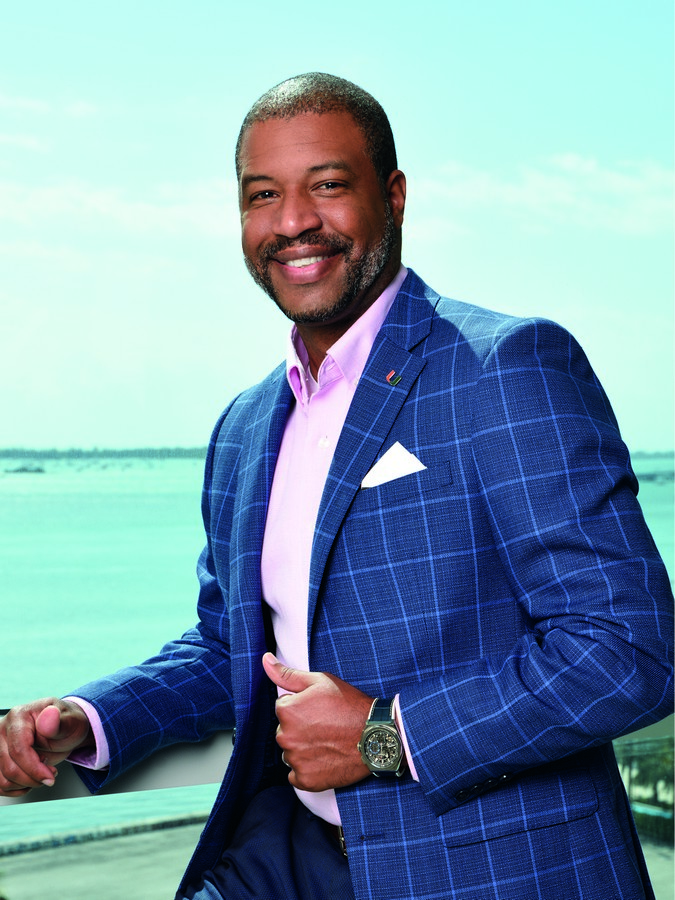
David P. A. Mullings is Chairman and CEO of Blue Mahoe Capital Partners Inc., an impact investment firm focused on wealth creation and transformational investments.
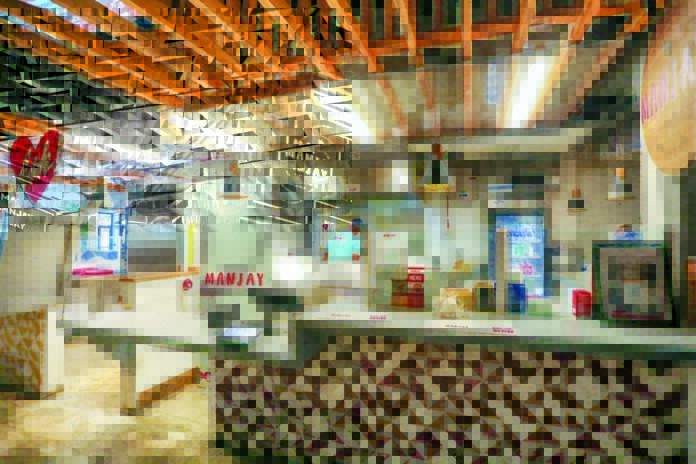
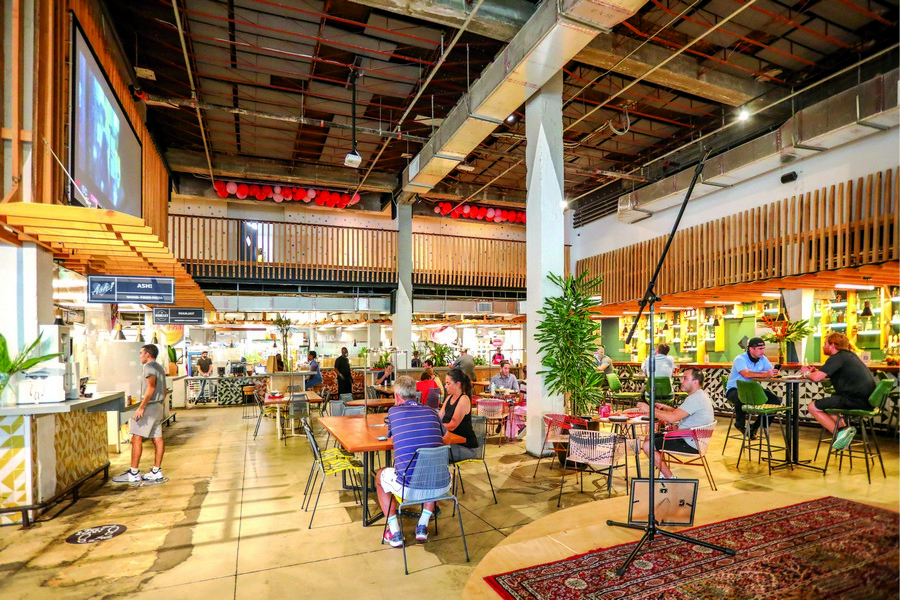
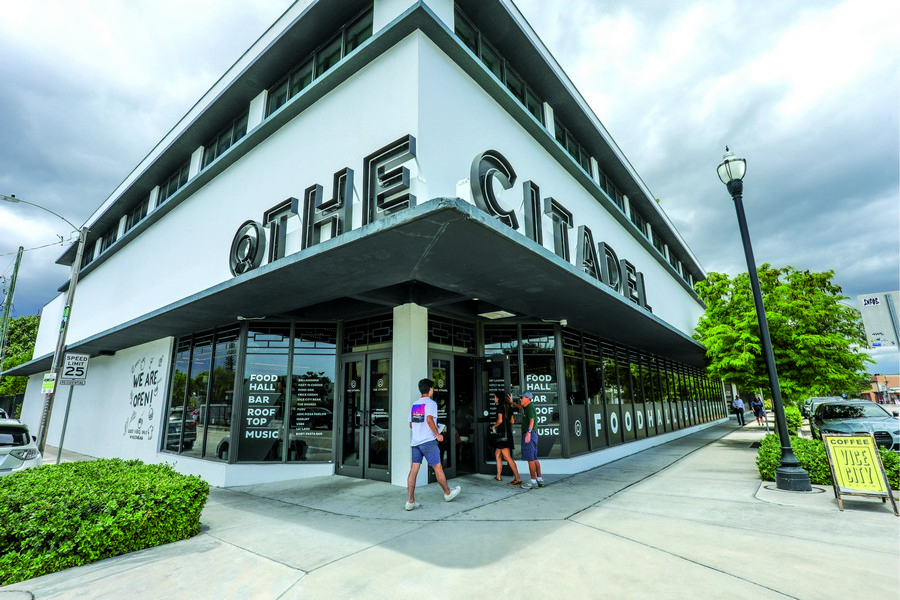
I met Christian Dominique, the owner of Manjay, a modern Haitian cuisine spot, inside their Miami location at modern food hall, The Citadel. Manjay occupies a stylish space in this modern food hall with multiple restaurants on the first floor of the building. Dominique’s family is in the hospitality business in Haiti. Still, he had personal goals to own and guide the operations of a restaurant beyond the casual variety. With encouragement from his wife, he pursued the desire to represent Caribbean flavors through fine-casual dining and tweaked traditional recipes to create the menu at the heart of Manjay’s 2019 launch.
Photography: David I. Muir
The restaurant presents itself as a purveyor of modern Haitian cuisine and Caribbean flavors with fusion flair, “celebrating diversity by bringing a fresh, modern approach” to it. Their chef, Jonathan, builds on Dominique’s Haitian heritage, putting a spin on Caribbean favorites.
Photography: David I. Muir
Jonathan also informed me that they are opening a new restaurant later this year in Wynwood, where they intend to expand their offerings with a few new (but secret), extra special items.
My repast — as designed and recommended by Chef Jonathan — was both attractive to the eyes and extremely enjoyable to consume.
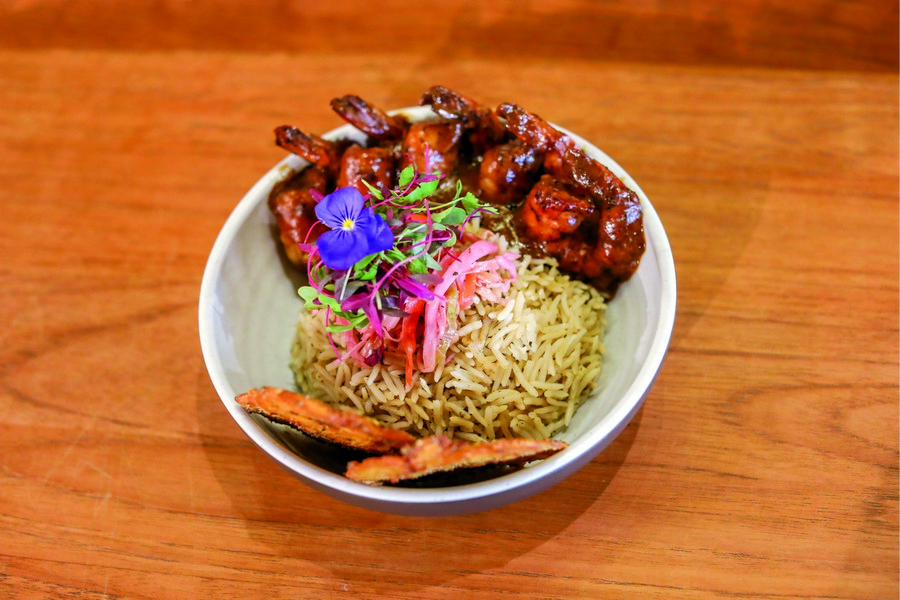
Coco Loco Shrimp
Photography: David I. Muir
My meal started with pan-seared coconut curry shrimp served with very tender and flavorful rice and crispy banan payzay — pressed plantains with loads of flavor, leaving the taste buds with a spicy and salty after-taste. The coco loco seasoning on the shrimp carries with it a hint of authentic Indian flavor.
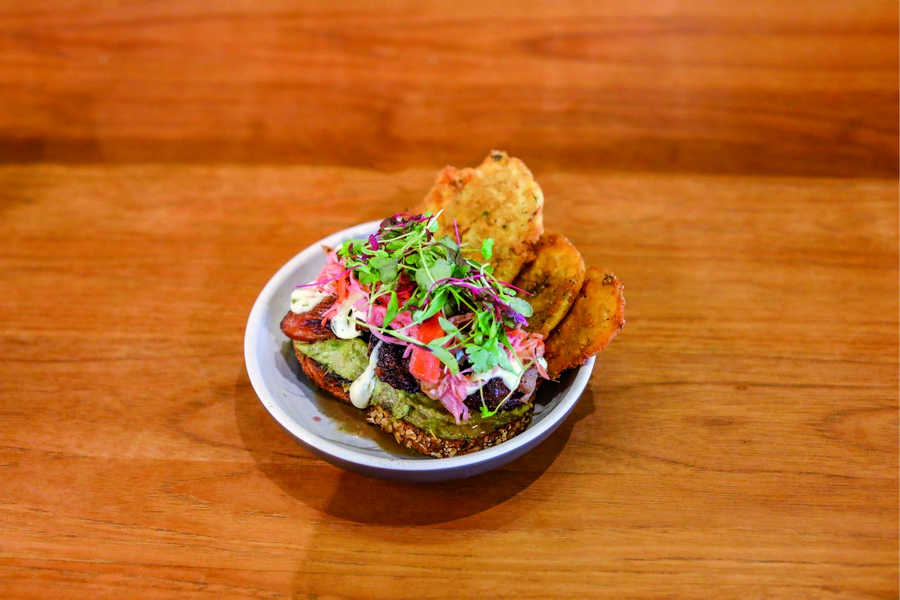
Kreyol Bib
Photography: David I. Muir
Creole-style, slow-braised pork was set atop toasted multigrain bread with an avocado spread and aioli sauce and served with pikliz — a spicy Haitian coleslaw. The dish offered an overall wonderful combination of textures and tastes with crunchy toast, well-seasoned pork, creamy avocado and garlicky dressing.
While the servings are not typically as large as many other Caribbean restaurants, which often present the ability to share a plate or have leftovers for the next day, the meals represent healthy portions for one sitting. I’m not in Miami often enough to become a regular, but I’ll happily recommend Manjay for anyone looking for good Caribbean-inspired casual dining.
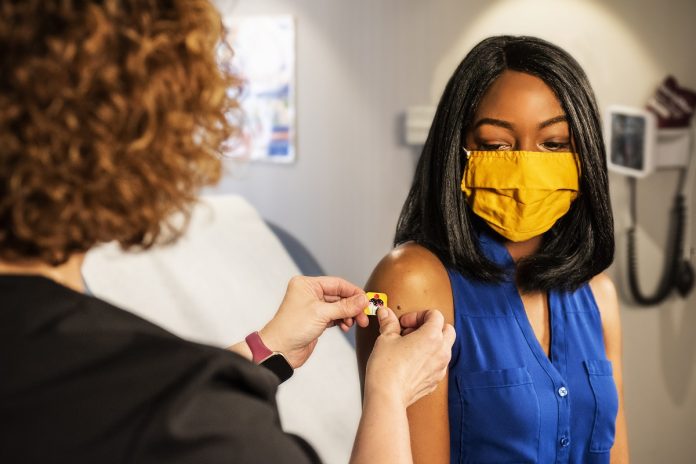
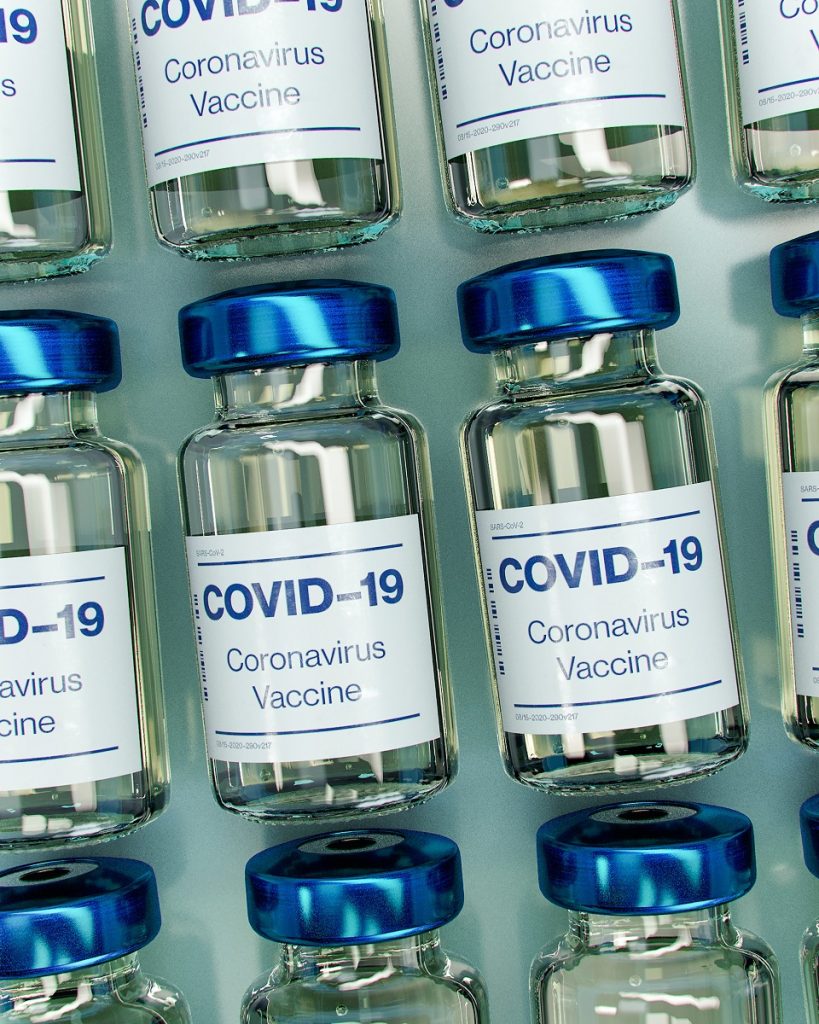
After more than a year living through a pandemic, the world was given hope in December of 2020 when the first wave of COVID-19 vaccines was approved for emergency use. Major research breakthroughs from the past two decades enabled scientists to create vaccines in record time — the fastest ever made from development to deployment.
Now, over 3.33 billion people (about 40% of the world’s population) are fully vaccinated. Further efforts, however, are being hindered by misinformation and conspiracy theories, often rapidly spread through social media. To better empower you and limit harmful vaccine hesitancy, we’re debunking COVID-19 vaccine myths and separating facts from fiction.
Myth: You do not need to get the vaccine if you’ve already had COVID-19 in the past.
Fact: Previously having the COVID-19 virus does not mean that you are immune forever. The timeline of how long naturally-developed antibodies last is still uncertain, but scientists estimate that they are only stable for six months to a year. In contrast, studies have proven that vaccines provide more persistent protection against the virus by artificially teaching your immune system how to produce fortifying protein components. This means you develop longer-lasting immunity on your own, helping prevent severe symptoms or illness from the virus and dramatically reducing your likelihood of infection.
Myth: The COVID-19 vaccines reduce fertility in men and women.
Fact: By this point, we probably all have seen Trinidad-born rapper Nicki Minaj’s tweets claiming the COVID-19 vaccine caused infertility for a family friend ― a claim thoroughly debunked by Trinidad and Tobago Health Minister Terrence Deyalsingh after investigation. One of the most common cause of vaccine hesitancy is the belief that the shot will impact fertility.
In fact, research finds the exact opposite. Reports suggest that becoming severely sick from the COVID-19 virus while unvaccinated could potentially reduce fertility. According to Dr. Stacey J. Oddman, MD, “Studies that included the Moderna and Pfizer/BioNTech vaccines demonstrated that they do not impair sperm characteristics and the CDC reports that there is no evidence to support that any vaccines, including COVID-19 vaccines, cause infertility in either women or men.”
Myth: The COVID-19 vaccines are not safe because their development was rushed.
Fact: Many believe that the vaccines can’t be trusted because they were produced too quickly. But were they? In the case of COVID-19, scientists had a major head start. Researchers around the world have been studying coronaviruses for decades in preparation for a potential pandemic. They also were perfecting vaccination development methods in response to other recent coronavirus outbreaks like Severe Acute Respiratory Syndrome (SARS) in 2003 and Middle East Respiratory Syndrome (MERS) in 2012.
Thanks to advances in gene sequencing, Chinese researchers were also able to quickly map the complete virus genome and share it with the global scientific community. Because COVID-19 was so rampant, scientists also had a plentiful pool of volunteers for test trials. Currently, both Pfizer and Moderna vaccines offer up to 95% effectiveness and both have been thoroughly tested for safety.
Myth: The COVID-19 vaccines will alter DNA and have severe side effects.
Fact: None of the COVID-19 vaccines interact with or alter your DNA. They simply deliver genetic material to inform your body of how to protect itself against the virus if you come into contact with it. None of the vaccines contain a live virus. “The COVID-19 vaccines do not alter one’s DNA because the genetic material that is introduced into the body from the vaccines does not enter our cells, which is where DNA is stored,” says Dr. Oddman. Similar to most vaccines, there are risks of serious side effects, but they are rare. A majority of side effects in clinical trials and in the general public are mild, like pain near the injection site, low-grade fever, headaches and fatigue.
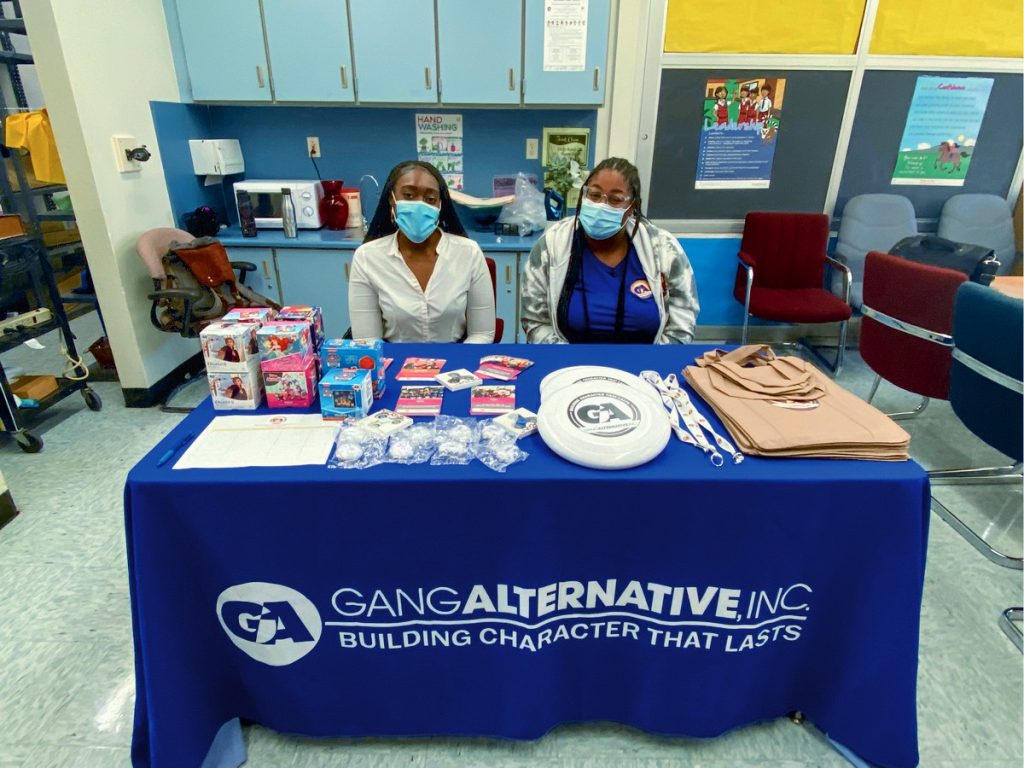
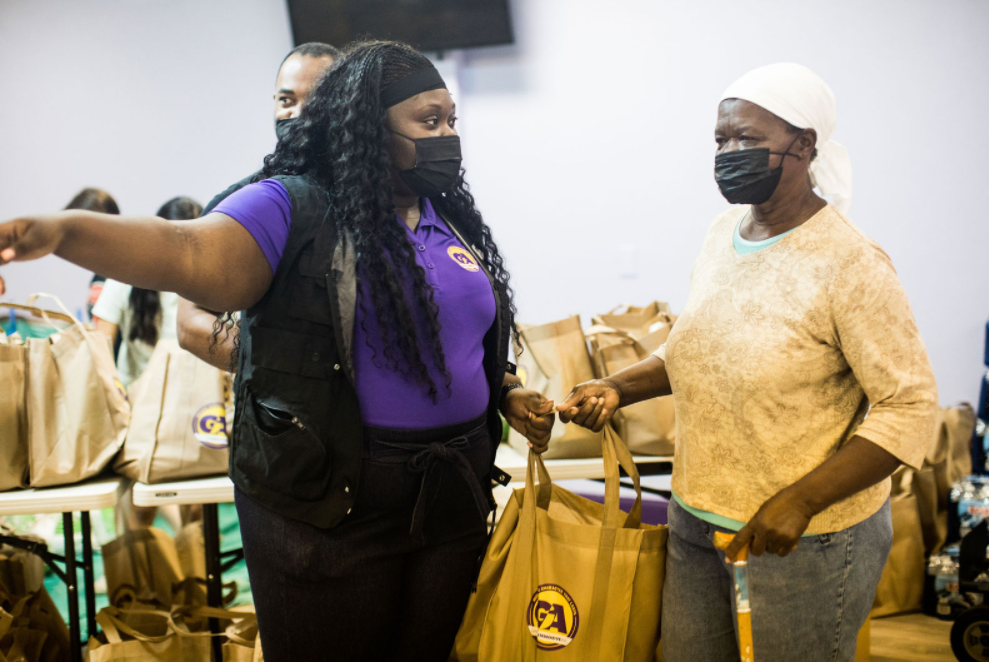
In many South Florida areas, poverty and substance abuse ravage young people and their families. Through its five Pillars of Service (Positive Youth Development, Family Strengthening, Community Upliftment & Partnerships, Health & Wellness and Workforce Development), GA offers free resources to alleviate these challenges and empower lasting community change.
Courtesy of Gang Alternative
Community Coalitions
As an experienced coalition-builder, GA understands that only through collective action can true community change be made. Through its Urban Partnership Drug Free Community Coalition (UPDFCC), GA has worked toward reducing underage drinking and marijuana use for over 10 years using a 12-sector approach to bring community members from all levels together to enact change. To build capacity among the youth it serves, UPDFCC is also guided by the Youth Frontline Coalition (YFC), which operates in several middle and high schools in Little Haiti, Liberty City and the surrounding areas.
YFC is a youth-led/adult-guided movement where young people learn valuable life skills and connect with their peers to combat social norms that encourage substance abuse. GA also leads the Urban Partnership for Success Collaborative Miami (UPSCM), seven drug-free community coalitions that convene monthly to dissect data and determine substance abuse prevention policy needs.
Gang Alternative Turkey Drive 2021, Tatiana Teo Photography
In addition to community coalitions addressing alcohol and marijuana use, GA leads a Service Partnership coalition through its United People Lifting Individuals and Families Together (UPLIFT) program. The UPLIFT Service Partnership is a place-based coalition of social service providers working together to deliver coordinated services to families. UPLIFT also provides direct services to families in need, providing access to public benefits, housing, mental health services and more.
Leonard F., a husband and father of two who was recently referred to UPLIFT, says, “This staff always reserves a warm welcome when serving me. I got a fee of $1,000 to pay my rent, and [the Care Coordinators] took care of all my files before reactivating my food stamp card.”
There is no wrong door at GA — the faith-based organization has programs that are all interconnected, so no matter what you need, one of GA’s programs can help.
To learn more, donate or volunteer, visit Gang Alternative at www.MyGA.org.
It’s a Caribbean Christmas! Looking to spruce up your holiday shopping? Give the gift of Caribbean style to the women, men and kids in your life with these unique finds by island-proud designers. Use the links below to shop this year’s Christmas gift guide 2021.
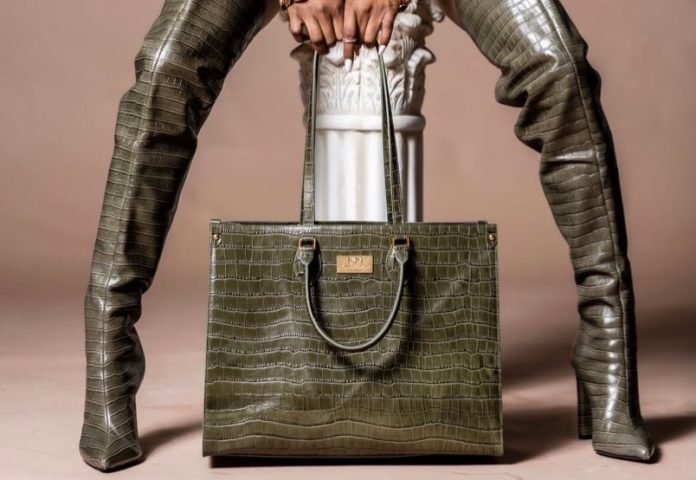
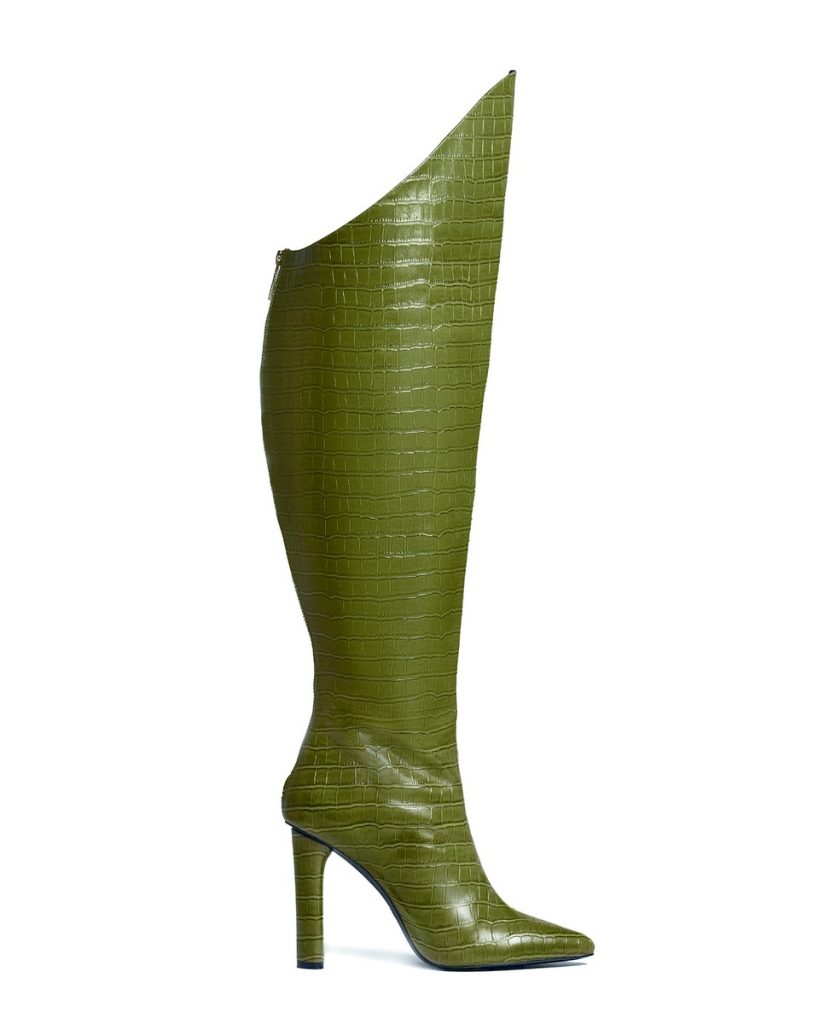
Founded in 2018 by Karibbein Ann-Mariee, this brand makes a mark in accessible luxury footwear. See these sexy, olive-hued thigh-high boots as proof with a twist.
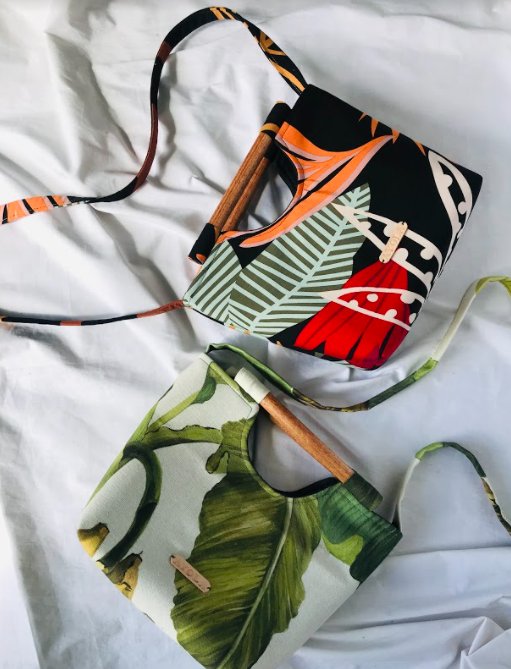
Barbados-born accessory designer Blessing Olaniyi sews all her pieces by hand and each is uniquely made with love. As one of her signature styles, the Keza bag comes in multiple prints and tones and is accented by wooden handles.
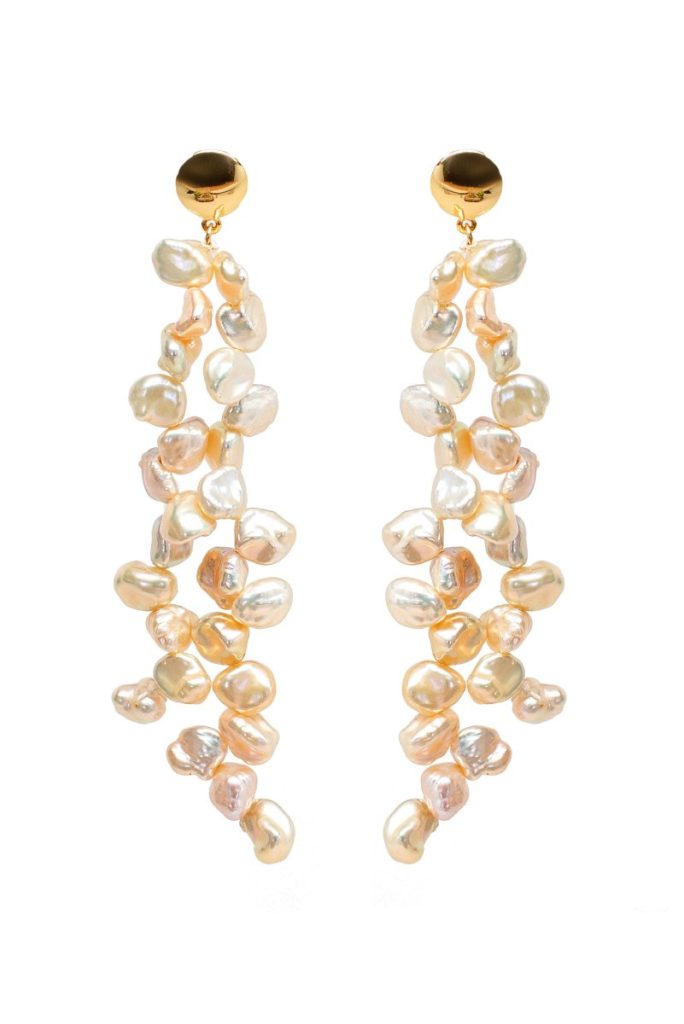
Designer Nicole de Gale McIntosh offers a fresh take on classic pearls but with a modern flair. The Eutropia Earrings offer a perfect example, featuring freshwater keshi pearls and 14k gold-filled studs.
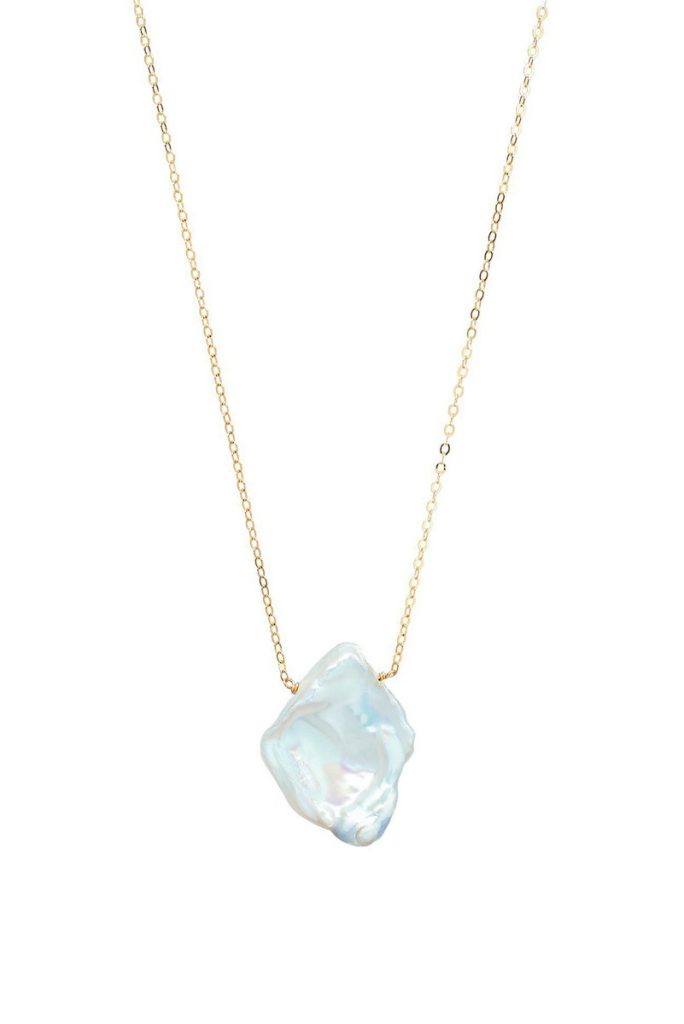
Designer Nicole de Gale McIntosh offers a fresh take on classic pearls but with a modern flair. The Simplicity Necklace offers a perfect example, featuring a freshwater keshi pearl pendant available in shades of white, peach and lavender.
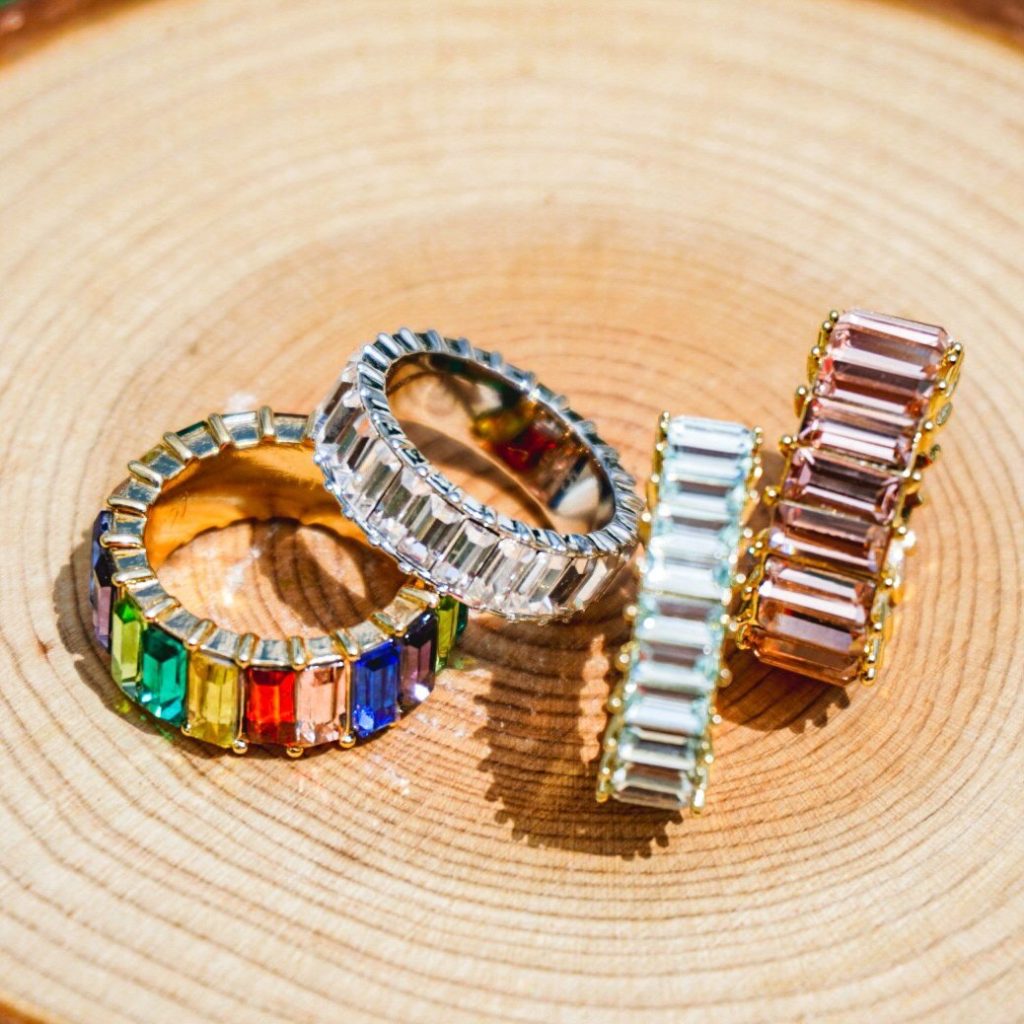
Available in baby pink, yellow, aqua blue or a multicolor rainbow, these festive rings by designer Rochelle Y. Lewis are made for parties. Add this as a staple to your jewelry collection to dress up any holiday outfit.
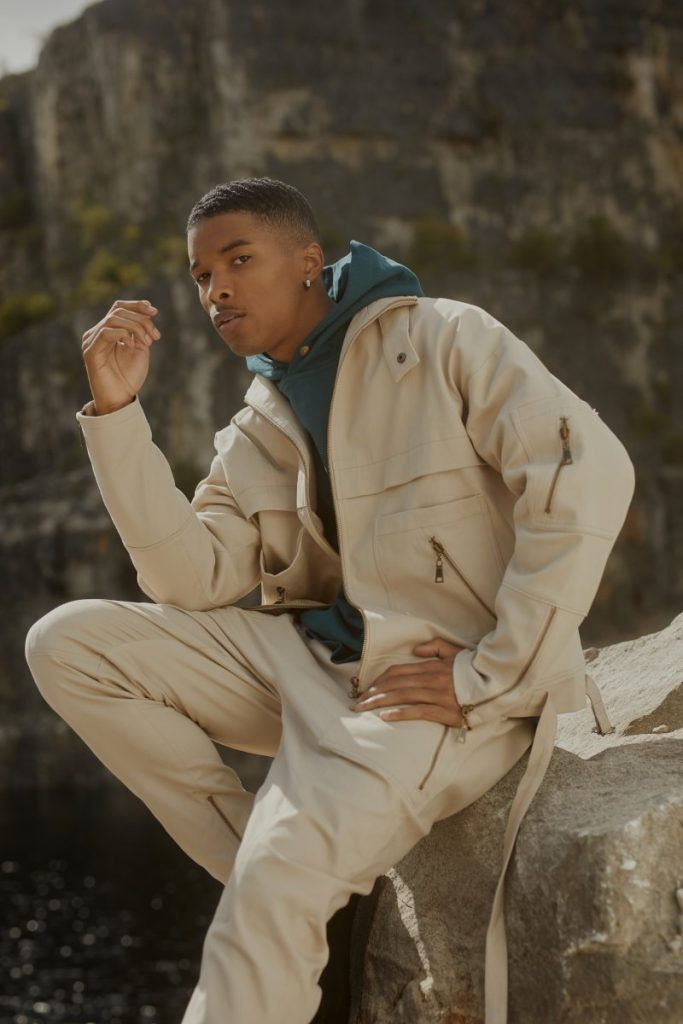
Inspired by the infamous 1692 earthquake that gave way to modern-day Kingston, this menswear collection is an ode to beauty born from the rubble. Their Marble Jacket is made with premium heavyweight cotton twill and features utilitarian detailing like brass metal zips and plentiful pockets.
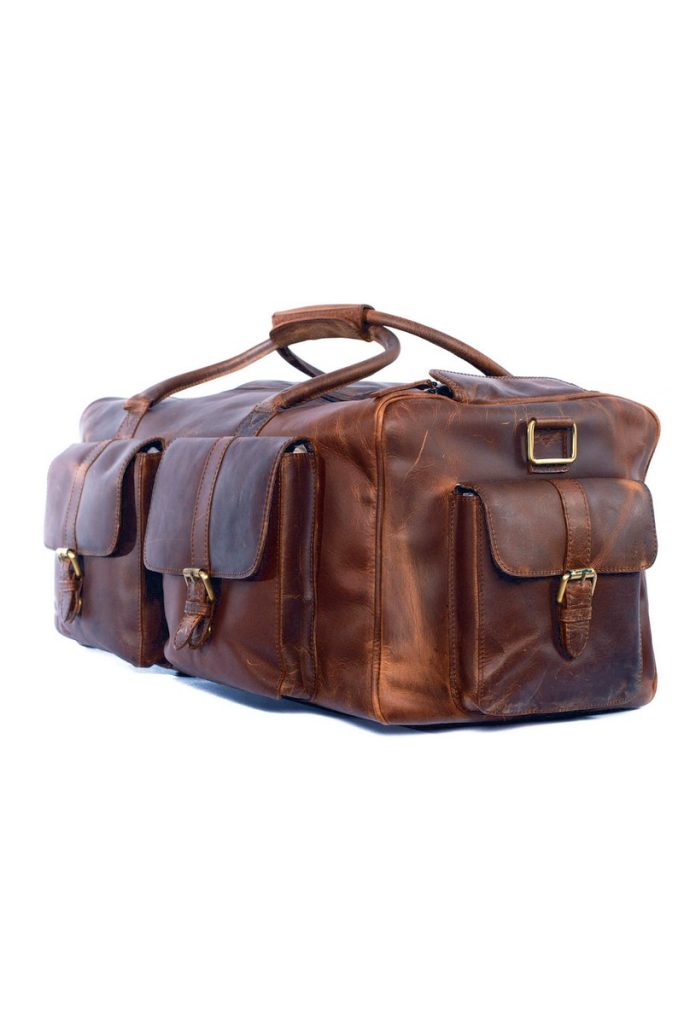
This Trinidadian men’s fashion brand is all about craftsmanship and gentlemanly elegance. Their vintage-inspired Voyager travel bag is proof positive, made from durable full-grain buffalo leather and brass hardware.
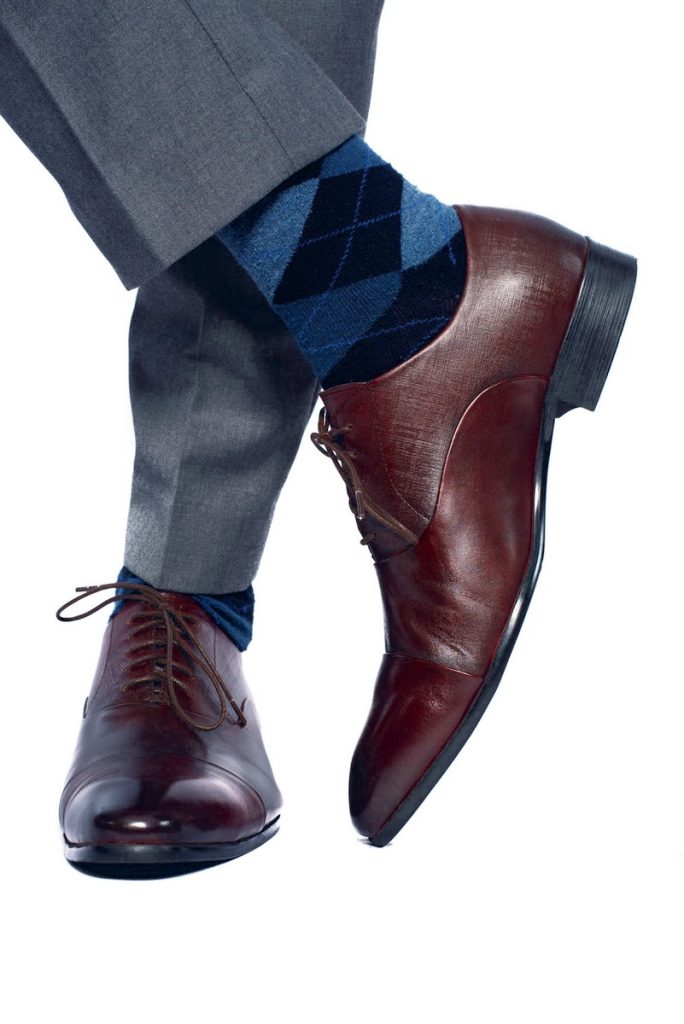
Designed with versatility in mind, these cap-toed Oxfords are made from genuine leather and a rubber sole for comfort and durability. Featuring a distinctive oxblood hue, this classic lace-up is perfect for any debonair Caribbean man in your life.
Haitian-American designer Kerby Jean-Raymond is redefining fashion ― as shown by his futuristic Sculpt shoe, featuring an unusual, disproportionate sole. The piece is finished with the brand’s signature white topstitch and is made from suede and mesh, making the perfect addition to our Christmas Gift Guide 2021.
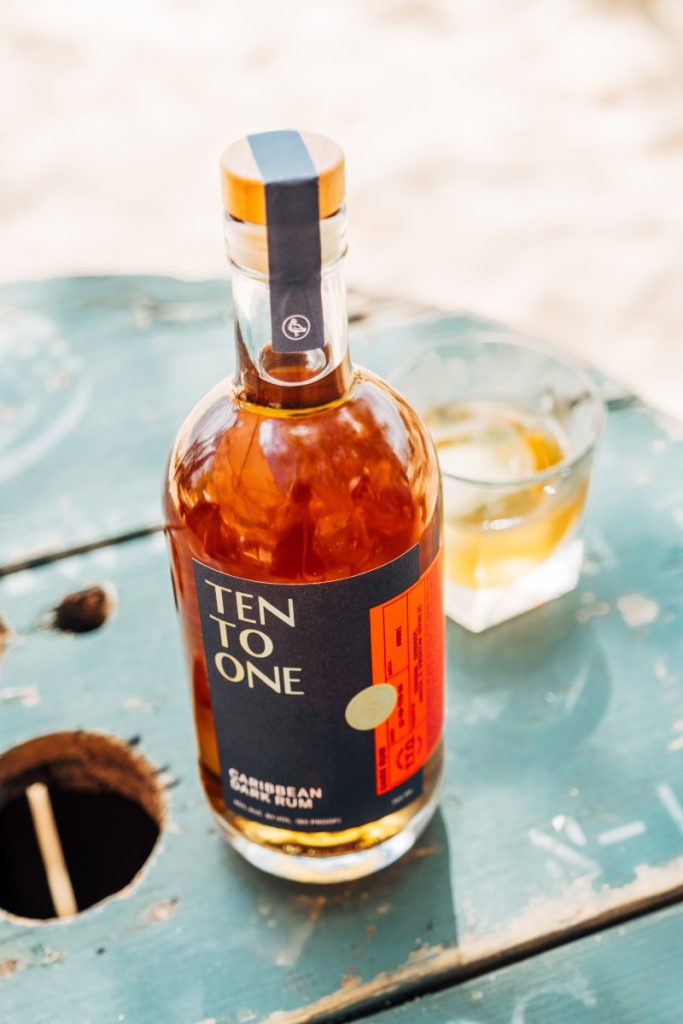
Elevate your bar stock with this decadent dark rum founded by Trinidad-born Marc-Kwesi Farrell. Featuring notes of tobacco, cedar, nut loaf and leather, the brew is a blend of 8-year-old Bajan, Dominican and Trinidadian column still rums aged to perfection.
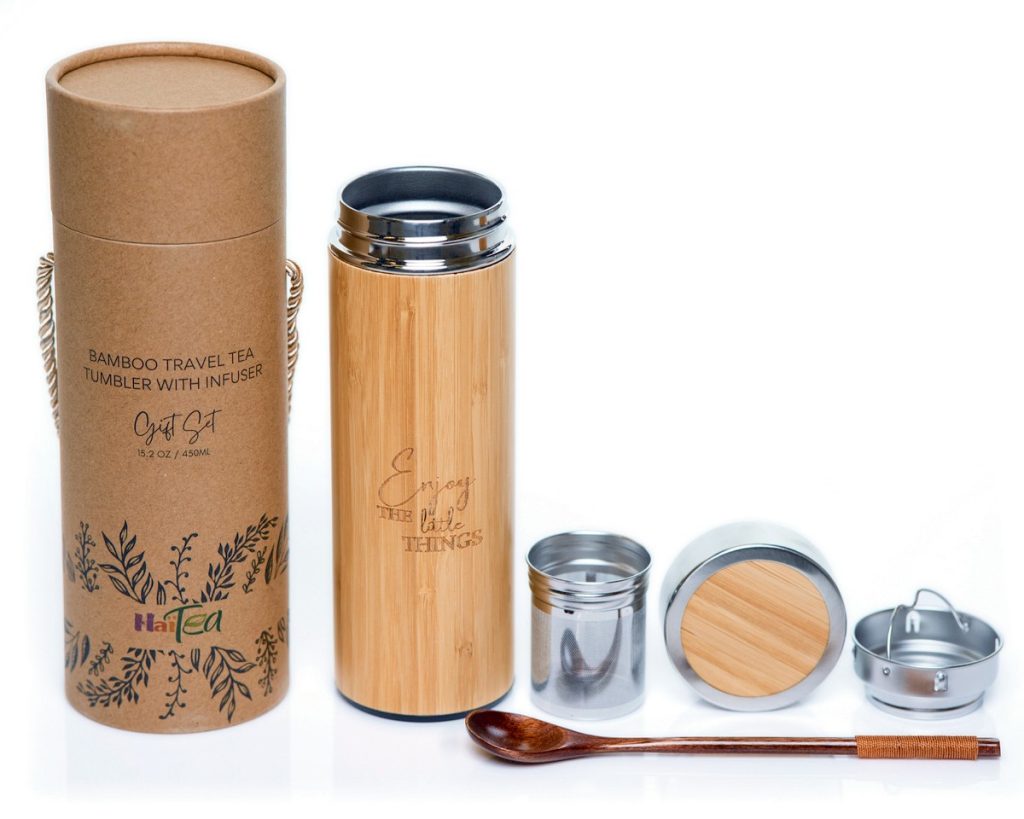
Founded by a Haitian mother-and-daughter duo, this brand is inspired by their love of teas and passion for supporting Haitian women farmers. The perfect gift set for any tea fanatic, the travel kit is made from eco-friendly bamboo and can keep your beverage hot for up to six hours.
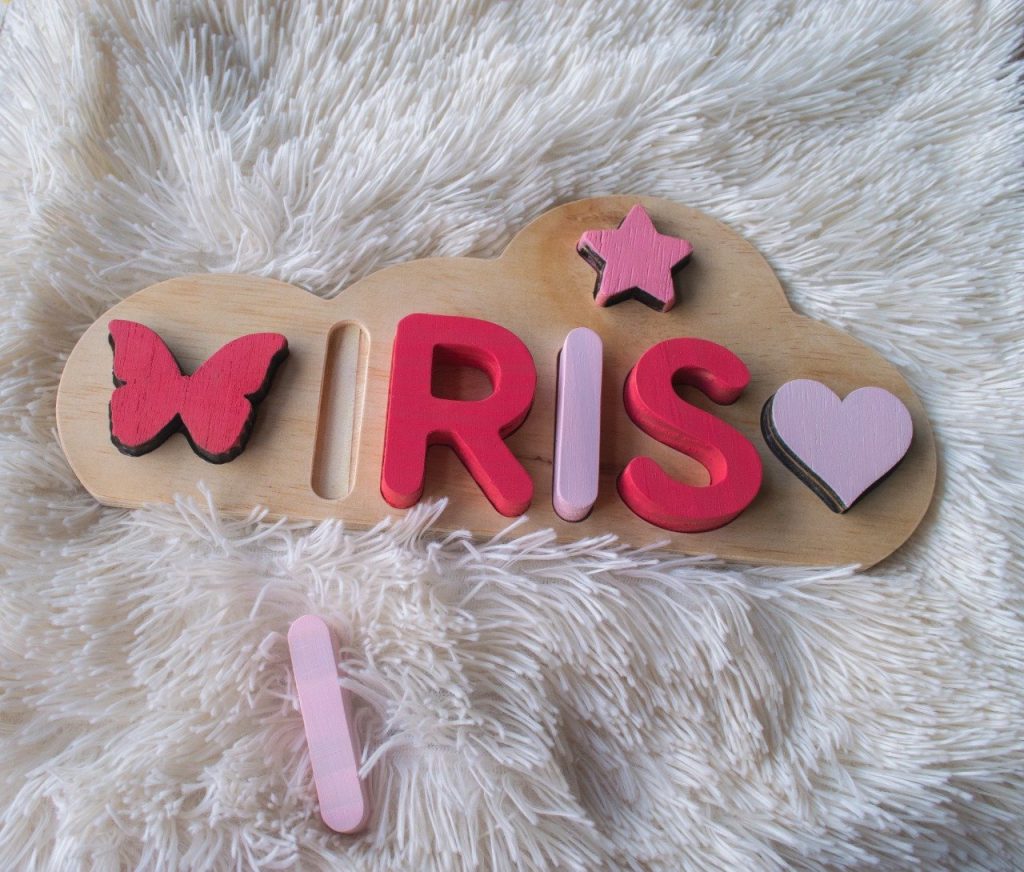
Handcrafting in Trinidad and Tobago, The BusyBoard Co. makes hands-on toys to promote play and motor skills development. Personalize this creative name puzzle for your little one with a customized color scheme and fun icons like stars, moons and even dinosaurs.
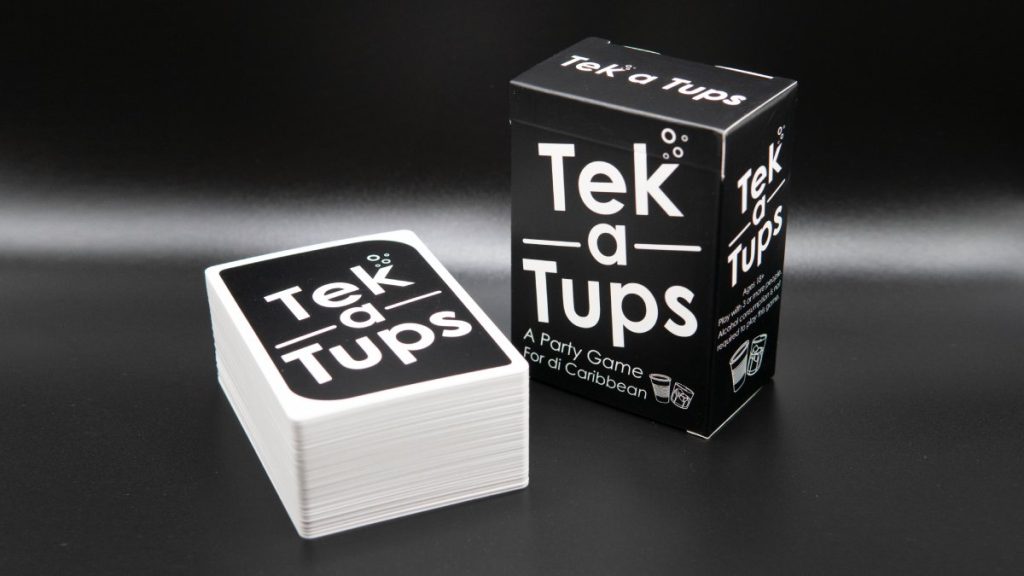
Created by children of Caribbean descent, this drinking card game celebrates the unique joy and hilarity of growing up Caribbean American. With 120 cards and five different game modes, Tek A Tups is the perfect nostalgic game for your next gathering with thirsty friends. This game makes a perfect interactive Caribbean Christmas gift to enjoy at your next holiday party!