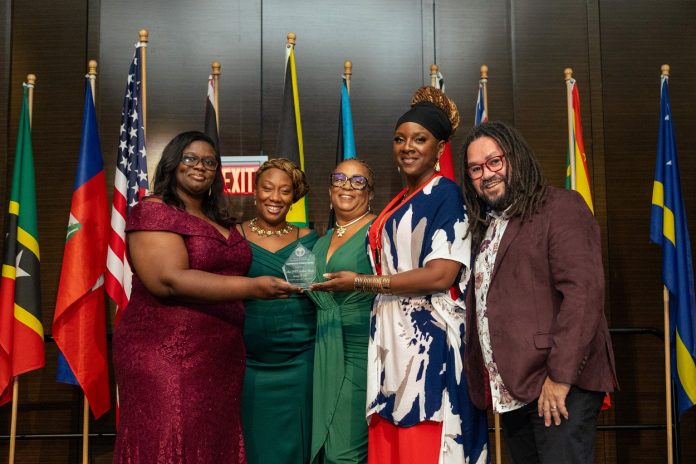
Calibe Thompson and David I. Muir accepting the award from Attorney Loris Gayle.
Representatives of Island SPACE Caribbean Museum proudly accepted the prestigious Corporate Citizen Award amid a vibrant gathering of distinguished individuals at the 27th Caribbean Bar Association Scholarship and Awards Gala. The gala, held on October 14 at the Hard Rock Hotel & Casino in Hollywood, Florida, was aptly themed “Amplify – Get Up, Stand Up, Speak Up.”
The Corporate Citizen Award was presented to Island SPACE in recognition of its unwavering commitment to promoting Caribbean heritage, uplifting the Caribbean community and providing a sense of belonging to generations of immigrants. Calibe Thompson, the nonprofit’s president and co-founder, along with co-Founder and past president David I. Muir, and esteemed board members Caren Muir and Lasana Smith, graciously accepted the honor on behalf of the organization.
Thompson and Muir are the heads of creative services agency Island Syndicate, a South Florida leader in photography, videography and publishing services. The business partners started the nonprofit Island SPACE in 2019, just before the start of the COVID-19 pandemic, as a way to give-back to the Caribbean community they love.
In her acceptance speech, Thompson articulated the vital role played by Island SPACE Caribbean Museum in preserving the legacy of the Caribbean. She highlighted the need for such institutions in strengthening the connection between the diaspora and their adopted homeland. Thompson shared a poignant story about her older sister’s early experiences in South Florida, where she was asked stereotypical questions about swinging from trees and wearing grass skirts in her native Jamaica. Island SPACE offers those who call the United States their adopted home a place to see high achievers from their own homelands, who have changed, and continue to change, their communities and the world with their stellar achievements.
David I. Muir, another co-founder of the organization, urged the gala attendees, a gathering of high-powered attorneys, to consider supporting Island SPACE Caribbean Museum in their philanthropic endeavors. He emphasized the museum’s importance as a cultural bridge, nurturing an appreciation for Caribbean contributions to society.
The Caribbean Bar Association has enjoyed a long-standing partnership with Island SPACE Caribbean Museum. The Corporate Citizen Award presentation has rekindled this alliance, and both organizations are looking forward to a more collaborative relationship in 2024. This partnership promises to foster mutual growth and create impactful initiatives to further enhance Caribbean culture and heritage.
In addition to Island SPACE Caribbean Museum’s well-deserved recognition, the evening celebrated other exceptional awardees. Lorna Brown-Burton, Esq, was honored with the Altruist Award, while the University of Miami Center for Ethics received the Public Service Award. The President’s Award was bestowed upon Jawan Strader, who, in his keynote speech, lovingly acknowledged the support of his Jamaican wife.
The 27th Caribbean Bar Association Scholarship and Awards Gala was an evening of inspiration and celebration, uniting leaders and visionaries in their commitment to amplify the voice and contributions of the Caribbean community.
Learn more about Island SPACE Caribbean Museum at islandspacefl.org and on our various social media channels. Visit the facility Thursdays through Saturdays from 11:00 a.m. to 7:00 p.m. and Sundays from 11:00 a.m. to 6:00 p.m. at the Broward Mall, 8000 West Broward Boulevard, Suite 1202, Plantation, Florida 33388. Admission is $10 for adults and $5 for children. Group tours are available by reservation when you call 954-999-0989 or email [email protected].
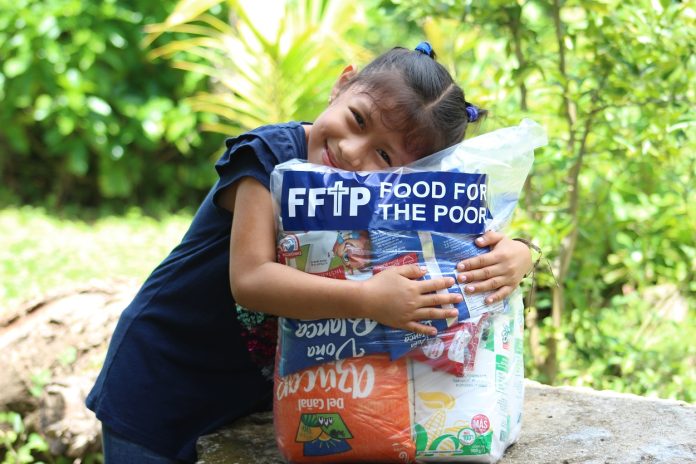
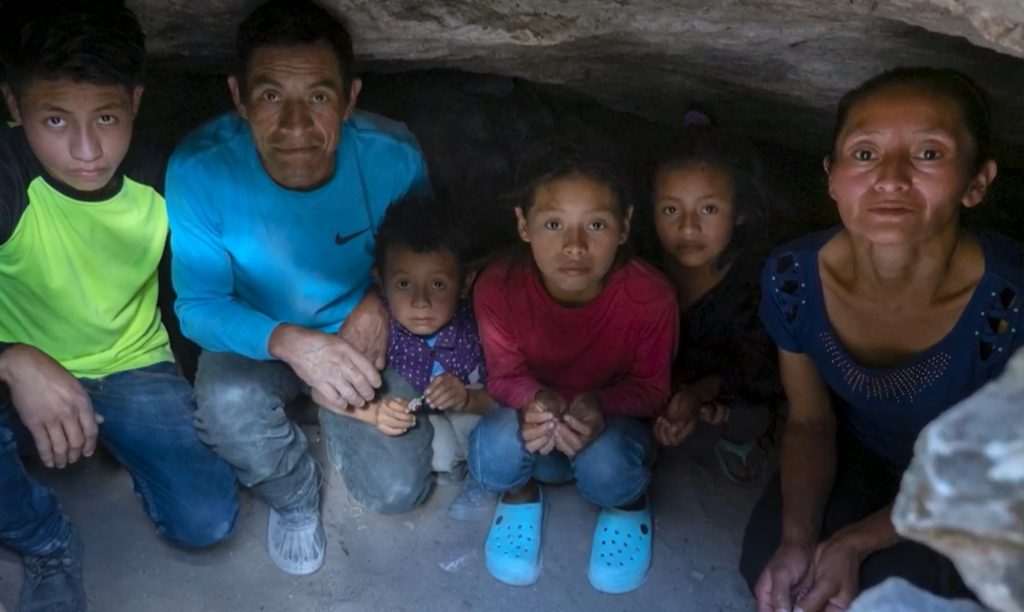
A child in El Salvador is happy to receive a food basket from Food For The Poor. FFTP’s National Celebration – We Are One is closer to meeting its goal of raising funds to provide 10 million meals for families facing food insecurity in Latin America and the Caribbean.
COCONUT CREEK, Fla. (Oct. 3. 2023) – Food For The Poor (FFTP) is closer to meeting its goal of providing 10 million meals for vulnerable families in need in Latin America and the Caribbean, thanks to generous donors who responded to the call for help during the charity’s fourth annual National Celebration – We Are One virtual event on Thursday, Sept. 28.
The event, which took viewers on a journey of prayer, transformation, and hope, was livestreamed from the charity’s Coconut Creek headquarters.
A special gift-matching challenge means every dollar donated was matched with a dollar’s worth of food, making donors’ gifts from the event go even further. The results so far are enough funds to provide almost 5 million meals.
A child from a Haitian family displaced by gang violence in Port-au-Prince’s Cité Soleil neighborhood receives a nutritious meal provided by Food For The Poor donors. FFTP’s National Celebration – We Are One is closer to meeting its goal of raising funds to provide 10 million meals for families facing food insecurity in Latin America and the Caribbean. Photo/Food For The Poor
Support is critical at a time when the ripple effects of rising inflation, global conflicts, and climate change have inflicted greater hardships on impoverished families in Latin America and the Caribbean, leaving many who were already vulnerable facing something even much worse.
More than 345 million people worldwide face high levels of food insecurity in 2023, more than double the number in 2020, according to the United Nations World Food Programme.
Haiti and the countries in Central America’s dry corridor, a strip of land vulnerable to prolonged droughts, are among the hunger hot spots identified by the World Food Programme.
FFTP President/CEO Ed Raine said the charity has delivered 23 million meals over the last three years, thanks to the past generous supporters of We Are One.
“This work is so vitally important,” Raine said. “These meals are absolutely critical to what we do. You have no idea just how significant that one meal a day is to someone who isn’t sure they are going to eat that day at all. Thank you for your support.”
Food For The Poor’s National Celebration – We Are One on Sept. 28 included a moving video of a mother of four children in Honduras in need. The virtual event is closer to meeting the goal of raising funds to provide 10 million meals for families facing food insecurity in Latin America and the Caribbean. Photo/Food For The Poor
The event included a moving video of a mother of four children in Honduras in need.
Maclovia is the sole provider for her family after her husband was permanently injured while working. At night, she gathers her children and prays for a house, food, clothing, shoes, and everything they need for school.
“I ask Him to help,” Maclovia said. “Because it isn’t easy.”
The program also included special performances by Grammy Award-winning singer-songwriter Laura Story and FFTP Development Advisor Ricky Gonzalez.
Story performed her hit song “Blessings,” for which she won Top Christian Song at the 2012 Billboard Music Awards. Gonzalez performed “Turn Your Eyes Upon Jesus.”
“We are one family created in God’s image, and we’re responsible for taking care of each other,” Story said. “We’re all blessed with different gifts and talents. It’s our responsibility to use those and organizations like Food For The Poor are in a place to do that. It’s up to us to care for the least and the lost. It’s a tragic reality that millions of people go to bed hungry every night. But the good news is that we can make a difference.”
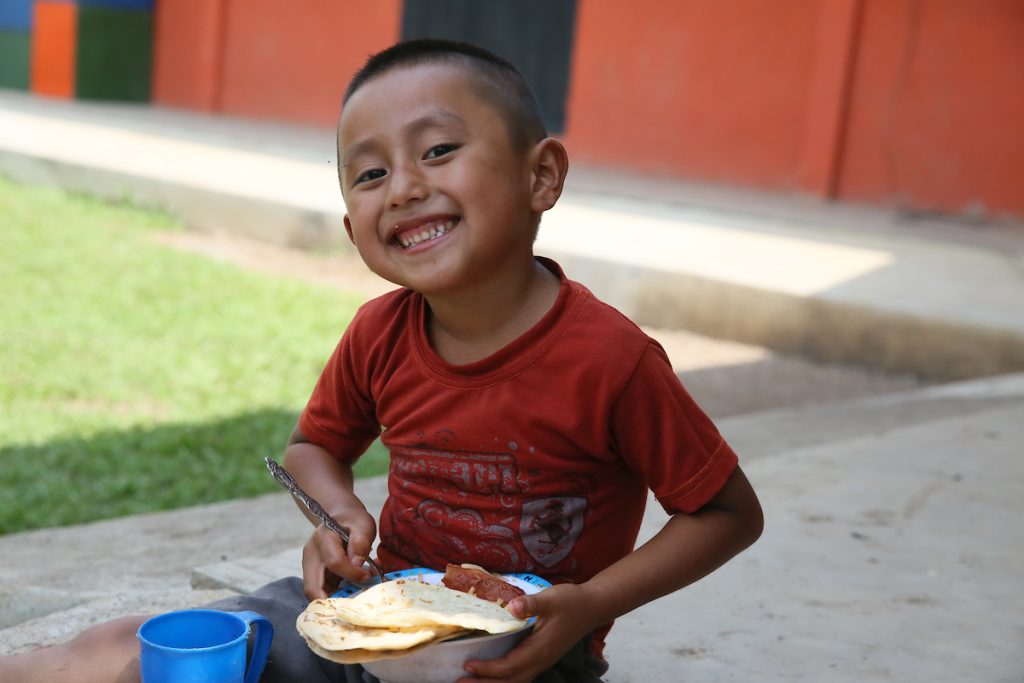
A child in Guatemala is happy to receive a nutritious meal provided by Food For The Poor donors. FFTP’s National Celebration – We Are One is closer to meeting its goal of raising funds to provide 10 million meals for families facing food insecurity in Latin America and the Caribbean. Photo/Food For The Poor
BANDED, a Tennessee-based fashion-accessory company that provides three meals to a child in need through FFTP for every headband sold, was a presenting sponsor for the event.
Additional sponsors include longtime partner Feed My Starving Children and longtime radio sponsor Salem Media.
Food For The Poor, one of the largest international relief and development organizations in the nation, does much more than feed millions of hungry children and families living in poverty primarily in 17 countries of Latin America and the Caribbean. This interdenominational Christian ministry provides emergency relief assistance, water, medicine, educational materials, homes, support for vulnerable children, care for the aged, skills training and micro-enterprise development assistance. For more information, please visit FoodForThePoor.org
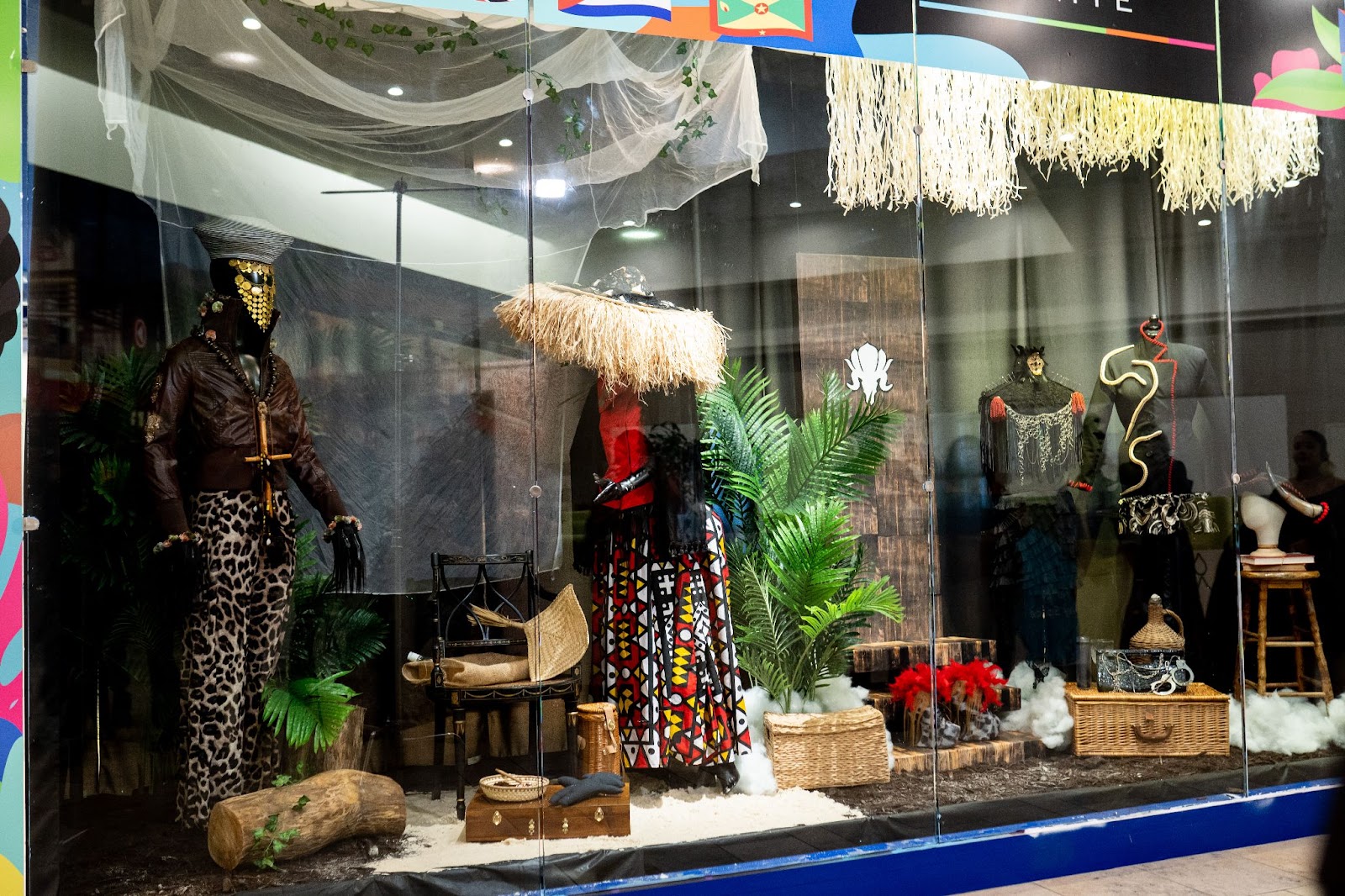
Puerto Rican fashion designer Theo Azael (front) with his muses and models in front of his curated Island SPACE window display. | Photo courtesy of Raoul Belidor.
Plantation, Florida (October 3, 2022): In an epic close to Hispanic Heritage Month, Puerto Rican designer Theo Azael presents two controversial collections in a one-night fashion show and month-long exhibit at Island SPACE Caribbean Museum, America’s only pan-Caribbean heritage museum.
As a teaser to the events, the Puerto Rican designer unveiled a stunning window display on Friday, September 15. Azael will be the first creator to feature a fashion couture collection in the museum. The fashion show, presenting his “Hipster Necromantic” collection, will be presented on Saturday, October 14. The exhibit titled “The Unearthly Worlds of Theo Azael,” in the museum’s Gallery B, which will be on display from October 14 through mid November, explores the intersection of esoteric energy and high fashion.
The collections shown in the fashion show and exhibition are sure to become a hot topic, as they challenge traditional notions of what fashion can be. Some critics have accused the designer of being exploitative and appropriative, while others have praised him for his creativity and innovation. The media has deemed him “The Genius of the Esoteric Deconstructed Couture World,” as his groundbreaking concepts birth a whole new take on combining the worlds of fashion and culture.
A curated Island SPACE window display offers a preview into the October/November fashion exhibit, “The Unearthly Worlds of Theo Azael.” | Photo courtesy of Raoul Belidor
Beyond the Metaphysical
Theo Azael is known for his use of unconventional materials and techniques. His garments often incorporate crystals, herbs and other objects that are believed to have spiritual properties.
“My hope is that my work will help to raise awareness of the power of esoteric energy,” he said. “Our world is beyond the metaphysical elements that we see.”
Azael is not interested in pleasing everyone. He is an avid spiritualist of the Yoruba religion who creates work that is both thought-provoking and challenging, sparking conversations about the role of spirituality in fashion and his connections with the underworld. He uses his platform to raise awareness of the Yoruba religion and other Caribbean spiritual traditions.
“My work is influenced by my faith,” he said. “It’s at the core of my design work.”
A self-taught artist who grew up in Puerto Rico, Azael began his career as a fashion designer in Miami, Florida, where he quickly gained a reputation for his unique and innovative style. His first collection was called JERICO EXTRAVAGANZA BOHÉME COUTURE. He was also the featured opening runway designer for Fort Lauderdale Fashion Week at the Broward Convention Center in April 2023.
Island SPACE president Calibe Thompson said, “We were really excited to have Boricua influence at the museum for Hispanic Heritage Month, and with these exhibits and events, we’re able to extend our celebration of Latin culture even further. The window display is absolutely breathtaking, and in general, Theo’s work makes everything more beautiful!”
Island Society for the Promotion of Artistic and Cultural Education (Island SPACE) is a 501(c)(3) nonprofit organization dedicated to the advancement of arts, culture, history, and educational initiatives that represent the Caribbean region, in South Florida and the broader diaspora community.
Learn more about Island SPACE Caribbean Museum at islandspacefl.org and on our various social media channels. Visit the facility Thursdays through Saturdays from 11:00 a.m. to 7:00 p.m. and Sundays from 11:00 a.m. to 6:00 p.m. at the Broward Mall, 8000 West Broward Boulevard, Suite 1202, Plantation, Florida 33388. Admission is $10 for adults and $5 for children. Group tours are available by reservation when you call 954-999-0989 or email [email protected].
One of the coolest upgrades you can add to your home is a rooftop deck. Whether you live along the coast, in the heart of the suburbs or in the city, you can appreciate hanging out up top. With a few comfy seats, an umbrella and some plants, you could spruce up the place, right? While that’s true, we thought of a few ways to turn your rooftop into the ultimate relaxation and hang-out spot any time of the year. Here are four ways to transform the look of your rooftop deck.
Add a Pergola to Your Space
Rain or shine, enjoy your rooftop space by adding a pergola. This will define your space and give you a spot to hang lights, plants and other decorative elements. Before you install one, check with your neighborhood and building code requirements to ensure you have the right materials, measurements and safety requirements. Pergolas are a great addition to your deck because you can enjoy your space without the sun in your eyes or the rain stopping you from spending time outdoors.
Create an Outdoor Garden
Living in a warmer climate has its perks, including having the perfect weather to grow tasty fruits and veggies. Work on your green thumb by transforming your rooftop deck into the ultimate outdoor garden. While keeping your seating area, you can dedicate a small piece of your deck to growing seasonal fruits and vegetables. This way, when your fresh herbs, greens, and fruits are ready to eat, you can enjoy them sitting and looking out at the beautiful view.
Enhance Your Beautiful View
Living within proximity to the water and being surrounded by beautiful nature is a perk that many people don’t get to experience. Embrace these views and transform the look of your rooftop deck by adding a cable railing instead of a concrete or wooden privacy wall. Use a DIY cable railing kit to get safe railing without compromising your panoramic views. This easy-to-install upgrade can withstand weather conditions and lots of weight. When installing, know the safety and code requirements for cable railing.
Enjoy a Movie on the Roof
Extend your entertainment space by transforming your rooftop deck into a movie “room.” You can install a projector or use a large sheet to hang on one of your privacy walls. Enjoy the sunset while watching your favorite rom-com or thriller. Host dozens of family-and-friends nights to bond under the stars. Add a hot tub, electric firepit or an outdoor bar to spruce up your rooftop deck even further. This way, you can enjoy these extra amenities while watching a movie.
Nation’s Oldest and Largest Latino Civil Rights Organization Calls Invitation from State Business Groups Insincere After They Excluded Hispanic Leaders from Immigrant Labor Conversations
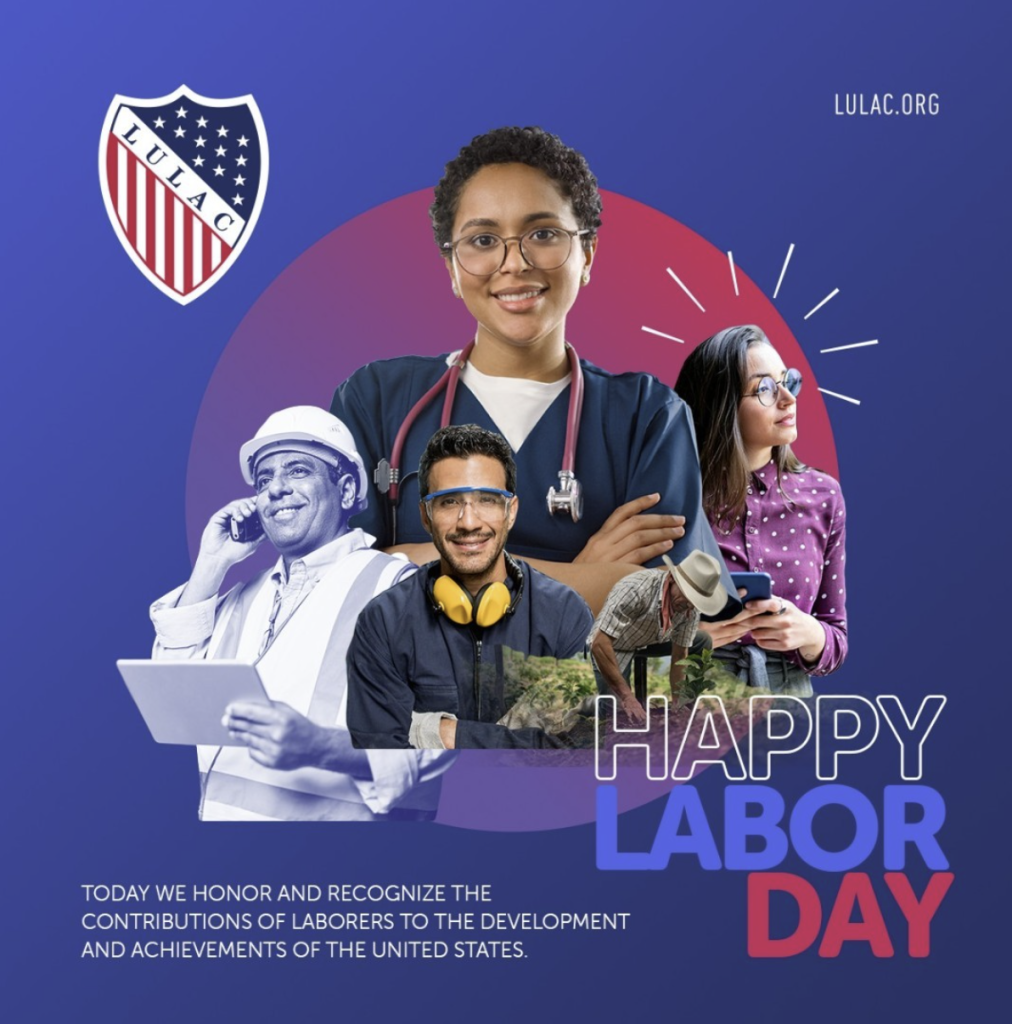
Omaha, Nebraska — LULAC of Nebraska has canceled a meeting with the state’s three largest business chambers after the trio’s leader failed to reply to the discussion issues for the planned dialogue on Friday, September 29. The invitation to a proposed meeting came after LULAC challenged the Lincoln and Omaha Chambers of Commerce for excluding Hispanic leaders from recent significant events to discuss Nebraska’s labor needs and how immigrants can help solve the shortage.
The two chambers brought Bryan Slone, Nebraska Chamber of Commerce President, to coordinate a meeting. LULAC agreed to attend and form a coalition of Hispanic leaders, then set out the issues of concern to the Latino community.
“We were ready to explore opportunities,” said Elsa Ramon Aranda. “However, we will not allow our immigrant community to be exploited. Our four pillars for the meeting all dealt with the working conditions and treatment of our hardworking men and women, who have been historically underpaid. Moreover, many must work without overtime for schedules that often exceed 40 hours and can be up to six or seven days at their peak.
Plus, most immigrant laborers do not have health insurance, so when they get sick or injured, they go without pay or lose their jobs and are replaced by the next laborer. We are not willing to be discarded any longer, and being undocumented does not justify our community being abused,” added Ramon Aranda.
LULAC of Nebraska questions how Governor Jim Pillen formed a commission in August to address the state’s workforce shortage but excluded the community representing the nation’s most significant and youngest labor demographic, Latinos. The Latino or Hispanic community in Nebraska is only 12% of the state’s population.
However, in all labor sectors and industries, including agriculture, construction, and services, Latinos are overrepresented for their percentage of the census. Also, their earnings and purchasing power now add $2 trillion to the country’s economy, and they are projected to triple in size across the U.S. by 2050.
“Everything points to progress in cities and states where we work together,” says Ramon Aranda. “The all-important ingredient is respect for one another in finding mutually beneficial solutions. I am disappointed but not discouraged that Governor Pillen has not seen this reality. Also, the business Chambers of Commerce are stepping over a dollar to pick up a dime by overlooking what we bring and excluding us, perhaps out of fear, because they see our growth, perseverance, and innovation.
Our Latino businesses are thriving while many retail shopping centers are struggling. We are resilient, ready, and eager to do the work others are not, which is why we will prevail,” she adds.
Meanwhile, the ¡OYEME OMAHA! Hear Me Omaha! campaign led by LULAC is forging ahead and broadening the coalition’s focus to include employment inequities, including in the police and fire ranks; disbursement of safety net social programs’ funding; and representation in institutions of higher learning.
About LULAC
The League of United Latin American Citizens (LULAC) is the nation’s largest and oldest Hispanic civil rights volunteer-based organization that empowers Hispanic Americans and builds strong Latino communities. Headquartered in Washington, DC, with 1,000 councils around the United States and Puerto Rico, LULAC’s programs, services, and advocacy address the most important issues for Latinos, meeting the critical needs of today and the future. For more information, visitlulac.org
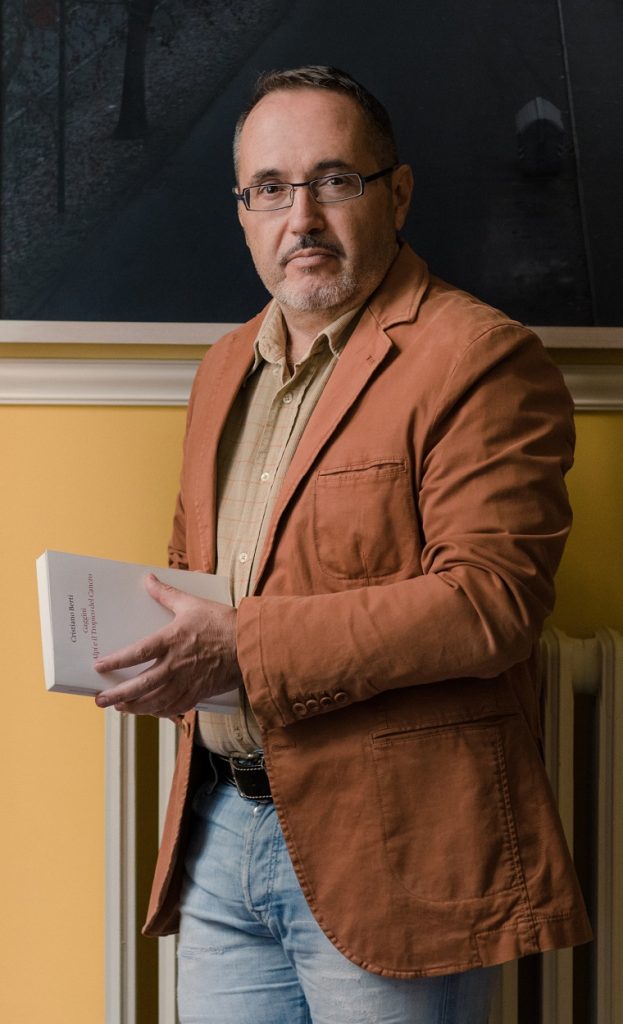
Cristiano Berti’s new book, Boggiano Heirs, tells the stories of the Boggianos, a group of enslaved people owned by Antonio Boggiano, a wealthy Italian merchant residing in Cuba in the early 19th century, whose surname was imposed upon many enslaved people, and transmitted to their descendants up to this day.
Author Cristiano Berti with his new book, Boggiano Heirs
In the early 19th century, slavery was widespread in Cuba. Racism was also a rampant issue as the Cuban society was divided into classifications according to one’s proximity to whiteness, defining a woman of mixed African and European descent as a mulata, of mixed Indigenous American and European descent as a mestiza, of mixed white and mulata descent as a tercerona, a descendent of mixed white and tercerona descent a cuarterona, and so on in the numerous possible combinations.
By the time Antonio Boggiano arrived in Cuba, it was fairly easy for him to amass enough money to purchase a coffee plantation near the city of Trinidad – in an area named San José de los Puriales – along with slaves who were forced to exert labor to cultivate it.
The enslaved people endured poor living conditions and harsh treatment, particularly those who worked in sugar plantations. Poor sanitary conditions, scarcity of medicines and overcrowding made the enslaved people more vulnerable to epidemics. Due to the hardships the enslaved faced, their lifespan was cut short – those in sugar plantations had a lifespan that averaged around ten years, while those in coffee plantations had a comparatively higher lifespan.
Those who attempted to flee, known as cimarrones, were often captured and returned to slavery after being subjected to terrible punishments. According to customary law, the only reliable way to freedom was through its purchase. As few had the means to do so, many had their fates sealed as slaves. Fortunately, some of Boggiano’s slaves did precisely this: They bought their own freedom.
While the Cuban Boggianos of this era carry Antonio Boggiano’s surname, they do not directly descend from his lineage. Instead, the book explores other possibilities, such as the customary practices in Spanish colonies that baptized enslaved people under the surname of their enslaver.
Today, the only tangible relic of Antonio Boggiano’s many businesses and properties is a white marble altar found in the Santísima Trinidad’s Church. However, the author emphasizes that the marble altar is not particularly interesting compared to the immaterial legacy constituted by the transmission of his surname that can be found among many Afro-Cubans to this day.
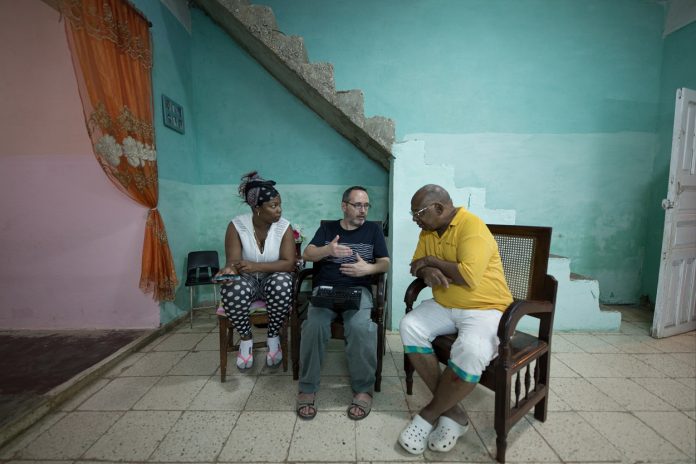
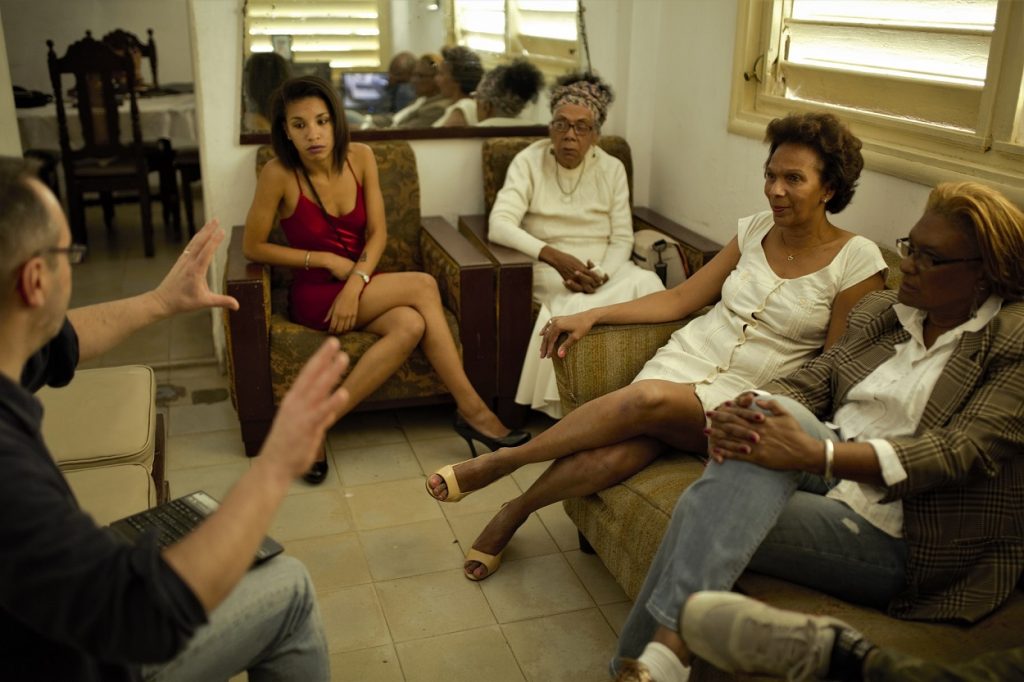
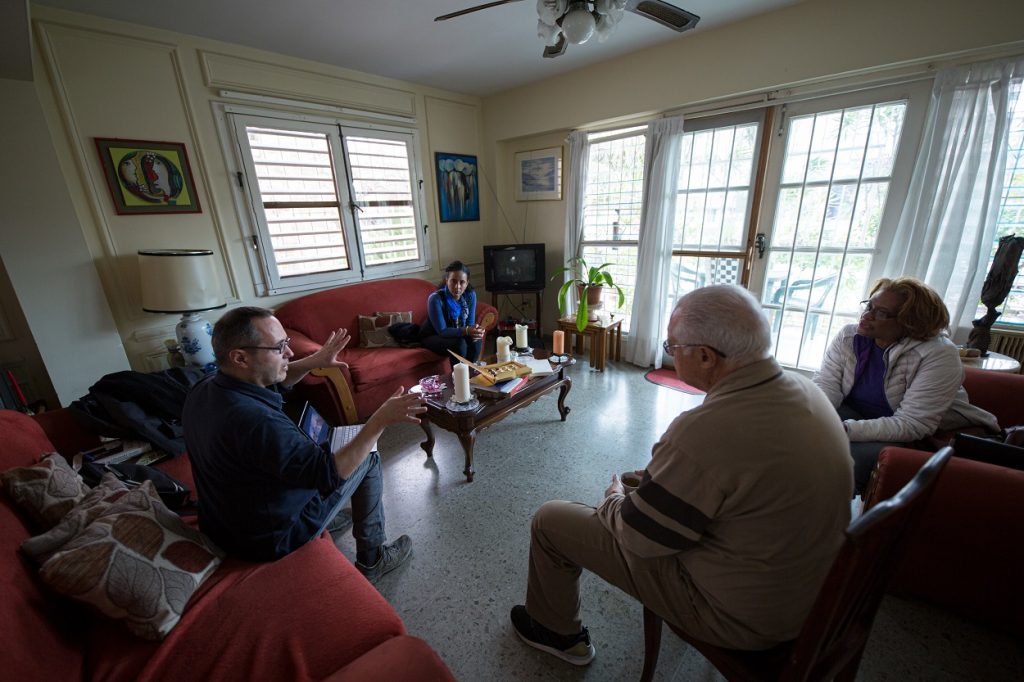
Cristiano Berti conducting more interviews
The result of five years of research, Cristiano Berti’s Boggiano Heirs is primarily an artist’s book but takes the form of a historical essay. His recent projects involve the publication of an artist’s book, along with works created using the typical mediums of contemporary art. The first of these volumes was published by Quodlibet in 2017, and it is entitled Gaggini. Le Alpi e il Tropico del Cancro.
The book closes with a conversation with American art critic and author Seph Rodneyon art and the representation and memory of slavery:
“You turned toward the mystery of the Boggianos to see what they could tell you about the wider developments within the Caribbean. I think it’s valuable that you have uncovered a hushed history of entrepreneurship, travel, exploitation, enslavement, aspiration, intermixing of cultures and ethnicities, and laborious self-possession.”
Boggiano Heirs is distributed in the US by IDEA Books and produced thanks to the support of the Italian Council’s program for the international promotion of Italian art, under the General Directorate for Contemporary Creativity of the Ministry of Culture.
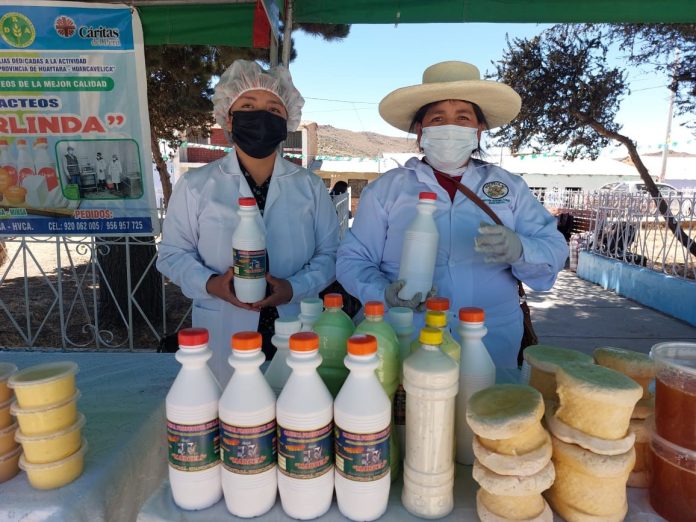
Two farmers in Peru display dairy products from the Marceli plant. Food For The Poor (FFTP) is partnering with Caritas del Peru to help 152 livestock farmers increase their revenues from selling milk and other dairy products. FFTP is recognizing the rich culture and traditions of Peru as the charity marks National Hispanic Heritage Month, which runs from Sept. 15 through Oct. 15. Photo/Food For The Poor
COCONUT CREEK, Fla. (Sept. 22, 2023) – Food For The Poor (FFTP) is partnering with Caritas del Peru to help 152 rural farmers increase their revenues from selling milk from their livestock and other dairy products.
Herlinda is a dairy farmer who works with her family in Ayavi, Peru, high in the Andean mountains. She said her family’s dairy products will improve, thanks to generous FFTP donors.
The collaboration between FFTP and Caritas del Peru will continue what a local Peruvian company, Peru LNG, had initiated to help Herlinda’s family increase their income and grow their business to make cheeses.
FFTP is recognizing the rich culture and traditions of Peru as the charity marks National Hispanic Heritage Month, which runs from Sept. 15 through Oct. 15.
Herlinda said her family’s dream is to take their products to new markets where they can sell them at a better price.
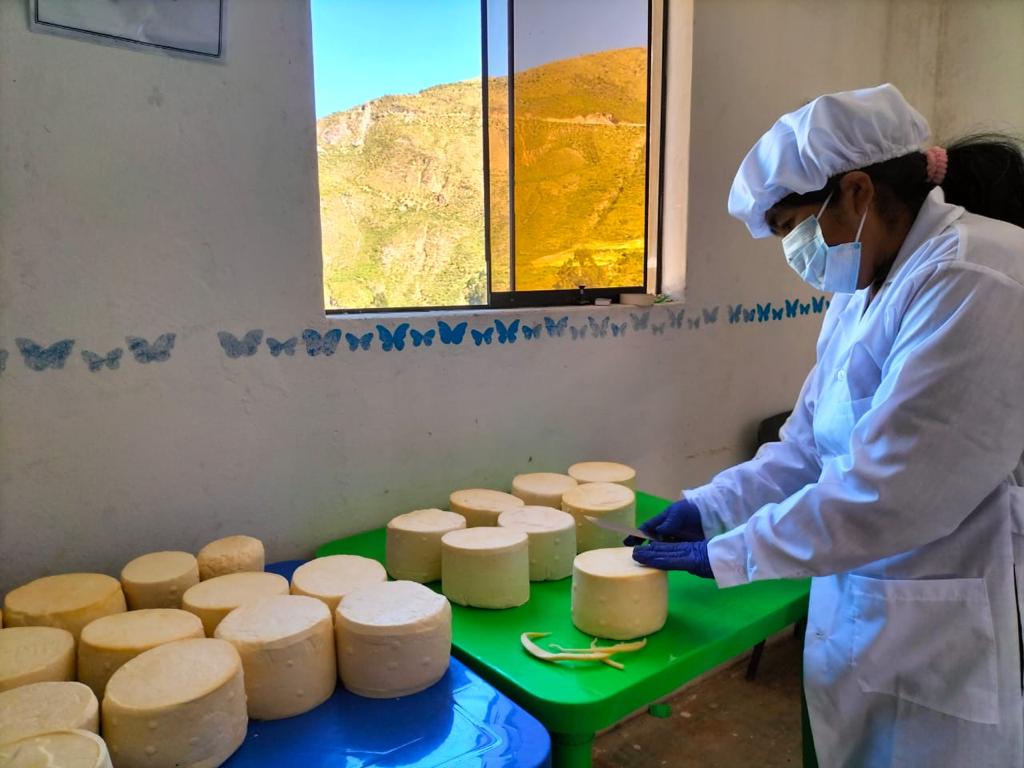
Initially, Herlinda’s family faced challenges because they didn’t have a place and lacked equipment to make their products.
Because of the generosity of FFTP donors, Herlinda’s family and the other farmers have equipment that helps improve the quality and scale of dairy products while allowing them to take their products to local markets. To help her family’s business grow even more, this project is improving the processing plant, providing better pasture for their cattle and artificial insemination to increase livestock numbers and improving equipment, and business capacity.
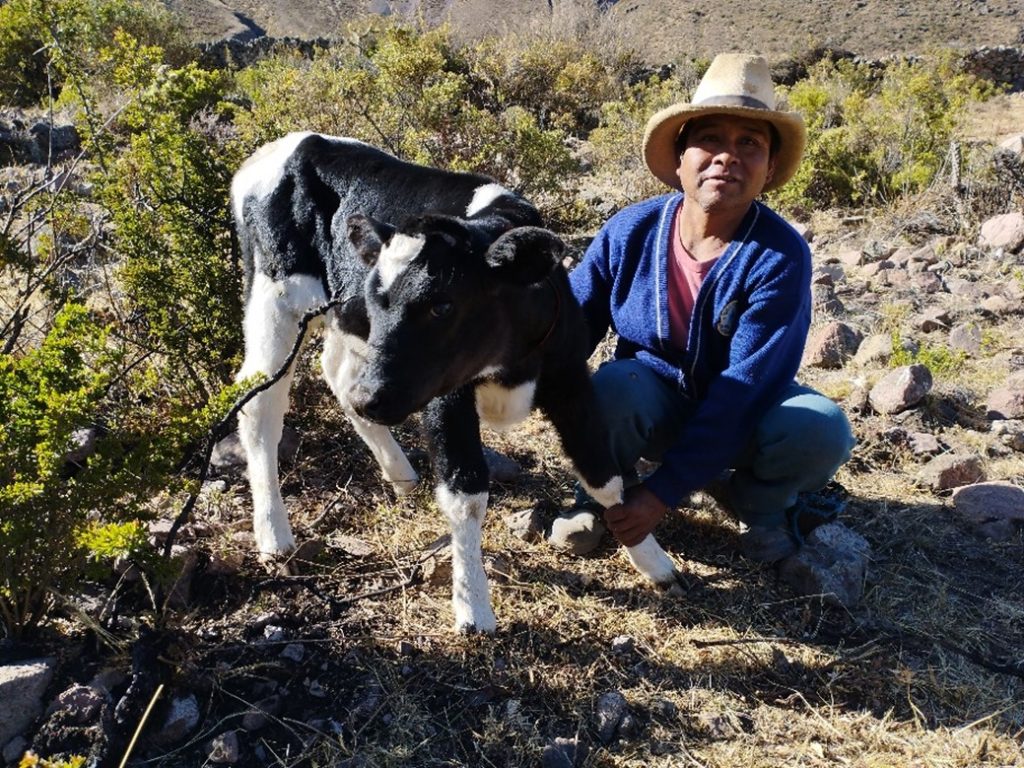
A farmer in Peru takes pride in his calf. Food For The Poor (FFTP) is partnering with Caritas del Peru to help 152 livestock armers increase their revenues from selling milk and other dairy products. FFTP is recognizing the rich culture and traditions of Peru as the charity marks National Hispanic Heritage Month, which runs from Sept. 15 through Oct. 15. Photo/Food For The Poor
“We are honored to partner with Caritas del Peru and to recognize the contributions of the Hispanic community to the social fabric of our country and beyond,” FFTP President/CEO Ed Raine said. “As we celebrate National Hispanic Heritage Month, we are reminded of the vibrant and diverse culture that the Hispanic community brings to our society.”
Peru, like many countries in Latin America, has struggled with rising numbers of families living in multidimensional poverty due to the convergence of COVID-19, conflict, and climate change.
According to the World Bank, Peru was one of the countries most impacted by the pandemic. In 2020, the country contracted by 11 percent and extreme poverty increased to comparable levels in 2013.
In 2022, FFTP added Peru to the list of places it is focusing on in the Caribbean and Latin America, as the charity works to expand its mission to provide sustainable livelihoods for poverty-stricken families.
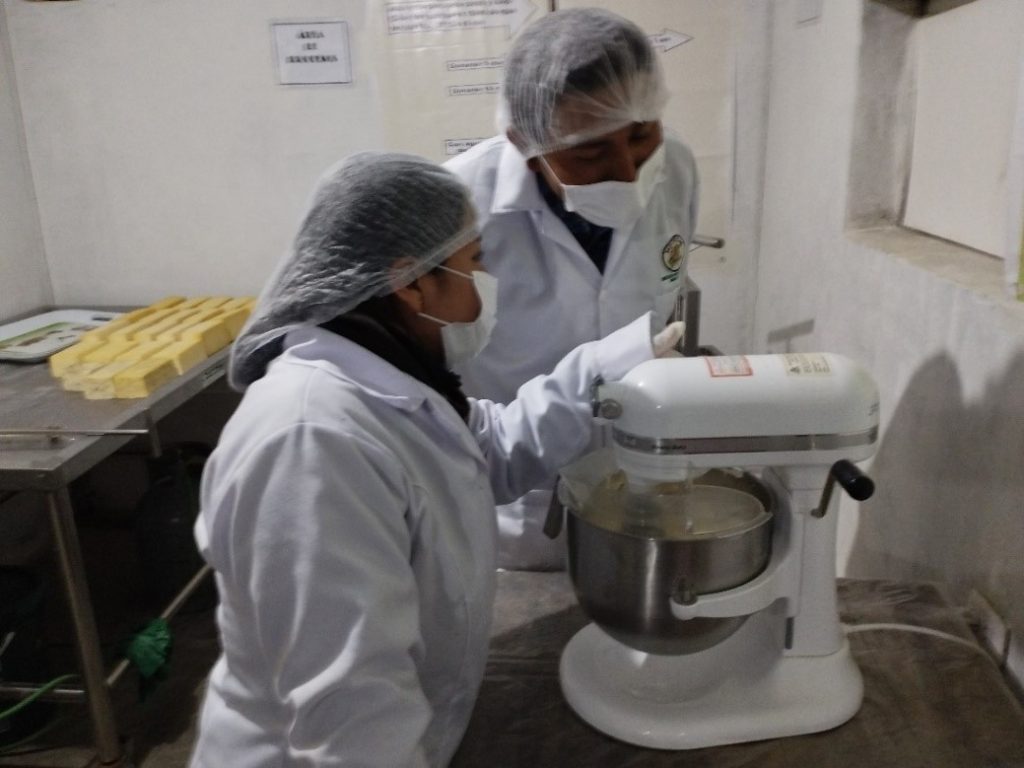
Rosa, a dairy farmer in Peru, dreams of having a large plant with the proper equipment to make cheese. Food For The Poor (FFTP) is partnering with Caritas del Peru to help 152 livestock farmers increase their revenues from selling milk and other dairy products. FFTP is recognizing the rich culture and traditions of Peru as the charity marks National Hispanic Heritage Month, which runs from Sept. 15 through Oct. 15. Photo/Food For The PoorDairy farmers receive technical training on making butter. Food For The Poor (FFTP) is partnering with Caritas del Peru to help 152 livestock farmers increase their revenues from selling milk and other dairy products. FFTP is recognizing the rich culture and traditions of Peru as the charity marks National Hispanic Heritage Month, which runs from Sept. 15 through Oct. 15. Photo/Food For The Poor
Rosa lives in Tambo, and her family also works as dairy farmers. She views the FFTP project with Caritas del Peru as a great support for them, and it has already helped her improve her dairy products. She dreams of having a large plant with the proper equipment to make cheese.
Her greatest challenge has been appropriate packaging and sanitary registration so she can take her products to the market and get a higher price. She hopes the project will help provide further training to improve their products.
“Our partnership with Caritas del Peru is extremely valuable as we work together to create long-lasting change for the farmers like Herlinda and Rosa in this area,” Raine said. “By working together, we can improve their incomes and their overall livelihoods, creating a more secure and prosperous future for these families.”
Families in Peru send their dairy products to a market for sale. Food For The Poor (FFTP) is partnering with Caritas del Peru to help 152 livestock farmers increase their revenues from selling milk and other dairy products. FFTP is recognizing the rich culture and traditions of Peru as the charity marks National Hispanic Heritage Month, which runs from Sept. 15 through Oct. 15. Photo/Food For The Poor
Caritas del Peru is a nonprofit founded in 1955. It has a network of 48 diocesan parishes and focuses on social development, nutrition and health, programs for people with disabilities and the elderly, education, economic development, disaster relief, and the environment.
Food For The Poor is celebrating National Hispanic Heritage Month with a Facebook challenge and inviting everyone to join a special Facebook group where you can participate in fun and engaging posts about Hispanic culture. Additionally, there is the option to join in with fundraising for Latin American children. Join the challenge by clicking: facebook.com/groups/878738036917877/
Food For The Poor, one of the largest international relief and development organizations in the nation, does much more than feed millions of hungry children and families living in poverty primarily in 17 countries of the Caribbean and Latin America. This interdenominational Christian ministry provides emergency relief assistance, water, medicine, educational materials, homes, support for vulnerable children, care for the aged, skills training and micro-enterprise development assistance. For more information, please visit FoodForThePoor.org.
Outdoor kitchens are a popular home feature around the Caribbean. After all, the weather is perfect almost all the time. Why not cook and eat outside?
You can also bring this island habit of cooking and eating outside to your home in the U.S. Outdoor kitchens can increase your home’s value and make it more luxurious. While you can build one yourself, hiring a professional is often better. We provide a realistic construction timeline for an outdoor kitchen below, so you know what to expect from this process.
Week 1: Plan Your Outdoor Kitchen
The first step of an outdoor kitchen is planning. You should collect inspirational images, perhaps of your home in the Caribbean. Take measurements of the area you want to put your kitchen in and look at the building materials you want the construction company to use. Call construction companies for quotes and present the chosen company with your plans.
Month 1: Submit Paperwork for Outdoor Kitchen Permits
The construction company will take your inspired plans and turn them into an official construction blueprint. In most areas across the U.S., homeowners need approval before construction can begin. Ideally, the construction company you hired can submit the plans for approval for you, along with requests for any additional permits. As the homeowner, you may need to assist them with this paperwork.
Month 2: Watch the Professionals Work
Paperwork approval takes time. It’s quicker in some areas and longer in others. Expect to wait around a month for approval. During this waiting period, you can plan the details of your outdoor kitchen with your hired construction company. For example, you could select your countertop material together at the construction company’s wholesaler or a home improvement store. Details like this won’t require official approval, which is why this is the perfect time to select them.
Month 5: Enjoy Your Outdoor Kitchen
Once your construction company receives the approval and permits they need to get started, they’ll build your Caribbean-inspired outdoor kitchen. The construction process can take around three months, bringing the total months of the project to five. While five months of work sounds like a long time, it’s a faster timeline than a DIY job. A quick timeline and convenience are two of the reasons it’s important to hire outdoor kitchen builders instead of attempting to DIY.
While much of this time is spent waiting, the result is worth it. You’ll have a piece of Caribbean luxury in your home in the States to use and enjoy.
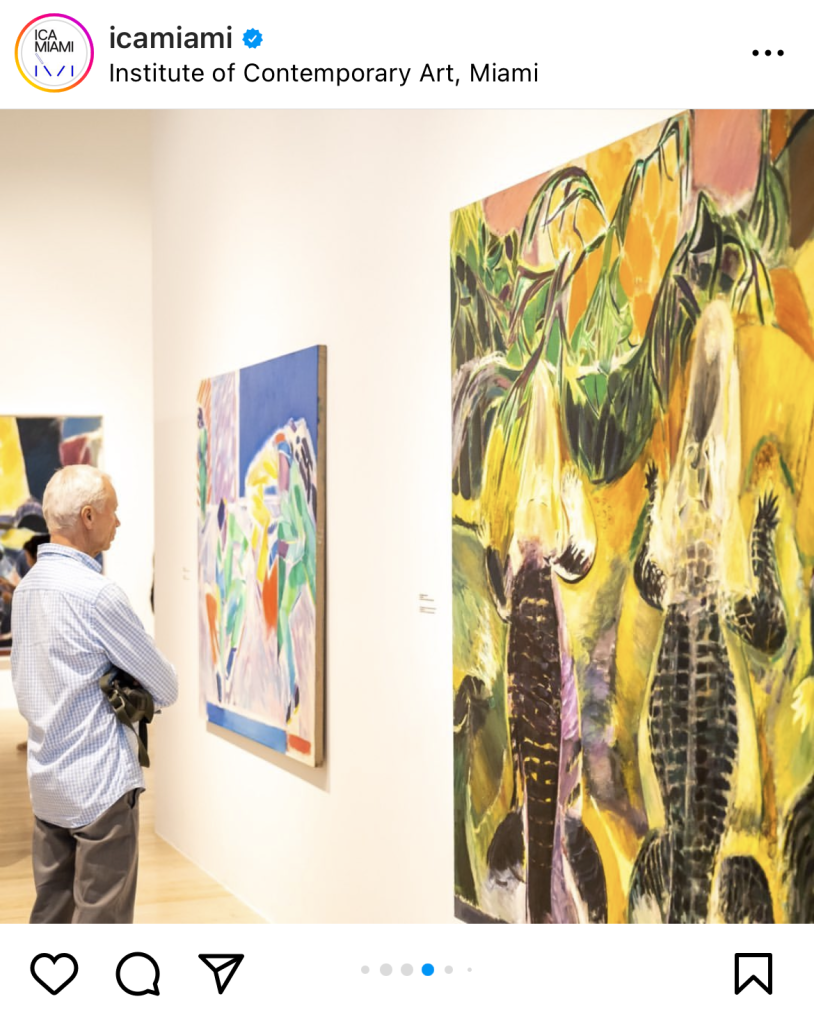
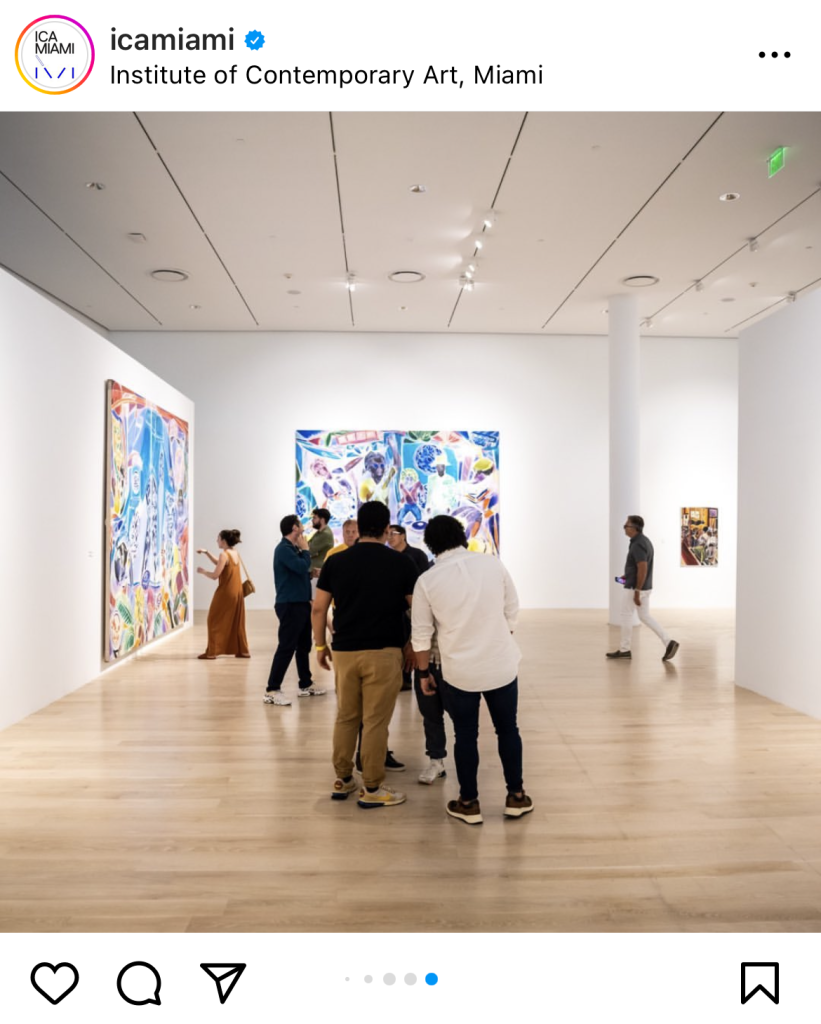
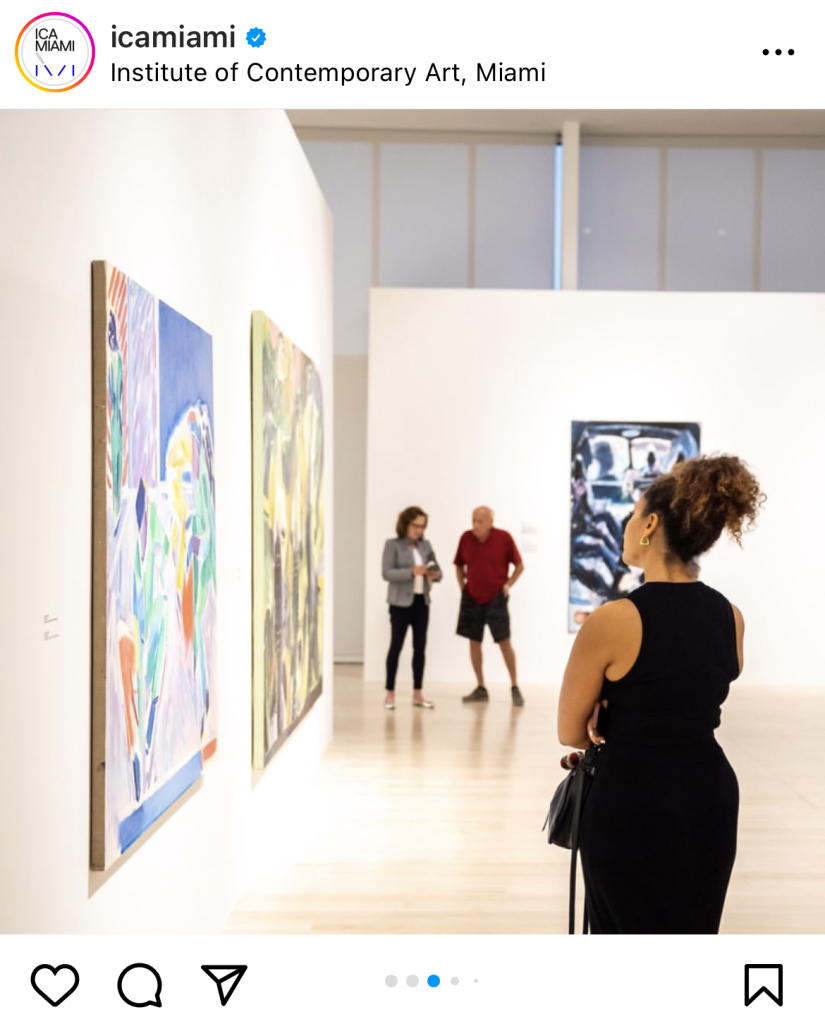
Jamaican artist, Denzil Forrester’s Exhibit at ICA Miami | Photos: @icamiami on IG
As a hub for many arriving from the Caribbean’s shores, Miami overflows with island culture. This can be felt in the art scene, specifically, with creative minds coming up with paintings, sculptures, drawings and more to express themselves and their unique experiences. From polished gallery walls to sprawling murals, these are the Caribbean artists you can look forward to seeing in South Florida’s “Magic City.”
Tomm El-Saieh
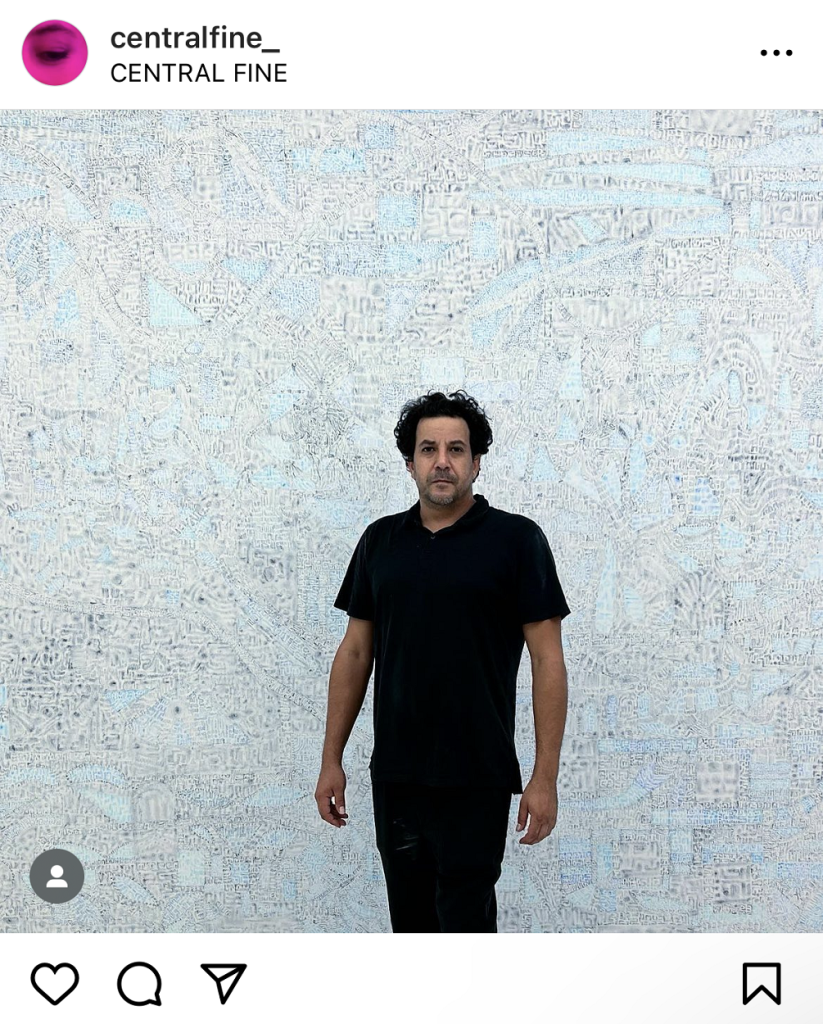
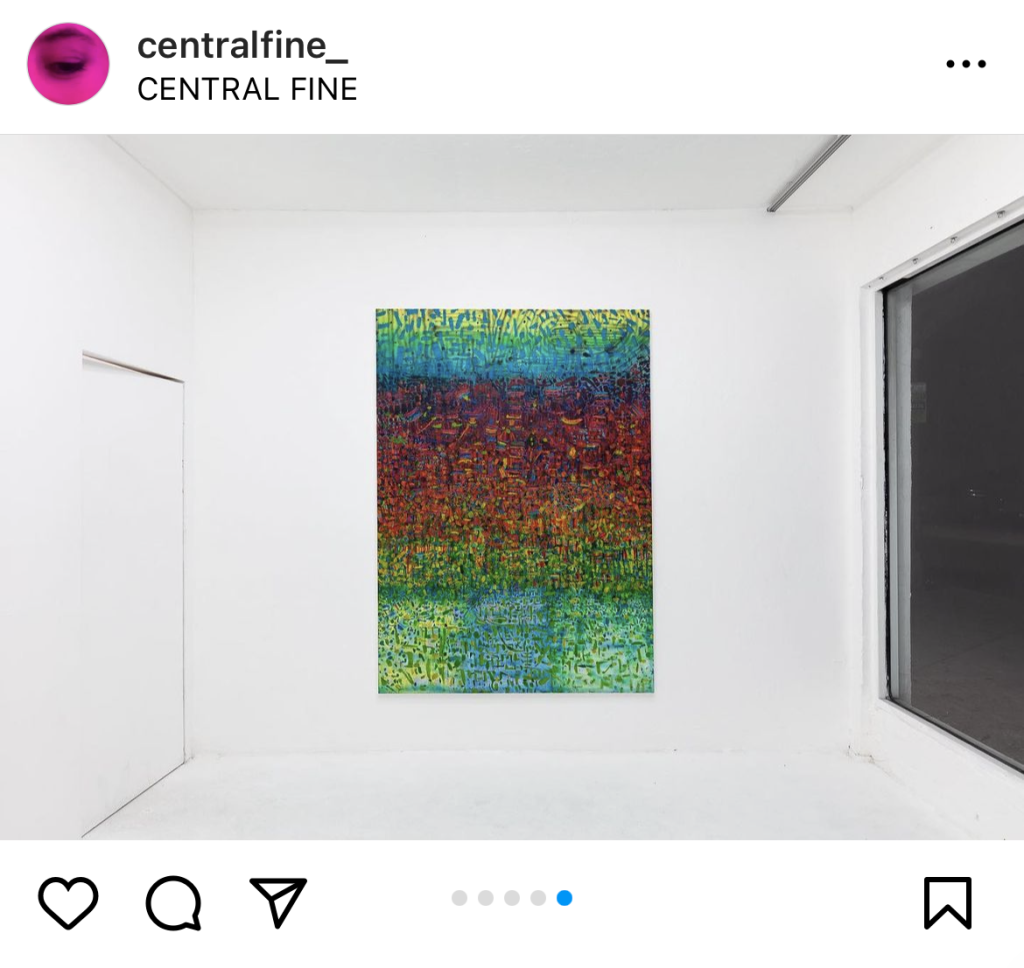
Hailing from Port-au-Prince, Haiti, Tomm El-Saieh is a Miami-based artist who’s large form, abstract pieces capture the eye with vibrant colors, layered lines and near rhythmic compositions. El-Saieh draws inspiration from his Haitian, Palestinian and Israeli heritage, as well as his fascination with patterns often seen in Haitian Vodou imagery.
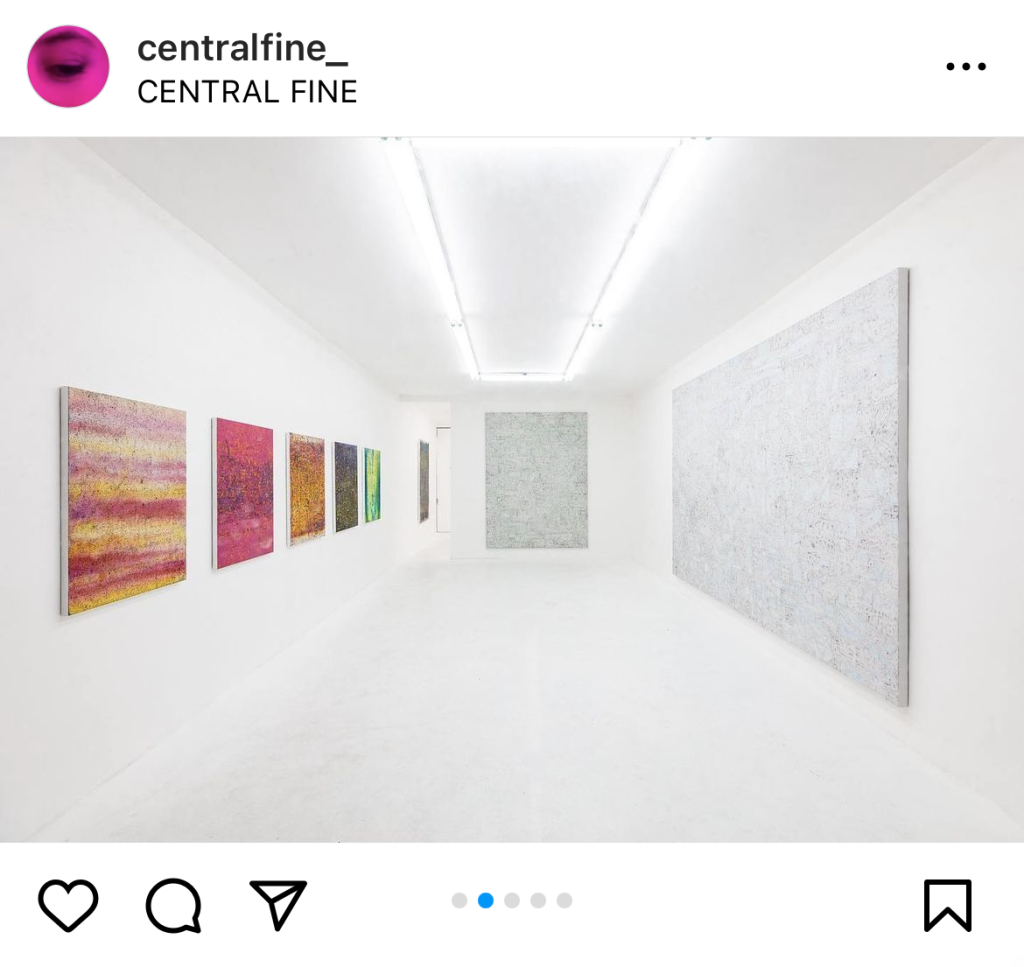
El-Saieh often works with Central Fine gallery in Miami Beach, as well as the Institute of Contemporary Art Miami and the Haitian Heritage Museum. Most recently, his Parachute series was on display in April, 2023 at Central Fine, featuring bold hot pink, lime green and bright orange canvases opposite a wall of whites and grays, all detailed with various lines, shapes and symbolism.
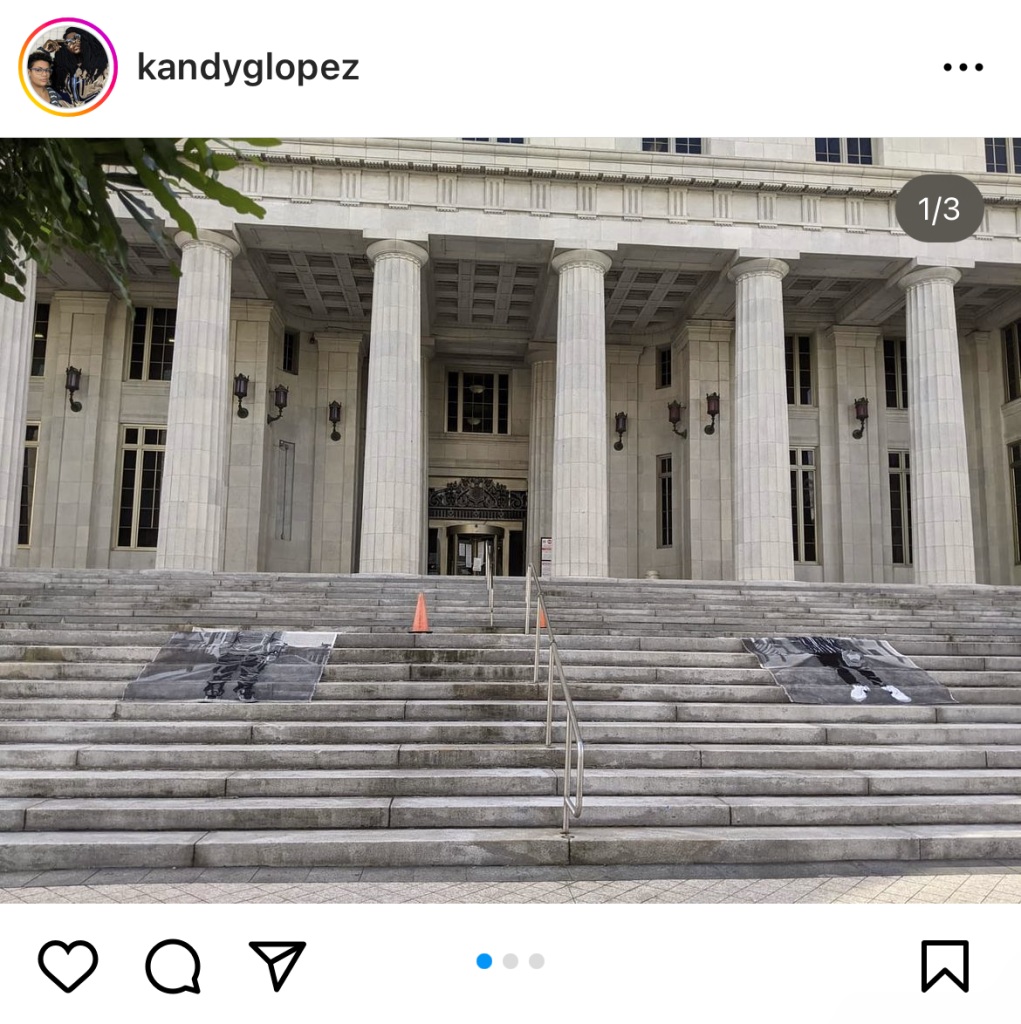
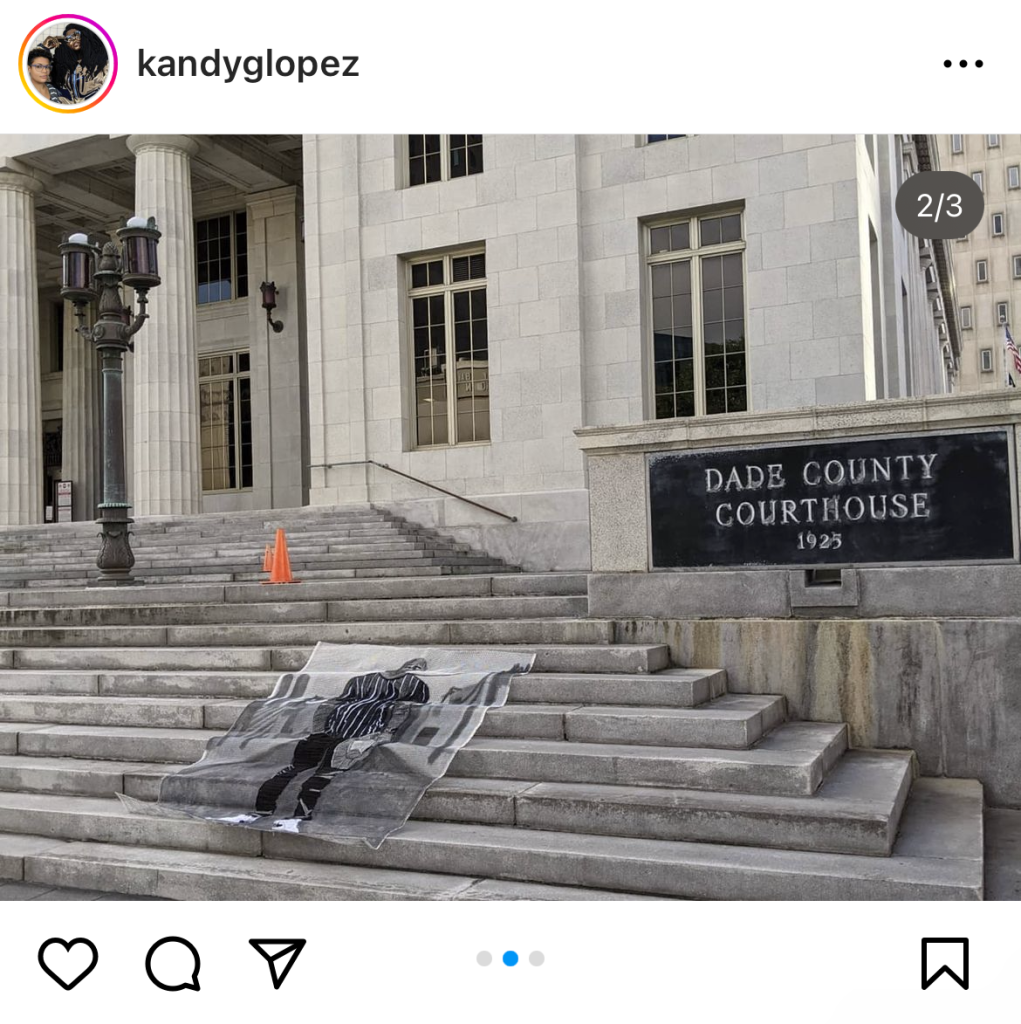
Kandy G. Lopez is an Afro-Caribbean visual artist whose primary goal is to learn new lessons from her own work. She most often works with stained glass or yarn to create near life-sized portraits inspired by photographs. In 2020, Lopez made a bold statement with two embroidered artworks depicting African American men laid as entrance rugs at the Miami Dade Courthouse in Downtown Miami, symbolizing marginalized groups constantly being trampled upon by the American justice system.
She teaches as an Associate Professor of Art and Design at NOVA Southeastern University.
Kandy G. Lopez’s display at the Miami Dade Courthouse | Photos: @kandyglopez on IG
Felix Gonzalez-Torres
Felix Gonzalez-Torres was an openly gay, Cuban visual artist that made significant contributions to the conceptual and interactive art space in the 80s and 90s, before passing away in 1996 after battling AIDS. The artist lives on through the Felix Gonzalez-Torres Foundation, which maintains his collection of works and carries on the late artist’s mission to foster free thinking and a prolific desire to make the world a better place through art. The foundation regularly loans out his work to exhibits from Paris to London, New York and Miami.
The artists’ painting, sculptures and installations are currently on display at the Together, at the Same Time exhibit within the de la Cruz Collection in the Miami Design District. The Felix Gonzalez-Torres Foundation has also made contributions to an exhibit currently on display at Perez Art Museum Miami (PAMM) titled, Joan Didion: What She Means, an exhibit honoring the late writer, journalist and artist.
Jason Seife
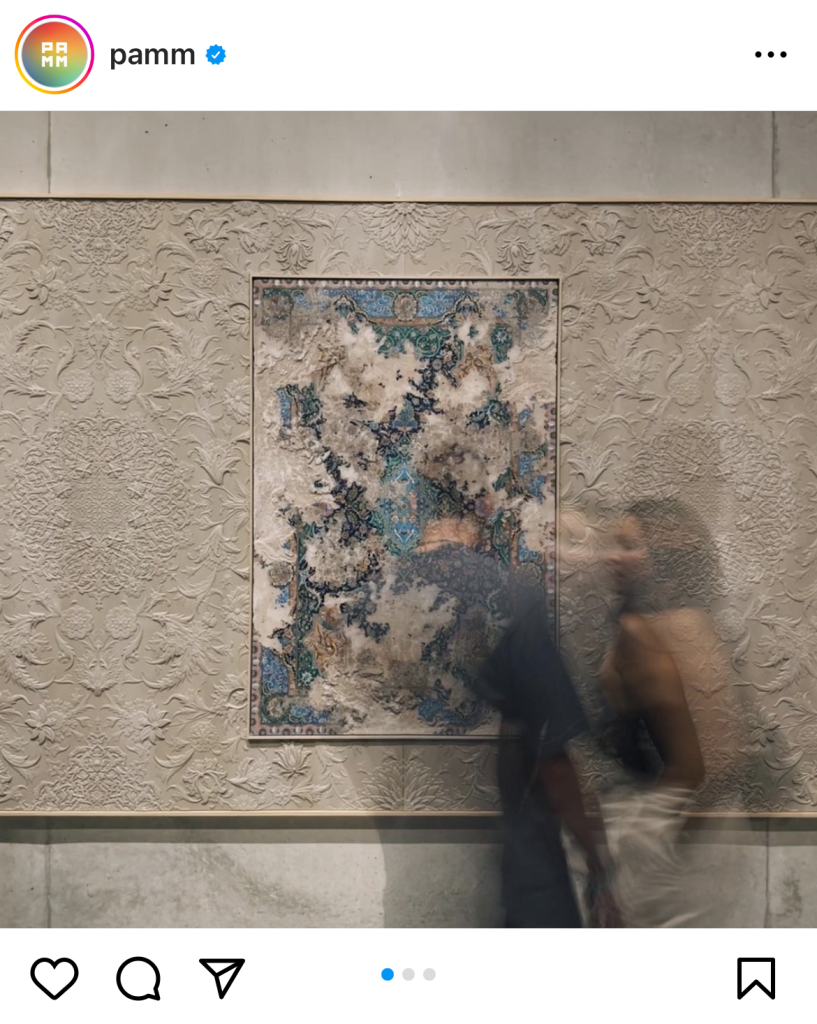
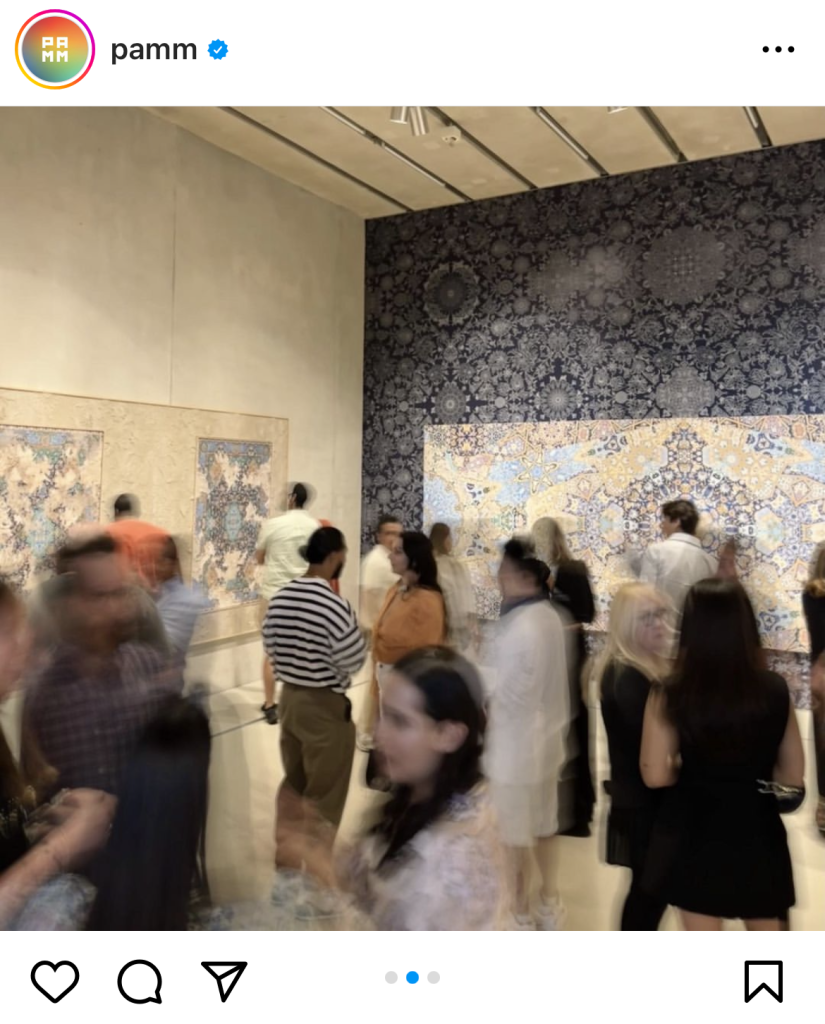
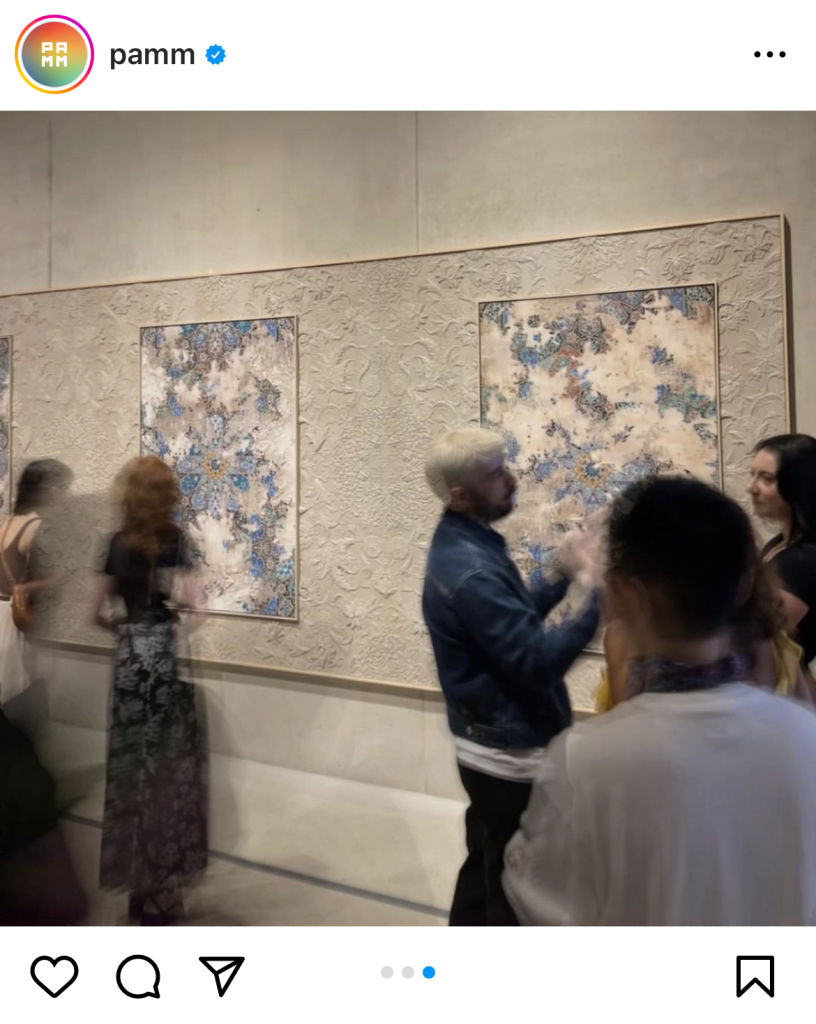
Young, but not new to the art scene, is Syrian-Cuban artist Jason Seife. The 34-year old Miami-based artist has presented solo exhibitions in London, The United Kingdom and even Dubai with inclusions in group exhibitions across the United States. Seife’s intricate paintings resemble mosaics and textiles, with cultural influences of Persian carpets and Islamic art coming to the forefront in terms of patterns, colors and details. He often works with acrylic, ink and natural pigments on canvas and, more recently, hand poured mortar and concrete slabs.
“Coming to Fruition” exhibit by Syrian-Cuban artist Jason Seife | Photos: @PAAM on IG
For his first solo U.S. exhibition, titled Coming to Fruition, Seife’s works are currently on display at PAMM. According to PAMM’s description of the exhibit, “The overall effect of wooden frames and paintings on the concrete walls recalls a phenomenon common to both Cuba and Syria: beautifully painted buildings that have been reduced by war or neglect to their wood and concrete shells.”
Denzil Forrester
Grenada-born artist Denzil Forrester’s work is deeply influenced by his childhood memories of Caribbean life, characterized by vibrant colors, movement, action and rhythm. In the 1980s while in London, he began frequenting night clubs featuring reggae music and Rastafarian culture, his art began to capture the joy and celebration found in these club scenes. Tackling the darker aspects of Black life in the UK also plays a significant role in his art, with recurring depictions of police violence, especially after the tragic loss of his friend, Winston Rose, in 1981. His paintings shed light on the systemic issues faced by Black communities.
Jamaican artist, Denzil Forrester’s Exhibit at ICA Miami | Photos: @icamiami on IG
Despite the shift towards more colorful compositions, Forrester’s work still carries memories of his Grenadian upbringing, including images of Caribbean carnival. At his ICA Miami special exhibition titled Denzil Forrester: We Culture, which ran through September 24, 2023, he aimed to convey the essence of sound, rhythm, and color in his art, complemented by a curated playlist of reggae roots music, enhancing the club themes depicted in his paintings.
Rosa Naday Garmendia
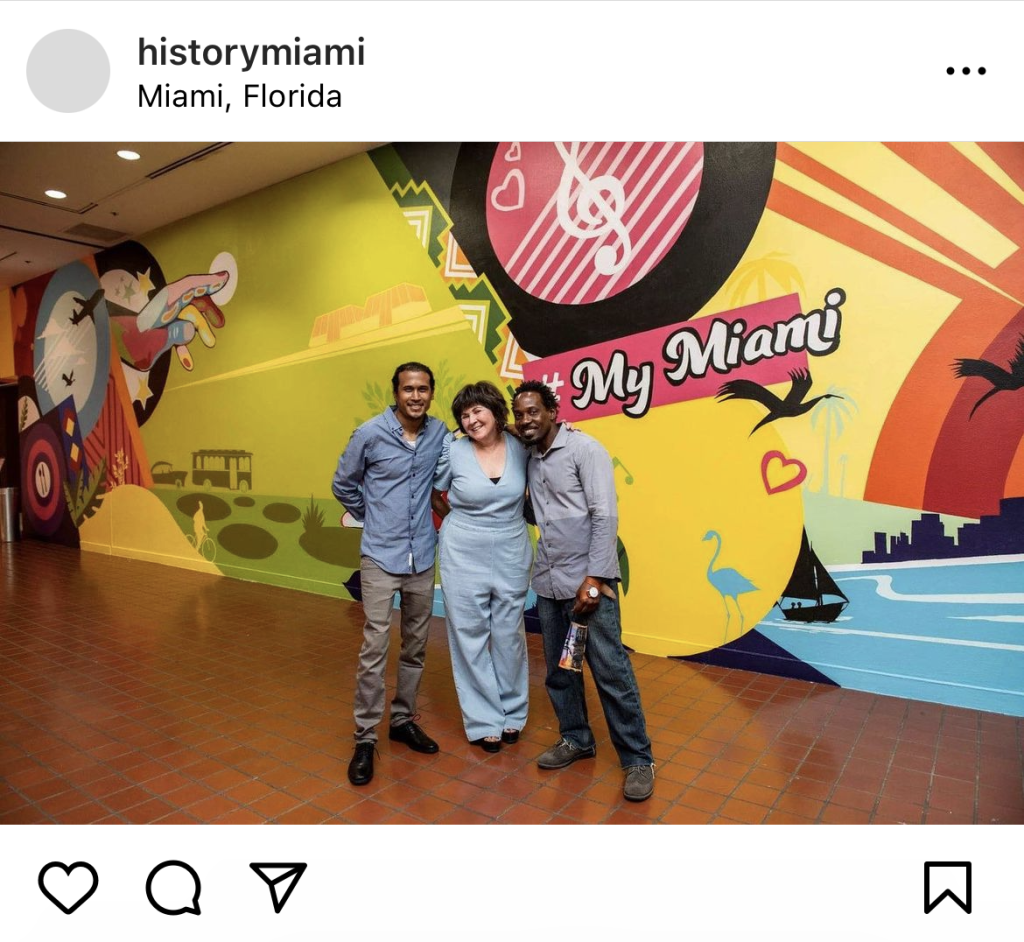
Born in La Habana, Cuba, contemporary visual artist Rosa Naday Garmendia moved to the US with family at the age of eight. She began pursuing art and developed a niche for contemporary art that speaks to social change. Garmendia has had pieces featured in Oolite Arts exhibit space in Miami Beach, where she is a resident, and in 2021 was part of a trio of muralists — alongside fellow Caribbean artists Asser Saint-Val and Izia Lindsay — to paint the This is Miami mural on the HistoryMiami Museum, a sprawling 130-foot panorama. Garmendia is also currently a museum educator and thought leader at PAMM.
Ebony Patterson is a Jamaican visual artist known for bold colors and transformative visuals that symbolize experiences of class, race, gender and violence. Patterson’s calling card tends to be the use of bright colors and flowers to seduce viewers in before revealing the true, deeper meaning of her pieces. Though the painter and installation artist now lives and works in Chicago, her past work in Miami led to a 2018/2019 solo show at PAMM titled, …while the dew is still on the roses…
As one of Patterson’s most significant presentations, the immersive installation included sculptures, paintings, drawings, videos and more that transformed the gallery room into a garden at night, representing the juxtaposed nature of gardens being both beautiful and fleeting. Patterson still travels to Miami from time to time, especially during Art Basel.
Look forward to seeing these two private shows from Jamaican artists during Art Basel Miami Beach:
Cornelius Tulloch
Cornelius Tulloch is a Jamaican-American interdisciplinary artist with a focus on fine art and architecture. With a childhood spent in both Jamaica and Miami, color has always been a major aspect of his art. His work often includes self portraits, fruit, flora and other aspects inspired by his Jamaican and African culture.
The Cornelius Tulloch: Poetics of Place exhibit will be on display from November 18, 2023 – February 10, 2024 at the Locust Projects, a non-profit organization that regularly presents new art. The Poetics of Place installation is an immersive, architectural concept designed to establish a shared environment fostering cultural interactions, storytelling and artistic creativity.
Tau Lewis
Jamaican-Canadian artist Tau Lewis is an up-and-coming sculpturist whose work includes hand-sewn, quilted carved and assemblage structures. The artist has an appreciation for Black culture and often works to uplift that in her art. Lewis also collects, uses and reuses recycled materials and scraps from old projects to incorporate into new works, noting that everything holds a memory and it’s important that each of her sculptures have a connection to each other.
The artist will have an exhibit at the Institute of Contemporary Art, Miami (ICA Miami) running from November 17, 2023 to April 28, 2024. Currently unnamed, the exhibition will feature a mythic world with larger-than-life creatures from Lewis’ imagination taking shape in the form of repurposed suede, leather, fabric and other found objects. Lewis has also recently received the third Ezratti Family Prize for Sculpture from ICA Miami.
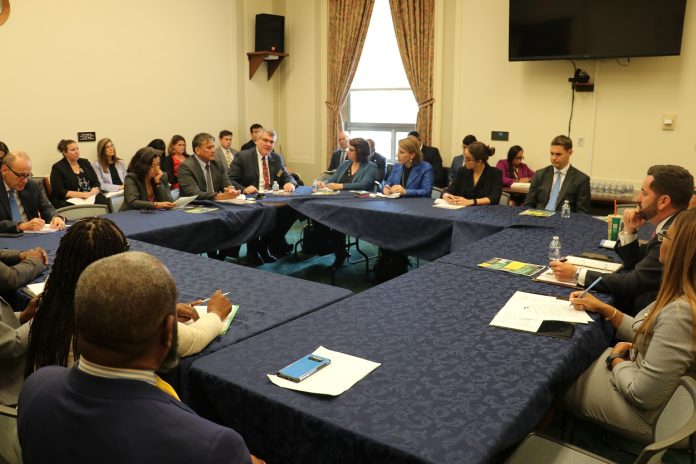
Food For The Poor President/CEO Ed Raine, left center, talks about the charity’s longtime presence in Haiti during a roundtable in Washington, D.C., organized by New York Rep. Mike Lawler. Photo courtesy Rep. Mike Lawler’s Office.
COCONUT CREEK, Fla. (Sept. 20, 2023) – As attention around the violence in Haiti escalates, Food For The Poor FFTP President/CEO Ed Raine was invited to attend a bipartisan roundtable last week in Washington, D.C., to discuss the ongoing situation and possible solutions to the current impasse.
Raine was invited by U.S. Rep. Mike Lawler, whose Congressional District is just north of New York City and represents one of the largest Haitian diasporas in the country.
Raine said the discussion focused on security, humanitarian aid and the elections process in Haiti.
Working in Haiti for 37 years, FFTP is uniquely positioned to get work done in Haiti as the country faces some of the most severe economic challenges it has ever experienced, Raine shared with the roundtable.
He told the group that the charity maintains a staff of nearly 400 people from Haiti and two warehouses. From there, the charity supports 13 distribution centers through the churches and 3,800 distribution end points.
“This was an opportunity for Food For The Poor to make other groups aware of our significant presence in Haiti,” Raine said.
The hour-long roundtable hosted by Rep. Lawler included Rep. Sheila Cherfilus-McCormick, an aide to Rep. Maria Elvira Salazar, and representatives from the U.S. State Department, USAID, key non-governmental organizations, and Haitian American community leaders in New York.
“The ongoing situation in Haiti is an important issue to my constituents and a vital national interest,” said Rep. Lawler. “Earlier this year, I introduced a bipartisan resolution with House colleagues calling for the U.S. to prioritize security and stability in Haiti. I also hosted a roundtable and town hall with Haitian leaders back home in the Hudson Valley. I will continue working with my colleagues in Washington, with the Administration, and with our nonprofit partners to ensure that Haiti continues to receive necessary relief.”
Rep. Cherfilus-McCormick, who represents parts of Broward and Palm Beach counties, is Florida’s first Haitian American Democrat to serve in Congress. Rep. Maria Elvira Salazar represents parts of Miami-Dade County.
“During this period of uncertainty, humanitarian assistance makes a real and lifesaving difference for Haitians,” said Rep. Cherfilus-McCormick, Co-Chair of the Haiti Caucus. “But aid is only effective if it ends up in the hands of those who need it the most. This roundtable allowed for an honest conversation about what solutions are needed to address Haiti’s urgent humanitarian crisis and highlighted the role that the Haitian diaspora can play in creating a more stable, secure Haiti.”
Since the assassination of President Jovenel Moïse in July 2021, as much as 80 to 90 percent of Port-au-Prince has fallen under the control of gangs, with the entire nation experiencing ongoing violence, kidnappings and killings.
So far this year, more than 2,500 people have been killed and more than 1,000 injured due to the escalating violence, according to the United Nations. At least 970 Haitians have been kidnapped, and 10,000 forcibly displaced from their homes. And more than 10,000 have sought refuge in public squares or with other families.
Even FFTP-Haiti has not been immune from the violence.
Two team members from FFTP-Haiti and one of their family members were recently kidnapped near the charity’s Port-au-Prince offices, but later released. And 28 FFTP-Haiti team members were burned out of their homes and displaced by gang violence in Carrefour-Feuilles, where about 5,000 people have fled their homes.
Despite the challenges, FFTP-Haiti’s office has remained open, and the charity has continued to clear containers of aid and distribute essential food, hygiene items and medical supplies to families in desperate need. When roads have become blocked by armed gangs and burning tires, the charity has relied on barges and sea routes instead.
Food For The Poor, one of the largest international relief and development organizations in the nation, does much more than feed millions of hungry children and families living in poverty primarily in 17 countries of the Caribbean and Latin America. This interdenominational Christian ministry provides emergency relief assistance, water, medicine, educational materials, homes, support for vulnerable children, care for the aged, skills training and micro-enterprise development assistance. For more information, please visit FoodForThePoor.org.