Home Blog Page 111

Get Fit

0
Bruk Wine Caribbean Workouts Island Origins Magazine Spring 20182

Writer Sonia Morgan | Photography Supplied

“Get fit” is written in bright, bold type at the top of your 2018 resolutions list. But something eerily familiar is creeping up on you… it’s that old, annoying feeling that you’ll crash and burn before mid-march, again!

You imagine the monotony of trudging through a timed workout on a treadmill or elliptical, counting endless reps, fantasizing about the ideal summer body in store for you when this is all over.

Well, what if you could amp up your workout by embracing something a lot more fun, that’s guaranteed to feel more like a wild night out, than the slog of a boring old exercise routine?

Think Caribbean-inspired workouts like ReggaeFit, Fet~Ness, Caribbean Cardio, and Brukwine. They let you “wine” like it’s Trini Carnival and “bruk out” like it’s “Weddy Weddy Wednesday.” Sure, you’ll sweat and feel the burn, but it’s that good sweat – the kind you get from dancing to your favorite mixtape when nobody’s watching. Remember, if you’re repeating the same exercises over and over at the gym, your muscles will get used to them and you’re bound to plateau. The beauty of trying something  different is that when you switch it up, you automatically tap into the benefits of muscle confusion.

REGGAEFIT

In South Florida, ReggaeFit is like a movement. This workout fuses Caribbean music and dance with high energy aerobics, weights and more. The team promises ever changing routines that ensure their diverse community of clients have so much fun waving their flags and “chippin’ cross di dancefloor”, they don’t even realize they’re working out. They attest that their clients lose weight and see real health benefits in a matter of weeks. Classes held in Deerfield Beach, Plantation and Miami, leave no room for boredom, and are tailored to adults, seniors, teens and kids too! reggaefit.com

FET~NESS CARIBBEAN CARDIO

If you’re in Atlanta, try out Fet~Ness Caribbean Cardio. Their noble mission includes promoting Caribbean culture through health and fitness, but that doesn’t make their class any less fun! The workout combines the insane energy of a carnival event with high and low-impact aerobics, strengthening and muscle sculpting exercises, all done to the hottest new dancehall, soca and afrobeats! facebook.com/Fet4life

BRUKWINE

This sexy dancehall and reggae based workout craze shows women how to “wine” their waists to fitness, and is taking New York by storm. It claims to burn up to 1,000 calories per rump shaking, fat blasting class – and it’s all done in heels, booty shorts and full makeup!The classes are a combination of cardio and dance that particularly tone a woman’s legs and waist. And it can’t hurt that its pioneering choreographers have danced in music videos for A-listers like Sean Paul, Diddy, Beyonce, Lady Gaga and Rihanna. If their flash mob performance in Time Square is anything to go by, this workout “tun up!” Classes are available in Manhattan, Brooklyn, The Bronx and Long Island, and workshops are available all over the country. brukwine.com

SOCA’ROBICS

In Maryland? “Wuk up” and “buss a sweat” to the intoxicating rhythms of soca and reggae music at Soca’Robics Fitness Studio. This workout gets your adrenaline pumping in a calorie-burning explosion of culture that’s bound to have you fit and fine. Instructor Natalie’s clients say you’ll feel like you’re on the road at carnival! socarobics.net

So what are you waiting for? Ditch the drudgery of the gym and go find your Caribbean fit!

The Gentrification of Ganja

0
The Gentrification of Ganja Island Origins Magazine Spring 2018

Writer Ghenete Wright Muir and Sonia Morgan

Can Jamaica Cash in on Cannabis?

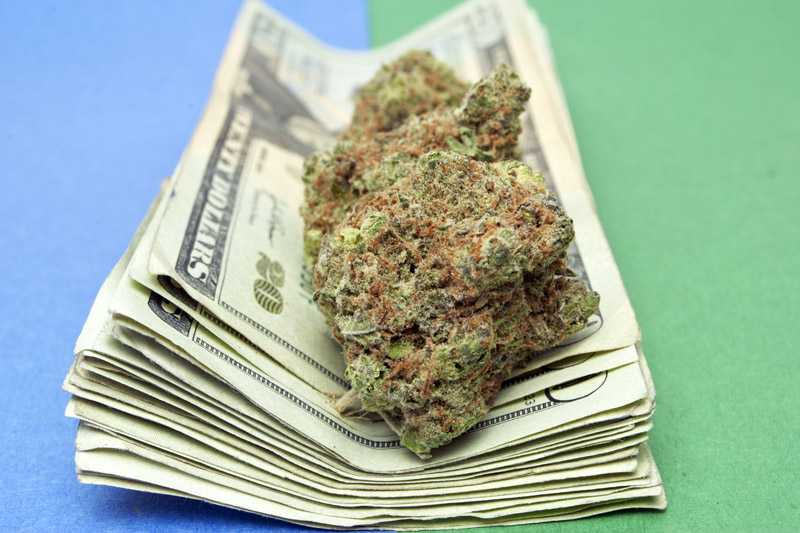
It’s like walking into a café and ordering a specialty coffee drink, or a bagel with butter – except you need ID. The man behind the counter, a middle-aged white man, wants to know what kind of high you want from his selection of pre-rolled spliffs, edibles and bags of weed. The experience is surreal but surprisingly normal. You think, how is it possible to legally buy weed here in Seattle, Washington, but not in Kingston, Jamaica?

The truth is that this plant, once demonized as the black And brown man’s drug, today is dressed up and repackaged as a Legal, economy-boosting product. Cannabis is sold for recreational use in eight states throughout the US, and medical marijuana is legal In 29 states, though it remains illegal at the federal level. Marijuana, as a traded commodity, is becoming an investment option for many, luring high-profile investors such as rapper Snoop Dogg, Paypal co-founder Peter Thiel and former boxer Mike Tyson.

Forbes magazine recently reported that the legal marijuana industry in the US will create more jobs than manufacturing. In 2016, the legal cannabis market was estimated to be worth $7.2 billion, and it is expected to be worth $50 billion by 2026, eight times its current size, according to Bloomberg.

The question is, how can Jamaica, the cultural epicenter of marijuana, profit from this multi-billion dollar cash-crop?

STILL FIGHTING AGAINST GANJA

Michael Burgess, a Jamaican living in Canada, who has invested in the cannabis industry there said, “the whole illegality surrounding marijuana has been fraught with lies and misrepresentation for decades.” In fact, the war against marijuana started in the United States in the 1930s and continues to be waged today. Over the years, this campaign moved well beyond the US. It not only made millions of people into criminals, it also helped to cripple the economies of countries like Jamaica, that could have benefited significantly from a legal cannabis industry.

Decades ago, Jamaica made its mark as the capital of cannabis. The growing Rastafarian movement, in the 1970s, branded Jamaica as the place to get the ‘good ganja’. Reggae music, which in many ways is the gospel of Rastafarians, helped spread that message worldwide. Yet, today Jamaica is struggling to figure out how to enter and profit from the booming marijuana industry. Peter Tosh in his 1975 reggae anthem legalize it pleaded with the government of the day singing, “legalize it, don’t criticize it and I will advertise it.” Of course, much like today, Jamaica was under immense pressure to adhere to US marijuana regulations.

It’s ironic that the US, which played a major role in ensuring that Jamaica criminalized marijuana, is now enjoying the financial benefits of legalized weed.

Island Origins had the opportunity to speak with world-renowned Jamaican scientist, Dr. Henry Lowe. He, along with his colleagues, Dr. Albert Lockhart and Dr. Manley west, used cannabis, back in the 1970s, to develop Canasol, an eyedrop medication used to treat glaucoma, that was sold only in Jamaica. However, Dr. Lowe said the US discouraged any continued research and development of pharmaceuticals from ganja.

But Dr. Lowe had a reawakening when he saw a CNN report by Dr. Sanjay Gupta promoting medical marijuana. It was then he realized a momentum was building. “I was very bold and set up the first commercial cannabis company in the region, MediCanja. It was not legal, but i saw where it was going. Everybody thought I was crazy. How can you do this? The government hasn’t approved it, everybody else is against it.” Now, four years later, his company has eight pharmaceutical products made from cannabis, and recently received FDA approval for a ganja based anti-cancer drug.

So what’s holding Jamaica back? Dr. Lowe thinks that “we shoot ourselves in the foot, or we don’t shoot at all.”

Jamaica has decriminalized ganja, effectively allowing individuals to have up to two ounces for personal use and five plants per household. Rastafarians who have long been persecuted for using the plant as a sacrament can now practice their ritual without risk of prosecution. But ganja is still largely illegal on the island.

Jamaica still has to adhere to the United Nations drug treaty, which means the road to complete legalization and capitalization is yet to be paved. This is not to say the country doesn’t want to move forward. According to the Cannabis Licensing Authority of Jamaica (CLA), “If Jamaica is to have any real opportunity in the business of ganja, there must first be evidence of the ability to maintain a responsible industry.”

BURDENSOME AND COST-PROHIBITIVE

Burgess said he would also like to invest in a Jamaican marijuana industry, but finds that the country “is too far behind the gate at this point.” He believes it would be difficult for the island to cultivate the plant on a significant scale. “Jamaica doesn’t have the seed production. People of influence in Jamaica are not rallying behind the industry, and there are still stigmas attached to ganja.” He also points out Jamaica’s obligations to the World Bank and IMF loan regulations, and that “government has not really rallied behind any agricultural industry.”

Damian “Jr. Gong” Marley, the youngest son of reggae legend Bob Marley, has entered the market powerfully with his burgeoning empire Stony Hill. He bought a California prison and converted it into a marijuana farm, opened a dispensary in Colorado, and has invested in High Times Magazine.

But what about the small farmers and entrepreneurs who don’t have the resources at the ready? In other words, is there an opportunity for regular Jamaican people to cash in on this now booming industry?

Dr. Lowe doubts the small farmer can be a significant part of the new industry. The licensing for cultivating in Jamaica at this point starts at US $2,000 per acre annually, and is likely to be out of reach for those farmers. Burgess agrees, adding that the process is quite “burdensome and cost-prohibitive.”

Billy Rennalls, a Rasta residing in Kingston, has been a part of the activism that led to decriminalization. He lamented that the CLA also requires farmers to have a title to the land they use to grow ganja, which is a challenge, because many of them don’t own the land they’re farming.

WHAT DOES THE FUTURE HOLD FOR JAMAICA?

But there may be a light at the end of the spliff.

Rennalls is also director of Canna Headhunters, an employment agency for the emerging legal marijuana industry. At the helm of Canna Headhunters is Florida-based Jamaican Attorney Scheril Murray Powell. She practices in the field of agricultural and cannabis law, and together they navigate this new terrain. They want to help Jamaica play a significant role in the ganja industry. Murray Powell believes that “through education and research, Jamaica will reclaim its place as the cradle of cannabis.”

Dr. Lowe is also planning a medicinal ganja cafe at his wellness resort, Eden Gardens, in Kingston. But legal recreational use is still a pipe dream. “Our government is tiptoeing to even allow medicinal and scientific research. The whole thing is very slow in terms of getting off the ground,” Dr. Lowe said.

Does legalized marijuana have the power to lift Jamaica out of “third world” status? Dr. Lowe doesn’t think so. “Jamaica is losing the edge. We have lost about 75% of our potential…and will not significantly benefit from the cannabis industry.” For Jamaica to benefit, it will take a joint effort between the Jamaican government, the private sector and local farmers, as well as the support of influential foreign entities.

It may be that Jamaica’s best hope is to rely on ganja tourism— festivals, “bud and breakfast,” tours, and more—marketing the cultural experience of enjoying Jamaican ganja and its products in Jamaica. Rennalls said, “Ganja is Jamaica’s brand, like our coffee, rum and reggae. We have a unique product that no one can get anywhere else. People need to come here and experience it. It’s part of our brand Jamaica and cannot be duplicated.”

​Wyclef Jean For The Cover Of Island Origins Magazine

0
Wyclef Cover for Island Origins Mag

This February, multi-platinum, Grammy winning, Haitian American musician Wyclef Jean will appear on the cover of ‘Island Origins Magazine’. From preacher’s son to one time political hopeful, the hip-hop rebel shares his inner journey in an exclusive story about the fall and rise of a refugee.

Wyclef Jean Island Origins Cover - Spring 2018

Jean was snapped on location in Jamaica by photographer Courtney Chen, sporting the instrument of legendary guitarist Stephen ‘Cat’ Coore from the Third World Band. The images reflect the power and charisma that still shine from within him, even after surviving years of personal and professional travails.

The ‘Island Origins Magazine’ Spring issue includes a number of other riveting features. A story called “The Gentrification of Ganja” takes a deep dive into how the marijuana industry is leaving behind the Jamaican farmers who originally made weed a desirable commodity. Cancer survivor Carla Hill shares, in moving detail, how she came to accept that needing a double mastectomy was not a punishment from God, and grew to embrace her own ‘breastless beauty’.

Readers will also enjoy lighter articles on travel, food, music, and Caribbean people in film and dance, in the Entertainment themed issue.

‘Island Origins Magazine’ is a Caribbean American lifestyle print publication primarily distributed in South Florida. ​It is produced quarterly by Island Syndicate​, and appeals to a diverse, sophisticated mainstream audience​.

Buying a Used Car? Post Hurricane Car Buying Tips

0
Used Car Salesman
Used Car Salesman

After the recent catastrophic storms in the southern United States, it is estimated that as many as 500,000 cars may have been flooded and seriously damaged.  A large percentage of these vehicles will find their way into the market for re-sale.

Although state motor vehicle registries “brand” cars that were flooded and change the car’s title to a salvage or junk title, or even a flood title, dishonest sellers will wash the vehicle’s title by moving it through states with differing regulations.

The National Automobile Dealers Association has the following tips on how to minimize the risk of buying one of these cars:

1. Be alert to unusual odors.
They may be a symptom of mildew build up.

2. Look for discolored carpeting.
Large stains or differences in color may indicate that standing water was in the vehicle.

3. Examine the exterior for water buildup.
Signs may include fogging inside headlamps or taillights.

4. Inspect the undercarriage.
Look for signs of rust and flaking metal.

5. Be suspicious of dirt buildup in unusual areas.
These include areas around the seat tracks, or the upper carpeting under the glove compartment.

Of course, the old adage is true.  If a deal seems too good to be true, it probably is.  Reputable lenders will work with you be make sure you are protected.  If you are thinking of buying a pre-owned car, or have questions on car related issues, feel free to contact We Florida Financial, your credit union at 954-745-2400 or go online to WeFloridaFinancial.com.

A Chat with Ayana Crichlow

1
IMG 1734 1
IMG 1734 1

Children’s book author Ayana Crichlow with her illustrator / daughter Makeda Brown

Ayana Malaika Crichlow is a Trinidadian-born freelance writer, author, blogger and poet. Her articles can be seen on platforms like HuffPost and Thrive Global. Her two most recent accomplishments include her self-published poetry book “Iridescent Illuminations of a Black Madonna” and her self-published Children’s Book “Leopold the Leopard Learns to Love is Coat”.

We caught up with her to learn more about the children’s book she produced with her young daughter, and how she wants to help kids through her writing.

Ayana Crichlow Book
Cover: Leopold the Leopard Learns to Love His Coat


IO: Tell us about your current project,  “Children’s Book: Leopold the Leopard Learns to Love his Coat”

Ayana: It’s a book about a leopard that does not see his own special beauty but others can. Written by myself and illustrated by my 14 year old daughter, the book concludes with him learning to see his own beauty.

IO: What was the motivation behind creating this book?

Ayana: I wanted to share the life lessons I learned later in life with a younger audience in a simple manner. I believe humanity’s hope lies in the future generations. If they learn to love and embrace themselves and others at an early age then the future can be limitless in the way of unity.

IO: Who will this book appeal to the most?

Ayana: The Book is primarily for the ages 1-3 but I think the lesson is pertinent to all ages.

Ayana Crichlow Book
A young reader of the children’s book

IO: What will readers enjoy most about “Leopold the Leopard”?

Ayana: The benefit of the book is it’s entertaining while teaching a very important lesson of embracing ourselves and our differences.

IO: How long have you been writing children’s books?

Ayana: This is my first self-published Children’s Book but it was written about 3 years ago, I only now just mustered the courage to publish. I was attracted to this area of expertise because I adore children and I wanted to contribute positively to the generations to come.

IO: What sets “Leopold the Leopard” apart from any other children’s book?

Ayana: I think the life lessons I share and the charming manner that I share them in are what set me apart. I use animals to teach the lessons because I did not want to exclude any ethnicity. I don’t think the lessons shared in the book and in the books to come are commonly shared.

IO: What have been some of your greatest challenges on this project and where would you like it to go?

Ayana: The biggest challenge has been bringing the Book to the children all over the world. Promotions and marketing are not my strong points. It would be a dream come true to be on the Best Seller’s list. To see the book accepted warmly by the children and parents. To see the book’s and the series’ characters come to life in an educational daily cartoon about love and inclusion is the ultimate goal.

IO: Is there something particularly interesting about how this book was made that our readers might like to know?

Ayana: The Book was illustrated by my 14 year old daughter and it was a pleasure collaborating with her and seeing her creative juices flow. At the book’s completion seeing her gleam with accomplishment was quite touching.

Ayana Crichlow Book
Ayana and her daughter Makeda

IO: How can readers learn more about you, “Leopold the Leopard” and any future projects?

Ayana: The Book can be purchased on Amazon.
My Social media accounts are –
Instagram: https://www.instagram.com/malaikacrichlow24/
Facebook: https://www.facebook.com/Ayanamalaikacrichlow/?ref=bookmarks
Website: https://www.colourmecaribbean.com/

IO: Anything else you’d like to add?

Ayana: I would like to highlight that this was an absolute labor of love and implore that if you have kids or cousins, grandchildren, nieces and nephews between the ages of 1-3 please check out this little book on self-love. It will be worth it.

Miami Art Week – The Caribbean Invasion

0
001.  Ashe a mis Raíces by Juan Luis Perez sm
001. Ashe a mis Raíces by Juan Luis Perez sm

Writer: Monique McIntosh | Cover Image: Juan Luis Perez

The global art world converges again in Miami this December, for the highly anticipated annual Miami Art Week (December 4-10), anchored by Art Basel Miami, one of the most celebrated shows on the international art fair calendar.

THIS YEAR, a talented roundup of visual artists from the Caribbean and diaspora are claiming their spot in the limelight and writing a new chapter in Caribbean art. Here’s our list of this year’s stand-out contemporary Caribbean artists:

Juan Luis Perez: Miami, Cuba

Exhibiting: Red Dot Miami Art Fair

Miami Art Week - The Caribbean Invasion
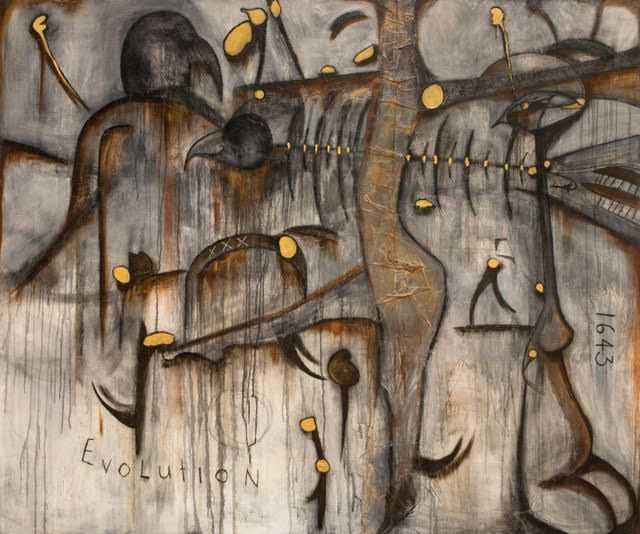
Evolution Untamed: Juan Luis Perez

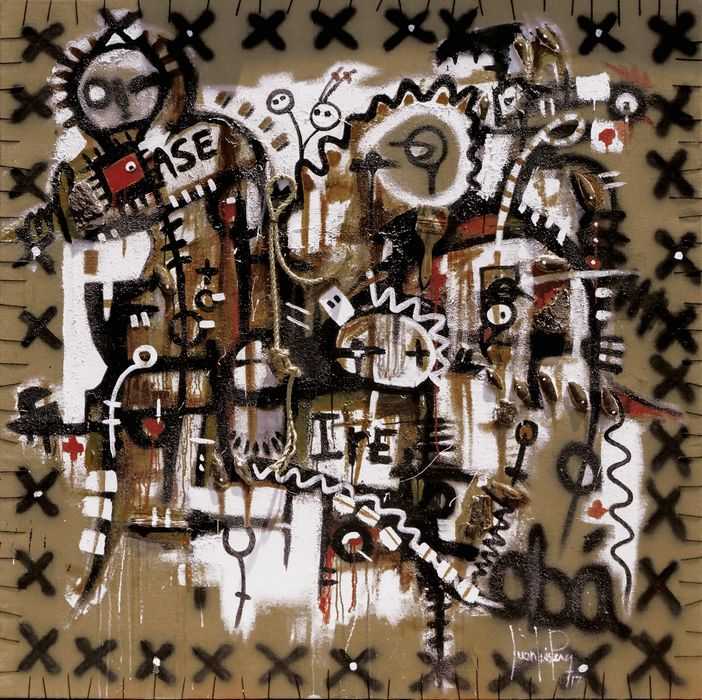
With geometric angles, furious script and splotches of color, Perez, a Cuban-born, Miami-proud artist, seems to attack his broad canvases, conveying a fierce energy as acrylic, charcoal, resins and even newspaper sheets slam together in unexpected ways. “I love monochromatic tones and rough, dynamic strokes,” says Perez, “and I enjoy turning the spatula into the biggest protagonist of my work.”

The abstract, rebellious approach comes naturally for the self-taught artist. It’s a similar spirit to artists who influenced him, like Julian Schnabel, Antoni Tapies and fellow Cuban José María Mijares, a friend
and mentor.

Perez will be showing pieces from his latest series, Fragmented Reflections, which continue this thread, reflecting on “the evolution of our defense mechanisms in a society that lacerates us more and more.”

Nyugen Smith: Of Trinidadian and Haitian parentage

Exhibiting: Prizm Art Fair
nyugensmith.com

Miami Art Week - The Caribbean Invasion
A new flag for the Caribbean: Nyugen Smith (Credit: Pascal Bernier)

Born in Jersey City, NJ, this artist has undergone a figurative and literal odyssey into his Caribbean heritage, exploring his inherited identities through mixed-media art, sculpture, installation and performance. His collages and assemblages offer a pastiche of the region’s iconography steeped in folklore and colonization, but reimagines them, breaking down their undercurrents in startling ways.

Describing his creative relations with the Caribbean, “I would have to say that it’s less about a Caribbean perspective that has influenced my work, and more about my experiencing the Caribbean, with its folklore, performance, festival culture, landscape, ways of using language, and
histories that have informed my practice.”

Sheena Rose: Barbados 

Exhibiting: Prizm Art Fair
sheenaroseart.com

Miami Art Week - The Caribbean Invasion
“Duppy and Dogs” by artist Sheena Rose

The future of Caribbean art shines particularly bright in the glittery neon works of this young mixed-media artist. Though a classically-trained painter and illustrator, Rose often engages in the mediums and aesthetics of this internet-loving, global age, from her animation and digital collages, to her galactic performance art series on Instagram.

Her popular Sweet Gossip series seems to borrow the sardonic sensibility of memes for a cheeky take on Bajan pop culture. Her unique approach has already attracted international attention, with shows and performances at the Museum of Contemporary African Diasporan Arts (MoCADA), Queens Museum, Turner Contemporary and Residency Gallery.

Her work however, always finds its way home, carving out a Caribbean space within a global context. “I can’t help [but] to reflect and see myself in many spaces,” says Rose. “I am from the Caribbean. I can’t help [but] see if I am similar or very different when I travel.”

Deborah Jack: St. Maarten

Exhibiting: Prizm Art Fair
deborahjack.com

Miami Art Week - The Caribbean Invasion
what is the value of water if it quenches our thirst to bloom: Deborah Jack

Nothing’s more Instagram ready than the dreamy landscapes and seascapes of the Caribbean, but there’s no digital filter to reveal the complex histories that linger under the surface. We see haunting glimpses of these memories in the work of St. Maarten artist Deborah Jack. Working with audio visual installation and photography, Jack captures the beauty of the tropical flora and clear blue sea, but always finds a way to undercut these images, questioning their simplicity.

Her Bounty black-and-white photo series shows the snowy piles of pure salt collected in the Bonaire Salt pans – depicting the beauty of this valuable commodity, while echoing the landscape’s unique connections to slavery. In her video installation “the water between us remembers…,” sinister soundscapes play over a young girl’s idyllic prance through the lush countryside. She carries blood-red Poinciana blooms with her, which Jack describes as invoking both “the wounds of history combined and the beauty of regeneration.”

Terry Boddie: Nevis

Exhibiting: Prizm Art Fair
terryboddie.com

Miami Art Week - The Caribbean Invasion
The Traveler: Terry Bodie

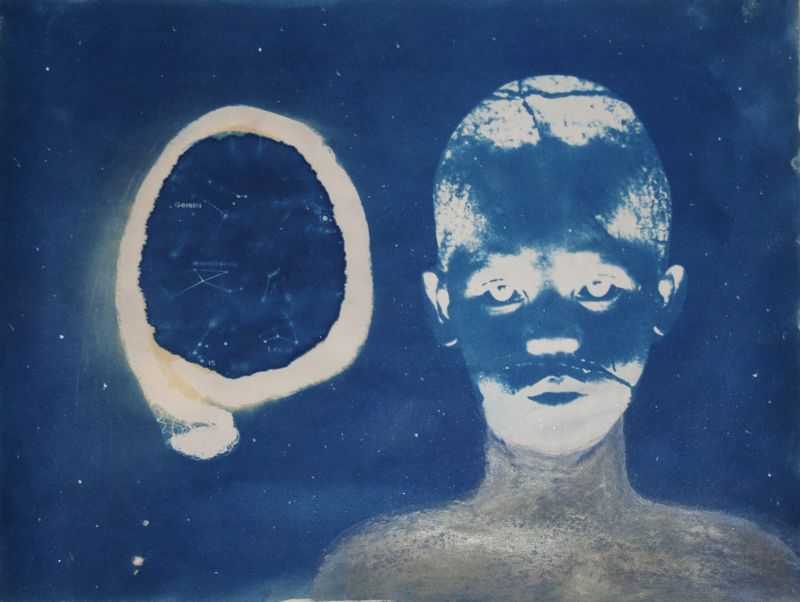
The photography and mixed-media images of this Nevis native always feel up close and personal, offering intimate insight into the shifting cultures of the Caribbean and his adopted hometown, New York City. In his photography portrait series, the individual comes first – whether capturing quiet moments of neighborhood life in New York in romantic gelatin and silver, or chronicling the back-breaking work of Cuthbert Clarke, one of Nevis’ last remaining coal men. The same sentiment also drives his more experimental mixed-media work, as ghostly snapshots of
school-boy faces loom over a painterly cosmic landscape.

“The Caribbean has always been the groundation for my creative process,” notes Boddie. “Its geography, its history, my memories of place and time, are all elements that infused my work from the beginning.”

The Business Of Bolt

0
Bolt 2
Bolt 2

Usain Bolt’s ability to stop a clock quicker than any man who ever reacted to the starter’s pistol for a sprint race made him a global superstar – and a marketing man’s dream.

When Bolt took just 41 strides and a record breaking 9.58 seconds to propel himself along the 100m blue-coloured track, in Berlin, Germany, in 2009, his name was rightly added to an exclusive list of athletes that transcend their sport.

With unrivalled success in any sporting arena it is inevitable that riches will follow. The hard work is not only in earning that money, it is in safeguarding it once that illustrious career reaches its finish line.

For Bolt who hails from humble beginnings, his speed of foot and rapid rise to the top of his chosen sport has made him one of the highest grossing athletes in the world.

He is the fastest man who has ever lived. Bolt earned that title after a bet with his coach, a lighthearted gamble, paid off. Bolt is likely to earn a reported $34.2m this year alone, making him the 23rd highest learning athlete worldwide, according to figures from Forbes.

But that fortune began with early local sponsorship deals worth no more than a few hundred dollars, free cell phones and call credits. “In the early days it was not about chasing sponsors, as we tended to focus on the competitions,” says Norman Peart, Bolt’s business manager.

Despite what may have, to some, looked like a lack of business strategy, Norman believed that Bolt’s raw talent would eventually lead to the kind of sponsorship deals that could earn him a place in the history books. Norman wasn’t wrong.

Bolt’s income has come to derive largely from endorsements as the face of global brands.

As he came to prominence, Puma, one of the largest sportswear brands in the world, and who supported him from the start, handed Bolt a $10 million per year sponsorship deal, until the end of his career.

Bolt’s clean-cut image and his charisma on and off the track have left global companies, such as Virgin Media, clamoring to cash in on his extraordinary rise to the top. By 2016, Bolt’s off-track earnings for the year were a massive $22.4 million.

Other leading sports brands like the PepsiCo subsidiary, Gatorade, were also keen to be affiliated with the fastest man on earth. That privilege clocked up his earnings by $2 – 4 million. In the space of 9 years Usain Bolt became the highest paid athlete in the history of track and field. By 2016, Usain Bolt, age 30 inked another endorsement deal with the Japanese airline company, All Nipon Airways. In total Usain Bolt has charmed over 10 global brand partners.

Sprint Hero

Not only was Bolt’s speed on the track unfathomable, the timing of his entry onto the scene was impeccable. Athletics, especially sprinting, needed a superhero – and it got it – in the shape of a 6ft 5in Jamaican track star wearing a yellow and green vest.

For years, positive drug tests and fears about doping had plagued track and field. Ben Johnson, from Canada, won the 100m at the Seoul Olympics in 1988 in world record time, but was disqualified 48 hours later after a positive drug test.

That final, since labelled ‘The Dirtiest Race in History’, also featured Carl Lewis from the USA, the golden boy of track at the time. Six of the eight finalists, including Lewis, were later implicated in some form of controversy in relation to performance enhancing drugs.

Bolt’s achievements and the fact he had never failed a drug test, have been a blessing for the sport, and helped to clean up its tarnished image. He is the world record holder in the 100m and 200m. He also holds the world record for the rarely run 150m, which he set in Manchester, England, in 2009.

Norman says: “He was doing the 200m and had he continued doing the 200m he would not have the same earning potential he has now.

“He made a bet with the coach and said “let me train.” I think it was to wriggle out of the 200, but it paid off in a major way.”

Bolt took the 100m seriously in 2008. He set the world record in New York in May that year, before breaking it again at the Beijing Olympics two months later.

Norman says; “In ‘08 and ‘09, he broke the world record two years in succession, so pretty much, after that, no one could deny he was the real deal.

“He had the title of the fastest human being on planet earth – that and his brand appeal were the biggest selling points for him.”

Protecting His Earnings

Sport is invariably a young man’s game and when your time is up, typically in your thirties, there is a lot of life still to live.

There’s no doubt brand Bolt will go from strength to strength. Retirement will bring new challenges, including financial ones, and history is littered with ex sportsmen who have made, and then lost, their fortunes.

Former undisputed heavyweight boxing champion, Mike Tyson was declared bankrupt after amassing a reported $400 million from his career. Former NBA star Allen Iverson also found himself in financial trouble despite a reported salary of $21 million the year before his wife filed for divorce.

Adonal Foyle, author of The Athlete CEO is a former NBA player who has written several books on financial management.

He says the most important things, post-playing, are having a formidable support team in place, being informed and being able to ask the right questions. The dangers are tax implications, divorce without a prenup and having children out of wedlock.

Adonal says: “The key is the preservation of wealth. Do not take a lot of unnecessary risks and ‘audit your mamma.’ If you do that people will know how serious you are about money.”

Bolt remains firmly grounded. He has set up the Usain Bolt Foundation, creating opportunities for young people through education and cultural development in Jamaica.

He has donated generously to his community, including funding improvements for his old schools.

Retirement and Beyond

Bolt’s glittering track career came to an end at the August 2017 World Championships, in London. It was an extraordinary career, and you could easily exhaust superlatives in trying to sum it up.

Despite retirement, Bolt is still very much in demand, with top brands eager to associate themselves with him. His latest contract was signed with Mumm Champagne, France, where he has been appointed the new CEO (chief entertainment officer). It is a role that will see him promoting and leading initiatives for the brand throughout the U.S.

Bolt, at the moment, is enjoying a long vacation following his retirement, and when he returns, Norman expects he will take a keen interest in the business side of his career.

There were rumours circulating that Bolt would return to the track, but Norman has ruled that out.

“He’s taking some much-needed time off now,” Norman explains, “but there are big plans ahead. He will work with his foundation, maybe some acting and film cameos, and stuff like that.”

Bolt has made no secret of his love of food and is about to play another hunch. He has become a guest partner and major investor with a local club and restaurant franchise in Jamaica, and is now aiming to expand in the UK. If his business successes off the track are as lucrative as those on it, it’s safe to say brand Bolt will stand the test of time.

A Final Thought

0
Calibe 0424 2
Calibe 0424 2

Writer: Calibe Thompson | Photography: David I. Muir

Due to time constraints and, I confess, a good bit of laziness on my part, I’ve been wearing my hair wrapped on top of my head for the past few weeks. The funniest thing happened – people I’ve known for years weren’t recognizing me.

You see, when I’m in public settings, my blonde and brown mane is usually down and gathered to one side, so it’s become a trademark of sorts. People became used to one thing, so what was a minor change of appearance for me, presented as a whole other person to them.

I suppose that’s how people think about the Caribbean as well, from the perspective they always see. If you aren’t from there, and depending on your experience, it’s either all about beaches and vacations, or entertainment and sports, or the nefarious, romanticized gangster life you’ve seen in movies. You might see Caribbean people as loud and colorful, and always with a big smile and some good food to share. In truth, we are all that, and we are so much more.


Through Island Origins Magazine, we’re showing a side of our Caribbean American lives that folks who aren’t our direct neighbors don’t always get to see. Our landscape is populated with social influencers and industry leaders, innovators, artists and social activists. It is where we enjoy a glass of rum, as well as a good glass of wine.

Our culture has seeped into the mainstream psyche, and more and more you’ll hear references to ‘phenomena’ like curried goat and Despacito
in mainstream America. But our accents, our celebrations, our changemakers outside of music and sport, are typically not recognized as worthy of front page coverage. They ARE in our book, literally.

We invite you to look through our stories in print and online, to see some of the color and culture, as well as the fabulous, thought leading, paradigm shifting side of the Caribbean American community that you never knew existed. Like Superman and Clark Kent, or like me with my hair up and my hair down, it’s the same entity, but we’ll help you see it in a different way.

For every side of us, across multiple generations, at home in the US and back home in the islands, we’re proud to introduce the people, movements and events that share our collective #islandorigins.

Diri Kole (Rice & Beans)

0
Haitian Rice and Beans Diri Kole - Chef Thia

Here’s a delicious recipe for Diri Kole or Haitian Rice and Beans, flavored with spices and Lakay Tomato Paste.


HAITIAN RICE & BEANS INGREDIENTS

  • 2 cups Lakay Red Beans, cooked
  • 3 cups Lakay Parboiled Basmati Rice, rinsed
  • ¼ cup Lakay Tomato Paste
  • 2 cups Top Top Coconut Milk
  • ½ Red Bell Pepper
  • ½ cup Chef Thia’s Spice or Haitian Epis*
    *(Your own blend of parsley, thyme, garlic, onions, bell peppers and scallions with oil)
  • 2 stalks Scallion
  • 4 tbsp Canola Oil
  • 1 stalk Parsley
  • 2 stalks Thyme
  • 1 tbsp Salt
  • ½ tbsp Black Pepper
  • 1 whole Scotch Bonnet Pepper

INSTRUCTIONS

  1. Boil Lakay Red Beans in 6 cups water for 20 minutes or until tender
  2. Drain the beans reserving 4 cups of the bean water
  3. Over high heat, heat canola oil in a dutch pot, then add bell peppers and scallion, stirring for about a minute to release flavors. Stir in epis and Lakay Tomato Paste, then add cooked Lakay Red Beans and stir to coat the beans with the seasonings
  4. Stir in seasoning blend, then add bean water and Lakay Top Top Coconut Milk, and stir to combine.
  5. Wrap the parsley around the thyme to create a “bouquet garni” and add to the mixture along with a whole scotch bonnet pepper.
  6. When the mixture begins to boil, add the Lakay Parboiled Basmati Rice and stir continuously, scraping the sides of the pot to make sure the rice doesn’t stick and being very careful not to burst the pepper. Once the liquid is fully absorbed, cover the pot and lower the heat to simmer.
  7. Let simmer for 15 to 20 minutes, then serve hot Haitian rice and beans with Chef Thia’s creole turkey recipe or your favorite protein.

Sak Pase Lounge

0
Sak Pase Lounge 1182

Writer: David I. Muir | Photography: David I. Muir

Upon entry, I was submerged in authentic Haitian culture. Flags, thatch and bamboo decor made for an eclectic and inviting atmosphere. Kompa music kept me swaying in my seat throughout the visit, and was a welcome accompaniment to the selection of beautifully presented dishes I was offered.

Sak Pase Lounge, an intimate eatery, sits within the very casual Caribbean Sunshine restaurant complex in Orlando, Florida, but has its own distinct vibe.

Their standard appetizer, Pate Kode, is a chicken patty with a light, flaky pastry filled with meat more reminiscent of lamb than the chicken advertised. It was served with Bannann Peze, fried green plantains similar to tostones, and a bowl of their “famous” spicy Sak Pase Sauce.

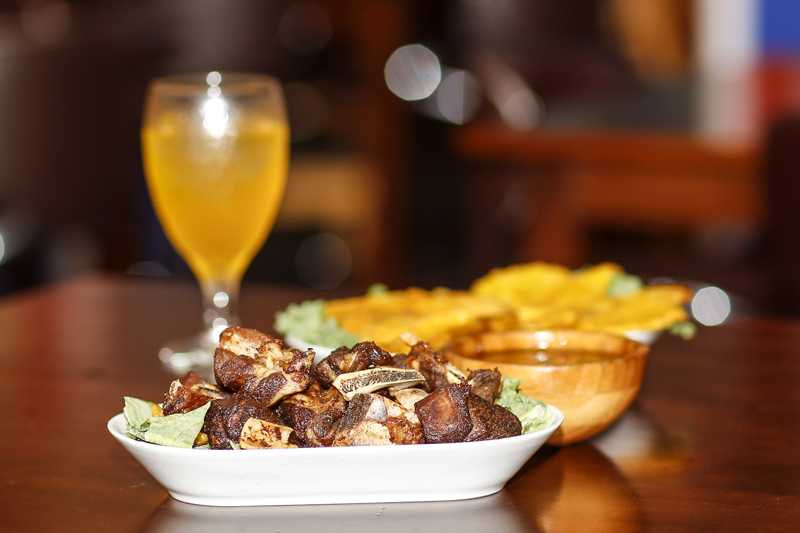
Their Griot (Griyo) is amazing. It looks like no frills fried chunks of pork, yet its slightly crunchy covering disguised a tender, citrus infused paradise within. Served with Diri Kole, a richly flavored version of rice and beans made with tomato paste and spices, and Bannann Peze, this meal could feed two. Their rice and beans is rich with flavor and is a dish that would keep me coming back for more!

Sak Pase bowls, griot and diri kole - Photo by David Muir
Sak Pase Bowls, Griot and Diri Kole – Photo by David Muir

Chef Rice surprised me with his Sake Pase Bowls – fried green plantains shaped into curved receptacles, filled with pulled turkey sautéed in his Sak Pase sauce, and topped off with Haitian Pikliz (spicy coleslaw). This unique treat too could have been a meal on its own, and I’d recommend you try this as an appetizer before your choice entrée. Their Passion Fruit Lemonade also deserves honorable mention.

It seems obvious to me but it is worth noting that the food was served with a smile, making for an even more enjoyable experience. Both the presentation and the service were excellent, and the pricing made it a superb value for money. Sak Pase Lounge is an excellent choice for Haitian American dining.

Latest