












When designing your living room, it’s tempting to lean into trendy decor that dominates your social media feed. But trends fade while your living room remains the heart of your home. The key to a timeless design is balance! Prioritize function over trends in living room design to create a space that’s beautiful, practical, and uniquely yours.
Focus on Layout and Flow
Before you buy a single item of furniture, think about how you’ll use the space. Do you need an area for family movie nights, or does your living room double as a workspace? Map out a layout that complements those needs.
Place furniture to create natural pathways and ensure traffic flow. For instance, positioning a sofa opposite a television creates a cozy focal point, giving ample space to move around. A functional layout is the foundation of thoughtful design.
Invest in Timeless Furniture
Trendy, colorful armchairs may look appealing, but they could feel outdated in just a few years. Instead, search for timeless pieces like neutral-toned sofas and classic wooden coffee tables that are easy to pair with different styles.
These investments pay off over time as they offer versatility and durability. Plus, you can accent them with trendy cushions or vases that are easy and affordable to swap out when your tastes change.
Prioritize Comfort and Durability
Your living room is a hub for relaxation, socializing, and sometimes even work. Choose pieces that balance comfort and sturdiness. For example, upholstered chairs with stain-resistant fabric are stylish and practical, especially for families with kids or pets.
Don’t hesitate to test furniture in-store to ensure it feels “just right.” Whether it’s a plush sectional or an ergonomic armchair, maximize your living room seating without sacrificing coziness.
Maximize Storage Solutions
A clutter-free living room is the epitome of functional design. Look for creative storage ideas that don’t compromise aesthetic appeal. From storage ottomans to sleek cabinets, these pieces can keep your essentials organized while fitting seamlessly into your design.
Built-in shelving is perfect for showcasing decor and stowing away less attractive items like remotes or cords. The trick is balancing what’s on display with what’s tucked away.
Personalize With Purpose
Your living room should feel like an extension of you. Use personal touches sparingly to avoid visual chaos while telling your story. A favorite artwork, a cozy throw in your signature color, or curated items from your travels add character. Mixing functional elements with sentimental decor ensures your living room feels as warm and inviting as it is practical.
When creating a living room that works for you and your family, don’t fall into the trap of fleeting trends. Instead, focus on thoughtful layouts, timeless furniture, and personalized touches to create a space that serves your needs. Remember, the goal is to prioritize function over trends in living room design.
Barbados, with its idyllic beaches, lush tropical greenery, and warm, inviting climate, offers the perfect backdrop for creating your own private paradise. Transforming your backyard into a stunning oasis isn’t just about landscaping; it’s about crafting a personal retreat that captures the island’s essence and provides a beautiful, functional space for relaxation and entertainment.
Whether you envision a tranquil garden escape, a vibrant entertaining area, or a refreshing poolside haven, thoughtful design can turn your Barbadian backyard into the ultimate outdoor sanctuary. Start now and build your retreat today!
Why Should you Own Property in the Barbados?
Owning property in Barbados offers a unique blend of lifestyle appeal and investment potential. The island boasts stunning natural beauty with world-renowned beaches, turquoise waters, and a warm, sunny climate year-round, providing an idyllic setting for a personal retreat or vacation home. Beyond the scenery, Barbados offers a high quality of life with a stable political climate, a welcoming local culture, modern amenities, and relatively low crime rates compared to some other close by islands.
For investors, the strong tourism sector presents opportunities for rental income, while the well-established legal framework provides security for foreign property owners. Owning a piece of Barbados means investing in both a desirable location and an enviable lifestyle. Read on for practical steps to help you design a stunning backyard for your property in the Barbados!
Define Your Style
Start by choosing a clear design style for your backyard. Consider whether you prefer a tropical feel with bold, lively colors and wild plants, a modern layout with minimalist furniture and clean lines, or a classic approach with timeless designs and materials like stone or wood. Bringing this style through every element will make your backyard feel cohesive and complete.
Incorporate Water Features
Water instantly adds tranquility to any backyard. A well-maintained pool becomes a centerpiece for both relaxation and entertainment. If space doesn’t allow for one, consider adding a small fountain or a pond. The soothing sound of water invites peace into your space and elevates the entire backyard experience.
Lush Landscaping
Highlighting Barbados’ natural beauty starts with planning your landscaping. Use local plants in your backyard to create a vibrant and sustainable environment. Hibiscus, ferns, and palm trees thrive on the island and add a touch of authenticity to your space. The bold greens and bright colors from native plants will create an area that blends naturally with its surroundings.
Comfortable Seating
Selecting the right furniture can make your outdoor area truly inviting. Lounge chairs and hammocks cater to relaxation while dining tables and chairs allow you to host gatherings seamlessly. Choose furniture made from durable materials that will hold up in the tropical climate to keep your backyard stylish and functional.
Lighting Is Key
Good lighting can transform how your backyard feels in the evening. String lights above seating areas, lanterns on tables, and spotlights highlighting trees or water features create a warm and inviting ambiance. Soft lighting encourages you to spend more time outdoors after sunset.
Outdoor Kitchen
An outdoor kitchen takes your backyard oasis to the next level. Include a grill, a sink for quick clean-ups, and a small fridge for convenient access to refreshments. Dining al fresco becomes effortless, and you’ll love hosting barbecues or enjoying casual family dinners under the open sky.
Privacy Considerations
Privacy goes a long way in making your backyard feel like a sanctuary. Use walls, bamboo screens, or tall hedges to block unwanted views. Native trees and tall flowering plants can also achieve this while keeping the space natural and lush.
Entertainment Options
Set up entertainment that complements your lifestyle. Install outdoor speakers for music while you relax or host parties. A weatherproof TV is perfect for movie nights or catching a game. Keep things lively with outdoor games such as badminton or bocce ball.
Transforming your backyard in Barbados into a stunning oasis starts with thoughtful design and practical choices. Begin today by incorporating some of these ideas to craft your dream space. Start your project now and create the perfect retreat you’ll cherish for years.
The 29th annual American Black Film Festival (ABFF) is set to illuminate Miami Beach from June 11 to 15, 2025, celebrating Black culture and creativity in cinema. This year’s festival promises a packed schedule of film screenings, master classes, panels, and entertainment, with the overarching goal of showcasing Black talent and storytelling.
A highlight of the festival is the appointment of Trinidad’s Nia Long and Larenz Tate as ABFF Ambassadors. Renowned for their roles in the 1997 romantic drama “Love Jones,” Long and Tate will engage in an intimate conversation reflecting on the film’s enduring legacy, offering attendees a behind-the-scenes look at this cult classic.
The festival’s schedule is filled with diverse events. Official Selection Screenings will run daily at the Miami Beach Convention Center and O Cinema South Beach, providing a platform for emerging and established filmmakers. Master classes, such as “Producing Stories for Global Audiences on a Budget” and “The Art of Emotional Writing: Engaging Audiences Scene by Scene,” aim to equip attendees with practical industry skills. Panel discussions and expert talks will delve into various facets of filmmaking and Black culture, including the future of the industry as it relates to AI. Notably, the “The Fabric of Storytelling: Costume Design in Black Entertainment” will explore the intersection of fashion and film, celebrating the nuances of costume design in Black narratives.
Evening entertainment includes the “Because They’re Funny” comedy show, spotlighting BIPOC comedic talent, and the iconic “Legendary White Party” at M2 Nightclub, offering a vibrant nightlife experience.
The festival culminates with the “City of Miami Community Day” at the Black Archives Historic Lyric Theater, a free public event emphasizing community engagement and cultural appreciation.
For those interested in attending, various festival passes are available, offering access to screenings, panels, and exclusive events. Early purchase is recommended, as some events may require separate tickets.
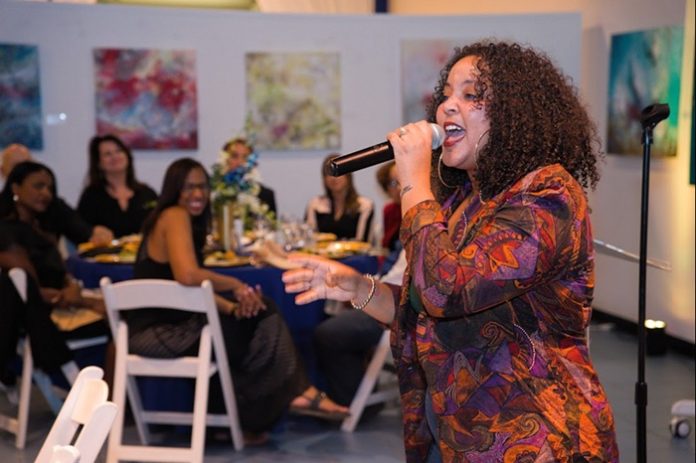
Caribbean Business Hub celebrated its double lustrum in style on March 26. The tropical evening at the Cabinet of the Minister Plenipotentiary of Curaçao in The Hague was enhanced by performances from the famous singer/entertainer Lou Prince. His iconic song, “This is the moment,” set the tone right from the start for the attending entrepreneurs and professionals.
After the opening by CBH’s chairman, Nico de Visser, and the acting Minister Plenipotentiary, Ms. Ann Phillips, the CBH board member Lionel Martijn reflected on 10 years of successful Caribbean networking. Core values of Caribbean Business Hub as a platform for fostering entrepreneurship were highlighted, including personal entrepreneurship and building bridges between the Kingdom’s regions. Additionally, attention was paid to the founders of CBH, the keynote speakers over the years, the successful deals made, and also tribute was paid to those who have passed away.
Boardmembers of Caribbean Businesshub; Lionel Martijn, Perri Franklyn, Roy Hart, Corinne and Germaine Hernandez-Croes, Nico de Visser, Antoin Klein Hofmeijer of TUI Dutch Caribbean
Then Antoin Klein Hofmeijer, Head of TUI Dutch Caribbean, provided an insight into the organization and activities of the travel company TUI in the Caribbean region. A very diverse range of locations is available, catering to all target groups. This company is clearly rooted in the islands, with local employees and as a supporter of sustainability and social projects.
Robby Schouten, a television icon with “Far away from home,” subsequently spoke about his 60-year career. Besides being a tv-producer, he is a successful entrepreneur with his tours across Europe—a role model for entrepreneurs from the Caribbean who wish to start businesses in Europe.
Especially for the 10th anniversary, two Caribbean Business Hub plaques were awarded. Robby Schouten received an award for his contributions as an ambassador for all the Caribbean islands and his versatile entrepreneurship. Nico van der Ven of NivenPress was honored for 10 years of giving support to CBH with his professional photography.
Robby Schouten, Corinne and Germaine Hernandez-CroesAntoin Klein Hofmeijer
Naturally, there was also plenty of time for networking, and Lou Prince once again serenaded the audience with his warm voice. The diverse group of attendees clearly enjoyed the great company, delicious tropical catering, and positive, constructive atmosphere. Many have already signed up for the next business event on Wednesday, June 25, 2025, with the topical theme “We make Caribbean Great Again!” For more information, visit www.caribbeanbusinesshub.nl
(Left) Jose Duran (b. 1979), Josefa, 2024, Oil on linen, 18 x 24 in.
(Right) Jose Duran (b. 1979), Josefin, 2025, Oil on wood panel, 18 x 24 in.
Duran’s tropical dreamscapes and opulent interiors unveil untold Caribbean histories
Opening Reception | April 10, 2025, 6–8pm
(NEW YORK, NY — March 25, 2025) — Hannah Traore Gallery is pleased to present Aleluya, a solo exhibition by Jose Duran opening April 10, 2025. Across two series of paintings, Duran weaves opulent interiors with vibrant tropical botanicals to uncover the stories of the Caribbean under colonialism. The Dominican artist’s practice is informed by his multidisciplinary background in painting, design, and sculpture, as well as a commitment to historical research. This dazzling body of work invites viewers into Duran’s vivid imagination where fantasy and history convene.
Duran’s sumptuous works tactfully and beautifully engage with colonial history and the African diaspora, particularly within the Caribbean. Aleluya presents two interconnected bodies of work, the first a series of paintings inspired by Cuban Rococo architecture and interior design. His ornate scenes are set in 19th century salons and mansions, which were built by colonial elites who fled Haiti for Cuba after the Haitian Revolution. It was a period of nascent prosperity for a continent whose wealth was growing due to the
resources pillaged from the slave trade. Duran’s depictions of these lavish interiors are often named after Black female figures, centering them to reclaim the spaces indebted to their labor. With these divine reversals, Duran grants the fruits of colonial beauty to the Caribbean people who sustained them. A core inspiration in foregrounding feminine characters in these works is Duran’s late mother, who took great pleasure in maintaining a meticulously kept and decorated home, covering beds in faux satin sheets and draping windows with palatial curtains.
Jose Duran (b. 1979) Hua 2025 Oil on linen 18 x 24 in.Jose Duran (b. 1979) Noche 2024 acrylic on wood 18 x 24 in.Jose Duran (b. 1979) Paola 2022 acrylic on canvas 65.5 x 65.5 in.
The second series of smaller scale works are inspired by an investigation into Paula de Eguiluz, a 17th century slave from modern-day Santo Domingo infamous for her powers of seduction through “love attraction plants.” Built upon 15 years of research into the medicinal, poisonous, and seductive plants used by enslaved and native women in the Caribbean, Duran was compelled to honor Eguiluz—who adopted Aleluya as her chosen name—after a 2024 visit to the Palace of the Inquisition in Cartagena where she was put on trial for witchcraft. The resulting floral paintings are luscious vignettes of feminine power, desire, and survival.
Jose Duran (b. 1979) Bligia 2023 Oil on linen 18 x 24 in.Jose Duran (b. 1979) Priscila 2024 oil on linen 18 x 24 in.
Duran’s tropical dreamscapes present a resplendent reversal of Afro-Caribbean history. It is a poised and graceful reclamation, a heartfelt celebration of cultural resilience. More than that, his works are odes to the beloved woman who inspired him from birth. Duran’s late mother was a trusted friend, advisor, and unofficial therapist to countless neighborhood friends in the Bronx, and earlier in Duran’s childhood, in the Dominican Republic.
She was a hairstylist working from her home, which was always brimming with clients. She delighted in hosting soirees, enchanting guests with jokes and stories even when hard at work. Duran dreamed of someday buying her a new home in New York, and when she passed, he turned to painting to help him heal. Aleluya, Duran’s latest exhibition, is a testament to the artist’s work, personal and painterly, of that healing; and of envisioning the places, warm and bright, where we nurture our brilliance.
ABOUT JOSE DURAN
Jose Duran (b. 1979, Moca, Dominican Republic) is a painter, designer, and sculptor creating fantastical worlds of cosmopolitan opulence and sumptuous, even dangerous foliage. Duran’s practice is anchored in extensive research of practices of survival, celebration, vengeance, sabotage, and aspirational desires in Black communities. He draws from baroque and rococo interiors to create scenes of architectural lavishness and femininity, producing complex compositions anchored in whimsy and play.
Duran centers Black feminine figures as a reclamation of their contributions to European markers of taste, and as retribution for their forced labor under colonial rule. Duran’s fantasies retrospectively place Black women at the center of his lavish interiors, where they reap the fruits of their labor. His practice is an ode to the dreams and aspirations of his late mother, who, between the Bronx and the Dominican Republic, would imbue in the artist a taste for cosmopolitanism and beauty.
ABOUT HANNAH TRAORE GALLERY
Hannah Traore Gallery is a space committed to advocating for and celebrating artists who have been historically marginalized from the mainstream narrative. Whether underrepresented, overlooked, or exploited, HTG is building a path forward to share their extraordinary visions with the world. The gallery exhibits artists from all around the world, selected based on their exceptional talent and distinctive voice.
HTG values connections—with artists, collectors, brands, and institutional spaces—and maintains a focus on building true and lasting relationships. Understanding that art is in constant dialogue with design, fashion, media, and the ever-changing world around us, HTG is dedicated to broadening the notion of what is deemed appropriate for the gallery setting. In doing so, HTG aims to engage both novice and experienced audiences in new ways.
The gallery and its exhibiting artists have been featured in the New York Times, Vanity Fair, The Guardian, ELLE, Harper’s Bazaar, W Magazine, V Magazine, Frieze, Forbes, Cultured, Wallpaper, The Art Newspaper, Artsy, ARTnews, Document Journal, DAZED, Galerie Magazine, and more.
Choosing the perfect dress for an event can feel like an overwhelming task. With so many options in style, color, and fit, it’s easy to feel lost. But the right dress doesn’t just look good—it helps you feel confident and prepared to own the moment. Whether you’re gearing up for a gala, an afternoon wedding, or a formal ceremony, this guide will provide tips to help you pick the right dress for the event.
Define the Event
The first thing to consider when choosing what to wear is understanding the nature of the event. Is it a black-tie affair, cocktail party, or smart-casual gathering? Find and follow the formal dress code, as disregarding it could leave you sticking out in ways you don’t want. For example, black-tie events call for full-length gowns. You have more flexibility for semi-formal occasions, like wearing a cocktail dress. Always take a moment to check if there are specific themes or cultural elements you should consider.
Select Styles That Suit Your Shape
Every different body is beautiful, but not every dress silhouette works for every frame. Creating a flattering look is all about balance. For example, A-line dresses are popular with many women for their ability to define the waist gracefully. If you have curves, wrap dresses will highlight them in the right way. Women with more athletic builds may appreciate halter necklines to define their shoulders. The key is to pick a style that makes you feel comfortable and confident.
Choose Fabrics That Work for the Season
The fabric of your dress plays an important role in both comfort and style, and the event’s timing and location can influence the material choice. If you’re attending a summer wedding, lightweight fabrics like chiffon and silk look elegant and help you stay cool. Opt for velvet or heavier fabrics for winter festivities to keep warm while maintaining sophistication. Don’t forget to consider the event location—outdoor garden events might suit breezy and flowing materials, while indoor galas call for structured pieces.
Consider the Color
The right color can bring your entire look together. Choose one that complements your skin tone but also fits the mood of the event. Rich jewel tones like emerald and sapphire work well during evening events and flatter most skin tones, while pastel shades shine during daytime celebrations. Events with a specific theme might provide clues to the color palette. Pay attention to subtle details like lighting and ambiance to decide whether to go for bold or muted shades in your look.
Accessorize Thoughtfully
Accessories can add the perfect finishing touch, but less is often more. Skipping the chunky necklace is fine if your dress already has detailed embellishments or an intricate neckline. For a minimal yet striking look, pick one or two standout pieces, like elegant earrings or a clutch that complements the color and vibe of your outfit. Heels may be standard for formal occasions, but you could also opt for a classy pair of flats if comfort is more important. Match your footwear to the tone of the event and the length of your dress.
When choosing the right dress, focus on the details that make you feel amazing. Elevating your look doesn’t always mean picking the flashiest option—it’s about knowing the occasion, what works best for you, and accessorizing with intention. Enjoy the process, and remember that the best outfit always makes you feel your absolute best.
Copy of Copy of Copy of Copy of Copy of Copy of Copy of Copy of Copy of Copy of Copy of Copy of Copy of Copy of Copy of Copy of Copy of Copy of Copy of Minimalist Family Three Photo Collage - 1
This Women’s History Month, we’re celebrating some fearless, game-changing Caribbean women who have made an indelible mark on history, culture, and society. Every day in March, we’ll spotlight one extraordinary woman—sharing her story, achievements, and lasting impact. From pioneers in politics and science to icons in the arts and activism, join us as we honor 31 trailblazing women in 31 days! Today, two Haitian community leaders.
Congresswoman Sheila Cherfilus-McCormick
Congresswoman Sheila Cherfilus-McCormick, born on January 25, 1979, in Brooklyn, New York, has established herself as a trailblazer in American politics. As the first Black woman to represent Florida’s 20th congressional district, her journey from a young girl in Brooklyn to a prominent political figure is both inspiring and emblematic of dedication and resilience.
Cherfilus-McCormick’s parents, immigrants from Haiti, instilled in her the values of hard work and perseverance. At the age of 13, she moved to Florida, where she attended high school. She later earned a Bachelor of Science in political science and government from Howard University in 2001 and a Juris Doctor from St. Thomas University School of Law in 2010.
Before entering politics, Cherfilus-McCormick amassed significant experience in the healthcare sector. She served as vice president of operations for Trinity Health Care Services from 1999 to 2007, a company co-founded by her stepfather, Gabriel Smith. Demonstrating her leadership capabilities, she later assumed the role of CEO, guiding the company to new heights.
Cherfilus-McCormick’s political aspirations were evident in her multiple bids for Congress. Undeterred by initial setbacks, her persistence paid off when she won a special election in 2022, following the passing of Representative Alcee Hastings. Her victory marked a historic moment, as she became the first Black woman to represent Florida’s 20th congressional district.
In Congress, Cherfilus-McCormick has been a staunch advocate for healthcare reform, economic development, and social justice. Her commitment to her constituents is evident in her voting record, aligning with President Joe Biden’s positions 100% of the time during the 117th Congress.
Beyond her professional endeavors, Cherfilus-McCormick is a devoted wife and mother. She married attorney Corlie McCormick in 2017, and together, they have two children. The family resides in Miramar, Florida, where they are active members of their community.
Congresswoman Sheila Cherfilus-McCormick’s story is a testament to perseverance, dedication, and the pursuit of excellence. Her journey from a young girl in Brooklyn to a trailblazing member of Congress serves as an inspiration to many.
Marleine Bastien, born on March 8, 1959, in the small village of Pont-Benoit, Haiti, has dedicated her life to advocating for the rights of marginalized communities. Her journey from a humble village in Haiti to becoming a prominent social and human rights advocate in South Florida is a testament to her unwavering commitment to justice and empowerment.
Growing up in Pont-Benoit, Bastien was the third of eight children. Her parents were both farmers, and her father, Philippe Bastien, was the village’s only health practitioner and built the first school there. This environment instilled in her a deep sense of community and the importance of education.
After immigrating to the United States, Bastien pursued higher education with vigor. She graduated from Miami-Dade Community College and later earned her Master’s Degree in Social Work from Florida International University in 1987. Her academic journey was marked by a commitment to social justice and community service.
Bastien’s professional career is a tapestry of advocacy, leadership, and unwavering dedication to marginalized communities. She began her career at Jackson Memorial Hospital, where she worked diligently to support underserved populations.
In 1994, Bastien founded the Family Action Network Movement (FANM), formerly known as Haitian Women of Miami. Under her leadership, FANM has provided desperately needed assistance not only to Haitian women and their families but to the community at large. The organization has shown a unique ability to provide an array of social services while also organizing around issues such as immigration, housing, health access, education reform, gender equality, and human rights.
Bastien has also played a pivotal role in various campaigns, including the Haitian Immigration Refugee Fairness Act of 1998, Temporary Protected Status, the Dream Act, Comprehensive Immigration Reform, Living Wage and Human Rights Ordinance, and the Children’s Trust.
Bastien’s tireless work has not gone unnoticed. She was named Ms. Foundation’s “Woman of the Year,” inducted into the City of North Miami Hall of Fame, and in 2015, received the Stanley Milledge Life Achievement Award from the American Civil Liberties Union (ACLU).
This Women’s History Month, we’re celebrating some fearless, game-changing Caribbean women who have made an indelible mark on history, culture, and society. Every day in March, we’ll spotlight one extraordinary woman—sharing her story, achievements, and lasting impact. From pioneers in politics and science to icons in the arts and activism, join us as we honor 31 trailblazing women in 31 days! Today, three women breaking barriers in politics.
Karine Jean-Pierre: Breaking Barriers in U.S. Politics
Born to Haitian parents in Martinique, Karine Jean-Pierre made history in 2022 as the first Black and openly LGBTQ+ White House Press Secretary. She represents not just personal success, but also the resilience of Haitian immigrants in the U.S.
Jean-Pierre’s parents left Haiti during the Duvalier dictatorship, seeking a better life in the U.S. Raised in Queens, New York, she grew up in a working-class Haitian household where education and perseverance were key values. She later attended Columbia University, where she earned a master’s degree in public administration.
Jean-Pierre’s career began in political campaigns, working for figures like John Edwards and Barack Obama. She became a senior advisor for Joe Biden’s 2020 presidential campaign, eventually earning the role of Deputy Press Secretary before being promoted to Press Secretary.
Her appointment was groundbreaking. Not only was she the first Black woman to hold the role, but she also used her platform to advocate for immigrant rights, LGBTQ+ representation, and racial justice. Throughout her tenure, she remained a powerful voice in the Biden administration.
Dame Ivy Dumont: Breaking Barriers in Bahamian Politics
Government headshot via bahamas.gov.bs
Dame Ivy Dumont made history in 2001 as the first female Governor-General of The Bahamas, proving that women could rise to the highest levels of leadership in the nation. Her distinguished career in education and politics helped shape national policies and opened doors for future generations of Bahamian women.
Born on October 2, 1930, in Roses, Long Island, The Bahamas, Ivy Dumont came from humble beginnings. Like many children in the outer islands, she attended a small local school before pursuing higher education. Her passion for teaching led her to train as an educator, and she quickly became a leader in the field. She spent decades shaping young minds as a teacher, administrator, and education policy expert before transitioning into politics.
Dumont’s career in public service began in the 1970s when she joined the Ministry of Education. Recognizing her expertise and dedication, she was appointed Director of Education, a position where she played a key role in shaping national educational policies. She later became the first woman in The Bahamas to serve as Minister of Education, overseeing critical reforms to improve school infrastructure, teacher training, and access to education for all Bahamians.
Her commitment to education earned her national respect, and in the 1990s, she expanded her influence in government, serving as Minister of Health and Minister of Social Services. In each role, she championed initiatives to improve public health, protect vulnerable communities, and promote gender equality.
In 2001, Dumont was appointed Governor-General of The Bahamas, becoming the first woman to hold the prestigious position. As the Queen’s representative in The Bahamas, she acted as the ceremonial head of state, ensuring that government functions operated with integrity and fairness. Though the role was largely symbolic, her appointment was historic, breaking gender barriers in a country where political leadership had long been dominated by men.
Her tenure as Governor-General lasted until 2005, after which she continued to advocate for education and community development. In recognition of her contributions, she was honored as Dame Commander of the Order of St Michael and St George (DCMG) by Queen Elizabeth II.
Dame Ivy Dumont’s life is a testament to the power of perseverance, education, and public service. She paved the way for women in leadership and left a lasting impact on Bahamian society.
Jennifer Carroll: Breaking Barriers in Politics and Military Service
Jennifer Carroll has spent her life breaking barriers and proving that Caribbean women can lead in any field. Born in Trinidad and Tobago in 1959, she migrated to the United States as a child and went on to become a trailblazing politician, decorated military officer, and advocate for women and minorities. As the first Black woman to serve as Lieutenant Governor of Florida, her story is one of resilience, service, and leadership.
Carroll’s journey began when her family moved to the United States when she was eight years old. From an early age, she developed a strong work ethic, instilled by her Caribbean upbringing. After high school, she joined the U.S. Navy, an unconventional path for women at the time, especially women of color. Over her 20-year military career, she rose through the ranks to become a Lieutenant Commander, serving as an aviation maintenance officer. She became one of the few Black women to achieve this rank and was recognized for her leadership and technical expertise.
After retiring from the Navy, Carroll turned her focus to public service. In 2003, she made history as the first Black Republican woman elected to the Florida House of Representatives. She served for seven years, championing veterans’ rights, education, and economic development. Her dedication and ability to connect with diverse communities earned her widespread respect.
Her biggest political breakthrough came in 2010, when she was elected Florida’s 18th Lieutenant Governor, making her the first Black woman to hold this position in the state. In this role, she focused on job creation, education reform, and supporting military families. She worked to expand STEM education opportunities for young girls and minorities, believing that representation in these fields was crucial for future generations.
Beyond politics, Carroll is a successful author and speaker, inspiring young women to pursue leadership roles. She continues to advocate for veterans’ rights, education, and minority empowerment. Her story serves as a powerful reminder that immigrants, women, and people of color can break through barriers and lead with strength and dignity.
This Women’s History Month, we’re celebrating some fearless, game-changing Caribbean women who have made an indelible mark on history, culture, and society. Every day in March, we’ll spotlight one extraordinary woman—sharing her story, achievements, and lasting impact. From pioneers in politics and science to icons in the arts and activism, join us as we honor 31 trailblazing women in 31 days! Today, Haitian revolutionaries.
Victoria Montou: The Warrior Woman of the Haitian Revolution
Victoria Montou, known as Toya, was a fearless fighter in the Haitian Revolution (1791-1804) and a mentor to Jean-Jacques Dessalines, the leader who secured Haiti’s independence. As one of the few recorded women warriors in the revolution, she fought relentlessly to free enslaved Haitians from French rule.
Born into slavery in the 18th century, Montou was a strong, determined woman who refused to accept oppression. While little is known about her early life, historical records show that she played a critical role in training and inspiring soldiers in Haiti’s fight for freedom. She was part of an elite group of revolutionaries who carried out military strategies and guerrilla warfare against the French.
Montou wasn’t just a fighter—she was a leader. She became a captain in Dessalines’ army, making her one of the highest-ranking women in the revolution. Her combat skills and battlefield experience made her a respected figure among Haitian soldiers. She was known for her bravery, fighting side by side with men, wielding a machete in battle, and strategizing attacks.
After Haiti’s independence in 1804, Montou lived to see the birth of the first free Black republic in the Western Hemisphere. Though history often overlooks women in war, Montou’s legacy remains as a symbol of strength and resistance. Today, she is honored as one of the great female warriors of the Haitian Revolution.
Sanite Belair was a Haitian revolutionary lieutenant who fought for Haiti’s independence. She remains one of Haiti’s most revered female warriors, a symbol of courage and defiance.
Born in 1772 in Verrettes, Saint-Domingue (Haiti), Belair grew up under French colonial rule. Enslaved people were brutally oppressed, and Belair refused to accept this fate. She joined the Haitian resistance, fighting alongside her husband, General Charles Belair.
Sanite quickly rose through the ranks as a lieutenant in Toussaint Louverture’s army, leading troops in battle. She was known for her fierce combat skills, inspiring speeches, and unwavering dedication to the revolution.
In 1802, she was captured by French forces during the Napoleonic invasion. Though offered a chance to beg for mercy, she refused to kneel before her captors. Instead, she stood tall, declaring her loyalty to Haiti’s freedom before she was executed at age 30.
Her bravery has been honored in Haiti’s history, and in 2004, she was featured on Haiti’s 10-gourde banknote. Sanite Belair’s story is one of strength, sacrifice, and unbreakable resistance.
Marie-Jeanne Lamartiniere: The Revolutionary Who Defied All Odds
Marie-Jeanne Lamartiniere is one of the least known but most fascinating women of the Haitian Revolution. She fought in some of the most critical battles against the French, standing shoulder to shoulder with male soldiers.
Her early life remains a mystery, but she emerged as a fierce combatant during the 1790s, fighting in Haiti’s war for independence. Unlike most women of her time, she took part in direct combat, wearing a military uniform and wielding a rifle. She was part of Toussaint Louverture’s forces, often seen leading attacks, encouraging soldiers, and showing extraordinary bravery.
Marie-Jeanne is most remembered for her role in the Siege of Crete-a-Pierrot (1802), one of the most intense battles of the Haitian Revolution. She fought relentlessly, firing weapons and even tending to wounded soldiers in between combat.
Despite her heroic efforts, history offers little record of her fate after the revolution. Yet, she remains a symbol of defiance and strength, representing the unbreakable spirit of Haitian women in the fight for freedom.
This Women’s History Month, we’re celebrating some fearless, game-changing Caribbean women who have made an indelible mark on history, culture, and society. Every day in March, we’ll spotlight one extraordinary woman—sharing her story, achievements, and lasting impact. From pioneers in politics and science to icons in the arts and activism, join us as we honor 31 trailblazing women in 31 days! Today, two entertainment icons.
Esther Rolle: Paving the Way for Black Representation in Hollywood
Esther Rolle was a Bahamian-American actress best known for her groundbreaking role as Florida Evans on the hit television series Good Times. A trailblazer for Black representation in Hollywood, she used her career to challenge stereotypes and advocate for more dignified portrayals of Black families on screen.
Born on November 8, 1920, in Pompano Beach, Florida, Esther Rolle was the daughter of Bahamian immigrants who instilled in her a deep appreciation for education, hard work, and cultural pride. She was the 10th of 18 children and grew up in a household that emphasized discipline and faith. After completing high school, she attended Spelman College and later studied acting at Yale University and the New School for Social Research.
Rolle’s career in the arts began in theater, where she became a prominent member of the Negro Ensemble Company, performing in plays that tackled racial and social justice themes. However, she rose to national fame in the 1970s when she was cast as Florida Evans, first on Maude and then as the matriarch on Good Times. Her character was a hardworking mother raising three children in a Chicago housing project, providing a rare and positive representation of Black family life on mainstream television.
Despite the success of Good Times, Rolle was outspoken about her concerns regarding the show’s direction. She advocated for more balanced storytelling, resisting the increasing focus on comedic antics rather than serious family issues. She famously took a hiatus from the show when she felt it was straying too far from its core message of Black resilience and dignity. Her activism paid off, and she returned to the series for its final season under improved conditions.
Throughout her career, Rolle continued to take on roles that honored her values, portraying strong, intelligent Black women in films and television shows such as Driving Miss Daisy, Rosewood, and The Mighty Quinn. She won a Primetime Emmy Award in 1979 for her role in Summer of My German Soldier, proving her exceptional talent beyond sitcoms.
Her contributions were recognized with a NAACP Image Award, and in 1990, she became the first woman to receive the NAACP Chairman’s Civil Rights Leadership Award. Rolle remained a vocal advocate for the arts, racial equality, and education until her passing in 1998.
Esther Rolle’s legacy extends beyond entertainment. She helped reshape Hollywood’s portrayal of Black families, proving that television could be both entertaining and socially responsible.
Rihanna: From Barbados to Global Icon
Rihanna is one of the most successful entertainers and entrepreneurs of her generation. Born Robyn Rihanna Fenty on February 20, 1988, in Saint Michael, Barbados, she rose from a small island girl to a global music sensation, billionaire businesswoman, and philanthropist. Her journey has broken barriers in music, fashion, and beauty, making her one of the most influential Caribbean women of all time.