Home Blog Page 28

#GivingTuesday 2023: Food For The Poor Donors Can Triple Aid to Hungry Families

0
#GivingTuesday 2023: Food For The Poor Donors Can Triple Aid to Hungry Families
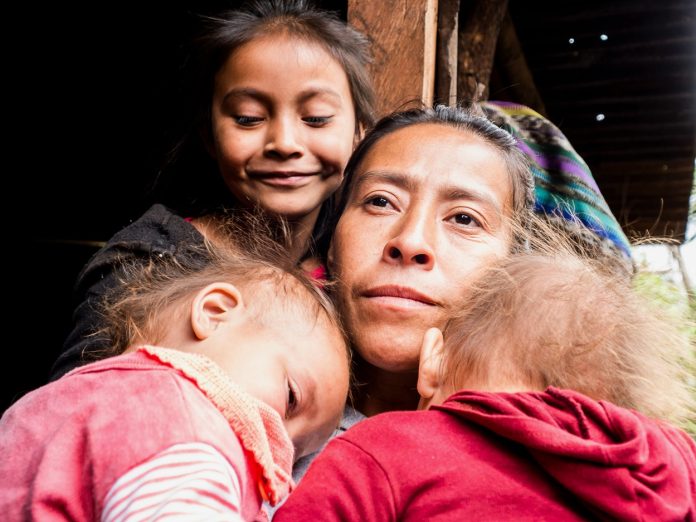
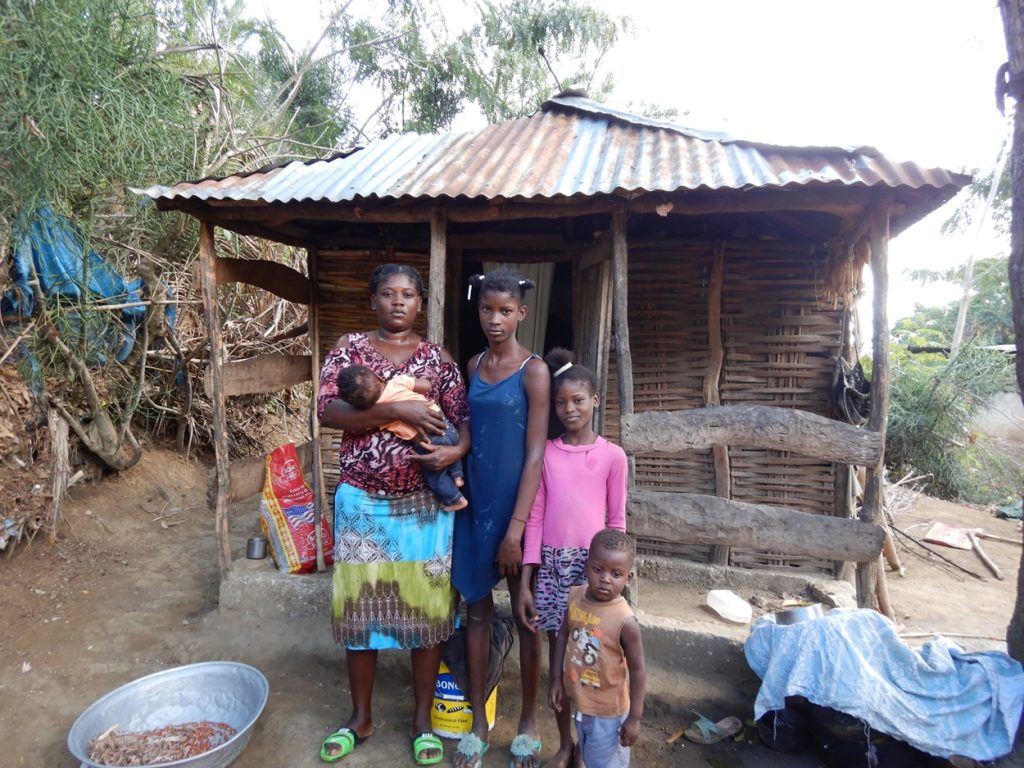
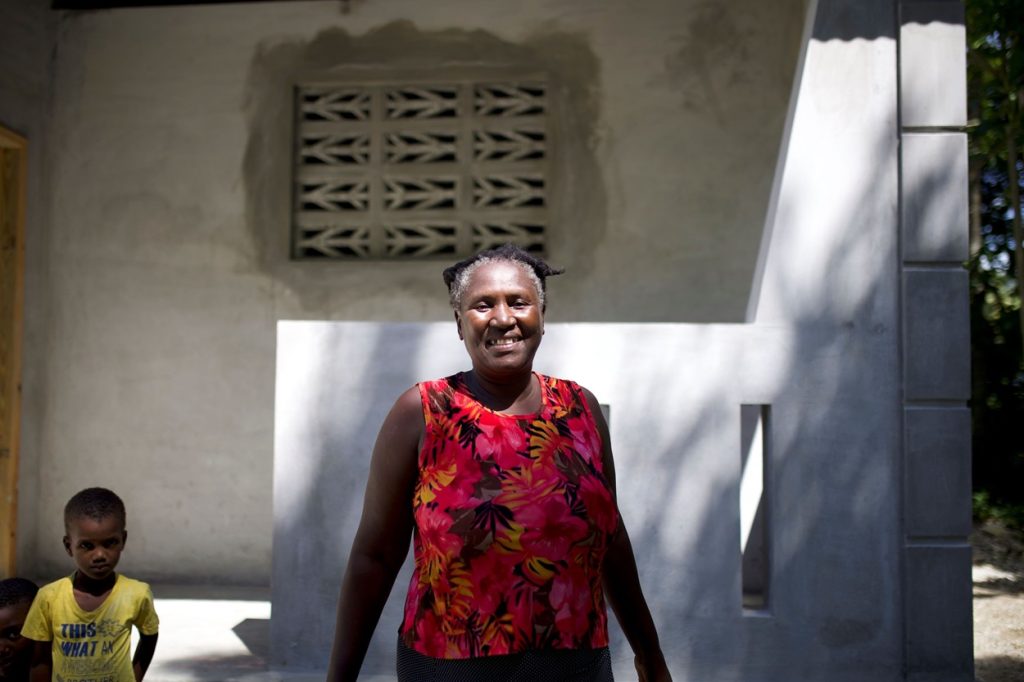
In Guatemala, Blanca lives with her mother and four children, including twin 19-month-old girls whose reddish blond hair is a result of childhood malnutrition common in developing countries. On #GivingTuesday, thanks to a generous match from longtime partner Feed My Starving Children, every dollar provided by Food For The Poor donors by midnight, Nov. 28, will be matched to deliver $3 worth of food, up to $750,000, that could aid children suffering from malnutrition and possibly even save their lives. Photo/Food For The Poor

COCONUT CREEK, Fla. (Nov. 21, 2023) – As skyrocketing food prices, climate shocks, global conflicts, and the continued fallout from the COVID-19 pandemic continue to cause hardships for struggling families, Food For The Poor (FFTP) donors have an opportunity to triple their compassion on #GivingTuesday 2023.

Thanks to a generous match from longtime partner Feed My Starving Children, every dollar provided by FFTP donors by midnight, Nov. 28, will be matched to deliver $3 worth of food, up to $750,000, that could aid a child suffering from malnutrition and possibly even save their life.

“During these challenging times, our hearts go out to the countless families who are struggling to put food on the table and secure a better future for their children. It’s never been more critical to come together as a global community to extend a helping hand to those who need it most,” FFTP President/CEO Ed Raine said.

“Because gifts during this #GivingTuesday campaign can be tripled, donors can help us deliver additional food that could aid a child suffering from malnutrition and, possibly, even save their life,” Raine added.

Latin America faces the highest costs in the world to access and maintain a healthy diet amid the region’s chronic problem of food insecurity, according to a United Nations representative for Latin America and the Caribbean.

In Haiti, nearly 5 million people do not get enough food to eat on a daily basis, the United Nations World Food Programme said.

A strong El Niño and resulting warmer sea surface temperatures in the central and eastern Pacific Ocean will push additional people into food insecurity next year, experts warn, as too much rain in some areas, while not enough in others, will disrupt agricultural production and livelihoods.

In Guatemala, Blanca lives with her mother and four children, including twin 19-month-old girls whose reddish blond hair is a result of malnutrition common in early childhood in developing countries throughout the tropics.

Blanca’s husband left her, leaving her nowhere to go but back home to her mother, who is ill. Food is difficult to come by.

“We get by with beans and tortillas and some vegetables, sometimes eggs,” Blanca said. “We sometimes add a pepper and some weeds. Sometimes, we eat potatoes but those are hard to boil, it takes too much water to boil them.”

For the past decade, FFTP has been part of the global movement #GivingTuesday, celebrated on the Tuesday after Thanksgiving.

Founded in 2012 by the 92nd Street Y, a community and cultural center in New York City, #GivingTuesday is set aside to inspire people to collaborate to improve their communities and support the causes they believe in.

Over the years, FFTP donors have responded generously.

Last year, donors gave enough funds to provide 9.4 million lifesaving meals. In 2021, donors provided funds for more than 100 homes for families in desperate need of shelter, plus $2.2 million worth of MannaPack rice meals from Feed My Starving Children.

Visit foodforthepoor.org/givingtuesday23 to support FFTP’s #GivingTuesday initiative for 2023 and help provide a family with lifesaving food.


Food For The Poor, one of the largest international relief and development organizations in the nation, does much more than feed millions of hungry children and families living in poverty primarily in 17 countries of Latin America and the Caribbean. This interdenominational Christian ministry provides emergency relief assistance, water, medicine, educational materials, homes, support for vulnerable children, care for the aged, skills training and micro-enterprise development assistance. For more information, please visit foodforthepoor.org.
The Miami Museum of Contemporary Art of the African Diaspora Premieres “This Life: Black Life in the Time of Now”

0
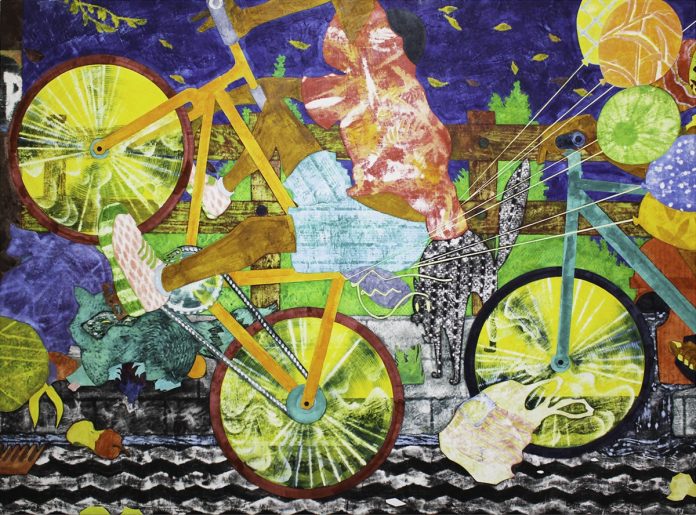
The Boys-Mark Thomas Gibson-Photo by MOCAD and Clare Gatto Photography.

A Captivating Documentary and Digital Exhibition Exploring Contemporary Black Existence on December 4 to Kick Off Soul Basel at The Urban in Historic Overtown

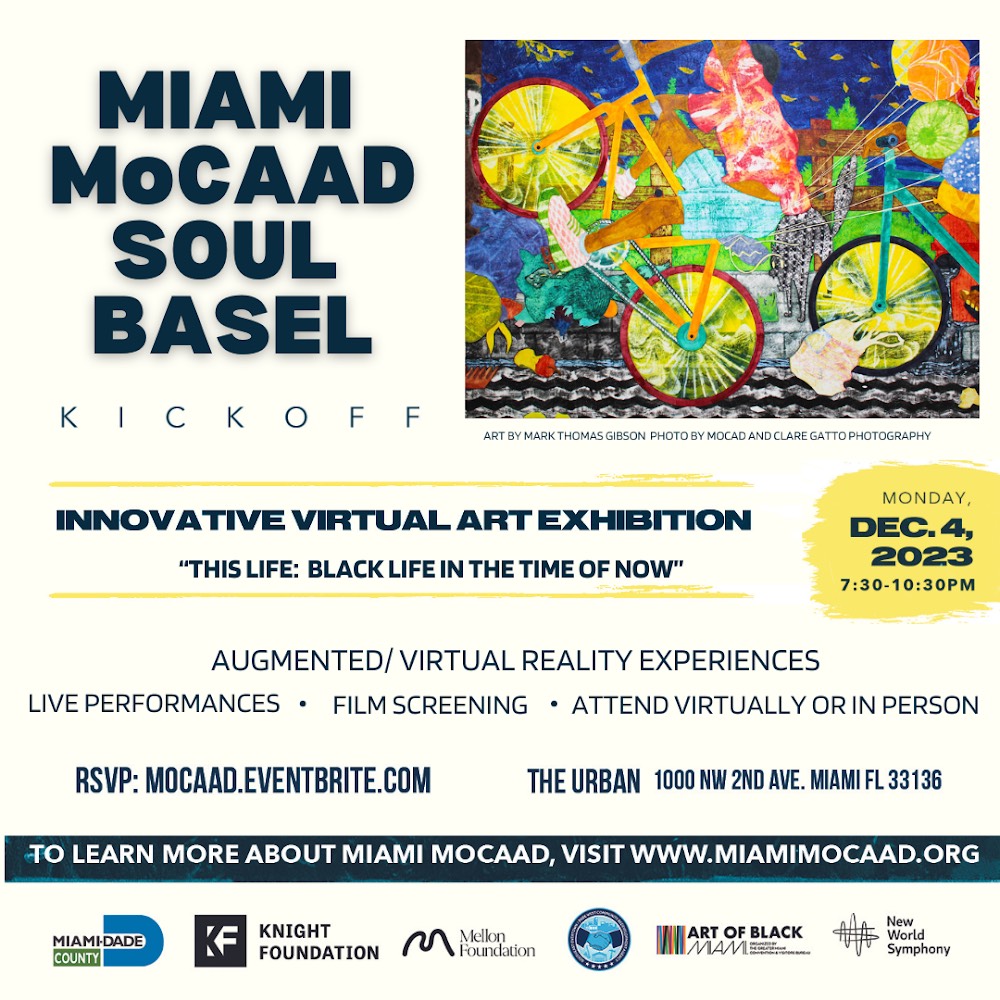
The Miami Museum of Contemporary Art of the African Diaspora (Miami MoCAAD) is set to kick off Soul Basel and Miami Art Week fully immersed in the digital space. Miami MoCAAD will celebrate the premiere of its groundbreaking documentary and digital exhibition “This Life: Black Life in the Time of Now” on December 4, 2023, at The Urban-(1000 NW 2nd Ave, Miami, FL 33136) from 7:30-10:30 pm. 

Attendees can also tune in virtually at https://shorturl.at/jxA49. Miami MoCAAD, through augmented and virtual reality experiences, delves into the intricate tapestry of contemporary Black existence through creative lenses and weaves together the personal narratives of four visual artists, offering an immersive experience that transcends geographical boundaries.

“This Life: Black Life in the Time of Now” is a testament to the enduring power of art to bridge gaps, ignite conversations, and inspire change. As the world grapples with issues of race, identity, and social justice, this documentary and digital exhibition offer a unique and timely perspective on diverse experiences of Black individuals. 

“This Life” is accessible to audiences everywhere, fostering a sense of community and shared understanding in an increasingly interconnected world. Curated by Dr. Anthony Bogues, the inaugural Director of the Ruth J. Simmons Center for the Study of Slavery and Justice at Brown University, this project promises to entertain, engage, educate, and empower. It will illuminate diverse facets of Black lives globally. This digital pilot exhibit/documentary is possible from funding from The John L. and James S. Knight Foundation, Andrew W. Mellon Foundation, and with the support of the Miami-Dade County Department of Cultural Affairs and the Cultural Affairs Council, the Miami-Dade County Mayor, and Board of County Commissioners.

The Southeast Overtown Park/West Community Redevelopment Agency founded Soul Basel. This celebration of art and technology would not be possible without the funding support from the Overtown CRA, Miami MoCAAD, the Greater Miami Convention & Visitors Bureau’s 2023 Art of Black Miami featured events, New World Symphony (provider of giant LED mobile screen), and the Miami-Dade Public Library System (provider of its Technobus).Attendees are invited to share in this momentous occasion.

In a world where diversity and representation are paramount, “This Life” is a powerful testament to the richness and complexity of Black experiences today. Dr. Anthony Bogues, a distinguished scholar and curator, lends his expertise to ensure that the project offers an enlightening, engaging and thought-provoking experience.

“As the director of the Southeast Overtown/Park West Community Redevelopment Agency, I am truly inspired by the transformative power of the technology-infused art program produced by Miami MoCAAD in the historic neighborhood of Overtown.  Miami MoCAAD’s vibrant murals in the heart of Overtown were thoughtfully created to reflect the community’s unique character and history.  The interactive murals add to the neighborhood’s artistic tapestry and provide a platform for meaningful dialogue and connection. The Soul Basel premiere of Miami MoCAAD’s virtual art exhibition together with augmented and virtual reality experiences embody the 21st century spirit of Overtown.” – James McQueen Executive Director-Southeast Overtown / Park West CRA

“To understand the complexities of Black Life today is to grasp in many ways how the world operates.  Black life brings to the fore what the African American thinker W. E. Du Bois once called a “second sight, “into this world. Each of the artists presented in this documentary and virtual exhibition engages with the world in unique ways. Their art tells us something specific and yet common about the world we live in. From Mark Gibson we see the contours of American society and the current dangers we face; from Renaldo Laurent, we understand the beauty and ways in which Haitian art is an oral language common to Haitian society.

From Rosana Paulino we see how the anti-Black structures of Brazilian society are confronted both at the level of representation and an Afro- Brazilian aesthetics and from Nontsikelelo Mutiti, we are drawn into the ways in which art and hair weave a mosaic about Black female art forms. The richness of all these artistic practices makes Black life alive. – Anthony Bogues, PhD, Curator, Inaugural Director of the Ruth J. Simmons Center for the Study of Slavery and Justice at Brown University.

“The Greater Miami Convention & Visitors Bureau (GMCVB) is excited to be a marketing partner with this digital and historical experience. Under our Art of Black Miami marketing platform, says Connie Kinnard, SVP of Multicultural Tourism for the GMCVB, we will help to promote this locally and nationally to encourage anyone interested in learning more about Black culture in an engaging way to attend. The Miami MoCAAD continues to bring impactful programming to our community year-round.”

The featured artists lending their voices and talent include Rosana Paulino, an internationally acclaimed feminist Brazilian artist; Renold Laurent, Haitian artist whose dynamic and expressive paintings are rooted in imagined dialogue with his audience and between mixed media, cultural history, the present, and our collective future; Nontsikelelo Mutiti, Zimbabwean-born visual artist and educator; and Mark Thomas Gibson, Miami born and raised visual artist working in painting, print, ink, and watercolor.

The New World Symphony will be providing a Mobile WALLCAST® concert content for this event, as well the New World Symphony Fellows will treat attendees to a live performance.

The Miami Museum of Contemporary Art of the African Diaspora Premieres "This Life: Black Life in the Time of Now"

“Miami MoCAAD is creating a hybrid museum that leverages technology to inspire curiosity, expand accessibility, and innovate virtual and in-person museum experiences. We are excited about the platforms that allow MiamiMoCAAD to show the diversity of common denominators and connections within and outside the Diaspora. We look forward to the community joining us to explore these captivating narratives of four exceptional artists as they invite us to witness, learn, and celebrate the beauty and resilience of Black life in the contemporary moment”. We are also excited that the virtual art exhibit will be placed in the Microsoft portal as the art gallery for students to explore and receive inspiration for art+tech projects. – Marilyn Holifield-Co-Founder Miami MoCAAD.

“This Life: Black Life in the Time of Now” spotlights diverse artistic expressions showcasing a remarkable array of artistic mediums, from visual arts and literature to performance and digital media. Each artist brings a unique perspective and creative voice to exploring Black life today.

“Embrace the power of storytelling, for within the realm of documentaries lies the extraordinary ability to illuminate the vibrant tapestry of the Black Diaspora. As we delve into the depths of life, career, and influences, we unravel the rich threads that have shaped our culture. Let us embark on this transformative journey, crafting narratives that celebrate resilience, honor heritage, and inspire generations to come.” – Michael Anderson-5X Suncoast Regional Emmy Award storyteller.

“Miami MoCAAD is using the digital advantage to gather and distribute the expression of artists from the African Diaspora. We are proud to be a digital partner in our shared work to reimagine how we bring art to a broader public. New World Symphony’s Mobile WALLCAST® technology is a natural fit for Miami MoCAAD’s forward-looking digital strategy. Together and for Soul Basel, we will bring artists from across the African Diaspora to Miami’s Overtown neighborhood for a local and global celebration of Black artists.”- Howard Herring, President and Chief Executive Officer New World Symphony, America’s Orchestral Academy

“At Xennial, we’re grateful to have been selected as the digital partner by the Miami MoCAAD team to create this one-of-a-kind Virtual Reality (VR) experience. We hope the VR Miami MoCAAD museum serves as an example for the Arts and Entertainment world of how we can use immersive technologies to provide a new medium for artists to showcase their work without the limitations of time or physical boundaries.” – Douglas Fajardo – Founder & CEO, Xennial Digital.

About Miami MoCAAD

The Miami Museum of Contemporary Art of the African Diaspora will discover, commission, collect, and preserve the work of the most advanced contemporary artists of the Global African Diaspora and its mother continent, Africa. 

As a museum of the future, the museum will embed technology in exhibitions, programs, and practices, going beyond digital art offerings to explore ways technology can elevate experiences, educate, and reach audiences around the world.

Miami MoCAAD won a Knight New Work grant to create new art incorporating technology, which will be accompanied by a virtual exhibit/documentary funded by the John L. and James S. Knight Foundation and Miami-Dade County, titled “The Day I Heard the Sounds of the World: ART” Connecting Communities — Overtown and Coral Gables. It will premiere in March 2024, at the Historic Lyric Theater in Overtown.

For more information about Miami MoCAAD visit: miamimocaad.org

Artist Gavin Jordan’s “Hoping for Today’s Tomorrow” A Must See at Spectrum Miami Art Fair

0
Gavin Jordan's work Photos: Supplied by Harris Public Relations

Jamaican-born artist exhibiting his artworks at the Spectrum Miami Art Fair Booth #1519

“Hoping for Today’s Tomorrow” Masterpiece Art Series Sparks Meaningful Conversations And Encourages Empathy And Understanding About The World’s Issues And Complexities Through His Masterpiece Series.

Renowned artist Gavin Jordan is set to captivate art enthusiasts and connoisseurs alike with his latest masterpiece series, “Hoping for Today’s Tomorrow,” at this year’s Spectrum Miami Art Fair, December 6-10 at Mana Wynwood (2217 NW 5th Avenue @NW 22nd St, Miami, FL 33127 ). Attendees will experience his profound and thought-provoking creations. Miami is the center of the art world in North America during Miami Art Week, anchored by the world-renowned Art Basel Miami Beach and supported by many other high-end fairs and shows.

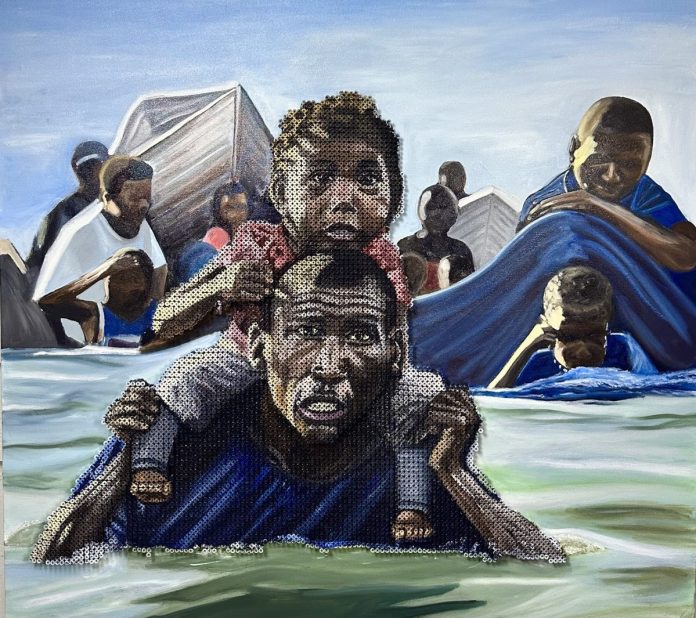
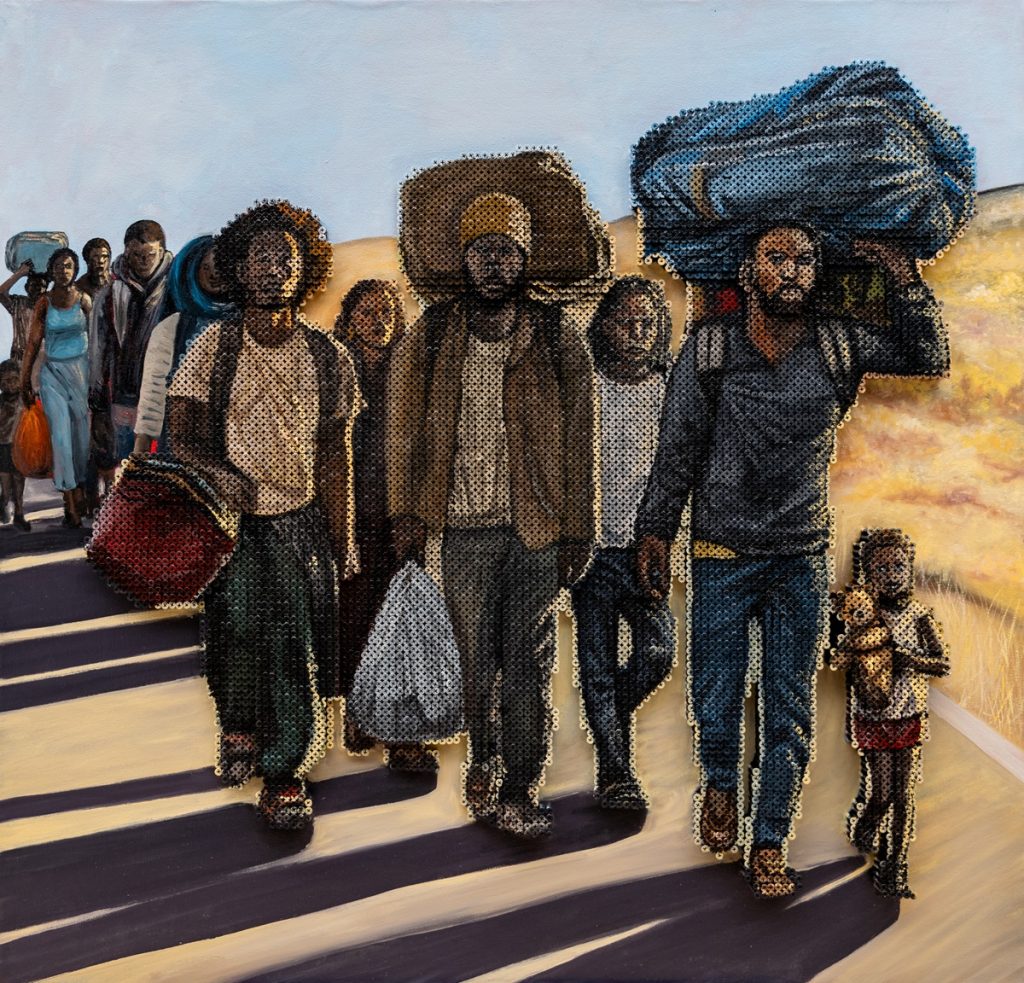
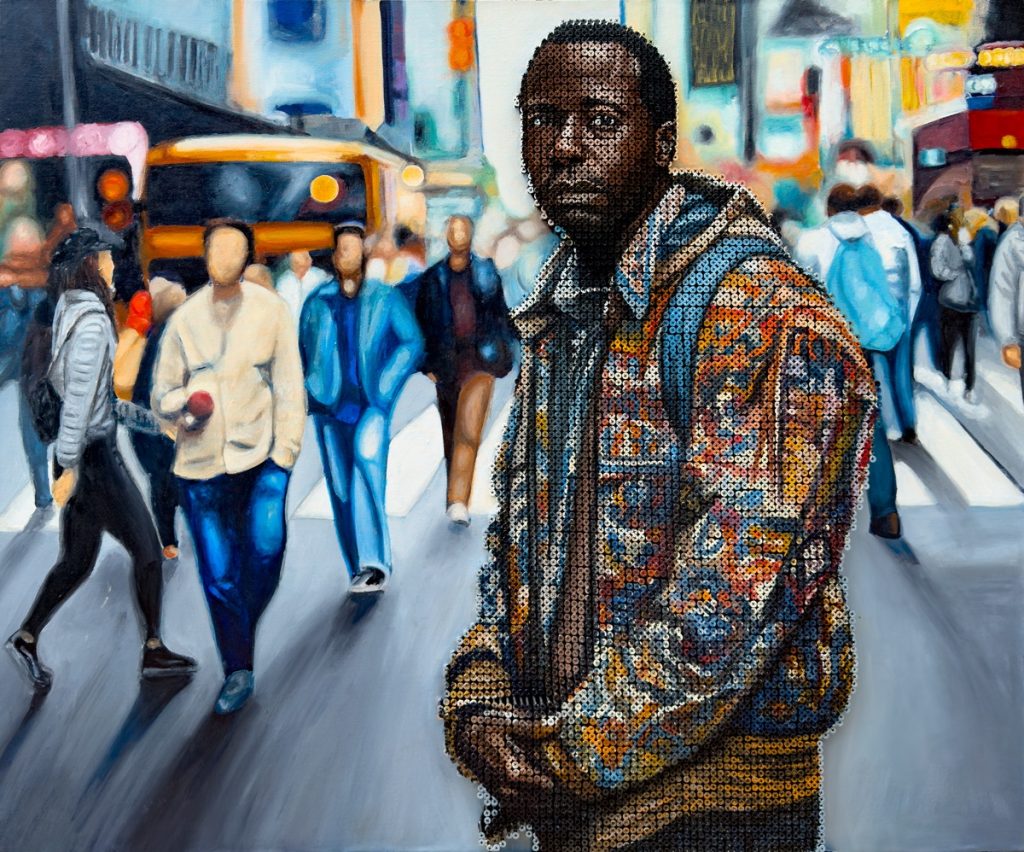
Gavin Jordan’s “Hoping for Today’s Tomorrow” masterpiece series delves deep into the human experience, specifically exploring the dreams, struggles, and aspirations of people of color who seek a brighter future. With a keen eye for the urgency and longing that shape the present moment, his series emphasizes that actions taken today profoundly impact tomorrow’s opportunities and outcomes.

Artist Gavin Jordan - "Hoping for Today's Tomorrow" A Must See at Spectrum Miami Art Fair
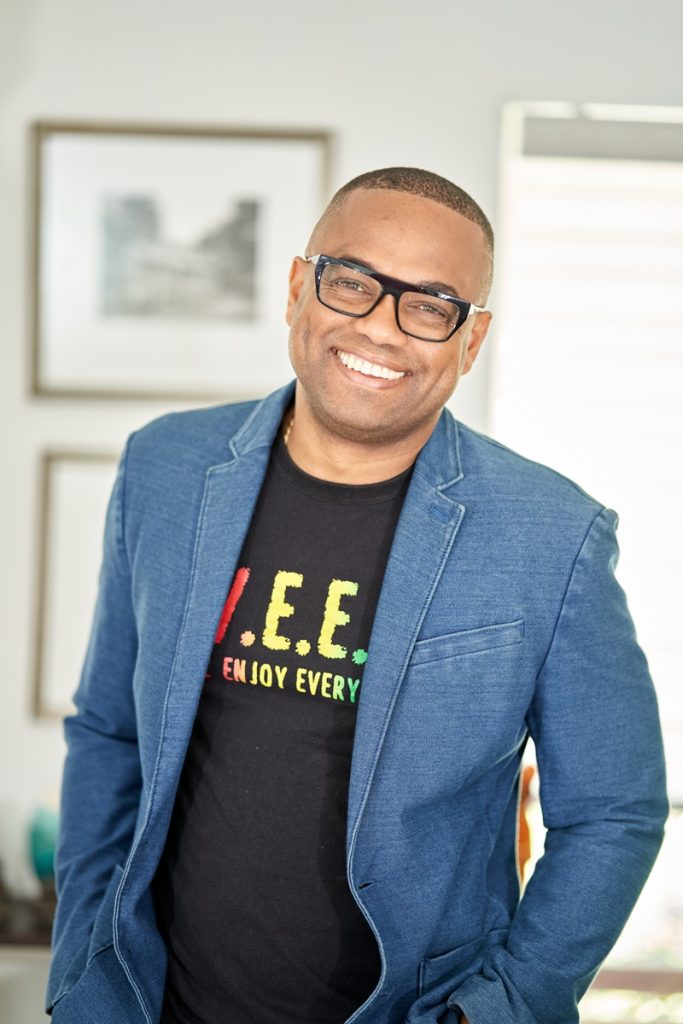
Artist Gavin Jordan

The fusion of industrial screws into Gavin’s art finds its roots in a captivating duality between his professional training and his creative aspirations. He brings a unique blend of skills and sensibilities to his work. Jordan is a trained accountant and a certified CPA who’s been accustomed to thinking in linear, analytical terms. However, his innate creativity yearned for expression in more imaginative, non-linear dimensions. This intriguing marriage of Gavin’s structured, methodical mindset and unbridled creative spirit form the foundation of his artistic approach. The incorporation of industrial screws is a reflection of this intricate interplay. It symbolizes the convergence of Gavin’s rational, calculated side with his vivid, imaginative essence.

Gavin wants his potential clients, followers, and art enthusiasts to know that his work goes beyond mere aesthetics; it tells stories, provokes thought, and evokes emotions. He is dedicated to crafting artwork that transcends singular narratives and sparks conversations about the richness of human experiences. He hopes to ignite a sense of wonder and contemplation with his artwork, encouraging viewers to explore the often-unspoken nuances of our shared existence.

“I am thrilled to participate in this year’s Spectrum Miami Art Fair because it provides an incredible platform to showcase my work and my latest series, “Hoping for Today’s Tomorrow.” The fair offers a diverse and engaged audience, providing the perfect opportunity to share the emotional depth and powerful narratives behind my art. It’s not just an exhibition; it’s a chance to connect with art enthusiasts, fellow artists, and potential collectors who may find a personal connection with the themes I’ve explored in my work.”- Gavin Jordan.

“Hoping for Today’s Tomorrow” series promises to be a highlight of this year’s Spectrum Miami Art Fair, inviting audiences to contemplate the interconnectedness of today’s actions and tomorrow’s aspirations through the lens of remarkable artistry.

About Gavin Jordan

Gavin Jordan is a celebrated artist known for his captivating and thought-provoking artwork. With a unique technique involving industrial screws, Jordan creates three-dimensional masterpieces that explore the human experience, emotions, and the interconnectedness of today and tomorrow. His work has garnered acclaim and recognition at prestigious art events and galleries in Jamaica.

About Spectrum Miami Art Fair

The Spectrum Miami Art Fair is an annual showcase of contemporary art, attracting artists and art enthusiasts worldwide. Located in the vibrant heart of Miami’s art scene, the fair provides a platform for artists to display their work and engage with a diverse audience during Miami Art Week and Art Basel Miami Beach.

For more information about Gavin Jordan please visit: gavinjordanart.com. Follow on  social media instagram.com/gavinjordanart and facebook.com/gavinjordanart.


Spectrum Art Fair Hours

VIP/PRESS PREVIEW

Wednesday, December 6, 2023 | 5 PM – 6 PM

OPENING NIGHT PREVIEW

Wednesday, December 6, 2023 | 6 PM – 9 PM

SHOW HOURS

Thursday, December 7, 2023 | 12 PM – 8 PM

Friday, December 8, 2023 | 12 PM – 8 PM

Saturday, December 9, 2023 | 12 PM – 8 PM

Sunday, December 10, 2023 | 12 PM – 6 PM

Helpful Tips When First Moving to the Caribbean

0
Helpful Tips When First Moving to the Caribbean

Embarking on a new journey to the vibrant, sun-soaked islands of the Caribbean can be an exciting yet overwhelming experience. This handy guide is here to ease your transition with helpful tips for first moving to the Caribbean. From adapting to island time to understanding local customs and finding your way around, we’ve got you covered. Pull up a beach chair, and let’s dive right in.

Find Your Way Around

One of the initial challenges you might face when moving to the Caribbean is orienting yourself to a new and unfamiliar environment. Learning to navigate the island is great advice for adjusting to life in the Caribbean, and it allows you to explore local hotspots, hidden gems and everyday essentials.

We recommend starting with a good local map and combining digital tools such as GPS with locals’ advice to comprehend the lay of the land. Engaging in neighborhood walks and local tours can also be beneficial. Remember, each wrong turn is a chance to discover something new.

Learn the Language

While being conversant in English may serve you well in many parts of the Caribbean, embracing local dialects and understanding unique idioms can significantly enhance your island living experience. Each Caribbean island is a melting pot of cultures, and their languages are as rich and diverse as the people themselves. A grasp of the local lingo allows for more meaningful interactions with island residents, fostering a deeper appreciation for their heritage and way of life.

Additionally, understanding the everyday vernacular can be particularly useful when immersing oneself in local markets, restaurants or events. Begin by learning a few key phrases and colloquial expressions to build connections and integrate more seamlessly into the island community.

Understand Local Customs

Acclimating yourself to the local customs of the Caribbean can provide a deeper understanding of the region’s unique societal norms and values and aid in your cultural integration. The Caribbean islands have warm hospitality, vibrant festivities and rich traditions, which vary from island to island. For instance, many Caribbean societies have a relaxed approach to time, often called ‘island time,’ where punctuality isn’t as stringent as in other cultures.

Similarly, greetings and communication are often informal and friendly, emphasizing community and family ties. It’s also common to see grand celebrations, such as carnivals, local festivals and national holidays, marked by music, dance and elaborate costumes. By embracing these customs and participating in local traditions, you show respect for the culture and make your transition to island life more enjoyable and enriching.

As you settle into your new island home, remember these helpful things to know when moving to the Caribbean. Each aspect is crucial for a seamless transition, from learning to navigate the beautiful landscapes to appreciating and partaking in the unique local customs. With a little time, patience and an open mind, you’ll soon find yourself feeling right at home, basking in the rich cultural heritage and beauty of the Caribbean.

Caribbean Artists Shine Bright at Art Basel & Miami Art Week 2023

0

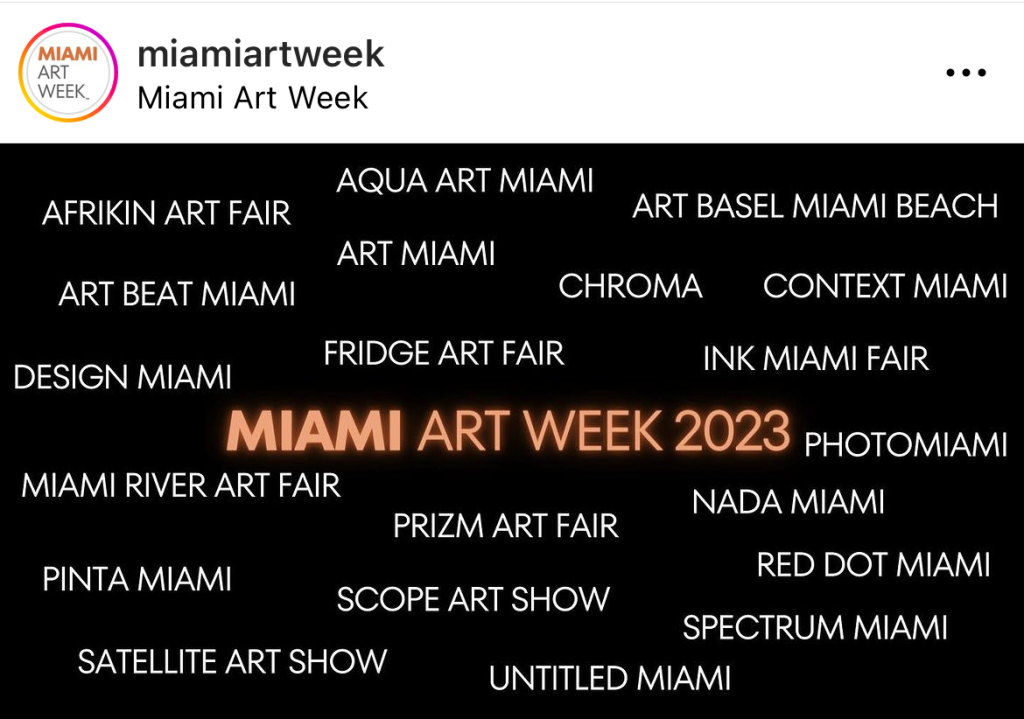
Art Basel Miami Beach, one of the most prestigious art fairs in the world, has consistently been a beacon of innovation and artistic expression. As we approach Art Basel Miami Beach 2023, and the concurrent Miami Art Week 2023, this December, there is a growing buzz surrounding the inclusion of Caribbean artists. This exciting development not only celebrates the rich artistic traditions of the Caribbean but also signifies a much-needed step toward inclusivity in the global art scene.

The Caribbean region is a treasure trove of artistic diversity, shaped by centuries of cultural exchange, multiethnic history and the resilience of its people. From the influence of African rhythms to the vivid colors inspired by the lush landscapes, Caribbean art is a celebration of life, culture and identity. For too long, these voices have been underrepresented in the international art world, but Art Basel Miami Beach’s 2023 lineup is poised to change that, with a specific focus on celebrating Latin American and Caribbean diasporic scenes.

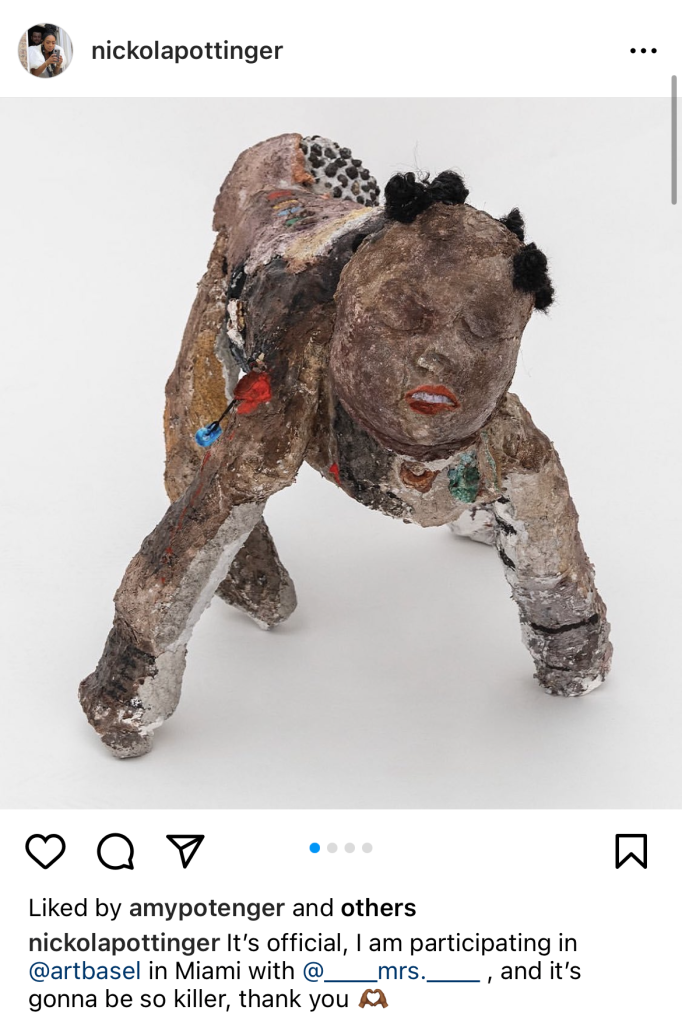
One of the artists making waves in the lead-up to the event is Jamaican Nickola Pottinger. Pottinger’s sculptures emerge from an intuitive creative process. Her artistry combines elements such as paper pulp, pigments and found objects, many of which have been sourced from her surroundings in her home of Brooklyn, NY.

These unique creations, often categorized as wall reliefs, possess an enigmatic quality, characterized by their irregular shapes, hints of ritualistic undertones and a sense of motion, resonating with the artist’s Jamaican heritage, her connection to dance and the human body. Pottinger’s recent exhibitions have earned places for her work in galleries and art spaces in New York, Paris, and numerous other locations worldwide, solidifying her status as a creative with a global reach and a distinctive artistic voice. Her solo booth in the Miami Beach Convention Center, presented by Mrs. Gallery, will not be one to miss.

Haitian painter and sculptor Edouard Duval Carrié is another artist attracting attention. During Miami Art Week, Carrié will be part of an exhibit presented at the Little Haiti Cultural Complex from December 8 to 10 titled “A Call to the Ancestors,” an exhibition that represents the 15th edition of the esteemed Global Borderless Caribbean series. Recognized for its commitment to fostering contemporary cultural dialogues centered on the Caribbean, this annual multi-artist exhibition is set to be a noteworthy highlight of Art Basel. Carrié’s display includes intricate, colorful and well-known pieces derived from Caribbean history, politics and religion.

Perez Art Museum Miami (PAMM) is also set to be a focal point for art enthusiasts during Miami Art Week, featuring a diverse array of exhibitions.

The inclusion of Caribbean artists at Art Basel Miami Beach 2023 is more than just an opportunity for these creators to showcase their talents — it’s a call for a more equitable and diverse art world. While diversity and inclusion have increasingly become focal points in recent years, there remains much work to be done to ensure that artists from all backgrounds receive the recognition and opportunities they deserve. By actively promoting Caribbean artists, Art Basel stands as an example of how the art world can lead the charge in championing diversity.

Moreover, the art helps challenge the stereotypes and misconceptions often associated with the region. It acts as an opportunity to educate on and highlight complex themes like slavery, religion, history and resilience, dispelling one-dimensional depictions. Caribbean art is not just about picturesque beaches and palm trees  — it is a celebration of the people, their struggles, their dreams and their deep connections to their surroundings. It is an invitation to explore the myriad of stories that make up the islands.

As the event approaches, we eagerly anticipate the voices and stories that will be celebrated on the global stage, and we are reminded that art, at its core, knows no borders.

Getting to “Know Your Caribbean” with Founder Fiona Compton

0
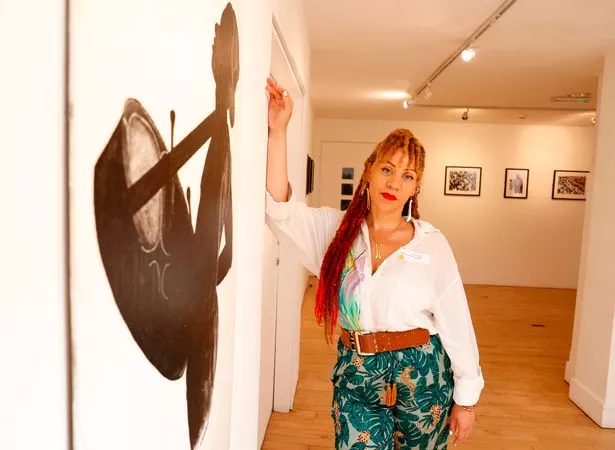
Fiona Compton at Museum for World Reimagined.

Recognized as the number one digital platform for Caribbean history and culture, “Know Your Caribbean” was started as a way to fill the overwhelming void of online information about the region. When St. Lucian-born artist and filmmaker Fiona Compton was unable to easily find facts about her home country and its neighbors while working on a project back in 2017, she took it upon herself to make it more available. She became a historian, researcher, writer, podcaster, among other roles, in order to unearth, present and promote the culture she loved. 

Know Your Caribbean loops in history from all over the region, including influence from Black/African, Indian, Chinese, Middle Eastern and European history to make sure every Caribbean country and its unique past is represented.

Getting to “Know Your Caribbean” with Founder Fiona Compton
Founder, Fiona Compton

What’s your Caribbean connection?

I was born and raised in the beautiful Saint Lucia, the heart and soul of the Caribbean. After some time in the halls of a very white-centered university left me feeling out of sync, I decided to dive deep into Caribbean history, becoming a historian, filmmaker, artist and the founder of Know Your Caribbean.

What exactly is Know Your Caribbean and the goal of the organization?

Know Your Caribbean is not just a website or a social media platform — it’s a real Caribbean lime filled with history, culture and vibes. It’s where the past meets the present in a lively mix of films, photographs, art and a podcast all telling our stories of our deep history and culture. I felt like we need to re-learn ourselves and also celebrate ourselves! I felt we needed to challenge the lack of good Caribbean information out there. Know Your Caribbean is like a treasure chest of untold stories.

It’s not just facts, it’s a celebration of Caribbean voices challenging the norm. That’s all that it is, from Dutch, French, Spanish, English, Kweyol and Patois speaking countries. Throw in some Papiamentu as well — we cover it all. 

Here is where you can see it first hand: knowyourcaribbean.com and @knowyourcaribbean on Instagram

How did you get involved in this work?

After university, I was feeling totally disenfranchised. So, I picked up my camera and started making films, telling stories of resistance in the Caribbean. It’s like bringing the fire of Carnival to a history lesson. Over time I decided to transfer these creative skills to fuel Know Your Caribbean, making history as vibrant as any day in the Caribbean. Know Your Caribbean came to be when I couldn’t find good Caribbean information for my projects. Frustrating, right? So, I decided to create a place where you could find the real juice about the Caribbean, beyond the usual tourist brochures and traditional history books. 

What sparked your interest in history and storytelling?

History and storytelling? It’s in my blood! My parents made sure of that, even when they weren’t trying to. My parents were involved in both history and politics, so I grew up in cultural events, hearing politicians battle and seeing my mother unearth Kalinago axe heads from the soil. Everything I was surrounded by was about our stories. Know Your Caribbean is all about flipping the script on how we tell our history, making sure every island gets a say.

Talk about Know Your Caribbean’s reach

People are really connecting with the resources they find through Know Your Caribbean. I am proud to have seen my writings on display as far as Copenhagen, and to have people from all over the world, not just in the Caribbean, reach out to say they love learning about the region. Over a million global accounts hit us up monthly, soaking in the greatness that is the Caribbean. 

What are some ground-breaking findings you’ve had throughout this experience?

We’ve uncovered gems in the archives, like enslaved ancestors who rebelled through poison, through the cutlass, looking at our connections to Africa in our everyday language and cuisine, and of course music. There are too many to count!

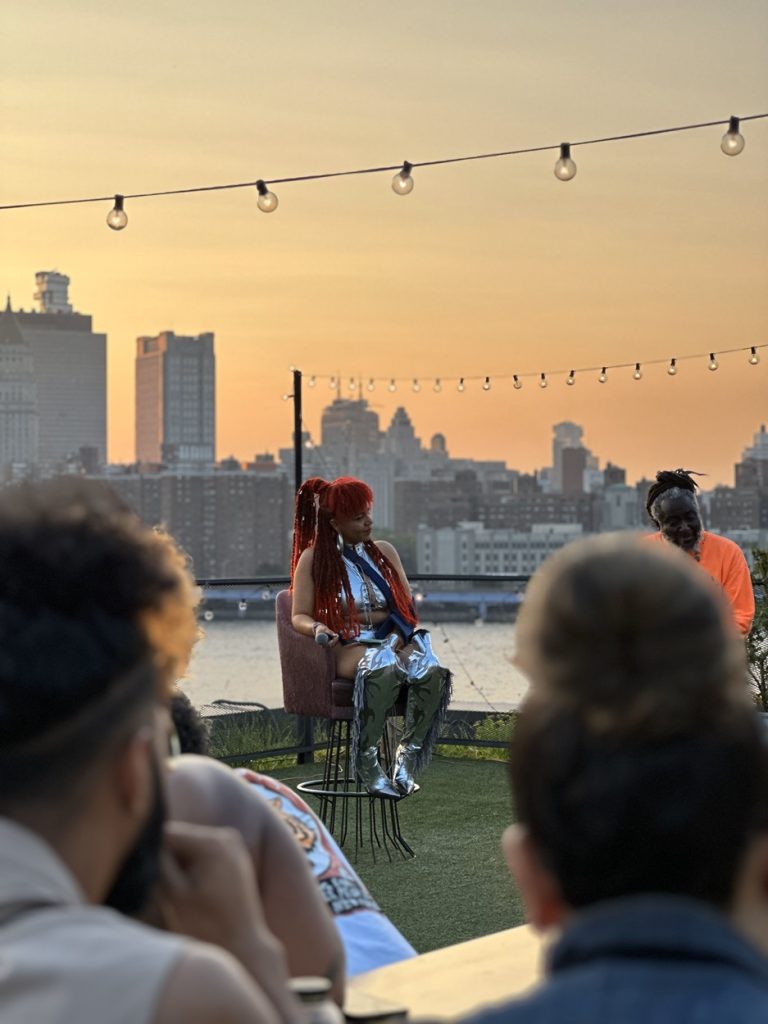
Curated events were like a carnival for Caribbean culture. From dancehall vibes at Soho House to history walks with ‘The World Reimagined,’ we brought the Caribbean flavor. Meta, Reddit, Hearst Publishing and Soho House and so many others received a taste of the vibrant Caribbean heritage.

Talk about your Instagram takeovers!

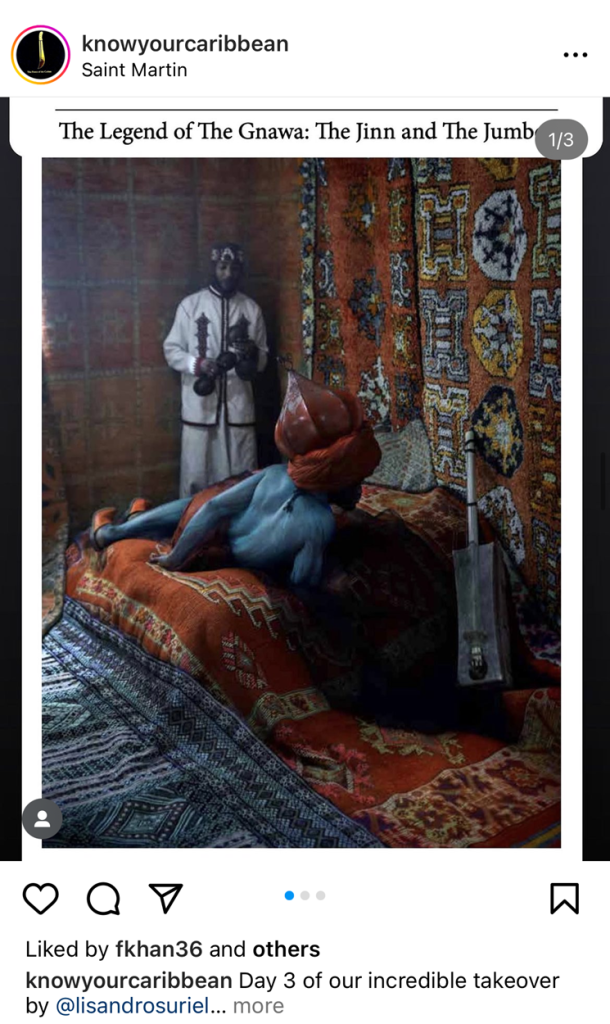
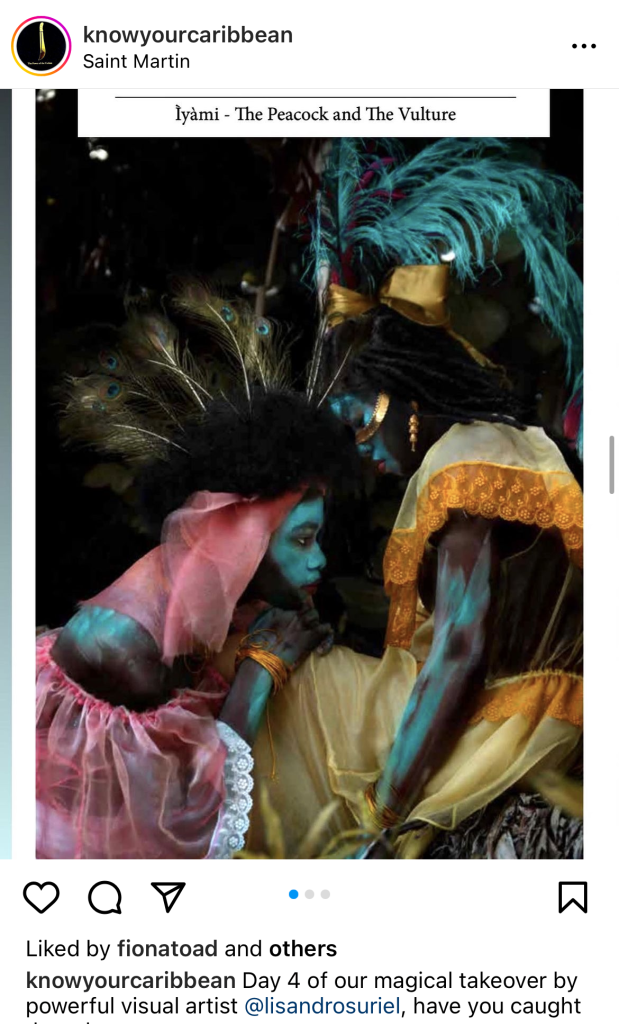
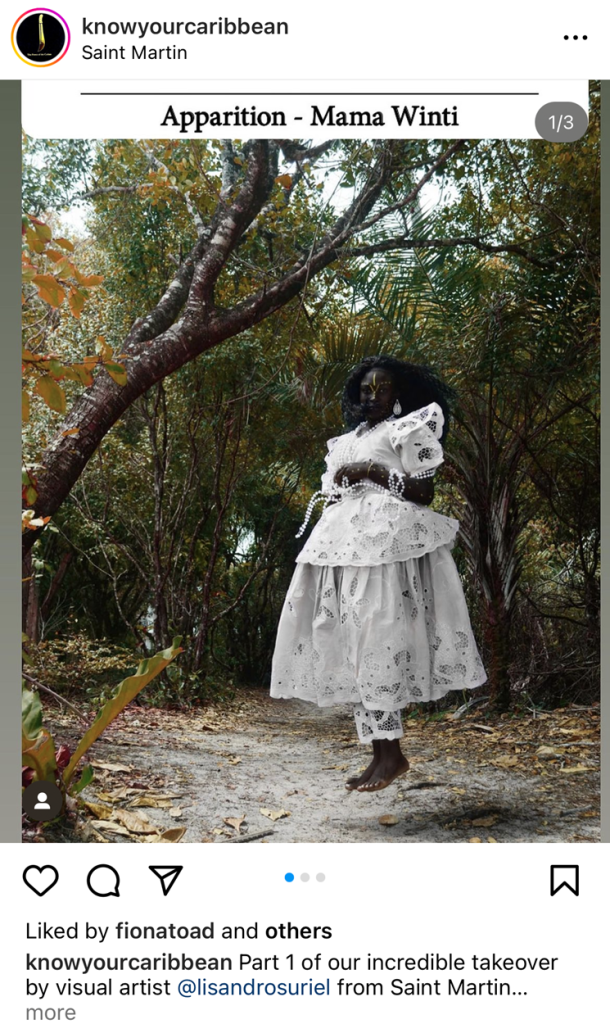
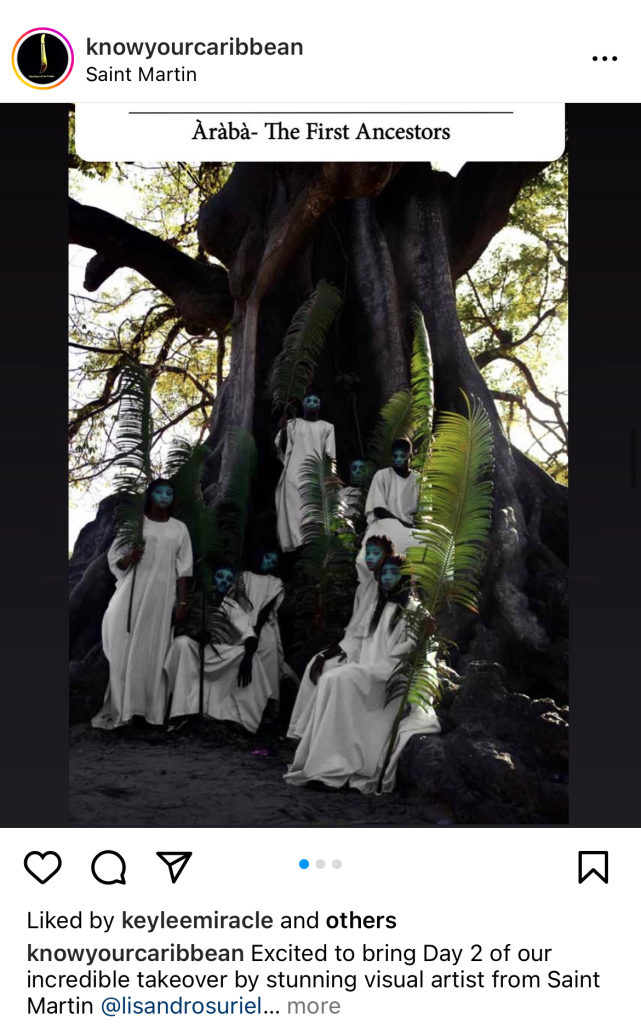
Instagram takeovers are meant to show that Know Your Caribbean is not one voice, but many. We really want to make sure we champion Caribbean perspectives. It’s a collective of diverse voices, showcasing the richness of the Caribbean. Artists, fellow historians, filmmakers.

And you mentioned a podcast?

The Know Your Caribbean Podcast covers everything you can think of about the Caribbean, listened to in over 150 countries. We’re chatting about everything under the Caribbean sun—Christianity, enslavement, African spirituality, history of Carnival —things you won’t find on the site or socials. It’s the real Caribbean vibe that allows me to go deeper where I can’t on social media. 

How can people connect with Know Your Caribbean?

Visit knowyourcaribbean.com and @knowyourcaribbean on Instagram to soak in the authenticity of the Caribbean. It’s not just information, it’s a Caribbean experience.

Are there any upcoming projects you’re looking forward to in 2024?

In 2024, we’re diving into projects that heal the wounds of colonial legacies. It’s about working with, supporting and healing our communities. Look out for more in person events for sure!  It’s the next chapter in the Caribbean story, and it’s going to be epic. Stay tuned.

FFTP’s Celebration of Hope Exceeds Goal for Homes in Haiti: Lake Worth Mom Honors Son with Heartfelt Donation

0
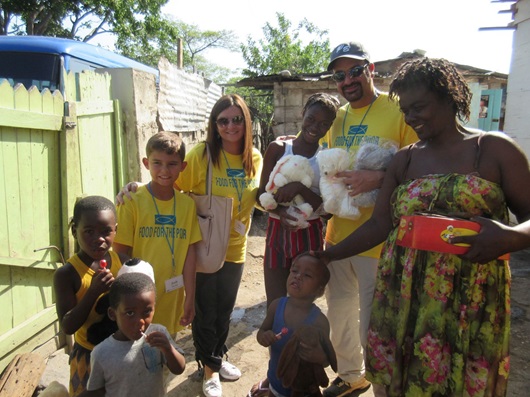
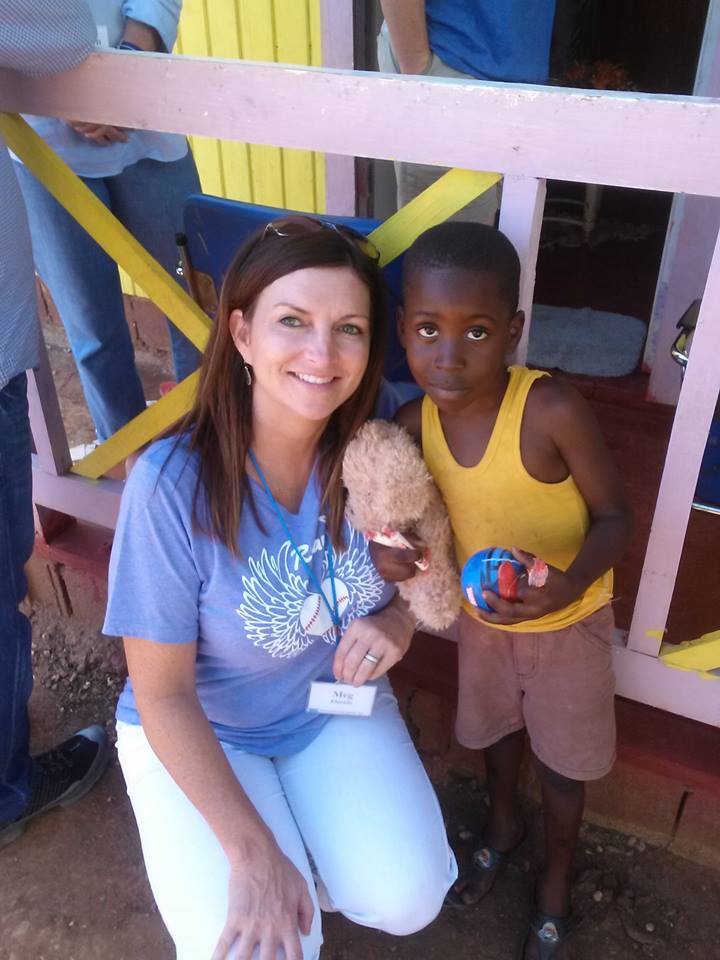
In this file photo from 2015, Josh Batchelder, 10, traveled with his parents, Meg Fitzgerald and Stephan Batchelder, to Jamaica on a Food For The Poor mission trip to distribute stuffed animals. Fitzgerald donated funds to build 10 homes in Trouchouchou, Haiti, through FFTP’s 24th Annual Celebration of Hope Virtual Gala to honor the memory of her 7-year-old son Ryan, who tragically died in a boating accident in 2014. Photo/Food For The Poor

COCONUT CREEK, Fla. (Nov. 6, 2023) – Vulnerable families in Trouchouchou, Haiti, soon will no longer have to live in mud and rubble and fear the rain soaking their belongings.

Supporters of Food For The Poor’s (FFTP) 24th annual Celebration of Hope Virtual Gala pledged to build more than 40 homes for poverty-stricken families who have been praying for safe shelter.

For the fourth year in a row, the program was livestreamed, taking viewers on a journey of prayer, transformation, and hope.

FFTP Board Member Dr. Lynne Nasrallah, who has chaired the gala for 24 years, expressed deep gratitude to Orlando-area donors and others for their support. She shared with viewers her love for the Haitian people.

“The poor of Haiti have stolen my heart,” Nasrallah said. “Their resilience and joy make them strong and faithful. No matter the insurmountable challenges, Haitians remain unshaken in their faith, hope, and love of the Lord and their neighbor.”

Meg Fitzgerald, of Lake Worth, Fla., donated 10 homes in Trouchouchou in memory of her 7-year-old son, Ryan, who died tragically in a boating accident in 2014.

“It’s always been in mind to build a village in his honor. This is just the beginning,” Fitzgerald said. “I’m so grateful to be able to help. It is overwhelming to think how much you can impact someone’s life by providing a home for them.”

The outpouring of love that Fitzgerald said her family received after the sudden death of their son inspired a new purpose in their lives and a strong desire to comfort others.

In 2015, Fitzgerald and her then-10-year-old son, Josh, traveled with FFTP and the Nasrallah family on a mission trip to Jamaica, where they donated stuffed animals through a foundation named for her late son.

Over the years since that trip, Fitzgerald has donated funds for homes for past Celebration of Hope galas, but she wanted to do something more significant.

“It has ignited a passion in me to do more than to write a check,” Fitzgerald said. “It makes me so sad that we allow extreme poverty in the world. It doesn’t need to be like this.”

Saturday’s Celebration of Hope program featured inspirational and joyful performances by Haitian recording artist Jonathan Laurince.

Committee members George and Joanne Olson spoke about their commitment to Haiti after being introduced to the gala and Nasrallah by their daughter and future son-in-law 13 years ago.

“It led us to learn more about Food For The Poor and how they worked to raise funds to feed the hungry and build homes for the poor in Haiti,” Joanne Olson said. “The following year, we attended the gala with them, and our interest piqued. Through their efforts, our eyes were opened to the beautiful and necessary work that was being done and what was accomplished with the money that was raised. When we were able to walk into a replica of a house, we were hooked and became regular attendees of the gala and donors of Food For The Poor.”

George Olson said their donations became personal. When they donated homes in memory of their respective parents, they received a photo of the homes that were built and the families living there, with the names of their loved ones on a plaque beside the doors.

“The smiling faces of that family were standing in front of that door,” George Olson said. “These pictures and those families are priceless.”

In 2021, the gala’s supporters built 40 homes for families in Kitis, Haiti, exceeding the goal of funding 25 homes. The construction has been completed and some of the families have moved into the homes.

In 2022, funds were raised to build 40 homes for families in need in Maché Mango, Haiti. They also provided funds for a water well and a community center, which will serve as an integral place for families to gather for prayer, for children to do homework, and to unify the community.

“I had all my kids in a small hut,” Jolene said. “Today, God blessed someone and touched their heart so they could change my life. Now, I can breathe easily. Thank you so very much, and may God bless you.”

FFTP President/CEO Ed Raine thanked the Celebration of Hope committee and the Orlando-area philanthropists and supporters of the gala for their unwavering commitment through the past 24 years and especially this year to families in Trouchouchou.

“The urgency of their situation cannot be overstated, and it’s not limited to Trouchouchou alone,” Raine said. “Haiti as a whole is facing a crisis that demands our immediate attention and assistance. Our brothers and sisters in Haiti endure ongoing hardships. But today, they are particularly distressed by their pressing material needs and the challenges they face in the weeks and months ahead. In these difficult times, our solidarity and support are more vital than ever.”

Committee members include Linda Bonnewitz, Bruny and Paula Compas, George and Kim del Campo, Mike and Dr. Desirae Friend, Cynthia Hawkins, Nicole Nasrallah, George and Joanne Olson, Lisa Padilla Ortiz, Nancy Padilla, Dwight and Lisa Saathoff, Tom and Jean Wilkes, Jean and Donna Wilson, and Holly Wilson.

Food For The Poor, one of the largest international relief and development organizations in the nation, does much more than feed millions of hungry children and families living in poverty primarily in 17 countries of Latin America and the Caribbean. This interdenominational Christian ministry provides emergency relief assistance, water, medicine, educational materials, homes, support for vulnerable children, care for the aged, skills training and micro-enterprise development assistance. For more information, please visit foodforthepoor.org.
5 Ways To Find Hidden Water Leaks in Your Home

0
5 Ways To Find Hidden Water Leaks in Your Home

Homeowners are all too familiar with the setbacks that come with water leaks, and finding the source of the issue can be troublesome. To help you take charge of this situation, we’ve outlined five effective ways to find hidden water leaks in your home. By addressing the problem early, you can prevent potential damage to your home’s structure, decrease your water bill, and halt mold growth. Keep reading to learn about these techniques, and never let a leaky situation dampen your spirits again!

1. Check Your Water Meter

One reliable method for detecting leaks inside and outside your home is closely monitoring your water meter. To do this, turn off all water appliances and faucets in your home. Then, observe the water meter’s leak indicator (usually a small triangle or dial) and see if it’s moving. If the indicator is spinning and moving, an ongoing leak in your home needs fixing.
2. Look for Unusual Dark or Wet Spots

Inspect your home for unusual wet or dark spots on ceilings, floors, or walls, which could indicate a hidden water leak. While you’re at it, note any stains or discolorations, as well as warped or bulging materials, since these signs might point to water intrusion in your home.

For example, unusual dark spots on your ceiling could indicate your roof is leaking. Ensure you know what to do when your roof starts leaking. This way, you can prevent larger, more costly issues down the road.

3. Listen for Unexplained Sounds

When all water sources are off, and you still hear dripping or running water noises, that’s a strong indication that you have a hidden leak. Be sure to check your pipes’ connections and follow the sound to trace any discrepancies. Leaking pipes often emit noticeable sounds, so listening closely can be instrumental in locating the exact source.

4. Monitor Your Water Bill

Keep track of your monthly water usage to spot any sudden increases. An unexpectedly high water bill might point to an inconspicuous water leak you haven’t detected. While factors like increased usage or seasonal shifts can account for changes in your water bill, analyzing your water consumption patterns can shed some light on whether there’s an ongoing leak.

5. Employ Food Coloring

One last way to identify hidden water leaks in your home involves using food coloring. To pinpoint a potential toilet leak, add a few drops of food coloring to the backend tank and wait for around 15 to 20 minutes. If the colored water finds its way into your toilet bowl, you have a leaky toilet.

Don’t let small leaks snowball into bigger problems for your home and wallet. Regularly implementing these five ways to find hidden water leaks in your home can save you time, money, and effort in the long run. By following the methods above, you can stay one step ahead of any water-related issues and make sure your home remains dry, safe, and secure.

6 Dishes Caribbean Americans Eat on Thanksgiving

0

While most Caribbean nations don’t celebrate the American version of Thanksgiving in their respective islands, the diaspora currently living in the United States have adopted the day with their own traditions, including celebrations with large gatherings of family and friends and subbing out the traditional turkey, mashed potatoes and stuffing for more island-friendly grub like sorrel, rum glazed ham, fritay, callaloo, pelau and beloved rum cakes. 

Here are the top six dishes and drinks you’ll see on Jamaican, Haitian and Trinidadian Thanksgiving dinner tables.

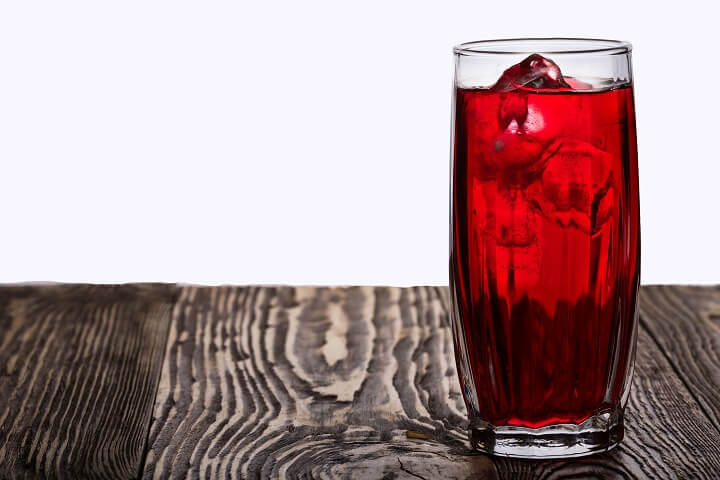
Jamaican Sorrel

Jamaican Sorrel, also known as roselle, hibiscus tea and flor de jamaica, is a popular and refreshing drink in Jamaica, especially during the holiday season.

6 Dishes Caribbean Americans Eat on Thanksgiving - Jamaican Sorrel

What you need

  • 2 cups dried sorrel petals (hibiscus petals)
  • 1 cup white rum
  • 8-10 cups water
  • 1-2 cups granulated sugar (adjust to your sweetness preference)
  • 6-8 whole cloves
  • 1-inch piece of fresh ginger, peeled and sliced
  • 1-2 cinnamon sticks (optional)
  • 1 orange peel (optional)

What to do

  1. Rinse the dried sorrel petals under cold water to remove any debris or dirt. Drain well.
  2. In a large pot, bring the water to a boil. Once boiling, add the sorrel petals, ginger slices, cloves, cinnamon sticks and orange peel (if using). Stir well, and then reduce the heat to low.
  3. Simmer the mixture for about 15-20 minutes. Remove the pot from the heat and let it cool. Strain the liquid into a large pitcher, discarding the used sorrel petals and spices.
  4. Add sugar to the strained liquid, starting with 1 cup. Stir until the sugar is completely dissolved.
  5. Add the rum to the pitcher and mix well. 
  6. Refrigerate, serve over ice and garnished with a slice of orange or a cinnamon stick.

Enjoy your homemade sorrel, a festive, deep-red drink that’s perfect for special occasions and a beloved part of Jamaican culture. It’s sweet, tangy, and slightly spiced, and can be enjoyed year-round.

Haitian Kremas

This drink is a delightful and creamy traditional Haitian holiday beverage with a hint of coconut and spices, similar to eggnog but with a unique twist. 

6 Dishes Caribbean Americans Eat on Thanksgiving

What you need

  • 1 can (14 oz) sweetened condensed milk
  • 1 can (12 oz) evaporated milk
  • 1 can (13.5 oz) coconut milk
  • 1 can (13.5 oz) coconut cream
  • 1 teaspoon vanilla extract
  • 1 teaspoon almond extract
  • 1 teaspoon grated nutmeg
  • 1 teaspoon ground cinnamon
  • ½ cup white rum
  • ½ cup dark rum
  • ¼ cup orange liqueur (optional)
  • ½ teaspoon anise extract (optional)
  • ½ teaspoon grated lime zest (optional)
  • 1 cup granulated sugar
  • Pinch of salt
  • Crushed ice (for serving)

What to do

  • In a large mixing bowl, combine the sweetened condensed milk and granulated sugar. Stir until the sugar is fully dissolved into the milk.
  • Stir in the vanilla extract, almond extract, anise extract (if using), grated nutmeg, ground cinnamon and lime zest (if using). Add the coconut milk and coconut cream to the mixture and stir until well combined. Add a small pinch of salt to balance the sweetness and enhance the flavors.
  • Pour in the white rum, dark rum and orange liqueur (if using). 
  • Cover the bowl with plastic wrap and refrigerate for at least 2-3 hours, allowing the flavors to meld and the mixture to chill.
  • When ready to serve, fill glasses with crushed ice and pour the Haitian Kremas over the ice. Garnish with a sprinkle of ground cinnamon or grated nutmeg and enjoy!

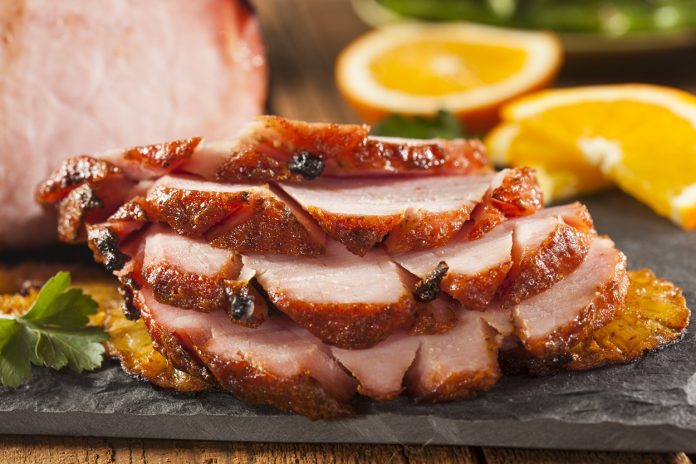
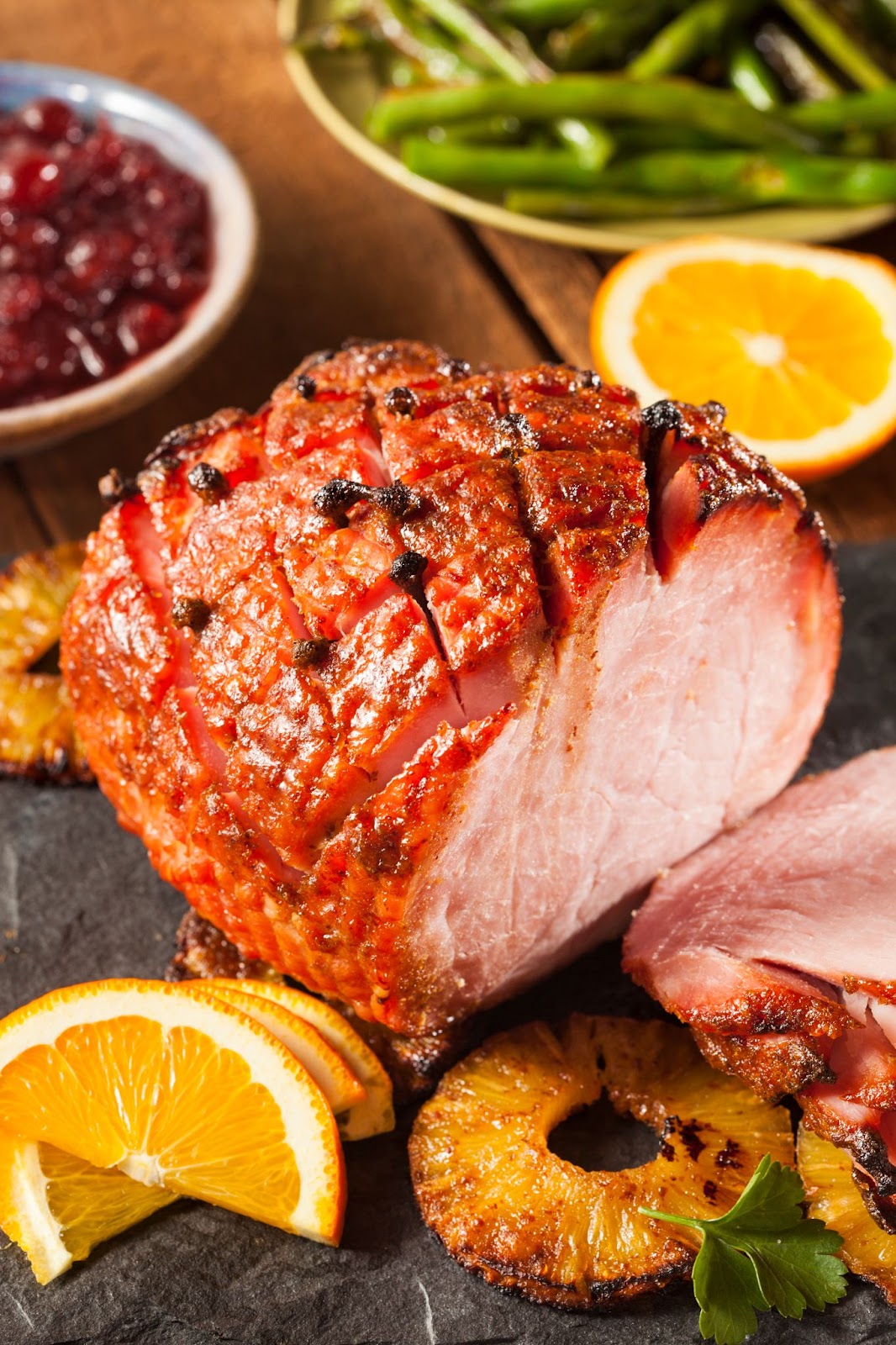
Jamaican Rum-Glazed Jerk Ham

This rum-glazed jerk ham combines the rich, smoky flavors of Jamaican jerk seasoning with the sweetness of a rum glaze for a truly delicious and unique ham.

6 Dishes Caribbean Americans Eat on Thanksgiving

What you need

For the Jerk Ham:

  • 1 bone-in ham (8-10 pounds)
  • ½ cup Jamaican jerk seasoning
  • 1/4 cup brown sugar
  • 1 tablespoon olive oil

For the Rum Glaze:

  • 1 cup dark rum
  • ½ cup brown sugar
  • ¼ cup honey
  • ¼ cup pineapple juice
  • ¼ cup orange juice
  • ¼ cup unsalted butter
  • 2 tablespoons Dijon mustard
  • 1 teaspoon ground allspice
  • ½ teaspoon ground cinnamon
  • ½ teaspoon ground ginger
  • ½ teaspoon ground nutmeg
  • Salt and black pepper, to taste

What to do

Preparing the Ham:

  1. Preheat your oven to 325°F.
  2. Place the ham in a large roasting pan and score the surface in a crisscross pattern with a sharp knife. 
  3. In a bowl, combine the Jamaican jerk seasoning, brown sugar and olive oil to make a paste. Rub this jerk paste all over the ham, ensuring it gets into the scored cuts.
  4. Cover the ham with aluminum foil and roast it in the preheated oven for about 15-18 minutes per pound.

Preparing the Rum Glaze:

  1. While the ham is roasting, prepare the rum glaze. In a saucepan, combine the dark rum, brown sugar, honey, pineapple juice, orange juice, unsalted butter, Dijon mustard, allspice, cinnamon, ginger and nutmeg. Bring the mixture to a simmer over medium heat.
  2. Allow the glaze to simmer for about 10-15 minutes. Season with salt and black pepper to taste.

Glazing the Ham:

  1. About 30 minutes before the ham is done, remove it from the oven. 
  2. Brush a generous amount of the rum glaze over the ham’s surface. Reserve some glaze for additional basting.
  3. Return the ham to the oven, uncovered and continue to roast. Baste the ham with the glaze every 10-15 minutes until it reaches an internal temperature of 140°F, about 30-40 minutes in total.
  4. Once the ham is done, remove it from the oven and let it rest for about 15-20 minutes before carving.

Haitian Fritay

Haitian fritay, also known as “fritaille,” is a delicious and popular street food in Haiti. It consists of various fried snacks and meats, often served with pikliz, a spicy pickled vegetable relish. 

What you need

  • 1 pound goat meat or pork, cut into bite-sized pieces
  • ½ pound shrimp
  • ½ pound malanga (taro root or coco), peeled and thinly sliced
  • ½ pound sweet potatoes, peeled and thinly sliced
  • ½ pound eggplant, sliced into rounds
  • ½ pound plantains, sliced into rounds
  • ½ pound yam, peeled and thinly sliced
  • ½ cup flour
  • ½ cup cornmeal
  • 2 teaspoons salt
  • 1 teaspoon ground black pepper
  • Cooking oil for frying

What to do

  1. In a large mixing bowl, combine the flour, cornmeal, salt and ground black pepper.
  2. Toss the various sliced vegetables, meat and shrimp in the flour mixture to coat them evenly.
  3. Heat cooking oil in a deep skillet or pot to around 350°F. Carefully fry the coated vegetables, meat and shrimp in batches until they are golden brown and crispy. This may take about 4-6 minutes for each batch.
  4. Use a slotted spoon to remove the fried items and drain them on paper towels.
  5. Serve and enjoy!

Trinidadian Callaloo

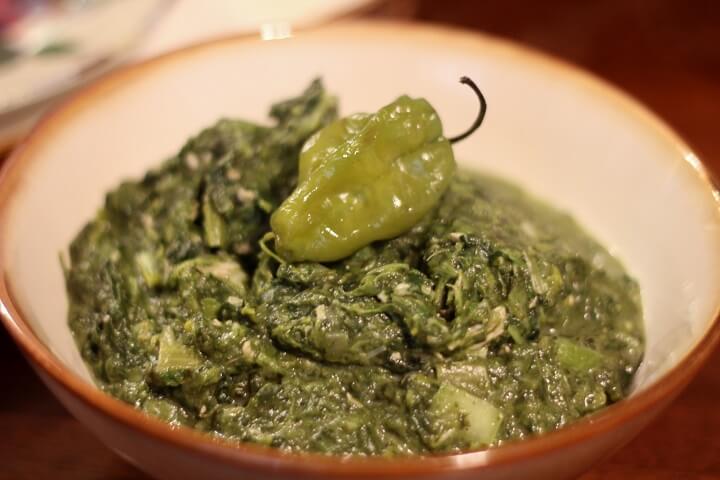
Trinidad callaloo is a delicious and traditional Caribbean dish that’s packed with nutritious greens. It’s made with dasheen (taro) leaves or spinach, coconut milk, and various seasonings.

What you need

  • 1 pound dasheen leaves (also known as taro leaves) or spinach, washed and chopped
  • 1 cup coconut milk
  • 1 onion, finely chopped
  • 2 cloves garlic, minced
  • 1 scotch bonnet pepper, minced (adjust to your heat preference)
  • 2 tablespoons vegetable oil
  • ½ cup okra, sliced (optional, but traditional)
  • ½ teaspoon ground black pepper
  • ½ teaspoon salt (adjust to taste)
  • 1 tablespoon fresh thyme leaves
  • 1 tablespoon fresh chives, chopped
  • 1 tablespoon fresh parsley, chopped

What to do

  1. Heat the vegetable oil in a large pot or deep pan over medium heat. Add the onions and garlic and sauté until they become translucent and fragrant.
  2. Next, stir in the scotch bonnet pepper, black pepper and fresh thyme. If you want your callaloo to be less spicy, you can remove the seeds and membrane from the scotch bonnet pepper.
  3. Add the dasheen leaves or spinach to the pot. Then, add in the coconut milk and stir to ensure the leaves are coated. If you’re using okra, add it at this point as well.
  4. Reduce the heat to medium-low, cover the pot, and let the Callaloo simmer for about 15-20 minutes or until the leaves are tender. 
  5. Season with salt to taste, then stir in the fresh chives and parsley for a burst of fresh flavor.

Serve your callaloo hot, alongside some rice, chicken and pigeon peas. Enjoy this Trinidadian classic with its rich, creamy coconut flavor and a blend of aromatic spices. It’s the perfect taste of the Caribbean in the comfort of your own home.

Trinidadian Pelau

There is no dish more iconic for the island of Trinidad than chicken pelau. Typically made for large family gatherings, this delicious one-pot meal is the perfect combination of savory Caribbean flavors. 

6 Dishes Caribbean Americans Eat on Thanksgiving

What you need

  • 2 ½ pounds boneless, skinless chicken thighs
  • 1-2 tablespoons soy sauce
  • ½ teaspoon salt
  • ¼ ground black pepper
  • 2 tablespoons canola oil
  • 3 tablespoons brown sugar
  • 2 cups parboiled rice
  • ¾ cup coarsely chopped onion
  • ¾ cup coarsely chopped red bell pepper
  • 2 cups fresh or canned pigeon peas
  • 2 cups canned coconut milk
  • 2 cups chicken stock
  • Salt and ground black pepper, to taste
  • 1 whole Scotch bonnet pepper, uncut

What to do

  1. In a large bowl combine chicken, 1 sprig of thyme, Worcestershire sauce, soy sauce, garlic, salt and black pepper, then marinate for 1-2 hours or overnight.
  2. Add oil to a large, deep pot and place over medium heat. 
  3. Once the oil is hot, add the sugar and let it caramelize to a dark brown for about two minutes in an even layer. 
  4. Add the marinated chicken thighs to the pot and stir gently to coat with the sugar. Allow to cook for 8-10 minutes.
  5. Add the rice and stir thoroughly to coat with flavor.
  6. Stir in the onions, sweet peppers, pigeon peas, green onion and remaining sprigs of thyme, and stir for five minutes
  7. Add the coconut milk and chicken stock and season with additional salt and pepper to taste. Add the whole Scotch bonnet pepper, cover the pot and bring to a boil for 10 minutes.
  8. Reduce the heat to low and simmer for about 25 minutes, or until all the liquid has been absorbed. Enjoy!

Jamaican Rum Cake

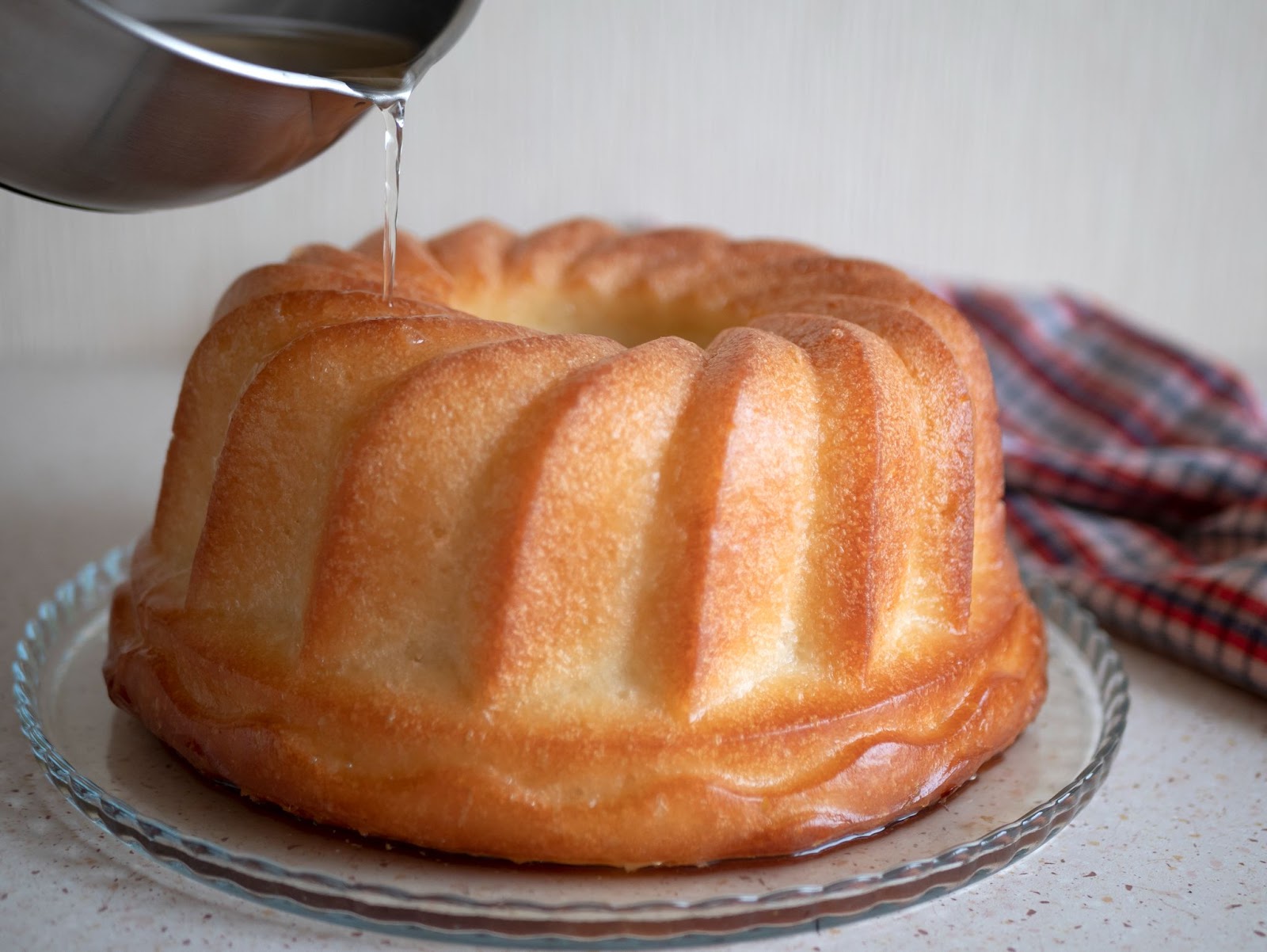
This rum cake is a true Caribbean delicacy, perfect for special occasions or anytime you want to indulge in a taste of Jamaica.

6 Dishes Caribbean Americans Eat on Thanksgiving - rum cake

What you need

For the Cake:

  • 1 ½ cups all-purpose flour
  • 1 ½ cups mixed dried fruits (raisins, currants, prunes, and cherries)
  • 1 cup dark rum (Jamaican rum is preferred)
  • 1 cup unsalted butter, softened
  • 1 cup brown sugar
  • 4 large eggs
  • ½ cup molasses
  • ¼ cup browning sauce (you can find this in Caribbean markets)
  • 1 teaspoon vanilla extract
  • 1 teaspoon almond extract
  • 2 teaspoons baking powder
  • ½ teaspoon baking soda
  • ½ teaspoon ground allspice
  • ½ teaspoon ground nutmeg
  • ¼ teaspoon salt

For the Rum Glaze:

  • ½ cup dark rum
  • ¼ cup water
  • 1 cup granulated sugar
  • ½ cup unsalted butter

What to do

  1. Start by soaking the mixed dried fruits in the dark rum for at least 24 hours. Preheat your oven to 325°F. Grease and flour a Bundt cake pan or a traditional Jamaican cake pan.
  2. In a large mixing bowl, cream together the softened butter and brown sugar until light and fluffy.
  3. Add the eggs one at a time, beating well after each addition. Then stir in the vanilla and almond extracts.
  4. In a separate bowl, combine the flour, baking powder, baking soda, allspice, nutmeg and salt.
  5. Gradually add the dry ingredients to the butter and sugar mixture, alternating with the molasses and browning sauce. Start and finish with the dry ingredients. Mix until just combined.
  6. Stir in the soaked dried fruits, along with any remaining rum in the bowl, until evenly distributed throughout the batter.
  7. Pour the batter into the prepared cake pan and smooth the top. Bake for about an hour, or until a toothpick inserted into the center comes out clean, and the cake is golden brown and firm to the touch.
  8. While the cake is baking, prepare the rum glaze. In a saucepan, melt the butter over low heat. Stir in the water and sugar, bring to a boil, then reduce the heat and simmer for about 5 minutes, until the syrup thickens slightly. Remove the syrup from the heat and stir in the dark rum.
  9. When the cake is done place it on a wire rack to cool. While the cake is still warm, use a skewer to poke holes all over the surface of the cake. Slowly drizzle the warm rum glaze over the cake, allowing it to soak in. 
  10. Allow the cake to cool completely before serving and enjoy!

As a Caribbean living abroad in the United States, how do you celebrate Thanksgiving? Let us know in the comments! 

What To Do When a Boat Breaks Down on the Water

0
What To Do When a Boat Breaks Down on the Water

As you head out on the water for the day with friends and family, the last thing you expect to happen is to have the boat break down. You’ve probably done everything you should, including boat maintenance and care. Still, things happen, and the best way to know what to do if there is a boat issue and you are stuck on the water is to prepare yourself ahead of time. The first step is to remain calm. It’s your boat, and if you aren’t anxious, it will also help the passengers stay calm. After a few deep breaths, take the next steps of what to do when a boat breaks down on the water.

Drop the Anchor

If you are not careful, the boat can drift to an unknown area within minutes and take you further from shore. When it’s clear that the boat is inoperable, drop the anchor to hold it still. Staying in one place is also helpful should you call for help and need someone to locate you.

Can You Fix the Issue?

Next, it’s time to decide if something easily repairable is causing the breakdown, and if so, can you fix it out on the water? The following is a list of possible reasons a boat is stalling:

  • Broken belt
  • Out of gas
  • Overheated
  • Leaking hose

If you assess the situation and it’s as simple as refueling with your spare gas can, then you’re in luck. If not, it’s time to try the next step.

Accept a Tow

Another boater may notice you are stranded and offer a tow. You can accept the offer if the driver understands how to safely tow a boat on the water. It’s not as simple as tying up some ropes to each boat and heading to shore, however. Towing on water requires attention to detail and patience from everyone involved so the boats aren’t damaged and the passengers are safe.

Call for Help

When all else fails, call for help. It’s best to have a working cell phone or a radio with you when on the boat so you can contact the nearest harbor manager, who can send the proper assistance for you. Keep a list of important numbers on your boat for emergencies.

Is Everyone Comfortable?

Remember your passengers as you work on getting everyone to safety. Try to keep things light-hearted and inform everyone of your steps. Hopefully, you’ve got a cooler full of drinks and snacks to keep everyone hydrated and full. In the event of heat stroke or any other health issue or injury, you can call 911, and they will help you.

It’s best to memorize what to do when a boat breaks down on the water so you can react quickly and confidently.

Latest