Eddy Piñeiro, the Carolina Panthers’ standout placekicker, has etched his name in the National Football League (NFL) record books as the most accurate kicker in league history after Ravens kicker Justin Tucker missed two field goals last week. With an extraordinary 89.4% success rate on field-goal attempts, Piñeiro’s achievement is now officially the league’s best.
Born in Miami to a Cuban father, Piñeiro first gained national attention at the University of Florida, where he became a fan favorite for his long-range accuracy and clutch performances. After college, he entered the NFL as an undrafted free agent with the Oakland Raiders in 2018 before finding success with the Chicago Bears.
Now with the Carolina Panthers, Piñeiro continues to thrive. Known for his unshakeable focus, he really rose to fame in 2019 when he completed 19 consecutive field goals, showcasing his consistency as a reliable scorer. This season, his performance has been crucial in close games, earning him recognition as one of the league’s top special teams players, despite the Panthers’ offensive struggles.
Piñeiro’s record-breaking accomplishment not only cements his place among the NFL’s elite but also shines a spotlight on the contributions of athletes of Hispanic heritage to professional football. As he continues to add to his remarkable career, Piñeiro serves as an inspiration to aspiring players from diverse backgrounds, proving that discipline and dedication are enough to lead to extraordinary success.
MIAMI, FL – On Sunday, November 24, 2024, from 3:00 to 4:00 PM, the South Florida community can join Dr. Edda L. Fields-Black and Dr. Tiya Miles for an engaging book discussion at the Miami Book Fair 2024, followed by a book signing. The event, which is free to attend, will be held in Room 2106 (Building 2, 1st Floor) at the Miami Dade College Wolfson Campus at 300 N.E. Second Ave., Miami, FL 33132.
Dr. Fields-Black, a historian and author of COMBEE: Harriet Tubman, the Combahee River Raid, and Black Freedom During the Civil War, will share her in-depth research and powerful insights on one of the most significant yet lesser-known episodes of Harriet Tubman’s life—the Combahee River Raid. Dr. Fields-Black, a descendant of one of the Black soldiers who fought in the raid, will provide a unique perspective on Tubman’s role in the Civil War and the impact of this historic event on the Gullah Geechee culture and identity.
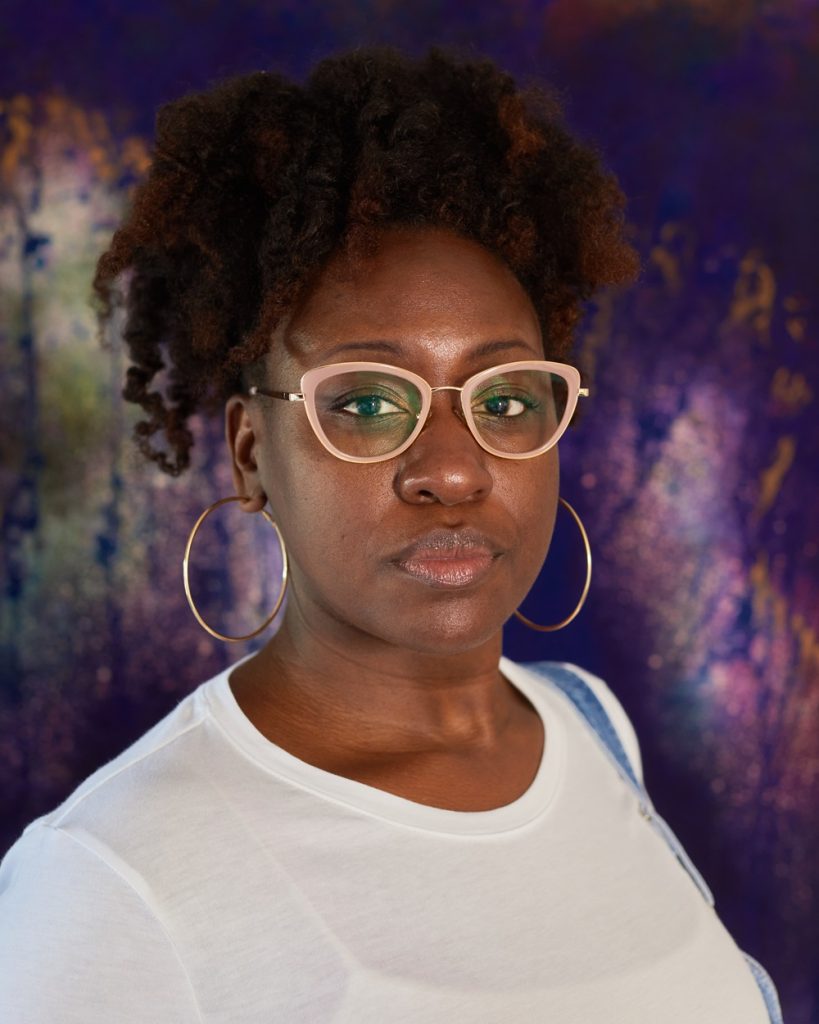
Dr. Edda L. Fields-Black
This discussion will be followed by a Q&A session, during which attendees can ask Dr. Fields-Black and Dr. Miles questions about their books, research, and perspectives. The session will then transition into a book signing, allowing attendees to meet the authors in person.
Dr. Edda L. Fields-Black, a distinguished historian at Carnegie Mellon University, is a leading expert in West African and African Diaspora history. Her groundbreaking work on the transnational history of rice farming, slavery, and the American Civil War is highly respected. She is also the daughter of Dr. Dorothy Fields, the prominent activist and founder of The Black Archives in Miami. Her expertise will ensure a high-quality and informative event.
Dr. Tiya Miles, an award-winning historian and author, is known for her profound work on African American history and the cultural legacies of resistance, faith, and freedom. Her book Night Flyer offers a profoundly human portrayal of Harriet Tubman, a figure she deeply admires. Her passion for Tubman’s life and legacy shines through in her work, inspiring readers to see Tubman in a new light and engaging the audience in the discussion.
Both authors bring fresh, compelling perspectives on Harriet Tubman’s legacy, making this event a must-attend for history enthusiasts, educators, and anyone interested in the untold stories of America’s struggle for freedom. Their unique viewpoints will surely intrigue and captivate the audience.
Event Details
Date: Sunday, November 24, 2024
Time: 3:00 PM – 4:00 PM
Location: Miami Book Fair 2024, Room 2106 (Building 2, 1st Floor)300 N.E. Second Ave., Miami, FL 33132
Join us for an afternoon of enlightening discussion, powerful storytelling, and the chance to learn more about Harriet Tubman’s remarkable life and legacy. We look forward to seeing you there!
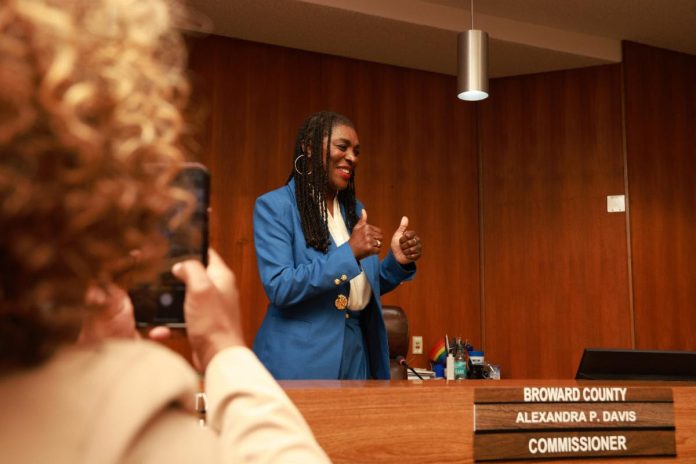
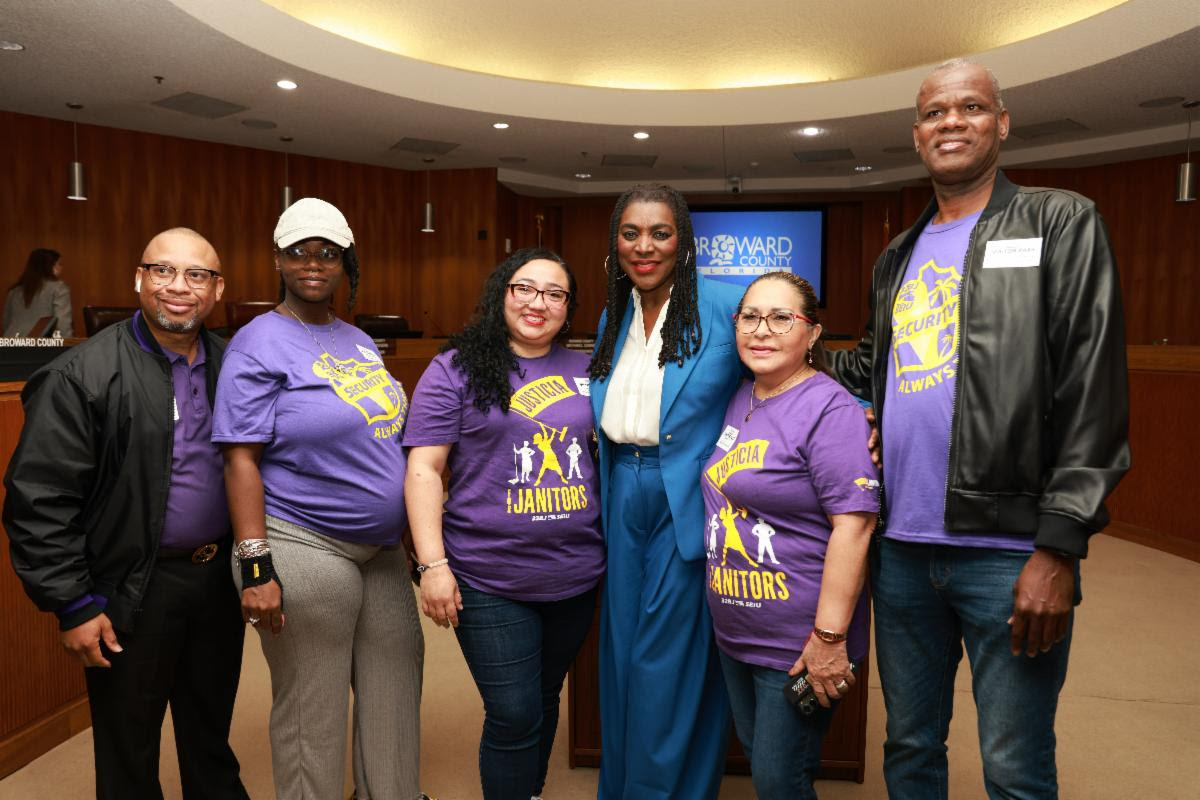
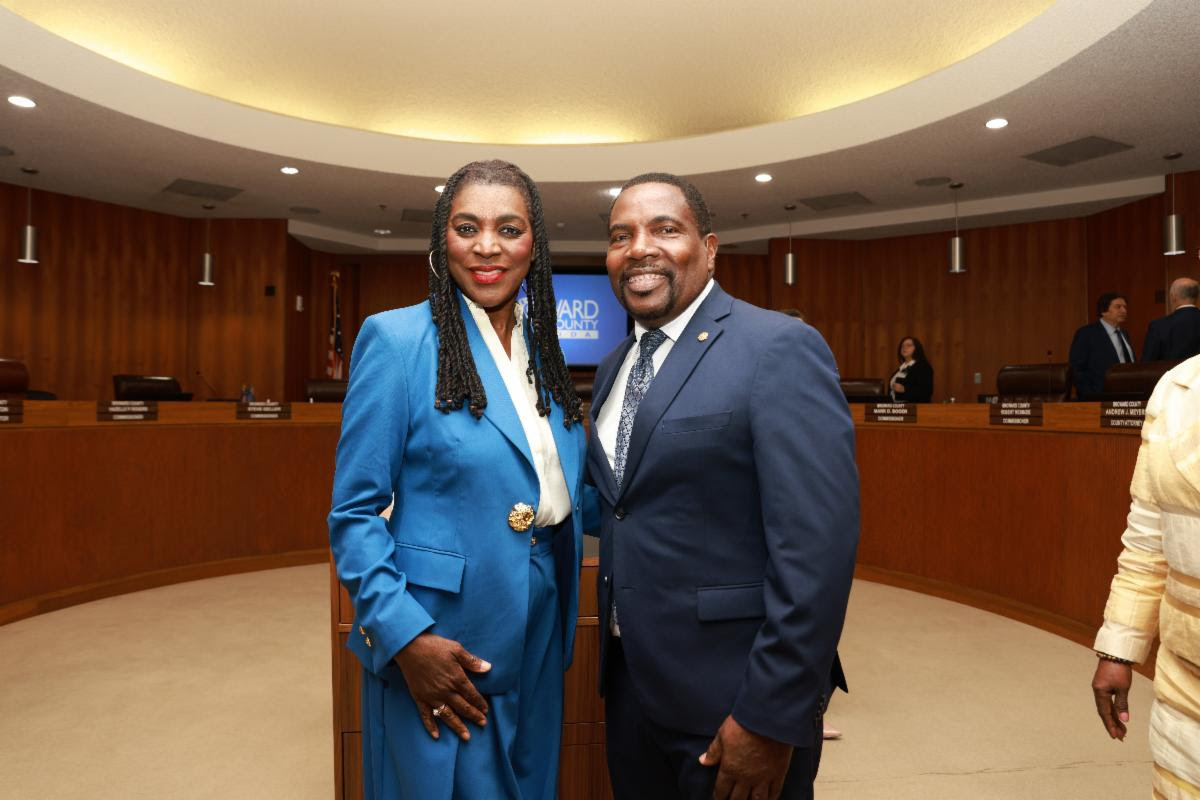
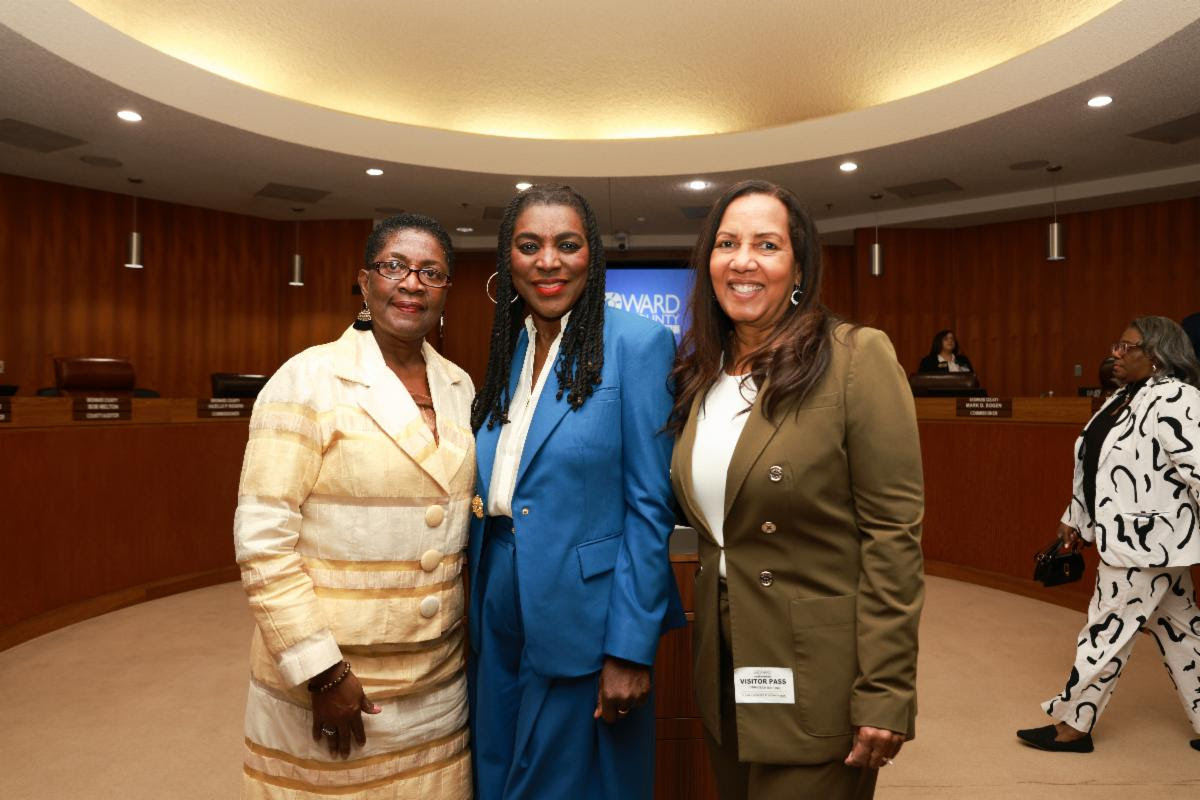
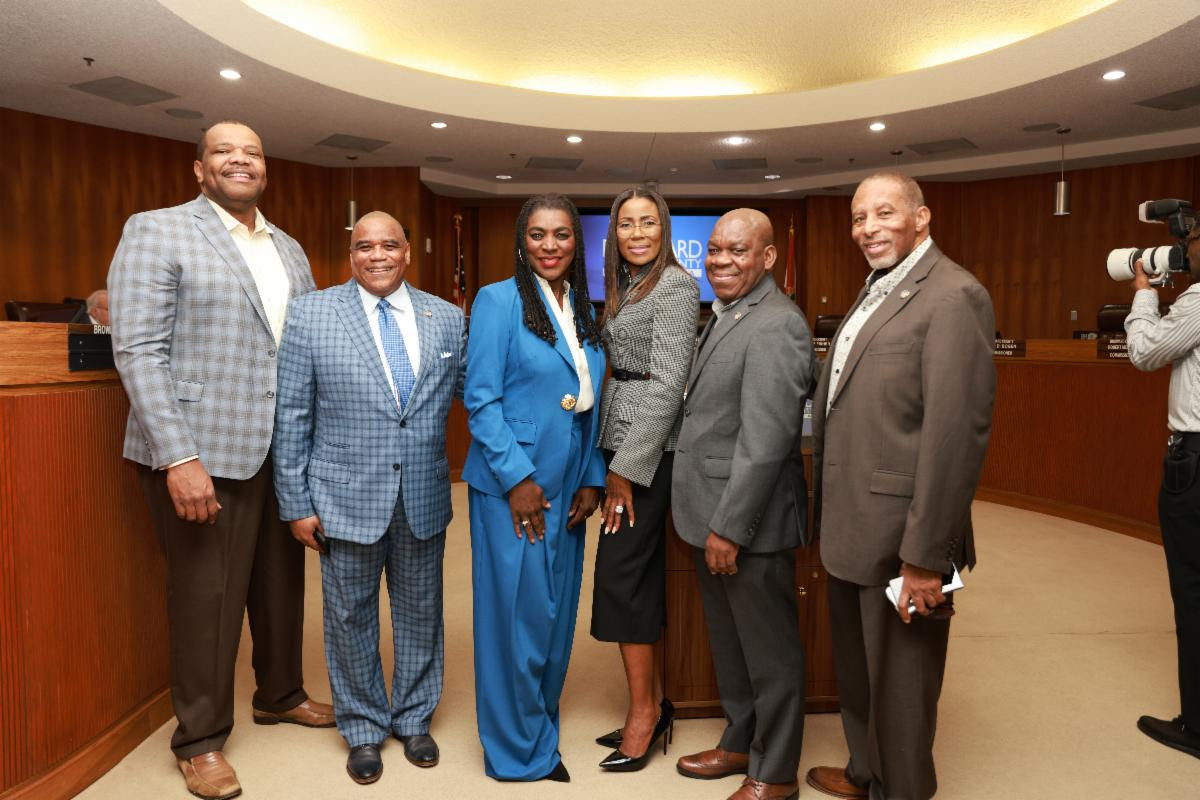
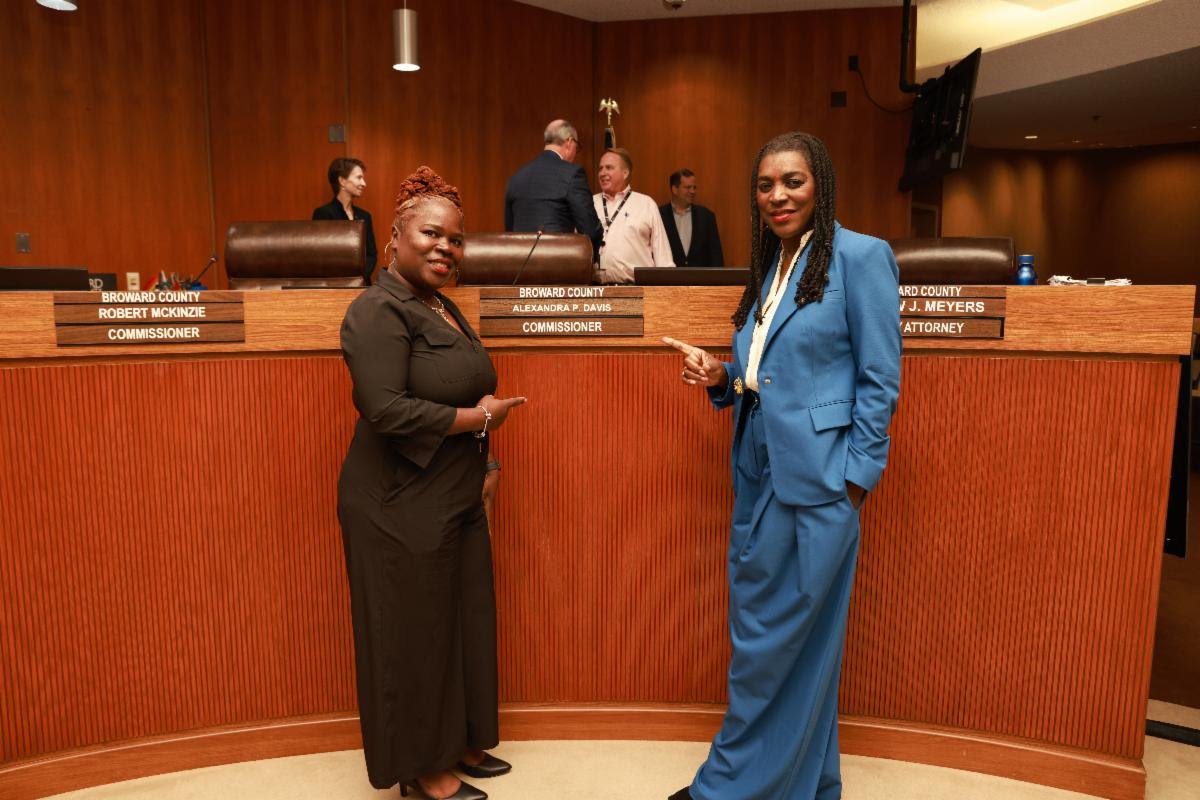
Alexandra P. Davis, a trailblazer in government and public service, has dedicated her career to uplifting the Caribbean diaspora, women and marginalized communities. Raised in Jamaica, her heritage inspired her founding of initiatives like Caribfest to celebrate Caribbean culture and unity in Miramar. Through her leadership roles as a Miramar Commissioner and Vice Mayor, she has championed causes like domestic violence prevention, youth mentorship, and police reform, earning accolades for her advocacy and enduring impact.
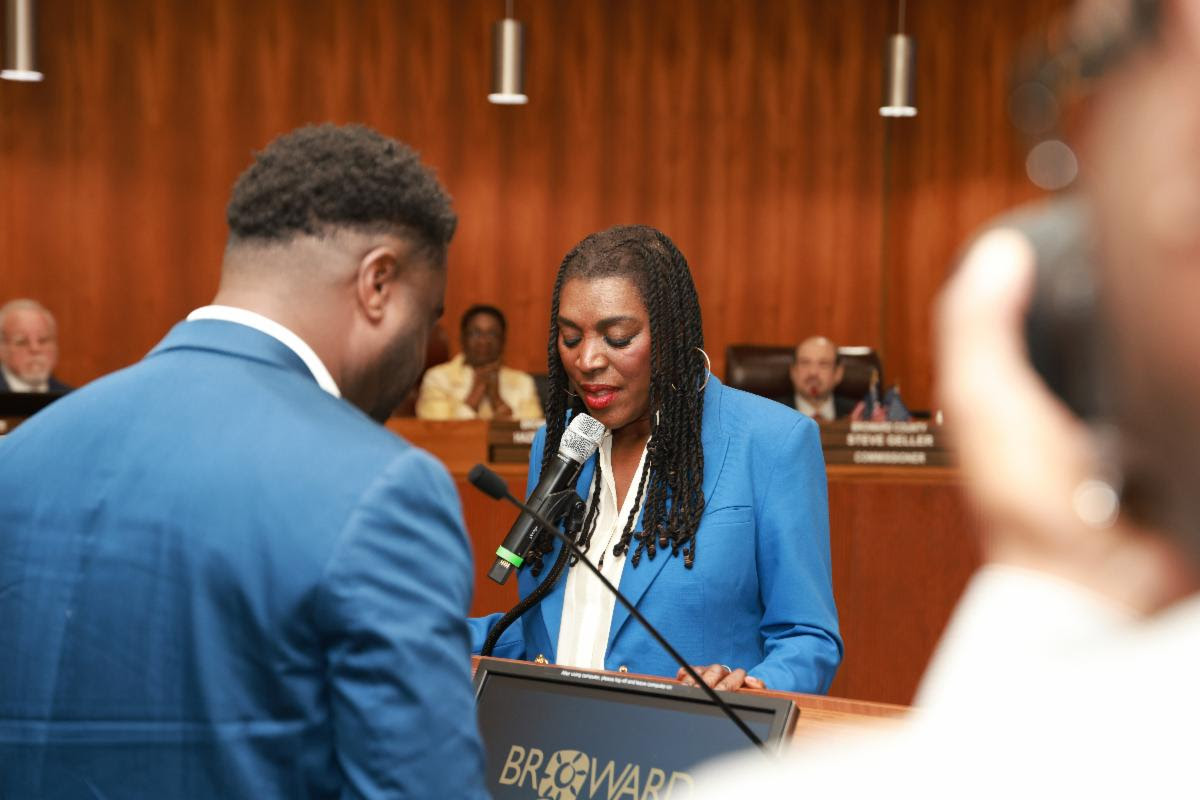
Now stepping into the role of Broward County Commissioner for District 7, Davis is eager to expand her impact and deepen her contributions to the community.
A Word From Commissioner Davis
Dear Residents of Broward County,
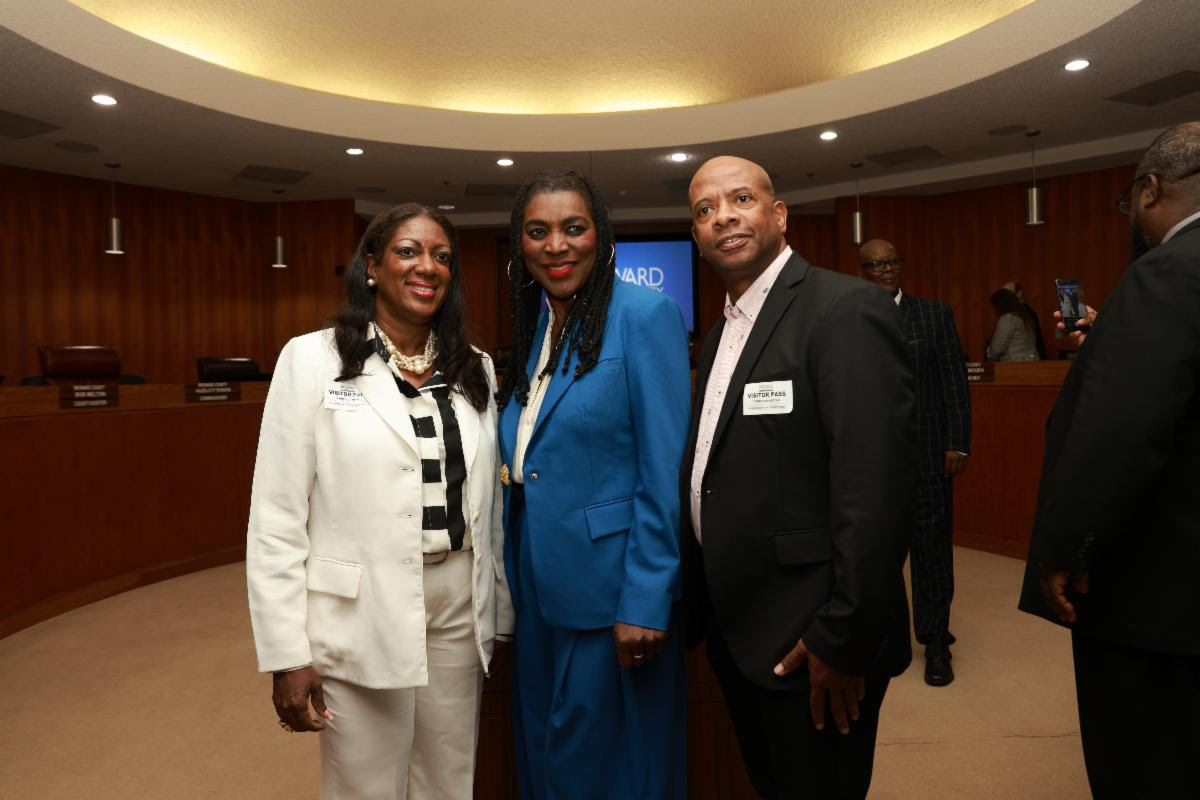
First and foremost, I want to say Thank You! I am profoundly honored to have been elected unopposed to the District 7 seat on the Broward County Commission, succeeding the seat previously held by Fmr. Commissioner Tim Ryan. This opportunity is a testament to the trust and support of the residents of District 7 and I am sincerely grateful.
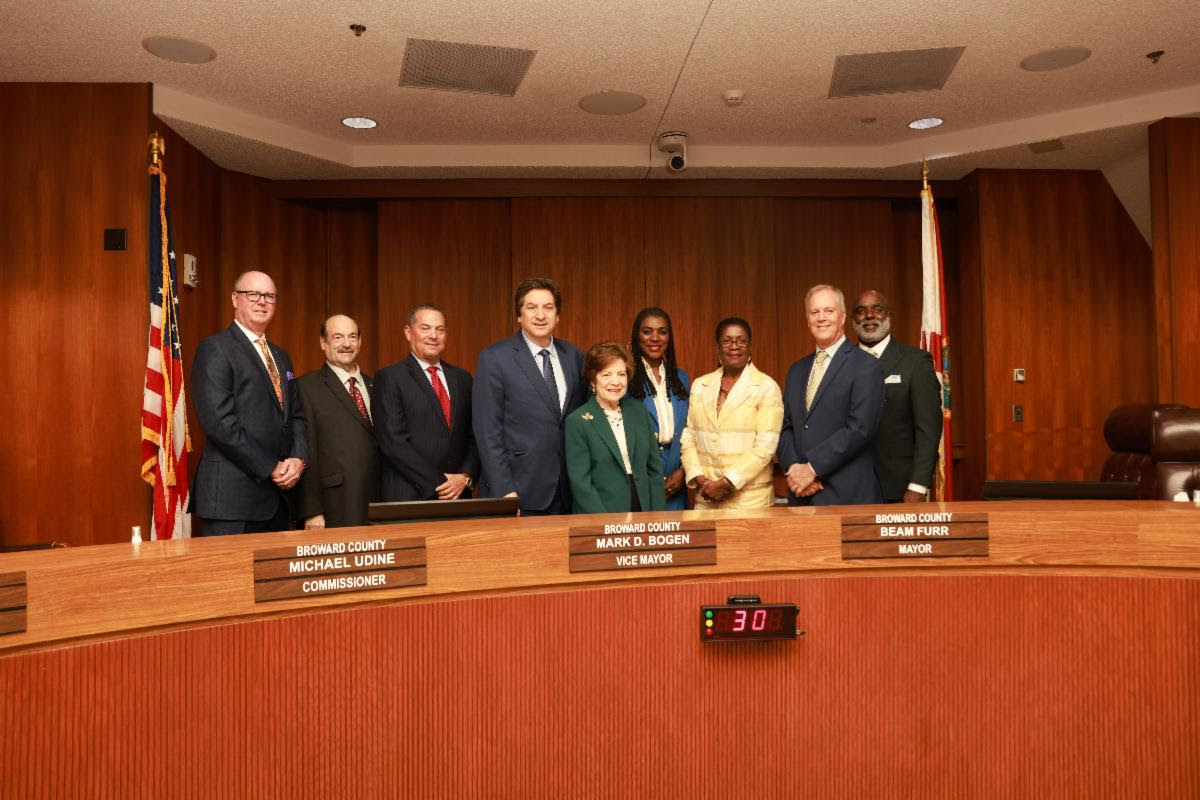
This election marks a historic moment for our Commission, as it now embodies the rich diversity of our community. With African Americans comprising one-third of the Commission’s nine members, including two Jamaican American women, we are making significant strides toward equitable representation. This progress is not only long overdue but also essential for ensuring that diverse voices are integral to our decision-making processes.
My journey to this role has been shaped by my experience as a former City Commissioner and Vice Mayor of Miramar. As I transition into my new position, I am eager to serve Broward County on a broader scale. District 7 includes vibrant cities such as Miramar, Pembroke Pines, and Hollywood, which are among the largest in Broward County. My priorities remain steadfast: enhancing public safety, expanding affordable housing, and fostering economic growth and prosperity.
Broward County is the 17th largest County in the nation with a population of 1.9 million residents. The Fiscal Year 2025 approved budget is $7.7 billion, which facilitates a wide range of services and projects that impact local communities and beyond. The Commission oversees the Fort Lauderdale Hollywood International Airport, Port Everglades and VisitLauderdale and numerous county services such as public transportation, libraries, environmental resilience and emergency management.
My career in public service has spanned multiple roles, including positions at the Ministry of Agriculture in Kingston, Jamaica; the Capital Taxes office in London; and Miami-Dade County Government. These experiences across three countries provide me with a unique perspective to effectively address the diverse needs of Broward County.
If you’d like to connect with me, please reach out via email at [email protected] or call my office at (954) 357-7007. Also, please follow me on @4AlexandraDavisFacebook, X and Instagram and visit my website.
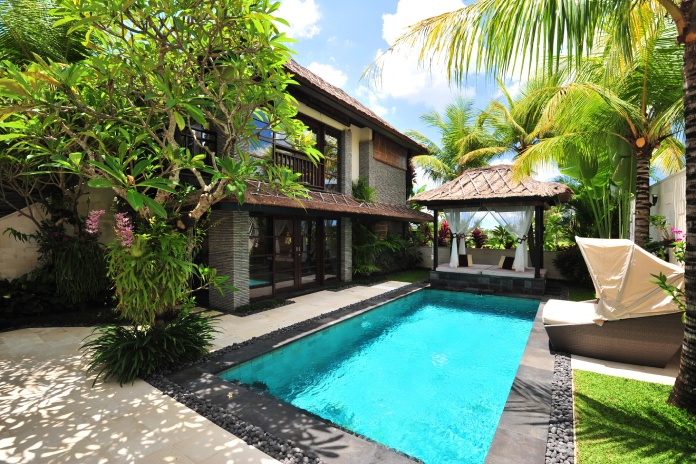
Finding the perfect spot in the Caribbean can be thrilling and challenging for prospective buyers. With so many idyllic islands and luxurious options, how do you make the right choice? These tips for choosing the perfect villa in the Caribbean will guide you toward your dream home, from understanding your ideal location to assessing amenities.
Prioritize Location and Accessibility
Location, location, location. Each Caribbean island offers unique attractions and climates, from the bustling nightlife of Aruba to the serene beaches of St. Lucia. Consider your lifestyle preferences and accessibility needs.
Do you want a villa easily reachable by direct flights, or are you looking for a more remote and private escape? Access to local amenities such as markets, healthcare, and entertainment should also influence your decision. Proximity to these conveniences will enrich your daily life and enhance your property’s rental appeal.
Understand Local Real Estate Markets
Grasping the nuances of Caribbean real estate can make all the difference. Looking into property values, market trends, and legal requirements on your chosen island is crucial. Are prices appreciating, or is it a buyer’s market?
Local regulations, especially regarding foreign ownership, can vary significantly. Engaging a local real estate expert can provide invaluable insights and connections. They can help you navigate the complexities of buying and investing in Caribbean villas.
Evaluate Property Features and Amenities
A villa’s features and amenities significantly affect your day-to-day enjoyment and its attractiveness as a rental property. Consider the number of bedrooms and bathrooms, outdoor spaces, such as pools or gardens, and views of the ocean or surrounding landscapes.
Does the villa offer modern conveniences and luxury touches, such as a gourmet kitchen or smart home technology? Properties with sought-after amenities tend to have higher rental demand, making them appealing to those wanting to generate income during off-peak seasons.
Consider Property Management and Maintenance
Owning a villa in the Caribbean requires ongoing management and maintenance. Investigate local services that can oversee property upkeep, handle guest services, and manage bookings if you plan to rent. Reliable property management can alleviate concerns about maintaining your villa from afar. A well-maintained property retains its value and attracts repeat visitors, enhancing your villa’s reputation as a desirable destination.
Factor in Financial Considerations
The financial aspects of choosing the perfect villa in the Caribbean extend beyond the purchase price. Consider additional costs such as property taxes, insurance, and maintenance fees. Calculate potential earnings against expenses to gauge profitability if rental income is a priority.
Understanding these financial dynamics helps your villa remain a sound investment. Consulting financial advisors familiar with Caribbean properties can offer guidance tailored to your goals and circumstances.
Buying a villa in the Caribbean presents a unique opportunity to enjoy tropical paradise while potentially benefiting from rental income. Factors such as prioritizing location and evaluating features are key to making the best choice. With careful consideration, you can secure a villa that fulfills your dreams and offers lucrative possibilities.
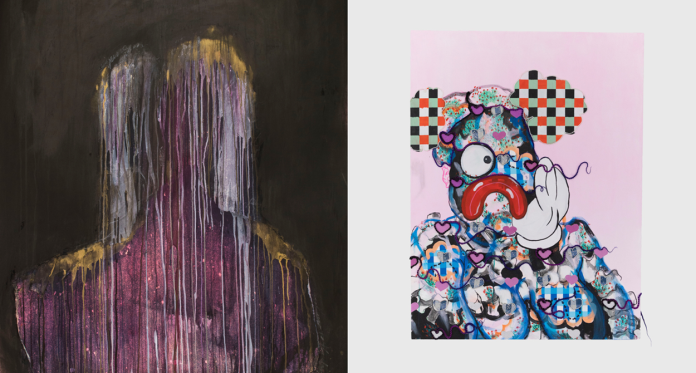
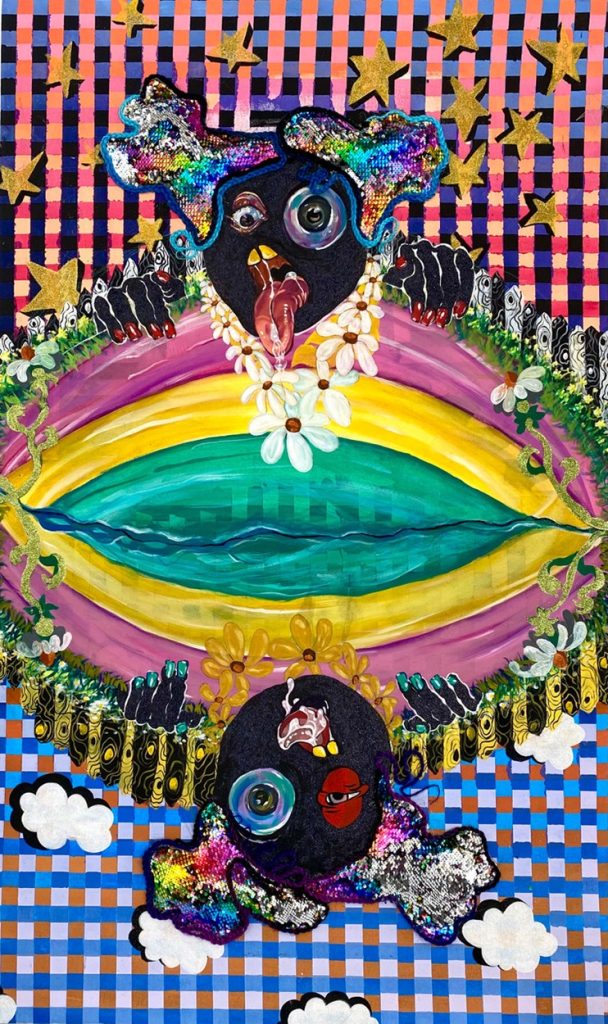
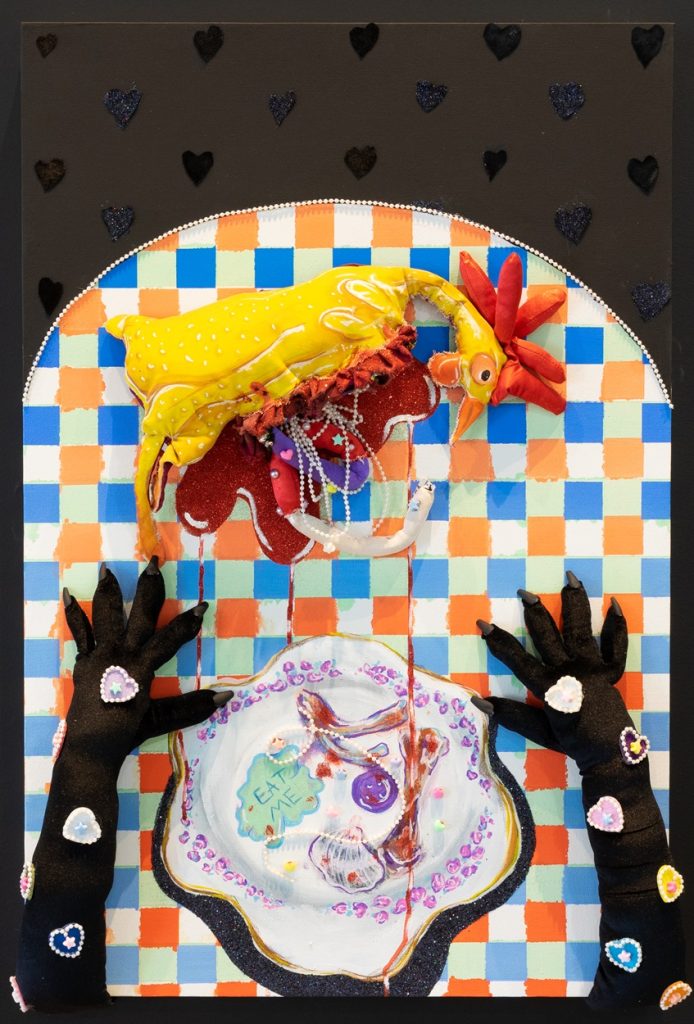
E gun gun by Alexis McGrigg and a piece by Victoria Dugger, Supplied by Cultural Counsel
New initiative awards regional nonprofit organizations rooted in communities of color with general operating grants
— Open call for applications through February 5, 2025 —
Atlanta, GA — November 15, 2024 — South Arts is pleased to announce the launch of a new grantmaking initiative, Cultural Sustainability, which will award approximately twelve organizations located among its nine-state region with general operating grants totaling more than $1.14 million.
In partnership with The Wallace Foundation, Cultural Sustainability launches as part of a national $6.6 million program offered by the six U.S. Regional Arts Organizations (USRAOs), acknowledging the invaluable contributions arts and cultural organizations of color make in our communities and the broader cultural landscape.
The national program is designed to provide general operating support and collaborative learning opportunities for arts organizations rooted in communities of color with annual operating expenses under $500,000. Each USRAO has developed a unique granting program and guidelines for their region, totaling approximately 100 grants nationwide.
“We’re thrilled to take part in stewarding this major support across our region,” said Susie Surkamer, President and CEO of South Arts.“Through this program, we look forward to growing our knowledge and understanding of how community-based arts organizations can advance our region’s sustainability and well-being through the arts and culture, while also highlighting their work at the helm of their communities.”
Funded in part by the Community Foundation for Greater Atlanta, South Arts’ program will strive to promote equity, diversity, and inclusion within the arts sector while learning how organizations that have historically been underrepresented advance sustainability. The initiative is guided by the question: How do arts organizations founded by, with, and/or for communities of color define and develop their well-being and that of their communities? Through this program, South Arts aims to provide support that benefits the communities of selected organizations and develop new knowledge and insights to catalyze broad impact.
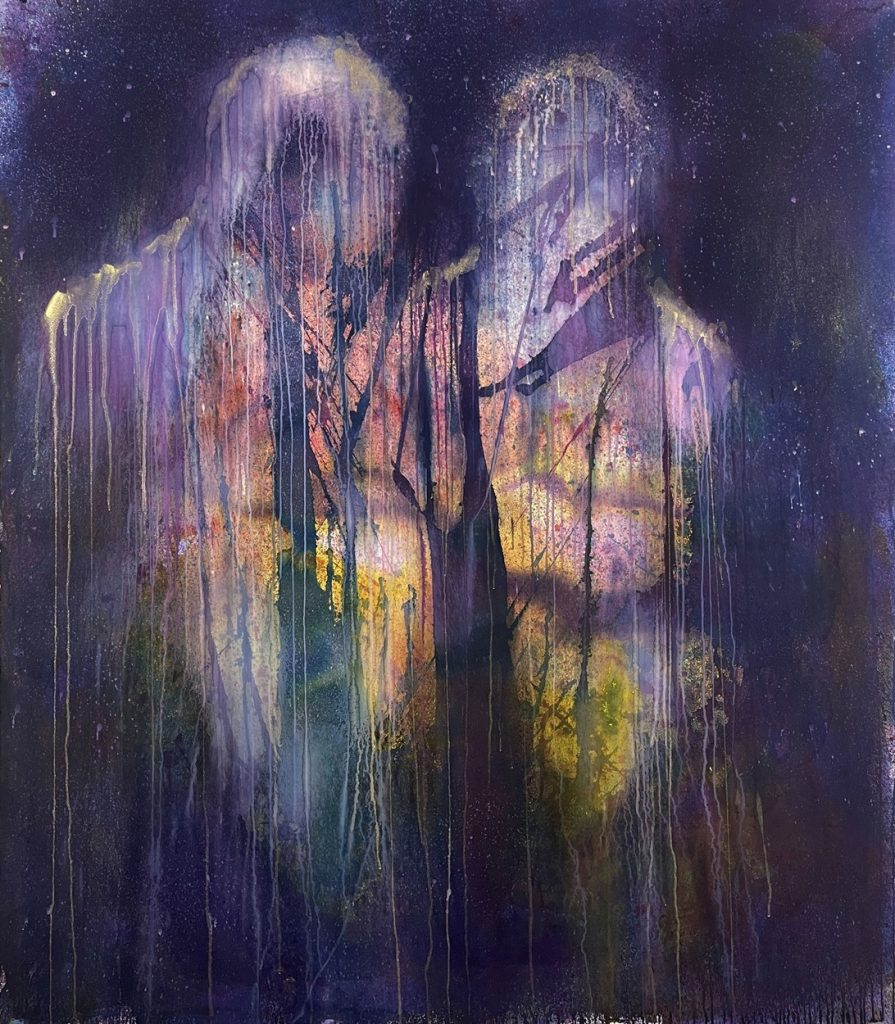
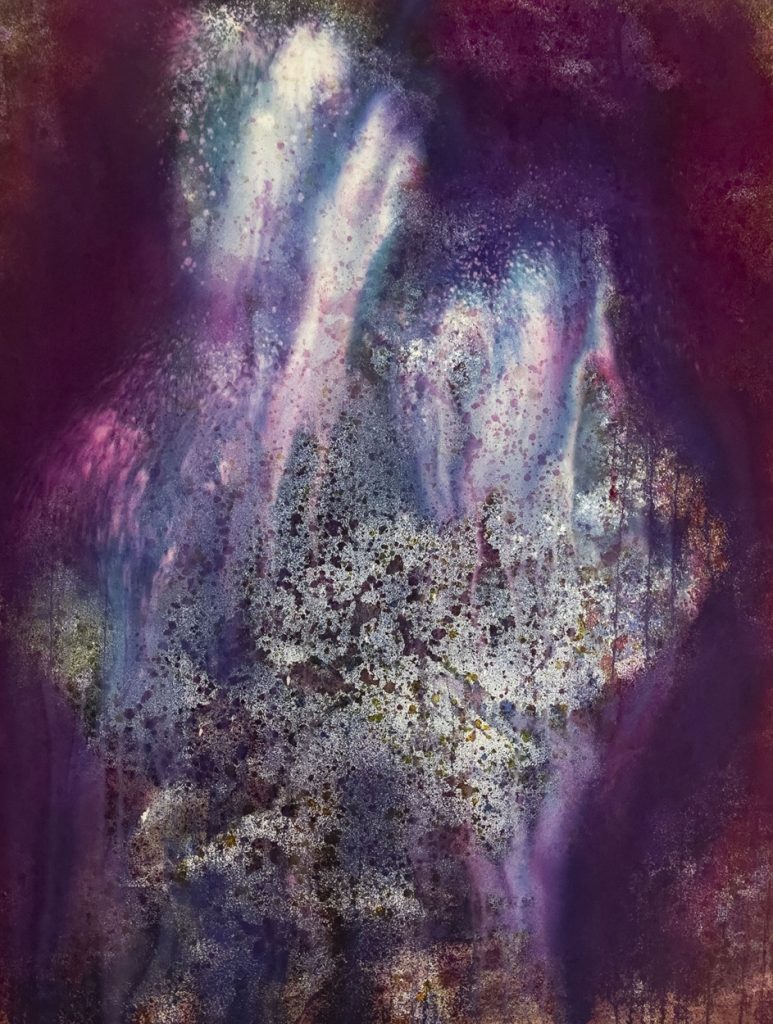
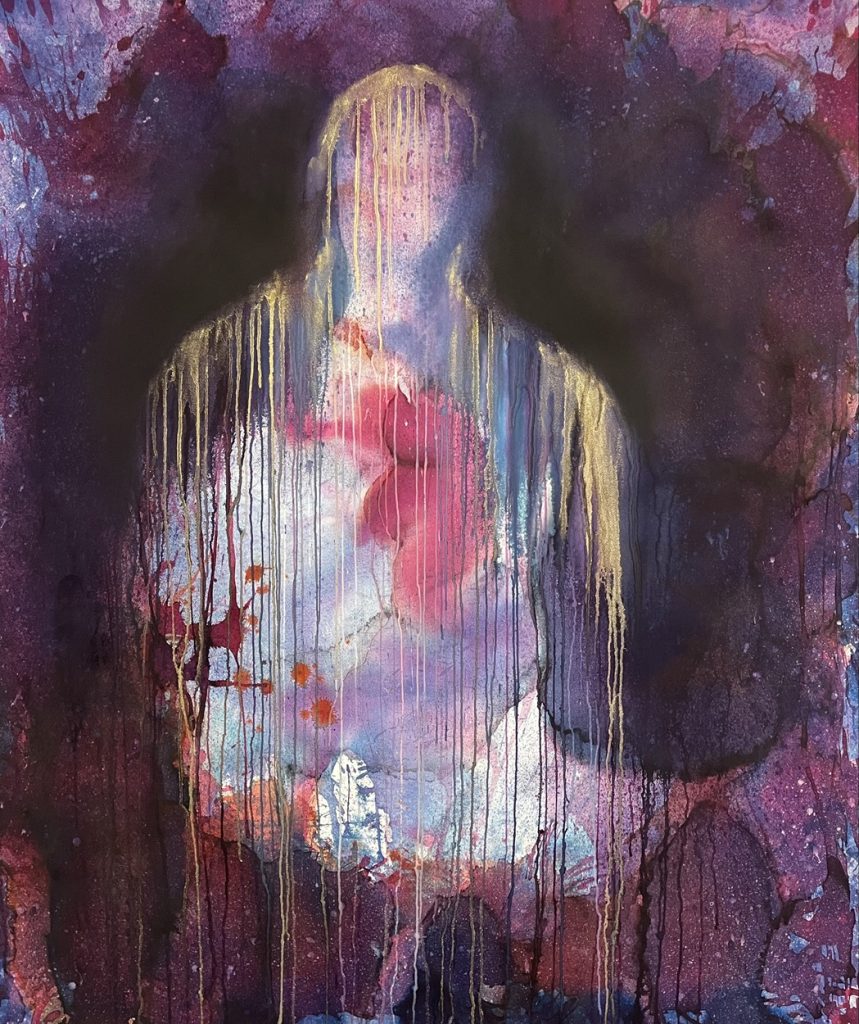
Artist Alexis McGrigg, 2023 Southern Prize & State Fellowship AwardeeTempestuous TwinsEnds of the Earth – Mother and ChildFamily Portraits – A Study in Black JoyAnd He Appeared Just Before My EyesPhotos received from Cultural Counsel
“We’re excited to introduce Cultural Sustainability as a new initiative at South Arts, though this concept has long been central to our mission. This marks a significant milestone in our journey toward realizing that vision,” said Joy Young, Ph.D., South Arts’ Vice President of Programs.“The program is dedicated to amplifying the unique heartbeat of each community among our region, recognizing organizations that excel in engaging their audiences and fostering a sustainable ecosystem where the arts can thrive.”
Through South Arts, Cultural Sustainability will award grants to a broad range of organizations encompassing the full scope of arts and culture disciplines and operational structures that engage and support communities of color among South Arts’ nine-state region: Alabama, Florida, Georgia, Kentucky, Louisiana, Mississippi, North Carolina, South Carolina and Tennessee.
Eligible grant recipients may include, but are not limited to, designated nonprofit organizations, private entities, fiscally sponsored artist/ensemble organizations, and/or state and federally recognized tribal governments.
In addition to the grant, recipient organizations will also have the opportunity to participate in collaborative learning experiences rooted in themes, such as repair, solidarity, healing, wellness, preservation, and advocacy.
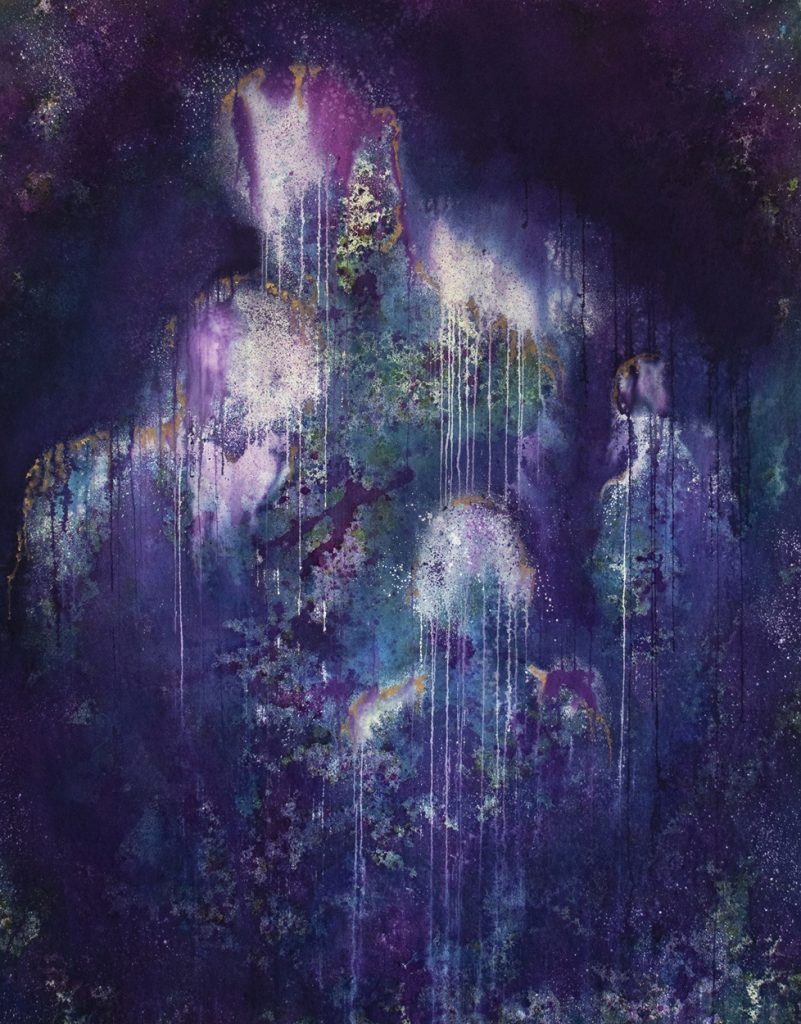
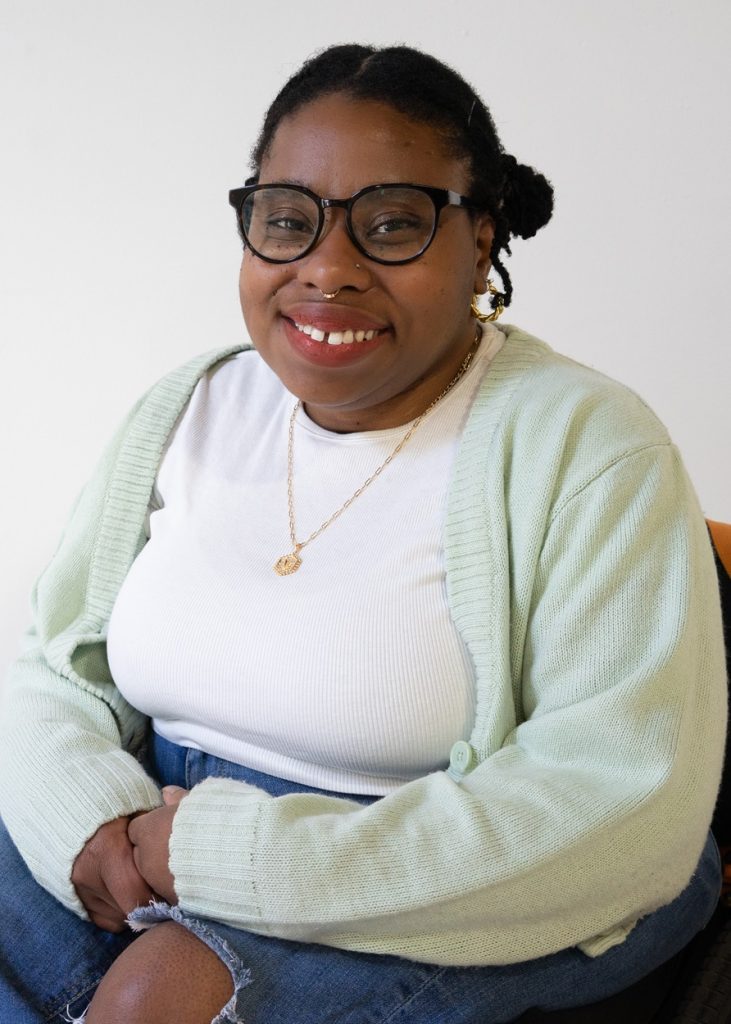
Artist Victoria Dugger, 2023 Southern Prize & State Fellowship AwardeePhotos received from Cultural Counsel
This new initiative is part of The Wallace Foundation’s Advancing Well-Being in the Arts initiative, which funds arts organizations rooted in communities of color to advance their well-being, enhance understanding of their contributions to community. Through this work, Wallace aims to help to build a more equitable and sustainable arts ecosystem.
As Cultural Sustainability grants will be administered by each of the USRAOs within their individual and multistate regions, applications for South Arts’ program will be open through February 5, 2025. There will be an informational webinar in early December 2024 for organizations considering to apply. For more information on the program, eligibility, or to apply, please visit southarts.org.
About South Arts
South Arts advances Southern vitality through the arts. The nonprofit regional arts organization was founded in 1975 to build on the South’s unique heritage and enhance the public value of the arts. South Arts’ work responds to the arts environment and cultural trends with a regional perspective. South Arts offers an annual portfolio of activities designed to support the success of artists and arts providers in the South, address the needs of Southern communities through impactful arts-based programs, and celebrate the excellence, innovation, value and power of the arts of the South. For more information, visit www.southarts.org.
About the U.S. Regional Arts Organizations
The United States Regional Arts Organizations (USRAOs) are a collective of six nonprofit arts service organizations committed to strengthening America’s infrastructure by increasing access to creativity for all Americans. We serve the nation’s artists, arts and culture organizations, and creative communities with programs that reflect and celebrate the diversity of the field in which we work. We partner with the National Endowment for the Arts, state arts agencies, individuals, and other public and private funders to develop and deliver programs, services, and products that advance arts and creativity.
\Together, the USRAOs work to activate and operate national arts initiatives, encourage, and support collaboration across regions, states, and communities, and maximize the coordination of public and private resources invested in arts programs. In Fiscal Year 2023, the USRAOs invested over $18.4 million across the United States and Jurisdictions, through nearly 2,400 grants that reached more than 1,000 communities.
About The Wallace Foundation
Based in New York City, The Wallace Foundation is an independent national philanthropy whose mission is to help all communities build a more vibrant and just future by fostering advances in the arts, education leadership, and youth development. Wallace aims to help solve problems facing the fields in which it works, benefiting both the organizations it funds directly and the broader field by developing credible, useful knowledge to inform policy and practice nationwide. Research commissioned and produced by the foundation is available without charge at www.wallacefoundation.org
About the Community Foundation for Greater Atlanta
Since 1951, the Community Foundation for Greater Atlanta has been leading and inspiring philanthropy to increase the vitality of our region and the well-being of all residents. With more than 70 years serving the Atlanta region and a robust team of experts, the Community Foundation expands its philanthropic reach and impact by providing quality services to donors and bold, innovative community leadership committed to equity and shared prosperity. The Community Foundation is a top-20 community foundation among 800 nationally, with approximately $1.2 billion in current assets, and is Georgia’s second largest foundation. For more information, visit: cfgreateratlanta.org or connect with the Foundation via Facebook, Instagram, LinkedIn and Twitter.
Guests at the 2022 Island SPACE + BLINC Queer Caribbeans Event Series. Photo by Island Syndicate.
FORT LAUDERDALE, FL. November 12, 2024 — BLINC (Black LGBTQ+ Liberation Inc.) and Island SPACE Caribbean Museum are pleased to announce Queer Caribbean Voices: Shaping Inclusive Spaces, a compelling panel discussion on creating and maintaining LGBTQ+-affirming spaces in the Caribbean and the United States.
The event will be held on Thursday, November 21, 2024, from 6:00 p.m. to 8:00 p.m. at Island SPACE Caribbean Museum, 8000 West Broward Blvd, Suite 1202, Plantation, FL.
The Caribbean LGBTQ+ Experience
Many LGBTQ+ individuals continue to face discrimination in various areas of society, including employment, housing, health care, and the public arena. According to a Center of American Progress (CAP) 2023 study, “The current patchwork of nondiscrimination laws in states across the country and existing gaps in federal civil rights laws leave millions of LGBTQI+ people without protection from discrimination.”
Additionally, there is fear that policies may be introduced to roll back many of the rights LGBTQ+ people in the US now have. There is an even greater challenge in the Caribbean for LGBTQ+ individuals due to various factors such as entrenched cultural norms, archaic laws, and misperceptions about LGBTQ+ individuals.
The Caribbean experience for LGBTQ+ individuals is complex. It varies from country to country—ranging from those that criminalize same-sex activities and encourage violence and discrimination to others that have been pushing for a more equitable society for their LBGTQ+ population. LGBTQ+ advocates and allies are tasked with creating and implementing strategies to build inclusive and supportive communities in the US and the Caribbean. The discussion will explore how this can be accomplished.
Championing Inclusivity
BLINC’s co-founder and executive director, G Wright, will moderate the conversation with enlightened and insightful panelists as they explore the unique challenges and successes of fostering inclusive environments in the Caribbean and the US.
G Wright and Nik Harris, co-founders of BLINC. Photo by David I. Muir (Island Syndicate).
“We’re honored that Island SPACE has invited us to host a panel discussion centered on the Queer Caribbean community. This partnership highlights the power of allyship in uplifting underrepresented stories, helping us all move toward a more inclusive and accepting society. We’re creating a space to openly share our community’s success, struggles, and resilience,” said Wright.
The collaboration is also an essential endeavor for Island SPACE, which consistently moves beyond the status quo in the causes it supports.
“Island SPACE Caribbean Museum takes great pride in being a trailblazer and in our commitment to inclusivity. We have welcomed our friends from BLINC and Thou Art Woman to host collaborative events with us in the past, and we’re looking forward to learning and to educating our Island SPACE family even more with this panel. Like us, we hope more spaces happily welcome the LGBTQ+ community,” said Calibe Thompson, Island SPACE co-founder and board president.
Participating Thought Leaders
The panelists leading this discussion are from diverse professions, and all have done advocacy work to help improve the state of the LGBTQ+ community. Psychologist Dr. Charlene Désir, a professor at Nova Southeastern University, works to empower marginalized groups through her organization, T.E.N. Global; Jonielle McIntosh, co-founder of Pride Freeform Jamaica, is an economist and outspoken advocate for LGBTQ+ women’s rights; and Kishi Chad is a mental wellness advocate who has dedicated a significant part of his efforts to various LGBTQ+ organizations in South Florida and causes like PrideFête, an LGBTQ+ Caribbean Festival. Their expertise and commitment to LGBTQ+ issues will ensure a robust discussion.
“We’re inviting everyone to come out and participate in this event as we explore ways to create more inclusive spaces for the LGBTQ+ community and foster a more equitable existence for all,” said Wright.
This event is made possible in part by the support of the Institute of Museum and Library Services, The Our Fund Foundation, and the following funds at the Community Foundation of Broward: Judith Cornfeld Fund for the Arts, Helen and Frank Stoykov Charitable Endowment Fund, and The Frederick A. DeLuca Foundation Broward Community Fund.
About BLINC
Black LGBTQ+ Liberation, Inc. (BLINC) is a South Florida-based nonprofit focused on helping BIPOC LGBTQ+ people lead happier and healthier lives through the arts, health and wellness programs, and strategic community partnerships.
About Island SPACE Caribbean Museum
Island Society for the Promotion of Artistic and Cultural Education (Island SPACE) is a 501(c)(3) nonprofit organization dedicated to advancing Caribbean arts, culture, history, and educational initiatives in South Florida and across the diaspora. Located at the Broward Mall, 8000 West Broward Blvd., Suite 1202, Plantation, Florida 33388, the museum is open Thursday through Saturday from 11 a.m. to 7 p.m. and Sunday from 11 a.m. to 6 p.m. Admission is $15 for adults and $7 for children. Group tours are available by reservation.
Jamea Richmond-Edwards, Dark Night of the Soul, 2023
Exhibition "Ancient Futures" at MOCA, North Miami
Art of Black Miami is celebrating a milestone — its 10th anniversary — offering an expansive lineup of events in Greater Miami and Miami Beach that highlight artists from the African and Caribbean diasporas and beyond. This annual celebration shines a spotlight on the artistic voices of Black and Caribbean cultures, offering a unique lens into Miami’s thriving and diverse creative community. We’ve prepared a guide to the top Art of Black Miami events this November and December, where visitors can experience a rich blend of visual art, storytelling, music and interactive installations.
Juan Francisco Elso’s “El rostro de Dios” (The Face of God, 1987–88)
Here are 28 Key Events to Attend
1. Schemes of Visibility: The Art of Edouard Duval-Carrié
Dates: Through November 16, 2024
Location: The ARC (Arts & Recreation Center)
Haitian artist Edouard Duval-Carrié’s exhibit delves into voodoo, mythology, and colonial history, blending magic realism with Caribbean iconography. Known for his intricate mixed-media works, this exhibit highlights his unique artistic vision on Caribbean history.
2. On the Ban Wagon: The Power of the Pen
Ongoing: Through December 31, 2024
Location: Dana A. Dorsey House
“On the Ban Wagon” celebrates banned literature that has shaped Black history. Featuring works from artists like Anthony ‘Lavish’ Lumpkin and Azizi DeSouza, this exhibit examines literary challenges to colonization and systemic injustice. A must-visit for literature lovers, the exhibit is available by appointment.
3. SANCTUARY: Our Sacred Place
Ongoing: Through January 26, 2025
Location: HistoryMiami Museum
This photography exhibit by Woosler Delisfort takes you into sacred spaces across Miami’s African and Caribbean communities. With over 100 powerful images, Delisfort captures the spirituality and resilience that define these cultural sanctuaries. Witness the spiritual heritage that connects Miami’s diverse population.
4. Andrea Chung: Between Too Late and Too Early
Ongoing: Through April 6, 2025
Location: Museum of Contemporary Art, North Miami
In this exhibit, Andrea Chung explores Blackness, trauma, and Afrofuturism through unique collages and installations. Inspired by the Drexciyan myth, her work envisions an alternate Black Atlantis, challenging historical narratives and inviting viewers to imagine new futures.
5. Calida Rawles: Away with the Tides
Ongoing: Through February 23, 2025
Location: Pérez Art Museum Miami (PAMM)
Calida Rawles’ exhibition combines hyperrealism and abstraction, depicting Black bodies in water to symbolize healing and resilience. Rawles highlights the overlooked stories of Black Miami residents, especially those affected by the gentrification of historic Overtown.
6. Bold. Black. Baldwin.
Dates: December 1 – December 8, 2024
Location: IPC ArtSpace, Little Haiti
This exhibition pays tribute to James Baldwin’s legacy, pairing his powerful words with visual art that brings them to life. Curated by Carl-Philippe Juste and Dr. Rebecca Friedman, the exhibit includes work from Miami, NYC, and New Orleans artists, fostering a dialogue on race, identity, and resistance.
7. AfriKin Art Fair: Threads of Life in Fragments of Time
Dates: December 1 – December 8, 2024
Location: Scott Galvin Community Center
Celebrating its 10th year, the AfriKin Art Fair offers a week of African contemporary art, exploring interconnectedness through various mediums. Highlights include live health screenings, an AfriKin Talk, and a fashion show blending traditional African textiles with modern designs.
8. Black Beauty as an Act of Resistance
Date: December 2, 2024 | 7:00 PM – 9:00 PM
Location: Historic back-porch hair shop
This exhibit dives into the culture of Black hair, honoring its rich history as a symbol of identity and resistance. Journey through the evolution of Black hair culture and learn about influential stylists like Laurel Julius, who carried on a legacy from Madame C.J. Walker herself.
9. Kilombo by Maria Daniel Balcazar
Date: December 2, 2024 | 7:00 PM – 10:00 PM
Location: The Betsy Hotel
This photography exhibition captures Brazil’s African legacy through vivid, large-scale images by Maria Daniel Balcazar. “Kilombo” is a celebration of resilience and culture, bridging art, hospitality, and education to inspire meaningful conversations about identity, democracy, and justice.
10. The Art of Black Miami Vernissage
Date: December 3, 2024 | 6:00 PM – 9:00 PM
Location: Doral Cultural Arts Center
Dive into an evening of impactful portraiture at the Art of Black Miami Vernissage. Featuring five international artists—Oscar Ukonu, Egypt Hagan, Anthony Burks Sr., SONA, and Stefan Smith—this exhibition explores human expression through vibrant and diverse portraits. Expect live music, a curated catalog of purchasable artwork, and a powerful showcase of African and Caribbean identity.
11. Celebrate Miami Art Week at MOCA
Date: December 3, 2024
Time: 6:30 PM – 10:30 PM
Location: Museum of Contemporary Art (MOCA), North Miami
Join MOCA’s public reception to experience exhibitions by Andrea Chung, Smita Sen, and Nicole Salcedo, delving into themes of Blackness, trauma, dance, and nature. Enjoy live performances, expertly crafted cocktails, and networking opportunities with artists and art lovers.
12. SOFLO Liberty City Youth Arts Fair
Dates: December 3-8, 2024
Time: 12:00 PM – 8:00 PM
Location: Liberty City, Miami
Highlighting the voices of Miami’s youth, this festival features powerful artwork, mentorship programs, and the unveiling of the city’s largest mural dedicated to youth. Immerse yourself in vibrant, youthful perspectives that shine a spotlight on creativity and community.
13. Prizm Art Fair
Dates: December 3-8, 2024
Time: 10:00 AM – 6:00 PM
Location: Ice Palace West Studio, Omni District
Prizm returns with artworks by African Diaspora artists from around the world. Attend panel discussions, performances, and explore pieces from the Caribbean, Africa, and beyond. Virtual previews are available, making it easy to appreciate from anywhere.
14. Art of Transformation: Black Aliveness and an Aesthetics of Being
Dates: December 4-8, 2024
Location: Opa-locka, Various Venues
Curated exhibitions, performances, and discussions inspired by Kevin Quashie’s “Black Aliveness” explore literature and art as tools for expression. The lineup includes renowned artists and meaningful talks on African heritage.
15. ART BEAT MIAMI
Dates: December 4-8, 2024
Location: Multiple Miami-Dade Locations
This annual event fuses art, music, fashion, and food. Highlights include live painting, fashion shows, a Caribbean celebrity chef brunch, and opportunities to engage with artists. RSVP to enjoy this dynamic celebration of Miami’s diverse arts scene.
16. LOUD Love of Urban Design (LOUD) Week
Dates: December 4-8, 2024
Location: City of Miami Gardens
LOUD Week spotlights creative professionals with fashion shows, art activations, and networking events. This immersive experience in the arts brings fashion and design to life in the heart of Miami Gardens.
17. Grief Not Guilty: Reclaiming My Time Exhibit
Date: December 5, 2024
Location: Black Police Precinct and Courthouse Museum, Miami
Gary Tyler’s fabric and quilt art draws from his own wrongful imprisonment, creating a moving exhibit on resilience and justice. Attend the VIP reception or public opening to engage with his poignant works.
18. Point Comfort Art Fair + Show
Dates: December 5-8, 2024
Location: Historic Ward Rooming House, Overtown
Celebrating African-American art and culture, this fair includes a curated exhibit and the Indaba Lounge Series for music, discussions, and community. Explore Overtown’s rich musical history and contemporary Black art.
19. Basel B.A.E. (Black Art Experience)
Date: December 6, 2024
Time: 8:00 PM – 2:00 AM
Location: To Be Announced
Basel B.A.E. is an immersive night of Black culture with visual art, live music, and vendors. Connect with talented Black artists and creatives while supporting local vendors at this unforgettable event.
20. Our Voice Matters: Overtown’s Soul Basel
Dates: December 6-7, 2024
Location: Overtown
This youth-centered celebration features photography, spoken word, painting, and hands-on workshops, making it perfect for families to explore community voices through creative arts.
21. Sankofa: Looking Back, Moving Forward
Dates: December 6-8, 2024
Location: Center for Haitian Studies, Little River Art Tent
This outdoor showcase celebrates African American art with live performances, workshops, and interactive exhibits. Experience the power of cultural pride and community through art, food, and celebration.
22. The Architecture of Love’s Bond: Silent Foundations
Date: December 7, 2024
Time: 10:00 AM – 4:00 PM
Location: Miami, FL
Experience an intimate exploration of love, resilience, and connection through “The Architecture of Love’s Bond: Silent Foundations.” This exhibition transforms rebar into a metaphor for love’s strength, as inspired by themes from the poetry collection Loving You in My Silence. Enjoy mixed media, metal prints, and canvas pieces, plus an evocative silhouette performance that pairs poetry readings with a live soundtrack of original music.
23. Artist’s & Author’s Journey
Date: December 7, 2024
Time: 10:00 AM – 4:00 PM
Location: Miami, FL
Meet local artists, authors, filmmakers, and fashion designers at this networking event where attendees can purchase original works and connect with creators. North Miami Beach Commissioner Danieal Jean will deliver a keynote address. The first 50 attendees receive a signed, limited-edition print, and admission includes free parking.
24. 8th Annual Art, Blues, & Soul Festival
Date: December 7-9, 2024
Time: 9:30 AM – 5:00 PM
Location: Miami, FL
Dive into Black Miami’s vibrant culture with this three-day festival. Celebrate the African Diaspora through art displays, live blues and soul performances, and delectable cuisine. Ideal for art aficionados, music lovers, and foodies alike, this festival captures the essence of Miami’s cultural diversity during Art Basel.
25. Miami Art Week Family Festival
Date: December 8, 2024
Time: 12:00 PM – 4:00 PM
Location: Calle Ocho, Little Havana, Miami
Enjoy this family-friendly festival that brings live music, dance, children’s activities, and more to Calle Ocho. Admire the iconic hand-painted umbrellas and support local artists. The event is a fantastic way to introduce children to the world of art while celebrating Miami’s vibrant community.
26. CADA Panel Discussion on Contemporary African Diaspora Art
Date: December 8, 2024
Location: Art Deco Museum, Miami Beach
Join a global audience for discussions on African Diaspora art and culture, with a prestigious panel featuring prominent artists, historians, and collectors. Topics include “Building a Significant African Diaspora Art Collection,” “Wealth Planning through Art,” and the “Global African Diaspora Renaissance Movement.”
Meet Miami’s only Black Santa Claus, enjoy hot chocolate, and snap a festive holiday photo with Santa. Tickets are required, and each includes a picture with Santa.
28. Peter London Global Dance Company: After Landing
Celebrate contemporary dance with PLGDC’s 13th annual season, presenting world premieres that highlight the Caribbean influence and multiculturalism of Miami. Enjoy collaborations with composers and choreographers who bring vibrant storytelling to the stage through movement and music.
(MIAMI, FL – November 14, 2024) — Pérez Art Museum Miami (PAMM) is pleased to announce that José Parlá: Homecoming is now open to the public, featuring a series of never-before-seen works and a site-specific mural. Celebrating the spirit of resilience and returning to one’s roots, Homecoming is a testament to the profound connection between personal history, art, and creative expression.
Three years in the making, Homecoming is an intricate exhibition in two parts that is a complete reimagining of the traditional space of the museum. For the first portion, visitors witnessed Parlá’s dynamic, dance-like technique in real time as he painted a site-specific mural at the museum over a weekend in late October.
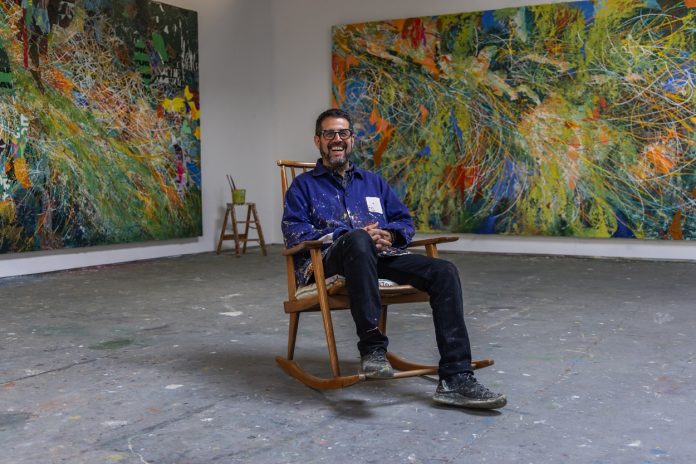
The second portion of the exhibition, sees the museum gallery transformed and converted into a replica of Parlá’s studio—complete with paint-splattered tables, an eclectic vinyl record collection of Cuban-inspired music, and decades of Parla’s personal memorabilia, all brought in from his studio in Brooklyn, New York.
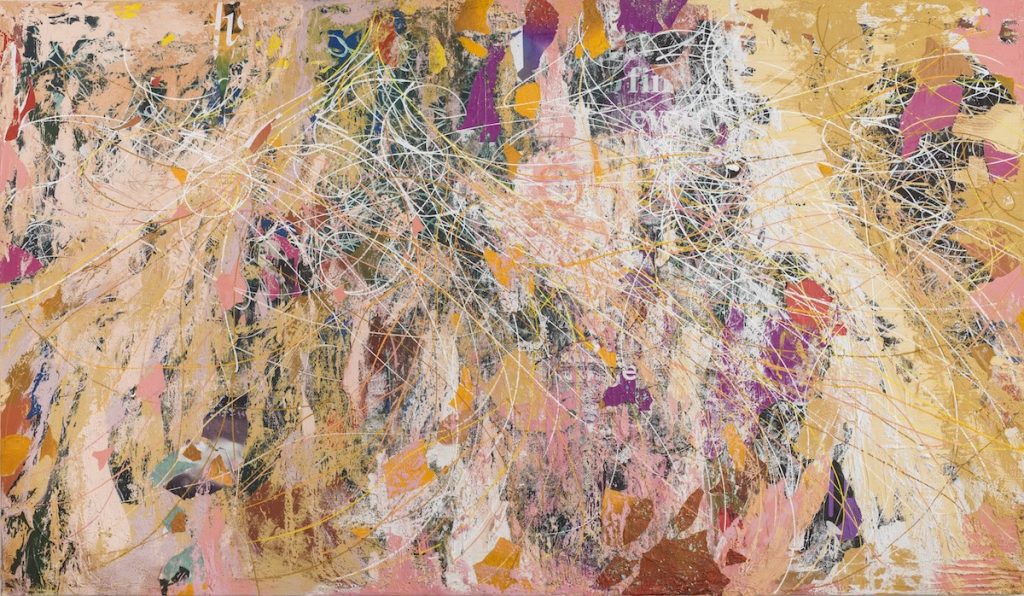
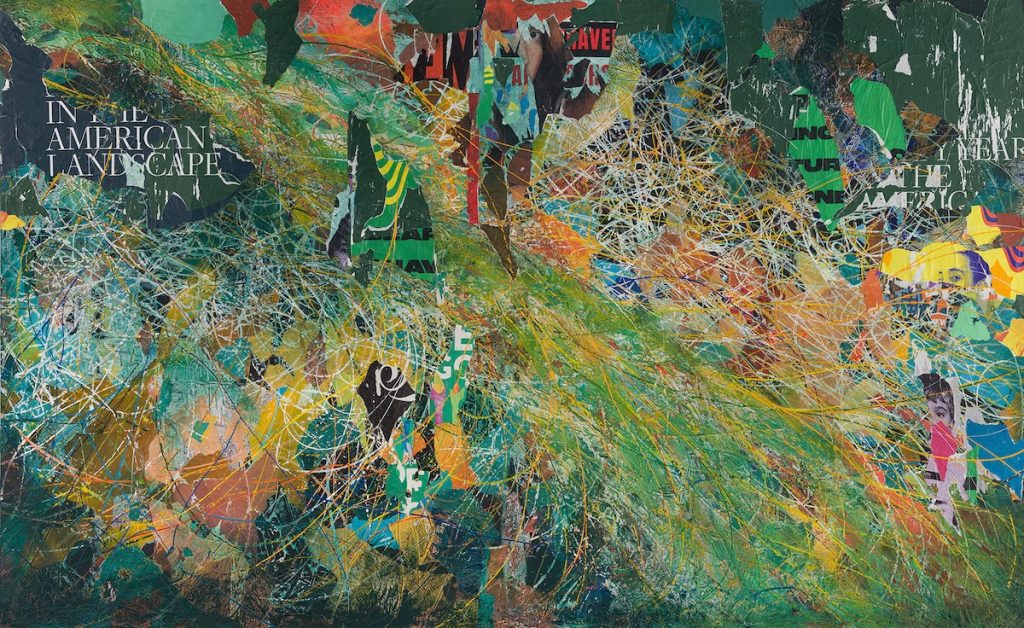
A Life of Memories Racing Through Art Deco Miami Beach Avenues, 2024 Acrylic, oil, enamel, collage and plaster on canvas. 96 x 168 x 3 inches Courtesy the artist and Parlá Studios
In addition to the completed mural and studio recreation, the exhibition presents a collection of brand-new works marking Parlá’s return to painting after a life-threatening case of COVID-19, for which he was hospitalized and placed under a medically-induced fourth-month coma in 2021, suffering a stroke and significant brain bleeding. Homecoming marks not only a return to Miami, but also a coming home to his studio and practice, and bringing this into the museum.
Born in Miami to Cuban émigré parents, Parlá was raised between mainland United States and Puerto Rico amidst the vibrant Caribbean and Latin American cultural landscapes of the 1970s and 1980s. Gathering inspiration from various cultural carriers (including Cuban, hip-hop, and reggae music), Parlá embarked on an artistic expedition—receiving the Scholastic Art Award, earning a scholarship to study at Savannah College of Art and Design, immersing himself in the community of New World School of the Arts, and ultimately moving to New York City, where his practice found a global stage with multiple international exhibitions.
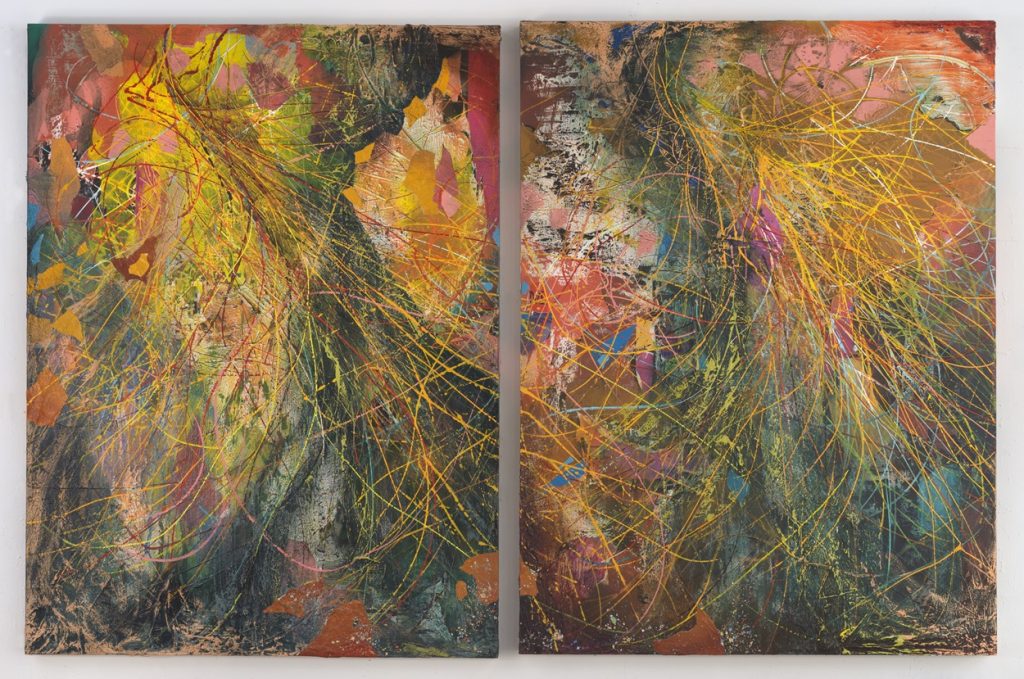
This exhibition at PAMM blends the myriad and colorful cultures that have inspired and infiltrated his decades-long practice. Deeply rooted in his personal journey and shaped by the rich history of his origins, each painting is created as an homage to the artist’s native Miami. By using a process of layering ink, paint, plaster, and collaged posters that were once posted on the city’s walls, each tableau bears the imprints of the region’s displacement, immigration, adaptation, and the transformation of words into gestures, made using the names of localities, countries, and its peoples. These abstract gestural marks become indelible echoes in the tapestry of historical psychology and geography, serving as a poignant universal narrative.
“José Parlá’s practice and work appeals to a much broader audience than just the committed museumgoer,” said PAMM Associate Curator Maritza M. Lacayo. “Homecoming celebrates an artist whose artistic career began in Miami while also reflecting on the COVID-19 pandemic. As a child of immigrants and having moved throughout his entire life, Parlá’s personal story will also echo those of our Miami community.”
Breath of Life, Inhale and Exhale, 2024. Acrylic, oil, enamel, collage, and plaster on canvas. Two panels: 96 x 72 inches, each. 192 x 3 inches, overall Courtesy the artist and Parlá StudiosAmerican Mindscape, 2024 Acrylic, oil, enamel spray paint, paper collage, and plaster on canvas. 96 x 168 x 3 inches Courtesy the artist and Parlá Studios
José Parlá: Homecoming is organized by Maritza M. Lacayo, Associate Curator, with the support of Fabiana A. Sotillo, Curatorial Assistant. This exhibition is presented by Citi with supporting sponsorship from Sarah Arison and Goya Foods.
José Parlá: Homecoming is on view through July 6, 2025.
ABOUT JOSÉ PARLÁ
José Parlá (b.1973) creates paintings and multidisciplinary works based on his interest in hybrid forms of abstraction. He draws inspiration from various mediums including music, calligraphy, dance, and the decay of urban architecture and advertisements. His works poetically challenge ideas about language, politics, identity, and how we define places and spaces. Parlá’s relationship with mark-making is physical and textural, incorporating the body’s gestures into a painterly stream of consciousness composed of areas of addition, erasure, and layering that challenge the status quo of visual culture.
Parlá was born to Cuban parents in Miami, Florida, and lives and works out of Brooklyn, New York. He studied painting at Savannah College of Art & Design (SCAD) in Savannah, Georgia; the New World School of the Arts, Miami, Florida; and Miami Dade College, Miami, Florida.
Solo exhibitions of Parlá’s work have been organized at institutions such as The Bronx Museum, New York (2022); Gana Art Center, Seoul (2022); Istanbul’74, Istanbul (2019); Hong Kong Contemporary Art (HOCA) Foundation, Hong Kong (2019); Neuberger Museum of Art, New York (2018); SCAD Museum of Art, Savannah (2017); Brooklyn Academy of Music (BAM), New York (2017); Goss-Michael Foundation, Dallas (2016); High Museum of Art, Atlanta (2015); amongst others.
Public arts projects include permanent large-scale commissions including Far Rockaway Writer’s Library, a collaboration between Snøhetta and Parlá, New York (2023); Amistad América, University of Texas, Austin (2018); One Union of the Senses, ONE World Trade Center, New York (2015); Nature of Language, in collaboration with Snøhetta, Hunt Library at North Carolina State University, Raleigh (2013); Diary of Brooklyn, Barclays Center, New York (2012); Gesture Performing Dance, Dance Performing Gesture, Brooklyn Academy of Music (BAM), New York (2012); The Bridge, and The Names that Live and Sometimes Fade While Time Flies, Concord City Place, Toronto (2010).
Select group exhibitions and biennials include The Culture: Hip Hop & Contemporary Art in the 21st Century, Baltimore Museum of Art, Baltimore (2023); Brooklyn Abstraction, Four Artists, Four Walls, Brooklyn Museum, New York (2022); Reflections, Gana Art, Seoul (2019); Glasstress, Fondazione Berengo Art Space, Venice (2019); Beyond the Streets, New York (2019); Yasiin bey: Negus, Brooklyn Museum, New York (2019); Victors for Art, University of Michigan Museum of Art, Ann Arbor (2017); Post No Bills: Public Walls as Studio and Source, Neuberger Museum of Art, New York (2016); Seeing, Saying, Images and Words, Van Every/Smith Galleries, Davidson College, North Carolina (2016); Wrinkles of the City: Havana Cuba: JR & José Parlá, the Havana Biennial, Havana (2012); amongst others.
Parlá’s work is in several public collections including the Brooklyn Museum, New York; Pérez Art Museum Miami (PAMM), Miami; The British Museum, London; Buffalo AKG Art Museum, New York; El Espacio, Miami; POLA Museum of Art, Japan; The Neuberger Museum of Art, New York; and The National Museum of Fine Arts, Havana.
Parlá has received numerous awards, including the Gordon Parks Foundation Fellowship (2023), the Hirshhorn Museum Artist x Artist honoree (Hank Willis Thomas x José Parlá) (2023), National Young Arts Foundation Award (2022), Americans for the Arts National Art Award (2022), Americans for the Arts Public Art Network (2019), Miami Dade College Alumni Hall of Fame Award inductee (2016), Brooklyn Arts Council honoree (2014), Institute of Contemporary Arts(ICA) London – Grand Prize (2013), Heartland Film Festival – Best Documentary Short and Best U.S. Premiere for Wrinkles of the City, Havana (2013) Scholastic Art Award.
ABOUT PAMM
Pérez Art Museum Miami (PAMM), led by Director Franklin Sirmans, promotes artistic expression and the exchange of ideas, advancing public knowledge and appreciation of art, architecture, and design, and reflecting the diverse community of its pivotal geographic location at the crossroads of the Americas. The 40-year-old South Florida institution, formerly known as Miami Art Museum (MAM), opened a new building, designed by world-renowned architects Herzog & de Meuron, on December 4, 2013 in Downtown Miami’s Maurice A. Ferré Park.
The facility is a state-of-the-art model for sustainable museum design and progressive programming and features 200,000 square feet of indoor and outdoor program space with flexible galleries; shaded outdoor verandas; a waterfront restaurant and bar; a museum shop; and an education center with a library, media lab, and classroom spaces.
Fruit trees provide nutritious food and shade, and they combat deforestation. A gift of $10 from Food For The Poor’s Christmas Gift Catalog provides a fruit tree. Photo/Food For The Poor
COCONUT CREEK, Fla. (Nov. 13, 2024) – As the holiday season approaches, Food For The Poor (FFTP) encourages donors to spread joy and hope through its FFTP Gift Catalog and a special shop featuring products made by women in Guatemala that will get you noticed for all the right reasons.
FFTP’s online catalog allows donors to easily browse gifts by price or by category, whether it’s food assistance, safe water, home supplies, micro-enterprise tools, or medical care. Each gift directly supports the needs of those living in poverty, providing immediate relief and laying the groundwork for self-sufficiency.
In addition to the traditional gifts available in the catalog, FFTP is offering a curated selection of products made by artisans who have developed their skills at training centers supported by the charity’s donors and in partnership with Mercado Global.
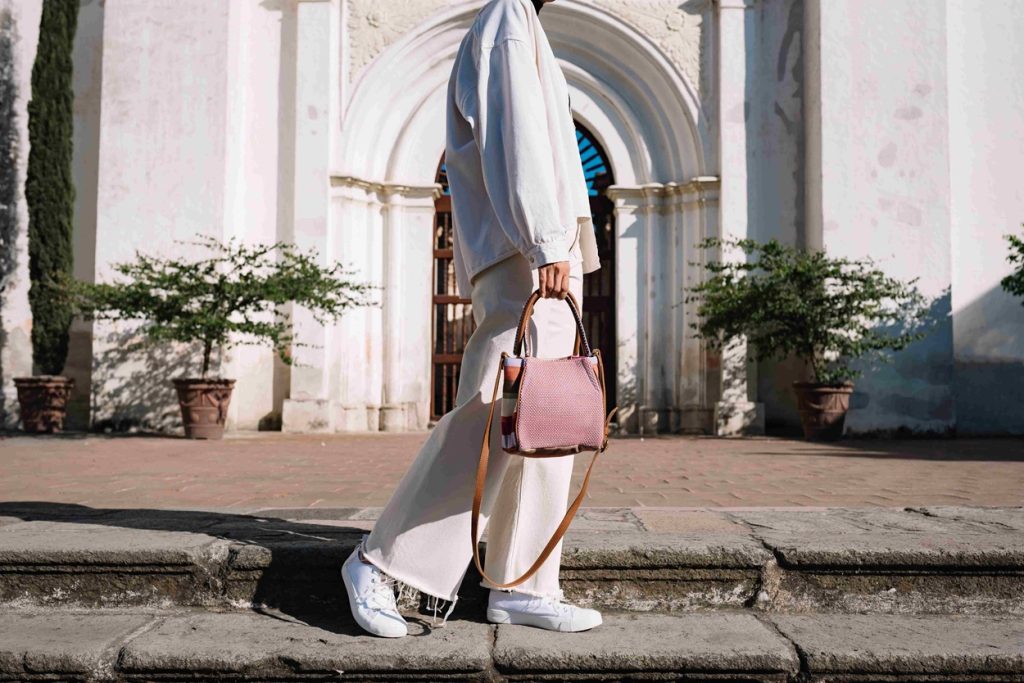
The items offered in the special shop include a versatile macramé wristlet with a leather zipper pull for $58 and two stylish handbags with leather piping, structured leather handles, and a detachable leather strap for $128 each.
“Each gift in our catalog has the power to lift lives and offer hope, especially through our special collection of items handcrafted by talented women in Guatemala,” FFTP President/CEO Ed Raine said.
“These artisans are not only creating beautiful, unique products, but they’re also building sustainable livelihoods for themselves and their families,” Raine added. “By choosing a gift from our catalog or artisan shop, donors are sharing in a vision of empowerment, self-sufficiency, and compassion that resonates far beyond the holiday season.”
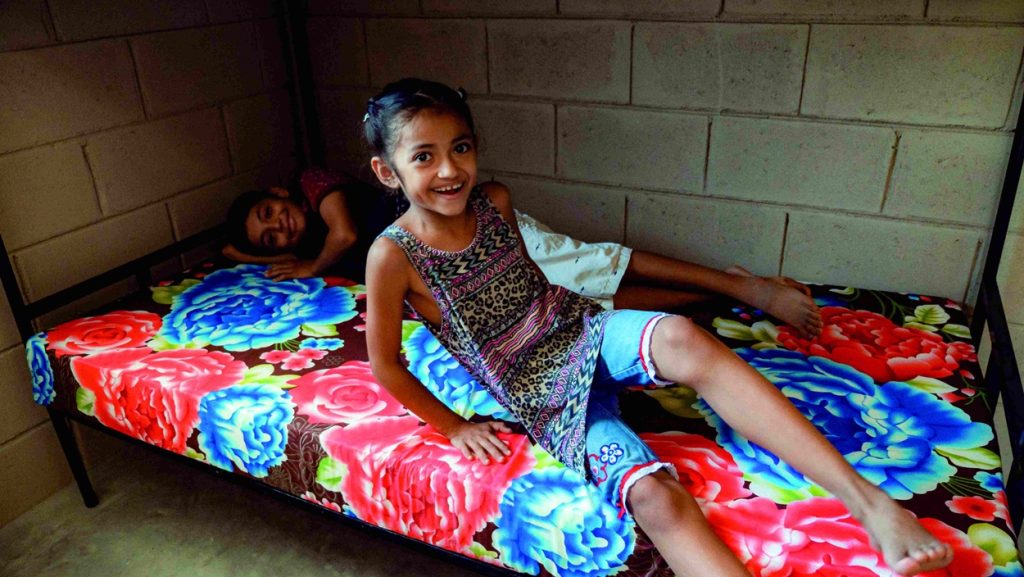
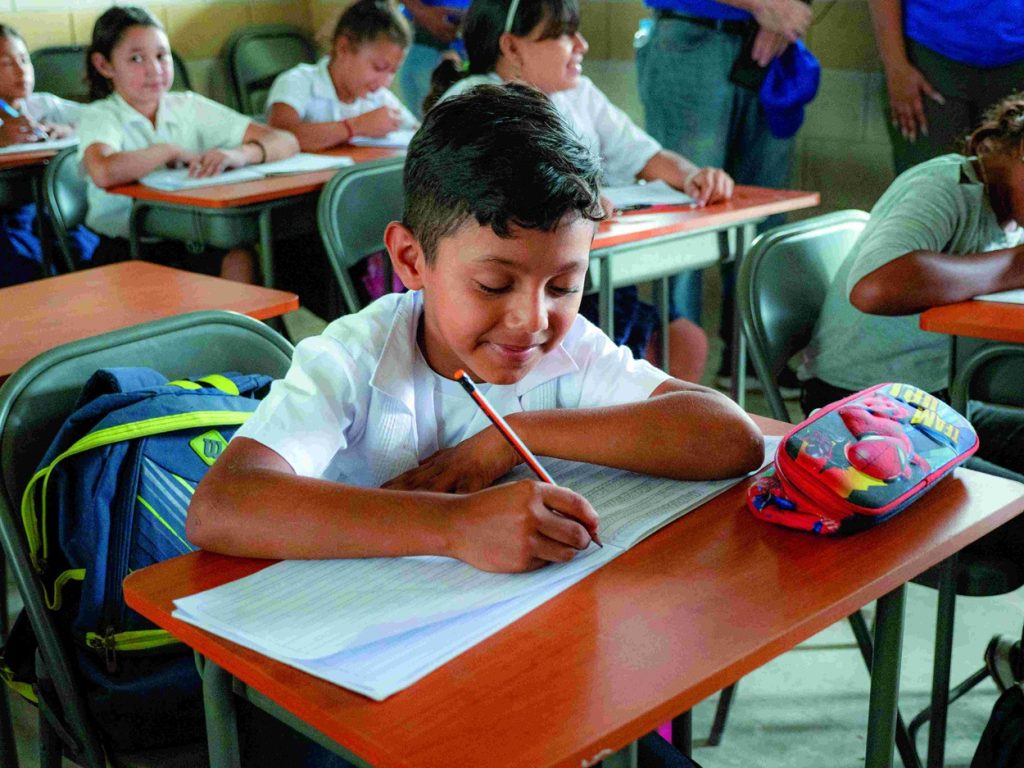
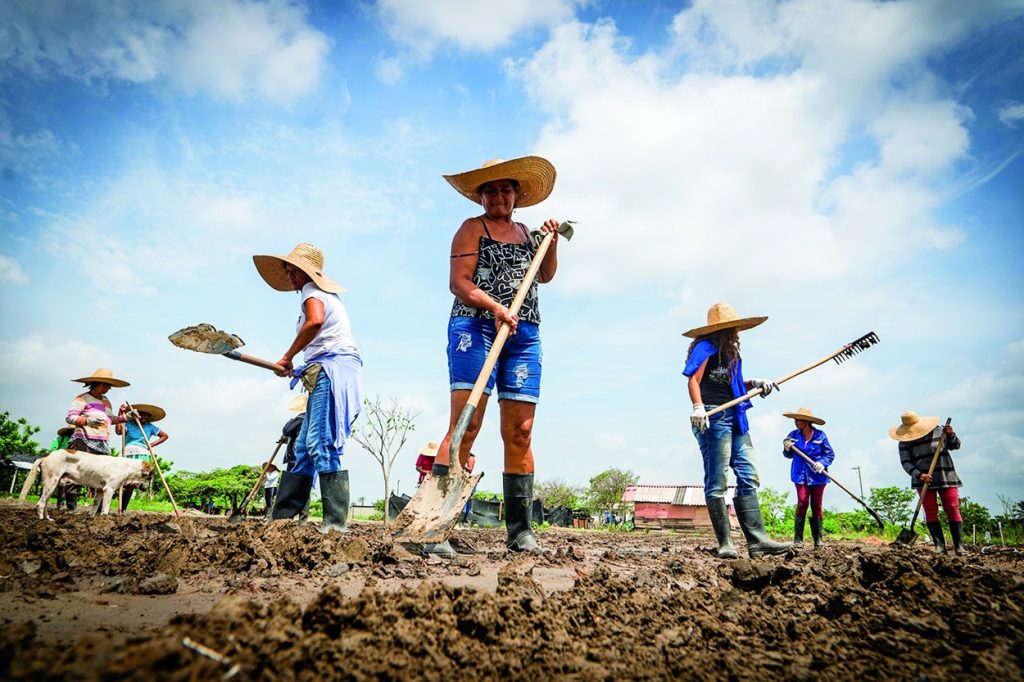
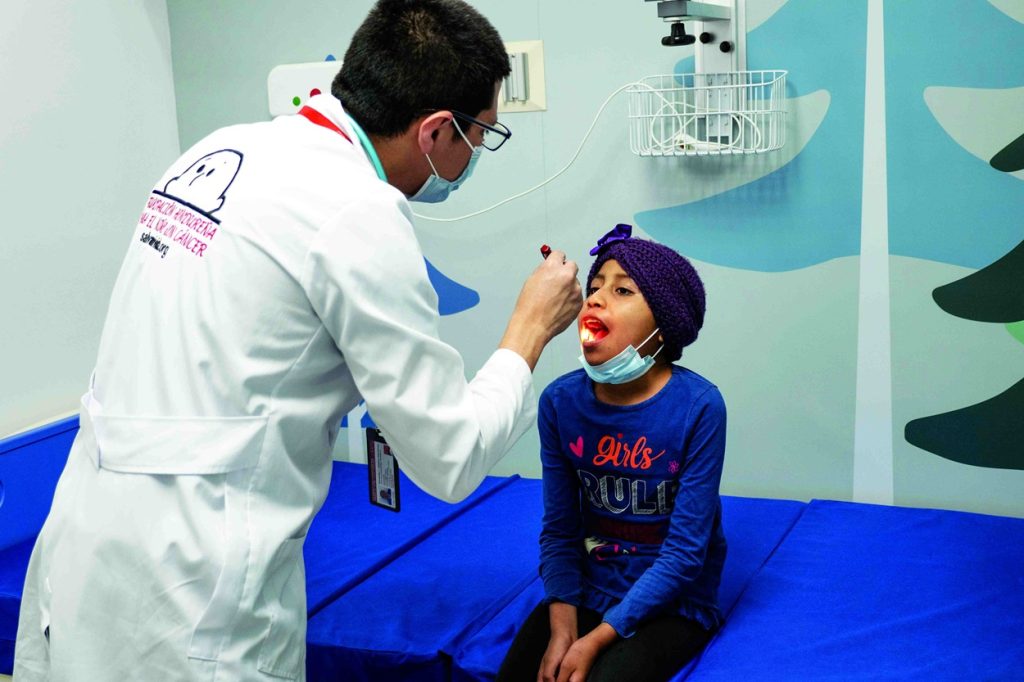
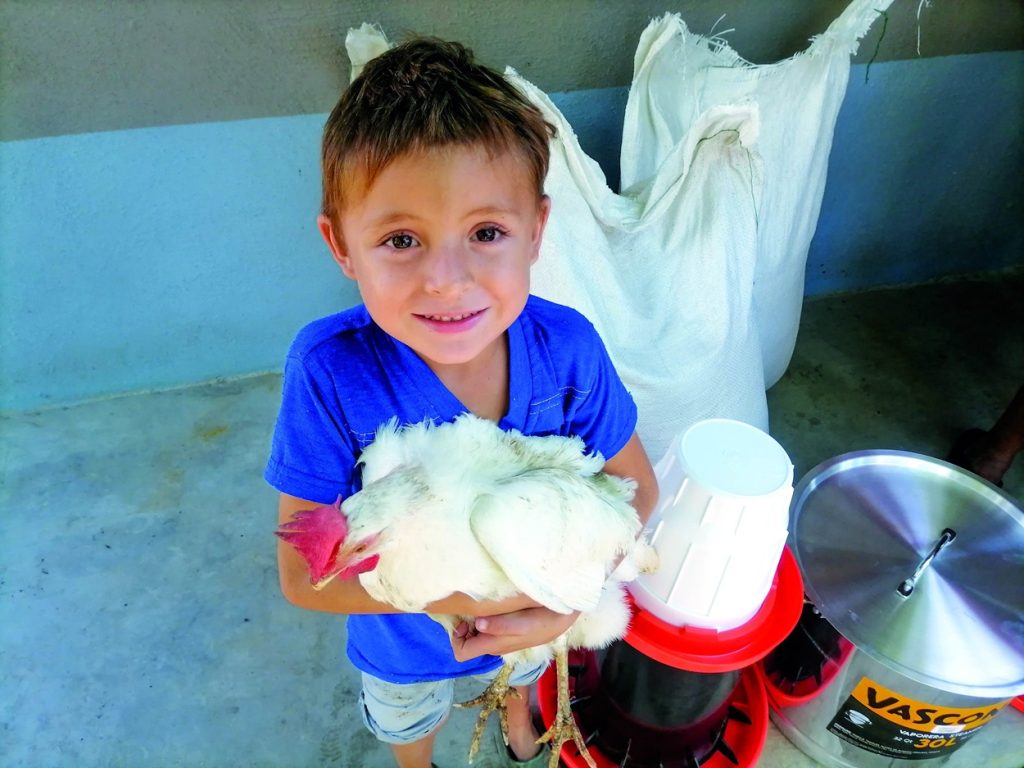
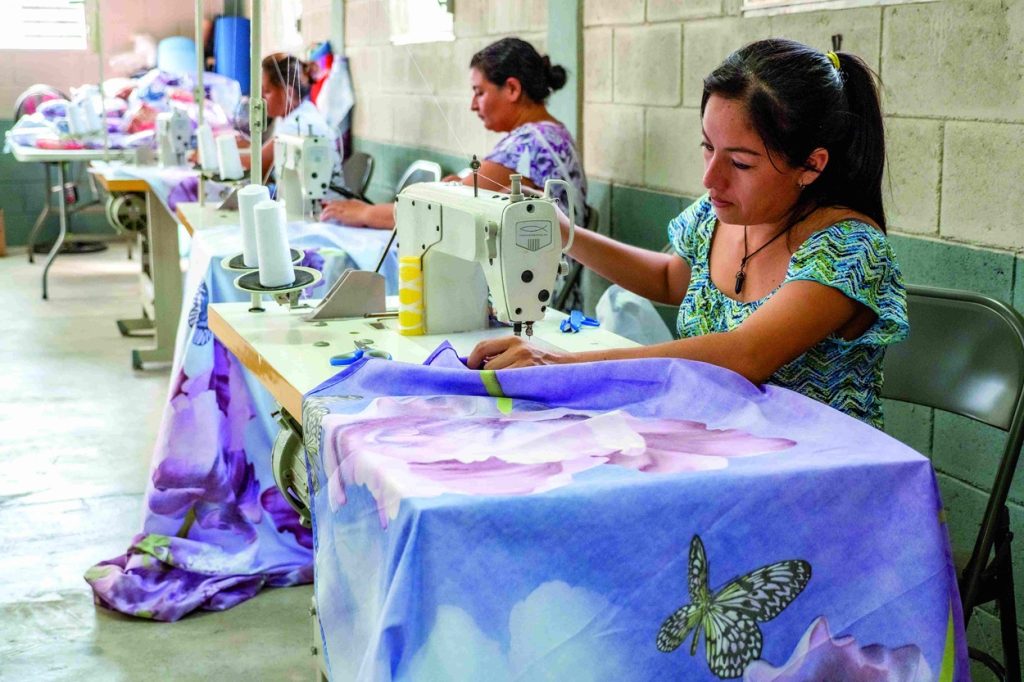
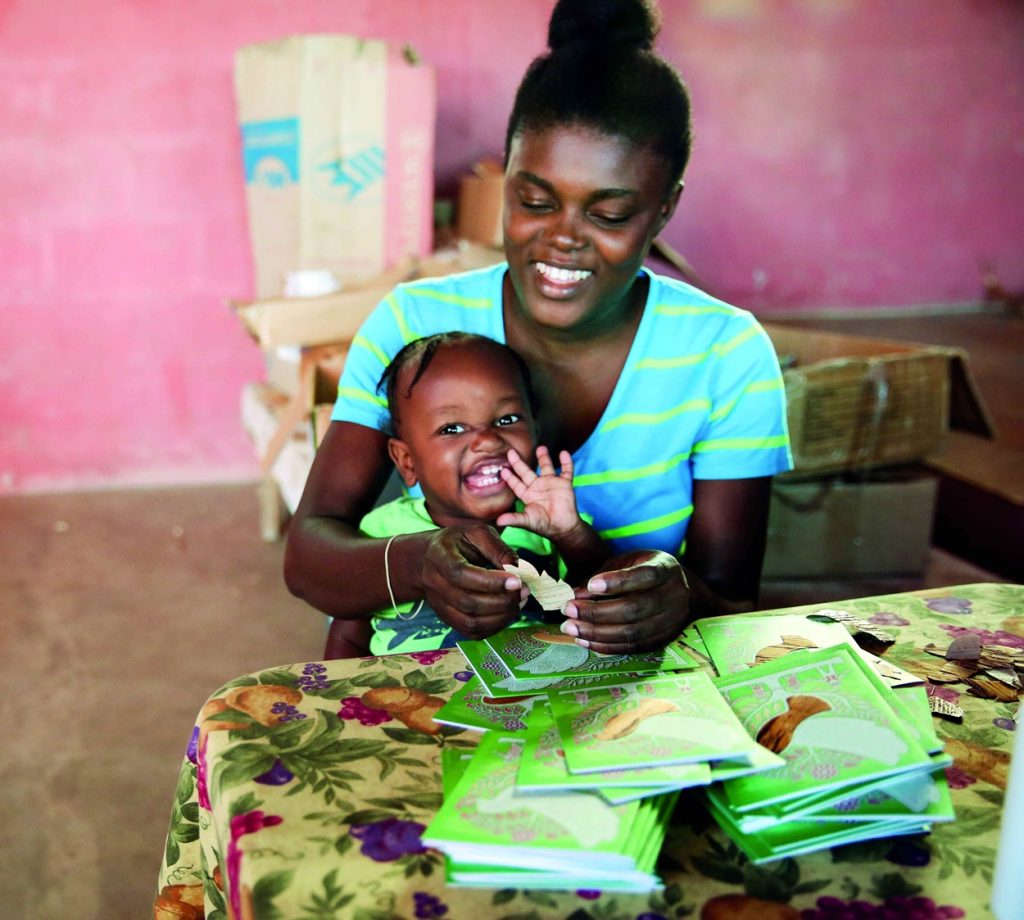
A gift of $20 can provide notebooks, pencils, and other supplies and ensure children in impoverished communities can actively participate in school, giving them the tools they need to succeed. Photo/Food For The PoorA gift of $27 can provide a month’s worth of nutritious food to families facing hunger and poverty and is a steppingstone to better health and a future of opportunity. Photo/Food For The PoorA stylish handbag for $128 is one of the curated gifts available in a special Food For The Poor online shop, featuring items made by artisans who have developed their skills at training centers supported by the charity’s donors and in partnership with Mercado Global. Photo courtesy Mercado GlobalA gift of $85 provides a mattress that means a family can give their children a better place to sleep. Photo/Food For The PoorSchool Desk and Chair: Many students lack individual seating, hindering their ability to focus in class. A gift of $35 provides a new desk and chair and creates a dedicated space for learning, helping students reach their full potential. Photo/Food For The PoorA gift of $54 provides tools that equip families to grow their own food, improving nutrition and reducing dependency on imported food, a vital step toward food security. Photo/Food For The PoorA gift of $50 can provide access to essential medicine, which is crucial for health, especially in areas with limited health care. Photo/Food For The PoorA gift of 20 chickens for $30 offers families a sustainable source of protein through eggs and the potential to generate income by selling surplus eggs. Photo/Food For The PoorSewing Machine: For $114, a sewing machine provides families with a means to earn a living, reduces reliance on single-source income, and builds valuable skills that strengthen local economies. Photo/Food For The PoorA gift of $20 provides 10 handcrafted Banana Bark Christmas cards or all-occasion cards and helps impoverished Haitian mothers provide lifesaving food for their hungry children. Photo/Food For The Poor
Here are some impactful gift options from this year’s catalog:
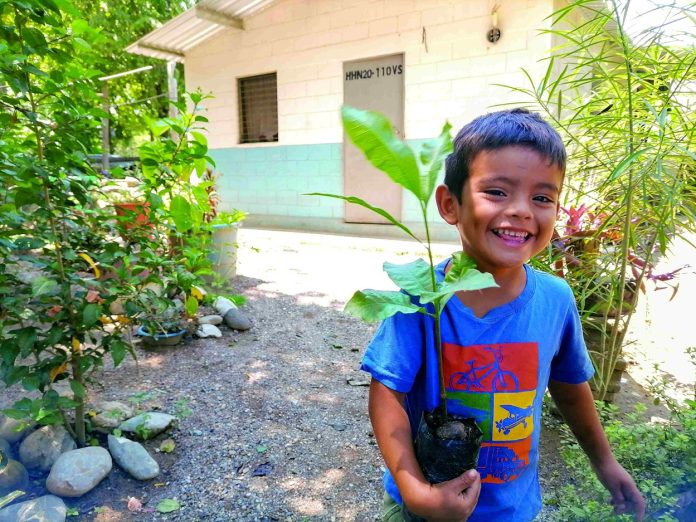
Fruit tree – $10: Fruit trees provide nutritious food and shade, and they combat deforestation.
Banana Bark Christmas or All-Occasion Cards – $20: These handcrafted cards offer a valuable source of income for poverty-stricken families in Haiti.
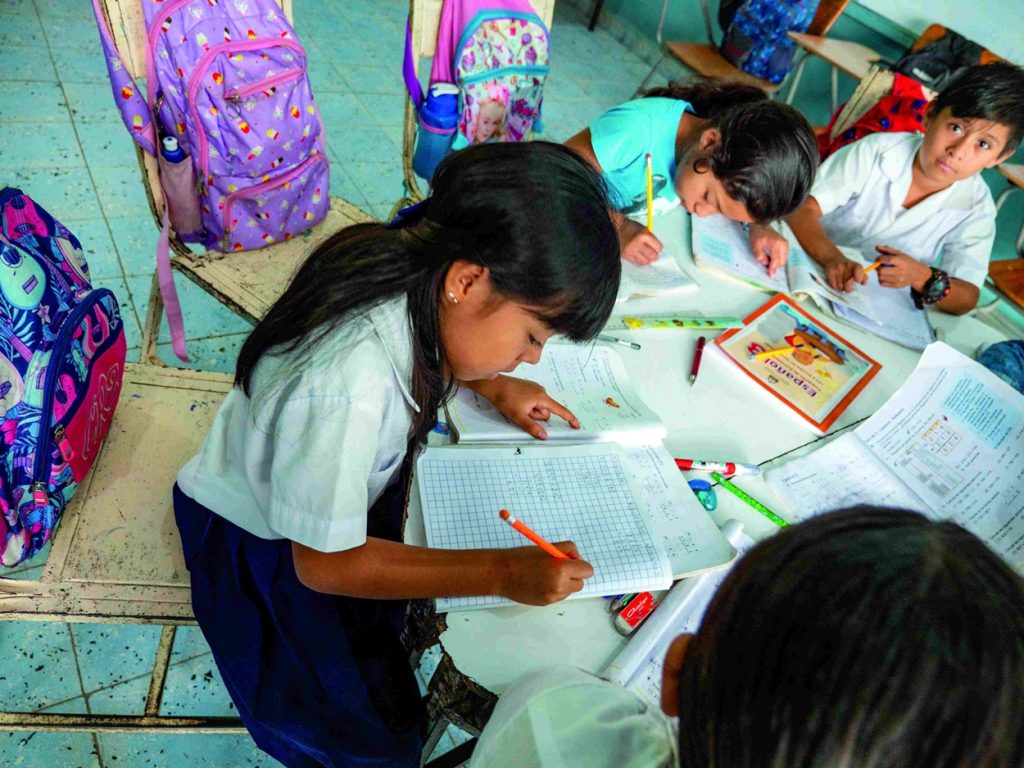
School Supplies – $20: Providing notebooks, pencils, and other supplies ensures children in impoverished communities can actively participate in school, giving them the tools they need to succeed.
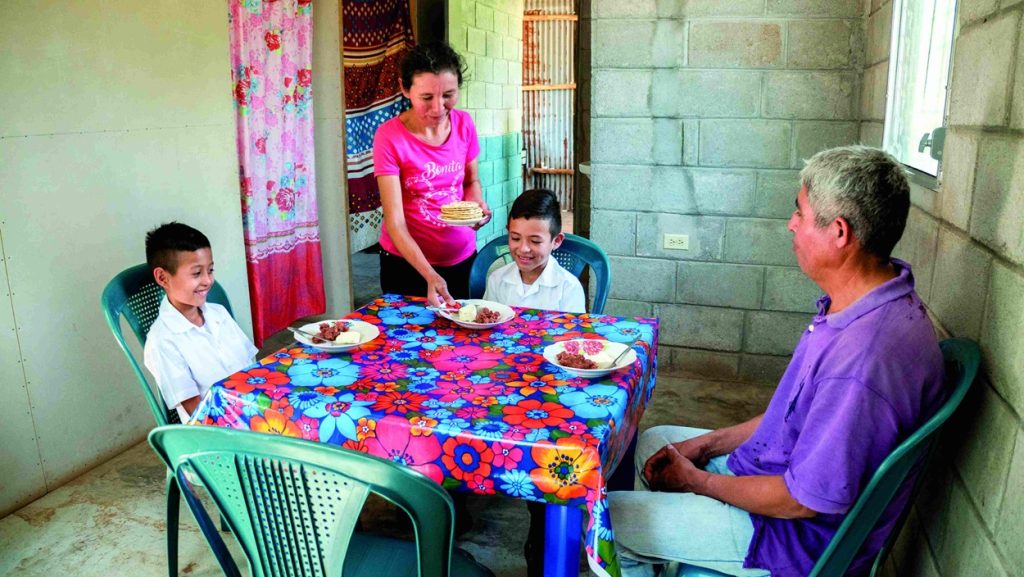
Feed a Family – $27: For families facing hunger and poverty, a month’s worth of nutritious food is a steppingstone to better health and a future of opportunity. This gift helps families stabilize and offers a chance to move forward, whether it’s enrolling parents in a micro-enterprise program or sending children to school.
Chickens – $30: A gift of 20 chickens offers families a sustainable source of protein through eggs and the potential to generate income by selling surplus eggs. This simple, cost-effective gift combats malnutrition and fosters resilience in communities.
School Desk and Chair – $35: Many students lack individual seating, hindering their ability to focus in class. A new desk and chair create a dedicated space for learning, helping students reach their full potential.
Medical Supplies – $50: Access to essential medicine is crucial for health, especially in areas with limited health care. A gift of medical supplies helps reduce suffering, prevent disease, and promote healthier lives.
Agricultural Tools – $54: These tools equip families to grow their own food, improving nutrition and reducing dependency on imported food, a vital step toward food security.
Mattress – $85: The gift of a mattress means a family can give their children a better place to sleep.
Sewing Machine – $114: A sewing machine provides families with a means to earn a living, reduce reliance on single-source income, and build valuable skills that strengthen local economies.
Food For The Poor, one of the largest international relief and development organizations in the nation, does much more than feed millions of hungry children and families living in poverty primarily in 15 countries of Latin America and the Caribbean. This interdenominational Christian ministry provides emergency relief assistance, water, medicine, educational materials, homes, support for vulnerable children, care for the aged, skills training, and micro-enterprise development assistance. For more information, please visit foodforthepoor.org.
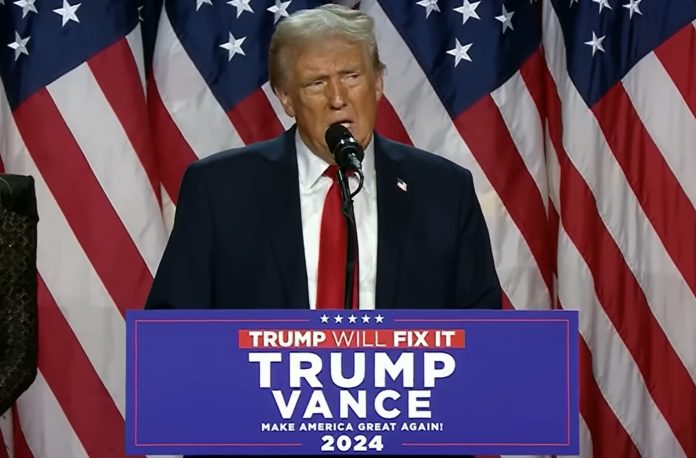
Screenshot from Donald Trump's full victory speech on YouTube (youtube.com/watch?v=WI9fbbQ-aTo)
With the 2024 presidential election results in, Donald Trump is set to return to the White House, marking a historic, and controversial, comeback. As President Biden and the Democrats prepare to step down, many Americans are wondering what the next few months will bring. Here’s a breakdown of what U.S. citizens can expect during the transition of power and early Trump administration priorities.
1. The Transition of Power
The transition between administrations will unfold over the next two months, leading up to Trump’s January inauguration. During this time, the Biden administration will work with Trump’s transition team to ensure a smooth handover across government departments, from national security to economic policy. Expect to see some policy “rollbacks” as Trump’s team prepares to reverse various Biden-era regulations, especially in areas like energy, transportation and foreign relations. Plans also include pardoning those who were arrested for the January 6, 2021 riot in the Capitol.
2. Changes in Cabinet and Key Appointments
Trump will begin to announce his choices for key cabinet positions and advisors, some of whom may be returning figures from his first administration. This process will attract significant scrutiny and could bring familiar faces back to Washington, particularly in departments tied to Trump’s core priorities, like immigration, defense, and finance. In areas where Biden implemented progressive reforms, such as climate change, health care, and immigration, Trump may select appointees with clear directives to alter or reverse these initiatives.
The president-elect is also expected to fire the Consumer Financial Protection Bureau director, Rohit Chopra, who was appointed by Biden, soon after taking office. There is currently controversy over Trump’s directive for the new Congress to make several recess appointments, bypassing required bipartisan approval of key government leadership appointees.
3. Shift in Domestic Policy Priorities
As he returns to office, Trump is expected to focus on areas that defined his first term: immigration reform, economic deregulation, and tax policies favorable to businesses. Immigration, especially, may see swift changes as Trump reintroduces policies designed to limit undocumented immigration, revamp border control strategies and introduce a deportation push against migrants. We might also see attempts to amend existing health care policies, with Trump aiming to revisit aspects of the Affordable Care Act.
Expect economic policies aimed at stimulating growth through business-friendly tax cuts and a push for job creation, particularly in manufacturing and energy. If inflation remains high, Trump will likely prioritize cutting regulations and encouraging domestic production to counteract rising costs.
4. International Relations and Foreign Policy Adjustments
On the international stage, Trump’s return could mean shifts in the U.S.’s relationships with both allies and adversaries. Relations with NATO, the EU, and the UN might once again be subject to his 2020 era “America First” approach, which could create tension around funding and military commitments. Trade policies, particularly with China, are likely to return to Trump’s previous hard-line stance, possibly impacting global markets and trade agreements. The cost of living may increase as the weight of tariffs levied on import products is passed back to American consumers.
5. Judicial Appointments and Legislative Strategy
Trump’s second term could further shape the judiciary, as he may have the opportunity to nominate more federal judges and potentially up to two Supreme Court justices, cementing a conservative tilt in the courts for decades to come. Legislative priorities will likely focus on reworking Biden-era policies, and if the Republican party controls Congress, expect fast-tracked legislation on issues like tax reform, energy independence, and voting laws.
6. National Security and Law Enforcement Focus
Trump has indicated a commitment to bolstering national security and law enforcement, which could include increased funding for police departments and federal agencies. Policies aimed at combating drug trafficking and gang activity might expand. Surveillance and cyber-security may also receive more resources as threats to national infrastructure, both domestic and foreign, become a growing focus. Trump has also made his stance on AI clear, so Americans can likely expect some restrictions there as well.
7. Potential Public Response and Political Tensions
Given the deeply polarized political climate, Trump’s win has already sparked debate and protests among Democrats and independents, particularly women, the LGBTQ+ community and people of color, some of whom view his return with real concern for their safety and livelihood. With his criminal background and many believing he orchestrated the January 6, 2021 riots, many Americans outside of the aforementioned groups are also nervous for his return, questioning whether the former president can be trusted to help all citizens.
This period could see an increase in political activism from both sides, with Trump’s supporters energized and opponents vigilant in opposition. National tensions might be high, especially as Democrats reorganize for future elections and recalibrate their strategies in response to Trump’s victory.
As we enter this transition period, it’s clear that Trump’s return will bring significant shifts across the U.S. political landscape, both domestically and abroad. With policy reversals and renewed conservative initiatives likely, Americans can expect an eventful few months as the Trump administration prepares to take the reins once again.