Island living offers breathtaking scenery, rich culture, and endless opportunities to explore. Whether you’re a resident or a visitor, there’s always something new to discover. From scenic hikes to underwater adventures, island sightseeing provides unforgettable experiences. If you’re looking for the best ways to enjoy your surroundings, here are a few must-try sightseeing suggestions for island living.
Explore Coastal Hiking Trails
One of the best ways to experience an island’s natural beauty is by taking a scenic hike. Many islands boast rugged coastlines, lush rainforests, and panoramic overlooks that make for stunning views. Whether you’re trekking up a volcanic crater or wandering through tropical foliage, each trail offers a unique perspective of the land and sea. Early morning hikes provide cooler temperatures and a chance to see wildlife at its most active. With the right trail, you can witness breathtaking sunrises and sunsets that make the effort worthwhile.
Visit Local Markets and Historic Sites
Immersing yourself in the local culture is essential for an authentic island experience. Many islands have bustling markets filled with fresh produce, handcrafted goods, and traditional foods that reflect the region’s heritage. Exploring historic sites, such as old forts, temples, or colonial-era buildings, provides insight into the island’s past. Guided tours often reveal hidden details about the architecture and stories behind these landmarks. A stroll through these cultural hubs not only deepens your appreciation for the island but also supports local artisans and businesses.
Discover Marine Life Through Snorkeling and Diving
For those who love the ocean, snorkeling and scuba diving offer a mesmerizing view of underwater ecosystems. Coral reefs teeming with vibrant fish, sea turtles, and other marine creatures make for an unforgettable adventure. Some islands feature unique underwater caves or shipwrecks that add an element of mystery to your exploration. Even if you’re a beginner, many locations provide guided excursions with rental gear and instructions. The crystal-clear waters of island destinations offer an unparalleled glimpse into marine biodiversity, making it a must-do activity.
Experience Scenic Views with a Boat Sightseeing Tour
To fully appreciate an island’s beauty, nothing compares to a boat sightseeing tour. Whether you opt for a luxury catamaran, a traditional fishing boat, or a glass-bottom vessel, these tours provide a fresh perspective of the coastline and surrounding waters. Many tours take visitors to secluded beaches, hidden coves, or areas where dolphins and whales frequently appear. Sunset cruises offer a peaceful way to end the day, with golden hues reflecting off the ocean. Exploring an island from the water showcases its natural wonders in a way that land-based travel cannot.
Now that you know these sightseeing suggestions for island living, you can make the most of your time exploring the land and sea. For a breathtaking view from the water, boat sightseeing tours provide an unforgettable way to take in the scenery. Whether you’re a resident or just visiting, embracing these activities ensures you’ll enjoy the full beauty of island life.
This Women’s History Month, we’re celebrating some fearless, game-changing Caribbean women who have made an indelible mark on history, culture, and society. Every day in March, we’ll spotlight one extraordinary woman—sharing her story, achievements, and lasting impact. From pioneers in politics and science to icons in the arts and activism, join us as we honor 31 trailblazing women in 31 days! Today, two influential Dominican creators.
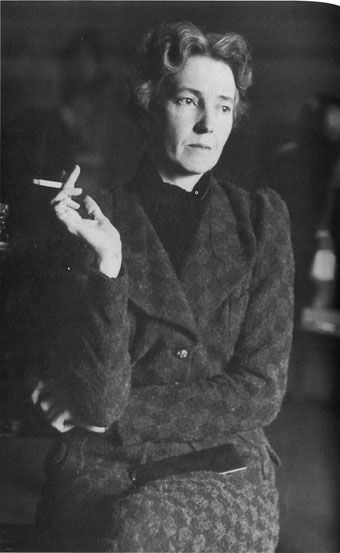
Jean Rhys, born in Dominica in 1890, is one of the Caribbean’s most celebrated authors. Best known for her novel Wide Sargasso Sea, Rhys gave voice to the experiences of Caribbean women, particularly those caught between cultures. Her writing explored themes of identity, alienation, and the colonial past, offering a powerful counter-narrative to European literature.
Born Ella Gwendolyn Rees Williams to a Welsh father and a Creole mother, Rhys grew up in Dominica but later moved to England. There, she struggled to fit into British society, an experience that shaped much of her writing. After various jobs and a period of hardship, she began writing in the 1920s, producing several novels that focused on marginalized women in Europe. However, her work went largely unnoticed, and for decades, she disappeared from the literary world.
In 1966, Rhys reemerged with Wide Sargasso Sea, a prequel to Jane Eyre that tells the story of Bertha Mason, the “madwoman in the attic.” The novel reimagines Bertha as Antoinette Cosway, a Creole woman from the Caribbean who is trapped by colonial oppression and gender roles. The book was widely acclaimed, winning the WH Smith Literary Award and securing Rhys’s legacy as a groundbreaking writer.
Rhys’s influence extends beyond literature. Her work has been studied in postcolonial and feminist theory, and she paved the way for Caribbean writers such as Jamaica Kincaid and Edwidge Danticat. In recognition of her contributions, she was awarded the Order of the British Empire (OBE) in 1978.
Jean Rhys’s ability to capture the struggles of displacement and identity continues to resonate with readers today. Her story reminds us of the power of literature to challenge perceptions and rewrite history. Explore more remarkable Caribbean women in this series and share their stories.
Dr. Arlyne Simon: Inventor, Biomedical Engineer, and Role Model
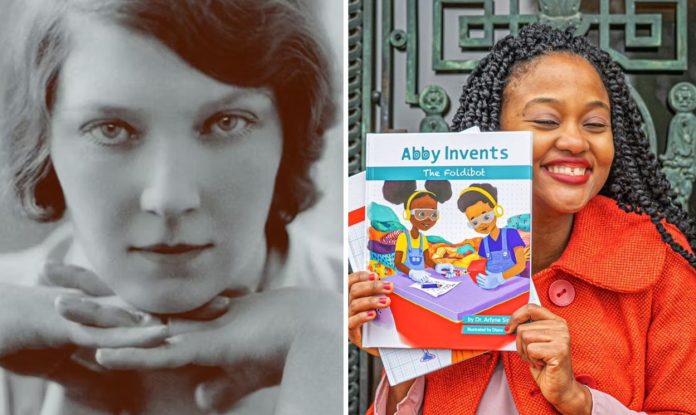
Dr. Arlyne Simon is a trailblazing Dominican biomedical engineer, inventor, and advocate for young girls in STEM. Her groundbreaking work in medical technology has helped improve healthcare, while her passion for education has inspired countless young minds.
Born and raised in Dominica, Simon developed a love for science at an early age. She pursued her studies in chemical and biomedical engineering, eventually earning her PhD from the University of Michigan. Her research focused on innovative medical solutions, leading to her invention of a blood test that detects when patients reject bone marrow transplants. This patent-protected invention has the potential to save lives by improving early diagnosis.
Beyond her work in medical technology, Simon is a dedicated mentor and educator. Recognizing the lack of representation in science, technology, engineering, and mathematics (STEM) fields, she authored Abby Invents, a children’s book series designed to inspire young inventors.
Her achievements have earned her recognition as a leader in STEM. She has been featured in national science programs and received awards for her contributions to biomedical engineering. She also works as a patent examiner, helping to guide the next generation of innovators.
Dr. Arlyne Simon’s story is one of resilience, creativity, and commitment to change. She proves that Caribbean women are shaping the future through science and education.
As we celebrate their contributions, we encourage you to explore the lives of other trailblazing women in this series. Share their stories and help inspire the next generation.
This Women’s History Month, we’re celebrating some fearless, game-changing Caribbean women who have made an indelible mark on history, culture, and society. Every day in March, we’ll spotlight one extraordinary woman—sharing her story, achievements, and lasting impact. From pioneers in politics and science to icons in the arts and activism, join us as we honor 31 trailblazing women in 31 days! Today, some women who were the first of their kind.
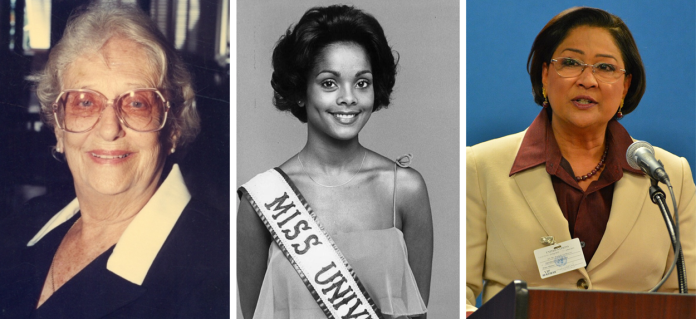
Janet Jagan: The First Female President of Guyana
Janet Jagan made history as Guyana’s first female president and one of the most influential political figures in the Caribbean. A champion for workers’ rights, gender equality, and social progress, her legacy is one of resilience and dedication to the people of Guyana.
Born in Chicago, USA, in 1920, Janet Rosenberg Jagan moved to Guyana (then British Guiana) after marrying Cheddi Jagan, a young Guyanese politician and future prime minister. She quickly immersed herself in the country’s political landscape, advocating for labor rights and fighting against British colonial rule. She co-founded the People’s Progressive Party (PPP) in 1950 alongside her husband, helping to shape Guyana’s independence movement.
Jagan’s political journey was not easy. As a woman and a foreigner in a male-dominated political sphere, she faced significant opposition. However, her commitment to social justice never wavered. She served as the first female elected official in Guyana, becoming a member of the Legislative Council in 1953. Over the years, she held multiple government positions, including Minister of Health and Minister of Home Affairs.
After Cheddi Jagan’s death in 1997, Janet Jagan stepped into the role of President, making history as the first woman to lead Guyana. Though her presidency lasted only until 1999 due to health issues, she left an enduring impact, advocating for press freedom, education reform, and healthcare improvements.
Beyond politics, Jagan was a writer and cultural advocate, supporting literature and the arts in Guyana. She was awarded the country’s highest honor, the Order of Excellence, in recognition of her contributions.
Janet Jagan’s life was defined by service, courage, and a deep love for the people of Guyana. Her story is a testament to the power of perseverance in the face of adversity.
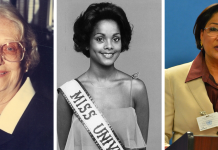
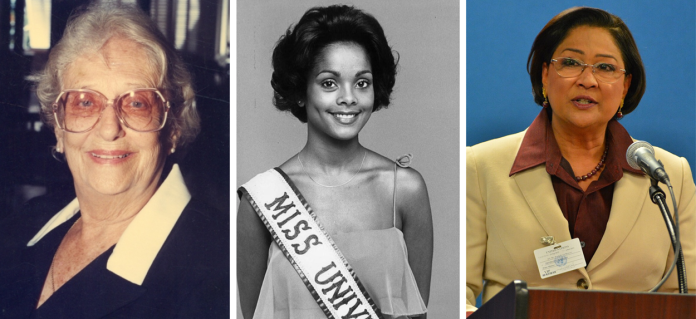
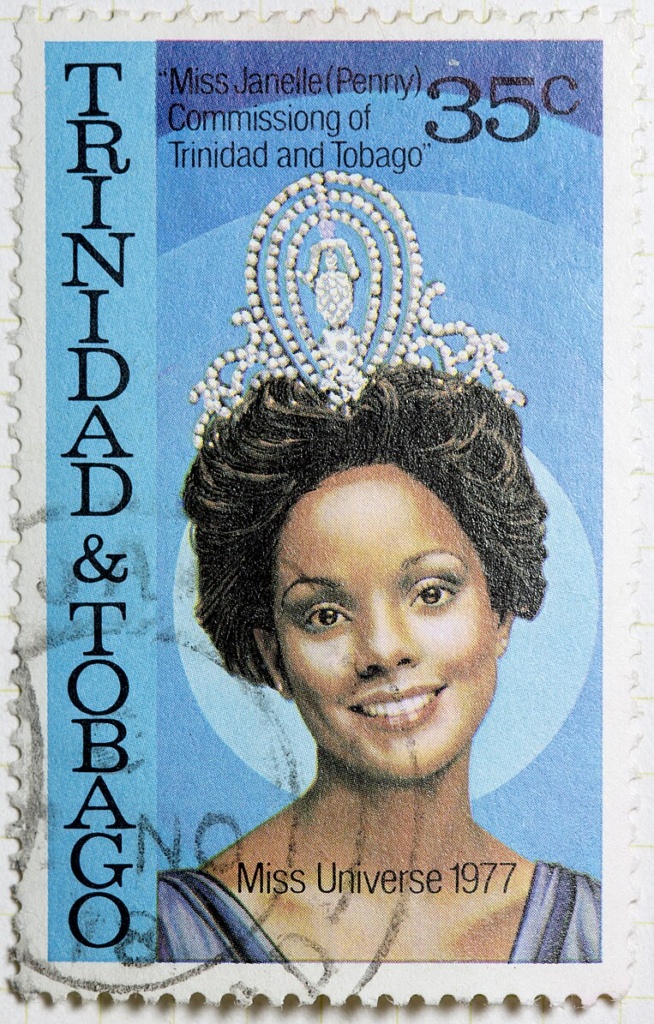
Janelle Penny Commissiong: The First Black Miss Universe
Janelle Penny Commissiong made history in 1977 when she became the first Black woman to be crowned Miss Universe, a groundbreaking moment that challenged global beauty standards and inspired generations. Representing Trinidad and Tobago, her victory was more than just a pageant win—it was a powerful statement of representation and empowerment for Black women worldwide.
Born in 1953 in Port of Spain, Trinidad, Commissiong moved to the United States as a child, where she pursued her education in fashion design at the Fashion Institute of Technology in New York. However, her heart remained in the Caribbean, and she returned to Trinidad to embrace her roots. Encouraged by friends, she entered the Miss Trinidad and Tobago pageant, where she won the national title and earned the right to compete on the world stage at Miss Universe in Santo Domingo, Dominican Republic.
At a time when beauty pageants favored European beauty standards, Commissiong’s presence as a Black Caribbean woman was a radical shift. As she advanced through the competition, her confidence, intelligence, and grace captured the world’s attention. When she was crowned Miss Universe 1977, it was a monumental moment—not just for Trinidad and Tobago, but for women of African descent everywhere.
Following her historic win, Commissiong became a global advocate for racial diversity in beauty standards and used her platform to speak out on human rights issues, including the need for greater representation in fashion and media. She was celebrated throughout the Caribbean and internationally, receiving Trinidad and Tobago’s Chaconia Medal (Gold), one of the nation’s highest honors.
After her reign, Commissiong ventured into business and entrepreneurship. She later became chairperson of the Tourism Development Company of Trinidad and Tobago, helping to promote her country’s rich culture and heritage. Her influence in pageantry also remained strong, as she continued to mentor young women aspiring to make an impact on the global stage.
Janelle Penny Commissiong’s legacy as a beauty queen, advocate, and role model continues to inspire young women in the Caribbean and beyond. Her story reminds us of the importance of representation and the power of breaking barriers.
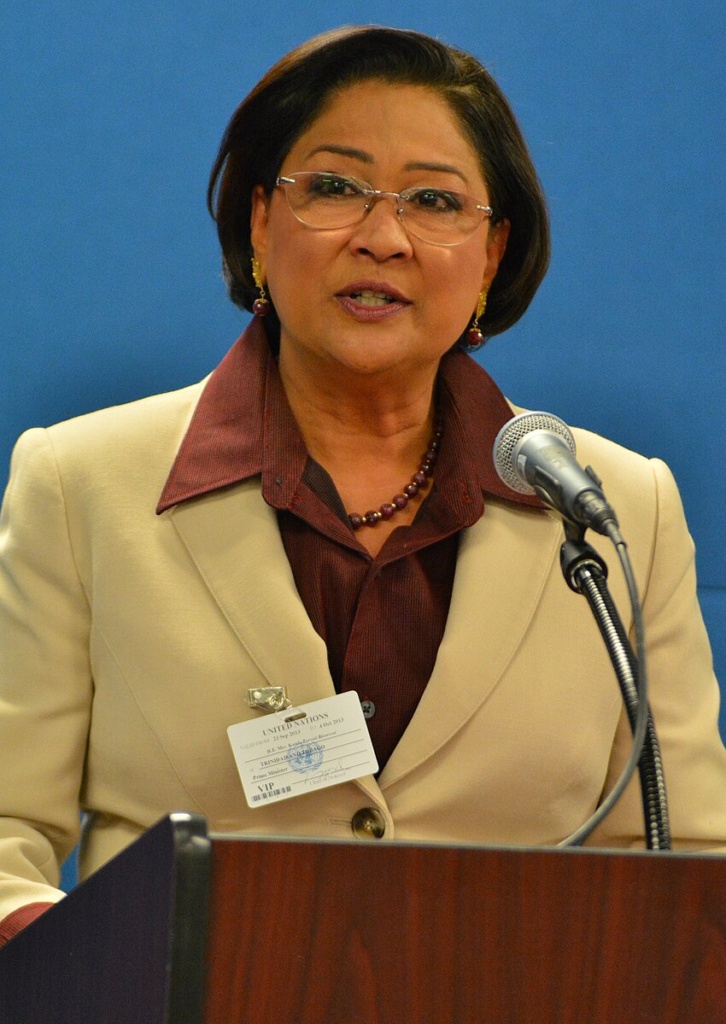
Kamla Persad-Bissessar: The First Female Prime Minister of Trinidad and Tobago
Kamla Persad-Bissessar is a political trailblazer, making history as the first female Prime Minister of Trinidad and Tobago and one of the most influential women in Caribbean politics. Her leadership, dedication to education, and commitment to social reform have made her a symbol of resilience and progress.
Born in 1952 in Siparia, Trinidad, Persad-Bissessar grew up in a modest Indo-Caribbean family that emphasized the value of education. She excelled academically and pursued a career in law, earning degrees from The University of the West Indies, Hugh Wooding Law School, and the University of London. She worked as a teacher before entering politics, a path that would lead her to shatter glass ceilings in Trinidad and Tobago’s male-dominated political landscape.
Her political career began in 1987 when she joined the United National Congress (UNC), a political party that represented many Indo-Trinidadians. She quickly rose through the ranks and, in 1995, became the country’s first female Attorney General. Over the years, she also served as Minister of Legal Affairs, Minister of Education, and Leader of the Opposition.
In 2010, Persad-Bissessar made history by winning the national elections and becoming the first woman to lead Trinidad and Tobago as Prime Minister. Her tenure was marked by efforts to improve education, including expanding the Government Assistance for Tuition Expenses (GATE) program, which provided free tertiary education for students. She also prioritized infrastructure development, healthcare improvements, and social welfare programs, particularly for low-income families.
As the country’s leader, she navigated challenges such as economic instability and natural disasters while advocating for gender equality and greater representation of women in leadership. Despite political opposition and controversies, she remained a strong force in Trinidadian politics and continues to serve as Leader of the Opposition today.
Her legacy is one of breaking barriers—not just for Indo-Caribbean women, but for all women in the region striving for leadership roles. Kamla Persad-Bissessar’s story highlights the power of perseverance, education, and commitment to public service.
As we honor these women’s contributions, we invite you to explore more stories of remarkable Caribbean women in this series and share their inspiring journeys with others.
This Women’s History Month, we’re celebrating some fearless, game-changing Caribbean women who have made an indelible mark on history, culture, and society. Every day in March, we’ll spotlight one extraordinary woman—sharing her story, achievements, and lasting impact. From pioneers in politics and science to icons in the arts and activism, join us as we honor 31 trailblazing women in 31 days! Today, three women who were champions of change.
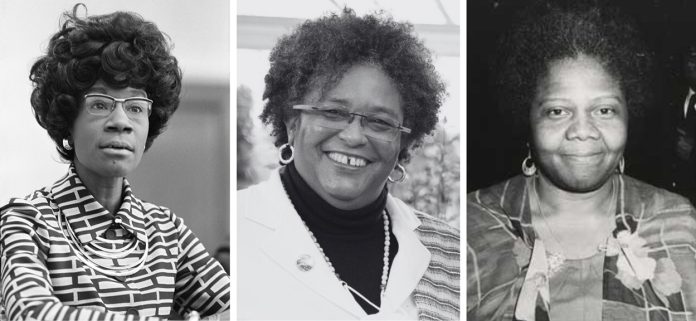
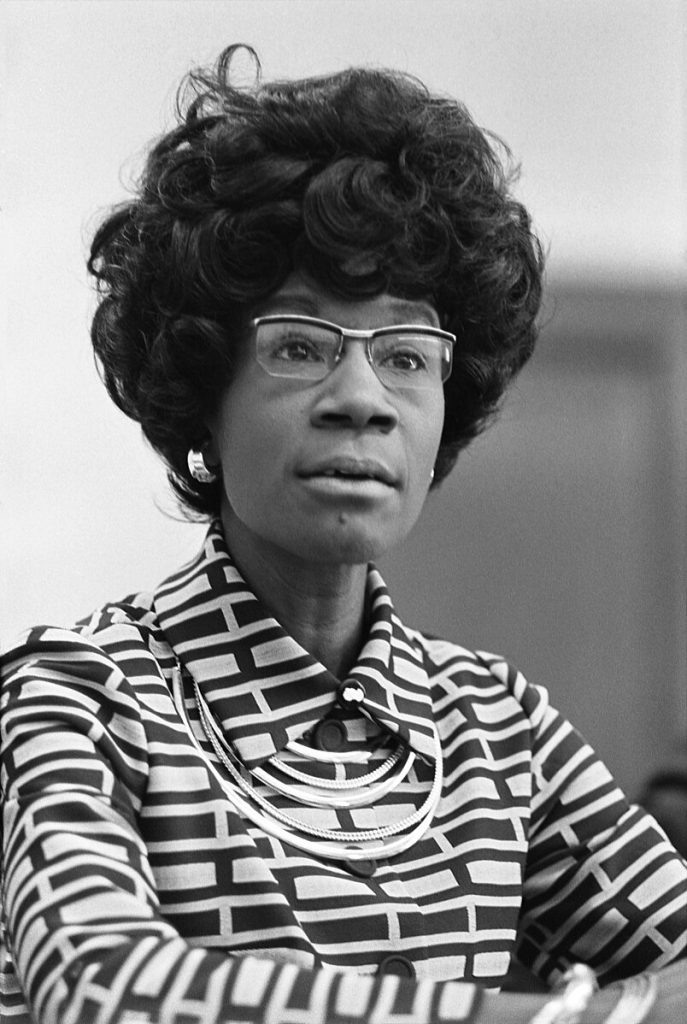
Shirley Chisholm: Unbought, Unbossed, and Unstoppable
Shirley Chisholm changed the face of American politics. Born in 1924 to Barbadian and Guyanese parents, her courage and determination paved the way for women and minorities in leadership.
Chisholm was born in Brooklyn, New York, but spent part of her childhood in Barbados, where she was influenced by the island’s strong emphasis on education. She credited her early schooling there for her academic success. She later attended Brooklyn College, where she majored in education, and earned a master’s degree from Columbia University. Before entering politics, she worked as a teacher and education consultant, focusing on early childhood development.
In 1968, she made history as the first Black woman elected to the U.S. Congress, representing New York’s 12th district. In a predominantly male and white political world, she refused to be sidelined. She famously demanded, “If they don’t give you a seat at the table, bring a folding chair.”
As a congresswoman, Chisholm championed issues affecting women, minorities, and the working class. She fought for education funding, minimum wage increases, and equal rights. She was a founding member of the Congressional Black Caucus and the National Women’s Political Caucus, pushing for greater representation in government.
In 1972, she made an even bolder move—running for President of the United States. Her campaign slogan, “Unbought and Unbossed,” reflected her fearless independence. Though she faced discrimination and lacked financial backing, she became the first Black woman to seek the nomination of a major political party. She won 10% of the delegates at the Democratic National Convention, an unprecedented achievement that laid the groundwork for future candidates like Barack Obama and Kamala Harris.
Despite her historic run, Chisholm remained humble, saying she ran not because she expected to win, but “to pave the way for others.” She continued to serve in Congress until 1983, then spent her later years advocating for education and women’s rights.
Shirley Chisholm’s legacy lives on. In 2015, she was posthumously awarded the Presidential Medal of Freedom, and in 2023, a national monument in her honor was approved for Washington, D.C. Her fearless spirit continues to inspire women, especially those of Caribbean heritage, to step into leadership roles.
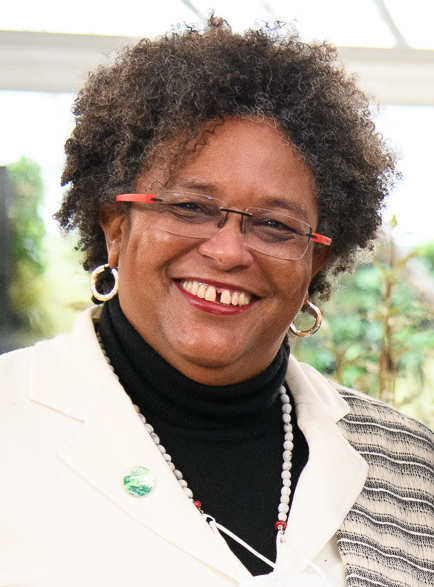
Mia Mottley: Transforming Barbados on the World Stage
As the first female Prime Minister of Barbados, Mia Mottley has led her country through historic changes, including its transition to a republic in 2021. Her leadership in climate action, economic reform, and social justice has made her a respected global voice.
Born on October 1, 1965, into a family with deep political roots, Mottley’s path to leadership was paved by determination and intellect. Her grandfather, Ernest Deighton Mottley, was the first mayor of Bridgetown, and her father was a lawyer and politician. From an early age, she excelled academically, attending Queen’s College in Barbados before studying law at the London School of Economics.
At just 25 years old, Mottley became Barbados’ youngest senator, and at 29, she was elected Member of Parliament. Over the years, she held key government positions, including Minister of Education, Attorney General, and Deputy Prime Minister. A powerful speaker and policy-maker, she was instrumental in expanding free education, implementing technology in schools, and pushing for social justice reforms.
In 2018, after years in opposition, Mottley led the Barbados Labour Party (BLP) to a landslide victory, winning all 30 seats in Parliament—a historic first for the country. She became Barbados’ first female Prime Minister, bringing bold reforms to improve the nation’s economy and global standing. Her leadership was tested during the COVID-19 pandemic, where she implemented strong policies that balanced public health and economic stability.
Mottley is a fierce advocate for climate justice, speaking on behalf of small island nations most affected by climate change. Her speeches at the United Nations and COP26 climate summit were widely praised, as she called on global leaders to take urgent action. Her government has also committed to making Barbados fossil-fuel free by 2030 and investing in renewable energy projects.
Perhaps her most defining moment came in 2021, when she oversaw Barbados’ transition to a republic, officially removing the British monarchy and appointing Dame Sandra Mason as the country’s first President. This was a moment of national pride, ending nearly 400 years of colonial influence.
Beyond politics, Mottley champions women’s empowerment, LGBTQ+ rights, and economic equity. Her leadership has been recognized globally—she was named one of TIME Magazine’s 100 most influential people and received the United Nations’ Champions of the Earth Award for her environmental advocacy.
As a bold and visionary leader, Mottley continues to shape the future of Barbados and inspire women across the Caribbean and beyond.
Dame Sybil Theodora Phoenix: A Life of Service and Advocacy
Dame Sybil Theodora Phoenix is a remarkable humanitarian, activist, and community leader whose life’s work has centered on supporting the underprivileged. Born in British Guiana (now Guyana) in 1927, she moved to the United Kingdom in the 1950s and became one of the most influential Caribbean figures in British social work and civil rights.
Phoenix’s early years in Guyana were shaped by a deep sense of service. After moving to the UK, she settled in Lewisham, London, where she witnessed firsthand the struggles of Black immigrants facing discrimination and economic hardship. Determined to make a difference, she began fostering children, particularly those in vulnerable situations. Her home became a safe haven for countless young people in need.
In 1973, Phoenix founded the Marsha Phoenix Memorial Trust, a charity that provides housing and support for homeless young women. Named after her foster daughter, who tragically died in a car accident, the trust has helped hundreds of young women find stability, education, and employment opportunities. Through her tireless efforts, she became a champion for youth and social justice in the UK.
Phoenix also played a major role in combating racial discrimination. As the first Black woman to be awarded the MBE (Member of the Order of the British Empire) in 1973 for her work in community service, she continued advocating for racial equality, mentoring young leaders, and advising the British government on social issues. Her activism extended beyond housing and youth support—she worked to bridge racial divides in Britain during a time of heightened tensions.
Her contributions earned her further honors, including an OBE (Officer of the Order of the British Empire) in 2008 and the title of Dame Commander of the Order of the British Empire (DBE) in 2022. Her work continues to uplift marginalized communities, proving that one person’s dedication can create lasting change.
Explore the lives of other remarkable Caribbean women in this series. Share their stories and celebrate their achievements with others.
This Women’s History Month, we’re celebrating some fearless, game-changing Caribbean women who have made an indelible mark on history, culture, and society. Every day in March, we’ll spotlight one extraordinary woman—sharing her story, achievements, and lasting impact. From pioneers in politics and science to icons in the arts and activism, join us as we honor 31 trailblazing women in 31 days! Today, some women who were the first of their kind.
Janet Jagan: The First Female President of Guyana
Janet Jagan made history as Guyana’s first female president and one of the most influential political figures in the Caribbean. A champion for workers’ rights, gender equality, and social progress, her legacy is one of resilience and dedication to the people of Guyana.
Born in Chicago, USA, in 1920, Janet Rosenberg Jagan moved to Guyana (then British Guiana) after marrying Cheddi Jagan, a young Guyanese politician and future prime minister. She quickly immersed herself in the country’s political landscape, advocating for labor rights and fighting against British colonial rule. She co-founded the People’s Progressive Party (PPP) in 1950 alongside her husband, helping to shape Guyana’s independence movement.
Jagan’s political journey was not easy. As a woman and a foreigner in a male-dominated political sphere, she faced significant opposition. However, her commitment to social justice never wavered. She served as the first female elected official in Guyana, becoming a member of the Legislative Council in 1953. Over the years, she held multiple government positions, including Minister of Health and Minister of Home Affairs.
After Cheddi Jagan’s death in 1997, Janet Jagan stepped into the role of President, making history as the first woman to lead Guyana. Though her presidency lasted only until 1999 due to health issues, she left an enduring impact, advocating for press freedom, education reform, and healthcare improvements.
Beyond politics, Jagan was a writer and cultural advocate, supporting literature and the arts in Guyana. She was awarded the country’s highest honor, the Order of Excellence, in recognition of her contributions.
Janet Jagan’s life was defined by service, courage, and a deep love for the people of Guyana. Her story is a testament to the power of perseverance in the face of adversity.
Janelle Penny Commissiong: The First Black Miss Universe
Janelle Penny Commissiong made history in 1977 when she became the first Black woman to be crowned Miss Universe, a groundbreaking moment that challenged global beauty standards and inspired generations. Representing Trinidad and Tobago, her victory was more than just a pageant win—it was a powerful statement of representation and empowerment for Black women worldwide.
Born in 1953 in Port of Spain, Trinidad, Commissiong moved to the United States as a child, where she pursued her education in fashion design at the Fashion Institute of Technology in New York. However, her heart remained in the Caribbean, and she returned to Trinidad to embrace her roots. Encouraged by friends, she entered the Miss Trinidad and Tobago pageant, where she won the national title and earned the right to compete on the world stage at Miss Universe in Santo Domingo, Dominican Republic.
At a time when beauty pageants favored European beauty standards, Commissiong’s presence as a Black Caribbean woman was a radical shift. As she advanced through the competition, her confidence, intelligence, and grace captured the world’s attention. When she was crowned Miss Universe 1977, it was a monumental moment—not just for Trinidad and Tobago, but for women of African descent everywhere.
Following her historic win, Commissiong became a global advocate for racial diversity in beauty standards and used her platform to speak out on human rights issues, including the need for greater representation in fashion and media. She was celebrated throughout the Caribbean and internationally, receiving Trinidad and Tobago’s Chaconia Medal (Gold), one of the nation’s highest honors.
After her reign, Commissiong ventured into business and entrepreneurship. She later became chairperson of the Tourism Development Company of Trinidad and Tobago, helping to promote her country’s rich culture and heritage. Her influence in pageantry also remained strong, as she continued to mentor young women aspiring to make an impact on the global stage.
Janelle Penny Commissiong’s legacy as a beauty queen, advocate, and role model continues to inspire young women in the Caribbean and beyond. Her story reminds us of the importance of representation and the power of breaking barriers.
Kamla Persad-Bissessar: The First Female Prime Minister of Trinidad and Tobago
Kamla Persad-Bissessar is a political trailblazer, making history as the first female Prime Minister of Trinidad and Tobago and one of the most influential women in Caribbean politics. Her leadership, dedication to education, and commitment to social reform have made her a symbol of resilience and progress.
Born in 1952 in Siparia, Trinidad, Persad-Bissessar grew up in a modest Indo-Caribbean family that emphasized the value of education. She excelled academically and pursued a career in law, earning degrees from The University of the West Indies, Hugh Wooding Law School, and the University of London. She worked as a teacher before entering politics, a path that would lead her to shatter glass ceilings in Trinidad and Tobago’s male-dominated political landscape.
Her political career began in 1987 when she joined the United National Congress (UNC), a political party that represented many Indo-Trinidadians. She quickly rose through the ranks and, in 1995, became the country’s first female Attorney General. Over the years, she also served as Minister of Legal Affairs, Minister of Education, and Leader of the Opposition.
In 2010, Persad-Bissessar made history by winning the national elections and becoming the first woman to lead Trinidad and Tobago as Prime Minister. Her tenure was marked by efforts to improve education, including expanding the Government Assistance for Tuition Expenses (GATE) program, which provided free tertiary education for students. She also prioritized infrastructure development, healthcare improvements, and social welfare programs, particularly for low-income families.
As the country’s leader, she navigated challenges such as economic instability and natural disasters while advocating for gender equality and greater representation of women in leadership. Despite political opposition and controversies, she remained a strong force in Trinidadian politics and continues to serve as Leader of the Opposition today.
Her legacy is one of breaking barriers—not just for Indo-Caribbean women, but for all women in the region striving for leadership roles. Kamla Persad-Bissessar’s story highlights the power of perseverance, education, and commitment to public service.
As we honor these women’s contributions, we invite you to explore more stories of remarkable Caribbean women in this series and share their inspiring journeys with others.
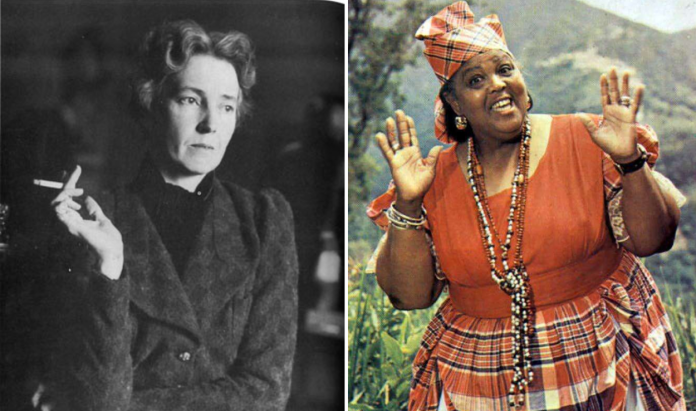
This Women’s History Month, we’re celebrating some fearless, game-changing Caribbean women who have made an indelible mark on history, culture, and society. Every day in March, we’ll spotlight one extraordinary woman—sharing her story, achievements, and lasting impact. From pioneers in politics and science to icons in the arts and activism, join us as we honor 31 trailblazing women in 31 days! Today, we’re taking a look at two champions of the arts from Jamaica, Edna Manley and Louise Bennett-Coverley.
Edna Manley is celebrated as the mother of Jamaican art, a pioneering sculptor, and a fierce advocate for Caribbean identity. Her work and influence helped shape modern Jamaican culture, making her one of the most important figures in the region’s artistic history.
Born in England in 1900 to a Jamaican mother and an English father, Manley moved to Jamaica in 1922 after marrying Norman Manley, who would later become the country’s first premier. She was instrumental in the development of the Jamaican art movement, using her sculptures and paintings to depict the struggles and spirit of the Caribbean people.
Manley’s most famous works include “Negro Aroused,” which symbolizes the awakening of Black consciousness in Jamaica, and “The Diggers,” which reflects the resilience of the working class. She helped found the Jamaica School of Art, now part of the Edna Manley College of the Visual and Performing Arts, which has nurtured generations of Caribbean artists.
Beyond her artistic contributions, Manley was an outspoken advocate for cultural development in Jamaica. She believed in the power of art to inspire social change and was deeply involved in fostering national pride through creative expression. During the 1930s and 1940s, her art reflected the rising independence movement, influencing the way Jamaicans saw themselves and their future.
Her work earned her numerous accolades, including Gold Musgrave Medal from the Institute of Jamaica for her outstanding contribution to art in 1943. She also received the Order of Merit (OM) by Jamaica in 1980, one of the nation’s highest honors. Even after her passing in 1987, her legacy continues through the institutions she helped build and the artists she inspired. Today, her impact can be seen in galleries, schools, and cultural spaces throughout the Caribbean.
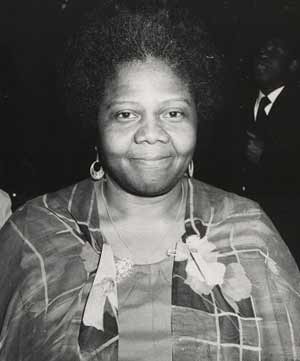
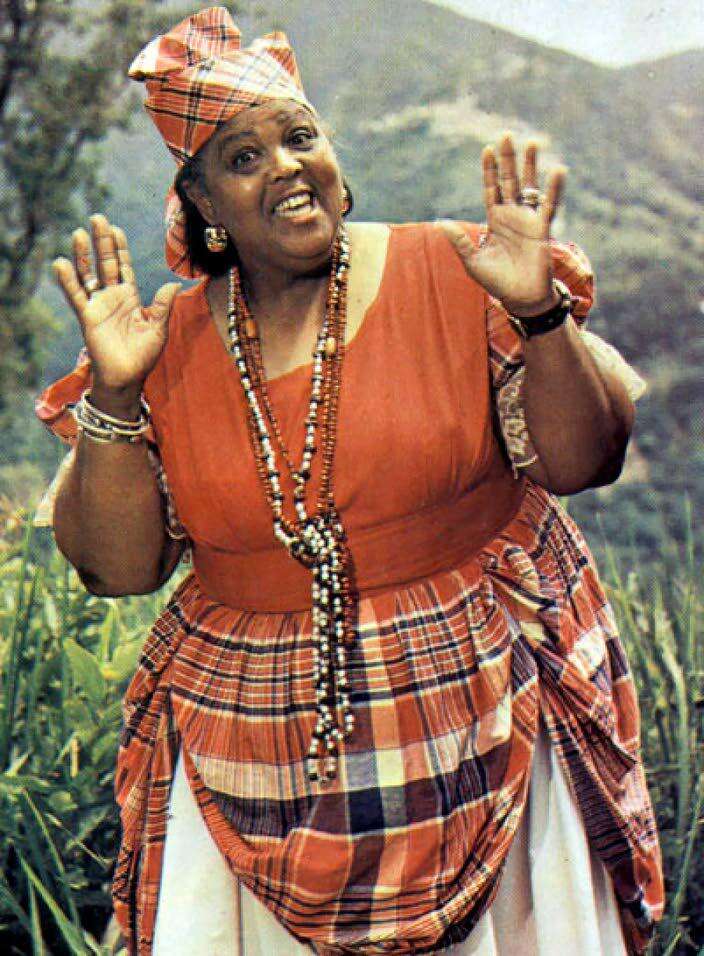
Louise Bennett-Coverley
Louise Bennett-Coverley, affectionately known as “Miss Lou,” was Jamaica’s most beloved folklorist, poet, and storyteller. She used humor, wisdom, and her deep love of language to elevate Jamaican Patois and make it a source of national pride. Through her work, she changed how Jamaicans saw their culture and how the world appreciated their unique voice.
Born in Kingston, Jamaica, in 1919, Miss Lou showed a passion for storytelling from a young age. She studied at the Royal Academy of Dramatic Art in London and later became a powerful voice in Caribbean literature. At a time when many looked down on the local dialect, she championed Patois in her poetry, performances, and radio programs.
Her most famous works include poetry collections like “Jamaica Labrish” and “Anancy and Miss Lou,” which captured the humor, struggles, and resilience of everyday Jamaicans. She hosted the long-running television show “Ring Ding,” where she encouraged children to embrace their cultural heritage through song, dance, and storytelling.
Beyond Jamaica, Miss Lou’s impact reached the wider Caribbean and beyond. She received numerous honors, including the Order of Merit by Queen Elizabeth II in 2001, and was named a Member of the Order of the British Empire (MBE). She also received the Norman Manley Award for Excellence and the Silver Musgrave Medal for her contribution to literature and the arts.
Miss Lou’s legacy lives on in the way Jamaicans speak, laugh, and celebrate their identity. Her influence can be seen in music, theater, and even modern-day reggae and dancehall lyrics.
On March 2, 2025, Zoe Saldaña cemented her place in history by becoming the first American of Dominican origin to win an Academy Award. The acclaimed actress, known for her roles in blockbuster franchises like Avatar, Guardians of the Galaxy, and Star Trek, took home the Oscar for Best Supporting Actress for the 2024 film Emilia Pérez, marking a groundbreaking achievement for Afro-Latinas in Hollywood.
Emilia Pérez is a 2024 musical crime drama directed by Jacques Audiard. The film follows Juan “Manitas” del Monte, a prominent Mexican cartel leader who, with the assistance of lawyer Rita Moro Castro (played by Zoë Saldaña), fakes his death and undergoes gender-affirming surgery to live as Emilia Pérez (portrayed by Karla Sofía Gascón). The narrative explores Emilia’s efforts to reconnect with her estranged family and atone for her past actions.
A Career Built on Talent and Versatility
Born in New Jersey to a Dominican father and Puerto Rican mother, Saldaña’s journey to Hollywood greatness has been one of dedication, versatility, and resilience. She first gained attention for her role in Center Stage (2000) before rising to international fame through sci-fi and action films. However, it was her powerful performance in the more dramatic role of Rita Moro Castro in Emilia Pérez—one that showcased her emotional depth and acting range—that earned her her first Oscar nomination and win in 2025.
A Win for Representation
Saldaña’s victory is more than just a personal achievement—it’s a milestone for Latinx and Afro-Caribbean representation in Hollywood. As the first American of Dominican descent to win an Oscar, she has shattered barriers and inspired future generations of diverse actors. During her acceptance speech, she honored her roots, saying, “My grandmother came to this country in 1961—I am a proud child of immigrant parents—with dreams and dignity and hard working hands, and I am the first American of Dominican origins to win an Academy Award, and I know I will not be the last.”
A New Era for Hollywood
Saldaña’s historic win reflects Hollywood’s gradual shift towards greater inclusivity. With more diverse stories and talent being recognized, her achievement paves the way for increased representation of Afro-Latinx and Caribbean actors in the industry. This is just the beginning of a new era in Hollywood.
This Women’s History Month, we’re celebrating some fearless, game-changing Caribbean women who have made an indelible mark on history, culture, and society. Every day in March, we’ll spotlight one extraordinary woman—sharing her story, achievements, and lasting impact. From pioneers in politics and science to icons in the arts and activism, join us as we honor 31 trailblazing women in 31 days! Today, some amazing women in politics.
The Remarkable Story of Dame Mary Eugenia Charles
Country of Origin: Dominica
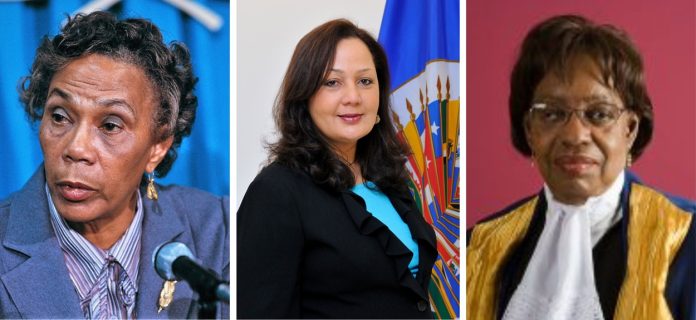
Dame Eugenia Charles was the first female prime minister of Dominica and the first woman to hold such a position in the English-speaking Caribbean. From 1980 to 1995, she led her country through difficult times, earning the nickname “Iron Lady of the Caribbean.”
Born in 1919 in Pointe Michel, Dominica, Eugenia Charles grew up in a family that valued education and hard work. Her father was a wealthy landowner, and she studied law at the University of Toronto and the London School of Economics. At a time when few women became lawyers, she broke barriers and became a voice for justice.
Charles entered politics because she wanted to fight corruption and protect democracy. In the 1970s, Dominica was struggling under a leader who was accused of being unfair and dishonest. Charles led protests that helped remove him from power. In 1980, she was elected Prime Minister in Dominica’s first free elections after independence.
As leader, Charles focused on fixing the economy and keeping her country stable. She helped bring in foreign aid and improve roads and services. In 1981, when a group of mercenaries tried to take over Dominica, she asked the U.S. for help and stopped the attack. She also worked closely with other Caribbean countries to strengthen the region.
Even though she was a powerful politician, Charles remained humble and dedicated to her people. She supported free speech and human rights. Her work was recognized with many honors, including the title Dame Commander of the Order of the British Empire (DBE).
Dame Eugenia Charles showed that women could lead and make a difference. Her story is one of courage and service. As we celebrate her life, we encourage you to read about other amazing Caribbean women in this series.
A Legacy in Law and Human Rights: Dr. Rose-Marie Belle Antoine
Country of Origin: Trinidad and Tobago
Dr. Rose-Marie Belle Antoine is a leading Caribbean lawyer, professor, and advocate for social justice. She has worked tirelessly to improve human rights, labor laws, and gender equality across the region. Born in Trinidad and Tobago, Dr. Antoine’s influence extends throughout the Caribbean, shaping policies that protect the rights of workers, women, and marginalized groups.
From an early age, Dr. Antoine was drawn to education and justice. She earned her law degree at The University of the West Indies (UWI) and went on to complete advanced studies at prestigious institutions, including Oxford University, where she was a Commonwealth Scholar. Her academic success opened doors for her to become a legal expert in international human rights and labor law.
Throughout her career, Dr. Antoine has served in various high-profile roles, including as a commissioner and later president of the Inter-American Commission on Human Rights. She has advised multiple Caribbean governments on critical legal matters, particularly in shaping laws on anti-discrimination, employment rights, and justice reform. Her work played a key role in drafting progressive labor laws that improved conditions for workers across the region.
One of her most notable contributions was her leadership in the groundbreaking Caribbean HIV/AIDS legal framework, which helped protect the rights of people living with HIV/AIDS. She also played a vital role in policy changes that secured stronger legal protections for women facing workplace discrimination and domestic violence.
Dr. Antoine’s contributions have been widely recognized. She has received numerous awards, including the Vice Chancellor’s Award for Excellence from UWI, and was appointed as the Dean of the Faculty of Law at UWI St. Augustine. Her impact on legal education and human rights continues to shape the future of Caribbean law and governance.
As we honor Dr. Rose-Marie Belle Antoine, we encourage you to explore the lives of other remarkable Caribbean women in this series. Share their stories and celebrate their achievements with others.
Pioneering Justice: Désirée Bernard
Country of Origin: Guyana
As the first female judge in Guyana and the first woman to be appointed to the Caribbean Court of Justice, Désirée Bernard has spent decades ensuring justice for all, especially women and marginalized communities. Her leadership has strengthened the legal systems of the Caribbean, setting a standard for future generations.
Born in 1939 in British Guiana (now Guyana), Bernard excelled in her studies, earning her law degree from the University of London. She became the first female judge in Guyana’s High Court and later served as Chancellor of the Judiciary, the highest judicial position in the country. Her appointment to such a prestigious role shattered barriers, proving that women could serve at the highest levels of the legal profession.
Throughout her career, Bernard championed women’s rights and social justice. She was instrumental in the formation of the Caribbean Association of Women Judges, an organization dedicated to increasing the presence of women in the legal system and advocating for gender-sensitive laws. She also played a crucial role in shaping policies that address domestic violence, child protection, and equal rights, influencing legal reform across the Caribbean.
Her influence extended beyond Guyana. As a judge on the Caribbean Court of Justice, she played a key role in shaping regional legal decisions, reinforcing the importance of fair legal practices. Her work also included advocating for human rights at an international level, with contributions to organizations such as the United Nations and the Commonwealth Secretariat.
Bernard’s remarkable career has been recognized with numerous honors, including the Order of Roraima, Guyana’s second-highest national award. Her contributions have paved the way for future generations of women in law, ensuring that justice remains an accessible and fair institution for all.
Désirée Bernard’s contributions to justice and equality continue to inspire. Her story reminds us of the power of determination and the importance of advocating for fairness. Explore the lives of other remarkable Caribbean women in this series and share their stories to celebrate their achievements.
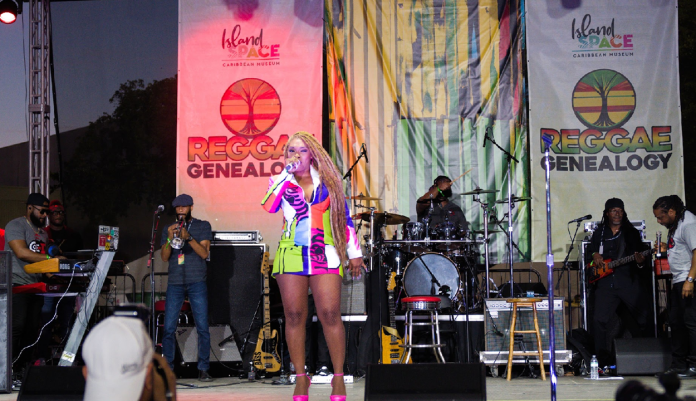
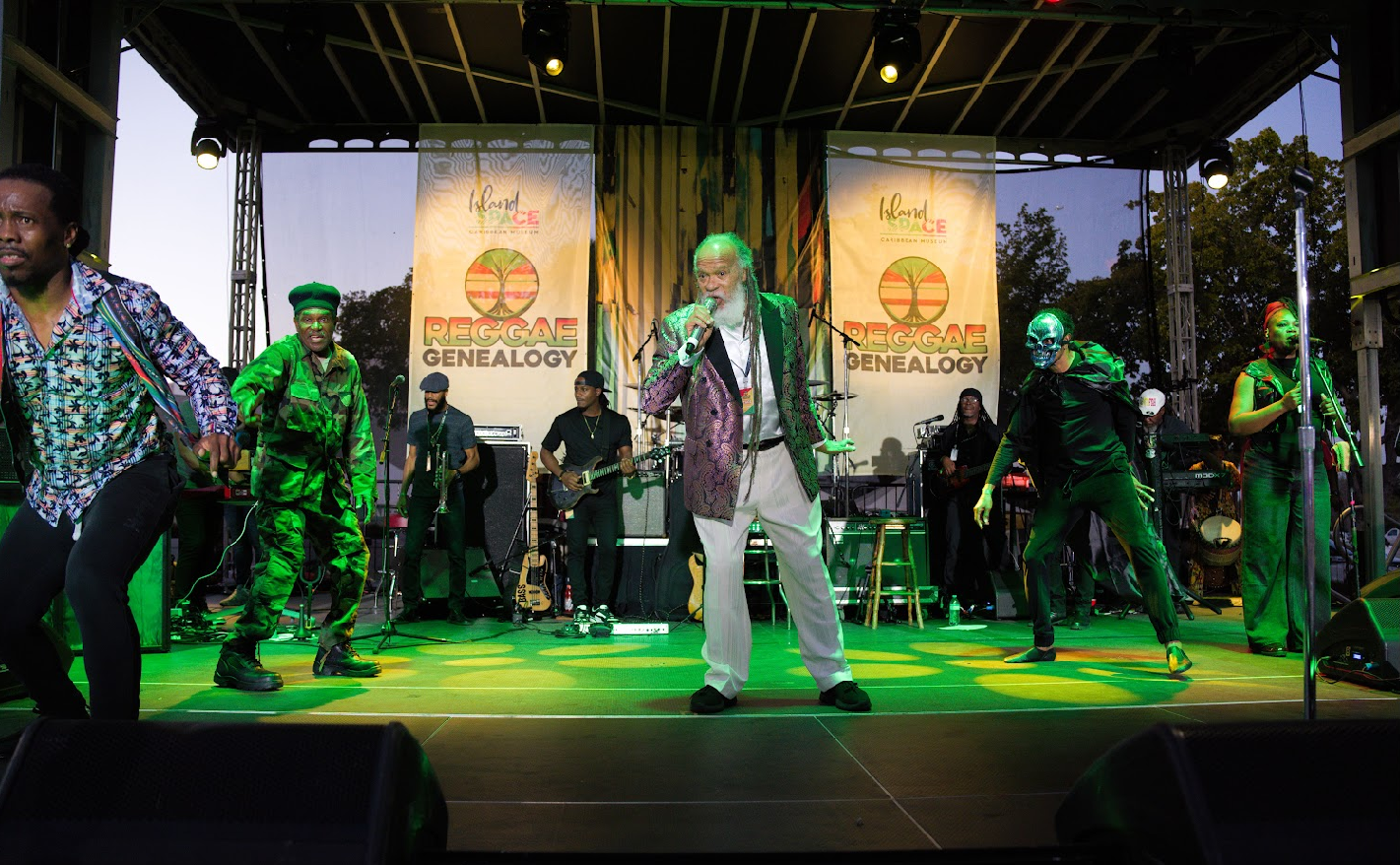
Penthouse / VP Records artist Shuga performs with Code Red Band. | Photo by RJ Deed
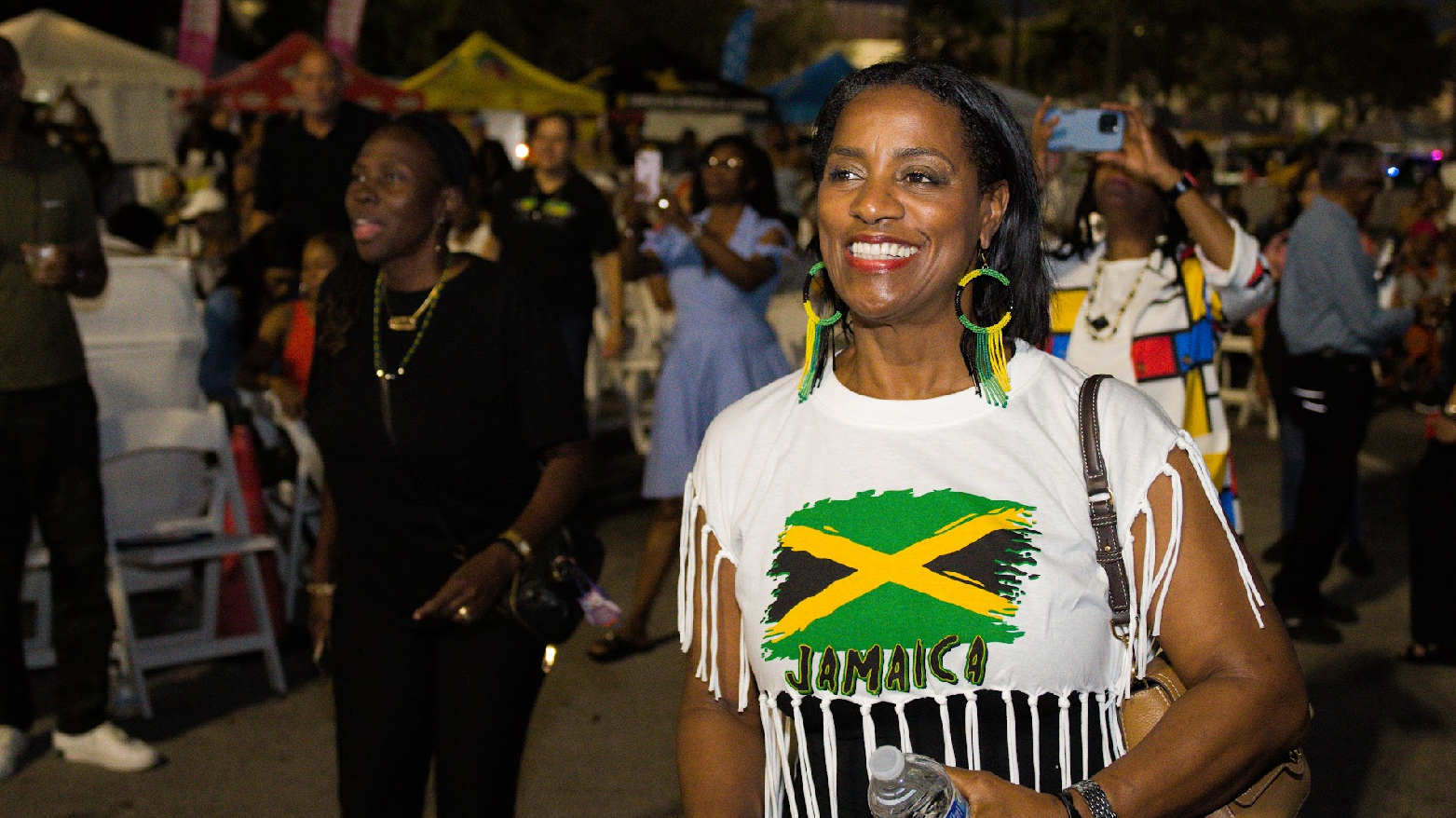
Plantation, FL – The vibrant sounds of reggae filled the air Sunday, February 2nd as Reggae Genealogy 2025 transformed Broward Mall’s northeast quarter into a living history of Jamaican music. From the soulful melodies of mento to the high-energy beats of dancehall, the festival took more than 1,200 music lovers on an unforgettable journey through reggae’s evolution. Attendees, proudly dressed in black, green, and gold, embraced the celebration of Caribbean culture, making it a night to remember.
“This was only our second year, but fans traveled from as far as Canada, California, and Texas to be here,” said Calibe Thompson, event producer and president of the board of directors at Island SPACE Caribbean Museum. “While we’re celebrating Jamaica’s musical history, the entire Caribbean showed up to enjoy the experience. It’s all possible thanks to key sponsors like Broward Cultural Division, City of Plantation, Grace Foods, Florida Power & Light Company, Visit Lauderdale, and the Community Foundation of Broward—and, of course, our phenomenal team and volunteers.”
A Musical Journey Through Time
The evening kicked off with a high-energy pre-show, hosted by Frank!e Red and featuring music by Bigg G alongside the South Plantation High School Marching Band. A pulsating djembe drum solo by Nany G set the stage for a night of cultural immersion.
Guided by narrator Jamaican Consul General Oliver Mair, audiences were taken through Jamaica’s rich musical history, brought to life by Bobby Rose and the Code Red Band. The band provided a seamless soundtrack as different eras of reggae unfolded on stage, accompanied by the dynamic Carimer Dancers. From mento and nyabinghi to ska, rocksteady, and lovers rock, each style was honored through captivating performances.
Mento legend Ernie Smith mesmerized the crowd with hits like Duppy or a Gunman, Nice Time, and Play Di Music, paving the way for a high-energy ska segment featuring Shuga’s rendition of My Boy Lollipop. The rocksteady era shined with Shuga and Ambelique, who delivered a soulful tribute to Ken Boothe’s greatest hits.
Ernie Smith and Carimer Theater Company dramatize Duppy or Gunman. | Photo by RJ Deed
As the festival moved into classic reggae, Wayne Armond delivered electrifying renditions of Chalice’s Good To Be There and Revival Time, followed by powerhouse performances from Phil Watkis and Chino McGregor. One of the most poignant moments of the evening came with a tribute to the legendary Toots Hibbert, led by Nathaniel “Jerry” Mathias of Toots and the Maytals, alongside oBessa, performing Pomp and Pride and Bam Bam to roaring applause.
The second half of the show, narrated by G Cole, spotlighted reggae’s evolution into contemporary styles. A fusion of dub, dancehall, reggaeton, pop, and Afrobeats took over as DJs GQ, Mekka Don, and Walshy Fire spun crowd favorites, with the TM Pride Productions dance group igniting the stage.
Honoring the Icons of Reggae
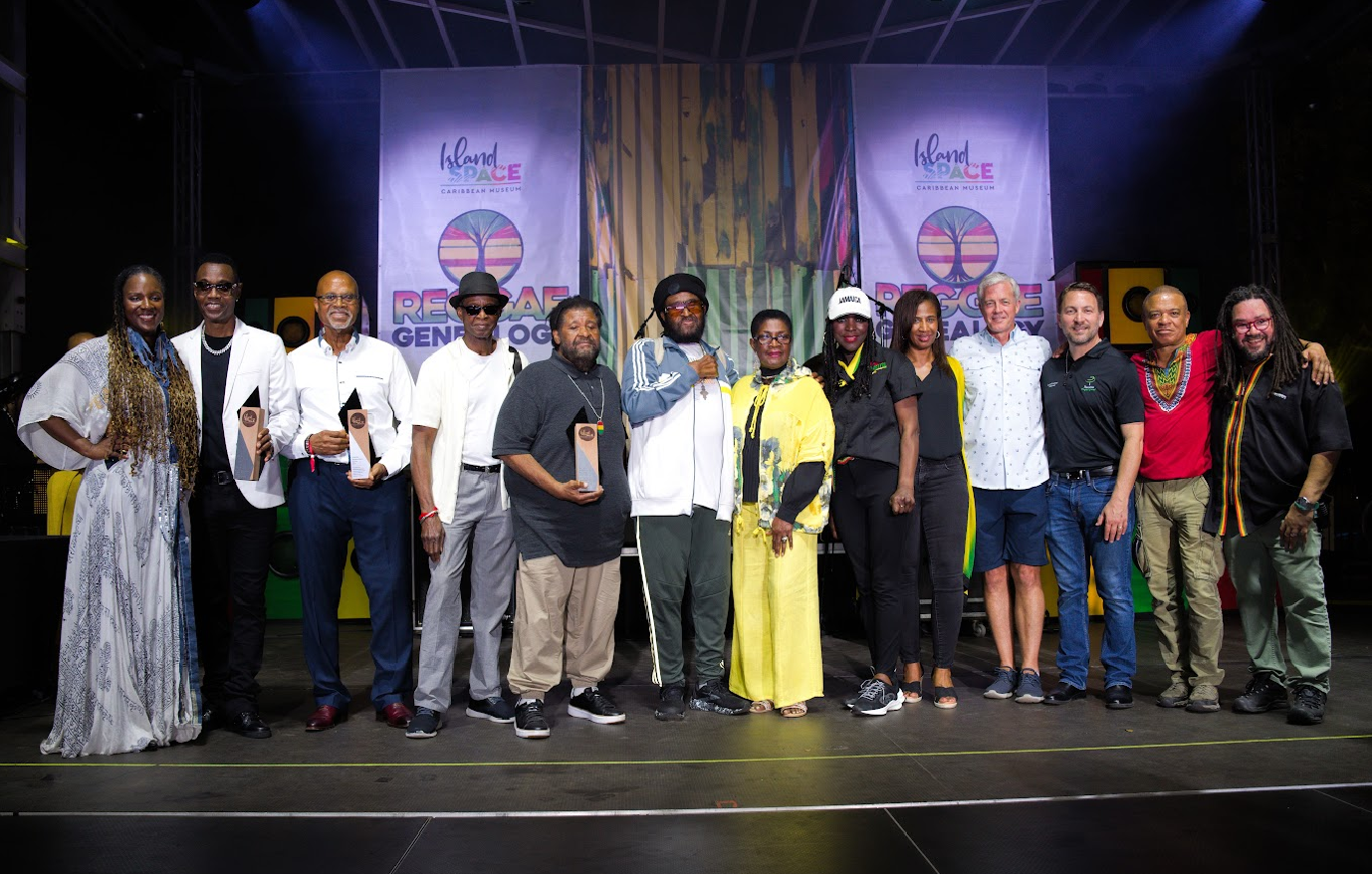
A highlight of the evening was the Lifetime Achievement Awards, presented by Island SPACE Caribbean Museum co-founders Calibe Thompson and David I. Muir, alongside County Commissioners Alexandra P. Davis and Hazelle P. Rogers, and City of Plantation officials Jennifer Andreu-Tucker, Louis Reinstein, Erik Anderson and Glendon Hall. Honorees included Donovan Germain, Wayne Wonder, and the legendary “Bad Boys of Reggae,” Inner Circle, who also received the keys to the City of Plantation and Broward County.
“As I stand here tonight, I’m at a loss for words,” said Donovan Germain. “It’s been 53 years in this industry. And I must say how gratifying it is to be honored in the same night as Wayne Wonder, who was the first artist signed to Penthouse Records.”
Wayne Wonder shared his gratitude, saying, “I’m humbled to receive this honor and the keys to Plantation and Broward County.”
Ian Lewis of Inner Circle added, “We feel good because we are seeing the Jamaican diaspora in its entirety. Out of many, we are one.”
Island SPACE co-founders, Lifetime Achievement Award honorees, Broward County Commissioners and Plantation City Councilmembers on stage at the conclusion of the Reggae Genealogy event. | Photo by RJ Deed
A Festival for the Community
Beyond the music, festival-goers explored the Caribbean Marketplace, engaging with sponsors like Broward Mall, Visit Lauderdale, Florida Power & Light Company, Only the Best Printing, and the Jamaica Tourist Board. Attendees indulged in delicious Caribbean flavors, courtesy of Grace Foods, Mabi Tea and a variety of food court vendors, while shopping from artisans.
One of more than 1,200 attendees enjoying the show. | Photo by RJ Deed
With thousands singing, dancing, and celebrating reggae’s rich history, the second annual Reggae Genealogy was an undeniable success. The overwhelming response has sparked calls to make the festival a permanent fixture on South Florida’s cultural calendar. County Commissioner Hazelle Rogers even publicly advocated for Island SPACE Caribbean Museum to establish a permanent home in the near future.
As the final notes echoed through the night, one thing was clear—Reggae Genealogy is more than just a festival; it’s a celebration of Caribbean culture, history, and music that will continue for generations to come.
About Reggae Genealogy
Reggae Genealogy is a cultural music festival dedicated to exploring the rich history of Jamaican music. From its earliest roots to contemporary influences, the festival highlights the evolution of reggae through live performances, storytelling, and immersive cultural experiences.
Reggae Genealogy is presented in partnership with Broward Mall and the City of Plantation, powered by Florida Power & Light Company (FPL) and made possible in part by the support of the Broward County Cultural Division, Grace Tropical Rhythms, the Institute of Museum and Library Services, Visit Lauderdale, Only the Best Printing, the Jamaica Tourist Board, Mabi Artisanal Tea, and the following funds at the Community Foundation of Broward: Judith Cornfeld Fund for the Arts, Helen and Frank Stoykov Charitable Endowment Fund and The Frederick A. DeLuca Foundation Broward Community Fund.
About Island SPACE
Island Society for the Promotion of Artistic and Cultural Education (Island SPACE) is a 501(c)(3) nonprofit organization dedicated to the advancement of arts, culture, history, and educational initiatives that represent the Caribbean region, in South Florida and the broader diaspora. The public is invited to visit the Caribbean museum Thursdays through Saturdays from 11:00 a.m. through 7:00 p.m. and Sundays from 11:00 a.m. to 6:00 p.m. General museum entry is $15 per adult and $7 per child. Visit www.islandspacefl.org to learn more.
Sports fans, the moment is here! The Kansas City Chiefs are making their return to the Super Bowl, facing off against the Philadelphia Eagles as they chase an electrifying three-peat championship. Among the players to watch are two Caribbean-American standouts—Chiefs running back Isiah Pacheco and Eagles safety Lewis Cine.
In the 2024 NFL season, Kansas City Chiefs running back Isiah Pacheco faced significant challenges due to injuries. The Puerto Rican star only appeared in seven games and recorded 83 carries for 310 yards, averaging 3.7 yards per carry, with one touchdown.
Pacheco’s season was notably impacted by a fractured fibula sustained in Week 2, which sidelined him for a substantial portion of the season. Upon his return in Week 13, he contributed to the Chiefs’ offense but was eventually ruled out for the regular-season finale against the Denver Broncos due to a rib injury. Head coach Andy Reid indicated that this decision was precautionary, aiming to have Pacheco healthy for the playoffs.
Despite his limited participation during the regular season, Pacheco’s presence in the playoffs was anticipated to bolster the Chiefs’ running game as they pursued another Super Bowl appearance. He is expected to be a major offensive player to watch on Sunday.
On the opposite side of the turf is safety Lewis Cine. In the 2024 NFL season, safety Cine’s journey was marked by transitions and limited on-field contributions. Initially part of the Buffalo Bills’ practice squad, Cine was elevated for Weeks 14 and 17 but did not record any statistics during those games. On January 8, 2025, the Philadelphia Eagles signed him to their active roster from the Bills’ practice squad.
Though he hasn’t yet seen game action with Philadelphia, his presence on the active roster adds depth to the team’s safety position.
While Cine’s contributions may be more behind the scenes, his journey from Haiti to the NFL’s biggest stage is a testament to his determination. Whether or not he takes the field on Sunday, his Super Bowl experience marks a milestone in his career.
As the Chiefs and Eagles battle for the Lombardi Trophy, Pacheco and Cine will be representing their Caribbean roots under the brightest lights. Will Pacheco’s power running help fuel a Chiefs dynasty? Or will Cine’s Eagles rise to the occasion?
We’ll be watching closely as these two Caribbean-Americans take part in Super Bowl LIX this Sunday!