Home Blog Page 27

Manifest Your Best Year Yet: A Guide to Setting Intentions and Goals

0

As the year comes to a close, it’s the ideal time to reflect on the past and set your sights on the future. Setting intentions and goals can provide you with a roadmap for the coming year, helping you cultivate a positive mindset and a clear vision for what you want heading into the future. Here’s a step-by-step guide to help you kickstart the new year with purpose and intention.

Reflect on the Past Year

Take a moment to look back on and document the highs and lows of the past year. Write it down: What were your achievements? What challenges did you face? What lessons did you learn? Reflecting on your experiences will give you valuable insights into what truly matters to you and what you want to prioritize in the coming year. Were you the best version of yourself this year? If not, what can you do to proactively change that for the better? Analyzing your personal development over the past year can also give you insight into what you need to work on for self-growth. 

Manifest Your Best Year Ever

Identify Your Core Values

Consider the top three to five values that are most important to you and focus on them for the coming months. Are you seeking more balance, growth or connection? Your core values serve as a compass for setting intentions that align with your authentic self, and once you know and understand these, it can make forming impactful relationships with others that much easier.

Craft Your Intentions

Intentions are the guiding principles that shape your actions and mindset. Instead of rigid resolutions, create broad, positive statements that capture the essence of what you want to manifest in the new year. For example, “embrace change,” “nurture self-love,” or, simply, “be present.” Try not to focus on stereotypical resolutions like “lose 10-lbs” that can have negative thoughts associated with them, not to mention disappointment if they are not achieved. Instead, go for something like “enjoy movement,” which can still get you to your goal without being intimidating. 

Break Down Intentions into Goals

It’s important to turn your intentions into actionable goals, so before the clock strikes midnight on December 31st, take some time to break down each goal into specific, measurable and achievable steps. If your overall intention is to “practice more gratitude,” a corresponding goal might be to keep a daily gratitude journal or express appreciation to someone in your life at least once a week. 

Prioritize Well-being

Whether it’s physical, mental or emotional well-being, set specific objectives that align with your intention to prioritize self-care. This could include broad ideas like incorporating mindfulness practices, exercise routines and healthy eating habits into your daily life. Or, it could include something more specific, like saying no to plans when you feel mentally drained.

Manifest Your Best Year Ever

Prepare for Success 

Take small, preparatory steps toward each goal. Put the journal on your nightstand so you see it right before bedtime as a reminder to write your gratitude notes. If more movement is your goal, set your workout shoes beside your bed and put them on first thing in the morning. These small steps lead to bigger ones.

Embrace Learning, Growth and Change

Cultivate a growth mindset by setting goals that challenge you and contribute to your personal and professional development. Whether it’s learning a new skill, pursuing further education, taking on a new project or going after that new career path you’ve been thinking about, embracing growth and change keeps you motivated, engaged and enjoying the thrill of life! 

Deepen Relationships

If one of your intentions is to strengthen connections with loved ones, set goals that foster meaningful relationships. Plan regular gatherings, schedule quality time or initiate open and honest conversations. Alternatively, you might find that some friendships no longer spark joy. Remember, building strong connections is just as important as moving on from the ones that no longer fit your life and make you happy. 

Manifest Your Best Year Ever

Create a Vision Board

Bring your intentions and goals to life by creating a vision board. Gather images, quotes and symbols that represent your aspirations to serve as a powerful daily reminder of your objectives, keeping you focused on the bigger picture. Make sure you post it somewhere you’ll see it regularly as a daily reminder. Pro tip: gather some friends and make this a fun activity to do together! You might just be inspired to add a few more aspirations to your own list based on what your friends bring to the table.

As you step into the new year armed with your intentions and goals, remember that flexibility is key. Life is full of surprises, and your goals may evolve along the way. Stay open-minded, celebrate your successes and learn from the challenges. By setting positive intentions and clear goals, you’re not just planning for a new year but creating a roadmap for a more intentional, purposeful life. Cheers to a remarkable year ahead!

4 Top Tips for Marketing Your Business in the Caribbean

0

The Caribbean has proven to be an excellent place for businesses to grow and thrive. According to recent business trends, small establishments are dominating today’s market, contributing to an estimated 40% of the region’s GDP. E-commerce and entrepreneurial innovation have also pushed many organizations to flourish.

But with this saturated market, savvy business owners see the need for marketing strategies that set them apart. This allows companies to reach their full potential in terms of finding the right audiences and creating a lasting brand.

The use of seasoned professionals can be a big plus. Case in point: A capable marketing manager has a vast understanding of industry techniques and emerging trends. They take charge of brainstorming ideas for new campaigns, lead market research efforts and infuse their work with creative and innovative concepts. They also have the necessary analytical skills to implement effective strategies and can ensure consistency at every step when reaching an audience in the Caribbean. With that in mind, it’s clear that building a business in this region needs meticulous thought and planning, with strong leaders at the helm.

These are just a few tips on how your business can effectively approach the market:

Opt for digital strategies

Digital marketing has taken the world by storm, particularly in the past few years. More and more people are realizing how beneficial it can be to aid business growth and maximize brand reach. One study on effective digital marketing strategies found that small businesses in the Caribbean that utilized online platforms were able to keep their organization competitive for a decade. Using websites like Twitter, Instagram and Facebook can help bring more awareness to your brand, bringing in more customers. By having a consistent presence on social media platforms — perhaps with support from a talented social media manager — you are already implementing a digital marketing strategy.

Use local languages

Many languages are found in the Caribbean – Haitian Creole, Dutch and French are just a few. When marketing to a multicultural audience, using local vernacular can boost communication, helping you appeal to the people living in the region you are marketing to. Don’t be afraid to integrate local slang or colloquial language into your marketing strategies; you can even diversify your marketing team and hire staff who are skilled communicators across these languages. You can do this for print copies, social media captions, online ads and commercial scripts. Using local languages can help the diaspora connect better with your business.

Try out influencer marketing

Building trust is a great marketing tool for developing brand loyalty. While creating a business that provides quality service and products is the primary way of doing so, hiring influencers can also aid in this. Content creators who form consistent relationships with their followers are viewed as credible and authentic – useful if you plan to implement paid sponsorships. Working with influencers related to your business’ niche allows you to build better brand awareness at more accessible rates compared to expensive ad campaigns. Some of our picks for the Caribbean’s top content creators include Myriam Ocasio, Jeanmeil Nestor and Peter Thomas, who draw from their island roots to tell compelling stories that enrich their audiences’ lives.

Remember the power of tourists

While appealing to locals should be at the forefront when marketing in the Caribbean, it is still important to remember that attracting tourist attention can also be a good thing. Statistics on the tourism industry show that visitors contribute to a majority of GDP in the region — over 70% in the cases of St. Lucia and the Bahamas, for example.

One way to market to tourists is by placing ads in spaces they frequently visit like airports, hotels and popular attractions; you can even coordinate with local tourism offices to find any potential opportunities for collaboration. Another method is to have advertisements in both English and the local languages. This way, you won’t alienate your target audience while appealing to a broader consumer base.

Marketing in the Caribbean is undoubtedly achievable. What is essential is to understand the market on a deeper level. By ensuring you are building brand awareness and trust through different marketing strategies, consumer loyalty will surely follow and help your enterprise flourish.

Building Dreams in Haiti: Virtual Campaign Will Help Restore a School Damaged in 2021 Earthquake

0
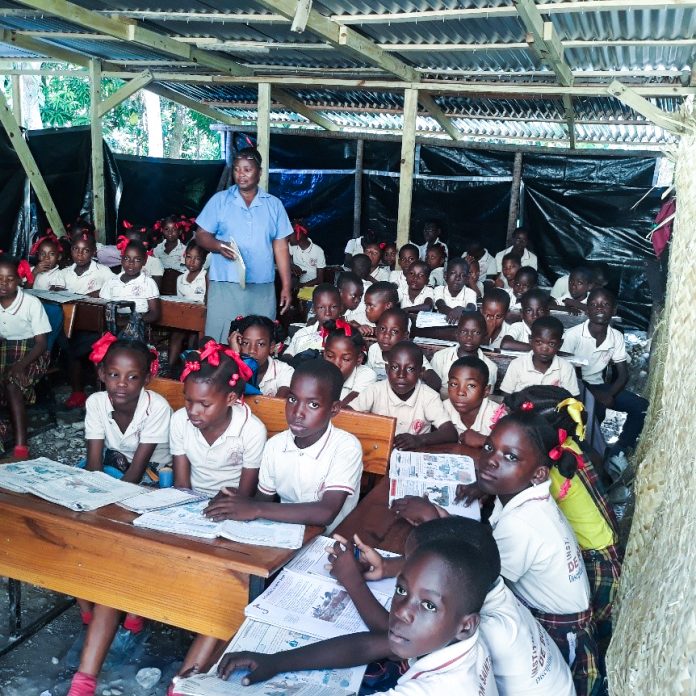
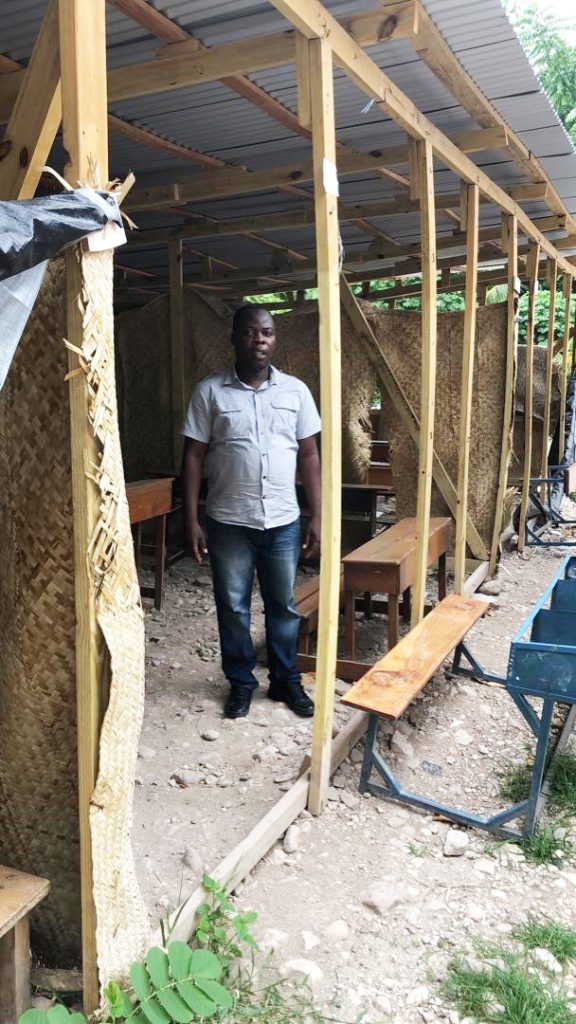
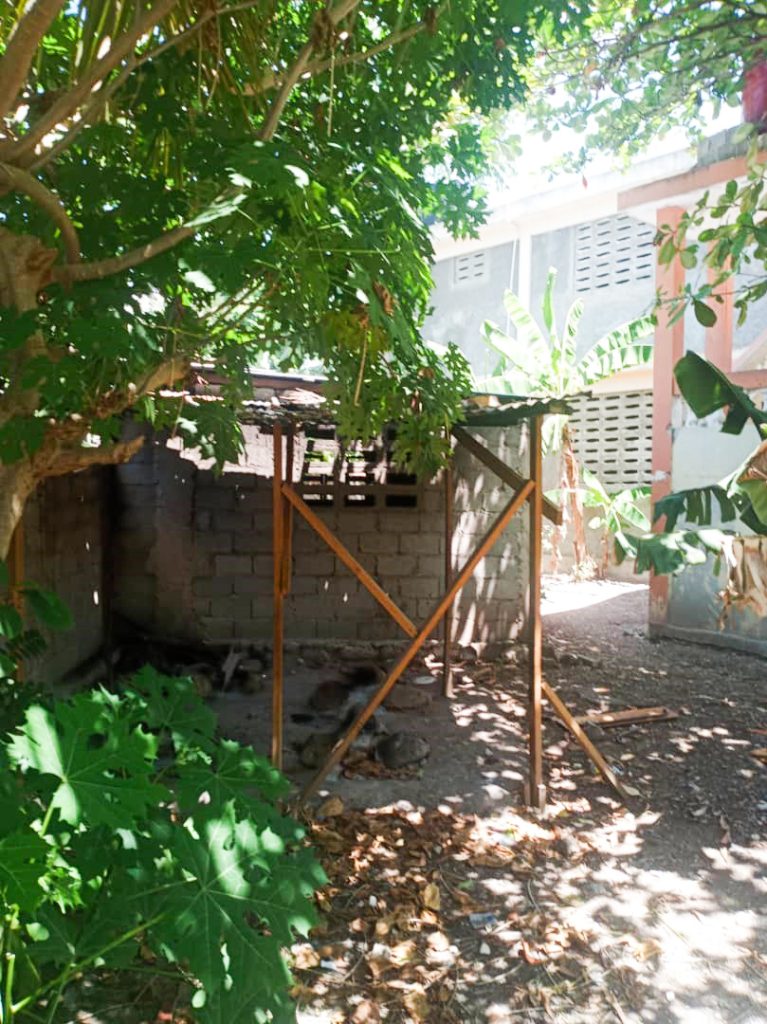
Food For The Poor’s Building Dreams virtual campaign, starting on Monday, Dec. 11, will raise funds to restore Institution Sainte Therese de Boileau, a school in southern Haiti that is still struggling to recover from damage sustained during the 2021 earthquake. Since the quake, students have crowded into flimsy, makeshift structures built adjacent to the damaged school compound. Photo/Food For The Poor

COCONUT CREEK, Fla. (Dec. 11, 2023) – In the two years since a 7.2-magnitude earthquake struck Haiti, the Institution Sainte Therese de Boileau, a school in southern Haiti, still struggles to recover from damage sustained during the quake.

With the help of Fr. Medard Laz, retired pastor of Holy Family Parish in Inverness, Ill., generous Food For The Poor (FFTP) donors will help rebuild the school and create an environment where students can focus on learning.

On Monday, Dec. 11, FFTP began its annual Building Dreams virtual campaign to rebuild the school in the second of a three-phase construction project. The project will impact 602 school students, teachers, and staff and an anticipated enrollment of up to 850 students.

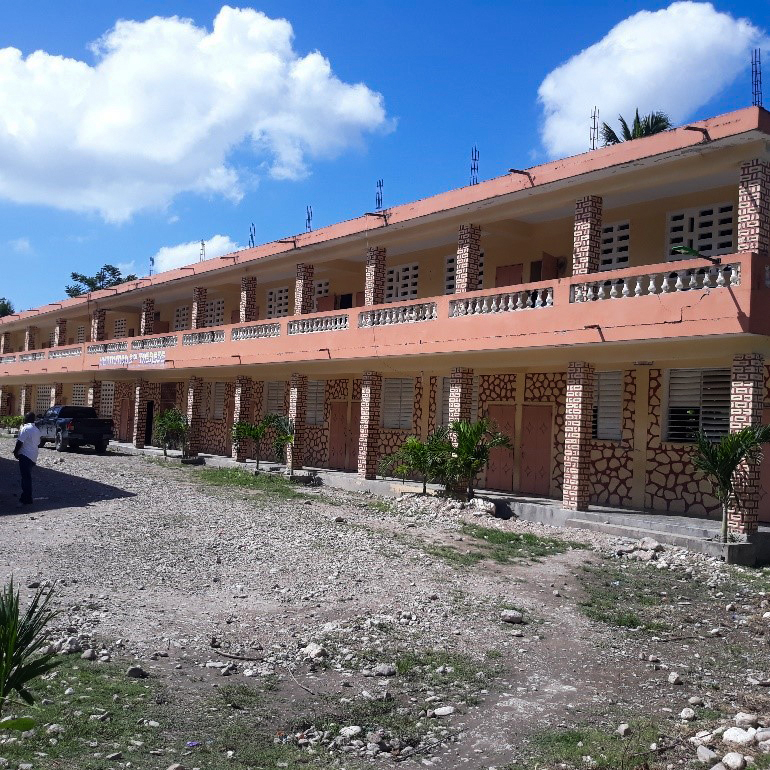
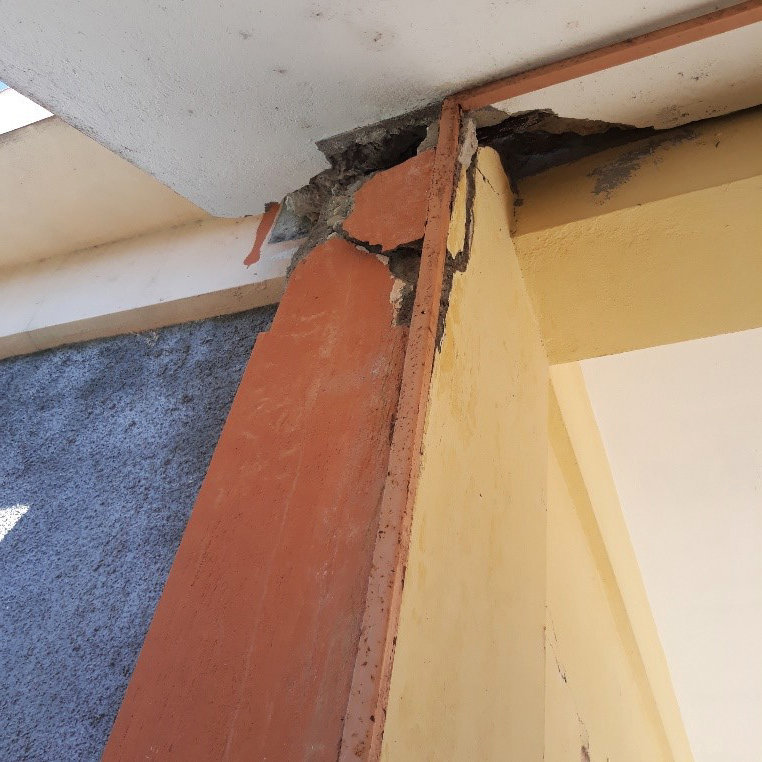
Located in the southern department of Haiti within the commune of Cavaillon, Boileau was one of the areas most affected by the 2021 earthquake, leaving hazardous conditions that create safety risks for area residents. The quake left the Institution Sainte Therese de Boileau severely damaged, with major structural cracks that require repair or demolition.

“The school is in terrible, terrible shape,” Fr. Laz said. “The people are so very poor, and they make so little money. This project gives us an opportunity to help the students have consistent access to their school, get an education and have a better opportunity to succeed in life.”

Classes are held in overcrowded temporary shelters near buildings within the same compound that the earthquake rendered structurally unsafe. With no cafeteria, school administrators use an improvised outdoor cooking space to prepare lunch, ensuring that students receive at least one hot meal a day.

“Originally, the school was built in 1994 out of straw. Then, we received a donation and built the building we were using until now,” explained Fr. Descarde Christelhomme, the priest at the Sainte Therese Parish and a school administrator. “The August 2021 earthquake, unfortunately, damaged it and put us in a tough situation today. It would be a blessing for all of us to find a solution and get our school back on its feet because whenever it rains, there is no possibility of having classes.”

FFTP is partnering with St. Philip The Apostle Church in Highland Village, Texas, to provide a safe and enriching learning environment for students at the Institution Sainte Therese de Boileau. The Building Dreams campaign will provide enough funding to build two classroom blocks with a total of five classrooms and 10 chalkboards, a fully equipped playground, and a kitchen with a cafeteria that includes a 1,065-square-foot covered outdoor sitting area that will accommodate 64 people.

The campaign also covers the cost of an administrative block with a computer lab/library, office space and a small bathroom, additional masonry work, and transportation.

Boileau is home to 30,000 residents who earn less than a dollar a day and live on one meal daily. They reside in homes made of metal sheets and mud that offer little protection from the elements, insects, and rodents, exposing them to illnesses and diseases.

“In addition to the community’s continued effort to recover from the 2021 earthquake, Haiti is in an ongoing struggle to overcome extreme poverty, gang violence, and political instability,” FFTP President/CEO Ed Raine said. “Rebuilding this school will provide a safe environment where students can learn and ultimately build a better life for themselves and their families. We are so grateful to Fr. Laz and the people of his parish for their continued support and commitment to Haiti and its citizens.”

For the past 18 years, Fr. Laz, founding pastor of Holy Family Parish, has helped to fund numerous projects in Haiti through FFTP. Past fundraisers took place in person in suburban Chicago until the COVID-19 pandemic. Like the last three years, this year’s event will be virtual, and the goal remains the same – to bring help and a sense of hope to those in desperate need.

“Many charitable organizations have left Haiti because the conditions are so challenging,” Fr. Laz said. “I feel that Food For The Poor is there to stay, in the sense of doing their best to work around the problems and the violence, and I give them so much credit. They are not abandoning Haiti, and we’re so grateful.”

To learn more about the Building Dreams virtual fundraising campaign and to make a donation in support of Institution Sainte Therese de Boileau, please visit foodforthepoor.org/buildingdreams.

Food For The Poor, one of the largest international relief and development organizations in the nation, does much more than feed millions of hungry children and families living in poverty primarily in 17 countries of Latin America and the Caribbean. This interdenominational Christian ministry provides emergency relief assistance, water, medicine, educational materials, homes, support for vulnerable children, care for the aged, skills training and micro-enterprise development assistance. For more information, please visit foodforthepoor.org.

Celebrating Caribbean Independence: 10 Countries’ Journey To Nationhood

0
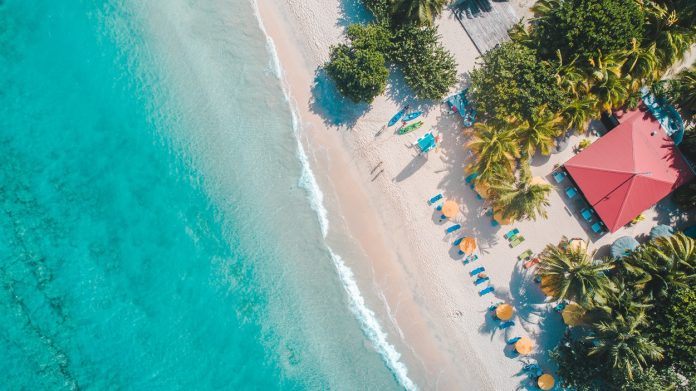
Photo: Travel Belize (travelbelize.org)

The islands and mainland nations of the Caribbean each have a unique story of gaining independence from colonial rule. While some waged relentless battles for freedom, as exemplified by the 13-year struggle of Haitian soldiers during the Haitian Revolution, many peacefully negotiated their liberation from British, Spanish, or French dominance through treaties, acts, coalitions or elections. Some even still retain colonial ties as territories or members of the Commonwealth, but the ones in our story proudly hoist their own national flags.

Here are ten English-speaking countries that achieved peaceful Caribbean independence and how they celebrate annually with festive traditions.

Jamaica (August 6, 1962): The Birth of Reggae Nation

As one of the largest former British colonies, Jamaica marked the end of a long history of colonial dominance in 1962 as the Union Jack was lowered and Jamaica’s new flag was raised. Each year the island celebrates its independence with parades, cultural festivals, music and, of course, great food. 

Celebrating Caribbean Independence: 10 Countries’ Journey To Nationhood

While Independence Day is on August 6, the week leading up is packed with activities to celebrate from Emancipation Day (the day slavery was abolished across the British colonies) on the 1st. The most iconic celebration in the capital city is put on by the government and called “Festival,” composed of an annual flag raising ceremony, dance competitions in traditional bandana and madras for Mello-Go-Roun’, a song competition and a Festival Queen Competition. Attendees are encouraged to dress in black, green and gold, the colors of the flag. 

A Grand Gala is also held during the week, with performers, folk costumes, parade floats and music. 

Trinidad and Tobago (August 31, 1962): Steel Drums and Carnival

Following closely behind Jamaica, Trinidad and Tobago celebrated their first Independence Day with a week-long extravaganza from August 28 to September 05 in 1962. The momentous occasion, graced by international dignitaries, including the reading of Queen Elizabeth II’s message relinquishing governance by her younger sister Princess Maragret, marked the official transition from colonial rule. 

Each year, independence festivities showcase Trinidad and Tobago’s rich culture, featuring steel drum bands, Carnival parades and spirited calypso music. The heart of the celebration unfolds at Queen’s Park Savannah, the oldest recreational area in the West Indies, where the largest parade, accompanied by lively calypso tunes and military marches, creates a carnival-like atmosphere embraced by proud Trinidadians. Traditional food is typically served all week long, including pelau, callaloo and curried crab.

Guyana (May 26, 1966): The Land of Many Waters

Guyana’s Independence Day pays tribute to its diverse ethnic backgrounds, including East Indian, African, Amerindian and European influences. Celebrations include cultural performances, traditional cuisine and more. 

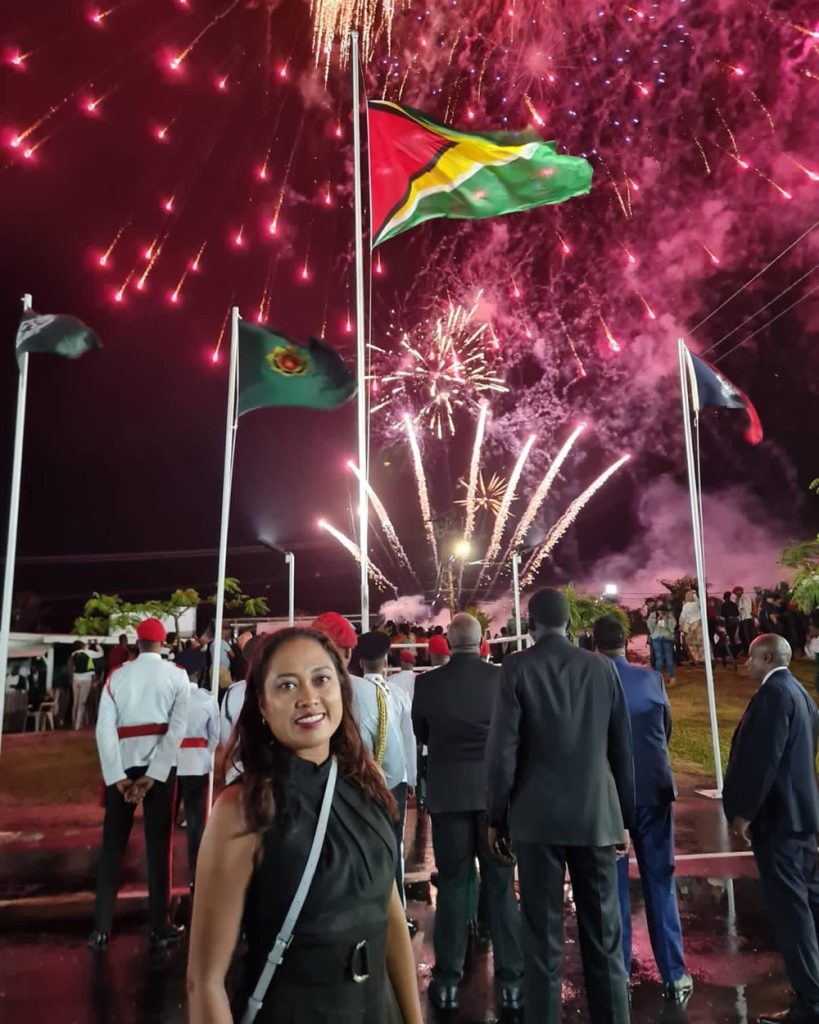
Cultural activities include mass displays of dances set to patriotic and national music, performed by the spirited youth of Guyana, religious groups, choirs and steel bands. Parades with large floats and people in traditional costume are also a common sight. Then, ceremonial activities encompass a joint military band exhibition, military parade, announcement of National Awards, speeches from important government and community members and other performances. A presidential address precedes the hoisting of the Golden Arrowhead, followed by a fireworks display orchestrated by the Guyana Defence Force. 

Barbados (November 30, 1966): The Gem of the Caribbean

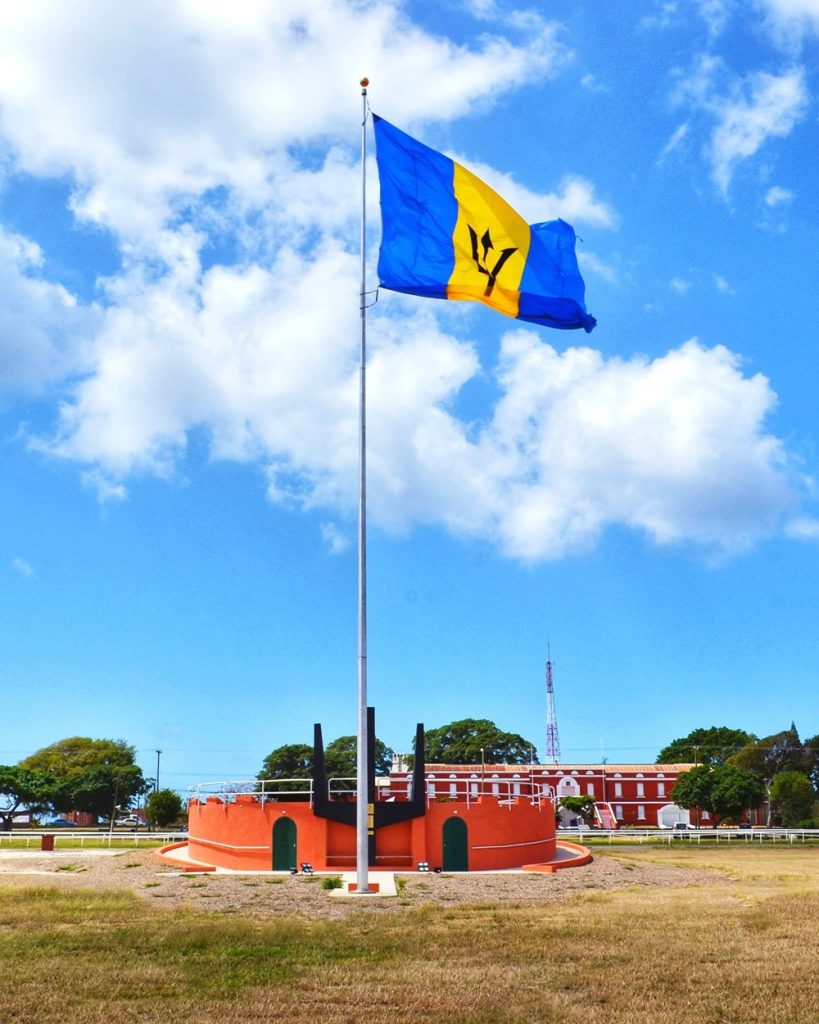
After 300 years of colonial rule, Barbados commemorated its independence with a grand ceremony that raised their triband flag, an inaugural rendition of the national anthem and a parade showcasing their military might in 1966. Celebrations since have been just as impressive, with the centerpiece being a grand parade at Garrison Savannah, featuring the participation of various entities like the Barbados Defence Force and Barbados Regiment. During this time the island is also illuminated with blue and yellow lights on Parliament, Independence Square and public buildings in Bridgetown, mirroring the national flag’s colors. 

Spanning the entire month of November, independence festivities also include sports competitions, fairs, community events and religious services. The National Independence Festival of Creative Arts (NIFCA) stands out, showcasing the diverse artistic talents of Barbadians in music, singing, dance, drama, writing, fine art, photography and arts and crafts. 

The Bahamas (July 10, 1973): Island Paradise

Independence Day in The Bahamas is a sun-soaked beach celebration. Bahamians proudly fly their national flag and tourists are welcomed to join in the festivities, creating a unique blend of cultures. Junkanoo parades, with colorful costumes and vibrant music, take over the streets, filling the island with the lively sounds of cowbells and goat-skinned drums.

Annual festivities include a dynamic street festival featuring live chef demonstrations, local artisans, diverse food offerings and performances by bands, dancers and artists, all showcasing the rich talent and entertainment of Bahamian culture. A nod to history has been made with a national float parade, reminiscent of the first Independence Day celebrations.

Grenada (February 7, 1974): Spice of the Caribbean

Grenada’s Independence Day is a celebration steeped in the island’s spice culture. The air is filled with the enticing scents of eats and treats made with nutmeg and cinnamon, spices that adorn the national flag, enhancing the atmosphere of parades and cultural events. Across various cities, colorful parades and official ceremonies mark the day, inviting people to dress up, gather with loved ones and reflect on the nation’s journey to sovereignty. 

In the capital city of St. George’s, a parade fills up the streets with traditional music and dance, accompanied by cultural displays. Throughout Grenada, communities establish cultural villages showcasing the island’s rich heritage through traditional dance and crafts, while the day is also celebrated with delicious local cuisine and a breathtaking evening fireworks display.

Saint Lucia (February 22, 1979): Home of the Twin Pitons

The picturesque island of Saint Lucia’s independence day embraces its French and British heritage with a blend of culture and celebration. The day includes parades, cultural performances and a national flag-raising ceremony in the capital, Castries.

The official Raising of the Flag takes place on the night of February 21, leading up to a spectacular midnight fireworks display on February 22. In the community, Independence Day is marked by church services, rugby competitions, table tennis and netball matches with friends. There is also an annual Independence Baton Relay which stands as a symbolic representation of the nation’s collective journey towards progress, emphasizing unity and progress step by step.

Belize (September 21, 1981): The Heart of the Mayan World

Following diplomatic negotiations that ended Belize’s nearly 120 years of colonial rule, Independence Day now merges Mayan heritage with Caribbean spirit. Festivities include elements such as fireworks displays, local parades, ancient dances, cultural exhibitions and a grand flag-raising ceremony in the capital, Belmopan. 

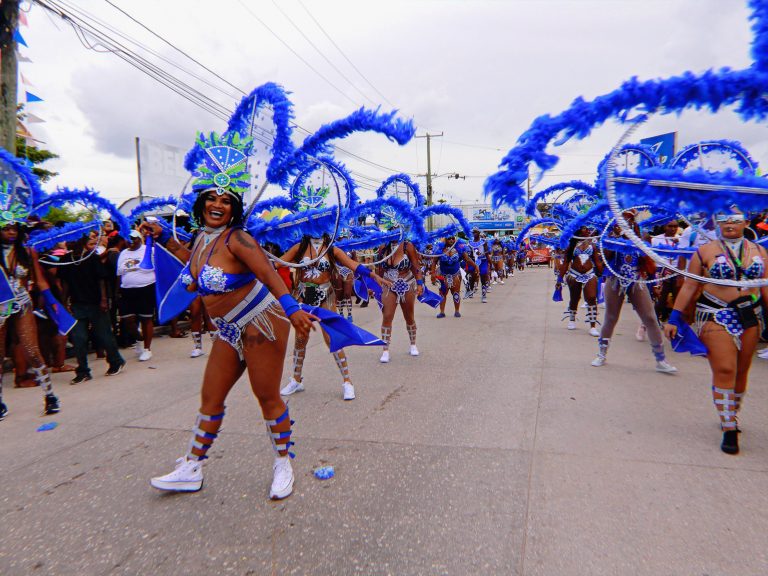
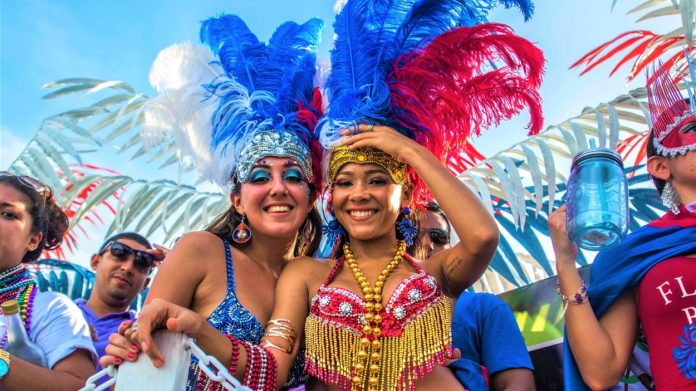
The celebration unfolds almost two weeks prior to September 21st, with J’ouvert and Carnival seamlessly integrating into the unofficial Independence festivities. Locals adorn costumes in Belizean colors — red, white, and blue — adding a spirited dimension to the commemoration.

Antigua and Barbuda (November 1, 1981): Sun, Sea and Independence

Now known for its stunning white sand beaches and lush rainforests, Antigua and Barbuda has well surpassed its original purpose to be a “slave breeding” colony. After nearly 350 years of British/English rule, the Antiguan Flag was raised in 1981. Now, the country celebrates its independence with sailing regattas and a grand parade in the capital, St. John. The nation’s motto “Each Endeavoring, All Achieving” reflects its commitment to unity and progress, symbolizing the spirit of two islands coming together in pursuit of self-determination.

Saint Kitts and Nevis (September 19, 1983): Twin Island Paradise

As the smallest nation in the Western Hemisphere, Saint Kitts and Nevis marks its independence with a grand cultural spectacle, marked by the lively beats of steel drums and folklore performances that entice both locals and visitors. The celebrations unfold with parades, cultural showcases, flag-raising ceremonies and speeches by government officials and dignitaries, accompanied by the singing of the national anthem.

These Caribbean nations’ independence days are more than just celebrations, they are powerful reminders of the enduring spirit, resilience and cultural richness that define these beautiful places. Whether it’s dancing in Trinidad and Tobago, enjoying the natural beauty of St. Lucia or embracing the diversity of Belize, these stories of independence are a testament to the beauty of cultural diversity and the drive of these nations as they celebrate the past and look forward to the future.

St. Vincent and the Grenadines (October 27, 1979): Gems of the Antilles

St. Vincent and the Grenadines gained independence in 1979 and celebrates its sovereignty with a mix of cultural showcases, religious services, and lively parades. The annual celebration features colorful costumes, traditional music, and dance that reflect the island’s history and diverse culture.

Independence Day festivities often include a national parade with performances by schoolchildren and military bands, as well as exhibitions of local art and culture. The celebration serves as a time of national pride, highlighting the island’s heritage through the display of its national flag and the singing of the national anthem. The day is also marked with community events that bring together Vincentians both locally and in the diaspora.


Celebrating Caribbean Independence: 10 Countries’ Journey To Nationhood

Eat Like a Local: 8 Tasty Christmas Recipes from Around the Islands

0

As festive colors adorn the streets and extended family makes their way into town again, it can only mean one thing – Christmas in the Caribbean is upon us! In this season of joy and togetherness, what better way to celebrate than by bringing a taste of the tropics to your holiday table? For those planning a traditional dinner, we’ve curated a few Caribbean holiday recipes worth bookmarking – a blend of time-honored dishes passed through generations and modern twists on classics, each celebrating the rich culture and distinctive flavors that define Caribbean cuisine. So, don your apron, cue up our Reggae Christmas playlist, and let’s infuse your holiday season with flavor!

Let’s start with drinks

Trinidad and Tobago’s Ponche de Crème

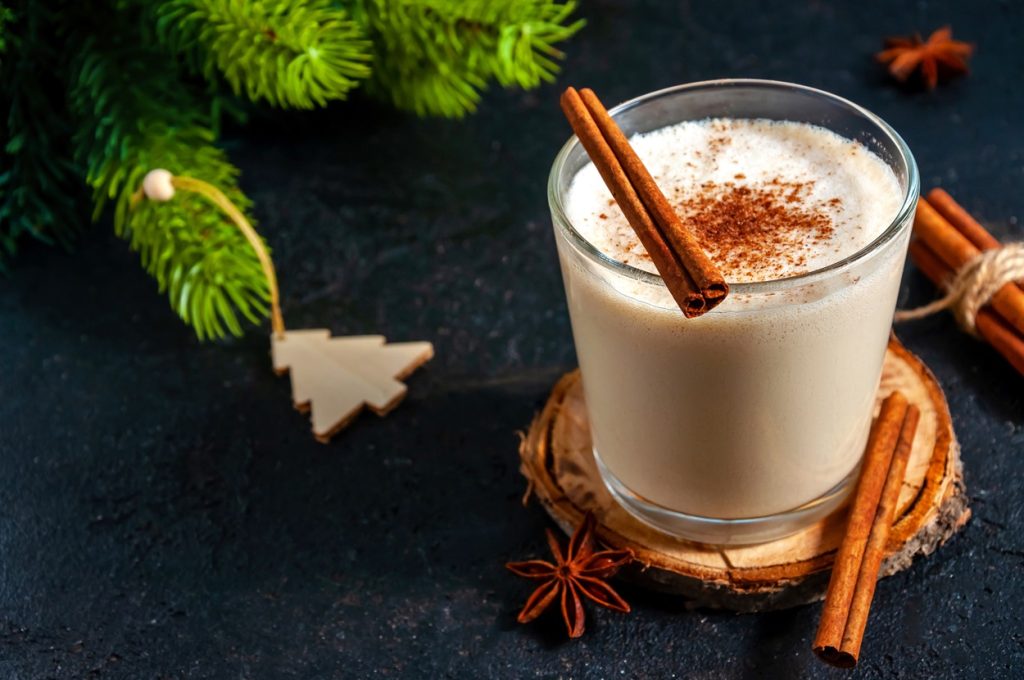
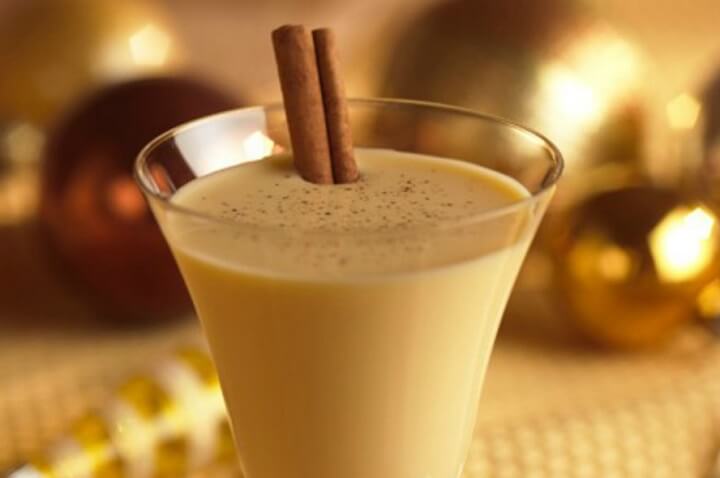
Call this the Trinidad version of eggnog. Popular across the Caribbean, this recipe combines egg yolk with condensed and evaporated milk, but it also doubles down on the festive warm spices like cinnamon and nutmeg. One non-negotiable addition, however, is four dashes of Trinidadian Angostura aromatic bitters.

8 Favorite Caribbean Holiday Recipes From Around the Islands

What you need:

  • 1 cup rum
  • 5 large eggs
  • 1-2 teaspoons lime zest
  • 3 cans of sweetened condensed milk
  • ½ cup evaporated milk
  • 4 dashes of Trinidadian Angostura aromatic bitters
  • ½ teaspoon nutmeg
  • ½ teaspoon cinnamon

What to do:

  1. Whisk eggs and lime zest with an electric mixer until fluffy. 
  2. Gradually add condensed milk, then pour in the evaporated milk and mix. 
  3. Add in the rum and bitters and sprinkle with nutmeg and cinnamon. 
  4. Transfer to a bottle and chill for at least 1 hour before serving over ice.

Caribbean Sorrel

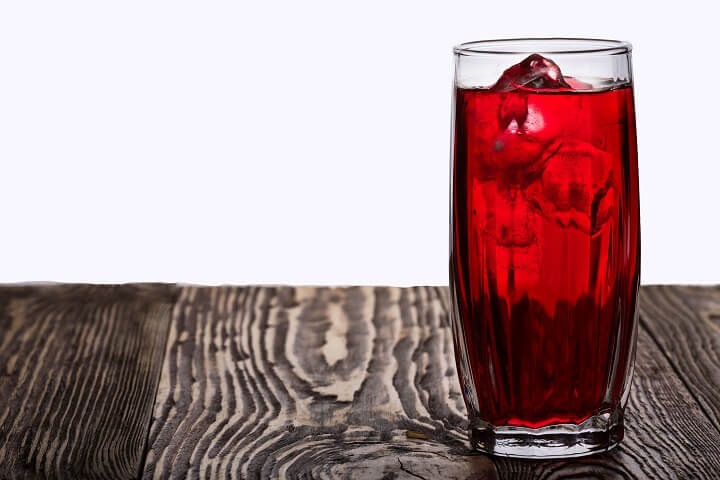
Sorrel, also known as roselle, hibiscus tea and flor de jamaica, is a popular and refreshing drink in all of the Caribbean, but especially Jamaica during the holiday season. It is sweet, tangy and slightly spiced, and has a deep connection to West African history. Whether it’s 90° or 60°, this festive drink can be enjoyed everywhere and any time!

8 Favorite Caribbean Holiday Recipes From Around the Islands

What you need:

  • 2 cups dried sorrel petals (hibiscus petals)
  • 1 cup white rum
  • 8-10 cups water
  • 1-2 cups granulated sugar (adjust to your sweetness preference)
  • 6-8 whole cloves
  • 1-inch piece of fresh ginger, peeled and sliced
  • 1-2 cinnamon sticks (optional)
  • 1 orange peel (optional)

What to do:

  1. Rinse the dried sorrel petals under cold water to remove any debris or dirt. Drain well.
  2. In a large pot, bring the water to a boil. Once boiling, add the sorrel petals, ginger slices, cloves, cinnamon sticks and orange peel (if using). Stir well, and then reduce the heat to low.
  3. Simmer the mixture for about 15-20 minutes. Remove the pot from the heat and let it cool. Strain the liquid into a large pitcher, discarding the used sorrel petals and spices.
  4. Add sugar to the strained liquid, starting with 1 cup. Stir until the sugar is completely dissolved.
  5. Add the rum to the pitcher and mix well. 
  6. Refrigerate, serve over ice and garnished with a slice of orange or a cinnamon stick.

Moving onto mains

Haitian Turkey Roulade

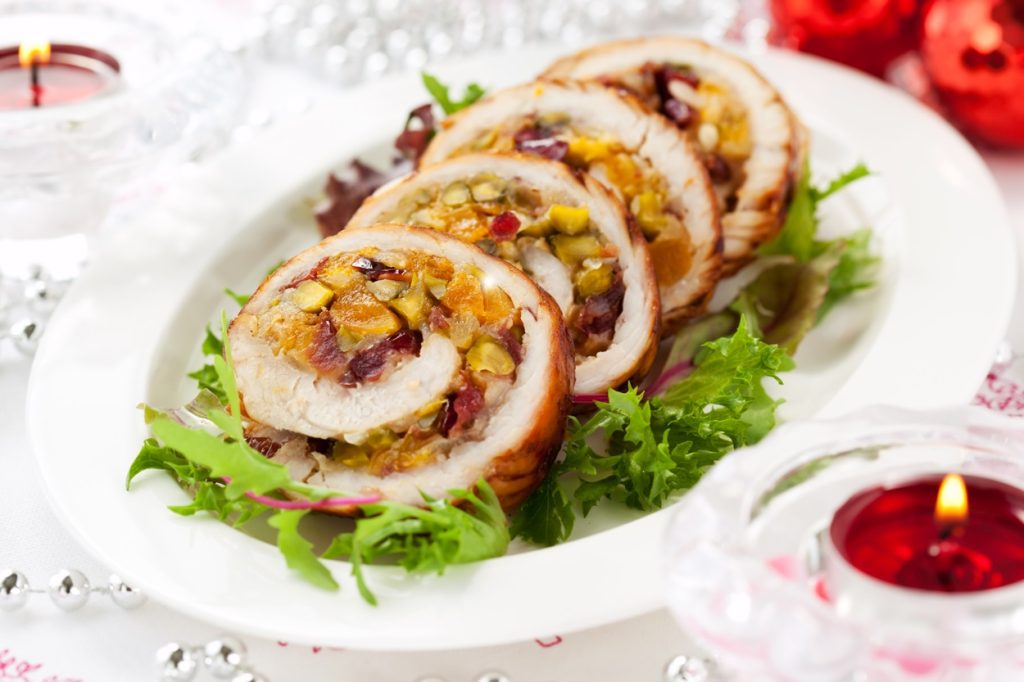
A dish that can be found at every Haitian Christmas Eve potluck is Turkey Roulade, a fusion of succulent turkey with aromatic herbs and spices. We talked with award-winning Haitian chef, Vicky Colas, to get her tips for the perfect recipe.

8 Favorite Caribbean Holiday Recipes From Around the Islands

What you need:

  • 1 turkey breast
  • 8 ounces celery, batonnet cut
  • 8 ounces carrots, batonnet cut
  • 8 ounces leeks, julienne cute
  • 8 ounces onions, julienne cut
  • 2 tablespoons minced garlic
  • 1 tablespoon garlic powder
  • 1 tablespoon onion powder
  • 1 teaspoon paprika
  • 1 teaspoon cinnamon
  • 1 tablespoon salt
  • 1⁄2 tablespoon pepper
  • 2 tablespoons olive oil

What to do:

  1. Preheat your oven to 375 F. In a sauté pan over medium heat, add olive oil, celery, carrots, leeks, and garlic. Stir for about 5 minutes until vegetables are softened. Set aside.
  2. Butterfly the turkey breast with a boning knife. Lay out the breast on top of a cutting board and cover with a plastic wrap. Use a meat tenderizer to gently flatten the breast. 
  3. Remove wrap and season the turkey breast surface with salt, pepper, cinnamon, garlic powder and onion powder.
  4. Place the sautéed vegetables on top of the seasoned turkey and roll the turkey breast as tightly as possible, keeping the vegetables from spilling from the sides. Wrap the turkey in a sheet of aluminum foil, and secure the ends to prevent juices from leaking out. 
  5. Place the wrapped turkey on a cooking sheet in the oven and cook for about 40 minutes, or to an internal temperature of 165 F. 
  6. Use the turkey skin to make a turkey chip by placing it on a sheet pan in aluminum sheets. Add sheet pan on top to press, and season to taste. Bake at 350 F for 15-20 minutes.
  7. Once the turkey roll is cooked, slice it into rounds and serve with the crispy turkey chip as a delightful garnish.

Jamaican Curried Goat

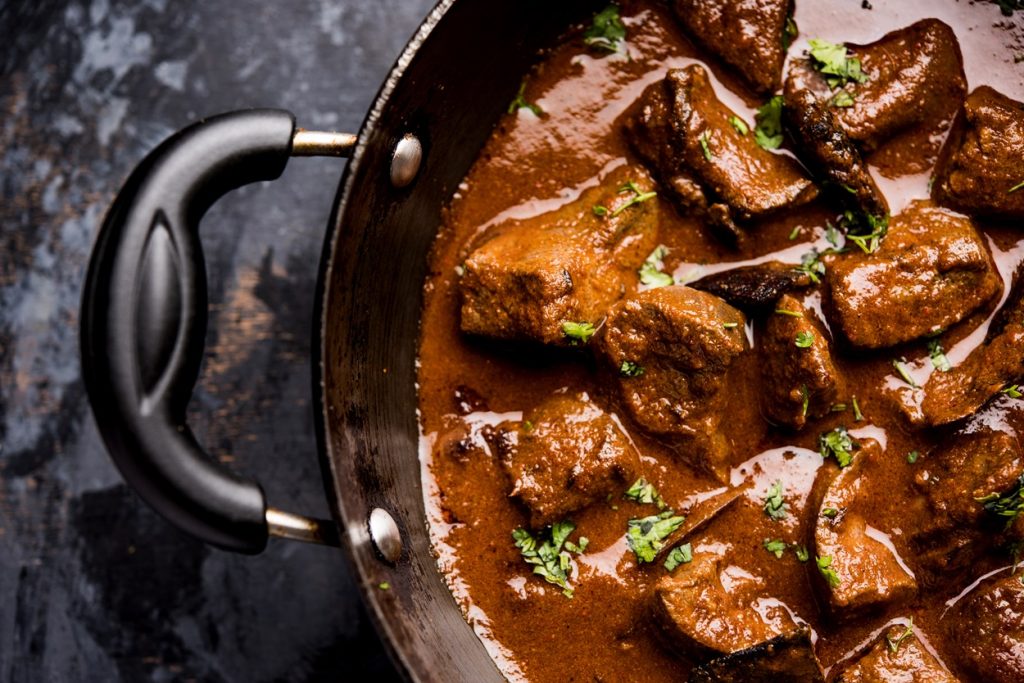
Christmas dinner in Jamaica often includes a time-honored tradition – curried goat. Slow-cooked to perfection and typically prepared on the bone, this flavorful dish features succulent goat meat marinated in a rich blend of aromatic spices, including turmeric, cumin and coriander. This delicacy is often paired harmoniously with rice and gungo peas.

8 Favorite Caribbean Holiday Recipes From Around the Islands

What you need:

For the meat

  • 4 pounds goat meat, cubed
  • 1 lemon, juiced
  • 1 red onion, sliced
  • 2 scotch bonnet peppers, sliced
  • 4 green onions, sliced
  • 5 cloves garlic, minced
  • 2 teaspoons onion powder
  • 1 teaspoon paprika
  • ½ teaspoon ginger
  • 1 tablespoon curry powder
  • Salt and black pepper

For the curry

  • 2 tablespoons olive oil
  • 2 tablespoon curry powder
  • 2 cups water
  • ½ of a red and green bell pepper, chopped

What to do:

  1. Clean goat meat by soaking it in lemon juice, then rinsing and draining.
  2. In the same large bowl, season the meat with salt. 
  3. Add the onion, scotch bonnet peppers, green onions and garlic into the bowl and mix. Then, add the onion powder, paprika, ginger, curry powder, salt and pepper and toss. Cover and let the meat marinate for at least one hour in the refrigerator.
  4. In a large pot over medium heat, fry curry powder in oil. Then, add the marinated goat and a little water (if needed to prevent sticking) and cook for 15-20 minutes, stirring occasionally. 
  5. Pour 2 cups of water into the pot, cover and let simmer for 2 hours, or until meat is tender. 
  6. Add the bell peppers to the pot and cook uncovered on low for 30 minutes, or until the curry thickens.
  7. Enjoy with your favorite sides!

What’s a main dish without a side

Yuca Con Mojo

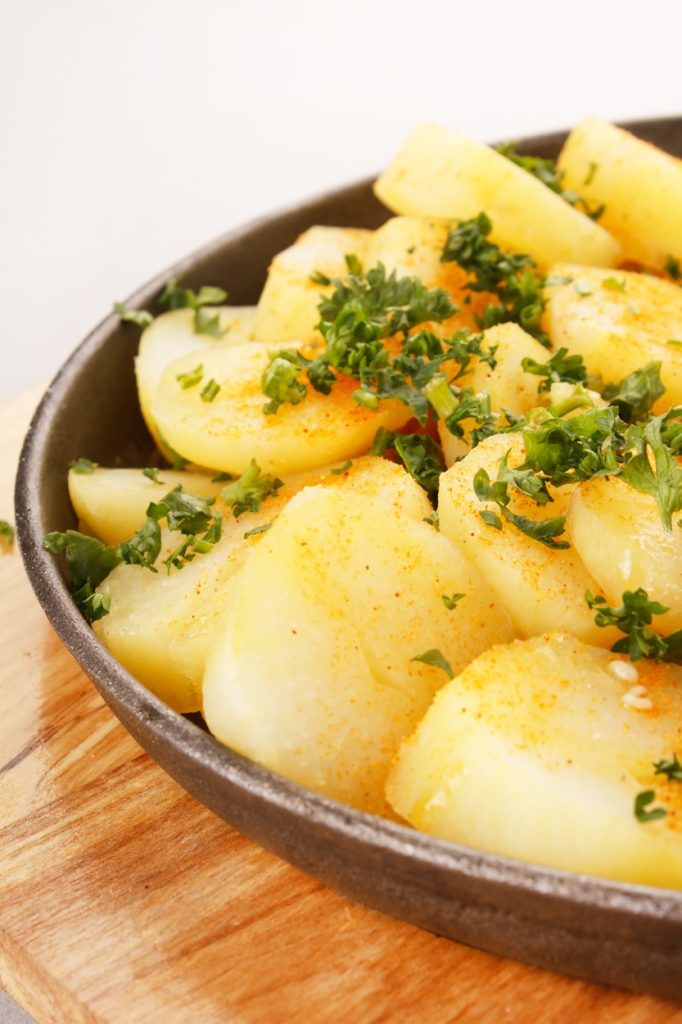
Every Cuban household is likely looking forward to Yuca Con Mojo being on the table this Christmas. This is a simple dish that holds a ton of flavor, and bonus points — it’s so easy to make!

8 Favorite Caribbean Holiday Recipes From Around the Islands

What you need:

  • 1 pound yuca root
  • ½ stick of butter
  • ½ large onion, chopped
  • 2 cloves garlic, minced
  • Juice of ½ lemon
  • Juice of 1 lime
  • Salt and black pepper, to taste

What to do:

  1. Trim the yuca ends and slice into 2-3 inch pieces, cutting the skin off of each piece and any dark areas on the white flesh. 
  2. Remove the core by cutting each piece in half lengthwise, then quartering. Cut off the core and chop the usable yuca into chunks.
  3. Transfer yuca to a pot, cover with water and bring to a boil. Cook on medium-low for 30 minutes or until it can be easily pierced with a knife. Drain and cool.
  4. Heat butter in a skillet. Cook onion for 3-5 minutes until translucent. Add garlic and let it get fragrant. 
  5. Add the remaining butter, lime juice, lemon juice, salt and black pepper and simmer for 10 minutes.
  6. Toss the cooked yuca chunks in the garlic sauce in the skillet. Transfer to a serving pan and enjoy!

Haitian Djon Djon Rice (Black Mushroom Rice)

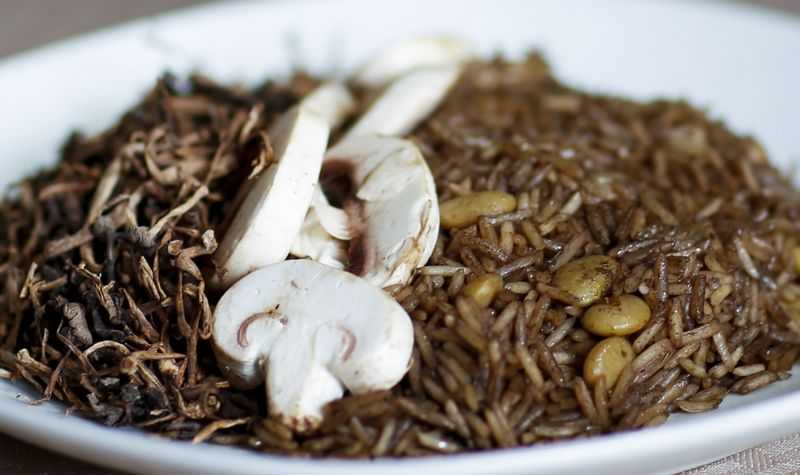
A popular side dish with Turkey Roulade, this black mushroom rice is perfect for a holiday meal.

8 Favorite Caribbean Holiday Recipes From Around the Islands

What you need:

  • 1 cup parboiled rice
  • 2 cups water
  • 1 cup djon djon mushrooms (for broth)
  • 2 tablespoon minced garlic
  • 2 sprigs of thyme
  • 2 tablespoons onions, small dice
  • 1 teaspoon ground cloves
  • 2 tablespoon olive oil
  • 1 tablespoon salt
  • 1 tablespoon pepper
  • 1⁄2 cup vegetable broth
  • 1⁄2 cup green peas

What to do:

  1. In a large saucepan, add water and djon djon mushroom. Bring to a boil for 2 minutes, then turn it down to a simmer for 6 minutes.
  2. Strain the mushrooms and preserve the water.
  3. Wash and rinse rice under cold water and set aside.
  4. In a medium saucepan over medium heat, add olive oil, then sauté onion and garlic for three minutes, until soft.
  5. Add 1 1⁄2 cup of the reserved mushroom water to the pan. Season with salt, pepper, ground cloves and thyme, and bring to a boil.
  6. Add rice. Let it cook for about 8 minutes or until 2⁄3 of the water has evaporated. Gently stir the rice and cover it.
  7. Bring the heat down to low. Leave it covered for 10-15 minutes before checking. Cook until fluffy. If the rice is dry, add more mushroom water.

Dessert? We’ve got that covered too

Bahamian Coconut Cheesecake

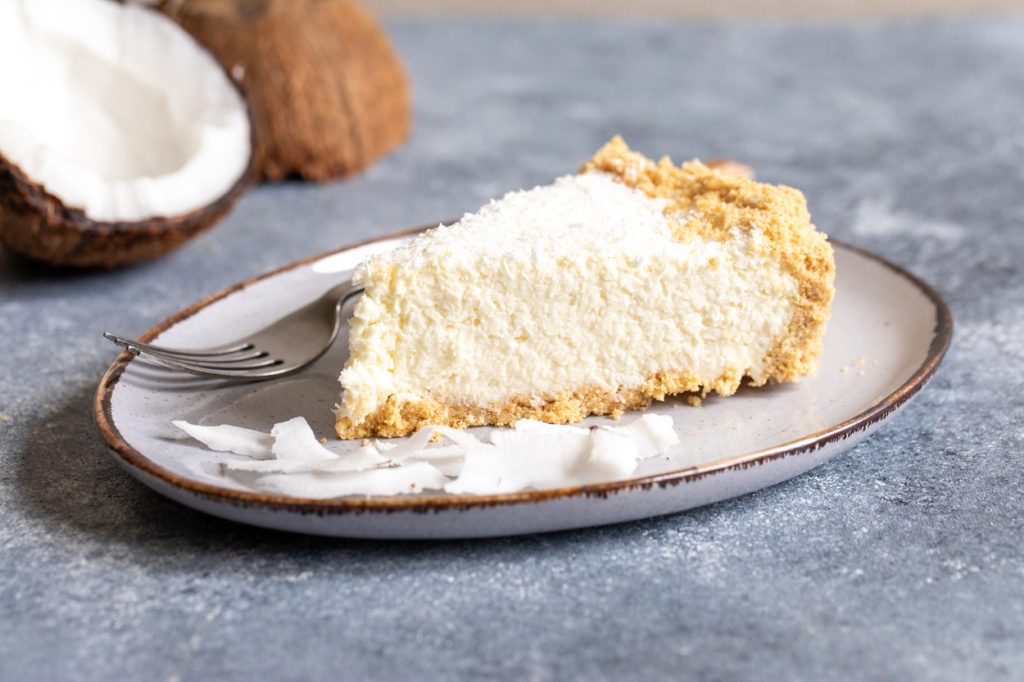
With coconut trees on every island and cay in the Bahamas, adding this fresh fruit into desserts is a no-brainer. ‘Wow’ your guests with this tropical take on a classic cheesecake dessert. 

8 Favorite Caribbean Holiday Recipes From Around the Islands

What you need:

For the crust:

  • 1 ½ cups graham cracker crumbs
  • 1 ½ cups shredded coconut, toasted
  • ¼ cup sugar
  • ½ cup unsalted butter (1 stick), melted

For the filling:

  • 4 packages cream cheese (8 oz each), room temperature
  • ¾ cup sugar
  • 2 large eggs
  • 2 large egg yolks
  • 2 cups cream of coconut
  • 1 cup whipping cream
  • 1 cup shredded coconut, sweetened

What to do:

  1. Preheat the oven to 325°F and wrap the outside of a 9-inch baking pan with foil.
  2. For the crust, mix graham cracker crumbs, toasted shredded coconut and sugar in a medium bowl. Add the melted butter and mix until well blended. Press the mixture into the bottom and up the sides of the prepared pan. Set in the fridge to chill while preparing the filling.
  3. For the filling, beat cream cheese and sugar in a large mixing bowl until well blended. Add the eggs one at a time, beating after each addition. Beat in the egg yolk. Add cream of coconut, whipping cream and shredded coconut, mixing until just blended. Pour the mixture into the chilled crust.
  4. Bake the cheesecake until it’s puffed and golden, approximately 1 hour and 15 minutes. 
  5. Once done, transfer to a rack and let it cool completely. Refrigerate until well chilled.

Bajan Sweet Bread

While not technically a dessert, Bajan sweet bread should most definitely be enjoyed post-meal with a cup of tea! And, you can even have it for breakfast the following morning for a sweet start to your day.

8 Favorite Caribbean Holiday Recipes From Around the Islands

What you need:

  • 3 cups flour
  • 3 teaspoon baking powder
  • ½ teaspoon salt
  • ½ grated nutmeg
  • ½ teaspoon cinnamon
  • 2 sticks of butter (1 cup)
  • 1 ½ cup sugar
  • 3 eggs
  • 1 ½ cups milk
  • 1 teaspoon vanilla extract
  • 2 cups coconut, grated
  • ½ cup baking cherries, washed and dried (can substitute raisins)

What to do:

  1. In a large bowl, sift the flour, baking powder, salt, nutmeg and cinnamon together. 
  2. In a separate bowl, cream the butter. Add the sugar into the mix, a little at a time and continue to beat until the texture is light-colored and fluffy.
  3. Add the eggs one at a time, beating thoroughly after each add. Then, add the vanilla and mix.
  4. Fold a small portion of the dry mixture into the butter mixture. Alternate adding the milk and the flour mixture, mixing in between, until all incorporated.
  5. Add the cherries to a small bowl and mix with a little bit of flour to remove excess moisture. Then, stir them into the batter.
  6. Add in the coconut and mix well.
  7. Pour the bread mixture into two greased loaf pans and bake at 350ºF for about an hour, or until lightly browned on top and a toothpick inserted into the center comes out clean. 

6 Interesting Ways We Celebrate “Navidad” in the Latin Caribbean

0
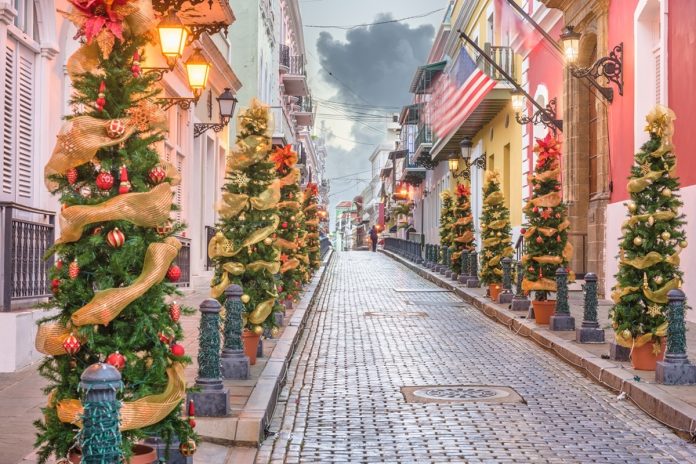
Christmas tree lined road in Old San Juan, Puerto Rico

In the heart of the Caribbean, Christmas takes on a unique and lively character. Latin Caribbean Christmas traditions, especially, are a blended celebration of cultural richness, incorporating indigenous and African influences into one big, festive celebration. Here’s how Cuba, the Dominican Republic and Puerto Rico celebrate the holidays.

Latin Caribbean Christmas

Parrandas and Aguinaldos

Unlike the serene midnight masses of some other regions, the nights leading up to Christmas Eve in the Latin Caribbean are often marked by lively musical processions. In Cuba, one of the most highly anticipated parades is Las Parrandas de Remedios. In the 18th century, the priest of the Grand Cathedral of Remedios assembled groups of children to roam the village and make enough noise to draw people to the midnight masses held in the week leading up to Christmas. Over time, this novel idea transformed into a cherished tradition, evolving into the grand street celebration that persists today. Contemporary Parrandas feature conga groups, rumba dance parades, elaborate and colorful floats, costumes and an awe-inspiring fireworks display. 

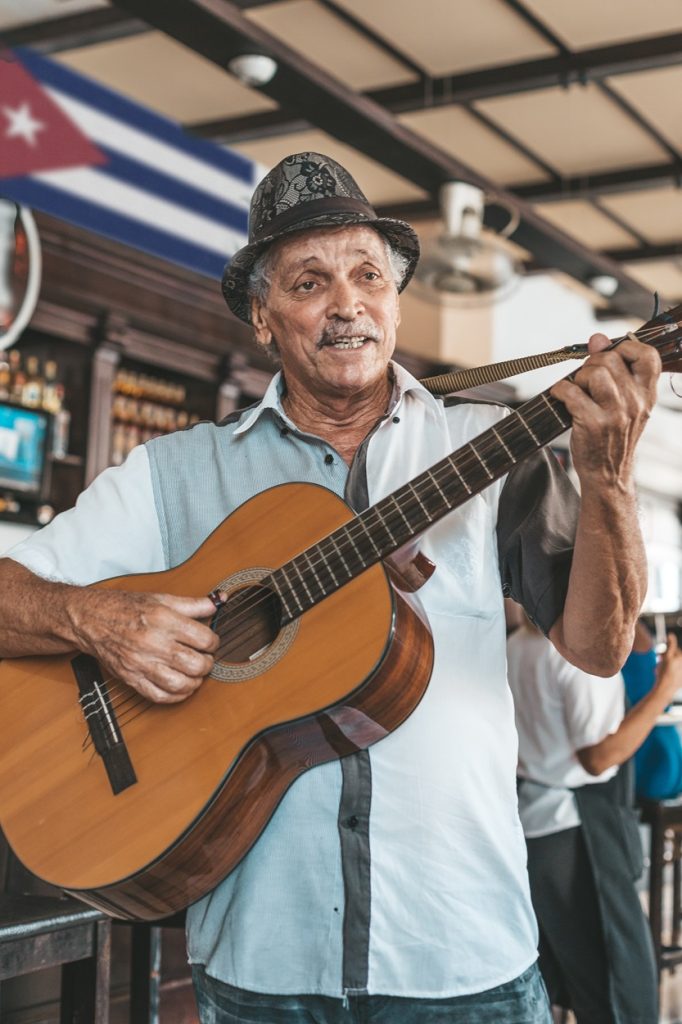
Puerto Rico features pretty similar Parrandas complete with friends and neighbors gathering to surprise each other with spontaneous visits and singing traditional Aguinaldos, a genre of music inspired by Spanish Christmas carols, accompanied by instruments such as guitars, drums and maracas.

Nochebuena

Christmas Eve, or Nochebuena, is a night of grand celebration in itself. Homes are adorned with festive decorations and the extended family assembles to savor the festive Christmas Eve meal, accompanied by the joyous melodies of Christmas songs. Following this, they proceed to attend the Misa de Gallo (“Rooster’s Mass”), a special Christmas mass held precisely at midnight. This tradition stems from the belief that a rooster’s crow marked the sacred moment of Jesus’s birth.

Folkloric Dances and Celebrations

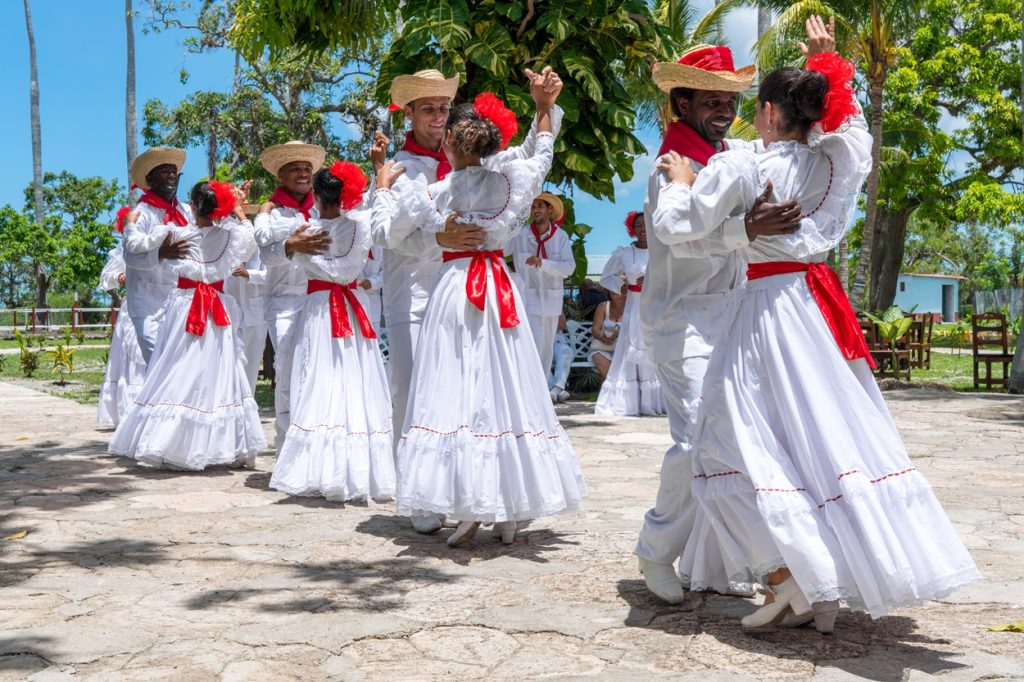
Cuba, Puerto Rico and the Dominican Republic are all known for their vibrant and energetic dance forms, and Christmas provides the right occasion to showcase these traditions. Bomba and Plena, two Afro-Caribbean dance styles, are often performed during Christmas festivities. Random salsa, bachata and la bamba performances along the streets are also common. These dances, accompanied by rhythmic drumming and colorful costumes, perfectly capture the spirit and joy of the season.

Latin Caribbean Christmas
Cuban dancers dancing La Bamba folk dance

Good Eats

While the other islands tend to look forward to honey ham, fish and various forms of rum cake, for the Latin Caribbean Christmas feast, the main item on the table is succulent roast pork, known as lechón asado. The lechonera, where the pig is slow-roasted over an open flame, becomes the focal point of many celebrations, especially in the Dominican Republic on Nochebuena (the night before Christmas). 

Accompanying the lechón are pasteles, a traditional dish made of plantains or yucca filled with seasoned meat, wrapped in banana leaves and steamed to perfection. 

Coquito and Crema de Vie

No Christmas celebration is complete without the indulgence in festive beverages. Coquito, a coconut-based eggnog with a hint of rum and spices, is a beloved holiday drink in Puerto Rico. Similarly, Ponche Navideño, a creamy and spiced Dominican version of the concoction and Crema De Vie (Lechita) from Cuba both are local favorites.

Latin Caribbean Christmas

Need a recipe? Try our delicious take on the classic Coquito:

What You Need:

  • ½ can of coconut milk, about 7 ounces
  • 5 ounces evaporated milk
  • 2 ounces sweetened condensed milk, or to taste
  • 5 ounces white rum
  • 1 teaspoon pure vanilla extract
  • ¼ teaspoon cinnamon
  • ¼  teaspoon nutmeg
  • cinnamon stick, to garnish

What To Do:

  1. Gather all ingredients except the cinnamon stick, place into a large blender and blend for about two minutes or until all ingredients are incorporated and the mixture is slightly frothy.
  2. Pour the mixture into an airtight container or mason jar and refrigerate until cold.
  3. Before serving, shake well to make sure the settled spices are incorporated.
  4. Serve the coquito in short glasses with sprinkled cinnamon and cinnamon sticks. Enjoy!

Three Kings’ Day

While Christmas Day is, of course, celebrated with enthusiasm, the holiday season extends to January 6th with the observance of Three Kings’ Day, or Día de los Reyes. This day commemorates the arrival of the three wise men, and it is common for families to exchange more gifts and share a special meal on this day too. The celebration often includes the cutting of a rosca de reyes, a sweet bread adorned with candied fruit, with a hidden figurine inside. Whoever finds the figurine is believed to have good luck for the coming year!

As we embrace these traditions, we not only partake in the joyous festivities but also gain a deeper appreciation for the culture that makes Christmas in the Latin Caribbean a truly magical experience.

Deck the Halls with Eco-Friendly Cheer: A Guide to Thoughtful Holiday Fun

0

As the holiday season approaches, many of us find ourselves caught in the whirlwind of festive preparations, from decking the halls to checking off gift lists. This year, however, there’s a growing desire to infuse our celebrations with more than just glitter and tinsel – a desire to embrace sustainability and thoughtfulness. With this in mind, we set out to explore sustainable ways to make the season special while minimizing our environmental impact. Here are eight ways you can have a more eco-friendly holiday without giving up any of the joys of the season.

Personalized Ornaments from Nature’s Bounty

Embrace the beauty of nature by crafting personalized ornaments using recycled or reusable materials! Try molding clay into festive objects, or take a trip to your local beach to gather intricate seashells or driftwood and turn them into unique decorations. Not only do these ornaments add a touch of your creativity to the holiday season, but they also help reduce waste and celebrate the wonders of the natural world. These can become a truly one-of-a-kind gift to relatives or friends, or you can make it a fun family tradition to start the season for years to come.

8 Tips to Have a More Eco-Friendly Holiday

Sustainable Finds at Your Local Holiday Market

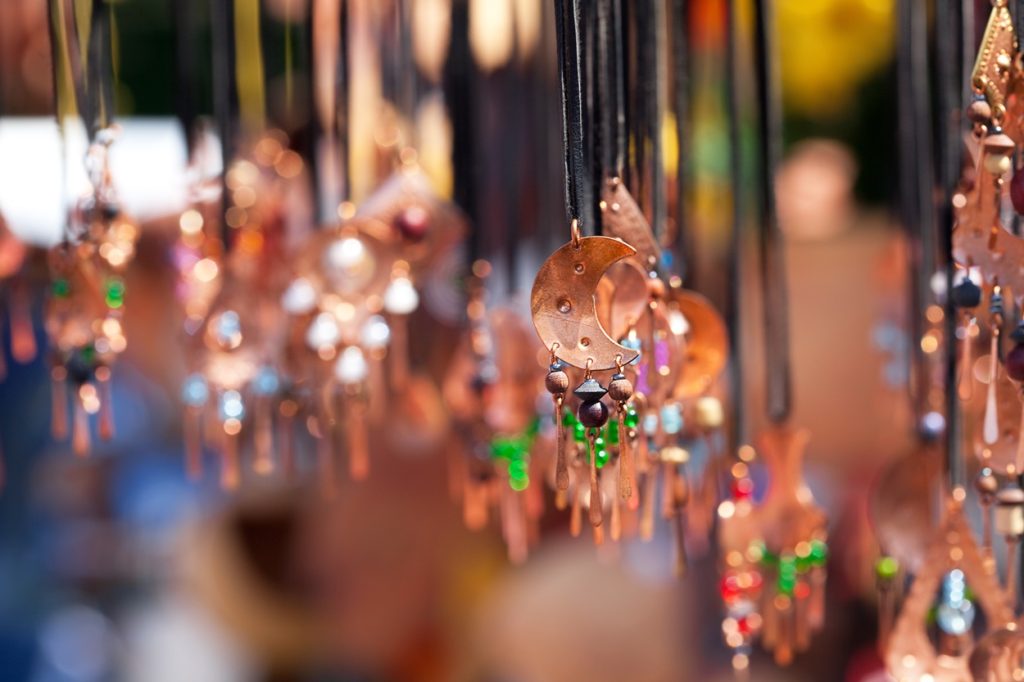
Support local artisans and reduce your carbon footprint by exploring holiday farmers or art markets. From handmade soaps with organic ingredients to reusable bamboo utensils and even vintage art, these markets offer a plethora of thoughtful gifts that make a positive impact on both the environment and the community.

Reusable Fabric Gift Bags

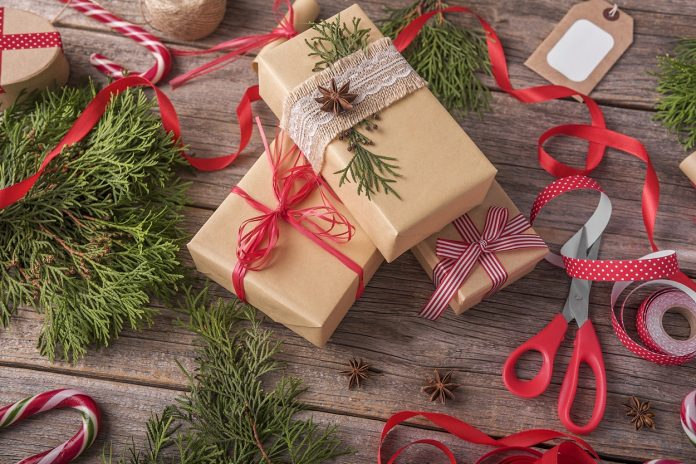
Say goodbye to traditional wrapping paper and opt for reusable fabric gift bags adorned with vibrant Caribbean patterns. These stylish bags not only add a touch of island flair to your presents but also contribute to reducing the environmental impact of disposable wrapping paper. Plus, they make for excellent and eco-friendly gift options themselves!

Community Cleanup and Tree Planting

What better way to spread the holiday spirit than to gather your community for a day of giving back to the environment. Organize a beach cleanup followed by a tree-planting event, turning the holiday season into an opportunity to enhance the natural beauty of your surroundings. The sense of accomplishment and shared purpose will make your holiday celebrations even more special.

Secret Santa Meaningful Gifts from the Heart

Give your gift-giving traditions a thoughtful twist by organizing a Secret Santa exchange with a focus on meaningful, not store-bought, presents. Encourage participants to find something special from their homes, shop from a second-hand store or create a personalized gift. 

8 Tips to Have a More Eco-Friendly Holiday

DIY Treats for Sweet Celebrations

Spread joy with homemade treats that not only delight the taste buds but also minimize packaging waste. Bake cookies, craft jams or create personalized recipe books as gifts. Your friends and family will appreciate the effort you put into their unique and tasty presents.

Gifts that Grow

Give the gift that keeps on giving with plants or seed packets. Whether it’s a sprawling pothos, a fragrant herb or a packet of wildflower seeds, these gifts symbolize growth and renewal. Not only do they make for charming presents, but they can be enjoyed well past the holiday season. Include a hand-painted pot for a personal touch.

Digital Wishes

Embrace the digital age. Save paper by sending heartfelt messages electronically, or consider gifting online classes, subscriptions or virtual experiences that bring joy without adding to the material clutter. 

Island SPACE Caribbean Museum and Broward Mall Anchor New “Art Week Comes to Plantation” Event Series

0
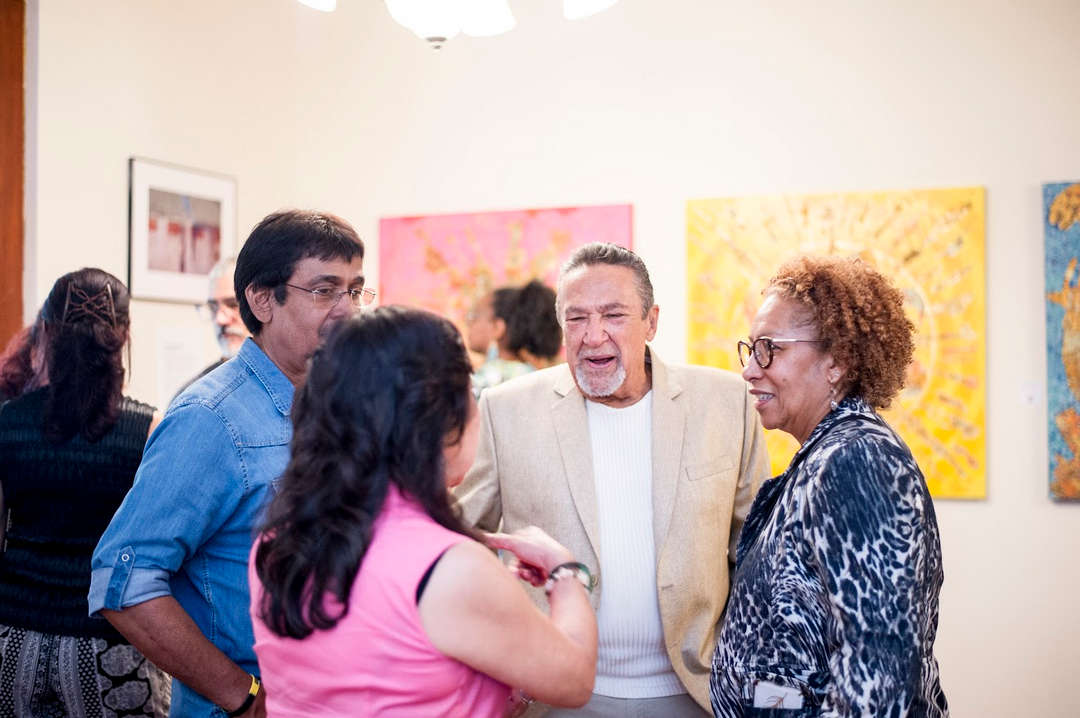
Mixed media artist Sonya Sanchez Arias explains the social justice theme of her work during a 2023 Island SPACE Exhibit | Photo courtesy of Island SPACE Caribbean Museum

Plantation, Florida: This year, as thousands descend upon South Florida to enjoy fine art from the world’s most celebrated artists, they can add West Broward to their itinerary. Island SPACE Caribbean Museum and Broward Mall will become the anchor point of “Art Week Comes to Plantation,” a lineup of gallery shows, events and activities offering the best features of the creative mecca to the south, but located in the lush suburb. During Art Week, From Thursday, December, 7th through Sunday, December 10th, visitors can attend an exciting lineup of related activities. Future attendees can learn more and reserve their spots at islandspacefl.org/artweek2023.

This event series is presented in partnership with Broward Mall and the Plantation Chamber of Commerce, and made possible in part by the support of the State of Florida, Department of State, Division of Arts and Culture, the Florida Council on Arts and Culture, the Institute of Museum and Library Services, the Broward County Cultural Division, “King” George Jograj, Dr. Lydia Malcom of Authentic Behavioral Health LLC, and her husband, Mr. Waynewright Malcolm, and the following funds at the Community Foundation of Broward: Judith Cornfeld Fund for the Arts, Helen and Frank Stoykov Charitable Endowment Fund, The Frederick A. DeLuca Foundation Broward Community Fund and Samuel F. Morrison Community Impact Fund.

From November through December in a show titled “New Wave: Contemporary Caribbean Art,” a collective of Caribbean and South Florida artists will have selected works on display inside the museum and in the mall’s gallery space. Featured artists will include renowned Jamaicans Karl “Jerry” Craig, Paul Campbell and David I. Muir, Preston Hanna of The Bahamas, Suhame of Cuba, and Chris Mendez of Panama.  

While on-site during the holidays, enjoy an art walk through the gallery at Island SPACE Caribbean Museum, the mall gallery near the food court and JCPenney, and through Young At Art Museum’s latest exhibition, “MAGIC, MIRTH, AND MORTALITY: Musings On Black Motherhood,” celebrating the resilience of Black mothers through the lens of visual and literary art, on display there through June 9, 2024.

Island SPACE Caribbean Museum and Broward Mall Anchor New "Art Week Comes to Plantation" Event Series
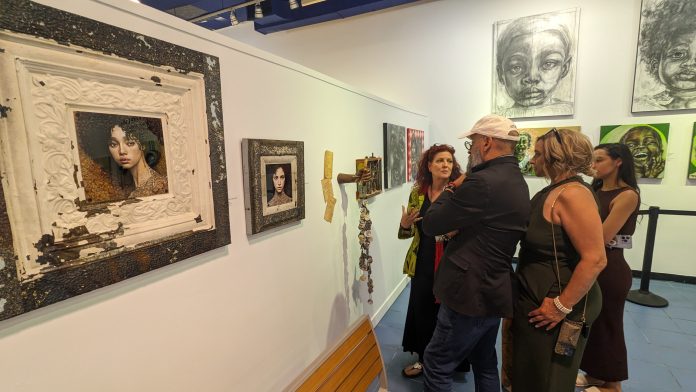
Artist Karl “Jerry” Craig, with his work on the wall behind him, speaks with art aficionados at the 2019 Island Imprint exhibit, produced by Island SPACE co-founders Calibe Thompson and David I. Muir.

Lineup 

Opening Reception – Thursday, December 7th (evening) – SOLD OUT

Visit Broward Mall for an opening reception to “Art Week Comes to Plantation.” Enjoy wine and light refreshments as you meet, greet and learn about the artists on display throughout the mall and at the museum. Wear comfortable shoes, so you can enjoy an art walk to see all the collections on display.


Performance Showcase and Mixer – Friday, December 8th | 6-10pm

Island SPACE Caribbean Museum will host a spoken word night and after work mixer featuring spoken word and musical performers. Also support local artisans.

Admission: $25


Family Friendly Crafts – Saturday, December 9th | 3-5pm

Visit Young at Art for Sensory Saturday 11am-12pm for unique experiences with community vendors during this sensory inclusive event. 

Then, in the afternoon, the whole family is invited to Island SPACE two doors down for a holiday crafting session where parents and kids can get artsy, hands-on, creating island-inspired holiday ornaments for the upcoming season.

Admission: $15


Paint & Sip – Saturday, December 9th | 6-8pm

Enjoy a fun, relaxing evening creating your own personal masterpiece with a surprise instructor and a glass of wine in hand.

Admission: $35


Brunch & Fashion Show – Sunday, December 10th | 11:30am-2pm

Enjoy an afternoon brunch featuring a fashion show and live performers at Island SPACE Caribbean Museum. Graze from a buffet of tropical fare while taking in the fabulous work of Caribbean clothing and accessory designers.

Admission: $45


Additional Details

To learn more about the event lineup and to reserve your spot at any of the Art Week Comes to Plantation events and activities, visit islandspacefl.org/artweek2023.

To learn about sponsorship or becoming a participating artist or designer, contact [email protected] or call 954-999-0989.


About Island SPACE Caribbean Museum (islandspacefl.org)

Island Society for the Promotion of Artistic and Cultural Education (Island SPACE) is a 501(c)(3) nonprofit organization dedicated to the advancement of arts, culture, history, and educational initiatives that represent the Caribbean region, in South Florida and the broader diaspora. The public is invited to visit the Caribbean museum Thursdays through Saturdays from 11:00 a.m. through 7:00 p.m. and Sundays from 11:00 a.m. to 6:00 p.m. General museum entry is $10 per adult and $5 per child. Visit islandspacefl.org to learn more.

About Young At Art Museum (youngatartmuseum.org)

Young At Art Museum (YAA) is open Wednesdays- Sundays 11am-6pm and has been a staple in Broward County since 1989. YAA’s mission is to enrich our community through artistic, interactive experiences for all ages which inspire creativity and encourage an understanding of the world in which we live. Immersive contemporary exhibits along with artmaking stations are meant to create meaningful bonds between families and visitors alike.

#GivingTuesday 2023: Food For The Poor Donors Provide More Than 8.6 Million Meals

0
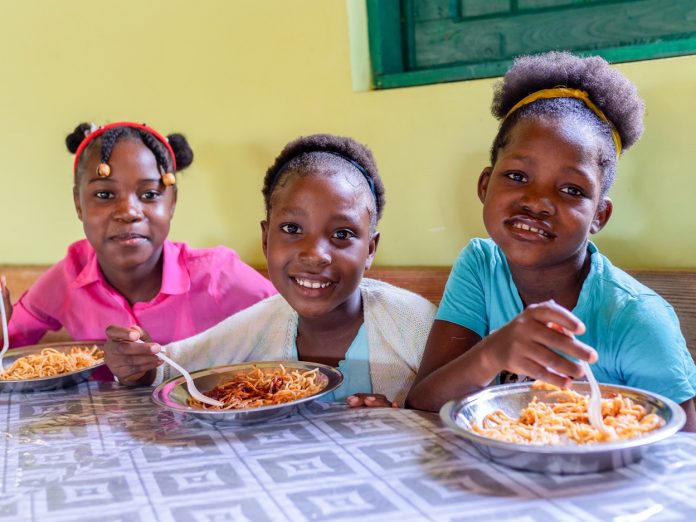
Food For The Poor donors raised enough funds on #GivingTuesday to provide more than 8.6 million lifesaving meals to families in need. Thanks to a generous match from longtime partner Feed My Starving Children, every dollar provided by FFTP donors by midnight, Nov. 28, was matched to deliver $3 worth of food, up to $750,000, that could aid children suffering from malnutrition and possibly even save their lives. Photo/Food For The Poor

COCONUT CREEK, Fla. (Nov. 29, 2023) – Food For The Poor (FFTP) donors opened their hearts on #GivingTuesday to provide much-needed food for families in need.

Donors gave enough funds to provide more than 8.6 million lifesaving meals.

Thanks to a generous match from longtime partner Feed My Starving Children, every dollar provided by midnight Tuesday was tripled to deliver additional food that could aid children suffering from malnutrition and possibly even save their lives.

The meals come at a critical time in the countries where FFTP helps after inflation and surging food prices have left many families in poverty suffering even more after crippling economic hardships sustained during the COVID-19 pandemic.

“We are incredibly grateful to all the donors who opened their hearts on #GivingTuesday,” FFTP President/CEO Ed Raine said. “Their support will make a significant difference in the lives of children who are in need of food and hope. The triple match from Feed My Starving Children will allow us to reach even more vulnerable children and provide them with the nourishment they need to survive.”

For the past decade, Food For The Poor has been part of the global movement #GivingTuesday.

Founded in 2012 by the 92nd Street Y, a community and cultural center in New York City, #GivingTuesday is recognized on the Tuesday after Thanksgiving. It is a day set aside to inspire people to collaborate to improve their communities and support the causes they believe in.

Over the years, FFTP donors have responded generously. Last year, donors provided funds for 9.4 million meals. In 2021, they generously provided more than 100 homes for families in need of shelter, plus $2.2 million worth of MannaPack rice meals from Feed My Starving Children.


Food For The Poor, one of the largest international relief and development organizations in the nation, does much more than feed millions of hungry children and families living in poverty primarily in 17 countries of Latin America and the Caribbean. This interdenominational Christian ministry provides emergency relief assistance, water, medicine, educational materials, homes, support for vulnerable children, care for the aged, skills training and micro-enterprise development assistance. For more information, please visit foodforthepoor.org.

Art of Transformation 2023 Announced for Miami Art Week, Featuring
Exhibitions and Events in South Florida

0
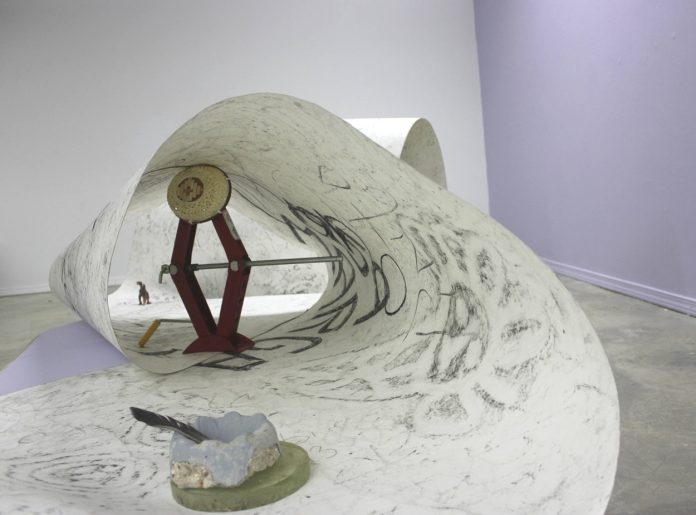
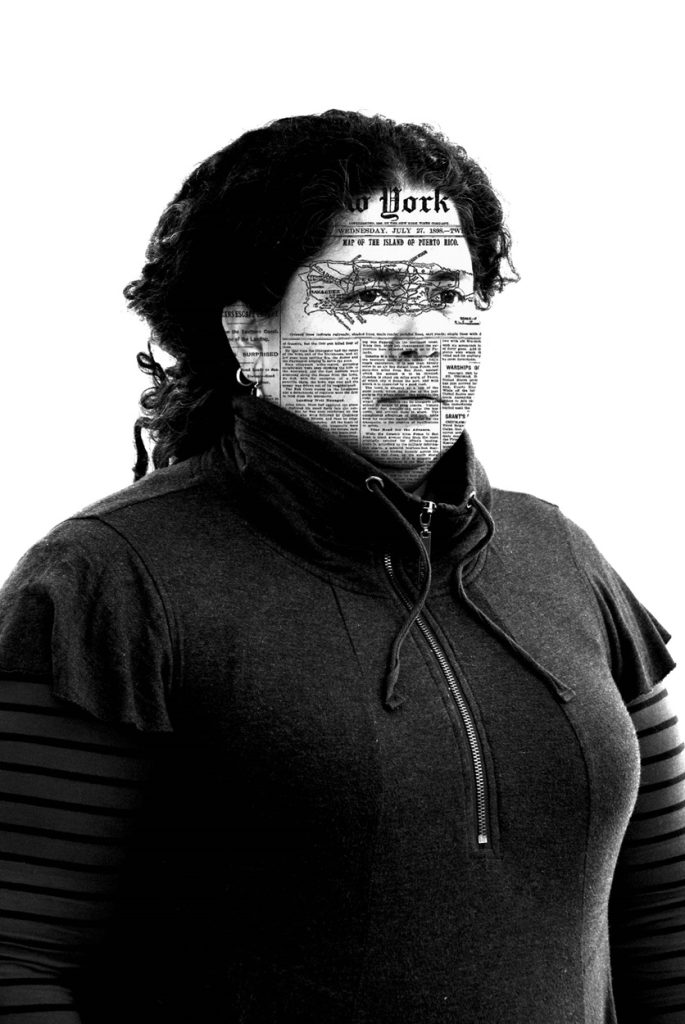
Cartographies of Displacement / Cartografías del Desplazamiento (on view Dec 6 - 10) Javier Orfon El pergamino de la sierpe V Small table and found objects. Graphite and charcoal on paper. 39" x 123" x 98"

Ten North Group presents art from the African Diaspora and highlights Black scholars in a series of programs coinciding with Art Basel Miami Beach 2023 and Miami Art Week 2023

Opa-locka, FL— Ten North Group is pleased to announce Art of Transformation: AFRICA GLOBAL, the 2023 conceptual framework exhibiting the diversity of African Diasporic communities and their varied experiences, taking place during Art Basel Miami Beach 2023 and Miami Art Week 2023. This annual program is designed to explore issues in African and African Diaspora contemporary art and brings artists of African descent from around the world to Miami in a series of exhibitions, panel discussions, performances and film screenings. Ten North Group presents AFRICA GLOBAL in Opa-locka, FL, from December 3 through December 10, 2023. 

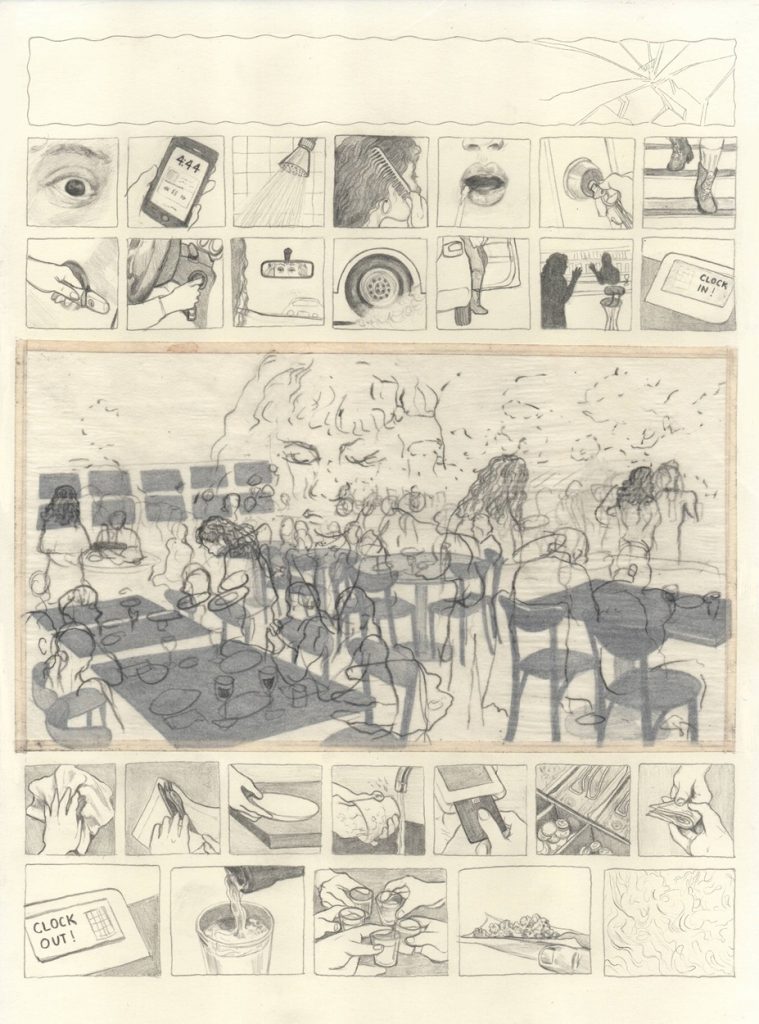
The arts festival in the architecturally distinct city of Opa-locka will offer six exhibitions, including works from Puerto Rican artists, a sculpture pavilion, a book installation resisting the erasure of Black literature, and works from Ten North Group’s extensive collection of art from Africa, the Caribbean, and the Diaspora.
Programming events include “Landscape Noir,” a conversation on how the arts can be used as a catalyst to transform previously forgotten communities (Dec. 4); A “Performance & Voguing Workshop” with Afro-Caribbean artist Edrimael Delgado Reyes (Dec. 8); an Afro-Cuban dance performance by the Ife-Ile Dance Company (Dec. 3); and the headline event featuring a panel discussion led by curator Tumelo Mosaka, followed by a film screening by artist Marrero Sanchez on grief, identity, colonialism and gender (Dec. 9). 

“We are thrilled to announce our participation in this year’s Art Basel Miami Beach,” says Dr. Willie Logan, the President and CEO of Ten North Group. “Art of Transformation strengthens our commitment to catalyze meaningful dialogue within our community and globally while establishing our City as a world-class destination to experience art of the African Diaspora. Our goal is to inspire, empower, and educate South Florida’s diverse communities and to expose our visitors to the exceptional artistic talent that exists in Africa and the African Diaspora.” 
INFORMATION ON ART EXHIBITIONS 

Fragmented Worlds / Coherent Lives (on view Dec. 6 – Feb. 28) 
Curator: Tumelo Mosaka (South Africa) 

Location: The Art & Recreation Center (ARC), 675 Ali Baba Ave, Opa-locka, FL 33054

Fragmented Worlds / Coherent Lives is an exhibition drawing on concepts informed by fragmentation, mobility, and adaptation. Borrowing its title from Pnina Motzafi-Haller’s book by the 490 Opa-locka Boulevard Suite 20, Opa-locka, FL 33054 | (305) 687-3545 same name, artists in this exhibition present multiple narratives drawing on memory, history, and lived experience to express ways identities become fragmented and sometimes contradictory. Working between concrete and subconscious ideas, artists weave coherent narratives that challenge representations of Africa today. 

Cartographies of Displacement / Cartografías del Desplazamiento (on view Dec. 6 – 10)

Curators: Helen Ceballos & Abdiel D. Segarra Ríos (Puerto Rico) 

Location: The Pavilion, 650 Ali Baba Ave., Opa-locka, FL 33054 

Cartographies of Displacement brings together the work of Puerto Rican artists who, through their respective practices, reflect on what is produced in the junctures that displacement provokes. The exhibition comments on the experiences that accumulate in the everyday—the ways in which we live and negotiate with the forces that displace us, the changes that undergo the landscape—politically and infrastructurally inside and outside the city— and the ways in which we conceive geography within the archipelago and in the diaspora, physically and temporally.

Alongside these observations on the setting, the curatorial work reflects on the production of subjectivities and the questioning of hegemonic identities —individual and collective—and on how this has repercussions on the articulation of historical narratives and the right to remember. 

Garden of Humanity (on view Dec 6 – June 30) 

Curator: James Brazil (Australia) 

Location: The VFW Lot, 757 Ali Baba Ave., Opa-locka, FL 33054 

The sculpture pavilion presents two new large-scale sculptural acquisitions by the Ten North Group in a lushly designed garden: 

1. Yemaya Ten North Group is pleased to unveil the newest work by contemporary artist Juan Roberto Diago Durruthy “Diago” (Cuba), a six-foot bronze sculpture titled Yemaya, after the goddess of the living ocean, the mother of all. Yemaya will be exhibited in dialogue with the spirits that accompanied African peoples during the crossing of the Atlantic Ocean known as the Middle Passage. 

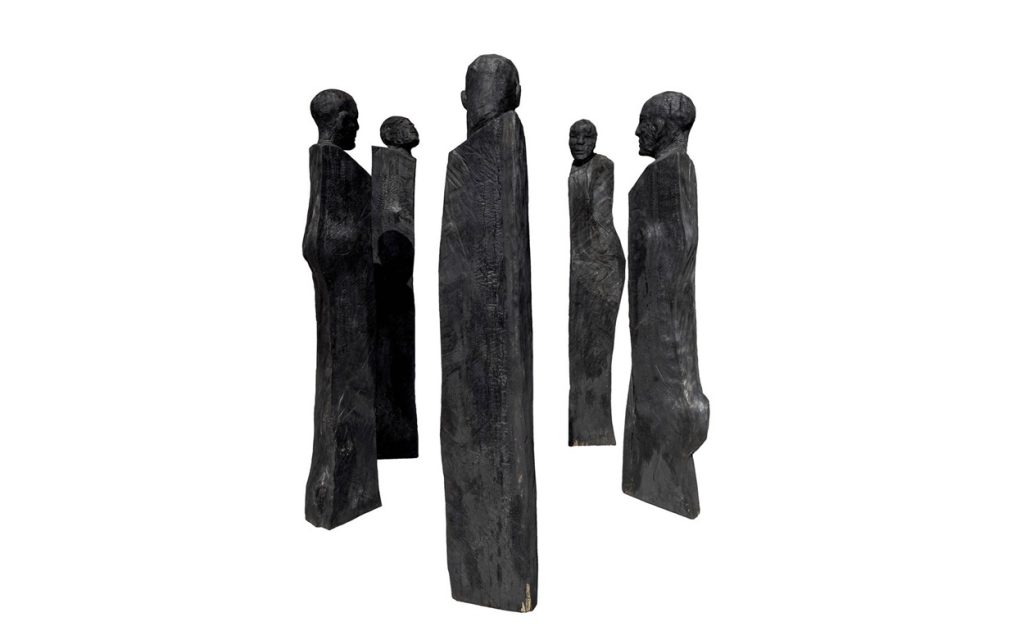
2. The Cedar Men Sculptor and performer Jems Robert Koko Bi (Côte d’Ivoire), whose work mixes avant-gardist influences and the artist’s African history, has created five six-foot-tall works which are sculpted from a single cedar trunk weighing half a ton each. The Cedar Men tells the history of humanity through the earth’s first inhabitants in Africa as the works initiate a conversation with the forces of nature, the ancestors, the native land, and the exile. 

New Acquisitions: The Ségou Collection (I’ve Known Rivers) (on view Dec. 6 – 10) 

Curator: Professor Abdoulaye Konaté (Mali) 

Location: The Hurt Building, 490 Opa-locka Blvd., Opa-locka, FL 33054 490 Opa-locka Boulevard Suite 20, Opa-locka, FL 33054 | (305) 687-3545 

The exhibition is a cartography of how continental African artists create in-situ modes of intervention in response to issues that beset their continent by providing counter-narratives of radical autonomy beyond the rehashed tacit necessity of the place of art in society. I’ve Known Rivers is an homage to the poem ”The Negro Speaks of Rivers” by Langston Hughes, first published in The Crisis in June 1921, but most importantly, for the 57th anniversary of his reading it at the First World Festival of Black Arts in Dakar, Senegal, in 1966.

The Ségou Art collection that Ten North Group acquired in 2022 comprises works by African artist finalists for the Ségou Art Fair selection on the banks of the mythical African Niger River. The Niger River echoes the Mississippi in a call and answer resonating across the Atlantic Ocean. 

Required Reading: Art in Public Places (on view Dec. 6 – 10) 

Location: The Airspace Around The Art & Recreation Center (ARC), 675 Ali Baba Ave, Opa-locka, FL 33054

As knowledge produced by African and African Diaspora intellectuals and artists is being debated, legislated, and litigated, Required Reading calls for a return to memory land where what “they” ban becomes required. This Art in Public Places exhibition appropriates a plurality of works by African and African Diaspora writers and artists as a reflection of polyvocality and decentering of knowledge in a time of a legislative construction of ignorance and new cartographies of power and exclusion. 


ABOUT TEN NORTH GROUP 

Ten North Group (formerly Opa-locka Community Development Corporation, Inc.) is a forty-year-old affordable housing developer and community builder. Ten North Group is determined to build wealth in under-resourced communities through creative placemaking—the act of using the arts and culture to write the future stories of previously overlooked places. To that end, Ten North Group actively commissions works of public art, offers residency programs in the United States and Africa, and is the steward of an important collection of African and African Diaspora modern and contemporary art with over 150 works. Please find more information on Ten North Group’s website here

Latest