


















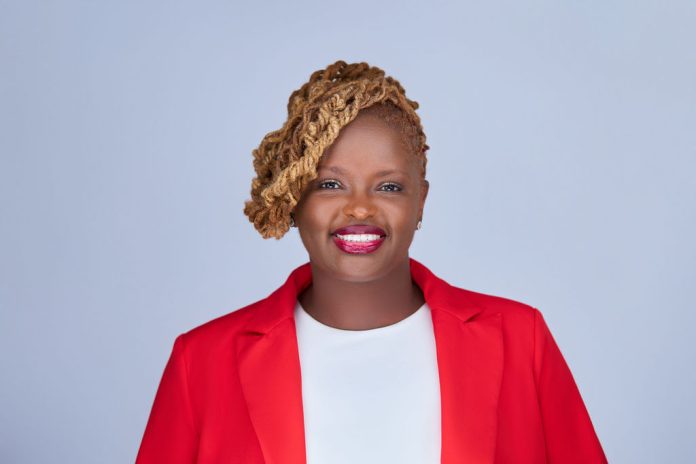
In a candid and inspiring conversation, Dr. LaToya Lewis—Associate Professor of Clinical at the University of Miami’s School of Nursing and Health Studies—shares how her Caribbean heritage, personal experiences, and professional journey have shaped her soul-centered approach to leadership in healthcare. Born in Trinidad and raised in New York, Dr. Lewis was inspired to enter nursing after witnessing disparities in the healthcare system and vowing to change how people are cared for—especially those who are too often unseen or unheard.
Her clinical career began in intensive care units, where she noticed a lack of representation and voice for Black patients and professionals alike. This realization pushed her to step into leadership and education roles, blending hands-on knowledge with culturally competent instruction. Now, she’s committed to training a new generation of nurses who are both clinically skilled and culturally aware.
The Mental Health Toll of Injustice
Dr. Lewis emphasizes how systemic injustice impacts the mental health of Black patients, caregivers, and even healthcare professionals. From inadequate pain management to communication delays and a lack of representation, the disparities are deeply ingrained. She shares her own experiences—both personal and professional—of being dismissed or overlooked in clinical settings, pointing to broader structural issues that must be addressed with empathy, advocacy, and reform.
At the heart of her philosophy is what she calls soul-centered leadership, a practice rooted in empathy, purpose, and alignment. “You can’t pour from an empty cup,” she says, highlighting the importance of rest, mental health breaks, and reconnecting with one’s “why.” For Dr. Lewis, leadership is not about relentless output, but about modeling care—both for others and oneself.
Mental health stigma remains strong in many Black communities, but Dr. Lewis believes universities, healthcare institutions, and grassroots advocates all have roles to play in shifting the narrative. She calls for trauma-informed, culturally matched spaces where patients don’t have to explain their identity to receive care. Her mission is to meet people where they are and prioritize mental wellness as a core part of overall health.
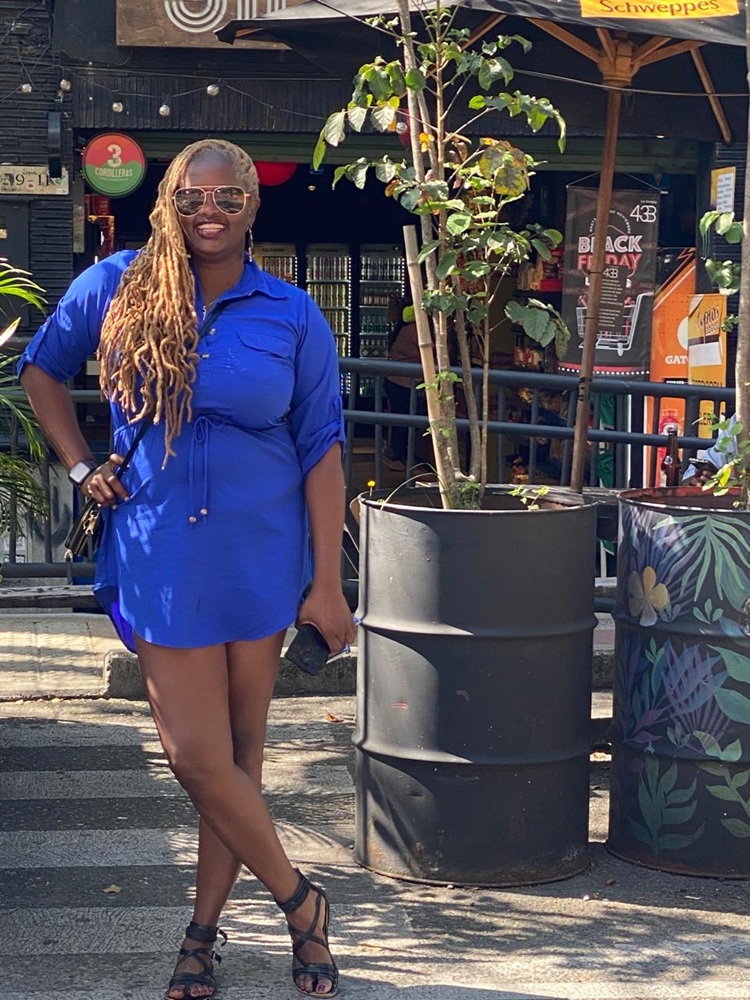
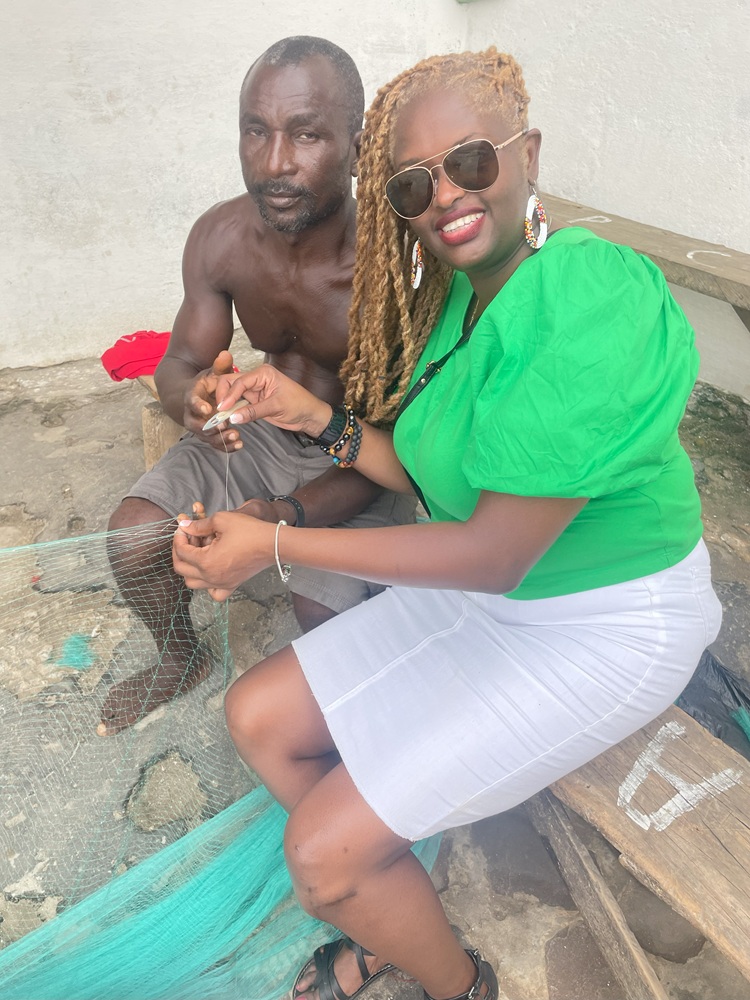
Intergenerational Wisdom as Healing
Raised by generations of caregivers, Dr. Lewis honors what she calls “intergenerational caregiving wisdom.” These traditions—like cupping, prayer, and the sacred act of presence—taught her that healing doesn’t require perfection. Slowing down, creating intentional spaces, and listening to one’s body are simple but powerful tools for wellness that she believes should be preserved and practiced today.
Overcoming as a Black Caribbean Woman
While Dr. Lewis has faced challenges as a Black and Caribbean woman in healthcare and academia, she roots her story not in struggle, but in resilience. She recalls being the only Black person in certain spaces and being underestimated, yet she has used those experiences to create opportunities for others. Her commitment to mentorship and safe spaces stems from a deep belief in community upliftment and legacy-building.
As editor-in-chief of the Association of Black Nursing Faculty Journal, Dr. Lewis is working to amplify underrepresented voices and promote culturally grounded research. She advocates for radical equity in mentorship, beginning as early as elementary school, and calls for financial support mechanisms that make nursing and academic careers accessible to more Black and Brown students.
From her work in Uganda to her advocacy on Capitol Hill, Dr. Lewis champions healthcare that is patient-centered, culturally responsive, and spiritually aware. She believes that honoring the humanity behind every diagnosis—and involving family and cultural traditions in care—leads to better outcomes and deeper trust between providers and communities.
Sacred Routines and Living Her Legacy
To maintain her own mental and emotional wellness, Dr. Lewis begins each day at 4:30 a.m. with gratitude journaling, meditation, prayer, and exercise. Time with her children, nature walks, green tea, and moments of stillness help her stay grounded amid a busy professional life. “Wellness is non-negotiable,” she says.
Her ultimate goal? To create a legacy of compassionate care. “I don’t want people to do what I do—I want them to find their own path, and to be authentic.”
As July marks National Minority Mental Health Awareness Month, Dr. Lewis continues to advocate for culturally inclusive healthcare policy, better caregiver support, and deeper community engagement around mental wellness. And as for what’s next? She’s focused on expanding her work in palliative care, publishing, and global health—all while raising children who, like her, move with purpose.