




















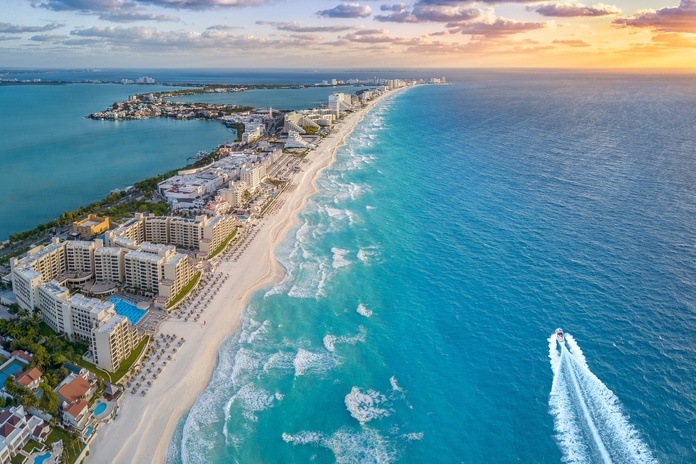
The Caribbean travel market represents one of the most lucrative opportunities in global tourism. Yet many companies struggle to establish a meaningful foothold in this vibrant market. These tips for breaking into the Caribbean travel market will help you take a nuanced approach and navigate the landscape effectively.
Research Your Target Islands Thoroughly
Before investing any resources, conduct comprehensive market research on your chosen destinations. Tourism boards such as the Caribbean Tourism Organization provide detailed visitor statistics, seasonal trends, and economic data that inform strategic decisions.
Examine existing competition within your niche. If you’re planning eco-tourism offerings, research established operators in places such as Dominica or St. Lucia. Identify gaps in their services, pricing strategies, and customer feedback to position your business advantageously.
Build Authentic Local Partnerships
Success in Caribbean tourism depends heavily on relationships with local stakeholders. These partnerships provide cultural credibility, operational support, and access to insider knowledge that outside businesses struggle to develop independently.
Start building these relationships before launching your operations. Visit your target destinations multiple times, attend local tourism industry events, and invest time in understanding community priorities beyond just business opportunities.
Practice Financial Planning and Currency Management
Operating in the Caribbean travel market requires careful financial planning due to currency fluctuations, seasonal cash flow variations, and diverse regulatory environments. Establish relationships with local financial institutions that understand tourism industry needs and can provide multi-currency services.
If necessary, hire a third-party service to help you keep up with your banking, taxation, and insurance requirements. The risks of bad bookkeeping for any business are steep, so it’s important to choose a reliable partner.
Caribbean culture varies significantly between islands, and understanding these differences prevents missteps. For example, while English dominates in Jamaica and Barbados, Spanish is most common in Cuba and the Dominican Republic, and French influences remain strong in Martinique and Guadeloupe.
Music and entertainment expectations also differ dramatically. Live calypso or reggae might be popular in some markets while being inappropriate in others. Research local entertainment preferences before engaging your business in cultural programming.
Master Seasonal Planning and Logistics
Caribbean tourism operates on distinct seasonal patterns that affect everything from pricing to staff availability. High season typically runs from December through April.
Hurricane season, which occurs from June through November, presents both challenges and opportunities. While visitor numbers typically decline, this period offers chances to build local relationships, conduct property maintenance, and negotiate favorable supplier agreements.
Starting a successful travel business demands patience, cultural sensitivity, and strategic thinking. With these tips for breaking into the Caribbean travel market, you’ll be well-positioned to succeed in this dynamic environment.